
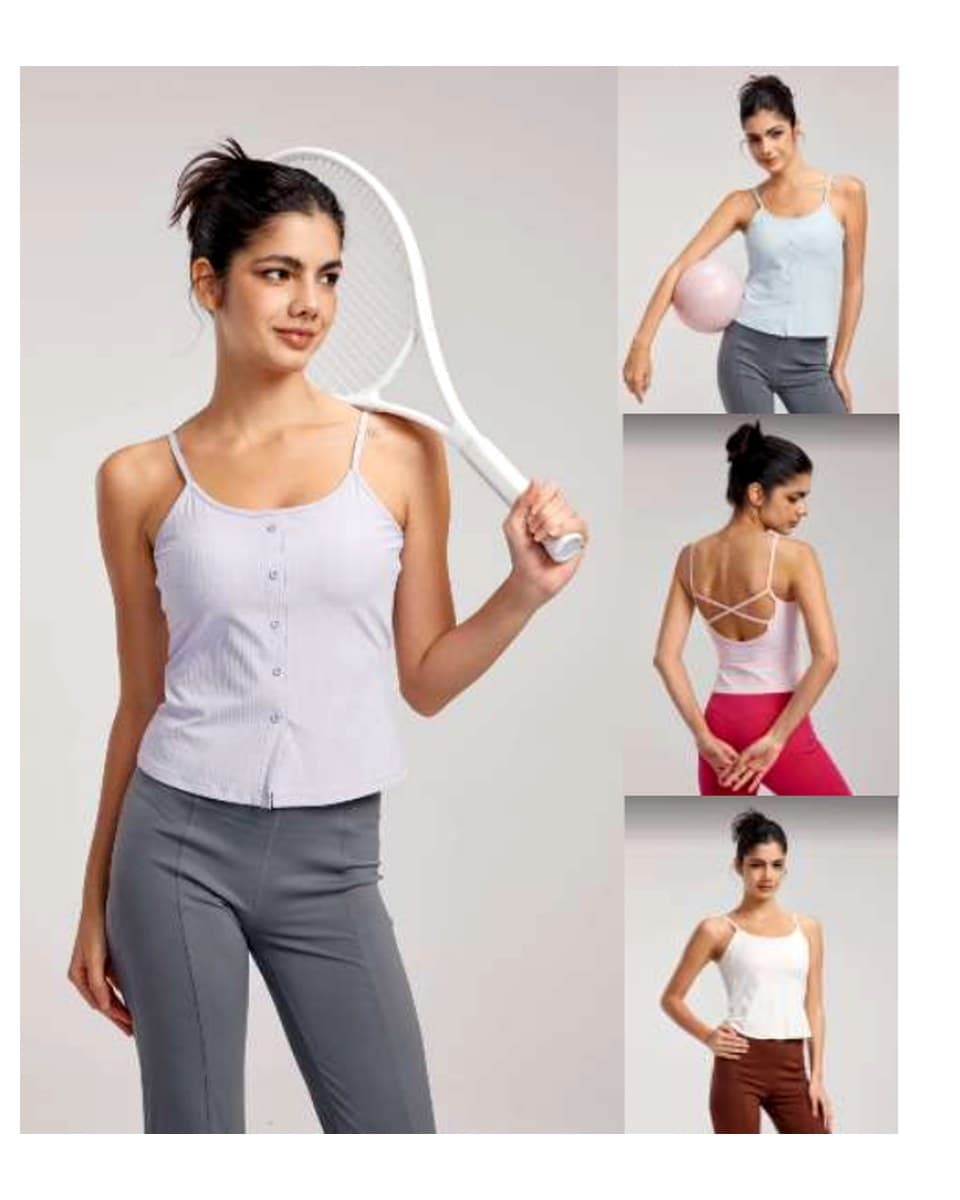
What should activewear startup budget planning define before asking for prices?
Begin with the launch you are trying to fund. Identify the intended wearer, product role, channel and initial range. Then separate what already exists from what still needs development. A selected garment with an agreed logo is a different project from a new bra construction or a revised legging fit, even if the products share a similar photograph on a mood board.
Write a short scope statement that a supplier can answer. It should name the garments, the changes, the proposed colour and size allocation, the branding depth, the sample questions and the destination. Mark assumptions clearly. If the range or quantity is still exploratory, ask for a scope discussion before treating an early number as an approved purchasing plan.
The startup activewear development guide helps frame the product route. This budget guide focuses on the next question: which work belongs in the supplier's proposal, which work belongs elsewhere, and which decisions must be resolved before the amounts can be compared? A budget becomes more useful when every entry has an identifiable deliverable and an owner.
Avoid starting with a borrowed headline such as what another brand supposedly spent to launch. Without its specifications, included services, order structure and operating model, that figure cannot explain your project. Use the actual scope to build the estimate, and retain uncertainty where the information is incomplete.
Which budget groups should a new activewear brand keep separate?
Use several connected groups rather than one large “manufacturing cost” entry. The table below is a planning structure. It does not state that every item is separately charged, supplied by inPACE or included in a garment quotation. The buyer should ask the relevant party to confirm each inclusion and exclusion.
| Budget group | Work to define | What the record should clarify | Who supplies the input? |
|---|---|---|---|
| Product development | Fit, materials, construction and sample questions | Deliverables, revisions and approval scope | Product team and development supplier |
| Proposed garment order | Styles, variants and quantities | Specification and quantity basis of the quote | Garment supplier |
| Branding | Artwork application, labels and related components | Methods, placements and included preparation | Brand and relevant supplier |
| Packing | Individual units, sets, identification and cartons | Materials, presentation and receiving requirements | Supplier and receiving operator |
| Quality review | Product-specific checks and evidence | Which checks or external services are included | Brand, supplier and any appointed provider |
| Destination-related work | Transport, delivery responsibilities and receiving | Included stages, exclusions and unresolved charges | Relevant logistics and destination contacts |
| Brand launch | Photography, content, storefront and marketing preparation | Brand-owned deliverables and service proposals | Brand and its chosen providers |
| Continuing operations | Customer service, fulfilment and ongoing channel work | The brand's actual operating assumptions | Brand operations team |
Keep a shared identifier where groups interact. The same style code should appear in the sample plan, garment proposal, image list and receiving brief. Separate budget groups should still describe one coherent launch. Otherwise, a product change can update the factory estimate while leaving photography, packing or channel preparation based on the old range.
How do wholesale, light customization and factory custom affect the scope?
For wholesale and light customization, start with an existing garment direction and specify the brand presentation and order details. The activewear performance collection gives concrete references for that discussion. Confirm the actual style, material, variants and project conditions before using the reference as a purchasing assumption. Catalogue visibility does not establish current inventory or a fixed price.
The private-label route can include discussion of logo or trademark application, labels and packing around the selected product. State exactly which elements you want reviewed. “Private label” by itself does not tell the supplier whether the brand expects a simple logo application or several new components and presentation formats.
Factory custom development is appropriate when the garment needs a new fit, material, construction or defining feature. The primary sourcing discussion in this guide is a focused startup custom project: identify the product question, establish the sample work, then assess the proposed order. Use custom activewear development to describe those needs without assuming that “startup” establishes a particular minimum, development fee or production schedule.
Do not compare the route names as if each has a standard price tag. Compare the deliverables. A selected existing style with extensive branding work can involve a different preparation scope from a tightly defined new product. Ask what must be supplied, developed, reviewed and approved for each proposal to answer the same launch brief.
What makes a factory quotation a usable budget input?
A usable proposal identifies the product and the assumptions behind the amount. Connect it to the brief version, style references, quantities, material direction, branding, packing and agreed delivery scope. Record the currency and any stated validity or conditions. If the supplier has responded to a preliminary brief, preserve that status instead of renaming the response as a final order cost.
The quotation comparison guide explains how to compare proposals against consistent requirements. For budget planning, add an inclusion check: is a requested item included, excluded, optional or unresolved? A blank response is not evidence that the work is free. Equally, an item already included in the agreed garment scope should not be counted again merely because it also appears in your planning table.
Ask for clarification where the unit is unclear. Does a quoted unit refer to one garment or an agreed set? Does the proposed quantity apply to the programme or a particular style and colour? Are the referenced labels and packing the current versions? These questions can change the interpretation of an amount without any change in the supplier's arithmetic.
Retain the original proposal alongside the normalised comparison. Your internal worksheet can make entries easier to compare, but it should not erase exclusions or turn conditional information into a commitment. The budget owner needs to see both the comparable scope and the remaining gaps.
How should sample and development work be planned?
Budget the questions the samples need to answer. One project may need confirmation of an existing style's branding. Another may need review of pattern balance, material behaviour and construction before the range can be defined. Describe the expected output of each proposed stage, then ask the supplier what work and conditions it involves.
Separate a planned review from a promised result. Paying for development does not mean that every product decision has already been settled. Record what will be examined, who provides feedback, what a revision request should contain and how additional work will be discussed. Any proposed sample charge, revision allowance or later credit needs explicit confirmation in the relevant agreement; none should be assumed from an unrelated project.
The how-to-order workflow can help organise the sequence from brief to sample and production preparation. Attach budget decisions to those practical stages. Before authorising another stage, check whether the intended question has been answered and whether the next scope has changed.
Keep development materials and commercial quantities distinguishable in the worksheet. A sample intended for fit review, an image asset and a sellable unit may serve different purposes. If the same physical item is expected to serve several roles, confirm that it represents the relevant approved version and is suitable for those uses. Combining labels in a spreadsheet does not automatically combine the work.
Why do colour and size choices matter beyond the headline quantity?
Give the supplier a quantity matrix with an identifiable row for each proposed style and variant. The total alone cannot explain the range. Several colours, materials or constructions may create distinct planning groups, while sizes need a clear allocation for garment identity, labels, checking and packing. Use assumptions when necessary, but state the basis and the decision that will confirm them.
The manufacturer MOQ guide addresses the project review behind minimum quantities. For the budget, ask which part of the proposed range creates a condition or constraint. A response about a material-colour group is different from a response about the entire order. Keep that level visible when comparing options.
Use the size and colour quantity-planning guide to organise the assortment. Do not divide every option equally simply because it makes a neat grid. The brand should explain its intended customer and channel, identify what evidence supports the allocation, and decide what the first launch is meant to learn.
When considering a narrower range, record what it changes. Removing a colour can affect product images and listing preparation as well as the supplier discussion. Deferring a style can change the collection's role or the planned set. A smaller total is useful only when the resulting launch still serves the brand's intended purpose.
Which material and construction decisions need their own clarification?
Describe the product requirement before selecting a cost-saving substitution. A brand may be considering a different handfeel, waistband construction, lining, trim or seam arrangement. The supplier needs to understand what must remain true about the garment and what is open to review. Without that distinction, an alternative proposal may describe a different product rather than a comparable option.
The fabric and trim review provides a place to discuss the actual material direction. Ask whether the proposal assumes the selected reference, a suggested alternative or an unresolved material. If a change needs a sample or other evidence, keep that work visible before treating the alternative as an approved budget reduction.
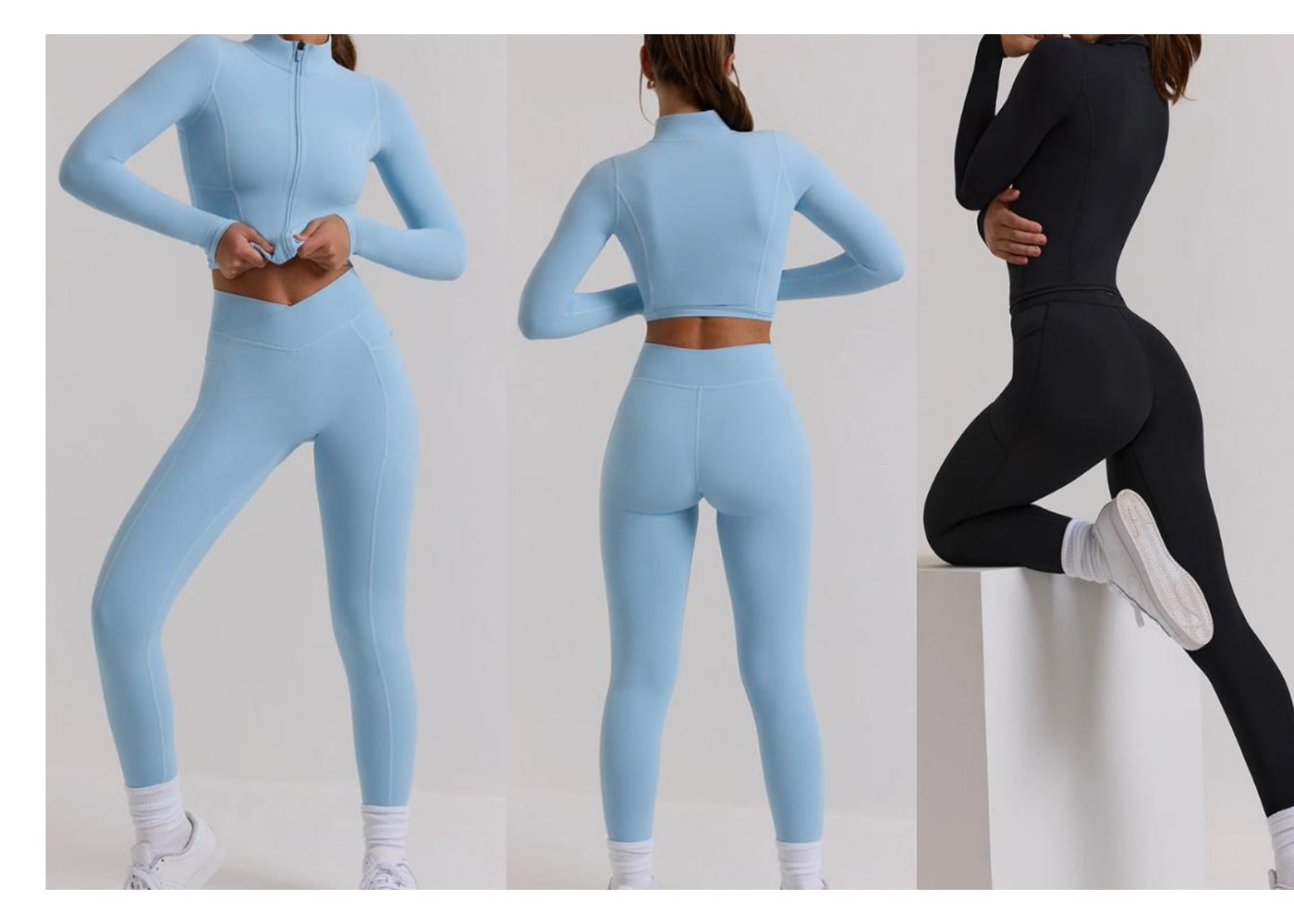
This product photograph provides visual context for a specification discussion. It does not establish the material composition, a test result or the cost of making the garment. Those inputs must come from the actual product review and proposal.
Compare changed and unchanged requirements side by side. If an alternative affects fit, appearance, construction, branding compatibility or the accepted product explanation, note the related review. The budget should show the work required to reach an approved product, not just the proposed amount before that work has been understood.
How should branding and packing be specified for a comparable estimate?
Provide the artwork, intended application, location, dimensions and colour direction. Identify the garments and variants receiving each version. The logo-methods guide helps frame the compatibility questions. Ask what preparation and review are included, particularly when a logo is placed across a seam, on a shaped area or on a material with behaviour that needs evaluation.
List labels, hangtags, stickers and other components individually in the scope, even if they are grouped commercially in the proposal. The purpose is to identify the deliverables. It does not mean instructing the supplier to create a separate price for every small action. Confirm which files the brand supplies and which preparation tasks the supplier is being asked to perform.
Packing should define the unit being received. One individually identified garment, a paired set and a channel-specific presentation pack can require different instructions. Use the packaging checklist to specify the intended format, identification and carton requirements. Clarify any component condition or quantity assumption rather than importing it from a previous order.
Keep optional presentation ideas separate from the accepted base scope. A brand can compare a proposed added component without allowing it to appear in every total by default. Once the option is accepted, update the relevant artwork, packing and receiving records as well as the amount.
How should destination and delivery responsibilities enter the budget?
State the destination and receiving arrangement early enough for the relevant parties to define their work. Ask which transport stages and services a proposal covers, who arranges each stage and what remains outside it. A garment quotation and a complete delivered-cost estimate may cover different boundaries; the wording of the actual proposal determines what you can use.
The international manufacturing brief helps organise product, destination and receiving inputs. For budget purposes, connect each destination-related estimate to the proposed goods, packing and delivery scope. If those inputs change, ask the responsible provider whether the estimate needs updating.
Keep taxes, duties, regulatory costs and destination-specific obligations as items to establish with appropriate local or logistics advice. This article supplies no rate, classification or country-specific conclusion. Do not enter zero because an amount has not yet been confirmed. Identify the unresolved item and the person responsible for obtaining the relevant information.
Separate the supplier's confirmed contribution from services arranged by the brand or another provider. That distinction makes omissions easier to find and helps avoid paying attention to the same charge twice while overlooking a different stage entirely.
How can the worksheet distinguish estimates, commitments and payments?
Add a status field to every entry. Useful states include internal allowance, supplier proposal, approved scope, committed and paid. Define what each state means within the brand's process. A proposal received is not a payment made, and an internal allowance is not a supplier commitment. Retain the document or decision that supports each change of status.
Record the proposed payment event separately from the total scope amount. Ask the relevant party to confirm its actual terms; do not assume a standard deposit, balance percentage or due date. If several payment events belong to one purchase, link them to that purchase so the total is not counted once as an order and again as its instalments.
Keep currency visible. If the brand uses a common reporting currency, record the conversion basis and when it was applied, while retaining the original quoted amount. A changed conversion assumption should be distinguishable from a changed garment price. The brand's finance process should determine how it manages those differences.
Maintain an unresolved-items register beside the numeric total. A sum of the priced entries is a subtotal of known scope, not proof that the entire launch has been funded. State what it excludes and which decisions can change it. That is more informative than a precise-looking total assembled from unconfirmed inputs.
Which launch costs remain the brand's own responsibility to plan?
The factory discussion does not establish the budget for photography, copywriting, storefront design, sales-channel tools, advertising, customer service or the brand's ongoing operations. The brand should obtain the relevant proposals and decide what work it needs. Supplier product information can support those activities without making them part of the supplier's commercial scope.
Connect these costs to deliverables as carefully as you connect garment costs. For photography, define which accepted products and views are needed. For a storefront, define the pages, variants and information to be presented. For fulfilment or customer service, use the operator's actual proposal and the brand's chosen service model. Avoid copying a percentage of the garment order as a substitute for understanding the work.
Distinguish initial preparation from recurring activity in the brand's own records. A product-image session and continuing channel administration do not have the same planning pattern. The brand should decide the relevant periods and review points using its business model. No factory quotation can establish how much demand the launch will generate or guarantee that the stock will sell.
Share only the parts of the wider launch plan that help the supplier define its work. Product scope, branding, packing, destination and approval priorities are useful inputs. The supplier does not need to invent the brand's marketing plan to review the garment brief.
How can two proposed launch routes be compared without inventing a standard budget?
Use a scope comparison before comparing totals. Consider an illustrative brand choosing between selected existing styles and a newly developed hero garment. The table identifies questions to price or resolve; it does not rank one route as cheaper or more suitable for every business.
| Planning question | Existing-style launch | New hero-product launch | Comparison requirement |
|---|---|---|---|
| Product starting point | Selected garment reference | Defined new fit or construction | Identify exactly what exists and what changes |
| Sample purpose | Confirm the actual product and branding | Resolve the specified development questions | Describe the evidence required for approval |
| Assortment | Proposed variants of selected styles | Variants after the product direction is accepted | Use a stated quantity basis |
| Brand presentation | Agreed application and components | Branding reviewed with the new garment | Compare the accepted scope, not a route label |
| Launch assets | Images of the actual offered version | Images after relevant product decisions close | Avoid treating reference imagery as final assets |
| Unresolved work | Availability, variants or component questions | Product questions and associated downstream work | Keep open items visible beside the subtotal |
The brand can then ask a focused question: which scope supports the intended launch, and what remains to be confirmed before committing to it? If the new hero product is central to the proposition, removing its defining feature solely to match another proposal would change that proposition. If an existing style already serves the purpose, additional development should have a clear reason.
What should be checked before sending the budget brief to a supplier?
- State the intended wearer, channel and role of each garment.
- Select references and identify every requested physical change.
- Separate wholesale/light customization from custom-development work.
- Name the sample questions and expected review deliverables.
- Provide the proposed style, colour and size quantities.
- Identify the material and construction requirements that must remain fixed.
- Supply branding files and define the requested applications.
- Describe the packing unit and receiving requirements.
- State the destination and clarify the requested delivery boundary.
- Record inclusions, exclusions, currency and proposal conditions.
- Keep brand launch and operating costs in their own records.
- Assign owners to unresolved amounts and scope decisions.
After the first order, preserve the accepted scope and any changes that affected the estimate. The repeat-order guide helps organise the product record for the next discussion. A repeat may involve a different allocation, branding component or delivery arrangement, so request confirmation of the current conditions rather than copying the previous total without review.
To make the factory-side budget discussion concrete, send your activewear startup sourcing brief with product references, development questions, proposed quantities, branding depth, packing and destination. InPACE Sports can review the product and supplier-side variables. Keep the brand's photography, store, marketing and operating plans alongside that discussion so the resulting proposal has a clear place in the wider launch budget.
Product directions
Explore relevant activewear products
Use these product pages as practical references for your brief, then confirm materials, fit, customization, and production details through sampling.
Activewear Performance Collection
Choose garment references to define the initial range before estimating the work required for each style.
View product directionZip-Neck Set Product Reference
Identify the separate garments, size allocation and branding requirements that the supplier should include in a comparable proposal.
View product directionCustom Activewear Scope Review
Discuss development requirements when the launch needs a new fit, material or construction, and define the sample questions before quotation.
View product directionFAQ
Buyer questions
Is there a standard budget for starting an activewear brand?
No universal amount can describe every product range, development route and operating model. Build the budget from the actual work: samples, garments, branding, packing, destination scope and brand-owned launch activities. Identify unpriced items and proposal conditions instead of treating another brand's headline figure as your purchasing plan.
What should activewear startup budget planning separate from the factory quote?
Separate the brand's photography, content, storefront, marketing, customer-service and ongoing operating work unless a specific agreement explicitly includes a service. Also clarify delivery and destination-related boundaries. The factory quotation is one input to the launch budget, with its own defined inclusions and exclusions.
Does using an existing style remove all sample costs or development questions?
An existing style provides a starting reference. The actual product, variants, branding and packing still need review. Ask the supplier which sample or preparation work is required and what its conditions are. New fit, material or construction requests should be treated as development rather than assumed to be included automatically.
Should samples, logos and packing always be priced separately?
They should be identifiable in the scope, but the commercial proposal may group or separate them. Ask what is included and avoid counting an included item twice. If a line is missing or unclear, obtain clarification rather than assuming it is free or excluded.
How should an unknown shipping or destination charge be recorded?
Record it as unresolved, with a responsible contact and the product, packing and delivery assumptions needed to obtain an answer. Do not use zero as a substitute for missing information. Confirm the relevant scope with the logistics or destination provider and keep it connected to the proposed order.
Can a reduced colour range make the first-order budget easier to assess?
It can make the proposed scope clearer, but the result depends on the product, material, quantities and component conditions. Ask the supplier to explain the changed assumptions. The brand should also consider what the narrower range means for the customer, channel and purpose of the launch.
Can the previous order budget be reused for a repeat order?
Use it as a reference, then confirm the current product, quantities, branding, packing, destination and supplier conditions. Distinguish unchanged scope from revisions. Retain the earlier proposal and record the basis of the new one so changes are visible rather than hidden in a copied total.