
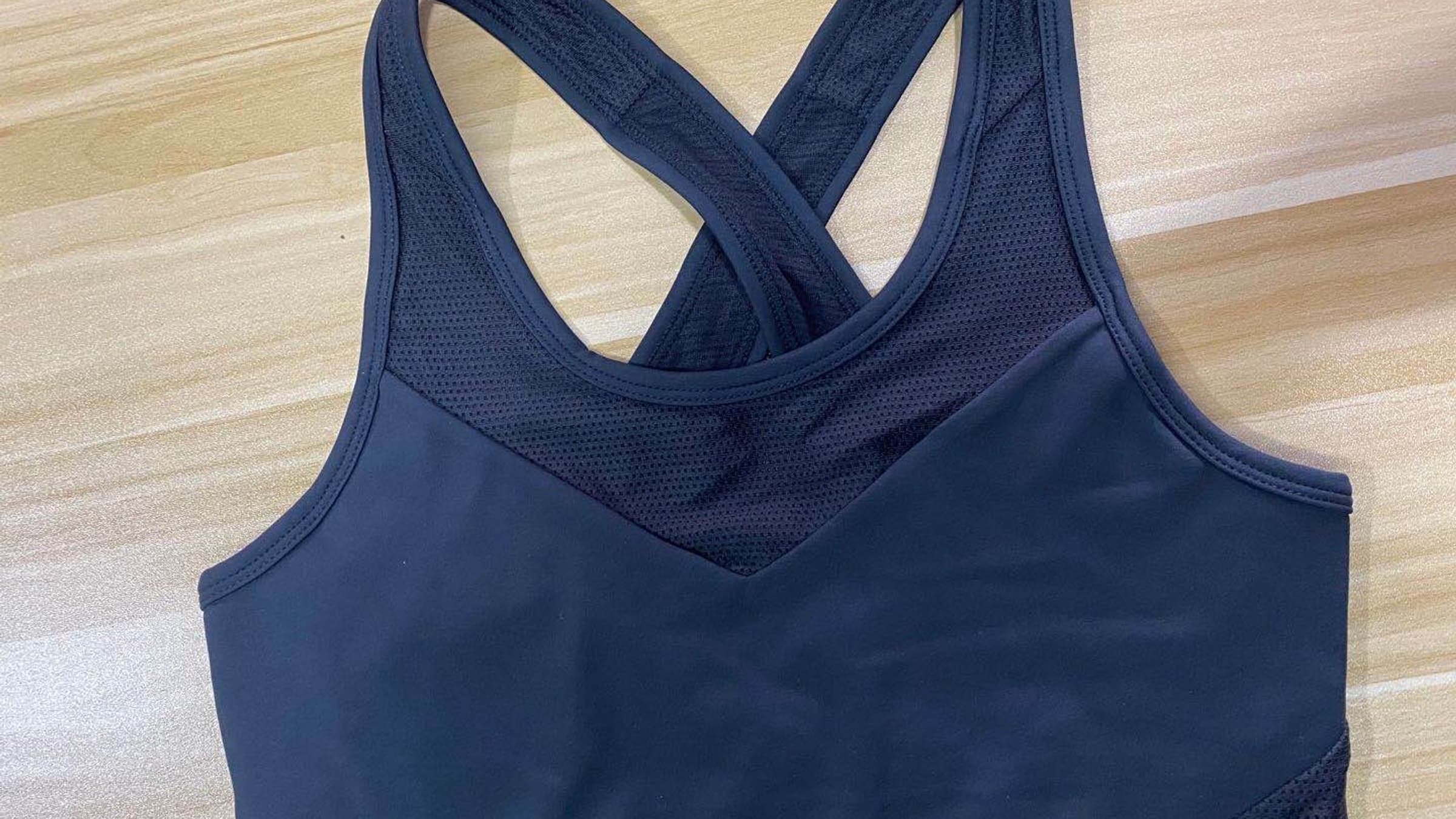
The first decision
What is the real choice behind catalogue and custom activewear?
The choice is not between a “basic” product and a “professional” one. Both routes can produce a credible B2B collection when the brief, product, approvals, and production plan are coherent. The real question is where the startup needs to place its limited attention. A catalogue-informed route uses an existing product direction to reduce unnecessary development decisions. A fully custom route spends more attention on creating and proving a product specification that does not yet exist in the selected starting range.
Start by reviewing the activewear wholesale versus custom manufacturing framework. This article goes one step further for founders: it focuses on what the first collection needs to learn, which product decisions deserve ownership now, and which can be staged until customer evidence is stronger.
Founder's brief
What should a startup know before choosing a development route?
Route selection should follow the commercial brief, not precede it. A factory can explain whether a change needs pattern, material, construction, component, or sampling work, but the founder must explain the intended customer and the product job. Without that context, a catalogue choice becomes a random style selection and a custom brief becomes a list of features without priorities.
Who is the first customer?
Define the activity, experience level, body and fit expectations, climate, wearing occasion, selling channel, and reason the customer would choose this product. “People who exercise” is too broad to guide fabric, support, pocket, coverage, size, and price-position decisions.
What should the first collection teach?
Choose the decisions that customer behaviour can answer: silhouette preference, colour demand, bundle interest, size distribution, repeat purchase, or channel response. Do not use the first bulk order to test unresolved construction or fit questions that should have been addressed through samples.
Which product carries the proposition?
A startup usually needs one or two products that communicate the brand clearly. Supporting pieces should make those products easier to wear, merchandise, or reorder. Every added SKU should have a commercial role rather than simply making the launch look larger.
What can remain flexible?
Separate required outcomes from preferred solutions. A brand may require recovery, opacity, secure storage, or a specific coverage level while remaining open to the exact fabric, seam, trim, or pocket solution that achieves it. Useful flexibility gives the factory room to propose a workable route.
Route comparison
How do catalogue-informed and fully custom routes compare?
Compare the two routes line by line. Do not assume one route is always faster, cheaper, more distinctive, or more scalable. The result depends on the selected garment, requested changes, material and colour conditions, sample evidence, quantity structure, branding components, packing requirements, and production context.
| Decision area | Catalogue-informed route | Fully custom route | Question for the startup |
|---|---|---|---|
| Product starting point | Begin from an existing product direction and identify the features that already fit the customer and use case. | Begin from a product brief, reference garment, sketch, measurement set, or tech pack that defines a new product direction. | Is the brand proving a market proposition, or is a distinctive product specification itself the proposition? |
| Fit and pattern | Use the available silhouette as the starting reference, then confirm which fit points or proportions may be reviewed. | Develop or adapt the pattern around the intended customer, fit objective, construction, and measurement priorities. | Can the launch succeed with a suitable starting fit, or must the fit be developed as a core brand asset? |
| Fabric direction | Review the material direction connected to the product and confirm whether available alternatives support the required behaviour. | Source and sample against defined stretch, recovery, opacity, handfeel, weight, support, colour, and construction needs. | Which material behaviours are non-negotiable, and which preferences can remain open during review? |
| Construction and features | Keep the underlying product platform recognisable and limit changes that would require another pattern or sewing route. | Define panels, seams, pockets, straps, waistbands, closures, support details, linings, and other features for sampling. | Would the requested change still be a branded catalogue product, or has it become a new garment? |
| Brand presentation | Add approved logo or trademark application, labels, hangtags, packaging, stickers, and receiving information. | Build the same brand system while also controlling how branding works with the new fabric, pattern, and construction. | Which brand elements are essential for launch, and which can wait until product demand is clearer? |
| Sampling objective | Confirm the chosen product direction, requested branding, colour, labels, packaging, and any agreed adjustments. | Prove fit, material, construction, feature function, appearance, branding compatibility, and production references. | What evidence must the first sample create before the brand can approve a production decision? |
| First-collection risk | Lower development complexity, but still requires a disciplined assortment, approval record, and order breakdown. | Creates more development decisions and therefore needs a tighter brief, focused SKU plan, and controlled comments. | Which uncertainty should the startup learn from customers, and which must be resolved before selling? |
| Best use | Test positioning, branding, colour direction, customer demand, merchandising, and the operating process around a focused range. | Launch a product whose fit, material, construction, or feature set must be differentiated from available starting products. | What must be uniquely owned on day one, and what can be validated through a proven starting platform? |
Catalogue-informed route
When is a catalogue starting point useful for a startup?
A catalogue starting point is useful when a product already provides a suitable silhouette and construction direction for the intended customer. The startup can then focus its first launch on selecting a disciplined assortment, confirming colour and size direction, preparing branding, approving labels and packaging, building merchandising, and learning how customers respond. This route protects attention when the market and operating process are still new.
The route still requires product judgement. A founder should not choose a style only because it photographs well or appears popular. Review the activity, coverage, support, storage, mobility, layering, climate, and channel expectations behind the product. Use the activewear performance collection as a source of product directions, then explain which customer problem the selected pieces solve together.
Light customisation is also a controlled scope, not a vague promise that anything can be changed. Logo or trademark application, garment labels, hangtags, packaging, stickers, and carton information can create a coherent brand presentation. Review the private-label activewear service and prepare a single source of approved artwork and data. When requested changes alter the fit, pattern, construction, fabric behaviour, or functional feature, the project should be reclassified rather than described as a simple catalogue order.
This distinction helps quotation and approval. The factory can identify which parts of the starting product remain relevant, which brand components must be prepared, which changes need a sample, and whether the request has crossed into custom development. The startup gains a clearer record for the first order and avoids building launch plans around an assumption that was never confirmed.
Fully custom route
When does a startup need fully custom activewear development?
Fully custom development is appropriate when the product must carry a specification that an available starting style cannot represent. The difference may sit in fit, grading intent, waistband, support, pocket access, strap geometry, neckline, panel layout, seam placement, closure, lining, compression direction, modesty, mobility, storage, fabric behaviour, or another customer-relevant detail. The founder should be able to connect the requested difference to the use case.
Begin with a decision hierarchy. State the product outcome first, then the preferred solution. For example, secure phone storage during running is an outcome; one exact pocket shape is a proposed solution. Stable coverage during studio movement is an outcome; a particular waistband height and construction may be one route. This gives the factory useful room to review pattern, material, construction, and production implications without losing the customer need.
The custom activewear development route should therefore start with a product brief, not only a mood board. A reference image can communicate appearance, but it does not define measurements, fabric, stretch, recovery, opacity, construction, seam, trim, label, packaging, or performance expectations. Mark what the reference means, which details must change, and what evidence will allow approval.
Custom work also needs controlled comments. Gather fit, material, construction, colour, logo, label, and packing feedback into one versioned response. Separate observations from approved changes. If several people comment, nominate one buyer-side owner to resolve conflicts before sending instructions. A startup loses time when every sample restarts the brief instead of answering the planned questions.
Staged collection
Can a startup combine catalogue styles with one custom hero product?
Yes. A staged hybrid route can be more informative than forcing every product into the same development level. One custom hero product can carry the clearest technical or fit proposition, while catalogue-informed supporting styles help the startup test colour, branding, bundling, size demand, channel response, and replenishment. The collection still needs a coherent customer and visual system.
The risk is hidden scope. Label every style clearly in the brief. Show which product uses an existing starting direction, which one needs a new pattern or construction, and which branding components are shared. Do not let a catalogue support piece gradually absorb custom panels, features, and fabric requirements through late comments. When the route changes, update the quotation and sample assumptions explicitly.
Product starting points
Which references help a startup make the route decision concrete?
Use real product directions to discuss silhouette, outfit role, colour, size, branding, and the boundary between selection and development. These cards are starting points for a brief, not promises of inventory, fixed materials, quantities, prices, or timing.
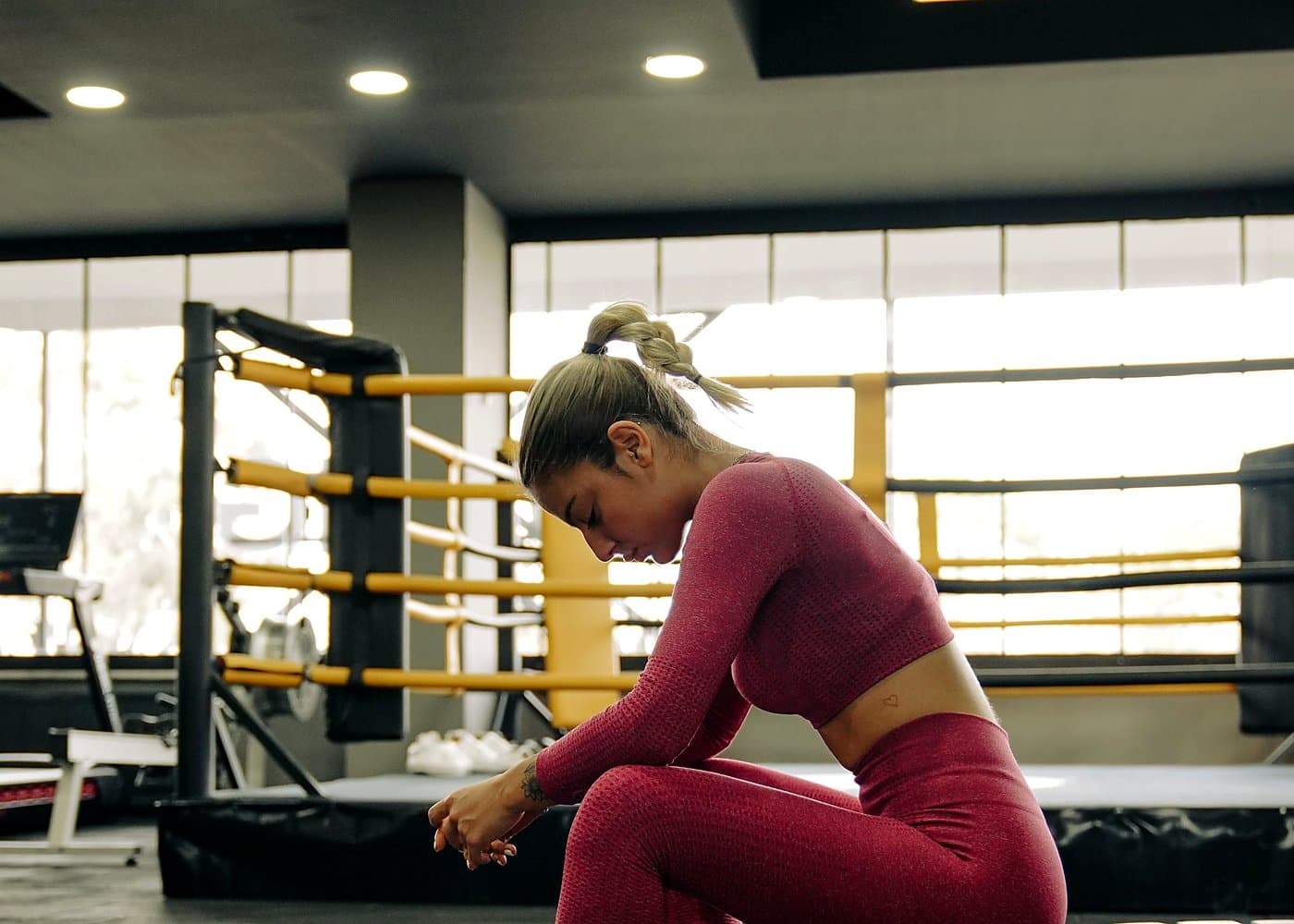
Catalogue starting point
Activewear Performance Collection
Review coordinated activewear directions before deciding which silhouettes can support a focused first collection and light brand customisation.
Review this routeReference product
Hooded Thumbhole Training Set
Use one concrete set to discuss customer use, colour, size planning, logo placement, labels, packaging, and which changes remain proportionate.
Review this route
Fully custom route
Custom Activewear Development
Choose this path when the launch depends on a new fit, fabric, pattern, construction, colour system, functional detail, or complete sample-development plan.
Review this routeCollection architecture
How should a startup build a focused first-collection SKU plan?
Start with product roles, not a target number of styles. A hero product expresses the strongest reason to notice the brand. A supporting top or bottom completes an outfit. A layering piece may extend use across seasons or channels. A repeatable core colour can support replenishment, while a limited accent colour can test visual demand. When two products perform the same job for the same customer, one may be unnecessary.
Count the real assortment. A three-style collection with four colours and several sizes is not only three decisions. Each style-colour-size combination needs an order allocation, label identity, packing record, product data, imagery, inventory position, and customer service response. Custom fabrics, contrast panels, prints, and trims can divide the programme into additional material and production groups.
Build a simple matrix with style, role, route, material direction, colour, size range, branding, sample status, and launch priority. Mark one product as the reference for shared decisions such as logo scale, label format, colour naming, bag stickers, and carton data. Shared systems make a small range easier to control without making the products identical.
Product system
How should fit, fabric, branding, and packaging support the route?
Define fit through customer use
Avoid describing fit only as tight, loose, flattering, or true to size. Explain the activity, movement, coverage, layering, support, compression expectation, and customer profile. Identify the measurements or fit points that matter most. Catalogue-informed products still need a fit review against the intended customer; fully custom products need a more explicit pattern and sample objective.
Define material behaviour before material identity
Stretch direction, recovery, opacity, handfeel, weight, support, drape, surface, colour appearance, and compatibility with seams or logo applications can affect the product. Rank the behaviours. If the startup requires every material detail to be unique, sourcing and sampling become a larger part of the custom route. If a suitable reviewed material direction already supports the product, it may strengthen a staged launch.
Build one controlled brand-information system
Use final artwork files, approved colours, placement references, label text, care and composition information, hangtag data, barcode or size sticker logic, bag requirements, packing ratios, and carton marks. Brand presentation is not a decorative task added after production. It must stay connected to the correct style, colour, size, and destination throughout approval and packing.
Keep launch presentation proportionate
A startup can create a coherent experience without introducing a separate custom component for every product. Decide which elements the customer sees, which the warehouse or retailer needs, and which support regulatory or care information that the buyer must supply and approve. Optional packaging ideas can remain in the backlog until the operating need is clear.
Factory execution
Why must a startup route become a production-ready record?
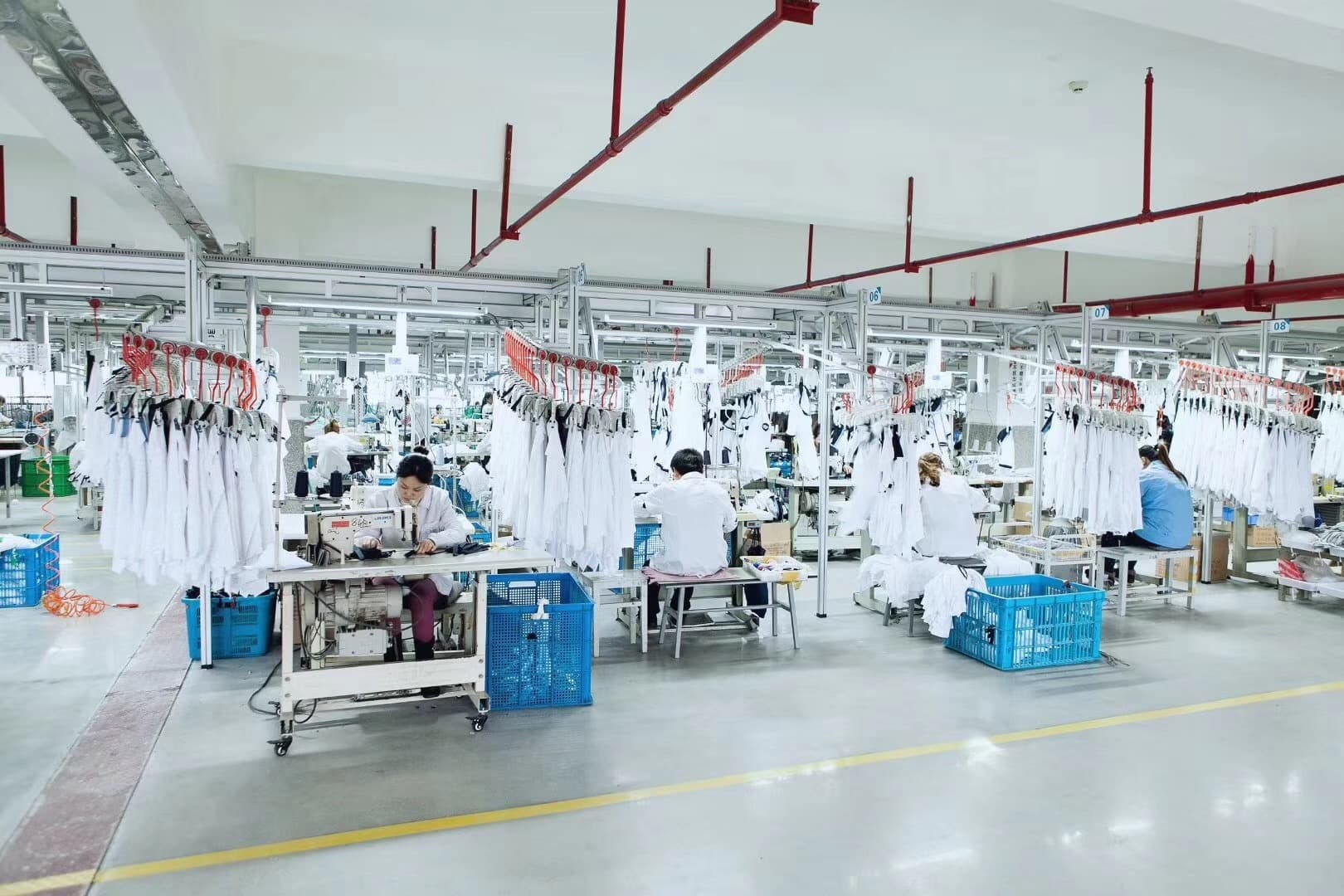
A collection brief eventually has to guide material preparation, cutting, sewing, logo application, inspection, finishing, packing, and shipment preparation. The production team needs the approved sample, specification, colour, size, component, label, and packing identity for every group. A mood board or product title cannot perform that job.
Catalogue-informed products can reduce some pattern and construction uncertainty, but they do not remove order control. Fully custom products need deeper development evidence, but they should arrive at the same outcome: one approved reference and a clear record of what production must reproduce. Review the activewear sampling and production process before fixing launch assumptions.
The startup should also control changes. A late feature, colour, artwork, or packaging update can affect materials, samples, instructions, inspection references, and quotation scope. Record the request, identify affected products, obtain confirmation, and replace the previous approved version. Informal messages should not become invisible production instructions.
Quotation and feasibility
How do route choice, order planning, cost, and timing affect one another?
These variables belong to the same product scope, but they are not fixed universal numbers. A factory reviews the styles, patterns, fabrics, colourways, sizes, trims, logo methods, labels, packaging, sample route, quantity allocation, production groups, approvals, and scheduling context. A catalogue-informed route may remove some development work, yet special colours, fragmented assortments, custom components, or complex branding can still affect feasibility.
A headline minimum should not choose the route for the brand. Theactivewear manufacturer MOQ guide explains why a workable first-order plan has to be reviewed against the actual style, material, colour, size allocation, branding, packing, and production grouping. A buyer who wants to test a distinct product direction can also use the small-batch custom activewear framework to prepare a focused, project-specific discussion rather than treating a generic quantity range as a production commitment.
Fully custom development can involve pattern, material, construction, and sample work before a stable production scope exists. Ask the factory to separate one-time development or sample items, provisional assumptions, confirmed production inclusions, branding components, packing, and delivery terms. A low unit figure built on a placeholder material or incomplete specification is not directly comparable with a quote based on the required product.
Timing should be treated in the same disciplined way. Separate the startup's desired launch date from the sequence of brief completion, material review, sample rounds, approvals, order confirmation, production, inspection, packing, and transport. The factory can discuss a schedule only after the relevant inputs and conditions are visible. Do not announce a customer-facing date from an unconfirmed estimate.
Common route errors
Which shortcuts create risk for a startup activewear launch?
Treating a catalogue as instant inventory
A catalogue product is a development and selection starting point, not proof of unrestricted live stock. Style, material, colour, branding, quantity, sample, packing, and schedule still require project confirmation.
Making cosmetic changes that alter the garment
A new waistband, panel, pocket, neckline, strap, lining, support structure, or seam route may require pattern and construction work. Calling it a small change does not remove the development it creates.
Launching too many shallow SKUs
A broad range divides attention, sample comments, material groups, colourways, sizes, labels, photography, merchandising, and replenishment. A focused collection usually creates cleaner learning.
Using custom development to avoid positioning work
A unique pattern cannot replace a clear customer, activity, channel, and value proposition. Fully custom development is strongest when the brand already knows what the product must do differently.
Skipping approval evidence
Unresolved fit, material, construction, logo, label, and packing questions do not disappear when production begins. They become harder and more expensive to correct. Samples and controlled records protect both routes.
Comparing unit prices without scope
A catalogue-informed quote and a fully custom quote may include different materials, patterns, samples, components, approvals, inspection, and packing. Compare assumptions and exclusions before comparing a headline price.
Buyer preparation
What should a startup prepare before contacting an activewear factory?
A useful first brief does not need to pretend every detail is final. It should distinguish confirmed requirements, flexible preferences, and open questions. That separation helps the factory suggest a route without silently guessing.
- Name the target customer, activity, selling channel, intended use, destination market, and first launch objective.
- Write one sentence explaining why the customer should choose the first product rather than an existing alternative.
- List the first-collection products and give every style a specific commercial role.
- Mark each style as catalogue-informed, fully custom, or still requiring a route decision.
- Collect reference products, images, sketches, measurements, samples, or tech packs and explain what each reference is meant to show.
- Separate required product outcomes from fabric, colour, trim, construction, and packaging preferences that remain flexible.
- Define the fit priorities and customer coverage, support, mobility, storage, and wearing requirements that matter.
- Create a focused colour plan and show which products should share the same material and colour direction.
- Prepare the intended size range and a reasoned size split rather than only a total quantity.
- Supply correct logo artwork and identify placement, scale, colour, application preference, and approval needs.
- Define garment labels, care and composition information, hangtags, bags, stickers, barcodes, assortments, and carton marks.
- State what the sample must prove for product, fit, fabric, construction, colour, branding, and packing.
- Identify the buyer-side person responsible for approving samples, artwork, order breakdowns, and packing data.
- Share launch timing and receiving constraints as planning inputs, while keeping them separate from a confirmed factory schedule.
- Ask the factory to record quotation assumptions, exclusions, route changes, and open decisions in writing.
- Plan how customer feedback, returns, size demand, colour demand, and replenishment evidence will be recorded after launch.
Decision sequence
What is a practical route-selection sequence for a first collection?
01
Define the customer and launch lesson
Write the customer, use case, channel, product promise, and the commercial questions the first collection should answer. Remove products that do not support that learning.
02
Test the brief against real starting products
Review suitable catalogue directions. Mark what already works, what only needs brand presentation, and which customer-critical requirement cannot be represented.
03
Assign the correct route style by style
Keep catalogue-informed styles within a controlled adjustment scope. Move products needing new fit, pattern, fabric, construction, or functional features into fully custom development.
04
Build sample and approval evidence
Define what each sample must prove, consolidate comments, approve controlled references, and connect artwork, order breakdowns, labels, packaging, and quotation assumptions.
The sequence can produce a catalogue collection, a fully custom collection, or a staged combination. The important result is that the route follows the buyer decision. It should not be chosen from a slogan such as “fast launch,” “premium custom,” or “low minimum” without a product scope that makes the claim meaningful.
Working with inPACE Sports
How can inPACE Sports review a startup activewear brief?
inPACE Sports can review a startup brief as a B2B activewear factory supplier. The useful first discussion identifies the customer and product roles, then separates catalogue-informed products from garments that need new fit, fabric, construction, colour, feature, or sample development. The route remains conditional on the actual specification, materials, quantities, branding, packaging, approvals, and production context.
For catalogue-informed work, send the selected product references and describe the intended colours, sizes, logo, labels, hangtags, bags, stickers, carton information, quantity plan, market, and required approvals. For fully custom work, add the product outcome, reference garment or images, measurement and fit priorities, fabric behaviour, construction and feature requirements, tech pack or sketch if available, and the questions the sample must answer.
Ningbo Yinshan Garments Factory provides the manufacturing context behind the inPACE Sports discussion. A productive enquiry does not need every answer, but it should make the product and open decisions visible. The team can then discuss which route needs catalogue selection, material review, sample development, production preparation, QC, and packing confirmation without promising a universal quantity, price, or schedule.
Prepare the first-collection brief
Compare a catalogue starting point with the custom product your brand actually needs.
Send the customer and channel, proposed products, catalogue references, custom requirements, fit and fabric priorities, colours, size plan, logo artwork, labels, packaging, target quantity, destination market, timing context, and sample questions. Mark confirmed requirements, preferences, and open decisions so the route can be reviewed clearly.
Send your startup activewear briefFAQ
Frequently asked questions about custom activewear for startups
Is catalogue-informed activewear the same as buying ready stock?
No. Catalogue-informed activewear means an existing product direction gives the project a practical starting point. The buyer and factory still need to confirm the suitable style, material and colour direction, requested branding, labels, packaging, quantity allocation, sample or approval route, production conditions, and schedule. It should not be described as guaranteed live inventory, retail stock, or dropshipping.
When should a startup choose fully custom activewear development?
Choose fully custom development when the product proposition depends on a new fit, pattern, fabric behaviour, construction, panel layout, pocket, strap, waistband, support detail, closure, trim, colour system, or other feature that an existing starting product cannot represent. The startup should be able to explain why the difference matters to the intended customer and what the sample must prove.
Can a startup mix catalogue styles and custom products in one collection?
Yes, a staged hybrid collection can be useful. Catalogue-informed products can support faster assortment learning while one priority custom product receives deeper fit, material, construction, and sample attention. The range still needs a coherent customer, colour, brand, size, and packaging system. The buyer should clearly label which decisions belong to each route so that quotation and approval scope remain visible.
How many products should a startup activewear collection launch with?
There is no universal number. The workable assortment depends on the target customer, channel, product roles, style and colour fragmentation, size allocation, material direction, branding, packaging, budget, sample workload, and production plan. A useful rule is that every product should have a distinct commercial job and enough attention to be sampled, approved, marketed, stocked, and replenished responsibly.
Does a catalogue starting point remove the need for samples?
Not automatically. The approval route should reflect the actual project. The buyer may still need to confirm product direction, fit expectations, material or colour, logo application, labels, packaging, and agreed adjustments. When a requested change affects pattern, construction, material behaviour, or feature function, the project may need a deeper custom sample route rather than a light catalogue approval.
What should a startup send to an activewear factory first?
Send the customer and channel description, proposed product list, route choice for each style, reference garments or images, required product outcomes, fit and material priorities, colourways, size range and split, logo artwork, labels, packaging, target quantity, destination market, timing context, and the questions the first sample must answer. Mark confirmed requirements, preferences, and open decisions separately.
Can a startup discuss a small-batch custom activewear project?
Yes, but the route is project-specific rather than a fixed quantity promise. A factory must review style complexity, fabric and colour availability, pattern and sample needs, logo method, labels, packaging, size allocation, production grouping, and schedule. A focused product brief with controlled variation is more useful than asking for an undefined low minimum without explaining the garment.