

Start with the production plan
What does an activewear manufacturer MOQ actually mean?
MOQ means minimum order quantity, but the abbreviation can make the decision sound simpler than it is. A buyer may imagine one factory-wide number: reach it, and any combination of sports bras, leggings, tops, colours, and sizes becomes possible. Manufacturing does not work that way. The factory has to convert the buyer's collection into material, cutting, sewing, branding, inspection, and packing groups that can be planned and controlled.
The headline order total is only the outer layer. Inside it are styles, fabric and colour combinations, size allocations, logo applications, labels, bags, and cartons. A programme may contain a healthy total quantity yet remain highly fragmented when every style uses a different fabric, each colour is shallow, and every product has its own branding components. Another programme with a smaller overall range may be clearer because several pieces share a material platform, colour story, approval method, and packing system.
An activewear manufacturer MOQ is therefore the result of a product review, not a number the buyer should accept without context. A useful factory discussion explains which part of the plan creates the constraint, what assumptions are being used, and which changes would make the first order more coherent. That lets the brand protect the product idea while removing complexity that does not help the launch.
Avoid false comparisons
Why should a buyer be cautious about a universal MOQ answer?
A universal answer hides the specification behind the number. A catalogue-informed legging using an available material direction may be reviewed differently from a newly patterned bra with a special elastic, a custom colour, several logo placements, and a new packing system. Both are activewear, but they do not create the same material, development, and production work.
The same caution applies when comparing suppliers. One factory may be responding to the exact brief; another may be assuming a simpler garment, an available fabric, fewer colours, standard components, or different packing. A low number is not automatically a better offer if important requirements have disappeared from the scope. Buyers should ask which style, fabric, colour, logo, label, and packing assumptions support the response.
Treat an early MOQ discussion as a feasibility review. It should reveal what the factory understands and where decisions are still open. When the buyer prepares the styles, materials, colours, sizes, branding, and packing as one brief, the factory can explain the order structure more meaningfully. The adjacent guide on preparing a custom activewear RFQ shows how to make those assumptions visible before quotation review.
Decision table
Which variables can change an activewear manufacturer MOQ?
The table below connects common first-order decisions to the production question they create. It is not a pricing formula. Its purpose is to help the buyer identify where the collection is concentrated and where it has been split into separate work.
| Planning variable | Buyer question | Why it can affect the order plan | Useful buyer action |
|---|---|---|---|
| Number of styles | How many distinct patterns, constructions, and approval routes are included? | Each genuinely different garment can require its own pattern, material list, sample record, cutting plan, sewing setup, inspection reference, and packing identity. | Give every style a role and remove styles that do not add a clear customer or collection function. |
| Fabric and trim direction | Can the programme use an available material direction, or does it need a specific knit, finish, colour, elastic, zipper, or other trim? | Fabric and component suppliers may have workable booking, colour, and production conditions that differ from the garment factory's own planning unit. | Rank the required material behaviours and identify which visual or technical preferences are flexible. |
| Colourways | Does each style use the same core colours, or does every product introduce another colour and material combination? | A headline order can become several smaller production groups when it is divided across colours, custom dye directions, contrast panels, linings, and matching trims. | Build a focused colour story and reuse approved colours across related products where that supports the range. |
| Size assortment | Which sizes are required, and how will the total quantity be distributed across them? | The factory needs a complete size breakdown for cutting, labels, packing, and inspection. A long tail of very shallow size quantities can complicate execution. | Provide a reasoned size plan based on the intended customer and channel rather than dividing every size equally by default. |
| Branding and artwork | How many logo versions, placements, colours, and application methods are requested? | Transfers, embroidery, print, patches, labels, and other components can introduce artwork approvals, setup, material compatibility checks, and component conditions. | Use the correct artwork and define placement, scale, colour, and priority before asking the factory to confirm the route. |
| Labels and packaging | Which brand labels, care information, hangtags, bags, stickers, assortments, and carton marks are part of the order? | Packaging and label components may have separate preparation requirements, while their data must stay aligned with every style, colour, and size. | Separate essential launch components from optional presentation ideas and prepare one controlled data source. |
| Sample and approval route | Is the garment an existing reference with light changes, or does it need fit, fabric, construction, and performance development? | The sample route defines what must be tested and approved before bulk production can be planned with confidence. | State what is already approved, what must change, and what the first sample needs to prove. |
| Production and delivery context | When is the launch, where will the goods go, and are there receiving or packing constraints? | Production scheduling, component readiness, inspection, packing, and shipment preparation need to work as one sequence. | Share the commercial context early, while treating timing as a planning input that still requires factory confirmation. |
Not every variable has the same weight in every project. A garment using an existing pattern can still require careful material or logo work. A fully custom product can be commercially focused when the buyer limits colours and components. The factory needs to identify the variables that create separate materials, approvals, or operations for the particular product.
Look inside the total
At which level should a brand ask about minimum quantities?
Ask the supplier to explain the planning level, because "MOQ" may refer to more than one thing. The programme total matters, but so do style, colour-material, size, and component quantities. A clear answer shows how these levels fit together rather than giving the buyer a number without a structure.
Programme level
The complete collection or order under discussion, including all styles, colours, sizes, components, and packing routes.
Planning risk: A large total can look workable while each production group remains too fragmented.
Style level
A garment with its own pattern, construction, bill of materials, sample approval, and product identity.
Planning risk: Minor-looking design differences can create separate styles when they change pattern or construction.
Colour-material level
A production group that shares the relevant fabric, colour, dye route, print, lining, and matching trims.
Planning risk: Too many colour combinations divide fabric and component demand into shallow groups.
Size level
The allocation needed for cutting, labels, packing, stock keeping, and the buyer's customer demand.
Planning risk: An unsupported size split can leave commercially weak stock or create very small cutting quantities.
Component level
Logo applications, woven or printed labels, hangtags, bags, stickers, elastics, zippers, and other purchased items.
Planning risk: Component conditions can differ from garment quantities and can create leftovers or shortages.
This layered view also helps the buyer compare proposals. If one supplier discusses the total order and another discusses each custom colour, they may not be contradicting each other; they may be using different planning levels. Ask both to show the relevant groups and connect them to the same product brief.
SKU multiplication
How do styles, colours, and sizes fragment a first order?
A SKU is a stock-keeping unit: one sellable combination of product, colour, and size. The number of SKUs grows when styles are multiplied by colourways and sizes. That commercial structure matters to the buyer, but the factory must also consider whether those SKUs share a pattern, fabric, colour route, logo, label, and packing process.
Imagine a collection with several tops and bottoms, each offered in a wide palette and a long size range. The total quantity may sound substantial, yet some colour-size combinations may be extremely shallow. Cutting, labels, packing, and receiving still need the correct identity for every unit. If each style also uses a different fabric and brand placement, the programme is divided again before production starts.
The solution is not to remove sizes or colours blindly. First identify the customer need. A studio with known membership data, a wholesaler with pre-orders, and a new online brand with no sales history will prepare the assortment differently. Use evidence where it exists, document assumptions where it does not, and plan how the launch data will improve the repeat order.
It is often helpful to begin with one product family from the Activewear Performance Collection and mark what should be retained, changed, or developed. A product page is a conversation reference, not a promise that every colour, fabric, or quantity is immediately available.
Choose the development route
How does the product-development route change the MOQ discussion?
The route tells the factory how much of the product already exists as an approved platform. Catalogue-informed custom development begins with a relevant product direction and defines the changes. Fully custom development begins with a new fit, pattern, fabric, construction, or feature. Small-batch custom is a project-specific discussion about testing a new direction without pretending that every specification can be produced under the same conditions.
| Development route | Suitable when | First-order focus | When to reconsider the route |
|---|---|---|---|
| Catalogue-informed custom | An existing product gives a useful silhouette or construction starting point, but fabric, fit, colour, branding, or other details still need project review. | Keep the garment platform recognisable, limit avoidable variation, and use sampling to confirm the requested changes. | Move to deeper development when the requested fit, pattern, construction, or material no longer matches the starting product. |
| Fully custom development | The brand needs its own pattern, fit, fabric behaviour, panel layout, support, pocket, strap, closure, trim, or performance detail. | Concentrate on a small number of high-priority styles and make the sample evidence strong enough to support a production decision. | Reconsider the brief when too many untested product ideas are being combined into one first order. |
| Small-batch custom discussion | The brand wants to test a new product or market direction and is prepared to review which specifications and production conditions can support a smaller project. | Protect the product proposition while simplifying styles, colourways, materials, branding components, and packing where appropriate. | Do not describe the project as small-batch if the requested fabric, colour, component, or construction requires a different production commitment. |
None of these labels guarantees a particular MOQ. They help the buyer and factory define the work. A catalogue-informed route can still be complex if the buyer replaces the material, changes the fit, adds several colours, and introduces new components. A fully custom route can be disciplined when the brand develops one strong product with a clear sample and a focused launch plan.
Product starting points
Which product references help make a first-order discussion concrete?
Use product references to show the intended silhouette and to identify the changes that create new development work. The references below are starting points for a brief; fabric, fit, construction, colour, brand details, quantity, and sample requirements still need confirmation.
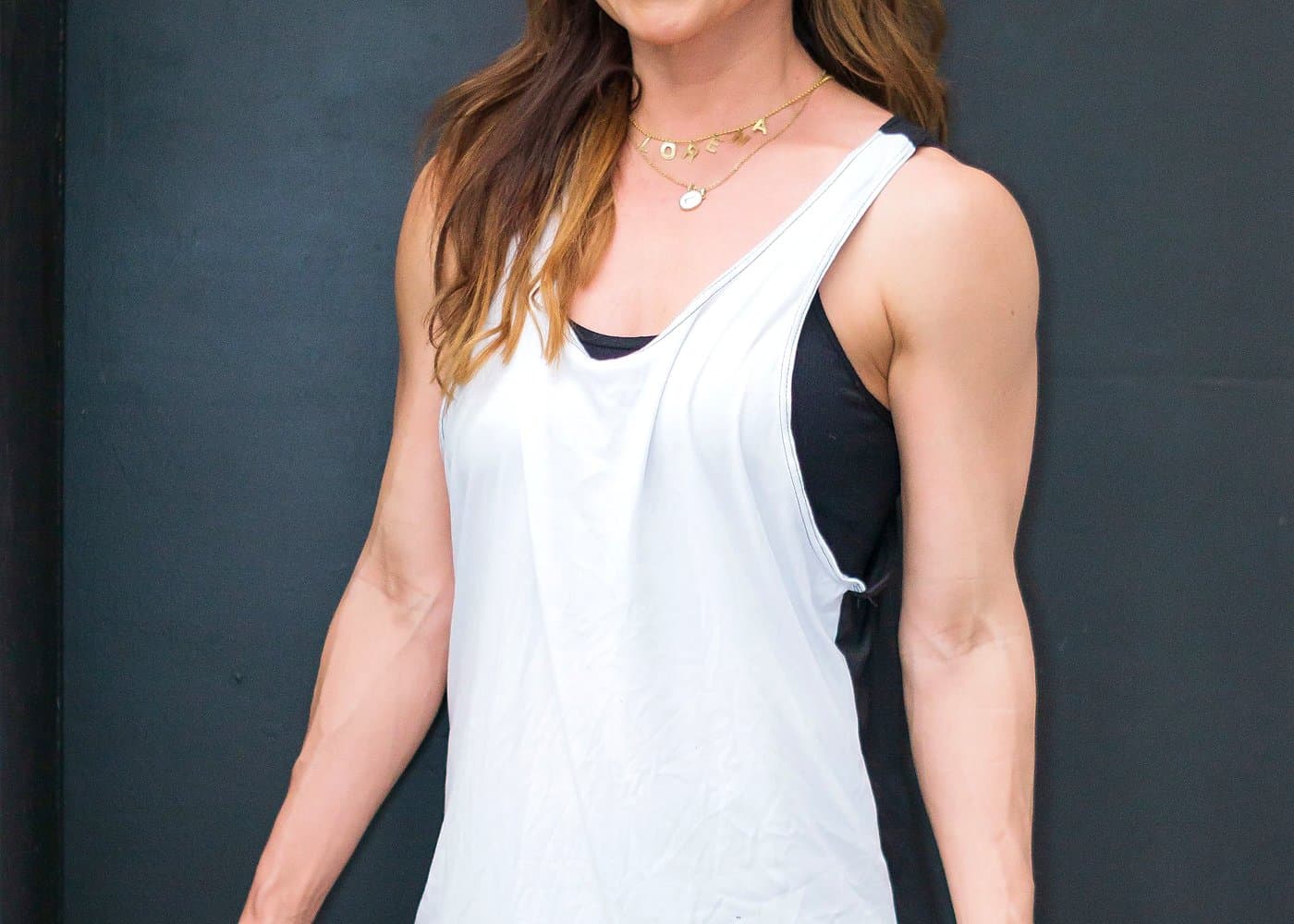
Reference product
Zip-Neck Sculpt Set
Use this coordinated performance set to discuss which top, bottom, zipper, panel, fabric, and colour decisions would create separate production groups.
Review this starting pointReference product
Light Support Bra Program
A focused reference for discussing support, fabric recovery, size allocation, logo placement, labels, and a repeatable core-product plan.
Review this starting point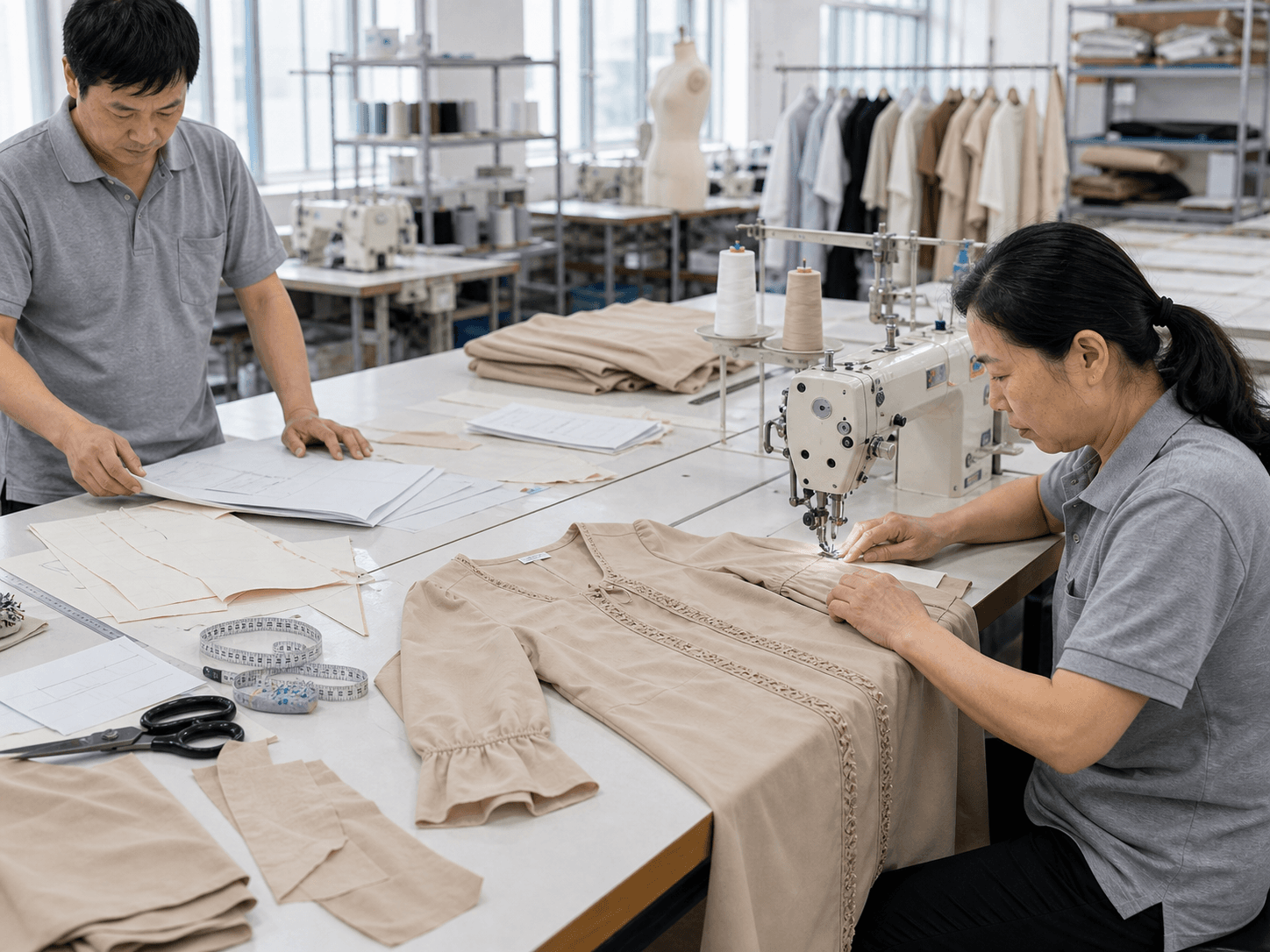
Factory custom route
Custom Activewear Development
Use this route when the garment needs a new fit, fabric, construction, panel layout, feature, or complete sample-development plan.
Review this starting pointMaterial planning
Why can fabric and trim decisions change the workable order?
Activewear performance is closely connected to material behaviour. Stretch direction, recovery, opacity, compression, handfeel, weight, moisture handling, colour appearance, and compatibility with seams or logos may all matter, depending on the garment. The factory cannot responsibly replace those requirements with any fabric merely to reach a smaller quantity.
At the same time, buyers should distinguish the performance requirement from the exact material solution. If the product needs reliable recovery and opacity, the factory may be able to review more than one suitable material direction. If the buyer requires one exact custom colour, finish, weight, and composition, the sourcing route becomes narrower. Make the product outcome clear and identify which material details are mandatory, preferred, or open to recommendation.
Trims create similar questions. Elastic, zippers, cups, mesh, binding, drawcords, hardware, thread, labels, and bags need compatible colours, dimensions, and performance. A small design change can introduce another purchased component. Before asking the garment factory to lower the minimum, ask whether the limitation sits in garment assembly, fabric booking, colour preparation, a trim, or a private-label component. The answer changes which simplification is useful.
Factory execution
How does production planning sit behind an activewear manufacturer MOQ?
Once a product is approved, the factory still has to prepare the work so material, cutting, sewing, branding, inspection, and packing move in the correct sequence. Different styles may require different machines, operators, folders, attachments, seam methods, or handling. Colour changes and trims must be issued correctly, and the production record has to identify the approved sample and specification.
A fragmented first order creates more transitions and more opportunities for identification errors. That does not mean every collection must be visually uniform. It means the buyer should know which differences create customer value and which only create another setup, component, or approval. A focused range gives the production team a clearer reference and gives the brand cleaner evidence for a repeat order.
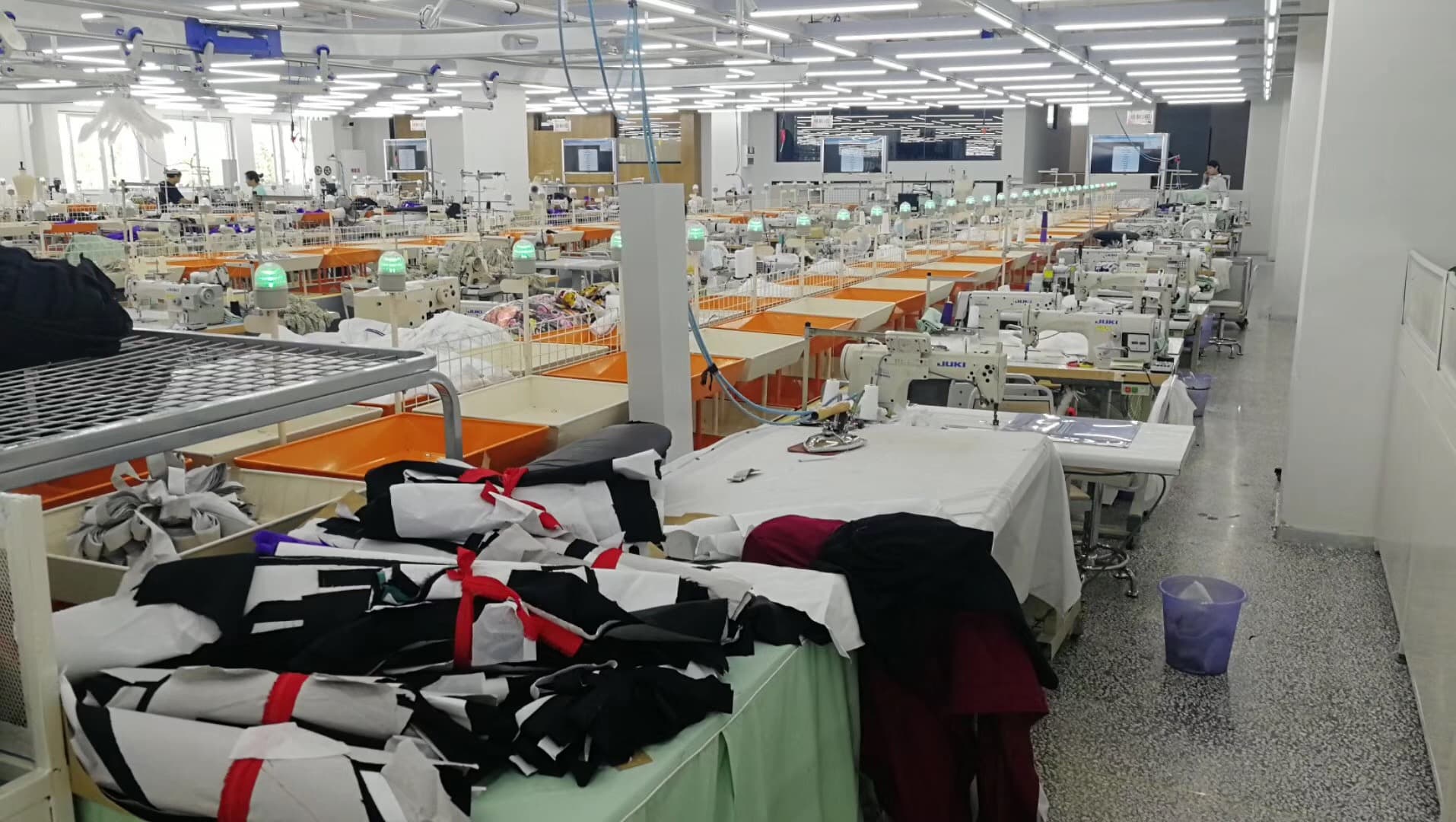
Review the activewear manufacturing workflow for the relationship between development, production, QC, finishing, packing, and delivery preparation. The factory image beside this section shows why a product brief must become an organised production plan rather than remain a collection of design ideas.
Improve feasibility
How can a brand simplify a first order without weakening the product?
Simplification should protect the customer proposition. Do not remove a supportive construction, necessary size, or required material behaviour merely to make the order easier. Instead, remove duplication and untested variety. Concentrate the development work on what makes the product useful and distinctive.
Give every style a commercial job
Keep a style when it answers a distinct customer, activity, price-position, or collection need. Remove it when it only creates another similar silhouette without a clear launch function.
Build one material system
Where product performance allows, use a focused fabric and trim direction across related pieces. This reduces scattered approvals and makes colour, handfeel, and repeat-order records easier to manage.
Reduce colour fragmentation
Choose a core palette that works across the range. Reserve special colours, prints, or contrast combinations for products that genuinely need the distinction.
Use evidence for the size split
Base the assortment on customer data, a comparable product, studio membership, wholesale pre-orders, or a documented assumption that can be reviewed after the launch.
Standardise brand components
A consistent logo scale, label system, hangtag platform, bag, and carton-data process can serve several related styles without making the brand presentation generic.
Stage unproven ideas
Keep a development backlog. The first order does not need to carry every fabric, feature, and packaging idea the brand may eventually offer.
The best simplification is visible in the brief. Show the original collection idea, the first-order selection, and the items held for a later phase. This prevents the removed complexity from returning through late comments. It also gives the factory a clearer basis for discussing material, sample, branding, and packing conditions.
Avoid false economy
Which MOQ shortcuts can increase risk instead of reducing it?
Skipping the sample evidence
Removing a fit, fabric, construction, logo, or packing approval does not remove the decision. It transfers the unresolved question into bulk production.
Accepting an unrelated available material
An available fabric only helps when it still supports the product's required stretch, recovery, opacity, handfeel, and construction.
Keeping many shallow SKUs
A broad-looking collection can leave each style-colour-size group too thin to plan, inspect, replenish, or sell confidently.
Changing the brief after approval
Late changes can invalidate samples, artwork, material booking, production instructions, packing data, and quotation assumptions.
Removing receiving information
Barcodes, labels, size stickers, assortments, and carton marks may look administrative, but errors can stop correct goods from entering the buyer's channel.
Comparing only the headline number
A lower quantity or price has little value when it excludes the material, construction, branding, inspection, or packing the product requires.
Quotation discipline
How should buyers think about MOQ and unit price together?
MOQ and unit price are related to the same production plan, but they are not a simple sliding scale. Increasing quantity can spread some development, setup, and operational effort across more units. It does not automatically solve an inefficient style mix, an unsuitable material, a fragmented colour plan, or an incomplete specification. The scope still has to be workable.
Ask what the quotation includes. Does it use the requested fabric or a placeholder? Are patterns and samples included or treated separately? Which logo method, labels, packaging, inspection, and delivery preparation are assumed? Are component quantities aligned with garment quantities? A price without these assumptions cannot be compared fairly with another proposal.
Also ask what could change the response. Artwork revisions, custom colours, new trims, extra sample rounds, a different size breakdown, packaging changes, or a changed schedule may alter the plan. Recording these dependencies is more valuable than treating an early estimate as a promise. It gives both parties a reference when the product brief develops.
From enquiry to order structure
What sequence helps a factory review a first order?
A useful sequence starts with the product and ends with a controlled order breakdown. First, the factory reviews the brief and identifies the proposed development route. Next, the buyer and factory clarify fabrics, colours, sizes, branding, components, samples, and packing. Open decisions are recorded rather than hidden inside an estimate.
The sample stage then creates evidence for the decisions that affect production. Depending on the project, that may include fit, material, construction, colour, logo placement, label comfort, or packed presentation. The buyer gives clear comments and approves a controlled reference. Only then can the style-colour-size breakdown and related components be aligned around an agreed product.
The activewear sampling and order workflow gives buyers a broader view of enquiry, development, approval, production, QC, and shipment preparation. MOQ is one decision inside that workflow. It should not be separated from the product information that makes the order executable.
Buyer checklist
What should a brand prepare before asking about activewear manufacturer MOQ?
A factory can give a more useful response when the enquiry shows the collection structure and its open decisions. Use this checklist as a working brief. If an item is unknown, label it as a question rather than allowing the supplier to assume.
- Name the intended customer, activity, selling channel, launch objective, and destination market.
- List every proposed style and explain the role it plays in the first collection.
- Mark which products are catalogue-informed references and which require a new pattern or construction.
- Provide reference images, samples, sketches, tech packs, measurements, or fit priorities that are currently available.
- Describe the required material behaviours and separate them from flexible preferences.
- List colourways by style and show which products should share the same colour and material direction.
- Provide the intended size range and a reasoned quantity split rather than only the total quantity.
- Supply logo artwork and identify application method preferences, positions, colours, and approval needs.
- Define labels, care and composition information, hangtags, bags, stickers, carton marks, and packing ratios.
- Identify the product, fabric, fit, colour, branding, and packing decisions that still require a sample.
- Separate target launch timing from a confirmed production schedule and explain any receiving constraints.
- Ask the factory which minimum applies at programme, style, colour-material, and component level.
- Request that quotation assumptions and exclusions are recorded instead of hidden in a single unit price.
- Nominate the buyer-side owner who will approve samples, artwork, order breakdowns, and packing references.
Factory context
How can inPACE Sports review a first-order activewear plan?
inPACE Sports supports B2B activewear discussions for brands, online stores, wholesalers, studios, clubs, and teams. A review can begin with catalogue-informed references or with a custom product brief. The useful starting information is the proposed product, intended use, fabric direction, colours, size plan, branding, packing, quantity, market, and available sample or technical evidence.
Ningbo Yinshan Garments Factory in Ningbo, Zhejiang, China provides the manufacturing context behind the discussion. The team can review which parts of the order use an existing direction, which require sample development, and which variables need confirmation before the order plan, quotation, and schedule can be discussed. The result remains specific to the approved product and current project conditions.
A responsible review may recommend concentrating styles, aligning materials or colours, clarifying components, or strengthening the sample evidence. It should not remove a product requirement silently just to produce a more attractive MOQ answer. The buyer should be able to see what is confirmed, what is assumed, and what would change the route.
Prepare the discussion
What should you send for an activewear manufacturer MOQ review?
Send a product brief that shows the proposed styles, intended activity and customer, reference products or tech packs, material requirements, colours, size range and allocation, logo artwork, labels, packaging, target quantity, destination market, and launch context. Separate confirmed requirements from flexible preferences and open questions.
If you are considering several product ideas, identify the priority launch styles and the options that can wait. Ask the team to explain the relevant programme, style, colour-material, and component conditions. This creates a more useful first-order conversation than asking for the lowest possible number without a product scope.