

Compare scope, not slogans
Why is an activewear manufacturer quote more than a price?
An activewear manufacturer quote is a record of the product and order assumptions a supplier has used. When two factories receive different inputs—or interpret incomplete information differently—their figures may describe different projects. One may be based on an existing product direction, an available material route, a limited color plan, and basic presentation. Another may include a different fabric, more colors, a revised fit, custom construction, labels, retail packing, or a separate sample-development route. Reading the scope first makes the comparison useful.
The goal is not to force every project into one route. A wholesale or light-customization project can begin with an existing activewear direction and add logo or trademark application, labels, hangtags, packaging, and receiving details. The specific style, color, material, branding method, quantity, and timing still need project review. When the buyer needs a new silhouette, fabric behavior, support level, panel layout, waistband, strap, pocket, or construction feature, the project needs a custom manufacturing conversation.
Use this article after you have prepared a brief, not as a shortcut around one. The more precisely each supplier understands the product, intended wearer, sales channel, material direction, brand presentation, quantity, and destination market, the easier it is to identify what is genuinely comparable and what needs further confirmation.
Comparison table
Which quote assumptions should buyers compare first?
The table below helps distinguish an existing-product wholesale route from a custom activewear route. It is not a price list or a promise of a fixed manufacturing plan. Use it to make the buyer-provided information and the factory-confirmed information visible before comparing responses.
| Comparison point | Wholesale / light customization quote | Custom manufacturer quote | Buyer provides |
|---|---|---|---|
| Product starting point | An existing product direction with brand presentation added. | A selected silhouette, sample, or defined custom product direction. | Name the exact catalogue reference, sample, sketch, or tech pack and what must change. |
| Material and color route | Often begins by reviewing suitable available options for the selected product direction. | May involve a distinct fabric, color, finish, or construction review for the new product. | State the required handfeel, stretch, recovery, opacity, color direction, and any open material decision. |
| Brand presentation | Logo or trademark application, labels, hangtags, bags, barcodes, and carton marks are reviewed on the chosen product route. | Branding is reviewed alongside the new garment, its material, construction, and sample approval. | Attach artwork and specify placement, labels, packing, folding, and channel or receiving requirements. |
| Sample and approval scope | The review confirms the relevant product, brand details, materials, colors, and presentation for the project. | The sample may need to resolve fit, construction, material behavior, and product-specific features before bulk planning. | List what the sample must prove and which points need written approval before production. |
| Quantity and production plan | The plan depends on style, material, colors, branding, packing, and destination requirements. | The same variables apply, with added effect from construction, material, and development scope. | Provide units by style, color, and size where known; identify market-test or replenishment context. |
| Packing and delivery market | Presentation and receiving requirements must suit the buyer’s channel and destination. | The same requirements must be aligned with the approved custom product and order plan. | State destination market, retail or warehouse requirements, shipping constraints, and target arrival window. |
The same buyer can have both routes in a sourcing plan. A core wholesale program may use selected products and brand presentation, while a new hero item moves into deeper fabric and fit development. The important point is to prevent the two scopes from being compared as if they were identical. Give each supplier the same version of the information and ask them to list the assumptions behind the response.
Normalise the response
How can buyers compare inclusions and exclusions line by line?
Put every activewear manufacturer quote into the same comparison sheet before deciding which response is stronger. Copy the supplier's wording rather than translating it immediately into a single internal label. Record what is included, what is excluded, what is provisional, what depends on approval, and which buyer input was used. This makes a difference between scope and price visible instead of forcing both into one number.
A normalised comparison is especially helpful when one supplier responds in detail and another responds briefly. A longer quotation is not automatically better, and a shorter one is not automatically less competitive. The useful question is whether both cover the same product identity and handover point. If one includes sample-development work, branded components, or packing preparation that the other leaves open, the buyer should separate those items before comparing the commercial result.
| Line to normalise | What the quote should record | Why comparisons fail | Buyer action |
|---|---|---|---|
| Product identity | The exact style, revision, sample, sketch, or tech-pack version used for the response. | Two familiar-looking garments can require different patterns, seam methods, components, or approval work. | Give every supplier one dated brief and record any approved alternative separately. |
| Fabric status | The material reference, requested behaviour, colour route, and whether the option is proposed or confirmed. | A generic fabric description may hide differences in weight, stretch direction, recovery, opacity, finish, or availability. | Ask which material assumptions support the response and what still needs swatch or sample approval. |
| Development and samples | The sample purpose, expected review points, revision assumptions, and what is outside the current scope. | A quotation that starts from an existing garment is not comparable with one that includes a new fit or construction route. | Define what the sample must prove and keep later revisions tied to written comments. |
| Brand components | Logo method, artwork version, placement, labels, hangtags, stickers, bags, and other purchased components. | A headline garment figure may omit components that another supplier has already considered. | List every component, its artwork status, and whether the buyer or factory is expected to arrange it. |
| Packing and receiving | Folding, unit packing, size or barcode stickers, assortment method, carton marks, and destination instructions. | Retail, e-commerce, studio, distributor, and warehouse receiving routes can require different preparation. | Send the intended receiving workflow and ask the supplier to state included and excluded packing work. |
| Commercial basis | Currency, validity context, quantity allocation, destination basis, and every explicitly included or excluded service. | Two figures can look different because they end at different handover points or rely on different quantity splits. | Compare the written basis line by line before discussing whether one response is commercially stronger. |
Keep the comparison sheet attached to the current brief revision. If the buyer changes the fabric, colour count, size allocation, artwork, packing method, or quantity distribution, mark the change and ask each relevant supplier to respond to the same revision. Otherwise, a later quotation may look inconsistent when it is simply answering a different project.
Commercial controls
How should buyers record quote validity and requote controls?
A useful activewear manufacturer quote does not become unreliable merely because it needs review after a product change. The risk is losing the link between the figure and its original scope. Record the response date, brief revision, currency, allocation, stated handover point, open assumptions, and the supplier's project-specific review conditions. This is a buyer worksheet, not a fixed price, payment, exchange-rate, freight, tax, or lead-time promise.
| Control point | What to record | Why it matters | Buyer action |
|---|---|---|---|
| Basis and handover point | State the product scope, quantity split, named delivery basis, and the point at which the quoted responsibility ends. | A figure that ends before packing, freight, or another buyer-arranged activity cannot be compared with one that includes it. | Record the written basis beside each response; do not assume two familiar trade terms mean the same project scope. |
| Currency and arithmetic | Record the currency, whether a figure is per unit, per style, per set, or for a project activity, and whether a total has been recalculated from the current allocation. | A currency or denominator can be omitted in a short response, making two apparently similar numbers unrelated. | Ask for the unit, currency, quantity allocation, and calculation basis in the same revision of the comparison sheet. |
| Validity context | Record the response date, brief revision, assumptions still open, and the event that would require the supplier to review the response again. | A quotation may answer an earlier fabric, artwork, component, or quantity route that has since changed. | Treat validity as a documented review point, not as a universal number of days. Confirm the supplier's stated conditions for the specific project. |
| Requote triggers | List changes that can affect scope: fabric or trim route, colour count, size split, artwork, logo process, labels, packing, sample result, quantity, destination, or delivery basis. | A later price change can look arbitrary when the project itself has changed without a versioned record. | Issue a short change note, identify the revised fields, and ask only the affected suppliers to respond to that same revision. |
| Included, excluded, and pending work | Separate recurring garment work, development or sample work, buyer-arranged items, and items pending confirmation. | A low headline number can hide a task outside the response; a higher number may include useful preparation that another response leaves open. | Compare each group before negotiating. Do not remove fabric, sample, or QC questions simply to make a response look lower. |
| Approval before commitment | Identify which material, sample, artwork, packing, and quantity decisions require written approval before a production plan is treated as ready. | Commercial alignment does not replace product approval, and an early estimate is not a final production commitment. | Keep the quote, sample comments, and approval record linked to the same product revision. |
1. Freeze the comparison input
Send the same dated product brief, quantity split, artwork files, packing needs, destination, and trade basis to every supplier. Label unknown details as open rather than silently changing them between requests.
2. Isolate the changed field
When a material, colour count, size split, logo process, packing route, or quantity changes, issue a concise change note. That lets a supplier confirm whether the original response still applies or needs review.
3. Recompare the same revision
Do not compare one supplier's revised response with another supplier's older scope. Keep the supplier wording, requested revision, included items, excluded items, and next approval step visible together.
A buyer does not need to negotiate every unknown immediately. The practical sequence is to make the unknown visible, decide whether it needs a swatch, sample, artwork proof, packing mock-up, or allocation decision, then request an updated response only when that decision changes the scope. This protects the comparison without asking a supplier to make an unsupported promise.
Choose the correct starting point
When does a wholesale activewear quote make sense?
A wholesale activewear quote is relevant when the buyer has identified an existing product direction that is close to the desired customer, activity, channel, and product role. The discussion can then focus on making the product ready for the brand: logo or trademark placement, labels, hangtags, packaging, color and size direction, carton information, and receiving requirements. This is a B2B branding project, not an offer of single-piece retail, dropshipping, or unconditional ready stock.
Start by identifying a real reference rather than asking for a generic “wholesale price.” The activewear performance collection can help a buyer name a product direction, while the private-label activewear service explains the brand components that need to be reviewed on the actual garment. The product, material, color, logo, label, packing, quantity, and destination details should be confirmed together before a plan is treated as final.
For a buyer who is unsure whether a catalogue direction is sufficient, the wholesale versus custom manufacturing guide separates brand presentation decisions from changes to the garment itself. That distinction prevents a project with new product requirements from being quoted as though it were only a logo application.
Quote starting points
Give every supplier the same product reference or development brief
These pages help a buyer distinguish a catalogue-informed wholesale discussion from a custom development request. They do not replace the final review of fabric, colours, logo method, labels, packaging, quantity, or sample requirements.
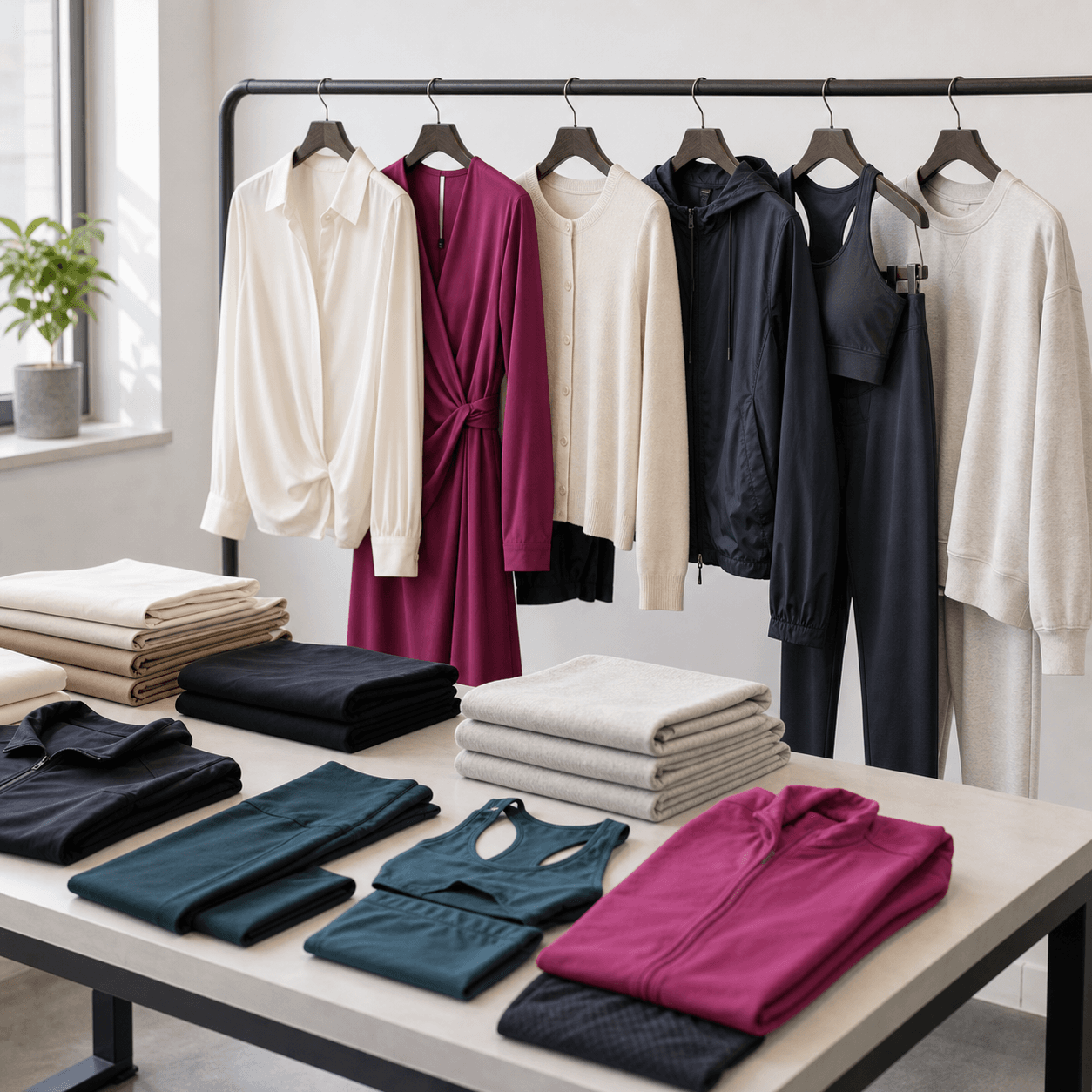
Activewear Performance Collection
Use coordinated training sets, sports bras, and performance layers to identify an existing product direction for a wholesale branding discussion.
Review this quote starting point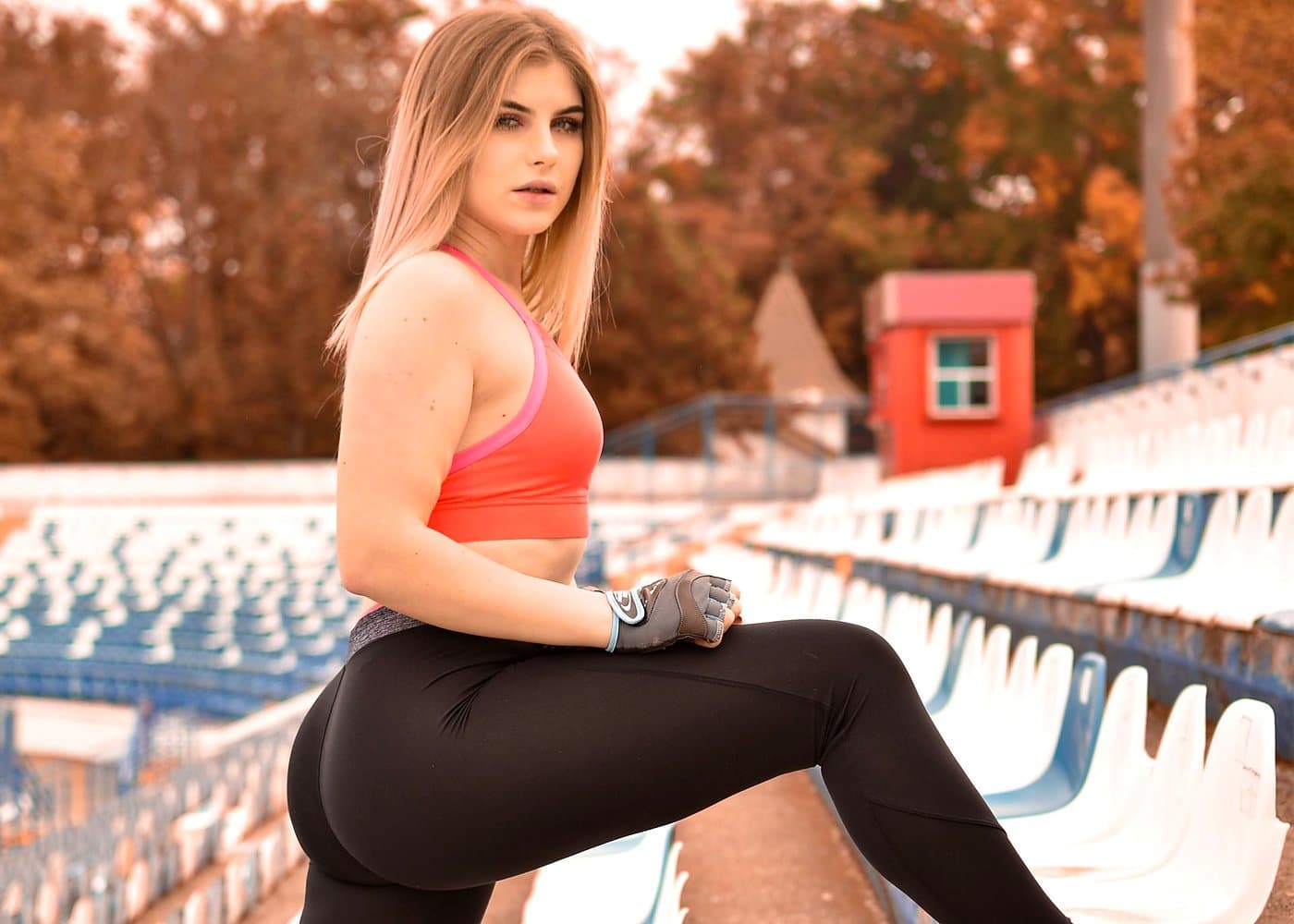
Hooded Thumbhole Training Set
A reference for buyers comparing a catalogue-based training set, colour direction, logo placement, labels, and packing scope.
Review this quote starting point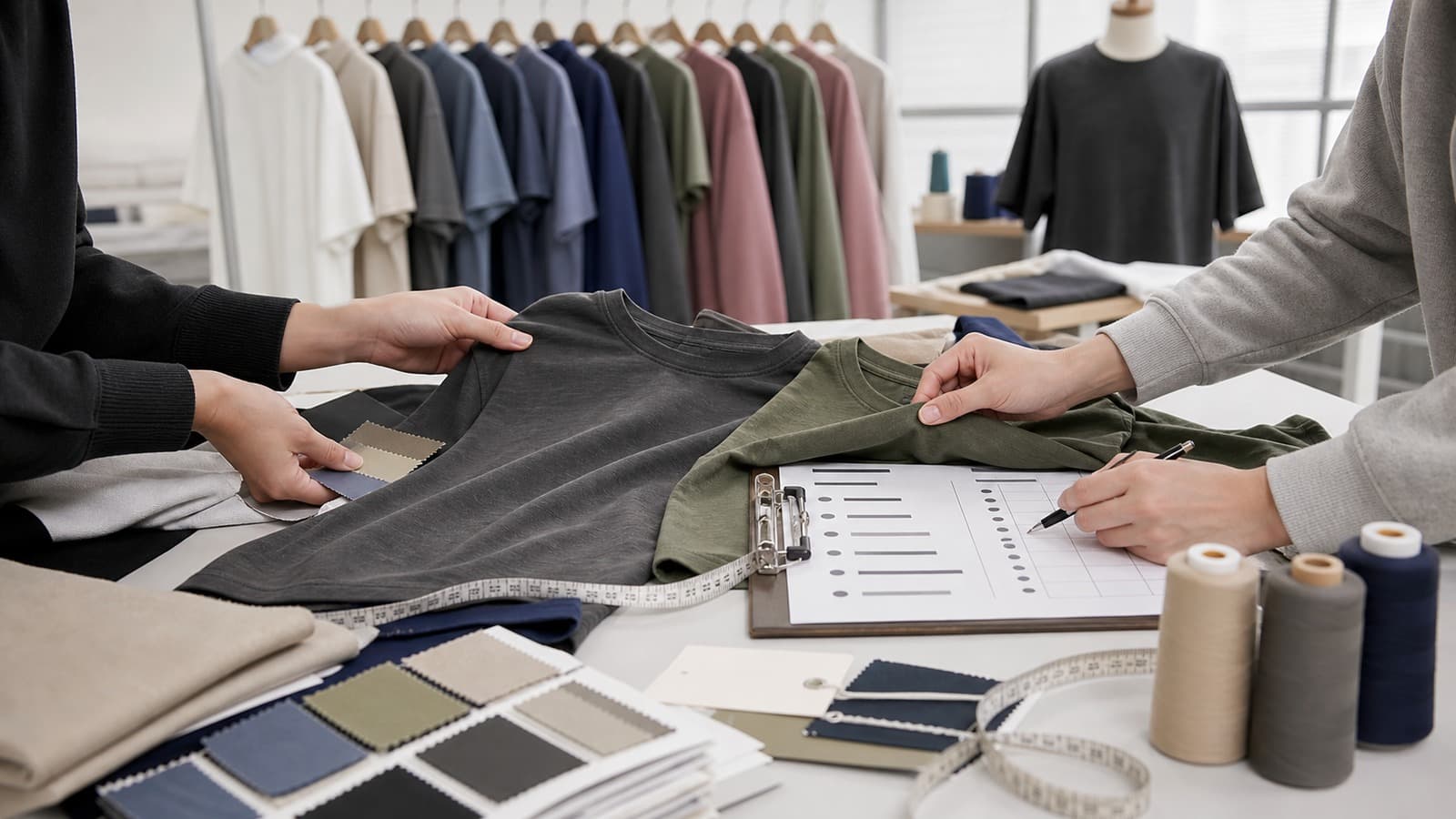
Custom Activewear Development
Use this route when the quotation must include a new fit, fabric, construction, feature, or sample-development decision rather than catalogue-based branding alone.
Review this quote starting pointCustom product development
When should a buyer request a custom manufacturer quote instead?
Request a custom manufacturer quote when the requirement changes the garment rather than only its brand presentation. This may involve a different fit, material behavior, support direction, construction, pattern, panel layout, waistband, strap system, pocket, length, finish, color route, or a new product-specific feature. In this route, the buyer and factory need to review the product brief and the sample path before a bulk production plan can be confirmed.
A complete tech pack is useful, but it is not the only valid input. A physical sample, selected catalogue style, sketch, reference image, or annotated product brief can start the discussion when the buyer explains what should be retained, what must change, and what needs advice. The custom activewear development route is the appropriate commercial entry point for this kind of product decision.
To make a custom quote easier to assess, describe the garment as it will be worn. State the activity and wearer, fit and measurement expectations, desired handfeel and material behavior, color direction, construction or trim details, logo and label requirements, size range, estimated quantity, packing, destination market, sample needs, and target arrival window. If an item is still open, say so. A responsible quote should distinguish an early estimate or option from a confirmed production commitment.
Options and development work
How should buyers treat provisional materials, samples, and one-time work?
Separate repeatable production assumptions from work needed to define or approve the product. A proposed fabric, colour match, pattern adjustment, sample, artwork setup, label development, or packing trial may belong to an early project stage. The quotation should say whether that item is included, optional, pending supplier confirmation, dependent on buyer approval, or expected to be reviewed later. Without that label, buyers may compare an early development response with a more mature production response.
The same principle applies to alternatives. A factory may suggest an available material direction, a revised trim, a different logo route, or a simpler packing method because the original request is not yet workable or fully specified. Treat the alternative as a named option. Keep the buyer's original requirement visible, describe the proposed change, and record what evidence—such as a swatch, test application, sample, or packing mock-up—is needed before it can replace the original assumption.
Do not remove development work from the comparison simply to make the production figure look cleaner. Instead, classify it. Buyers can compare recurring product scope, project-specific development, and buyer-arranged items in separate groups. This reveals whether a supplier has reduced the actual manufacturing scope, found a more suitable route, or merely placed a necessary task outside the headline response.
When the brief is still early, ask for a response that explains decision order rather than false precision. For example, the next step may be to choose between two fabric directions before confirming logo compatibility, or to review one sample before finalising the size allocation. A clearly staged answer can be more useful than a figure that appears final while important product decisions remain unresolved.
Material, samples, and packaging
Which operational details can change a manufacturer quote?
Material direction can affect the product route because fabric availability, stretch, recovery, opacity, weight, handfeel, color, surface finish, and trim compatibility are not interchangeable. These decisions should be tied to the actual garment and activity rather than treated as a generic feature list. Review the fabric and trim considerations when the product needs a material discussion before the sample or order path is agreed.
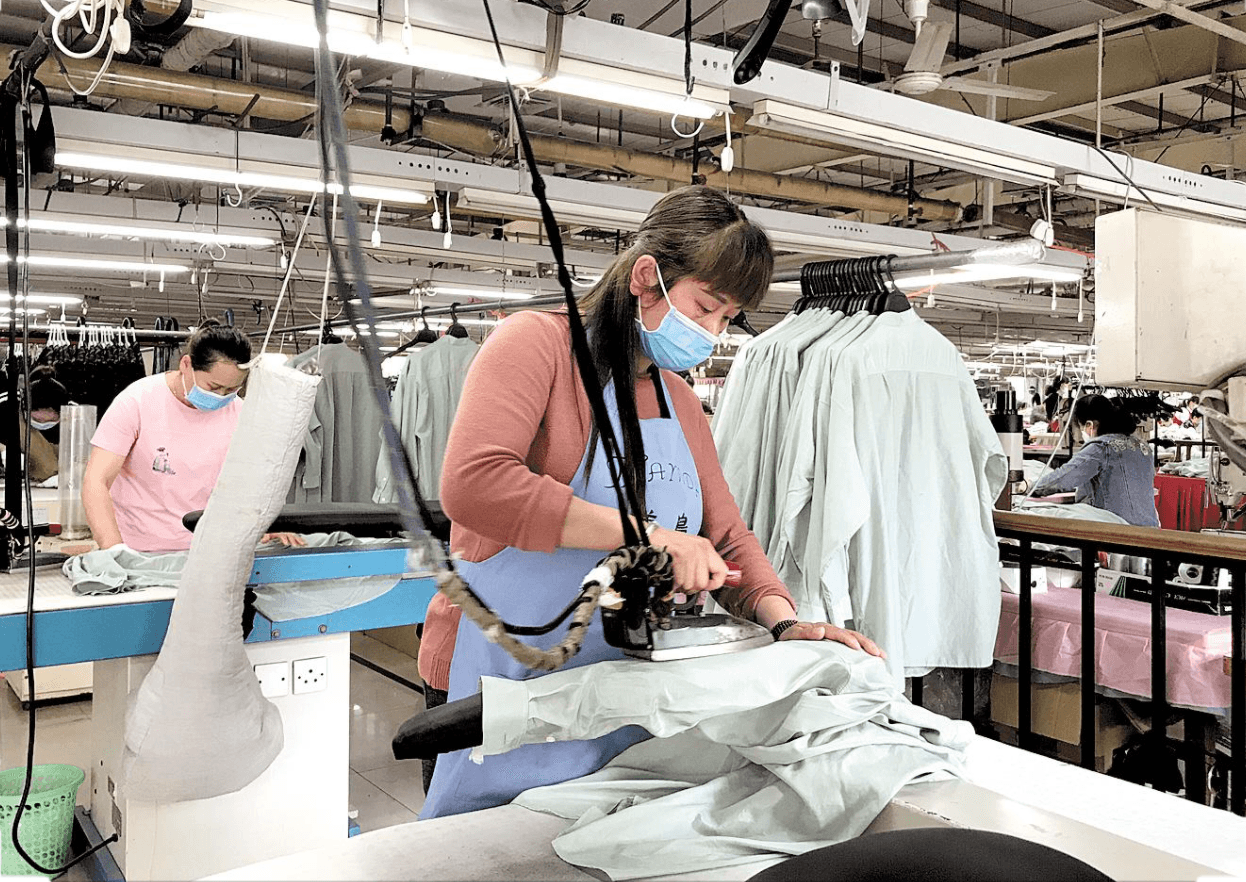
Branding and packing also belong in the comparison. A logo method should be reviewed for the actual fabric, artwork, placement, desired handfeel, and washing expectations. Labels, hangtags, poly bags, barcode stickers, folding, carton marks, and warehouse instructions can affect what needs approval before goods are packed. The buyer should record these elements in the same brief rather than adding them after a quote has been compared.
Prepare the same brief
What should buyers send before comparing manufacturer quotes?
A request for quotation, or RFQ, is a written product brief that gives suppliers a common basis for review. It does not need to resolve every technical question before the first conversation. It should make the known information usable and identify the remaining decisions honestly. The custom activewear RFQ guide explains how to structure that input when a project needs a more detailed manufacturer review.
Once the buyer has this information, the next question is not simply “which quote is lowest?” It is whether each quotation responds to the same scope and makes its assumptions visible. If one supplier identifies an open material or fit question, that can be valuable information. It gives the buyer the chance to resolve the point before it becomes a production misunderstanding.
Comparison warnings
Which warning signs show that two quotes are not yet comparable?
Pause the commercial comparison when the product identity, assumptions, allocation, or next approval step is unclear. These gaps do not automatically mean the supplier is unsuitable. They mean the buyer needs another round of questions before treating the responses as like-for-like. Resolve the gap in writing and attach the answer to the current brief or comparison sheet.
The product is not identified
A response that says only “legging,” “sports bra,” or “training set” leaves too much room for interpretation. The buyer should be able to point to the exact style, revision, image annotation, sample, or specification that supports the quotation.
Open decisions are presented as settled
Material, colour, logo method, measurements, component sourcing, packing, or sample approval may still need review. A useful response marks those points as assumptions or options instead of turning them into silent commitments.
The quantity is only a headline total
Manufacturing is planned through styles, colours, sizes, materials, and components. Ask for the allocation used in the response. A total can appear workable while the underlying groups are too fragmented to support the same production route.
The next approval step is missing
A quotation should lead to a practical next decision: choose the product direction, approve a fabric option, review a sample, confirm artwork, or complete the packing brief. If no next step is visible, the figure is not yet connected to execution.
A good follow-up question is narrow and evidence-based. Ask which fabric or product reference supports the response, which buyer-supplied file was used, what is excluded, what must be sampled, or how the quantity was divided. Avoid asking for a blanket guarantee when the brief itself still contains open decisions. The purpose of clarification is to build a usable production record, not to pressure a supplier into hiding uncertainty.
Quote to production
How should the quote connect to sample approval, QC, and packing?
A quote should lead into a documented product route. Before bulk production is planned, the buyer and factory should have a shared record of the approved or still-open points: product direction, materials, colors, measurements, construction, logo and label placement, packaging, quantity, destination, and QC checkpoints. This is particularly important when a program includes multiple styles, colors, sizes, or branded components.
inPACE Sports supports B2B activewear programs with product direction, sample review, fabric and trim discussion, private-label details, production coordination, QC, packing, and export preparation. Where a deeper factory development route is appropriate, Ningbo Yinshan Garments Factory in Ningbo, Zhejiang, China can review the project inputs with the buyer. The manufacturing and QC process should be discussed from the approved brief, not inferred from a generic quote or a single reference image.
After comparing the routes, use the approved brief as the operating reference for production preparation, quality checks, packing, and delivery readiness. This keeps the quote, sample comments, and production requirements connected rather than treating them as separate conversations.
Next step
Ask suppliers to quote the same activewear project
Send the product reference or tech pack, intended use, fabric and color direction, size information, logo and label artwork, packaging and carton requirements, estimated quantity, destination market, sample needs, and target arrival window. State whether the route begins with an existing product direction for wholesale branding or requires custom development. inPACE can review the brief and identify the assumptions that need confirmation before a production plan is agreed.