
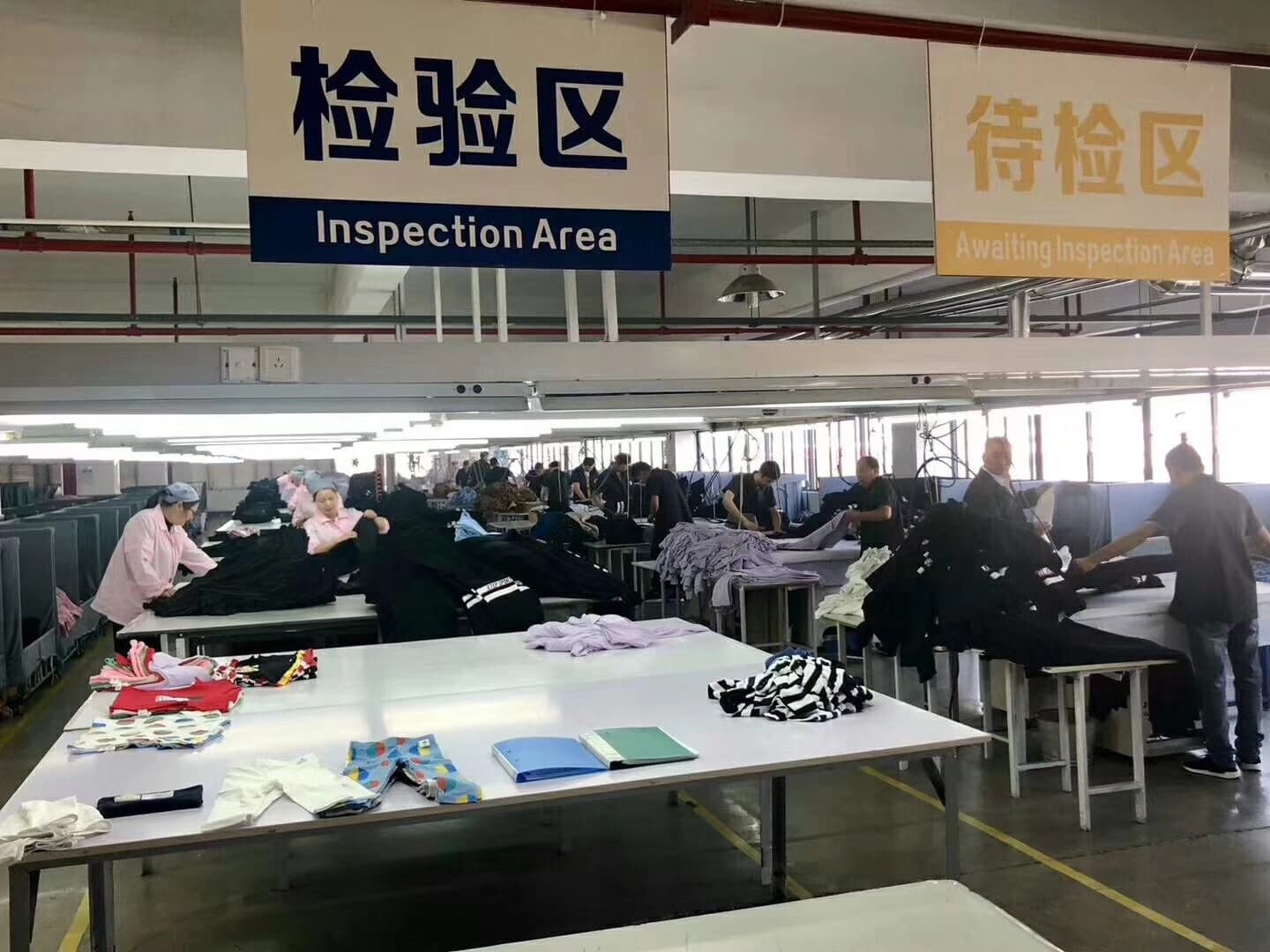
Reorder or redevelopment?
What makes an activewear repeat order a true repeat?
A true repeat starts from a controlled product reference. The buyer can identify the prior style, approved measurements, material and color direction, construction, trims, artwork, labels, packing, and quality points without rebuilding the garment from memory. The new enquiry then states what stays the same, what may change commercially—such as the size and color allocation—and what needs fresh approval.
The word “repeat” should not hide a development request. If the buyer changes the fit, fabric behavior, waistband, support, panel layout, pocket, strap, seam construction, or another product-defining feature, the supplier needs to review the change as product work. The same applies when an apparently simple replacement trim affects function, appearance, or construction. Calling it a reorder does not remove the need for an appropriate sample and approval route.
This guide follows a wholesale / light-customization path: familiar product directions with controlled logo, label, hangtag, packaging, and order information. It is not a promise of live stock, retail fulfillment, fixed material availability, or automatic production timing. Buyers planning their brand system can use the private-label activewear service to connect those components to the current product brief.
Decision table
Which records should a buyer reopen before repeat-order production?
The table below is a repeat-order gap review. It shows what should be reopened, why the current order still needs a decision, and how a buyer can separate stability from intended change. On mobile, the table scrolls horizontally rather than compressing the text.
| Record | Current review | Repeat-order risk to control |
|---|---|---|
| Product identity | Confirm the previous style code, approved product reference, and intended use. | A similar photograph or old invoice is not enough to prove that the same garment is being reordered. |
| Fit and measurements | Review the last approved measurements, fit comments, grading record, and any accepted tolerances. | Mark every requested fit change as a new decision rather than hiding it inside a repeat-order note. |
| Fabric and color | Check the approved material direction, color reference, current availability, and any supplier questions. | Do not assume that a name such as black, navy, or performance jersey identifies the complete approved input. |
| Construction and trims | Confirm seams, panels, elastics, zippers, cups, drawcords, and other product-specific components. | Replace discontinued or changed components only after the alternative has been reviewed on the product. |
| Logo and artwork | Use the approved artwork version, dimensions, placement, color, and application reference. | A new campaign graphic, logo scale, or garment position may require another physical review. |
| Labels and hangtags | Confirm label copy, size marks, care information, brand labels, hangtags, and attachment positions. | Check legal or market-specific label content with the buyer's qualified advisers rather than assuming the prior order still applies. |
| Size and color allocation | Prepare the new units by style, color, and size using sales and stock evidence where available. | A repeat order can keep the product stable while changing the commercial quantity mix. |
| QC and approval | Identify which previous sample or record is the reference and what needs reconfirmation. | The inspection scope must follow current approved information, not memory of the earlier order. |
| Packing and destination | Confirm folding, bags, stickers, barcodes, ratios, carton marks, receiving location, and target arrival window. | A changed warehouse, retailer, or market can change packing even when the garment is unchanged. |
A buyer does not need to resend every historical message. The goal is a compact current record that points to the approved references and lists intentional changes. If a field remains open, label it as open and assign the next review. That is safer than copying an old specification and assuming every input is still current.
Single source of truth
How should a brand build the repeat-order master record?
Begin with one order summary that names the style, approved sample or product reference, revision, colorways, size range, branding package, packing route, and destination. Link or attach the final files behind that summary. The summary does not replace measurements, artwork, or packing instructions; it tells both teams which versions govern the order.
Use stable names. “Final logo.ai,” “final logo new.ai,” and “latest logo final.ai” do not show which file was approved. Include a date or revision in the file name and repeat that identifier in the approval record. Apply the same logic to measurement charts, label copy, barcode tables, and packing instructions. A file should not become current merely because it was attached most recently.
Add a short change log to the order summary. Each line should identify the old state, proposed new state, reason, evidence needed, owner, and decision status. This prevents a commercial change—such as shifting more units into a core size—from being confused with a product change that needs another fit or material review.
Commercial evidence
How can sales, inventory, and returns shape the next size and color allocation?
Build the new quantity matrix from evidence by style, color, and size. Review sell-through, stock on hand, stockouts, returns, preorders, and channel plans. A sold-out size may indicate demand, but it may also reflect an initial under-allocation. Slow sales may reflect product fit, color position, price direction, merchandising, or simply excess opening stock. Keep the observation separate from the interpretation.
Compare related products carefully. A top and bottom in a coordinated set may sell through at different size ratios. Retailers that allow customers to choose separates should not force the next order into identical top and bottom quantities. A studio uniform program may need a different curve from the same product sold through an online store. Prepare the units that fit the current channel rather than copying the first order's total.
Give every style a next-order role: core replenishment, seasonal repeat, controlled test, or discontinue. This makes the range easier to review and reduces accidental SKU growth. The adjacent private-label activewear wholesale guide explains how product selection, labels, packaging, and brand presentation are assembled before this replenishment cycle begins.
Material continuity
What does fabric and color continuity mean for a repeat order?
Continuity means that the current material and color direction are reviewed against the approved product need; it does not mean a buyer should assume that a fabric name or color name is a permanent specification. Keep the prior material reference, composition and performance direction where documented, weight or handfeel reference where relevant, color reference, and any sample comments together. Then ask what is current for the new order.
If a material, trim, or color route changes, identify the difference and the evidence needed before approval. The product may require a swatch, color review, garment sample, movement review, or another project-specific check. The right evidence depends on what changed and where the input sits in the garment. A waistband elastic, bra cup, drawcord, zipper, or lining cannot be treated as interchangeable merely because it is not the main fabric.
Use the fabric and trim review to organize questions about stretch, recovery, coverage, handfeel, support, trims, and logo compatibility. Final suitability, availability, color, quantity, and approval requirements still belong to the actual repeat-order brief.
Production handover
How should approved information move back into production?
The repeat-order brief should show which pattern or product reference, measurement chart, material and color direction, construction notes, artwork, labels, and packing instructions are approved. Production coordination then has a current reference instead of an instruction to “make it like last time.” If two records conflict, the team needs a defined way to raise and close the question before the affected work continues.
Cutting, sewing, logo application, finishing, checking, and packing do not all use the same piece of information. The product record should connect the relevant decisions to each stage. A color-size table informs material and packing preparation; approved artwork informs the logo process; the measurement and construction reference supports workmanship review; the barcode and carton file supports final presentation.
The activewear manufacturing and QC overview provides context for carrying a controlled brief through production, inspection, packing, and export preparation without turning conditional project decisions into blanket promises.
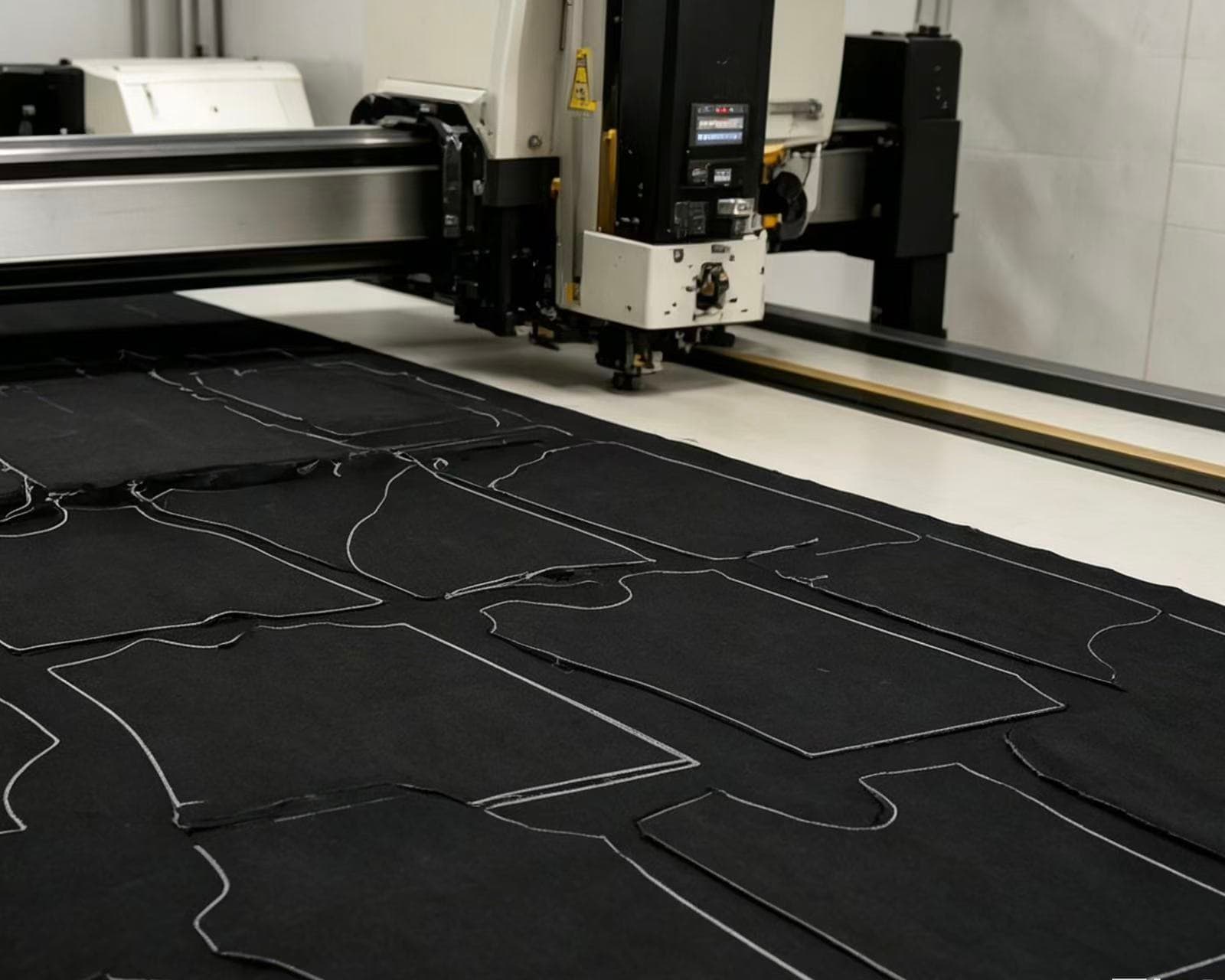
Brand files
Which logo, label, and packaging details need version control?
Reopen every customer-facing component. Confirm logo or trademark artwork, application method, dimensions, position, colors, main label, care information, size marking, hangtag, sticker, barcode, individual bag, folding, assortment ratio, and carton mark. Record the approved file and physical reference where one exists. A repeat order is not the place to discover that a brand team changed artwork without updating production files.
Separate copy changes from product changes. Updating a hangtag message may not change the garment, but it still needs a final file, size, print direction, attachment instruction, and approval. Moving a logo to a more elastic panel can change the application review. A new destination market may change label or receiving information. Buyers should obtain qualified advice for applicable legal or retailer requirements rather than asking the factory to infer them.
Build a release package for the order: approved artwork only, not drafts; one label-copy table; one barcode table tied to style-color-size identifiers; and one packing instruction tied to the current receiving plan. Archive replaced versions outside the production release so an old file cannot be chosen accidentally.
Product references
Which product directions help explain a repeat-order plan?
These references illustrate range, set, and core-product decisions. They are starting points for a B2B discussion, not evidence of live inventory, fixed colors, or guaranteed repeat availability. The current product, material, branding, quantity, sample, packing, and timing inputs still need review.

Range reference
Activewear Performance Collection
Use the collection to distinguish core products that may be replenished from new or seasonal directions that need a separate decision.
Review this product directionSet-level control
Hooded Thumbhole Training Set
A coordinated set illustrates why top and bottom sizes, colors, branding, packing, and product references must remain aligned across a reorder.
Review this product directionCore replenishment
Light Support Bra Program
A core-color product direction helps buyers plan current size ratios, artwork versions, labels, and packing without assuming permanent stock or unchanged inputs.
Review this product directionSample decision
When should a repeat order go through another sample review?
Use the change log to decide. A new fit, measurement, material, color route, construction detail, trim, logo application, label, or packing system can create a question that a prior sample does not answer. The buyer and supplier should agree what needs a physical review and what can be confirmed from a controlled document. The answer depends on the product and the change, not the word “repeat.”
Give every new sample a narrow purpose. A color or material review should not silently reopen approved fit decisions. A logo sample should identify the garment surface, artwork, dimensions, placement, and expected appearance. A packing sample should show folding, labels, stickers, bags, grouping, or carton presentation relevant to receiving. Focused questions make approval clearer.
Close sample comments in one record. Mark points approved, revise, or open; identify the next reference; and update the repeat-order master record after approval. Otherwise the sample may be correct while the production release still points to an earlier artwork or packing file.
QC and packing
How should QC and receiving instructions change for a reorder?
QC should use the current approved reference. Identify the product, measurements, workmanship, material and trim condition, color identification, logo, labels, size marking, packing, and carton information that are relevant to the order. If a known issue from the first order requires attention, state the observable check and current decision rather than relying on a vague request to “improve quality.”
Receiving instructions can change while the garment remains stable. A reorder may go to another warehouse, split across stores, use updated barcodes, or require a different carton allocation. Give the supplier the current location, packing ratios, marks, and known receiving instructions early enough for review. Late packing changes can create avoidable relabeling, regrouping, or documentation work.
Keep product acceptance and logistics acceptance connected but distinct. The garment can meet its product reference and still be difficult for a warehouse to receive if barcodes, ratios, or carton marks are wrong. Conversely, correct cartons do not prove the underlying product has been checked against its approved record.
Commercial variables
What can change the quotation, quantity plan, and timing of a repeat order?
A controlled record can reduce unnecessary clarification, but it does not make commercial inputs permanent. The supplier still needs to review the current styles, material and trim availability, colors, size allocation, artwork, labels, packaging, quantity, requested changes, sample route, destination, and production context. These variables can affect how the order is planned and what needs confirmation.
Ask the supplier to state assumptions. If the proposed plan depends on an unchanged material, an approved existing logo file, a specific packing route, or a consolidated color allocation, make that dependency visible. A buyer comparing the first and repeat quotations should compare the scope as well as the number. A changed size curve or warehouse presentation can make the two orders different even when the style name is the same.
Do not promise a retailer a fixed arrival date until the relevant inputs and plan have been reviewed. Provide the target arrival window, destination, and any launch constraints, then close open product, artwork, quantity, packing, and approval decisions promptly. Clear records support a more useful discussion; they do not replace project confirmation.
Buyer checklist
Is your private-label activewear reorder ready for review?
Use this checklist before sending the repeat-order brief. The goal is not to make every open point look finished. It is to identify the current reference, the intended commercial allocation, the changes that need evidence, and the approvals still required.
Avoid repeat-order drift
Which reorder habits create avoidable production risk?
Rebuilding from messages
An inbox does not identify the approved version. Release one current product, artwork, label, quantity, and packing record for the order.
Hiding changes inside “same”
A familiar style can contain a new material, size curve, logo, trim, or packing route. List changes and decide what needs fresh evidence.
Updating packing too late
Warehouse, barcode, ratio, and carton updates belong in the brief. They should not appear after products are already being prepared for shipment.
Supplier context
How can inPACE support a controlled repeat-order discussion?
inPACE Sports can review B2B activewear repeat enquiries using the buyer's product reference, material and color direction, branding, labels, packaging, quantity matrix, sample questions, QC points, destination, and target arrival window. Where factory context is relevant, Ningbo Yinshan Garments Factory in Ningbo, Zhejiang, China supports production coordination, checking, packing, and export preparation. Availability, quantity, quotation, sample route, and timing remain specific to the current product and order inputs.
Repeat-order next step
Plan a repeat-order production brief
Send the previous style or product code, approved sample and measurements, current fabric and color direction, artwork, labels, packing, new units by style-color-size, destination, target arrival window, and a separate change log. Mark every open product or approval question so the team can review whether the enquiry remains a repeat or needs new development.