
Start with the real use case
Hybrid racing apparel is a product problem, not a logo placement exercise
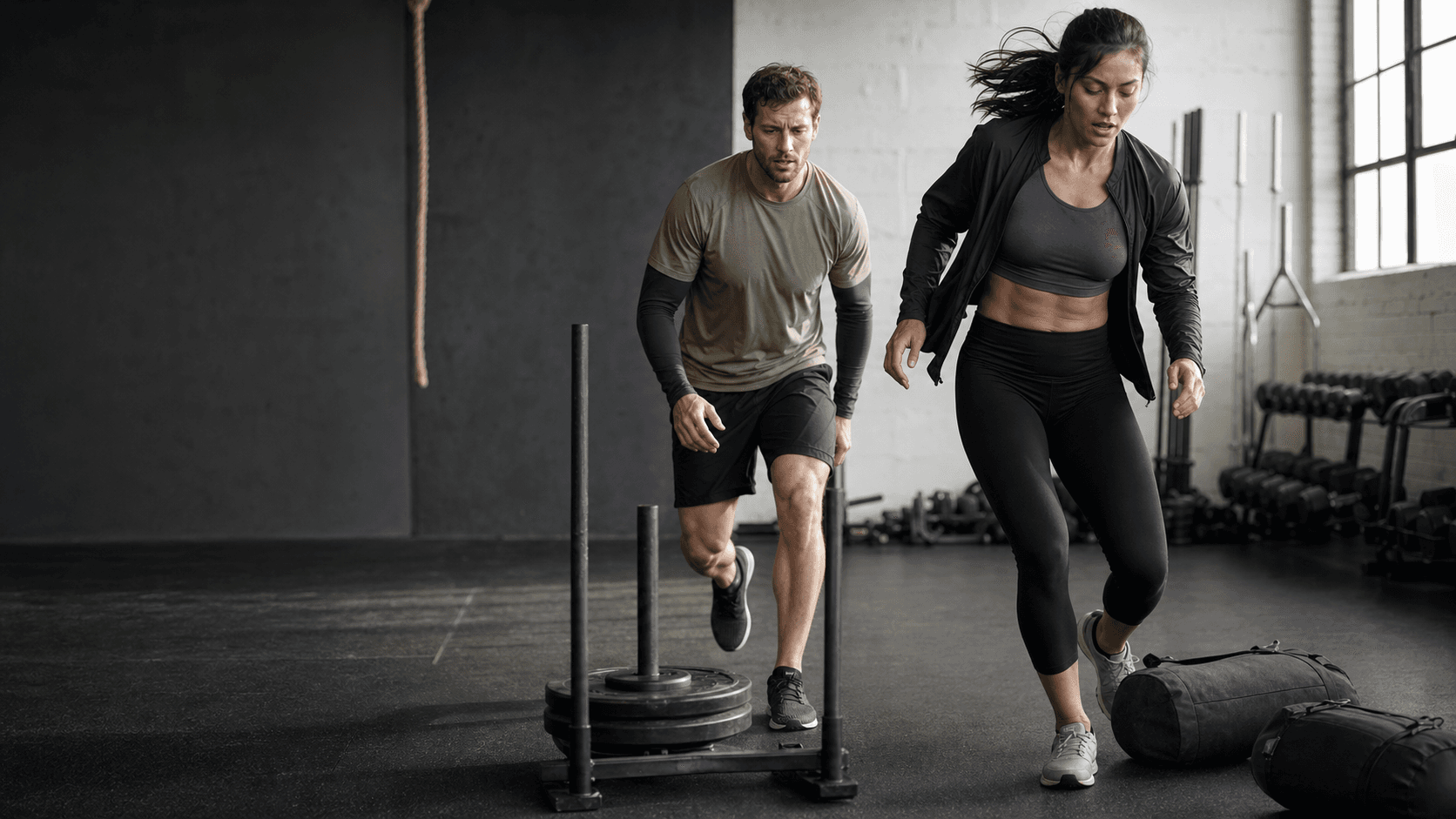
The phrase "HYROX training apparel" is increasingly used by consumers, coaches, retailers, and brand teams. In practice, buyers are usually describing apparel for people who combine running with functional strength and conditioning. The garment may be worn during gym sessions, outdoor intervals, race preparation, bootcamps, or an event day. That is a wider job than a standard cotton tee or a yoga-only set. The product must remain comfortable through changing intensity, repeated movement, and contact with equipment while still carrying a recognizable brand point of view.
That is why the first factory conversation should not begin with, "Can you copy this short?" Start with the athlete's movement, the selling environment, and the product promise. Is the buyer building a premium technical collection for committed racers, a more accessible gym-to-run line, or a private-label range for a studio? Will the customer train indoors, outdoors, or both? Is the product a hero piece with a graphic statement, a repeatable core item, or a small capsule that has to work beside an existing leggings and bra program? The answers change fabric, fit, construction, cost, and the order route.
Once the use case is clear, use the hybrid race apparel development guide to turn it into a product system, material direction, sample plan, and production-ready buyer brief.
Figure 1 / Production-readiness map
Lock the right decisions in the right order
A useful brief moves from athlete demand to a production standard. This avoids a common failure point: approving the visual direction before the product team has agreed on how the garment needs to perform.
01
Training demand
Map running, carries, floor work, pulls, and repeated high-output intervals before choosing a silhouette.
02
Garment system
Decide which pieces form the core outfit, then define optional layers, pockets, support, and coverage.
03
Material and build
Confirm stretch, recovery, dry time, abrasion tolerance, seam placement, mesh, elastic, and trim choices.
04
Sample approval
Test the approved direction in motion and lock logo, labels, packing, sizes, colorways, and quality references.
Build a garment system
Do not make every SKU solve every problem
A strong first hybrid collection is often smaller than a buyer expects. Instead of launching a dozen unrelated pieces, choose a compact system: a technical tee or tank, a short or legging, a supportive bra where relevant, and a light outer layer. Each item can have a clear role. The tee manages heat and friction. The short supports running, carries, and everyday training. The legging gives coverage and a different fit preference. The layer handles warm-up, travel, or outdoor conditions. This gives customers options without making the development stage unnecessarily complicated.
Buyers can also review the activewear performance collection to compare training sets, sports bras, and logo-custom styles before deciding which product directions should move into sampling.
When a brand also needs products for outdoor obstacle training, it should define that environment separately. Our OCR apparel buyer guide explains the added questions around mud, water, climbing, abrasion, and obstacle contact.
For a side-by-side buyer brief, see HYROX training apparel vs OCR apparel development differences before deciding which styles can share a route and which need separate sample testing.
The collection also needs an honest point of view. Some brands will choose quiet matte fabrics, a close body fit, and a small chest logo. Others will lead with contrast panels, reflective hits, or bolder print stories. Neither is automatically more technical. What matters is whether the visual decisions work with the product's intended use. A wide silicone transfer across a high-stretch panel, for example, can change the handfeel and movement of the garment. A large back graphic can become a rubbing point under a vest or during floor work. A drawcord can be useful on one short and distracting on another. The brand should identify which details are essential and which ones remain open for sample review.
Fabric and construction
Specify the behavior you need, not just the fabric name
"Nylon-spandex" and "polyester-spandex" are starting points, not finished specifications. For hybrid training apparel, a buyer should explain the result they want: a dry, light run top; a compressive short that does not feel restrictive; a legging with stable recovery; a tank that does not cling heavily after sweating; or an outer layer that can be removed and packed easily. The factory can then suggest practical material directions and explain the trade-offs around handfeel, weight, cost, color availability, and order quantity.
Think about the places where a garment receives stress. Running tests hem movement and pocket bounce. Squats, lunges, and carries expose rise, waistband stability, and seam placement. Floor work makes fabric feel, logo location, and hard trims more obvious. A garment can look clean on a rail and still be wrong for the session it is intended to serve. The sample brief should therefore cover recovery after stretch, opacity in movement, lining or mesh needs, chafe risk, abrasion, drying feel, and how the product behaves once warm and damp.
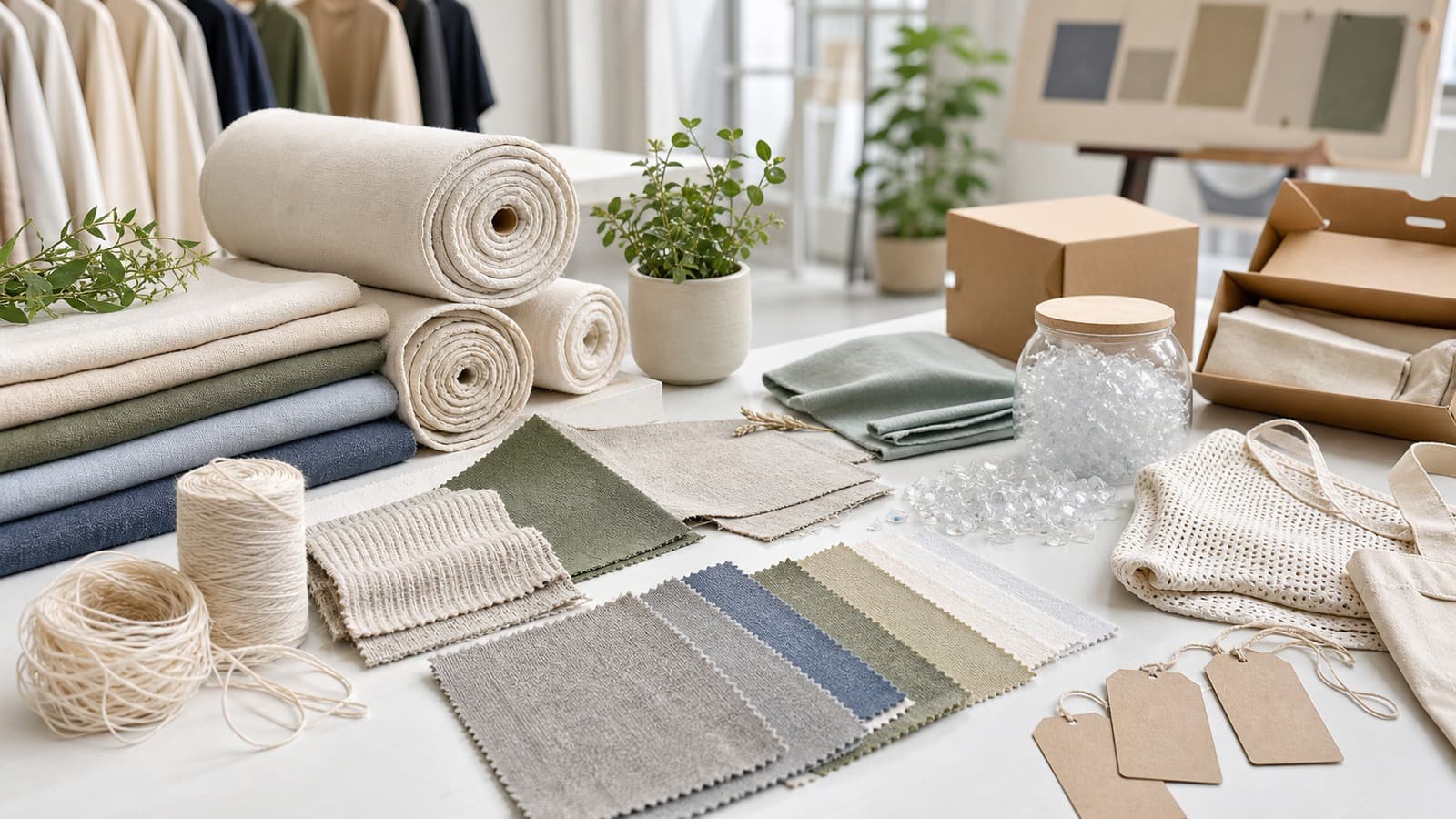
Chart / What to specify before sample approval
The buyer brief should connect activity, garment detail, and commercial intent
| Use case | Detail to specify | Why it matters |
|---|---|---|
| Running and repeated movement | Top length, rise, waistband stability, hem grip, pocket bounce | A garment can feel fine standing still and move badly after several kilometers. |
| Sweat and heat | Fabric weight, dry time, ventilation zones, lining, color behavior | A high-output session exposes comfort and opacity issues quickly. |
| Floor contact and carries | Seam placement, abrasion zones, drawcords, hardware, print location | Details that are harmless in a studio can rub, snag, or become distracting under contact. |
| Brand presentation | Logo scale, position, reflective detail, color blocks, label package | Race-inspired apparel still needs to look intentional on a product page, in a gym, and in a repeat order. |
| Production route | MOQ, available fabric, colorways, grading, packaging, approvals | The best-looking direction is only useful if it can be repeated at the required quantity and timing. |
Sampling with a purpose
Test the garment in the way your customer will actually use it
A development sample is not only a visual approval. It is the point where the brand turns intention into evidence. Wear the short for a run. Work through squats and lunges. Pick up something heavy. Move from standing to the floor and back again. Pay attention to what happens after the body is warm. Does the waistband roll or drift? Do pockets move? Does a seam become noticeable? Does a printed logo feel stiff? Does the top climb up when the athlete reaches overhead? A clear answer is more valuable than a vague comment such as, "The fit is not quite right."
Ask the wearer to separate fit feedback from design feedback. Fit comments may cover inseam, body length, rise, hem opening, bra support, sleeve pitch, or recovery. Design comments cover color blocks, logo size, contrast panels, pocket visibility, and the overall retail impression. Production comments cover label position, hangtag, poly bag, carton marks, and size ratio. When these categories are mixed together in one unstructured note, the factory may solve the wrong problem first. A simple annotated photo set and a measurement comparison save time in the next round.
Brands should also decide how much testing is appropriate for the launch. A small online-first drop may need a focused wearer test with a clear approval gate. A wholesale, studio, or club program may need extra attention to size distribution, logo consistency, repeated washing, and packing. The point is not to turn every project into a laboratory. It is to test the risks that would be costly to discover after bulk production.
A practical RFQ
What a factory needs before it can quote responsibly
For a hybrid racing apparel inquiry, send more than a mood board. Include the category, athlete use case, reference styles, intended fabric direction, colors, target size range, estimated units, logo files, label and packaging needs, destination market, and desired launch date. If you do not know the exact fabric or final quantity yet, say so. A good supplier can help review practical routes, but it needs to know which details are fixed and which remain flexible.
This gives a manufacturer enough context to discuss a catalog-informed starting point, a custom development route, or a staged plan that begins with a small set of proven styles. It also makes supplier comparisons fairer. A low number means very little if one quote assumes a lighter fabric, fewer logo colors, different packing, or less testing than another.
Trademark clarity
HYROX is used in this article as a reference to a popular hybrid fitness and race-preparation use case. inPACE develops custom apparel for brands, gyms, retailers, and training programs. inPACE is not affiliated with, endorsed by, or an official supplier of HYROX. HYROX is a registered trademark of its respective owner.
The commercial takeaway
Make the product promise specific enough to manufacture
Hybrid racing is an opportunity for activewear brands because it joins several customer habits that already exist: running, gym training, functional fitness, boutique studio classes, and event preparation. The strongest product programs do not try to be everything at once. They select a customer, a training environment, and a few garment roles, then build a credible product system around them. The commercial value comes from that clarity. It helps a buyer brief the factory, helps the factory guide the sample, and helps the eventual customer understand why the product belongs in their rotation.
For brands entering the category, the practical next step is simple: choose two or three core styles, collect references, describe the intended session, and identify the details you are unwilling to compromise. From there, a manufacturer can help turn the idea into a sample route with fabric, fit, logo, label, packing, and production decisions made in the right order.
Explore hybrid racing apparel developmentLong-form buyer framework
How can a buyer turn this research into a production-ready decision?
The central task in specifying HYROX training apparel for a fitness brand is deciding which garment system, fabric behaviour, fit, construction, branding, and sample tests support running and functional training in the same programme. That decision cannot be made from a headline price, a product photo, or a general statement about customization. It needs a record that connects the commercial goal to the garment, material, fit, construction, branding, quantity, quality checks, packing, and destination. When those elements are visible together, a buyer can ask more precise questions and a factory can explain the route without pretending that open details are already confirmed.
The purpose of the framework below is not to turn a brand founder or buyer into a garment technician. It is to make responsibility and evidence clear. The buyer defines the customer and business need, shares what is known, and identifies the decisions that matter. The factory should translate the brand's athlete and training scenario into product-specific material, pattern, sample, QC, and packing decisions. Both sides then record what was reviewed, what remains conditional, what must be approved physically, and what information will guide production or a later repeat order.
Define the training context
Explain the balance of running, sled work, lunges, carries, rowing, ski work, gym sessions, warm-up, and recovery that each garment should support.
For this decision, the buyer should state the intended result, provide the closest available evidence, and identify what is flexible. The supplier can then explain the product or process implications and flag any dependency on fabric availability, colour, construction, logo method, components, quantity, or packing. A useful response distinguishes a recommendation from a confirmed production instruction and says what would need to be reviewed through a sample or another approval step.
Record the outcome inside a hybrid-training product brief linking each SKU to athlete use, movement, material, fit, construction, branding, test observations, and production approval. Include the date, relevant file or sample, the person responsible for the next action, and the status of the decision. If a later change affects fit, material, workmanship, branding, assortment, or delivery preparation, return to this record and identify which related approvals need to be checked again. This prevents a local change from creating an unnoticed downstream inconsistency.
Build a small garment system
Assign clear roles to tops, shorts, leggings, sports bras, compression pieces, and light layers instead of creating many overlapping SKUs.
For this decision, the buyer should state the intended result, provide the closest available evidence, and identify what is flexible. The supplier can then explain the product or process implications and flag any dependency on fabric availability, colour, construction, logo method, components, quantity, or packing. A useful response distinguishes a recommendation from a confirmed production instruction and says what would need to be reviewed through a sample or another approval step.
Record the outcome inside a hybrid-training product brief linking each SKU to athlete use, movement, material, fit, construction, branding, test observations, and production approval. Include the date, relevant file or sample, the person responsible for the next action, and the status of the decision. If a later change affects fit, material, workmanship, branding, assortment, or delivery preparation, return to this record and identify which related approvals need to be checked again. This prevents a local change from creating an unnoticed downstream inconsistency.
Choose fabric for heat and movement
Dry feel, stretch, recovery, weight, opacity, support, surface, and durability expectations should follow the intended athlete and garment role.
For this decision, the buyer should state the intended result, provide the closest available evidence, and identify what is flexible. The supplier can then explain the product or process implications and flag any dependency on fabric availability, colour, construction, logo method, components, quantity, or packing. A useful response distinguishes a recommendation from a confirmed production instruction and says what would need to be reviewed through a sample or another approval step.
Record the outcome inside a hybrid-training product brief linking each SKU to athlete use, movement, material, fit, construction, branding, test observations, and production approval. Include the date, relevant file or sample, the person responsible for the next action, and the status of the decision. If a later change affects fit, material, workmanship, branding, assortment, or delivery preparation, return to this record and identify which related approvals need to be checked again. This prevents a local change from creating an unnoticed downstream inconsistency.
Review fit across movement patterns
Running stride, deep flexion, overhead reach, loaded carries, and repeated transitions reveal different waistband, hem, strap, neckline, and mobility issues.
For this decision, the buyer should state the intended result, provide the closest available evidence, and identify what is flexible. The supplier can then explain the product or process implications and flag any dependency on fabric availability, colour, construction, logo method, components, quantity, or packing. A useful response distinguishes a recommendation from a confirmed production instruction and says what would need to be reviewed through a sample or another approval step.
Record the outcome inside a hybrid-training product brief linking each SKU to athlete use, movement, material, fit, construction, branding, test observations, and production approval. Include the date, relevant file or sample, the person responsible for the next action, and the status of the decision. If a later change affects fit, material, workmanship, branding, assortment, or delivery preparation, return to this record and identify which related approvals need to be checked again. This prevents a local change from creating an unnoticed downstream inconsistency.
Place construction with friction in mind
Seams, pockets, zippers, elastic, binding, reinforcement, and panels should be reviewed where equipment, skin, and repetitive movement create contact.
For this decision, the buyer should state the intended result, provide the closest available evidence, and identify what is flexible. The supplier can then explain the product or process implications and flag any dependency on fabric availability, colour, construction, logo method, components, quantity, or packing. A useful response distinguishes a recommendation from a confirmed production instruction and says what would need to be reviewed through a sample or another approval step.
Record the outcome inside a hybrid-training product brief linking each SKU to athlete use, movement, material, fit, construction, branding, test observations, and production approval. Include the date, relevant file or sample, the person responsible for the next action, and the status of the decision. If a later change affects fit, material, workmanship, branding, assortment, or delivery preparation, return to this record and identify which related approvals need to be checked again. This prevents a local change from creating an unnoticed downstream inconsistency.
Keep branding functional
Logo method, size, placement, labels, and trims should support stretch, comfort, sweat exposure, visibility, and the brand's intended tone.
For this decision, the buyer should state the intended result, provide the closest available evidence, and identify what is flexible. The supplier can then explain the product or process implications and flag any dependency on fabric availability, colour, construction, logo method, components, quantity, or packing. A useful response distinguishes a recommendation from a confirmed production instruction and says what would need to be reviewed through a sample or another approval step.
Record the outcome inside a hybrid-training product brief linking each SKU to athlete use, movement, material, fit, construction, branding, test observations, and production approval. Include the date, relevant file or sample, the person responsible for the next action, and the status of the decision. If a later change affects fit, material, workmanship, branding, assortment, or delivery preparation, return to this record and identify which related approvals need to be checked again. This prevents a local change from creating an unnoticed downstream inconsistency.
Test the sample as a system
Record garment-specific observations from running and functional work, then separate pattern, material, construction, and sizing changes before production approval.
For this decision, the buyer should state the intended result, provide the closest available evidence, and identify what is flexible. The supplier can then explain the product or process implications and flag any dependency on fabric availability, colour, construction, logo method, components, quantity, or packing. A useful response distinguishes a recommendation from a confirmed production instruction and says what would need to be reviewed through a sample or another approval step.
Record the outcome inside a hybrid-training product brief linking each SKU to athlete use, movement, material, fit, construction, branding, test observations, and production approval. Include the date, relevant file or sample, the person responsible for the next action, and the status of the decision. If a later change affects fit, material, workmanship, branding, assortment, or delivery preparation, return to this record and identify which related approvals need to be checked again. This prevents a local change from creating an unnoticed downstream inconsistency.
Buyer scenarios
How does the decision change in common sourcing situations?
Real projects rarely arrive with every detail complete. The useful question is not whether the brief is perfect; it is whether the missing information is visible and whether the next step will produce evidence. These scenarios show how a buyer can keep specifying HYROX training apparel for a fitness brand practical without converting early assumptions into promises.
The buyer has a direction but incomplete technical files
Start with the product role, target customer, intended use, reference material, and the decisions already made. Mark missing measurements, fabric, artwork, or packing details as open questions. The supplier response should show what can be reviewed immediately, what needs a sample, and what information is required before the route becomes more specific.
Apply the scenario to which garment system, fabric behaviour, fit, construction, branding, and sample tests support running and functional training in the same programme. Note what can be accepted as direction, what requires factory review, and what must become part of a hybrid-training product brief linking each SKU to athlete use, movement, material, fit, construction, branding, test observations, and production approval before the buyer compares suppliers or approves the next stage.
A catalogue reference is close but not exact
List the features that already work and separate brand presentation from garment changes. A logo, label, hangtag, or bag may stay within a catalogue-informed route, while a new fit, material, pattern, construction, or performance feature may require custom development. The decision should be based on the requested change, not a category label.
Apply the scenario to which garment system, fabric behaviour, fit, construction, branding, and sample tests support running and functional training in the same programme. Note what can be accepted as direction, what requires factory review, and what must become part of a hybrid-training product brief linking each SKU to athlete use, movement, material, fit, construction, branding, test observations, and production approval before the buyer compares suppliers or approves the next stage.
The order contains several colours, sizes, and brand components
Create one assortment record by style, colour, and size, then connect every logo, label, barcode, bag, and carton instruction to the correct SKU. Ask which choices affect material planning, application methods, packing ratios, or quotation assumptions. This is where a simple-looking collection can become operationally complex.
Apply the scenario to which garment system, fabric behaviour, fit, construction, branding, and sample tests support running and functional training in the same programme. Note what can be accepted as direction, what requires factory review, and what must become part of a hybrid-training product brief linking each SKU to athlete use, movement, material, fit, construction, branding, test observations, and production approval before the buyer compares suppliers or approves the next stage.
The programme is expected to repeat
Decide which approved records will be retained after shipment and which changes should trigger a new sample. Product specifications, material and colour references, artwork, placement, labels, packing, QC notes, and prior order data make later replenishment more controlled. A reorder should not depend on memory or an old message thread.
Apply the scenario to which garment system, fabric behaviour, fit, construction, branding, and sample tests support running and functional training in the same programme. Note what can be accepted as direction, what requires factory review, and what must become part of a hybrid-training product brief linking each SKU to athlete use, movement, material, fit, construction, branding, test observations, and production approval before the buyer compares suppliers or approves the next stage.
Relevant product directions
Which products can make the next brief more concrete?
Use these product pages to identify a silhouette or collection direction, then state what should remain, change, or be reviewed. Product images are useful references, but fabric, fit, construction, colour, branding, quantity, and packing still require project-specific confirmation.
Activewear Performance Collection
Compare existing training sets, sports bras, and performance silhouettes before defining fabric, branding, and order requirements.
View product directionZip-Neck Sculpt Set
Use a close-fit performance set to discuss stretch, zipper placement, panels, colour, and logo direction for hybrid training.
View product directionLight Support Bra Program
Review support direction, recovery, logo scale, label placement, colour packs, and private-label presentation.
View product directionDecision record
Which evidence should the buyer request and retain?
The table turns the article's key questions into a working review format. It is intentionally broader than a unit-price comparison because a complete activewear programme includes product, material, sample, branding, packing, and delivery assumptions.
| Decision area | Buyer evidence | Factory review | Record before approval |
|---|---|---|---|
| Define the training context | Reference, requirement, intended result, and any non-negotiable constraint. | Feasibility, dependencies, assumptions, sample need, and effect on connected decisions. | Approved reference, open issue, owner, date, and the next checkpoint. |
| Build a small garment system | Reference, requirement, intended result, and any non-negotiable constraint. | Feasibility, dependencies, assumptions, sample need, and effect on connected decisions. | Approved reference, open issue, owner, date, and the next checkpoint. |
| Choose fabric for heat and movement | Reference, requirement, intended result, and any non-negotiable constraint. | Feasibility, dependencies, assumptions, sample need, and effect on connected decisions. | Approved reference, open issue, owner, date, and the next checkpoint. |
| Review fit across movement patterns | Reference, requirement, intended result, and any non-negotiable constraint. | Feasibility, dependencies, assumptions, sample need, and effect on connected decisions. | Approved reference, open issue, owner, date, and the next checkpoint. |
| Place construction with friction in mind | Reference, requirement, intended result, and any non-negotiable constraint. | Feasibility, dependencies, assumptions, sample need, and effect on connected decisions. | Approved reference, open issue, owner, date, and the next checkpoint. |
| Keep branding functional | Reference, requirement, intended result, and any non-negotiable constraint. | Feasibility, dependencies, assumptions, sample need, and effect on connected decisions. | Approved reference, open issue, owner, date, and the next checkpoint. |
| Test the sample as a system | Reference, requirement, intended result, and any non-negotiable constraint. | Feasibility, dependencies, assumptions, sample need, and effect on connected decisions. | Approved reference, open issue, owner, date, and the next checkpoint. |
Buyer checklist
What should be ready before the next factory conversation?
A buyer can begin even when some boxes remain open. Label them clearly and ask what evidence would close them. That approach is more useful than hiding uncertainty or waiting for an impossible level of perfection. It also makes a supplier's reasoning easier to evaluate: the response should identify connected decisions and explain why a sample, component approval, revised brief, or packing record is needed.
Continue the buyer journey
Keep the next step tied to the product decision
Continue with develop apparel for hybrid racing when that question is adjacent to the current decision. If the project is ready for factory review, send the product type, reference, material and fit priorities, branding scope, estimated quantity, packing needs, and destination market. inPACE Sports can then discuss whether the next step is product selection, private-label review, custom development, sampling, or a more complete quotation brief.
State what is confirmed, flexible, and still open for factory guidance.
Ask how decisions move into sampling, production, QC, and packing.
Retain the approval and receiving records needed for shipment and reorders.