
Empieza con el caso de uso real
Hybrid Racing apparel es un problema de producto, no un ejercicio de colocación de logotipos
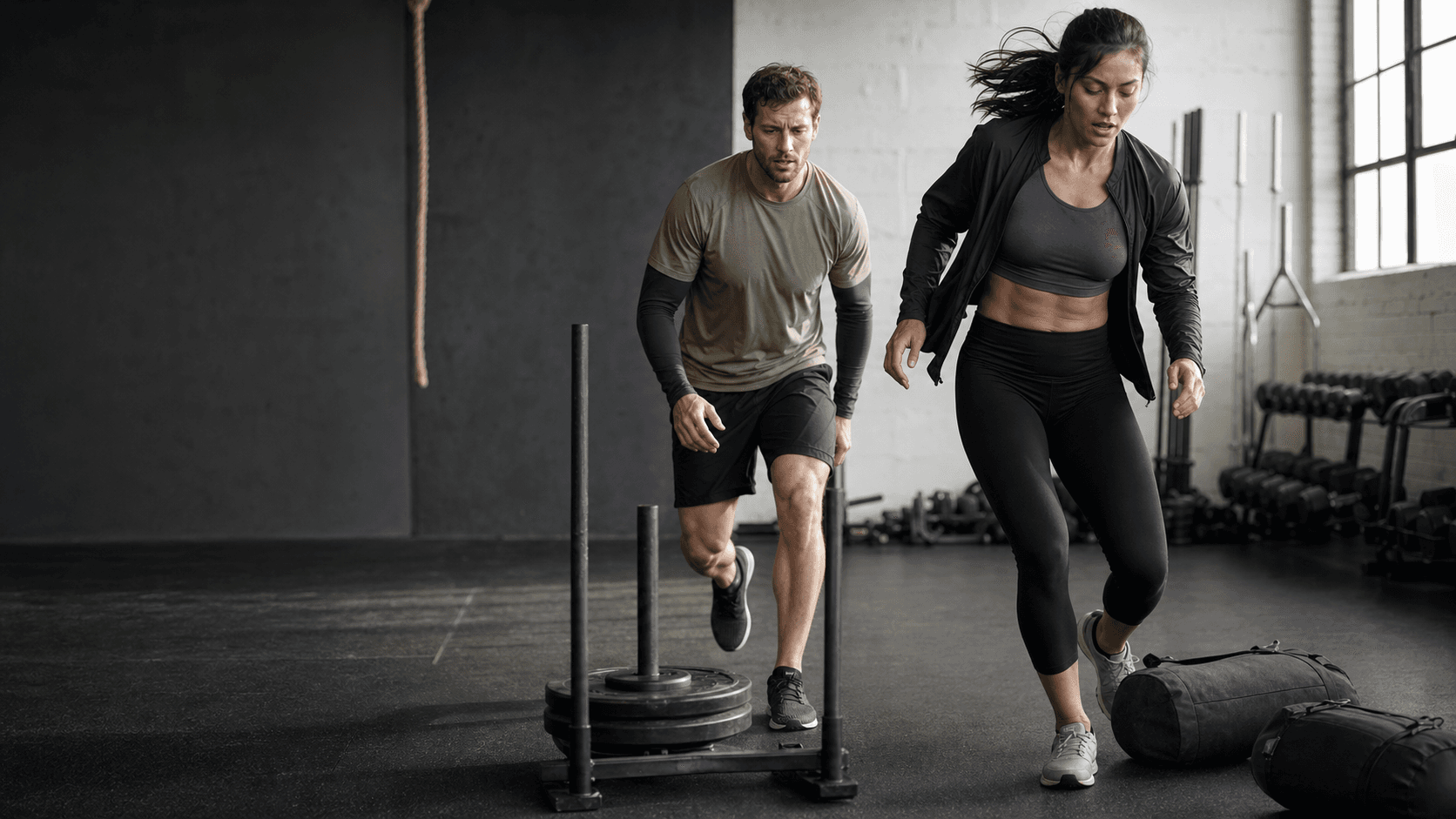
La frase "Aprendizaje de entrenamiento HYROX" es cada vez más utilizada por los consumidores, entrenadores, minoristas y equipos de marca. En la práctica, los compradores suelen describir prendas para personas que combinan correr con fuerza funcional y acondicionado. La prenda puede ser usada durante sesiones de gimnasio, intervalos al aire libre, preparación de carreras, bootcamps, o un día de evento.
Es por eso que la primera conversación de fábrica no debe comenzar con, "¿Puedes copiar este corto?" Comience con el movimiento del atleta, el entorno de venta, y la promesa del producto. ¿Es el comprador construir una colección técnica premium para corredores comprometidos, una línea de gimnasio más accesible para funcionar, o una gama de etiquetas privadas para un estudio? ¿El cliente entrena dentro, al aire libre, o ambos? ¿Es el producto una pieza de héroe con una declaración gráfica, una cápsula de trabajo repetible
Una vez que el caso de uso sea claro, utilice el híbrida guía de desarrollo de la raza para convertirlo en un sistema de productos, dirección material, plan de muestra y un breve comprador listo para la producción.
Figura 1 / Mapa de productos
Cierre las decisiones correctas en el orden correcto
Un breve paso útil de la demanda de atleta a un estándar de producción. Esto evita un punto de fracaso común: aprobar la dirección visual antes de que el equipo de producto haya acordado cómo debe realizar la prenda.
01
Demanda de capacitación
Mapa corriendo, lleva, trabajo en el suelo, tira y repetidos intervalos de alto rendimiento antes de elegir una silueta.
02
Sistema de garaje
Decidir qué piezas forman el conjunto de núcleo, luego definir capas opcionales, bolsillos, soporte y cobertura.
03
Material y construcción
Confirme el estiramiento, la recuperación, el tiempo seco, la tolerancia a la abrasión, la colocación de costuras, malla, elástico y las opciones de bordes.
04
Aprobación de muestras
Pruebe la dirección aprobada en movimiento y bloqueo logotipo, etiquetas, embalaje, tamaños, colores y referencias de calidad.
Una muestra tiene más valor cuando la marca acepta primero lo que necesita para sobrevivir movimiento, humedad, fricción, presentación de marca y producción de repetición.
Construir un sistema de prendas
No haga que cada SKU resuelva cada problema
Una primera colección híbrida fuerte es a menudo más pequeña de lo que un comprador espera. En lugar de lanzar una docena de piezas no relacionadas, elegir un sistema compacto: un tee técnico o un tanque, un sujetador corto o legging, un sujetador de apoyo donde sea relevante, y una capa exterior ligera. Cada artículo puede tener un papel claro. El tee maneja el calor y la fricción.
Los compradores también pueden revisión de la colección de rendimiento de la ropa deportiva para comparar conjuntos de entrenamiento, sujetadores deportivos y estilos de uso de logotipos antes de decidir qué direcciones de producto deben moverse en muestreo.
Cuando una marca también necesita productos para entrenamiento de obstáculos al aire libre, debe definir ese entorno por separado. OCR apparel buyer guide explica las preguntas agregadas alrededor del barro, el agua, la escalada, la abrasión y el contacto de obstáculos.
Para un breve comprador lado a lado, vea HYROX training apparel vs OCR apparel development diferencias antes de decidir qué estilos pueden compartir una ruta y que necesitan pruebas de muestra separadas.
La colección también necesita un punto de vista honesto. Algunas marcas elegirán tejidos mates tranquilos, un cuerpo cercano y un pequeño logotipo del pecho. Otros conducirán con paneles de contraste, golpes reflectantes o historias de impresión más atrevidas. Tampoco es automáticamente más técnico. Lo que importa es si las decisiones visuales funcionan con el uso previsto del producto. Una amplia transferencia de silicona a través de un panel de alta tensión, por ejemplo, puede cambiar la prenda y movimiento de la espalda.
Tejido y construcción
Especifique el comportamiento que necesita, no sólo el nombre de la tela
"Nylon-spandex" y "polyester-spandex" son puntos de partida, no las especificaciones terminadas. Para el prenda de entrenamiento híbrido, un comprador debe explicar el resultado que quieren: una tapa de funcionamiento seco y ligero; un corto compresivo que no se siente restrictivo; una legging con recuperación estable; un tanque que no se aferra pesadamente después de sudar; o una capa exterior que puede ser eliminado y empaquetado fácilmente.
Piense en los lugares donde una prenda recibe estrés. Ejecutar pruebas de movimiento de timón y botín de bolsillo. Escuadras, pulmones y lleva exponer el aumento, estabilidad de la cintura y colocación de costura. El trabajo de piso hace que la sensación de tela, ubicación del logotipo y los bordes duros más obvios. Una prenda puede verse limpia en un carril y seguir siendo incorrecto para la sesión que está destinada a servir.

La elección del material debe ser discutida junto a la construcción de prendas, no después de que la silueta ya haya sido aprobada.
Gráfico / Qué especificar antes de la aprobación de la muestra
El informe del comprador debe conectar la actividad, el detalle de la prenda y la intención comercial
| Caso de uso | Detalle para especificar | Por qué importa |
|---|---|---|
| Correr y repetir movimiento | Longitud superior, ascenso, estabilidad de la cintura, agarre de agarre, bolsillo rebote | Una prenda puede sentirse bien de pie y moverse mal después de varios kilómetros. |
| Sudoración y calor | Peso de la tela, tiempo seco, zonas de ventilación, forro, comportamiento de color | Una sesión de alto rendimiento expone rápidamente problemas de comodidad y opacidad. |
| Contacto de piso y porta | Colocación de costuras, zonas de abrasión, cajones, hardware, ubicación de impresión | Los detalles que son inofensivos en un estudio pueden frotar, sofocar o distraerse bajo contacto. |
| Presentación de la marca | Escala de logotipos, posición, detalle reflectante, bloques de color, paquete de etiquetas | El vestido inspirado en la raza todavía necesita mirar intencionalmente en una página de producto, en un gimnasio, y en un orden de repetición. |
| Ruta de producción | MOQ, tejido disponible, color, clasificación, embalaje, aprobaciones | La dirección más bonita es sólo útil si se puede repetir en la cantidad y el tiempo requeridos. |
Muestra con un propósito
Pruebe la prenda de la manera en que su cliente realmente la utilizará
Una muestra de desarrollo no es sólo una aprobación visual. Es el punto en el que la marca convierte la intención en evidencia. Use el corto para una carrera. Trabajar a través de escuadrones y pulmones. Recoger algo pesado. Mover de pie al suelo y de nuevo. Preste atención a lo que sucede después de que el cuerpo está caliente. ¿El rollo de la cintura o la deriva? ¿Se mueve un sellador se hace notar?
Pregúntele al usuario para que se adapte a la retroalimentación del diseño. Los comentarios de diseño pueden cubrir inseam, longitud del cuerpo, aumento, apertura del timón, soporte del sujetador, campo de mangas o recuperación. Los comentarios de diseño cubren bloques de color, tamaño del logotipo, paneles de contraste, visibilidad de bolsillo, y la impresión general de venta al por menor.
Las marcas también deben decidir cuántas pruebas son apropiadas para el lanzamiento. Una pequeña gota en línea puede necesitar una prueba de desgaste enfocada con una puerta de aprobación clara. Un programa mayorista, estudio o club puede necesitar atención adicional a la distribución de tamaño, consistencia de logotipos, lavado repetido y embalaje. El punto es no convertir cada proyecto en un laboratorio. Es probar los riesgos que sería costoso descubrir después de la producción a granel.
Un RFQ práctico
Lo que una fábrica necesita antes de que pueda citar responsablemente
Para una investigación híbrida de prendas de carreras, envía más que una tabla de estado de ánimo. Incluye la categoría, caso de uso de atletas, estilos de referencia, dirección de tela destinada, colores, rango de destino, unidades estimadas, archivos de logotipo, necesidades de etiqueta y embalaje, mercado de destino y fecha de lanzamiento deseada. Si aún no conoce el tejido exacto o la cantidad final, digamos. Un buen proveedor puede ayudar a revisar las rutas prácticas, pero necesita saber qué detalles están fijos y cuáles son flexibles.
La actividad principal: funcionamiento, gimnasio, entrenamiento funcional, carreras híbridas, OCR o uso mixto.Referencias de producto con notas sobre qué guardar y qué cambiar.Dirección de ajuste, prioridades de tela y cualquier expectativa de rendimiento no negociable.Colorways, rango de tamaño, estimación de cantidad, método de logotipo, etiquetas, embalaje y mercado de entrega.Un plan de prueba de muestra y las personas que aprobarán los detalles de producto, marca y producción.Una dirección de precios realista, con un entendimiento de que las opciones de material y personalización lo afectan.
Esto le da a un fabricante suficiente contexto para discutir un punto de partida con información de catálogo, una ruta de desarrollo personalizado, o un plan escenificado que comienza con un pequeño conjunto de estilos probados. También hace que las comparaciones de proveedores más justas. Un número bajo significa muy poco si una cita supone un tejido más ligero, menos colores de logotipo, diferentes embalajes, o menos pruebas que otra.
claridad de marcadores
HYROX se utiliza en este artículo como referencia a un popular caso híbrido de fitness y uso de la preparación para carreras. inPACE desarrolla prendas personalizadas para marcas, gimnasios, minoristas y programas de formación. inPACE no está afiliado, respaldado por, o un proveedor oficial de HYROX. HYROX es una marca registrada de su respectivo propietario.
El viaje comercial
Hacer que el producto promete lo suficientemente específico para la fabricación
Las carreras híbridas son una oportunidad para las marcas de ropa deportiva porque se une a varios hábitos de cliente que ya existen: correr, entrenamiento de gimnasio, fitness funcional, clases de estudio boutique, y preparación de eventos. Los programas de productos más fuertes no tratan de ser todo a la vez. Ellos seleccionan un cliente, un entorno de entrenamiento, y algunos papeles de la prenda, luego construyen un sistema de productos creíbles alrededor de ellos.
Para las marcas que entran en la categoría, el siguiente paso práctico es simple: elegir dos o tres estilos básicos, recoger referencias, describir la sesión prevista, e identificar los detalles que no está dispuesto a comprometer. Desde allí, un fabricante puede ayudar a convertir la idea en una ruta de muestra con tejido, ajuste, logotipo, etiqueta, embalaje y decisiones de producción hechas en el orden correcto.
Explore el desarrollo de los prendas de carreras híbridas
Marco de comprador de larga duración
¿Cómo puede un comprador convertir esta investigación en una decisión lista para la producción?
La tarea central en especificando el vestido de entrenamiento HYROX para una marca de fitness es decidir que sistema de prendas, comportamiento de tela, ajuste, construcción, marca y pruebas de muestreo apoyan el funcionamiento y la formación funcional en el mismo programa. Esa decisión no se puede tomar a partir de un precio de titularidad, una foto de producto, o una declaración general sobre la personalización. Necesita un registro que conecte el objetivo comercial a la prenda, material, ajuste, construcción, marca, cantidad, cheques de calidad, embalaje y destino. Cuando esos elementos son visibles juntos, un comprador puede hacer preguntas más precisas y una fábrica puede explicar la ruta sin pretender que los detalles abiertos ya se confirman.
El propósito del marco a continuación no es convertir a un fundador de marca o comprador en un técnico de prendas. Es para hacer clara la responsabilidad y la evidencia. El comprador define la necesidad de cliente y negocio, comparte lo que se conoce, e identifica las decisiones que importan. traducir el atleta de la marca y el escenario de entrenamiento en material, patrón, muestra, QC y decisiones de empaquetado. Ambas partes luego registran lo que se revisó, lo que sigue siendo condicional, lo que debe ser aprobado físicamente, y qué información guiará la producción o una orden de repetición posterior.
1
Definir el contexto de la formación
Explicar el equilibrio de funcionamiento, trabajo en trineo, pulmones, porta, remo, trabajo de esquí, sesiones de gimnasio, calentamiento y recuperación que cada prenda debe soportar.
Para esta decisión, el comprador debe indicar el resultado previsto, proporcionar la evidencia más cercana disponible, e identificar lo que es flexible. El proveedor puede entonces explicar las implicaciones de producto o proceso y marcar cualquier dependencia de la disponibilidad de tela, color, construcción, método de logotipo, componentes, cantidad o embalaje. Una respuesta útil distingue una recomendación de una instrucción de producción confirmada y dice lo que necesita ser revisado a través de una muestra u otro paso de aprobación.
Grabar el resultado dentro un producto híbrido-entrenamiento breve que une cada SKU a uso de atletas, movimiento, material, ajuste, construcción, marca, observaciones de prueba y aprobación de la producción. Incluya la fecha, el archivo o la muestra pertinente, la persona responsable de la siguiente acción, y el estado de la decisión. Si un cambio posterior afecta a ajuste, material, mano de obra, marca, surtido o preparación de entrega, vuelva a este registro e identifique qué aprobaciones relacionadas deben ser revisadas de nuevo. Esto evita que un cambio local crea una inconsistencia de flujo inadvertido.
2
Construir un pequeño sistema de prendas
Asignar papeles claros a las tapas, pantalones cortos, leggings, sujetadores deportivos, piezas de compresión y capas de luz en lugar de crear muchos SKUs superpuestos.
Para esta decisión, el comprador debe indicar el resultado previsto, proporcionar la evidencia más cercana disponible, e identificar lo que es flexible. El proveedor puede entonces explicar las implicaciones de producto o proceso y marcar cualquier dependencia de la disponibilidad de tela, color, construcción, método de logotipo, componentes, cantidad o embalaje. Una respuesta útil distingue una recomendación de una instrucción de producción confirmada y dice lo que necesita ser revisado a través de una muestra u otro paso de aprobación.
Grabar el resultado dentro un producto híbrido-entrenamiento breve que une cada SKU a uso de atletas, movimiento, material, ajuste, construcción, marca, observaciones de prueba y aprobación de la producción. Incluya la fecha, el archivo o la muestra pertinente, la persona responsable de la siguiente acción, y el estado de la decisión. Si un cambio posterior afecta a ajuste, material, mano de obra, marca, surtido o preparación de entrega, vuelva a este registro e identifique qué aprobaciones relacionadas deben ser revisadas de nuevo. Esto evita que un cambio local crea una inconsistencia de flujo inadvertido.
3
Elija tela para el calor y el movimiento
Sensación seca, estiramiento, recuperación, peso, opacidad, soporte, superficie y expectativas de durabilidad deben seguir el papel de atleta y prenda.
Para esta decisión, el comprador debe indicar el resultado previsto, proporcionar la evidencia más cercana disponible, e identificar lo que es flexible. El proveedor puede entonces explicar las implicaciones de producto o proceso y marcar cualquier dependencia de la disponibilidad de tela, color, construcción, método de logotipo, componentes, cantidad o embalaje. Una respuesta útil distingue una recomendación de una instrucción de producción confirmada y dice lo que necesita ser revisado a través de una muestra u otro paso de aprobación.
Grabar el resultado dentro un producto híbrido-entrenamiento breve que une cada SKU a uso de atletas, movimiento, material, ajuste, construcción, marca, observaciones de prueba y aprobación de la producción. Incluya la fecha, el archivo o la muestra pertinente, la persona responsable de la siguiente acción, y el estado de la decisión. Si un cambio posterior afecta a ajuste, material, mano de obra, marca, surtido o preparación de entrega, vuelva a este registro e identifique qué aprobaciones relacionadas deben ser revisadas de nuevo. Esto evita que un cambio local crea una inconsistencia de flujo inadvertido.
4
Revisión ajustada a los patrones de movimiento
Correr zancada, flexión profunda, alcance superior, cargas cargadas y repetidas transiciones revelan diferentes problemas de cintura, dobladillo, correa, escote y movilidad.
Para esta decisión, el comprador debe indicar el resultado previsto, proporcionar la evidencia más cercana disponible, e identificar lo que es flexible. El proveedor puede entonces explicar las implicaciones de producto o proceso y marcar cualquier dependencia de la disponibilidad de tela, color, construcción, método de logotipo, componentes, cantidad o embalaje. Una respuesta útil distingue una recomendación de una instrucción de producción confirmada y dice lo que necesita ser revisado a través de una muestra u otro paso de aprobación.
Grabar el resultado dentro un producto híbrido-entrenamiento breve que une cada SKU a uso de atletas, movimiento, material, ajuste, construcción, marca, observaciones de prueba y aprobación de la producción. Incluya la fecha, el archivo o la muestra pertinente, la persona responsable de la siguiente acción, y el estado de la decisión. Si un cambio posterior afecta a ajuste, material, mano de obra, marca, surtido o preparación de entrega, vuelva a este registro e identifique qué aprobaciones relacionadas deben ser revisadas de nuevo. Esto evita que un cambio local crea una inconsistencia de flujo inadvertido.
5
Construcción de lugar con fricción en mente
Las costuras, bolsillos, cremalleras, elástico, encuadernación, refuerzo y paneles deben ser revisados donde el equipo, la piel y el movimiento repetitivo crean contacto.
Para esta decisión, el comprador debe indicar el resultado previsto, proporcionar la evidencia más cercana disponible, e identificar lo que es flexible. El proveedor puede entonces explicar las implicaciones de producto o proceso y marcar cualquier dependencia de la disponibilidad de tela, color, construcción, método de logotipo, componentes, cantidad o embalaje. Una respuesta útil distingue una recomendación de una instrucción de producción confirmada y dice lo que necesita ser revisado a través de una muestra u otro paso de aprobación.
Grabar el resultado dentro un producto híbrido-entrenamiento breve que une cada SKU a uso de atletas, movimiento, material, ajuste, construcción, marca, observaciones de prueba y aprobación de la producción. Incluya la fecha, el archivo o la muestra pertinente, la persona responsable de la siguiente acción, y el estado de la decisión. Si un cambio posterior afecta a ajuste, material, mano de obra, marca, surtido o preparación de entrega, vuelva a este registro e identifique qué aprobaciones relacionadas deben ser revisadas de nuevo. Esto evita que un cambio local crea una inconsistencia de flujo inadvertido.
6
Mantener la marca funcional
El método de logotipo, tamaño, colocación, etiquetas y bordes debe soportar el estiramiento, comodidad, exposición al sudor, visibilidad y el tono deseado de la marca.
Para esta decisión, el comprador debe indicar el resultado previsto, proporcionar la evidencia más cercana disponible, e identificar lo que es flexible. El proveedor puede entonces explicar las implicaciones de producto o proceso y marcar cualquier dependencia de la disponibilidad de tela, color, construcción, método de logotipo, componentes, cantidad o embalaje. Una respuesta útil distingue una recomendación de una instrucción de producción confirmada y dice lo que necesita ser revisado a través de una muestra u otro paso de aprobación.
Grabar el resultado dentro un producto híbrido-entrenamiento breve que une cada SKU a uso de atletas, movimiento, material, ajuste, construcción, marca, observaciones de prueba y aprobación de la producción. Incluya la fecha, el archivo o la muestra pertinente, la persona responsable de la siguiente acción, y el estado de la decisión. Si un cambio posterior afecta a ajuste, material, mano de obra, marca, surtido o preparación de entrega, vuelva a este registro e identifique qué aprobaciones relacionadas deben ser revisadas de nuevo. Esto evita que un cambio local crea una inconsistencia de flujo inadvertido.
7
Prueba la muestra como un sistema
Recordar las observaciones específicas de la prenda de trabajo funcional y de funcionamiento, luego separar el patrón, el material, la construcción y el tamaño de los cambios antes de la aprobación de la producción.
Para esta decisión, el comprador debe indicar el resultado previsto, proporcionar la evidencia más cercana disponible, e identificar lo que es flexible. El proveedor puede entonces explicar las implicaciones de producto o proceso y marcar cualquier dependencia de la disponibilidad de tela, color, construcción, método de logotipo, componentes, cantidad o embalaje. Una respuesta útil distingue una recomendación de una instrucción de producción confirmada y dice lo que necesita ser revisado a través de una muestra u otro paso de aprobación.
Grabar el resultado dentro un producto híbrido-entrenamiento breve que une cada SKU a uso de atletas, movimiento, material, ajuste, construcción, marca, observaciones de prueba y aprobación de la producción. Incluya la fecha, el archivo o la muestra pertinente, la persona responsable de la siguiente acción, y el estado de la decisión. Si un cambio posterior afecta a ajuste, material, mano de obra, marca, surtido o preparación de entrega, vuelva a este registro e identifique qué aprobaciones relacionadas deben ser revisadas de nuevo. Esto evita que un cambio local crea una inconsistencia de flujo inadvertido.
Escenarios del comprador
¿Cómo cambia la decisión en situaciones comunes de contratación?
Los proyectos reales rara vez llegan con todos los detalles completos. La pregunta útil no es si el breve es perfecto; es si la información que falta es visible y si el siguiente paso producirá evidencia. Estos escenarios muestran cómo un comprador puede mantener especificando el vestido de entrenamiento HYROX para una marca de fitness práctico sin convertir los primeros supuestos en promesas.
El comprador tiene una dirección pero archivos técnicos incompletos
Comience con el papel del producto, el cliente objetivo, el uso previsto, material de referencia y las decisiones ya tomadas. Marcar las mediciones faltantes, tela, artwork, o detalles de embalaje como preguntas abiertas. La respuesta del proveedor debe mostrar lo que se puede revisar inmediatamente, lo que necesita una muestra, y lo que la información es necesaria antes de que la ruta se haga más específica.
Aplicar el escenario para que sistema de prendas, comportamiento de tela, ajuste, construcción, marca y pruebas de muestreo apoyan el funcionamiento y la formación funcional en el mismo programa. Observe lo que puede ser aceptado como dirección, lo que requiere revisión de fábrica, y lo que debe convertirse en parte de un producto híbrido-entrenamiento breve que une cada SKU a uso de atletas, movimiento, material, ajuste, construcción, marca, observaciones de prueba y aprobación de la producción antes de que el comprador compare a los proveedores o apruebe la siguiente etapa.
Una referencia de catálogo es cercana pero no exacta
Lista las características que ya funcionan y la presentación de marca separada de los cambios de prendas. Un logotipo, etiqueta, etiqueta, etiqueta o bolsa puede permanecer dentro de una ruta con información de catálogo, mientras que una nueva función de ajuste, material, patrón, construcción o rendimiento puede requerir desarrollo personalizado. La decisión debe basarse en el cambio solicitado, no en una etiqueta de categoría.
Aplicar el escenario para que sistema de prendas, comportamiento de tela, ajuste, construcción, marca y pruebas de muestreo apoyan el funcionamiento y la formación funcional en el mismo programa. Observe lo que puede ser aceptado como dirección, lo que requiere revisión de fábrica, y lo que debe convertirse en parte de un producto híbrido-entrenamiento breve que une cada SKU a uso de atletas, movimiento, material, ajuste, construcción, marca, observaciones de prueba y aprobación de la producción antes de que el comprador compare a los proveedores o apruebe la siguiente etapa.
El pedido contiene varios colores, tamaños y componentes de marca
Cree un registro de surtidos por estilo, color y tamaño, y luego conecte cada logotipo, etiqueta, código de barras, bolsa y carton instrucciones a la correcta SKU. Pregunte qué opciones afectan la planificación de materiales, métodos de aplicación, ratios de embalaje o presupuestos. Aquí es donde una colección de aspecto simple puede llegar a ser operacionalmente compleja.
Aplicar el escenario para que sistema de prendas, comportamiento de tela, ajuste, construcción, marca y pruebas de muestreo apoyan el funcionamiento y la formación funcional en el mismo programa. Observe lo que puede ser aceptado como dirección, lo que requiere revisión de fábrica, y lo que debe convertirse en parte de un producto híbrido-entrenamiento breve que une cada SKU a uso de atletas, movimiento, material, ajuste, construcción, marca, observaciones de prueba y aprobación de la producción antes de que el comprador compare a los proveedores o apruebe la siguiente etapa.
Se prevé que el programa repetirá.
Decidir qué registros aprobados se conservarán después del envío y qué cambios deben desencadenar una nueva muestra. Las especificaciones del producto, referencias de material y color, obras de arte, colocación, etiquetas, embalaje, notas QC y datos de pedido previo hacen más controlado la reposición posterior. Un reorden no debe depender de la memoria o un hilo de mensaje viejo.
Aplicar el escenario para que sistema de prendas, comportamiento de tela, ajuste, construcción, marca y pruebas de muestreo apoyan el funcionamiento y la formación funcional en el mismo programa. Observe lo que puede ser aceptado como dirección, lo que requiere revisión de fábrica, y lo que debe convertirse en parte de un producto híbrido-entrenamiento breve que une cada SKU a uso de atletas, movimiento, material, ajuste, construcción, marca, observaciones de prueba y aprobación de la producción antes de que el comprador compare a los proveedores o apruebe la siguiente etapa.
Direcciones de productos relevantes
¿Qué productos pueden hacer el próximo breve más concreto?
Utilice estas páginas de productos para identificar una dirección de silueta o colección, luego indicar qué debe permanecer, cambiar o ser revisado. Las imágenes de productos son referencias útiles, pero tela, ajuste, construcción, color, marca, cantidad y embalaje todavía requieren confirmación específica del proyecto.
ropa deportiva Performance Collection
Compare conjuntos de entrenamiento existentes, sujetadores deportivos y siluetas de rendimiento antes de definir tela, marca y requisitos de pedido.
Juego de esculturas de cremallera
Utilice un conjunto de prestaciones de primer nivel para discutir el estiramiento, colocación de cremallera, paneles, color y dirección de logotipo para la formación híbrida.
Programa de soporte de luz
Revisión de la dirección de soporte, recuperación, escala de logotipos, colocación de etiquetas, paquetes de color y presentación de etiquetas privadas.
Acta de decisión
¿Qué pruebas debe pedir y retener al comprador?
La tabla convierte las preguntas clave del artículo en un formato de revisión de trabajo. Es intencionalmente más amplia que una comparación de precio unitario porque un programa completo de ropa deportiva incluye productos, materiales, muestras, marca, embalaje y supuestos de entrega.
| Esfera de decisión | Pruebas del comprador | Revisión de la fábrica | Grabar antes de la aprobación |
|---|---|---|---|
| Definir el contexto de la formación | Referencia, requisito, resultado previsto y cualquier limitación no negociable. | Feasibilidad, dependencias, hipótesis, necesidad de muestra y efecto sobre decisiones relacionadas. | Referencia aprobada, emisión abierta, propietario, fecha y el próximo puesto de control. |
| Construir un pequeño sistema de prendas | Referencia, requisito, resultado previsto y cualquier limitación no negociable. | Feasibilidad, dependencias, hipótesis, necesidad de muestra y efecto sobre decisiones relacionadas. | Referencia aprobada, emisión abierta, propietario, fecha y el próximo puesto de control. |
| Elija tela para el calor y el movimiento | Referencia, requisito, resultado previsto y cualquier limitación no negociable. | Feasibilidad, dependencias, hipótesis, necesidad de muestra y efecto sobre decisiones relacionadas. | Referencia aprobada, emisión abierta, propietario, fecha y el próximo puesto de control. |
| Revisión ajustada a los patrones de movimiento | Referencia, requisito, resultado previsto y cualquier limitación no negociable. | Feasibilidad, dependencias, hipótesis, necesidad de muestra y efecto sobre decisiones relacionadas. | Referencia aprobada, emisión abierta, propietario, fecha y el próximo puesto de control. |
| Construcción de lugar con fricción en mente | Referencia, requisito, resultado previsto y cualquier limitación no negociable. | Feasibilidad, dependencias, hipótesis, necesidad de muestra y efecto sobre decisiones relacionadas. | Referencia aprobada, emisión abierta, propietario, fecha y el próximo puesto de control. |
| Mantener la marca funcional | Referencia, requisito, resultado previsto y cualquier limitación no negociable. | Feasibilidad, dependencias, hipótesis, necesidad de muestra y efecto sobre decisiones relacionadas. | Referencia aprobada, emisión abierta, propietario, fecha y el próximo puesto de control. |
| Prueba la muestra como un sistema | Referencia, requisito, resultado previsto y cualquier limitación no negociable. | Feasibilidad, dependencias, hipótesis, necesidad de muestra y efecto sobre decisiones relacionadas. | Referencia aprobada, emisión abierta, propietario, fecha y el próximo puesto de control. |
Lista de comprobación del comprador
¿Qué debería estar listo antes de la próxima conversación de fábrica?
Escriba la decisión del comprador en una frase: qué sistema de prendas, comportamiento de tela, ajuste, construcción, marca y pruebas de muestra apoyan la ejecución y la formación funcional en el mismo programa.Nombre del producto, actividad destinada, cliente, canal de venta y propósito de lanzamiento.Adjuntar referencias y explicar qué debe ser retenido, cambiado, probado o ignorado.Describir el comportamiento material, el ajuste, la construcción, el color y las prioridades de marca donde se sabe.Estilos de lista, colores, rango de tamaño, cantidad estimada, destino y ruta de recepción.Identificar el logotipo, etiquetas, etiquetas, etiquetas, códigos de barras, bolsas, plegados y detalles de cartón en el alcance.Defina lo que la primera muestra o revisión física debe probar antes de su aprobación.Pida al proveedor que separe hechos confirmados, recomendaciones, suposiciones y preguntas no resueltas.Mantener un producto híbrido-entrenamiento breve que une cada SKU al uso de atletas, movimiento, material, ajuste, construcción, marca, observaciones de prueba y aprobación de la producción.Mantenga el producto final, componente, QC, empaquetado y cambio de registros para la planificación de repeticiones.
Un comprador puede comenzar incluso cuando algunas cajas permanecen abiertas. Etiquetalas claramente y pregunte qué evidencia las cerraría. Ese enfoque es más útil que ocultar la incertidumbre o esperar un nivel imposible de perfección. También hace que el razonamiento de un proveedor sea más fácil de evaluar: la respuesta debe identificar decisiones conectadas y explicar por qué se necesita una muestra, aprobación de componentes, breve revisado o registro de embalaje.
Continuar el viaje del comprador
Mantenga el siguiente paso atado a la decisión del producto
Continúe con desarrollo de prendas para carreras híbridas cuando esa pregunta está adyacente a la decisión actual. Si el proyecto está listo para la revisión de fábrica, envíe el tipo de producto, referencia, material y prioridades de ajuste, alcance de marca, cantidad estimada, necesidades de embalaje y mercado de destino. inPACE Sports puede luego discutir si el próximo paso es la selección de productos, revisión de etiquetas privadas, desarrollo personalizado, muestreo, o un resumen de citas más completo.
Revisar el flujo de trabajo del ordenEnviar un breve producto
Declara lo que está confirmado, flexible y todavía abierto para la orientación de fábrica.
Pregunte cómo las decisiones se mueven en muestreo, producción, QC y embalaje.
Retener los registros de aprobación y recepción necesarios para envíos y reordenes.
Preguntas del comprador
FAQ para compradores de prendas de entrenamiento híbrido
Utilice estas preguntas para agudizar una discusión de colección temprana antes de pedir una muestra o una cita de producción.
¿Qué es el tacón híbrido de carreras?
El vestido híbrido de carreras es la ropa de rendimiento diseñada alrededor de una mezcla de funcionamiento, trabajo de fuerza funcional, lleva, ejercicios de suelo y transiciones rápidas. Una marca puede utilizar la categoría para las tapas de entrenamiento, pantalones cortos, leggings, sujetadores deportivos, capas y accesorios que necesitan trabajar a través de varios tipos de movimiento en lugar de un deporte estrecho.
¿Puede un fabricante empezar desde una foto de referencia o una prenda de venta al por menor?
Sí. Una foto o muestra de referencia puede establecer la dirección, pero debe ir acompañada de notas sobre el uso previsto, tejido objetivo, ajuste, soporte, tratamiento del logotipo, rango de tamaño, cantidad y los cambios necesarios para el propio producto de la marca. Todavía se necesita una etapa de muestra para confirmar el resultado de la producción.
¿Qué productos tienen sentido para una primera colección de carreras híbridas?
Muchas marcas comienzan con un pequeño sistema en lugar de una gran gama: un tee técnico o un tanque, un corto o legging, un sujetador de apoyo donde sea relevante, y una capa ligera. La combinación adecuada depende del cliente, el clima, el punto de precio y la gama de productos existentes.
¿Cómo debe un comprador probar una muestra de ropa de entrenamiento híbrido?
Use las condiciones de entrenamiento previstas. Ejecute, asfalte, pulmón, lleve, tire, baje hasta el suelo, y trabaje mientras esté caliente y sudado. Observe restricción de movimiento, migración de la cintura, rebote de bolsillo, costura, opacidad, sensación seca y comportamiento del logotipo. Comentarios y fotos escritos hacen la siguiente muestra más útil.
¿Está inPACE afiliado con HYROX?
No. inPACE desarrolla prendas para marcas y programas de formación. HYROX se hace referencia sólo para describir un popular caso de uso híbrido de fitness y preparación de carreras. HYROX es una marca registrada de su respectivo propietario.