
Iniciar com o caso de uso real
Vestuário de corrida híbrido é um problema de produto, não um exercício de colocação de logotipo
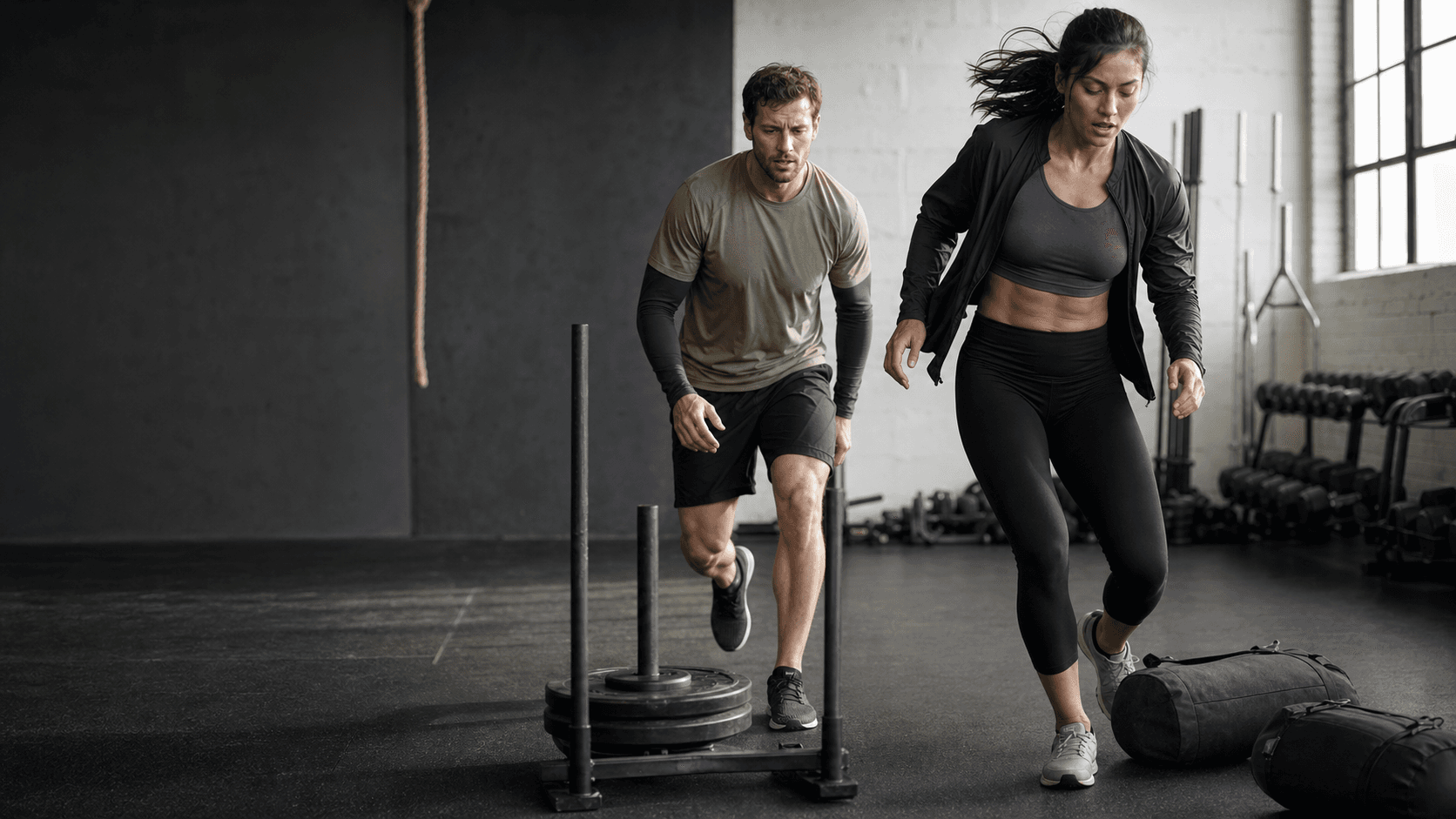
A frase "HYROX vestuário de treino" é cada vez mais usado por consumidores, treinadores, varejistas, e equipes de marca. Na prática, os compradores estão geralmente descrevendo vestuário para pessoas que combinam corrida com força funcional e condicionamento. O vestuário pode ser usado durante sessões de ginástica, intervalos ao ar livre, preparação de corrida, bootcamps, ou um dia de evento. Isso é um trabalho mais amplo do que um tee padrão de algodão ou um conjunto de yoga-somente. O produto deve permanecer confortável através da mudança de intensidade, movimento repetido, e contato com equipamentos, enquanto ainda carregando um ponto de vista marca reconhecível.
É por isso que a primeira conversa de fábrica não deve começar com, "Você pode copiar este curto?" Comece com o movimento do atleta, o ambiente de venda, eo produto promete. O comprador está construindo uma coleção técnica premium para pilotos comprometidos, uma linha mais acessível ginásio-a-correr, ou uma gama de rótulo privado para um estúdio? Será que o cliente treinar dentro de casa, ao ar livre, ou ambos? O produto é uma peça de herói com uma declaração gráfica, um item de núcleo repetivel, ou uma pequena cápsula que tem que trabalhar ao lado de um programa de leggings e sutiã existentes? As respostas mudam tecido, ajuste, construção, custo, e a rota de ordem.
Uma vez que o caso de utilização estiver claro, utilize o guia de desenvolvimento de vestuário de corrida híbrido para transformá-lo em um sistema de produto, direção do material, plano de amostra e breve comprador pronto para a produção.
Figura 1 / Mapa de preparação da produção
Bloquear as decisões certas na ordem certa
Um breve passo útil da demanda do atleta para um padrão de produção. Isso evita um ponto de falha comum: aprovar a direção visual antes que a equipe do produto tenha concordado sobre como o vestuário precisa de executar.
01
Necessidade de formação
Mapa correndo, carrega, trabalho no chão, puxa, e intervalos de alta saída repetidos antes de escolher uma silhueta.
02
Sistema de vestuário
Decida quais peças formam o equipamento do núcleo, em seguida, defina camadas opcionais, bolsos, suporte e cobertura.
03
Material e construção
Confirmar estiramento, recuperação, tempo de seca, tolerância à abrasão, colocação da costura, malha, elástico e aparar escolhas.
04
Homologação da amostra
Teste a direção aprovada em movimento e bloquear logotipo, etiquetas, embalagem, tamanhos, colorways e referências de qualidade.
Uma amostra tem mais valor quando a marca concorda com o que precisa para sobreviver ao movimento, umidade, fricção, apresentação da marca e repetição da produção.
Construir um sistema de vestuário
Não faça com que cada SKU resolva todos os problemas
Uma primeira coleção híbrida forte é muitas vezes menor do que um comprador espera. Em vez de lançar uma dúzia de peças não relacionadas, escolha um sistema compacto: um tee ou tanque técnico, um curto ou legging, um sutiã de suporte, quando relevante, e uma camada externa leve. Cada item pode ter um papel claro. O tee gerencia calor e fricção. O suporte curto correr, carrega, e treinamento diário. O legging dá cobertura e uma preferência de ajuste diferente. A camada lida aquecimento, viagem, ou condições ao ar livre. Isto dá aos clientes opções sem tornar o estágio de desenvolvimento desnecessariamente complicado.
Os compradores também podem reveja a coleção de desempenho do roupas esportivas comparar conjuntos de treinamento, sutiãs esportivos e estilos logo-costumantes antes de decidir quais direções de produto devem passar para a amostragem.
Quando uma marca também precisa de produtos para treinamento de obstáculos ao ar livre, deve definir esse ambiente separadamente. Guia de comprador de vestuário OCR explica as perguntas adicionais em torno de lama, água, escalada, abrasão e contato de obstáculos.
Para um breve comprador lado a lado, ver HYROX vestuário de treino vs OCR vestuário desenvolvimento diferenças antes de decidir quais estilos podem compartilhar uma rota e quais precisam de testes de amostra separados.
A coleção também precisa de um ponto de vista honesto. Algumas marcas escolherão tecidos mate silenciosos, um ajuste próximo ao corpo e um logotipo pequeno no peito. Outras levarão com painéis de contraste, hits reflexivos ou histórias de impressão mais ousadas. Nem é automaticamente mais técnico. O que importa é se as decisões visuais funcionam com o uso pretendido do produto. Uma transferência larga de silicone através de um painel de alta extensão, por exemplo, pode alterar o toque de mão e o movimento da peça. Um grande gráfico de costas pode tornar- se um ponto de fricção sob um colete ou durante o trabalho no chão. Um desenho pode ser útil em um curto e distraído em outro. A marca deve identificar quais detalhes são essenciais e quais permanecem abertos para análise de amostra.
Tecido e construção
Especifique o comportamento que você precisa, não apenas o nome do tecido
"Nylon-spandex" e "poliéster-spandex" são pontos de partida, não especificações concluídas. Para o vestuário de treinamento híbrido, um comprador deve explicar o resultado que eles querem: um topo seco, leve; um curto compressivo que não se sente restritivo; uma perna com recuperação estável; um tanque que não se agarra fortemente após suar; ou uma camada externa que pode ser removido e embalado facilmente. A fábrica pode então sugerir direções materiais práticas e explicar os trade-offs em torno de sensação de mão, peso, custo, disponibilidade de cor e quantidade de ordem.
Pense sobre os lugares onde uma roupa recebe estresse. Testes de execução movimento bainha e bolso salto. Squats, pulmões, e carrega exposição aumento, estabilidade cintura, e colocação costura. Piso de trabalho faz sentir tecido, localização do logotipo, e dura aparas mais óbvio. Uma roupa pode olhar limpo em um trilho e ainda ser errado para a sessão que pretende servir. O resumo da amostra deve, portanto, cobrir recuperação após estiramento, opacidade em movimento, forro ou necessidades de malha, risco de chafe, abrasão, sensação de secagem, e como o produto se comporta uma vez quente e úmido.

A escolha do material deve ser discutida ao lado da construção do vestuário, não depois da silhueta já ter sido aprovada.
Gráfico / O que especificar antes da aprovação da amostra
O breve comprador deve conectar atividade, detalhe de vestuário, e intenção comercial
| Caso de uso | Detalhe a especificar | Por que importa? |
|---|---|---|
| Correr e movimentos repetidos | Comprimento superior, elevação, estabilidade da cintura, alça de bainha, salto de bolso | Uma roupa pode sentir - se bem parada e mover - se mal depois de vários quilômetros. |
| Suor e calor | Peso do tecido, tempo seco, zonas de ventilação, revestimento, comportamento de cor | Uma sessão de alta saída expõe rapidamente problemas de conforto e opacidade. |
| Contato com o piso e transporte | Colocação de costura, zonas de abrasão, drawcords, hardware, local de impressão | Detalhes que são inofensivos em um estúdio podem esfregar, esbarrar, ou tornar-se distração sob contato. |
| Apresentação da marca | Escala de logotipo, posição, detalhe reflexivo, blocos de cor, pacote de etiqueta | Vestuário inspirado em corrida ainda precisa olhar intencionalmente em uma página de produto, em um ginásio, e em uma ordem repetida. |
| Rota de produção | MOQ, tecido disponível, colorways, classificação, embalagem, aprovações | A direção mais bem vista só é útil se puder ser repetida na quantidade e na hora necessárias. |
Amostragem com um objectivo
Teste a roupa da forma como o seu cliente irá realmente usá-lo
Uma amostra de desenvolvimento não é apenas uma aprovação visual. É o ponto em que a marca transforma intenção em evidência. Use o short para uma corrida. Trabalhe através de agachamentos e pulmões. Pegue algo pesado. Mova-se de pé para o chão e de volta. Preste atenção ao que acontece depois que o corpo está quente. Será que a cintura rolar ou derivar? Os bolsos se movem? Será que uma costura se torna visível? Será que um logotipo impresso se sente duro? Será que o topo sobe quando o atleta atinge a cabeça? Uma resposta clara é mais valiosa do que um comentário vago, como: "O ajuste não é totalmente certo."
Peça ao usuário para separar o feedback do ajuste do feedback do projeto. Os comentários do ajuste podem cobrir inseam, comprimento do corpo, elevação, abertura da bainha, suporte do sutiã, pitch da manga, ou recuperação. Os comentários do projeto cobrem blocos de cor, tamanho do logotipo, painéis de contraste, visibilidade do bolso, e a impressão de varejo geral. Os comentários da produção cobrem a posição do rótulo, hangtag, saco poli, marcas de cartão e proporção de tamanho. Quando estas categorias são misturadas em uma nota não estruturada, a fábrica pode resolver o problema errado primeiro. Um conjunto de fotos simples anotados e uma comparação de medição economizam tempo na próxima rodada.
As marcas também devem decidir quanto teste é apropriado para o lançamento. Uma pequena queda on-line pode precisar de um teste de usuário focado com uma porta de aprovação clara. Um programa por atacado, estúdio ou clube pode precisar de atenção extra para distribuição de tamanho, consistência de logotipo, lavagem repetida e embalagem. O ponto não é transformar cada projeto em um laboratório. É para testar os riscos que seriam caros para descobrir após a produção em massa.
Um RFQ prático
O que uma fábrica precisa antes que possa citar responsavelmente
Para uma pesquisa de vestuário de corrida híbrida, envie mais do que uma placa de humor. Inclua a categoria, caso de uso de atleta, estilos de referência, direção de tecido pretendida, cores, faixa de tamanho alvo, unidades estimadas, arquivos de logotipo, etiqueta e necessidades de embalagem, mercado de destino e data de lançamento desejada. Se você ainda não sabe o tecido exato ou quantidade final, diga-o. Um bom fornecedor pode ajudar a rever rotas práticas, mas precisa saber quais detalhes são fixos e que permanecem flexíveis.
A atividade principal: corrida, ginásio, treino funcional, corridas híbridas, OCR, ou uso misto.Referências do produto com notas sobre o que guardar e o que mudar.Ajustar direção, prioridades de tecido e qualquer expectativa de desempenho não negociável.Colorways, faixa de tamanho, estimativa de quantidade, método de logotipo, etiquetas, embalagem e mercado de entrega.Um plano de teste de amostra e as pessoas que aprovarão os detalhes do produto, marca e produção.Um direcionamento realista do preço do alvo, com uma compreensão de que as escolhas materiais e customização afetam-no.
Isto dá a um fabricante contexto suficiente para discutir um ponto de partida informado por catálogo, uma rota de desenvolvimento personalizada, ou um plano encenado que começa com um pequeno conjunto de estilos comprovados. Também torna as comparações de fornecedores mais justas. Um número baixo significa muito pouco se uma citação assume um tecido mais leve, menos cores de logotipo, embalagem diferente, ou menos testes do que outra.
Claridade das marcas
HYROX é usado neste artigo como uma referência para um popular caso de uso de fitness híbrido e raça-preparação. inPACE desenvolve vestuário personalizado para marcas, academias, varejistas e programas de treinamento. inPACE não é afiliado com, endossado por, ou um fornecedor oficial de HYROX. HYROX é uma marca registrada de seu respectivo proprietário.
A compra comercial
Faça a promessa do produto específica o suficiente para fabricar
As corridas híbridas são uma oportunidade para marcas de roupas ativas porque se juntam a vários hábitos do cliente que já existem: corrida, treinamento de ginástica, aptidão funcional, aulas de estúdio boutique e preparação de eventos. Os programas de produtos mais fortes não tentam ser tudo ao mesmo tempo. Eles selecionam um cliente, um ambiente de treinamento, e alguns papéis de vestuário, em seguida, construir um sistema de produtos credível em torno deles. O valor comercial vem dessa clareza. Ele ajuda um comprador a informar a fábrica, ajuda a fábrica a guiar a amostra, e ajuda o cliente eventual entender por que o produto pertence à sua rotação.
Para as marcas que entram na categoria, o próximo passo prático é simples: escolher dois ou três estilos de núcleo, coletar referências, descrever a sessão pretendida e identificar os detalhes que você não está disposto a comprometer. A partir daí, um fabricante pode ajudar a transformar a ideia em uma rota de amostra com tecido, ajuste, logotipo, etiqueta, embalagem e decisões de produção tomadas na ordem certa.
Explore o desenvolvimento de vestuário híbrido de corrida
Estrutura de comprador de longa duração
Como um comprador pode transformar esta pesquisa em uma decisão pronta para a produção?
A tarefa central em que especifica o vestuário de treino HYROX para uma marca de fitness está decidindo que sistema de vestuário, comportamento do tecido, ajuste, construção, marca e testes de amostra suportam a execução e treinamento funcional no mesmo programa. Essa decisão não pode ser tomada a partir de um preço de manchete, uma foto de produto, ou uma declaração geral sobre personalização. Precisa de um registro que ligue o objetivo comercial ao vestuário, material, ajuste, construção, branding, quantidade, verificação de qualidade, embalagem e destino. Quando esses elementos são visíveis juntos, um comprador pode fazer perguntas mais precisas e uma fábrica pode explicar o caminho sem fingir que os detalhes abertos já estão confirmados.
O objetivo do framework abaixo não é transformar um fundador da marca ou comprador em um técnico de vestuário. É tornar clara a responsabilidade e evidência. O comprador define a necessidade do cliente e do negócio, compartilha o que é conhecido, e identifica as decisões que importam. traduzir o cenário de atleta e treinamento da marca em material, padrão, amostra, QC e decisões de embalagem específicos do produto. Ambos os lados então registram o que foi revisado, o que permanece condicional, o que deve ser aprovado fisicamente, e que informação guiará a produção ou uma ordem posterior de repetição.
1
Define o contexto de formação
Explique o equilíbrio de corrida, trabalho de trenó, lança, carrega, remo, esquiar, sessões de ginástica, aquecimento e recuperação que cada roupa deve suportar.
Para esta decisão, o comprador deve indicar o resultado pretendido, fornecer as provas mais próximas disponíveis e identificar o que é flexível. O fornecedor pode então explicar as implicações do produto ou processo e sinalizar qualquer dependência da disponibilidade do tecido, cor, construção, método de logotipo, componentes, quantidade ou embalagem. Uma resposta útil distingue uma recomendação de uma instrução de produção confirmada e diz o que precisa ser revisto através de uma amostra ou outra etapa de aprovação.
Gravar o resultado dentro Um resumo do produto de treinamento híbrido que liga cada SKU ao uso, movimento, material, ajuste, construção, branding, observações de teste e aprovação da produção. Inclua a data, arquivo relevante ou amostra, a pessoa responsável pela próxima ação e o status da decisão. Se uma mudança posterior afetar o ajuste, material, mão de obra, marca, variedade, ou preparação de entrega, retorne a este registro e identifique quais aprovações relacionadas precisam ser verificadas novamente. Isto impede que uma mudança local crie uma inconsistência despercebida a jusante.
2
Construir um pequeno sistema de vestuário
Atribuir papéis claros para topos, shorts, leggings, sutiãs esportivos, peças de compressão e camadas de luz, em vez de criar muitas SKUs sobrepostas.
Para esta decisão, o comprador deve indicar o resultado pretendido, fornecer as provas mais próximas disponíveis e identificar o que é flexível. O fornecedor pode então explicar as implicações do produto ou processo e sinalizar qualquer dependência da disponibilidade do tecido, cor, construção, método de logotipo, componentes, quantidade ou embalagem. Uma resposta útil distingue uma recomendação de uma instrução de produção confirmada e diz o que precisa ser revisto através de uma amostra ou outra etapa de aprovação.
Gravar o resultado dentro Um resumo do produto de treinamento híbrido que liga cada SKU ao uso, movimento, material, ajuste, construção, branding, observações de teste e aprovação da produção. Inclua a data, arquivo relevante ou amostra, a pessoa responsável pela próxima ação e o status da decisão. Se uma mudança posterior afetar o ajuste, material, mão de obra, marca, variedade, ou preparação de entrega, retorne a este registro e identifique quais aprovações relacionadas precisam ser verificadas novamente. Isto impede que uma mudança local crie uma inconsistência despercebida a jusante.
3
Escolha tecido para calor e movimento
Sentimento seco, estiramento, recuperação, peso, opacidade, suporte, superfície, e expectativas de durabilidade devem seguir o papel do atleta e vestuário pretendido.
Para esta decisão, o comprador deve indicar o resultado pretendido, fornecer as provas mais próximas disponíveis e identificar o que é flexível. O fornecedor pode então explicar as implicações do produto ou processo e sinalizar qualquer dependência da disponibilidade do tecido, cor, construção, método de logotipo, componentes, quantidade ou embalagem. Uma resposta útil distingue uma recomendação de uma instrução de produção confirmada e diz o que precisa ser revisto através de uma amostra ou outra etapa de aprovação.
Gravar o resultado dentro Um resumo do produto de treinamento híbrido que liga cada SKU ao uso, movimento, material, ajuste, construção, branding, observações de teste e aprovação da produção. Inclua a data, arquivo relevante ou amostra, a pessoa responsável pela próxima ação e o status da decisão. Se uma mudança posterior afetar o ajuste, material, mão de obra, marca, variedade, ou preparação de entrega, retorne a este registro e identifique quais aprovações relacionadas precisam ser verificadas novamente. Isto impede que uma mudança local crie uma inconsistência despercebida a jusante.
4
Avaliar o ajuste entre os padrões de movimento
A passada de corrida, a flexão profunda, o alcance de cima, as cargas carregadas e as transições repetidas revelam diferentes problemas de cintura, bainha, alça, decote e mobilidade.
Para esta decisão, o comprador deve indicar o resultado pretendido, fornecer as provas mais próximas disponíveis e identificar o que é flexível. O fornecedor pode então explicar as implicações do produto ou processo e sinalizar qualquer dependência da disponibilidade do tecido, cor, construção, método de logotipo, componentes, quantidade ou embalagem. Uma resposta útil distingue uma recomendação de uma instrução de produção confirmada e diz o que precisa ser revisto através de uma amostra ou outra etapa de aprovação.
Gravar o resultado dentro Um resumo do produto de treinamento híbrido que liga cada SKU ao uso, movimento, material, ajuste, construção, branding, observações de teste e aprovação da produção. Inclua a data, arquivo relevante ou amostra, a pessoa responsável pela próxima ação e o status da decisão. Se uma mudança posterior afetar o ajuste, material, mão de obra, marca, variedade, ou preparação de entrega, retorne a este registro e identifique quais aprovações relacionadas precisam ser verificadas novamente. Isto impede que uma mudança local crie uma inconsistência despercebida a jusante.
5
Colocar a construção com fricção em mente
Costuras, bolsos, zíperes, elástico, encadernação, reforço e painéis devem ser revisados onde o equipamento, pele e movimento repetitivo criam contato.
Para esta decisão, o comprador deve indicar o resultado pretendido, fornecer as provas mais próximas disponíveis e identificar o que é flexível. O fornecedor pode então explicar as implicações do produto ou processo e sinalizar qualquer dependência da disponibilidade do tecido, cor, construção, método de logotipo, componentes, quantidade ou embalagem. Uma resposta útil distingue uma recomendação de uma instrução de produção confirmada e diz o que precisa ser revisto através de uma amostra ou outra etapa de aprovação.
Gravar o resultado dentro Um resumo do produto de treinamento híbrido que liga cada SKU ao uso, movimento, material, ajuste, construção, branding, observações de teste e aprovação da produção. Inclua a data, arquivo relevante ou amostra, a pessoa responsável pela próxima ação e o status da decisão. Se uma mudança posterior afetar o ajuste, material, mão de obra, marca, variedade, ou preparação de entrega, retorne a este registro e identifique quais aprovações relacionadas precisam ser verificadas novamente. Isto impede que uma mudança local crie uma inconsistência despercebida a jusante.
6
Manter a funcionalidade da marca
Método de logotipo, tamanho, colocação, etiquetas e aparas devem suportar estiramento, conforto, exposição ao suor, visibilidade e o tom pretendido da marca.
Para esta decisão, o comprador deve indicar o resultado pretendido, fornecer as provas mais próximas disponíveis e identificar o que é flexível. O fornecedor pode então explicar as implicações do produto ou processo e sinalizar qualquer dependência da disponibilidade do tecido, cor, construção, método de logotipo, componentes, quantidade ou embalagem. Uma resposta útil distingue uma recomendação de uma instrução de produção confirmada e diz o que precisa ser revisto através de uma amostra ou outra etapa de aprovação.
Gravar o resultado dentro Um resumo do produto de treinamento híbrido que liga cada SKU ao uso, movimento, material, ajuste, construção, branding, observações de teste e aprovação da produção. Inclua a data, arquivo relevante ou amostra, a pessoa responsável pela próxima ação e o status da decisão. Se uma mudança posterior afetar o ajuste, material, mão de obra, marca, variedade, ou preparação de entrega, retorne a este registro e identifique quais aprovações relacionadas precisam ser verificadas novamente. Isto impede que uma mudança local crie uma inconsistência despercebida a jusante.
7
Teste a amostra como um sistema
Grave observações específicas de vestuário de execução e trabalho funcional, em seguida, separar padrão, material, construção e mudanças de dimensionamento antes da aprovação da produção.
Para esta decisão, o comprador deve indicar o resultado pretendido, fornecer as provas mais próximas disponíveis e identificar o que é flexível. O fornecedor pode então explicar as implicações do produto ou processo e sinalizar qualquer dependência da disponibilidade do tecido, cor, construção, método de logotipo, componentes, quantidade ou embalagem. Uma resposta útil distingue uma recomendação de uma instrução de produção confirmada e diz o que precisa ser revisto através de uma amostra ou outra etapa de aprovação.
Gravar o resultado dentro Um resumo do produto de treinamento híbrido que liga cada SKU ao uso, movimento, material, ajuste, construção, branding, observações de teste e aprovação da produção. Inclua a data, arquivo relevante ou amostra, a pessoa responsável pela próxima ação e o status da decisão. Se uma mudança posterior afetar o ajuste, material, mão de obra, marca, variedade, ou preparação de entrega, retorne a este registro e identifique quais aprovações relacionadas precisam ser verificadas novamente. Isto impede que uma mudança local crie uma inconsistência despercebida a jusante.
Cenários do comprador
Como é que a decisão muda em situações comuns de abastecimento?
Os projetos reais raramente chegam com cada detalhe completo. A questão útil não é se o resumo é perfeito; é se a informação em falta é visível e se o próximo passo irá produzir evidências. Estes cenários mostram como um comprador pode manter que especifica o vestuário de treino HYROX para uma marca de fitness prática sem converter as suposições iniciais em promessas.
O comprador tem uma direção, mas arquivos técnicos incompletos
Comece com o papel do produto, cliente alvo, uso pretendido, material de referência, e as decisões já tomadas. Marque os detalhes faltantes de medições, tecido, arte ou embalagem como perguntas abertas. A resposta do fornecedor deve mostrar o que pode ser revisto imediatamente, o que precisa de uma amostra, e que informação é necessária antes que a rota se torne mais específica.
Aplicar o cenário ao que sistema de vestuário, comportamento do tecido, ajuste, construção, marca e testes de amostra suportam a execução e treinamento funcional no mesmo programa. Observe o que pode ser aceito como direção, o que requer revisão de fábrica, eo que deve tornar-se parte de Um resumo do produto de treinamento híbrido que liga cada SKU ao uso, movimento, material, ajuste, construção, branding, observações de teste e aprovação da produção Antes de o comprador comparar fornecedores ou aprovar a fase seguinte.
Uma referência de catálogo é fechada, mas não exata
Liste as características que já funcionam e a apresentação da marca separada das mudanças de vestuário. Um logotipo, etiqueta, hangtag, ou saco pode permanecer dentro de uma rota de catálogo informado, enquanto um novo ajuste, material, padrão, construção, ou característica de desempenho pode exigir desenvolvimento personalizado. A decisão deve ser baseada na mudança solicitada, não uma etiqueta de categoria.
Aplicar o cenário ao que sistema de vestuário, comportamento do tecido, ajuste, construção, marca e testes de amostra suportam a execução e treinamento funcional no mesmo programa. Observe o que pode ser aceito como direção, o que requer revisão de fábrica, eo que deve tornar-se parte de Um resumo do produto de treinamento híbrido que liga cada SKU ao uso, movimento, material, ajuste, construção, branding, observações de teste e aprovação da produção Antes de o comprador comparar fornecedores ou aprovar a fase seguinte.
A ordem contém várias cores, tamanhos e componentes da marca
Crie um registro de sortimento por estilo, cor e tamanho, então conecte cada logotipo, etiqueta, código de barras, saco e instruções de caixa para o SKU correto. Pergunte quais escolhas afetam o planejamento de material, métodos de aplicação, razões de embalagem ou suposições de cotação. É aqui que uma coleção de aparência simples pode se tornar operacionalmente complexa.
Aplicar o cenário ao que sistema de vestuário, comportamento do tecido, ajuste, construção, marca e testes de amostra suportam a execução e treinamento funcional no mesmo programa. Observe o que pode ser aceito como direção, o que requer revisão de fábrica, eo que deve tornar-se parte de Um resumo do produto de treinamento híbrido que liga cada SKU ao uso, movimento, material, ajuste, construção, branding, observações de teste e aprovação da produção Antes de o comprador comparar fornecedores ou aprovar a fase seguinte.
Prevê-se que o programa se repita
Decida quais registros aprovados serão retidos após o envio e quais alterações devem desencadear uma nova amostra. Especificações do produto, material e referências de cor, arte, colocação, etiquetas, embalagem, notas de QC, e dados de ordem prévia fazer posterior reposição mais controlada. Uma reordenação não deve depender da memória ou de um tópico de mensagem antiga.
Aplicar o cenário ao que sistema de vestuário, comportamento do tecido, ajuste, construção, marca e testes de amostra suportam a execução e treinamento funcional no mesmo programa. Observe o que pode ser aceito como direção, o que requer revisão de fábrica, eo que deve tornar-se parte de Um resumo do produto de treinamento híbrido que liga cada SKU ao uso, movimento, material, ajuste, construção, branding, observações de teste e aprovação da produção Antes de o comprador comparar fornecedores ou aprovar a fase seguinte.
Direções relevantes do produto
Quais produtos podem tornar o próximo breve mais concreto?
Use estas páginas de produto para identificar uma direção de silhueta ou coleção, então indique o que deve permanecer, mudar ou ser revisto. As imagens do produto são referências úteis, mas o tecido, ajuste, construção, cor, branding, quantidade e embalagem ainda requerem confirmação específica do projeto.
Colecção de Desempenho roupas esportivas
Compare os conjuntos de treinamento existentes, sutiãs esportivos e silhuetas de desempenho antes de definir os requisitos de tecido, marca e ordem.
Conjunto de Esculturas Zip- Neck
Use um conjunto de desempenho para discutir stretch, posicionamento de zíper, painéis, cor e direção de logotipo para treinamento híbrido.
Programa de sutiã de suporte de luz
Reveja a direção de suporte, recuperação, escala de logotipo, colocação de etiquetas, pacotes de cores e apresentação de rótulo privado.
Registo da decisão
Quais as provas que o comprador deve solicitar e conservar?
A tabela transforma as questões-chave do artigo em um formato de revisão de trabalho. É intencionalmente mais ampla do que uma comparação unidade-preço, porque um programa completo de uso ativo inclui produto, material, amostra, marca, embalagem e pressupostos de entrega.
| Domínio da decisão | Provas do comprador | Revisão da fábrica | Registo antes da aprovação |
|---|---|---|---|
| Define o contexto de formação | Referência, exigência, resultado pretendido e qualquer restrição não negociável. | Viabilidade, dependências, suposições, necessidade de amostra e efeito nas decisões conectadas. | Referência aprovada, número aberto, proprietário, data e o próximo ponto de controle. |
| Construir um pequeno sistema de vestuário | Referência, exigência, resultado pretendido e qualquer restrição não negociável. | Viabilidade, dependências, suposições, necessidade de amostra e efeito nas decisões conectadas. | Referência aprovada, número aberto, proprietário, data e o próximo ponto de controle. |
| Escolha tecido para calor e movimento | Referência, exigência, resultado pretendido e qualquer restrição não negociável. | Viabilidade, dependências, suposições, necessidade de amostra e efeito nas decisões conectadas. | Referência aprovada, número aberto, proprietário, data e o próximo ponto de controle. |
| Avaliar o ajuste entre os padrões de movimento | Referência, exigência, resultado pretendido e qualquer restrição não negociável. | Viabilidade, dependências, suposições, necessidade de amostra e efeito nas decisões conectadas. | Referência aprovada, número aberto, proprietário, data e o próximo ponto de controle. |
| Colocar a construção com fricção em mente | Referência, exigência, resultado pretendido e qualquer restrição não negociável. | Viabilidade, dependências, suposições, necessidade de amostra e efeito nas decisões conectadas. | Referência aprovada, número aberto, proprietário, data e o próximo ponto de controle. |
| Manter a funcionalidade da marca | Referência, exigência, resultado pretendido e qualquer restrição não negociável. | Viabilidade, dependências, suposições, necessidade de amostra e efeito nas decisões conectadas. | Referência aprovada, número aberto, proprietário, data e o próximo ponto de controle. |
| Teste a amostra como um sistema | Referência, exigência, resultado pretendido e qualquer restrição não negociável. | Viabilidade, dependências, suposições, necessidade de amostra e efeito nas decisões conectadas. | Referência aprovada, número aberto, proprietário, data e o próximo ponto de controle. |
Lista de verificação do comprador
O que deve estar pronto antes da próxima conversa de fábrica?
Escreva a decisão do comprador em uma frase: qual sistema de vestuário, comportamento de tecido, ajuste, construção, branding e testes de amostra suportam a execução e treinamento funcional no mesmo programa.Nomeie o produto, atividade pretendida, cliente, canal de venda e finalidade de lançamento.Anexar referências e explicar o que deve ser retido, alterado, testado ou ignorado.Descreva as prioridades de comportamento material, ajuste, construção, cor e marcação, onde for conhecido.Listar estilos, colorways, faixa de tamanho, quantidade estimada, destino e rota de recebimento.Identifique o logotipo, etiquetas, hangtags, código de barras, sacos, dobradura, e detalhes da caixa no escopo.Define o que a primeira amostra ou revisão física deve provar antes da aprovação.Peça ao fornecedor para separar fatos confirmados, recomendações, suposições e perguntas não resolvidas.Mantenha um resumo do produto de treinamento híbrido ligando cada SKU ao uso, movimento, material, ajuste, construção, branding, observações de teste e aprovação de produção.Mantenha o produto final, componente, QC, embalagem e alterar registros para o planejamento de pedidos repetidos.
Um comprador pode começar mesmo quando algumas caixas permanecem abertas. Rotule-as com clareza e pergunte quais evidências as fechariam. Essa abordagem é mais útil do que esconder incerteza ou esperar um nível impossível de perfeição. Também torna mais fácil avaliar o raciocínio de um fornecedor: a resposta deve identificar decisões conectadas e explicar por que uma amostra, aprovação de componentes, revisão breve, ou registro de embalagem é necessária.
Continue a viagem de comprador
Mantenha o próximo passo vinculado à decisão do produto
Continuar com desenvolver vestuário para corridas híbridas se o projeto estiver pronto para revisão de fábrica, envie o tipo de produto, referência, material e prioridades de ajuste, escopo de marca, quantidade estimada, necessidades de embalagem e mercado de destino. inPACE Sports pode então discutir se o próximo passo é a seleção de produtos, revisão de rótulo privado, desenvolvimento personalizado, amostragem ou um resumo de cotação mais completo.
Revise o fluxo de trabalho de pedidosEnviar um resumo do produto
Diga o que é confirmado, flexível e ainda aberto para orientação de fábrica.
Pergunte como as decisões vão para a amostragem, produção, QC e embalagem.
Mantenha os registros de aprovação e recebimento necessários para envio e reordens.
Perguntas do comprador
FAQ para compradores de vestuário de treinamento híbrido
Use estas perguntas para afiar uma discussão de coleta precoce antes de pedir uma amostra ou uma citação de produção.
O que é o vestuário de corrida híbrido?
Vestuário de corrida híbrida é vestuário de desempenho projetado em torno de uma mistura de corrida, trabalho de força funcional, carrega, exercícios de chão, e transições rápidas. Uma marca pode usar a categoria para treinar tops, shorts, leggings, sutiãs esportivos, camadas, e acessórios que precisam trabalhar em vários tipos de movimento em vez de um esporte estreito.
Um fabricante pode começar a partir de uma foto de referência ou de um vestuário de varejo?
Sim. Uma foto ou amostra de referência pode estabelecer a direção, mas deve ser acompanhada de notas sobre o uso pretendido, tecido alvo, ajuste, suporte, tratamento de logotipo, intervalo de tamanho, quantidade, e as mudanças necessárias para o produto da própria marca. Um estágio de amostra ainda é necessário para confirmar o resultado pronto para a produção.
Que produtos fazem sentido para uma primeira coleção de corridas híbridas?
Muitas marcas começam com um pequeno sistema em vez de uma grande gama: um tee ou tanque técnico, um curto ou legging, um sutiã de apoio quando relevante, e uma camada leve. A combinação certa depende do cliente, clima, ponto de preço e gama de produtos existentes.
Como um comprador deve testar uma amostra de vestuário de treinamento híbrido?
Use as condições de treino pretendidas. Correr, agachar, agachar, carregar, puxar, descer ao chão, e trabalhar enquanto quente e suado. Observe restrição de movimento, migração da cintura, salto de bolso, esfregar costura, opacidade, sensação seca, e comportamento de logotipo. Comentários escritos e fotos tornam a próxima amostra mais útil.
O inPACE está ligado à HYROX?
No. inPACE desenvolve vestuário para marcas e programas de treinamento. HYROX é referenciado apenas para descrever um popular caso de uso de fitness híbrido e raça-preparação. HYROX é uma marca registrada de seu respectivo proprietário.