
Start with the session
How should hybrid race apparel development start?
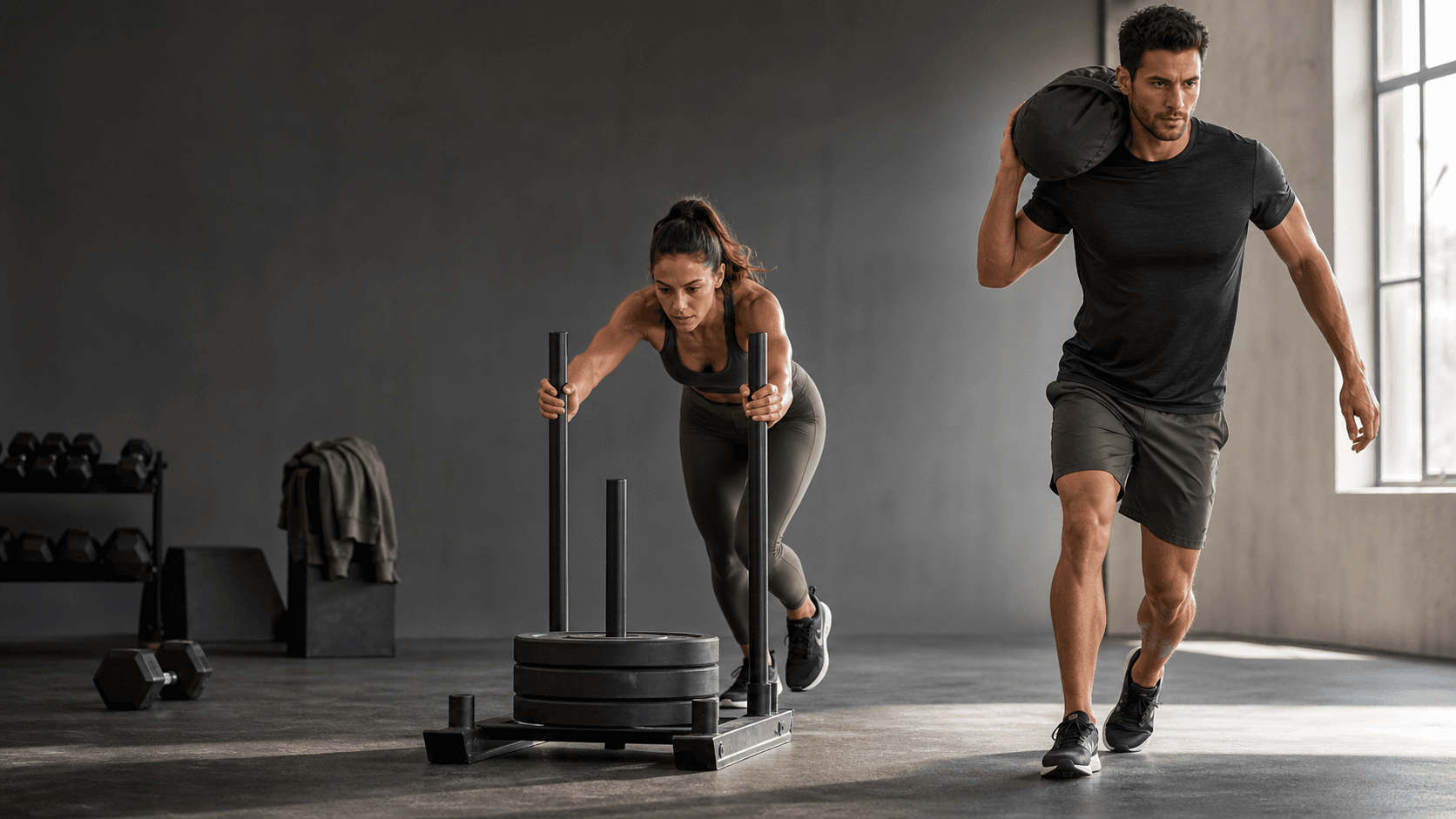
Start with what the athlete is expected to do while wearing the product. A hybrid training session can combine running, sled work, carries, lunges, floor exercises, pulls, pushes, and rapid transitions. The garment has to remain comfortable as intensity, temperature, and movement change. That makes it different from a product designed only for a studio, a casual gym session, or one narrow running use case. The brand's first decision is the product promise: who wears it, in which training setting, and which movements or discomfort risks the product needs to address.
The existing HYROX training apparel buyer guide explains what buyers should specify before production. This article takes the next step: turning that direction into a garment system and a sample plan. Brands serving athletes who also train outdoors or around obstacles should compare the separate requirements in the HYROX training apparel vs OCR apparel guide. For broader B2B support, begin with the hybrid racing apparel development solution.
Garment system
Which garments should a brand develop for HYROX training and hybrid racing?
A strong first range is usually smaller than a buyer expects. Rather than launch many styles with unclear roles, build a compact system in which each item earns its place. A technical T-shirt or tank can manage heat and friction. A short can balance running movement with carries and gym work. Leggings offer an alternative fit and coverage route. A sports bra or fitted support top can complete a women's program. A light outer layer can handle warm-up, travel, or a cooler session only when it has a clear use case.
Buyers can review activewear performance styles to identify practical starting silhouettes. The catalog should inform the discussion, not replace it: each style still needs an intended use, fabric direction, fit plan, branding, and sample approval route before a collection is ready for production.
| Product role | Collection purpose | Details to specify | Sample test |
|---|---|---|---|
| Technical T-shirt or tank | A light, movement-ready top that establishes the collection's fabric and visual direction | Dry feel, hem movement, shoulder range, seam comfort, logo position, and coverage | Run, carry, press, pull, sweat, and check whether the top rides up or feels restrictive. |
| Running and training short | A core bottom for running, lunges, carries, and gym-based sessions | Inseam, rise, waistband stability, pocket bounce, liner choice, drawcord position, and trim | Run at pace, lunge, squat, carry a load, and review movement, pocket behavior, and waistband position. |
| Legging or compression bottom | A coverage and fit alternative for customers who prefer a close, stable bottom | Recovery, opacity, waistband feel, seam placement, heat, and logo flexibility | Squat, lunge, run, and work when warm to review coverage, compression feel, and seam comfort. |
| Sports bra or fitted support top | A relevant support piece for a women's range or coordinated training set | Support direction, straps, lining, neckline, arm movement, and label placement | Move through running and upper-body training to check support, rub points, and coverage. |
| Warm-up or light outer layer | An optional product for a changing temperature, travel, or pre-session role | Packability, ventilation, sleeve construction, zipper or trim, and how it layers | Put on, remove, carry, and train around the layer to confirm whether it has a clear role in the range. |
Product positioning
How does hybrid race apparel differ from a basic gym wear program?
Basic gym wear can provide a sensible development foundation, especially when a brand already has proven tops, bottoms, or private-label components. Hybrid race apparel asks the buyer to be more explicit about the session in which the product earns its place. Running stability, repeated high-output movement, sweat, floor contact, and transitions can expose details that a low-intensity or single-movement brief does not. The purpose is not to claim that every hybrid product needs an entirely different construction. It is to identify the points where the athlete's movement and the brand's product promise require a closer decision.
The custom gym wear manufacturing page is useful for comparing core training categories and customization options. For a hybrid race range, add the commercial context as well: target customer, selling channel, price direction, core versus seasonal SKU roles, colorways, and which details are essential to repeat. This allows a brand to keep a coherent gym-to-run identity while directing additional development attention to the styles most exposed to running and functional training demands.
Material and construction
How should a buyer specify fabric, fit, and construction?
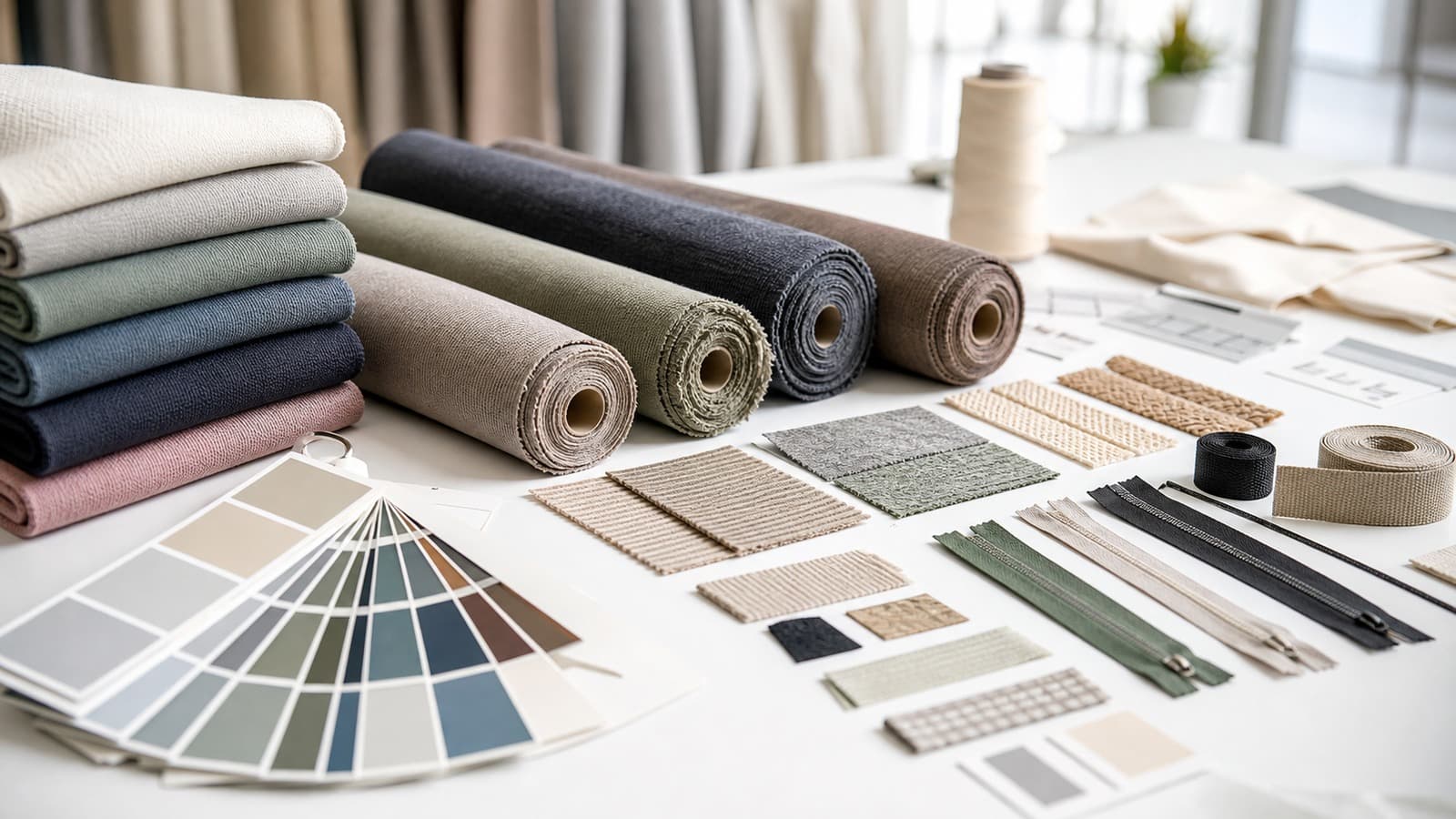
A fiber name by itself does not make a useful product specification. Explain the behavior the garment needs to deliver: a dry, light running top; a short that stays in place through lunges and carries; a legging with stable recovery and suitable coverage; a support piece that remains comfortable through repeated upper-body movement; or a layer that can be removed and packed without becoming a distraction. The factory can then discuss practical material directions, including handfeel, weight, stretch, recovery, ventilation, color availability, logo compatibility, and the trade-offs between them.
Construction follows the same logic. Running can expose hem movement and pocket bounce. Squats, lunges, and carries make rise, waistband stability, and seam placement more obvious. Floor work can reveal a rubbing logo, a hard trim, or a construction detail that was not noticeable when standing. The fabrics and trims overview is a useful starting point, but a product-specific sample brief should record the exact garment role and movement risk before the route is approved.
Development map
What should be decided before a hybrid training sample is approved?
A useful product brief moves from athlete demand to a repeatable production reference. It does not require every detail to be fixed on day one, but it should distinguish what the brand has decided from what needs review. That distinction helps a factory give practical feedback and makes the sample round more focused.
Define garment roles
Choose the small set of pieces that solve the intended training session rather than asking every SKU to do every job.
Describe material behavior
State the dry feel, stretch, recovery, support, coverage, abrasion, and ventilation expectations before selecting a fabric name.
Lock fit direction
Separate body length, rise, inseam, support, compression, sleeve, and hem feedback from aesthetic preferences.
Prepare a repeatable brief
Bring logo, labels, packing, size range, colorway, target quantity, market, and approval steps into the same product discussion.
Sample testing
How should a brand test hybrid race apparel before bulk production?
A sample should be tested in the way the customer will use it, not only checked on a hanger. Run in the short. Carry a load. Squat and lunge. Move from standing to the floor and back again. Work while warm or sweaty where relevant. Look for movement restriction, waistband migration, pocket bounce, seam rub, opacity, dry feel, logo stiffness, and the way the product behaves when it is no longer fresh from the fitting room. A clear observation is more useful than a broad comment such as “make it more technical.”
Brand and production details
How should logo, labels, packing, and commercial planning enter the process?
Product performance and brand presentation should be developed together. A graphic or logo can affect stretch and handfeel. A label can influence comfort. A colorway may change material availability or the way a mark reads. Packing needs can shape the final handover from factory to warehouse or retail channel. The buyer should define the logo files, label direction, hangtag, poly bag, size sticker, carton mark, folding requirement, destination market, and approval responsibilities in the same brief as the garment details.
Use the custom activewear product route to prepare an initial product and private-label discussion. Fabric availability, colorways, logo and packaging requirements, construction, size range, quantity, and destination all affect what can be discussed or confirmed next. Making those assumptions visible early helps compare supplier discussions fairly and reduces avoidable sample revisions. For product managers planning customer position, price direction, assortment, and replenishment as well, see what fitness brands should consider when developing HYROX training apparel.
Trademark clarity
HYROX is a registered trademark of its respective owner. It is referenced in this article only to describe a popular hybrid-training and race-preparation context. inPACE is not affiliated with or endorsed by HYROX.
Next step
Turn the product concept into a brief a factory can review
The strongest hybrid race collection is specific enough to manufacture. Choose the core styles, describe the athlete and session, note the fabric and fit behavior that matters, and make the brand and packing requirements visible. From there, a B2B manufacturer can review a suitable sample route and explain which choices must be confirmed before production planning begins.
Discuss your hybrid race apparel briefLong-form buyer framework
How can a buyer turn this research into a production-ready decision?
The central task in developing apparel for HYROX training and hybrid racing is deciding how to create a garment system that moves between running and functional stations while remaining clear enough to sample, test, produce, brand, and replenish. That decision cannot be made from a headline price, a product photo, or a general statement about customization. It needs a record that connects the commercial goal to the garment, material, fit, construction, branding, quantity, quality checks, packing, and destination. When those elements are visible together, a buyer can ask more precise questions and a factory can explain the route without pretending that open details are already confirmed.
The purpose of the framework below is not to turn a brand founder or buyer into a garment technician. It is to make responsibility and evidence clear. The buyer defines the customer and business need, shares what is known, and identifies the decisions that matter. The factory should turn the performance brief into garment-specific sample questions and explain how approved decisions reach manufacturing and QC. Both sides then record what was reviewed, what remains conditional, what must be approved physically, and what information will guide production or a later repeat order.
Map running and station demands
Stride, heat, sweat, loaded carries, sled work, lunges, rowing, ski work, transitions, warm-up, and recovery create a connected but varied brief.
For this decision, the buyer should state the intended result, provide the closest available evidence, and identify what is flexible. The supplier can then explain the product or process implications and flag any dependency on fabric availability, colour, construction, logo method, components, quantity, or packing. A useful response distinguishes a recommendation from a confirmed production instruction and says what would need to be reviewed through a sample or another approval step.
Record the outcome inside a hybrid-racing development file connecting athlete use, product role, fabric, fit, construction, branding, test protocol, sample comments, and production approval. Include the date, relevant file or sample, the person responsible for the next action, and the status of the decision. If a later change affects fit, material, workmanship, branding, assortment, or delivery preparation, return to this record and identify which related approvals need to be checked again. This prevents a local change from creating an unnoticed downstream inconsistency.
Use a garment system instead of isolated products
Tops, shorts, leggings, sports bras, compression pieces, and layers should have defined roles and work together across the athlete's session.
For this decision, the buyer should state the intended result, provide the closest available evidence, and identify what is flexible. The supplier can then explain the product or process implications and flag any dependency on fabric availability, colour, construction, logo method, components, quantity, or packing. A useful response distinguishes a recommendation from a confirmed production instruction and says what would need to be reviewed through a sample or another approval step.
Record the outcome inside a hybrid-racing development file connecting athlete use, product role, fabric, fit, construction, branding, test protocol, sample comments, and production approval. Include the date, relevant file or sample, the person responsible for the next action, and the status of the decision. If a later change affects fit, material, workmanship, branding, assortment, or delivery preparation, return to this record and identify which related approvals need to be checked again. This prevents a local change from creating an unnoticed downstream inconsistency.
Select fabric by garment role
Dry feel, weight, stretch, recovery, support, opacity, handfeel, surface, and colour need different priorities across tops, bottoms, bras, and layers.
For this decision, the buyer should state the intended result, provide the closest available evidence, and identify what is flexible. The supplier can then explain the product or process implications and flag any dependency on fabric availability, colour, construction, logo method, components, quantity, or packing. A useful response distinguishes a recommendation from a confirmed production instruction and says what would need to be reviewed through a sample or another approval step.
Record the outcome inside a hybrid-racing development file connecting athlete use, product role, fabric, fit, construction, branding, test protocol, sample comments, and production approval. Include the date, relevant file or sample, the person responsible for the next action, and the status of the decision. If a later change affects fit, material, workmanship, branding, assortment, or delivery preparation, return to this record and identify which related approvals need to be checked again. This prevents a local change from creating an unnoticed downstream inconsistency.
Review fit through repeated movement
Waistband, rise, hem, neckline, strap, armhole, pocket, and overall mobility should be observed through running and functional patterns, not only standing fit.
For this decision, the buyer should state the intended result, provide the closest available evidence, and identify what is flexible. The supplier can then explain the product or process implications and flag any dependency on fabric availability, colour, construction, logo method, components, quantity, or packing. A useful response distinguishes a recommendation from a confirmed production instruction and says what would need to be reviewed through a sample or another approval step.
Record the outcome inside a hybrid-racing development file connecting athlete use, product role, fabric, fit, construction, branding, test protocol, sample comments, and production approval. Include the date, relevant file or sample, the person responsible for the next action, and the status of the decision. If a later change affects fit, material, workmanship, branding, assortment, or delivery preparation, return to this record and identify which related approvals need to be checked again. This prevents a local change from creating an unnoticed downstream inconsistency.
Engineer construction around contact
Seam placement, elastic, binding, zipper, pocket, panel, reinforcement, and logo positions need review where equipment, skin, and motion interact.
For this decision, the buyer should state the intended result, provide the closest available evidence, and identify what is flexible. The supplier can then explain the product or process implications and flag any dependency on fabric availability, colour, construction, logo method, components, quantity, or packing. A useful response distinguishes a recommendation from a confirmed production instruction and says what would need to be reviewed through a sample or another approval step.
Record the outcome inside a hybrid-racing development file connecting athlete use, product role, fabric, fit, construction, branding, test protocol, sample comments, and production approval. Include the date, relevant file or sample, the person responsible for the next action, and the status of the decision. If a later change affects fit, material, workmanship, branding, assortment, or delivery preparation, return to this record and identify which related approvals need to be checked again. This prevents a local change from creating an unnoticed downstream inconsistency.
Create a useful sample protocol
Define activity sequence, duration, garment size, environment, wash stage, observations, and decision owners so feedback can guide specific revisions.
For this decision, the buyer should state the intended result, provide the closest available evidence, and identify what is flexible. The supplier can then explain the product or process implications and flag any dependency on fabric availability, colour, construction, logo method, components, quantity, or packing. A useful response distinguishes a recommendation from a confirmed production instruction and says what would need to be reviewed through a sample or another approval step.
Record the outcome inside a hybrid-racing development file connecting athlete use, product role, fabric, fit, construction, branding, test protocol, sample comments, and production approval. Include the date, relevant file or sample, the person responsible for the next action, and the status of the decision. If a later change affects fit, material, workmanship, branding, assortment, or delivery preparation, return to this record and identify which related approvals need to be checked again. This prevents a local change from creating an unnoticed downstream inconsistency.
Plan production and replenishment evidence
Approved specifications, artwork, components, labels, packing, QC points, and version history support a repeatable branded programme after launch.
For this decision, the buyer should state the intended result, provide the closest available evidence, and identify what is flexible. The supplier can then explain the product or process implications and flag any dependency on fabric availability, colour, construction, logo method, components, quantity, or packing. A useful response distinguishes a recommendation from a confirmed production instruction and says what would need to be reviewed through a sample or another approval step.
Record the outcome inside a hybrid-racing development file connecting athlete use, product role, fabric, fit, construction, branding, test protocol, sample comments, and production approval. Include the date, relevant file or sample, the person responsible for the next action, and the status of the decision. If a later change affects fit, material, workmanship, branding, assortment, or delivery preparation, return to this record and identify which related approvals need to be checked again. This prevents a local change from creating an unnoticed downstream inconsistency.
Buyer scenarios
How does the decision change in common sourcing situations?
Real projects rarely arrive with every detail complete. The useful question is not whether the brief is perfect; it is whether the missing information is visible and whether the next step will produce evidence. These scenarios show how a buyer can keep developing apparel for HYROX training and hybrid racing practical without converting early assumptions into promises.
The buyer has a direction but incomplete technical files
Start with the product role, target customer, intended use, reference material, and the decisions already made. Mark missing measurements, fabric, artwork, or packing details as open questions. The supplier response should show what can be reviewed immediately, what needs a sample, and what information is required before the route becomes more specific.
Apply the scenario to how to create a garment system that moves between running and functional stations while remaining clear enough to sample, test, produce, brand, and replenish. Note what can be accepted as direction, what requires factory review, and what must become part of a hybrid-racing development file connecting athlete use, product role, fabric, fit, construction, branding, test protocol, sample comments, and production approval before the buyer compares suppliers or approves the next stage.
A catalogue reference is close but not exact
List the features that already work and separate brand presentation from garment changes. A logo, label, hangtag, or bag may stay within a catalogue-informed route, while a new fit, material, pattern, construction, or performance feature may require custom development. The decision should be based on the requested change, not a category label.
Apply the scenario to how to create a garment system that moves between running and functional stations while remaining clear enough to sample, test, produce, brand, and replenish. Note what can be accepted as direction, what requires factory review, and what must become part of a hybrid-racing development file connecting athlete use, product role, fabric, fit, construction, branding, test protocol, sample comments, and production approval before the buyer compares suppliers or approves the next stage.
The order contains several colours, sizes, and brand components
Create one assortment record by style, colour, and size, then connect every logo, label, barcode, bag, and carton instruction to the correct SKU. Ask which choices affect material planning, application methods, packing ratios, or quotation assumptions. This is where a simple-looking collection can become operationally complex.
Apply the scenario to how to create a garment system that moves between running and functional stations while remaining clear enough to sample, test, produce, brand, and replenish. Note what can be accepted as direction, what requires factory review, and what must become part of a hybrid-racing development file connecting athlete use, product role, fabric, fit, construction, branding, test protocol, sample comments, and production approval before the buyer compares suppliers or approves the next stage.
The programme is expected to repeat
Decide which approved records will be retained after shipment and which changes should trigger a new sample. Product specifications, material and colour references, artwork, placement, labels, packing, QC notes, and prior order data make later replenishment more controlled. A reorder should not depend on memory or an old message thread.
Apply the scenario to how to create a garment system that moves between running and functional stations while remaining clear enough to sample, test, produce, brand, and replenish. Note what can be accepted as direction, what requires factory review, and what must become part of a hybrid-racing development file connecting athlete use, product role, fabric, fit, construction, branding, test protocol, sample comments, and production approval before the buyer compares suppliers or approves the next stage.
Relevant product directions
Which products can make the next brief more concrete?
Use these product pages to identify a silhouette or collection direction, then state what should remain, change, or be reviewed. Product images are useful references, but fabric, fit, construction, colour, branding, quantity, and packing still require project-specific confirmation.
Activewear Performance Collection
Compare existing training sets, sports bras, and performance silhouettes before defining fabric, branding, and order requirements.
View product directionZip-Neck Sculpt Set
Use a close-fit set to frame stretch, zipper, panel, colour, fit, and logo questions for hybrid training development.
View product directionLight Support Bra Program
Review support direction, recovery, logo scale, label placement, colour packs, and private-label presentation.
View product directionDecision record
Which evidence should the buyer request and retain?
The table turns the article's key questions into a working review format. It is intentionally broader than a unit-price comparison because a complete activewear programme includes product, material, sample, branding, packing, and delivery assumptions.
| Decision area | Buyer evidence | Factory review | Record before approval |
|---|---|---|---|
| Map running and station demands | Reference, requirement, intended result, and any non-negotiable constraint. | Feasibility, dependencies, assumptions, sample need, and effect on connected decisions. | Approved reference, open issue, owner, date, and the next checkpoint. |
| Use a garment system instead of isolated products | Reference, requirement, intended result, and any non-negotiable constraint. | Feasibility, dependencies, assumptions, sample need, and effect on connected decisions. | Approved reference, open issue, owner, date, and the next checkpoint. |
| Select fabric by garment role | Reference, requirement, intended result, and any non-negotiable constraint. | Feasibility, dependencies, assumptions, sample need, and effect on connected decisions. | Approved reference, open issue, owner, date, and the next checkpoint. |
| Review fit through repeated movement | Reference, requirement, intended result, and any non-negotiable constraint. | Feasibility, dependencies, assumptions, sample need, and effect on connected decisions. | Approved reference, open issue, owner, date, and the next checkpoint. |
| Engineer construction around contact | Reference, requirement, intended result, and any non-negotiable constraint. | Feasibility, dependencies, assumptions, sample need, and effect on connected decisions. | Approved reference, open issue, owner, date, and the next checkpoint. |
| Create a useful sample protocol | Reference, requirement, intended result, and any non-negotiable constraint. | Feasibility, dependencies, assumptions, sample need, and effect on connected decisions. | Approved reference, open issue, owner, date, and the next checkpoint. |
| Plan production and replenishment evidence | Reference, requirement, intended result, and any non-negotiable constraint. | Feasibility, dependencies, assumptions, sample need, and effect on connected decisions. | Approved reference, open issue, owner, date, and the next checkpoint. |
Buyer checklist
What should be ready before the next factory conversation?
A buyer can begin even when some boxes remain open. Label them clearly and ask what evidence would close them. That approach is more useful than hiding uncertainty or waiting for an impossible level of perfection. It also makes a supplier's reasoning easier to evaluate: the response should identify connected decisions and explain why a sample, component approval, revised brief, or packing record is needed.
Continue the buyer journey
Keep the next step tied to the product decision
Continue with specify HYROX training apparel for brands when that question is adjacent to the current decision. If the project is ready for factory review, send the product type, reference, material and fit priorities, branding scope, estimated quantity, packing needs, and destination market. inPACE Sports can then discuss whether the next step is product selection, private-label review, custom development, sampling, or a more complete quotation brief.
State what is confirmed, flexible, and still open for factory guidance.
Ask how decisions move into sampling, production, QC, and packing.
Retain the approval and receiving records needed for shipment and reorders.