
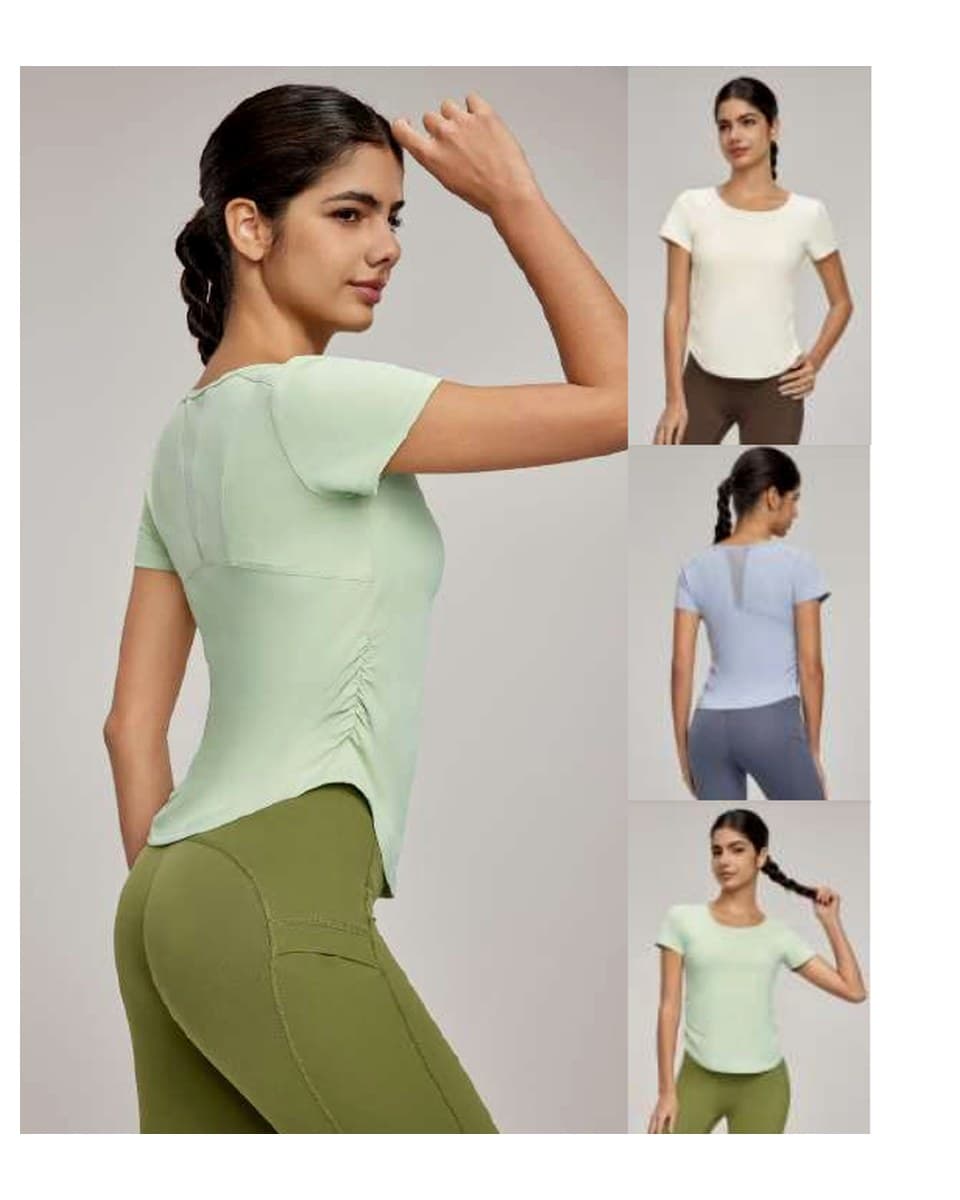
What should an activewear brand soft launch checklist actually release?
A soft launch is a defined opportunity to learn from a product offered to a particular audience. For sourcing, its most useful boundary is the set of garments, variants and claims the brand is ready to put in front of customers. A smaller audience does not make an unfinished specification complete. A limited launch still needs a clear connection between the item shown, the item ordered and the item delivered.
Write a release statement before building the checklist. It might identify the selected top and bra, the included colours and sizes, the sales channel, and the questions the brand wants the launch to answer. Also identify exclusions: a photographed colour that will not be offered, a revised sample still under review, or a future size not covered by the first release. This prevents a broad collection idea from becoming an accidental promise.
This guide primarily follows the wholesale and light-customization route: selected existing styles with an agreed branding and packing scope. The private-label activewear route provides the starting discussion. If the launch requires a new fit, material, support construction or other garment change, move that work into custom activewear development. Calling a launch small does not remove the development decisions that its products require.
Which decisions belong in the launch release record?
Use one record to connect the different teams' approvals. It can be a shared worksheet with links to current files; it does not need to become a large software project. Each row should identify the deliverable, its version, the owner and the evidence used to accept it. A tick without a referenced file or physical item is difficult to interpret when something changes.
| Release area | Evidence to connect | Decision before launch | Owner to name |
|---|---|---|---|
| Garment | Accepted sample and style record | Which physical version is being offered? | Brand product approver |
| Variants | Colour and size identifiers | Which combinations are included or excluded? | Brand assortment owner |
| Product information | Approved measurements, composition and care records | Does the published wording match the accepted item? | Brand product-data owner |
| Images | Photograph list and garment identifiers | Are the correct views attached to each offer? | Brand asset owner |
| Branding | Artwork, placement and label files | Is the final brand presentation accepted? | Brand artwork approver |
| QC and packing | Check instructions and unit/carton records | Can the order be checked against the accepted requirements? | Supplier and brand contacts |
| Receiving | Delivery identifiers and receiving instructions | Can the receiving team identify and reconcile the items? | Receiving operator |
| Feedback | Observation fields and escalation contacts | Can a report be connected to a product and acted on? | Brand launch owner |
The named owner is accountable for a decision, even when another team prepares the material. For example, a supplier can provide garment measurements while the brand decides how to present size guidance. A photographer can create images while the brand confirms which product they represent. Make those handoffs explicit instead of treating file delivery as approval.
How should sample approval be translated into launch readiness?
Start by identifying the sample that supports the launch. Record its style, revision, size, colour, material and branding state. Then list any differences between that sample and the proposed sellable item. A sample used for fit review may carry temporary labels; a photography piece may use a colour that is not part of the initial order. These differences need decisions before the sample can support a wider release.
Read the approval comments as individual outcomes. A note accepting sleeve length does not settle fabric behaviour, a logo method or the full size range. Collect the accepted points, unresolved observations and requested changes in the same record. The sample-to-bulk workflow covers the production transition; the launch checklist adds the question of how that approved product will be represented and received by its first customers.
If a point remains open, state what it blocks. An unresolved garment identity blocks accurate asset matching. A missing packing identifier blocks reliable receiving. A proposed extra colour may simply remain outside the launch while the accepted colours move through their agreed review. Avoid one overall “almost approved” status that hides these different consequences.
Use the activewear sample feedback guide when comments need to become clear supplier instructions. Ask for a response to the identified issue and version, then retain the final disposition. The release record should explain why a point is closed, not merely show that a conversation happened.
What product information should be settled before a page goes live?
Build the product page from approved inputs for the sellable version. Distinguish the garment's name, style identifier, material information, care instructions, size options and fit explanation. A working development nickname can help internal discussion, but the page and order record need a stable mapping to the physical item. If the public name differs from the supplier code, preserve both in the internal handoff.
Composition and care wording need the relevant review for the actual product. Do not copy them from a similar catalogue reference or use a development note as final consumer copy. The same discipline applies to claims about support, opacity, recovery or moisture management. If the evidence does not support a claim for the released product, the brand should revise the claim or obtain the required evidence before using it.
Size information deserves its own check. Separate body guidance from garment measurements and explain which is being shown. Confirm measurement units, the named points and the approved size range. The size-grading discussion helps identify questions that one base-size sample cannot settle. An attractive chart is not useful if it describes a different garment revision.
Have someone compare the finished page with the release record rather than proofreading the page alone. This review should catch missing variants, mixed units, old names and text copied from another product. The brand retains responsibility for its customer policies and commercial statements; the supplier's technical information does not automatically establish those promises.
How can launch photographs stay connected to the right garment?
Create an asset list that identifies what each photograph shows. Include the product code, colour, sample version, view and intended use. Front, back and detail images may come from different photography sessions, so matching filenames alone is not enough. Compare visible construction, neckline, hem, straps, seams and branding with the accepted garment before associating the images with a live variant.
A colour photograph can support presentation, but it does not establish a production colour standard. Keep the approved colour reference in the supplier record, and use the image for the specific role it can serve. If lighting or editing makes a detail unclear, obtain a better view instead of adding a stronger product claim to compensate.
Catalogue images can be useful while selecting a direction. The yoga activewear collection provides such references, including different tops and bras. For the launch itself, confirm the right to use each chosen asset and whether it accurately represents the garment being sold. A reference image should not quietly become evidence of a final material or branding decision.
When a sample changes, review the affected assets. A revised back construction may invalidate a rear view while leaving a close-up of an unchanged label relevant. Record the decision image by image. Replacing only the main photograph can leave an older detail image contradicting the new product page.
What should the supplier receive in the final handoff?
The supplier needs a concise statement of the product and order that the brand is asking it to execute. Include the selected style references, accepted sample record, quantity matrix, branding files, packing instructions and checking priorities. Identify which version of each file is current. Keep superseded documents accessible for history but clearly outside the set being used for execution.
Add an exception list even when it is short. Each exception should say what is unresolved, who owns the answer, what evidence is needed and which next action depends on it. For instance, an unapproved hangtag text should not be mixed into a folder of final artwork. A separately recorded open item is easier for both teams to recognise and resolve.
Ask the receiving supplier contact to confirm the handoff as a connected package. Acknowledging that several attachments arrived does not confirm that quantities, product versions and packing instructions agree. Review discrepancies through one decision owner so separate conversations do not create competing directions for the same garment.
The manufacturing overview provides context for the production and quality discussion. For this launch, the operational question is specific: what will the supplier compare with the work in progress, and which accepted record will the brand use when reviewing the result? Both sides should be able to answer from the same release package.
How should QC and packing support the first customer orders?
Translate quality priorities into things that can be checked on the actual garment. Connect measurement checks to the correct size specification, branding checks to accepted artwork, and construction checks to the agreed sample details. A general instruction to deliver “premium quality” gives no clear reference when a team needs to decide whether a particular detail matches the order.
The activewear QC checkpoints can help structure that discussion. Select the relevant points for the product, and agree how observations will be recorded and communicated. A top with a distinctive back seam may need a different emphasis from a bra with several interacting components. Do not assume that a checklist used for another garment covers the current one.
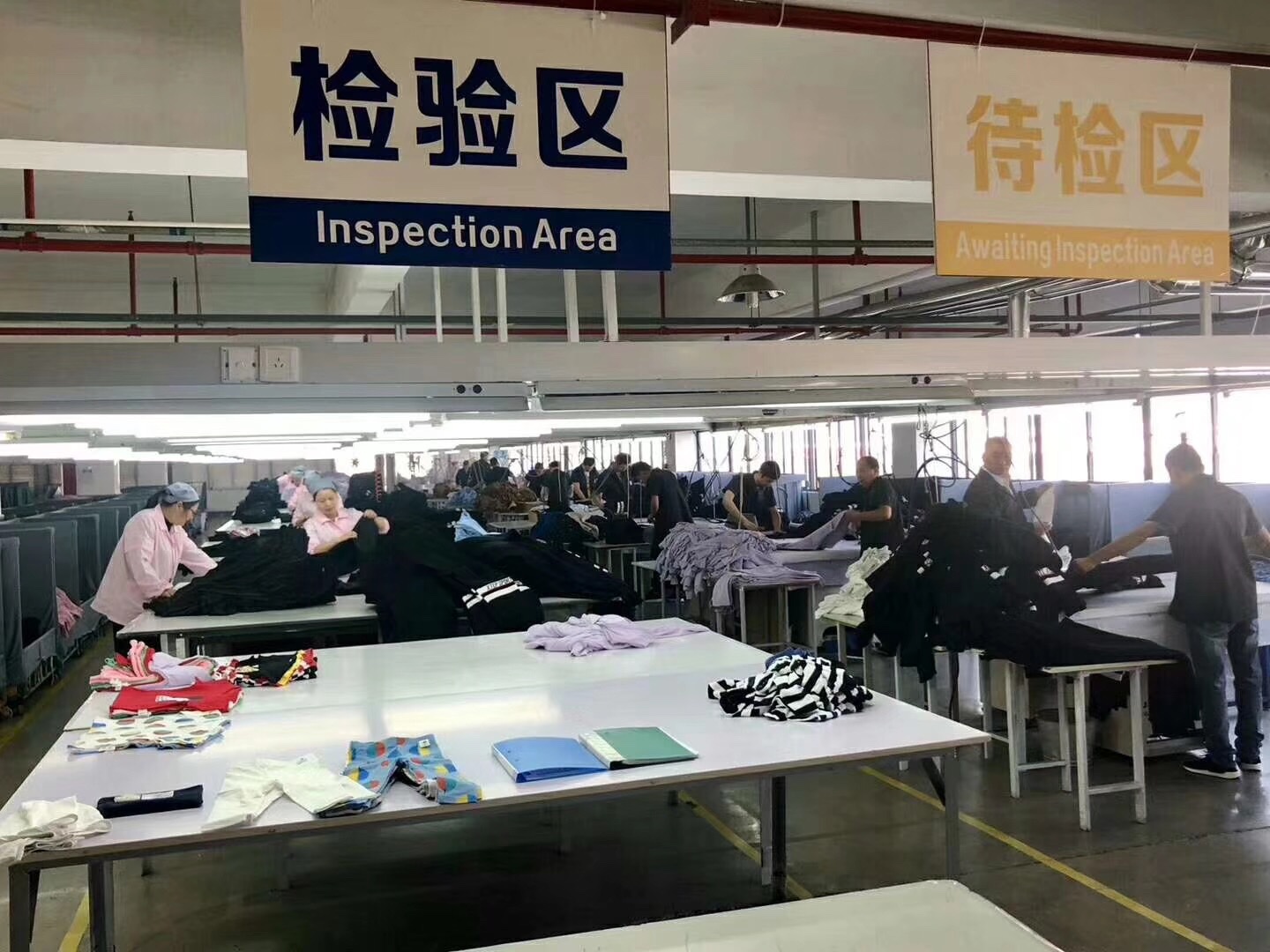
This photograph shows an inspection setting. It is process context, not a report for the proposed launch order. The evidence for that order must identify the actual goods, the checks performed, the observations and the resulting decisions.
Packing needs equally clear references. Define the sellable unit, size and colour identification, folding or presentation requirements, individual labels and carton information. Use the activewear packaging checklist to organise the files. Confirm that a person opening the carton can identify an item without relying on a nickname used only by the product team.
What must the channel team know before accepting launch orders?
Give the channel team the accepted product information and the boundaries of the offer. Identify the variants that can be presented, what is included in one orderable unit, and who can answer a product question. If a top and bra are shown together, make it clear whether they are separate items or an agreed set. Photographic styling should not define the commercial unit by accident.
For an online launch, check the path from page to selected variant and order record. The ecommerce private-label guide discusses that setting in more detail. Here, the handoff question is whether the chosen option remains identifiable after checkout and through fulfilment. A correct product page can still produce confusion if the receiving record loses the size or colour identifier.
For a studio or gym retail setting, prepare the explanation that staff will use. Give them the approved size guidance and a way to escalate a question rather than encouraging improvised product claims. The channel launch guide compares the presentation and receiving needs of these formats.
The brand and channel must settle their own availability, customer-service, delivery and returns statements using their actual operating arrangements. Those statements should not be inferred from a factory sample approval. Keep the supplier's product commitments and the channel's customer promises clearly assigned within the launch record.
How should receiving connect delivered goods to the release record?
Prepare the receiving team before the goods arrive. Send the expected identifiers, packing references and agreed method for recording discrepancies. The team should know where to find the current order details and whom to contact if an item cannot be reconciled. A folder that only the product founder understands is a weak handoff to a warehouse or retail operator.
Use the receiving inspection checklist to plan that review. Connect observations to the relevant carton, product, colour and size. Keep quantity reconciliation separate from garment-quality observations so a missing unit and a construction concern do not become one vague complaint.
Agree how goods awaiting a decision will remain identifiable in the operator's normal process. The brand needs to understand which items have been accepted for the intended next step and which still require review. Do not let a receiving question disappear because the launch date is approaching. Assign the disposition and retain the evidence that supports it.
When the supplier needs to investigate, send a focused record: the product identity, location of the issue, photographs where useful, the expected reference and the observed difference. That gives the discussion a common starting point and reduces the risk of comparing the delivered item with an obsolete sample.
What feedback should a soft launch collect for useful sourcing decisions?
Design the feedback record before the first comments arrive. Record the product and variant involved, the version offered, the channel, the type of observation and any relevant use context. Collect only the information needed for the decision and handle customer information through the brand's normal process. The supplier usually needs a clear garment observation rather than an unfiltered export of customer conversations.
| Observation type | Useful context to retain | Question to investigate | Possible owner |
|---|---|---|---|
| Fit or size selection | Item, chosen size and guidance used | Is this a product issue, guidance issue or preference? | Brand product team |
| Garment behaviour | Version, activity and observed detail | What physical evidence is needed to review the concern? | Brand and supplier |
| Image or description mismatch | Page version and the conflicting detail | Does the asset represent the delivered item? | Brand content owner |
| Packing or identification | Unit/carton reference and observed difference | Did the execution match the accepted instructions? | Packing and receiving contacts |
| Variant availability | Requested option and what was actually offered | Was the option unavailable, unoffered or overlooked? | Brand assortment owner |
| Customer-service question | Topic and current approved explanation | Does the team need clearer guidance or a product review? | Brand channel owner |
Do not turn every comment into a garment change. A shopper asking for a size that was never offered is different from a wearer reporting a fit problem in an available size. Likewise, unclear set imagery is a presentation issue until evidence shows that the physical product also needs revision. Classification helps the brand send the right question to the right team.
Retain context when comparing responses. A product with little exposure or a missing key variant has not necessarily received the same test as the most visible item. Use the launch record to explain what people could actually see and order before treating the feedback as an assortment verdict.
When does feedback justify a repeat order, and when does it reopen development?
A repeat-order discussion should begin with the accepted product identity and the proposed changes. If the brand wants the same garment with a revised quantity mix, show the original reference and the new allocation. If the request changes fit, material, construction or another defining feature, record it as a revision that needs the relevant review. The word “reorder” should not conceal new development work.
Use the repeat-order production guide to prepare the retained records. Include the accepted sample information, current artwork, packing details, receiving observations and any agreed corrections. Ask the supplier to confirm the current project conditions rather than assuming that every earlier condition remains available.
Separate three decisions: whether to repeat the product, what quantities or variants to propose, and whether the product itself needs change. These decisions use different evidence. Customer questions may improve the page without changing the garment. Receiving findings may improve identification without changing the assortment. Fit observations may require a new sample before the next production decision.
Close the first launch record with a short decision note. State what will continue, what will change, what will stop and which questions remain open. That note gives the next conversation a clear starting point instead of asking the supplier to infer the brand's intentions from a long message history.
What final checks should the brand complete before release?
Use this list with the people responsible for product, content, supplier communication and receiving. Mark an item complete only when the named evidence is accepted. If a condition changes later, reopen the affected item and identify the people who need the revised information.
- Name the launch audience, channel and product questions.
- List the included styles, colours, sizes and sellable units.
- Identify the accepted sample and record differences from it.
- Close product decisions or explicitly exclude unresolved variants.
- Approve composition, care, measurements and fit wording for the actual item.
- Match images and detail views to the correct garment version.
- Confirm the final branding and label files.
- Reconcile the quantity matrix, QC priorities and packing instructions.
- Obtain a supplier acknowledgement of the connected handoff package.
- Brief the channel and receiving teams using current identifiers.
- Assign feedback categories, escalation contacts and decision owners.
- Preserve the release record and the conditions for a repeat or revision.
For an illustrative first launch of an existing top and bra, the brand might finish the top's assets while discovering that the bra photograph shows an earlier strap arrangement. The useful response is to isolate the affected asset and product decision, obtain a matching image or required review, and document what can be released. Marking the whole range “ready” would leave the receiving team and customer page working from different products.
To prepare the supplier conversation, send your activewear soft launch handoff with the selected references, approved samples, product information, launch images, branding, QC, packing and receiving requirements. Include the open-item list and the feedback fields you intend to retain. InPACE Sports can review the product and supplier-side scope while the brand keeps ownership of its launch offer, customer policies and commercial decisions.
Product directions
Explore relevant activewear products
Use these product pages as practical references for your brief, then confirm materials, fit, customization, and production details through sampling.
Yoga Activewear Collection
Select a focused group of existing garment references and identify the exact styles and variants included in the launch.
View product directionShort-Sleeve Top Reference
Connect front and back imagery, fit notes and variant information to one product reference before approving consumer-facing assets.
View product directionSports Bra Reference
Define the accepted product and branding scope, then keep garment observations separate from launch or channel feedback.
View product directionFAQ
Buyer questions
Does a soft launch need a different product approval standard?
A smaller launch still needs an accurate connection between the approved garment, the product offered and the item delivered. Define the scope and evidence for the actual release. Open questions can lead to further review or an explicit exclusion; they should not disappear because the audience or assortment is limited.
What should be included in an activewear brand soft launch checklist?
Include product and variant identity, sample approval, product information, images, branding, quantity records, QC, packing, channel instructions, receiving and feedback ownership. Connect each item to its current evidence, version and decision owner. Preserve the record so a repeat order or revision can start from a known product.
Can an existing catalogue style be used for a branded soft launch?
It can provide a starting reference for a wholesale or light-customization discussion. Confirm the actual style, variants, branding scope, sample needs and project conditions. If the garment needs a new fit, material or construction, treat that as custom development with its own review requirements.
Is an approved sample enough to publish the product page?
It supports only the features and version actually reviewed. The brand must also approve the product information, images, offered variants and customer-facing statements. Check any difference between the sample and the sellable item, including temporary labels, substitute materials, development colours or revised construction.
Who owns launch images and product-data approval?
Name brand owners for the final approval. The supplier may provide technical information and reference assets, while photographers or channel teams prepare presentation. Approval should confirm that the wording and imagery represent the actual sellable garment and that the channel uses the accepted version.
What should the brand send when receiving reveals a problem?
Send the product, colour and size identity, the relevant carton or unit reference, the expected approved detail and the observed difference. Add clear photographs where helpful. Keep quantity reconciliation separate from garment-quality observations and retain the decision about the affected items.
When should a soft launch result become a custom-development request?
When the proposed response changes the garment's fit, material, construction or another defining feature, identify the change and the evidence needed for review. A different quantity mix or clearer page may not require product development. Separate those decisions before asking the supplier to repeat the order.