
The buyer decision behind the sequence
What does activewear sample to bulk production actually include?
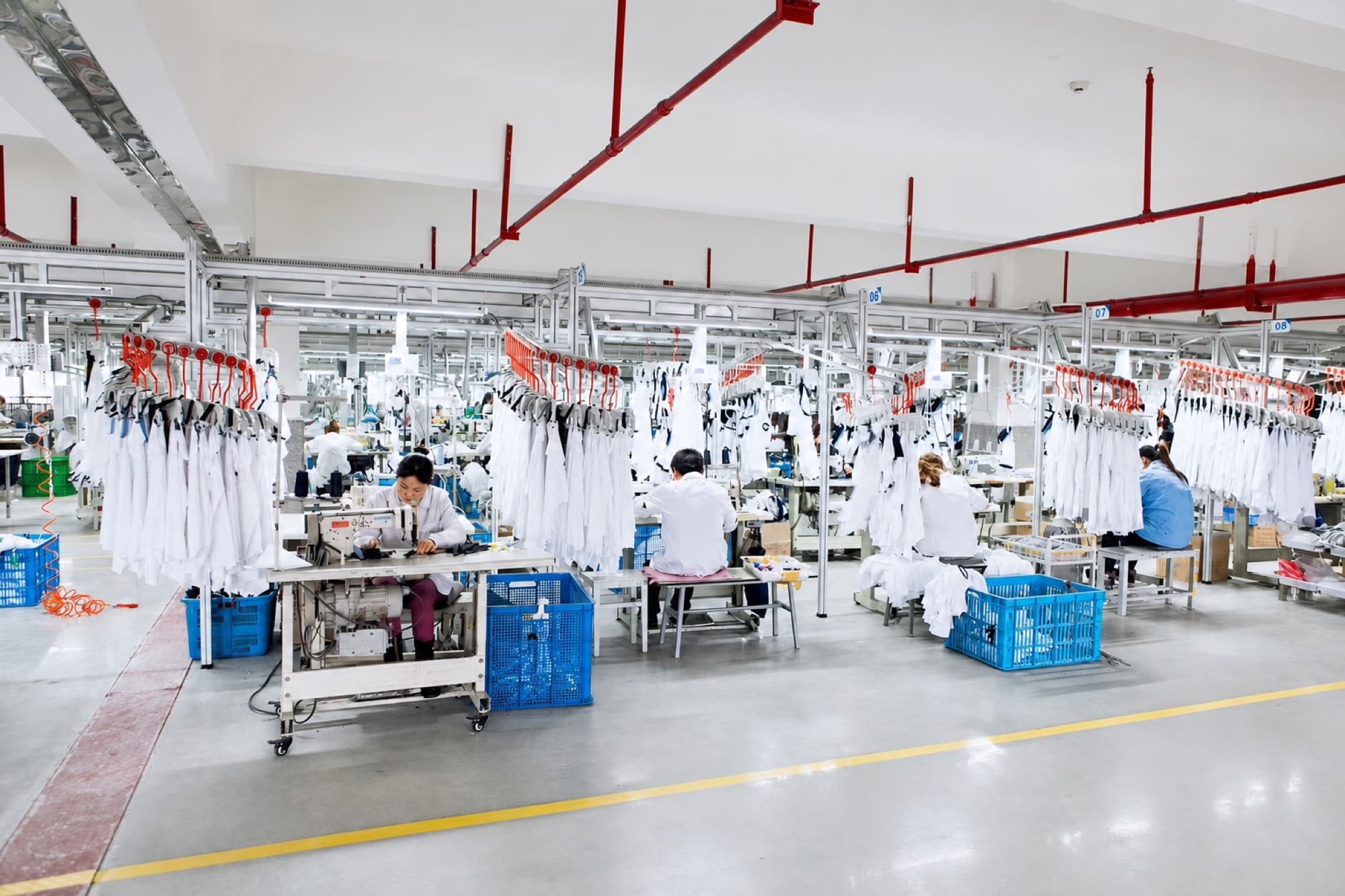
For a B2B activewear buyer, “sample to bulk” is not one uninterrupted factory event. It is a series of product and order decisions that need to be visible before production is coordinated. The sequence may begin with an existing catalogue direction that needs logo, labels, and packaging, or with a garment that needs its own fit, material, construction, and sample-development work. Those two routes share some approval points, but they do not start from the same assumptions.
A wholesale or light-customisation project can begin with an existing product direction and add logo or trademark application, labels, hangtags, packaging, and receiving details. It is a B2B branding project, not single-piece retail, dropshipping, a promise of fixed inventory, or a fixed lead-time offer. The selected style, material and colour direction, branding method, quantity, packing, destination market, and target arrival window still need project review.
A custom project moves into development when the buyer needs a new fit, fabric behavior, construction, colour route, support level, panel layout, pocket, strap configuration, or other garment-defining feature. In that case, the sample is a working product review: it helps the buyer and factory identify what has to be approved or revised before bulk preparation. The useful question is not simply “when can production start?” It is “which product and order decisions must be closed before production can be planned responsibly?”
Stage-by-stage buyer view
Which approvals connect a sample to a bulk production plan?
Use this table as a handoff tool. It does not prescribe one timetable for every project. Instead, it shows the information a buyer can bring to each stage and the records a factory should review before moving to the next part of the activewear manufacturing workflow.
| Stage | Decision it supports | Buyer provides | Factory reviews or confirms |
|---|---|---|---|
| Product brief and route review | Confirm whether the project begins with an existing product direction and brand presentation, or needs custom development. | Product reference, intended activity, fit and fabric direction, branding scope, quantity plan, destination market, and target arrival window. | The route, open questions, sample purpose, and assumptions behind the next step. |
| Material, colour, and construction review | Check that the fabric, trims, colour direction, logo method, and construction make sense together for the actual garment. | Swatches or comparable products, colour references, construction priorities, label and logo artwork, and any non-negotiable product requirements. | What needs a material, trim, logo, or construction review before sample preparation. |
| Sample development and buyer feedback | Use a sample to review the product rather than relying only on an image or written description. | Measurement expectations, fit comments, movement or use notes, construction comments, logo position, label copy, and approval or revision notes. | Which points are approved, revised, still open, or require another review. |
| Fit, wear, and movement review | Separate static measurements from how the garment behaves on the intended wearer and during its intended activity. | A named wearer or fit reference, movement observations, pressure or support comments where relevant, and photos tied to written notes. | Whether the observed issue belongs to measurements, pattern balance, material behavior, construction, or personal preference. |
| Size-set or pre-production review | Decide whether the approved base sample gives enough evidence for other sizes, colours, materials, and production details. | The size range, grading priorities, colourways, final artwork, labels, packing files, and any point that still needs physical evidence. | Which additional sample, size, colour, logo, or packing review is proportionate to the remaining risk. |
| Bulk-production preparation | Turn the agreed product and brand details into a shared production record before work is coordinated at bulk scale. | Approved sample comments, material and colour direction, size range, artwork, labels, packing instructions, quantity breakdown, and QC priorities. | The production assumptions, checking points, packing details, and any remaining dependencies. |
| Production, QC, and packing review | Coordinate workmanship, measurements, logo and label accuracy, packing, carton marks, and buyer-specific receiving requirements. | The agreed QC points, packing and carton information, barcode or warehouse fields where relevant, and destination-market requirements. | How checks, packing, and export preparation will be reviewed against the documented order details. |
| Delivery preparation and repeat-order record | Prepare the information needed for shipment coordination and for a clearer next production discussion. | Receiving details, shipping constraints, destination-market information, and notes on approved product, colour, packing, and QC decisions. | What should be retained as the starting record for a repeat, colour update, or later collection. |
Choose the right starting route
When should a buyer start with a catalogue direction, and when should the project move to custom development?
Start with the amount of change the garment needs. If the buyer has found an existing silhouette that works for the intended wearer and activity, the discussion may begin with a product selection, colour plan, logo or trademark application, labels, hangtags, packaging, and receiving requirements. The activewear performance collection can give a product team a clearer starting reference than a generic request for “gym wear.” A catalogue reference is still only a starting point; final details need to be reviewed for the actual project.
Move into custom development when the garment itself changes. A new fit, fabric, construction, support direction, colour route, technical feature, or product-specific panel layout requires a brief that is deeper than logo and packaging instructions. The custom activewear development route is appropriate when the buyer needs the factory to review the product, materials, sampling needs, and production implications together.
Some brands need a focused middle route: a small-batch custom discussion to test a style, fit, material, or brand position before creating a broader program. That is not a universal quantity category. It is a project review in which the buyer identifies what the first sample must prove, what can stay flexible, and which fabric, branding, packing, and quantity variables affect the feasible plan. A first-order discussion must be tied to these specific inputs instead of a universal minimum or fixed schedule.
Use the sample as evidence
How should a buyer use the activewear sample before approving bulk preparation?
A sample gives the buyer something more useful than a product image: a reference for the specific garment that is being discussed. The sample-review record should state the intended activity and wearer, product role, measurement or fit expectations, material direction, stretch and recovery questions, opacity or support expectations where relevant, construction details, logo position, label copy, packaging, and the comments that need a response. If a point has not been confirmed, it should be recorded as open rather than silently carried into bulk preparation.
The buyer does not need to arrive with a perfect technical package. A clear reference image, existing garment, sketch, tech pack, or selected catalogue style can start the conversation. The important step is to distinguish what the reference communicates from what still needs factory review. A photo can show a desired silhouette; it usually cannot settle fabric behavior, final measurements, seam construction, stretch recovery, label information, packing, or acceptance criteria by itself.
Material direction should be checked with the garment purpose in mind. A training top, compression legging, bra, hooded layer, or studio set may each raise different questions about handfeel, stretch, recovery, weight, surface finish, lining, seam behavior, trim compatibility, and logo method. The fabric and trim review helps a buyer organise those questions before treating a sample comment as a final material instruction.
Define the approval boundary
What does an approved activewear sample prove—and what does it not prove?
An approved sample proves only the points that were actually represented and reviewed. If the sample used the intended fabric, colour, trims, construction, measurements, logo method, labels, and packing presentation, it can support decisions on those features. If it used substitute material, temporary artwork, one base size, a development colour, or provisional packing, the approval record should say so. The word “approved” should never hide a known difference between the sample and the planned order.
One base-size sample does not automatically prove the full grade. Buyers should identify sizes where proportions, support, length, openings, pocket position, strap placement, or panel balance deserve attention. A size-set review is useful when the size range creates a question that the base sample cannot answer. The decision should be proportionate to the product and the risk, not copied from a universal sample checklist.
Product references
Choose a defined product reference before sample comments begin
These pages give a product team a concrete way to begin a sample-to-bulk conversation. They do not replace the final review of fabric, fit, colour, construction, branding, labels, packing, quantity, or destination-market requirements.
Activewear Performance Collection
Use a defined catalogue direction to discuss an existing product route, brand presentation, colour planning, and the sample evidence needed before a larger program.
Review product referenceZip-Neck Sculpt Set
A performance reference for buyers who need to discuss close fit, zipper construction, stretch material direction, logo placement, and sample comments.
Review product reference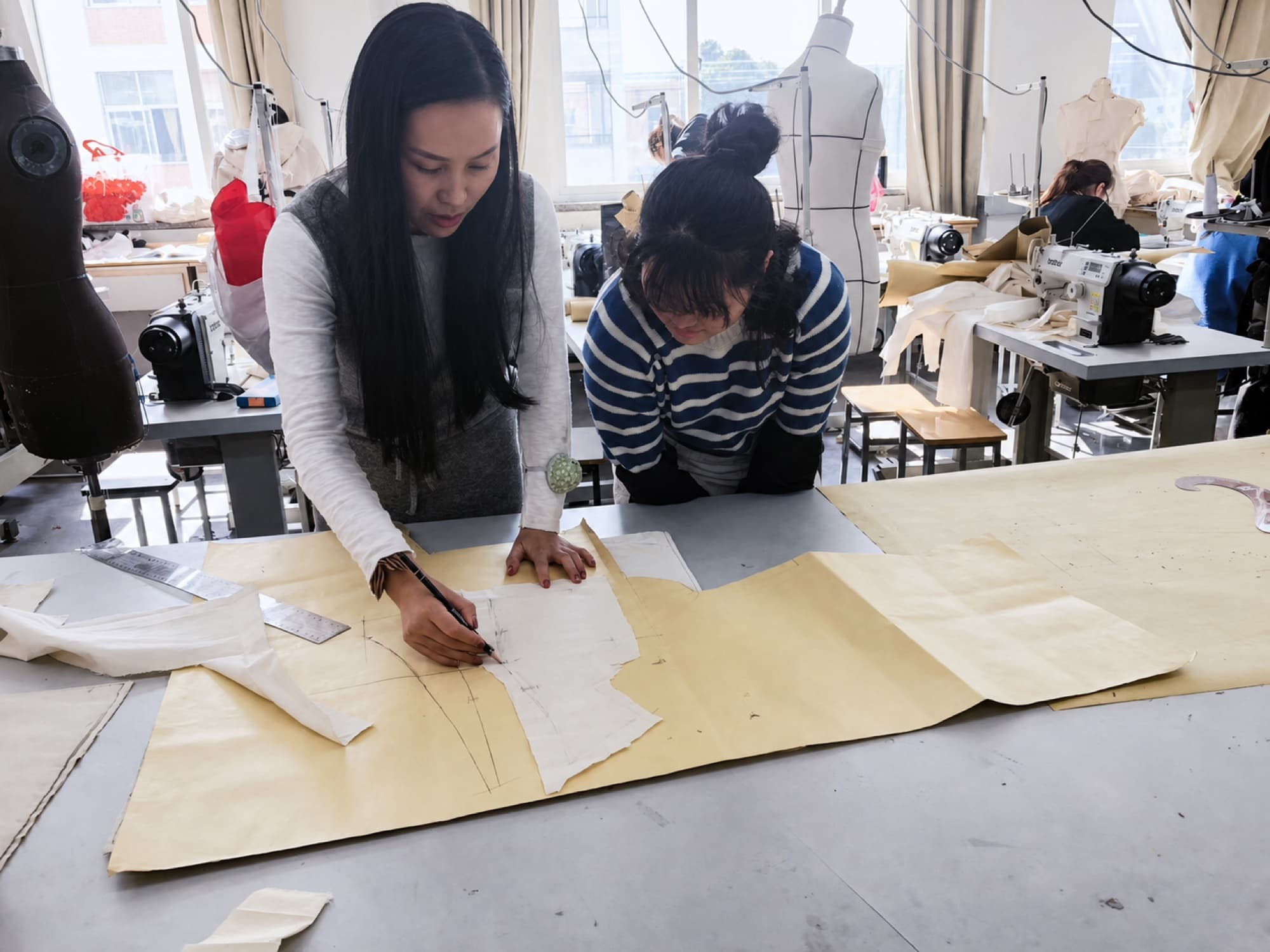
Custom Activewear Development
For projects that need a new fit, fabric, construction, colour route, or product-specific sample development before bulk production is planned.
Review product referenceUse another sample for a named question
When should activewear sample to bulk production include another physical review?
Another sample is useful when a remaining decision cannot be closed reliably from the approved reference and controlled files. A revised fit sample may be appropriate after a pattern or measurement change. A size set may be appropriate when grading across the intended range needs physical evidence. A colour, material, logo, label, or packing sample may be appropriate when the final input differs from what the buyer previously reviewed. The name of the sample matters less than the question it must answer.
For each physical review, prepare a short evidence plan: the exact version being reviewed, what differs from the last approved version, which questions are open, how the buyer will evaluate them, who gives the final decision, and what files become current after approval. Photographs help record details, but they should be attached to written comments rather than replacing them. Keep rejected or replaced versions outside the production-release folder so an old file cannot be selected accidentally.
Release the complete order, not only the garment
How should artwork, labels, quantities, and packing enter the production release?
Treat customer-facing details as controlled production inputs. The release package should contain final logo or trademark artwork, dimensions, colours, placement, and application direction; main labels, size marks, care information, hangtags, stickers, and barcode data; individual packing, folding, assortment, carton marks, and receiving instructions; and one quantity matrix tied to style, colour, and size identifiers. Draft files and replaced versions should not sit beside the approved production files.
Use identifiers consistently. A colour name such as black, navy, sand, or berry is not enough if different teams may use different references. A product nickname is not enough if several samples or revisions exist. Connect the approved product code, colour reference, artwork version, label-copy version, packing version, and quantity matrix in one release note. The aim is not paperwork for its own sake; it is to ensure that each team is acting on the same product and order.
Check dependencies before release. Moving a logo can change the surface, seam, stretch, or panel used for application. Changing a label can change attachment instructions. A new individual bag or fold can affect barcode placement and carton ratio. A different warehouse may require different marks or receiving fields. When one input changes, identify the linked decisions instead of changing a file in isolation.
QC and production coordination
How do production coordination, QC, and packing fit after sample approval?
Sample approval is an input to bulk preparation, not the end of buyer communication. Before work is coordinated at bulk scale, the order record needs to connect the approved product to the material and colour direction, size range, construction notes, logo and label artwork, packing method, carton marks, quantity by style and colour, destination market, and the buyer's quality priorities. The record should make it possible to compare what is being checked with what was approved.
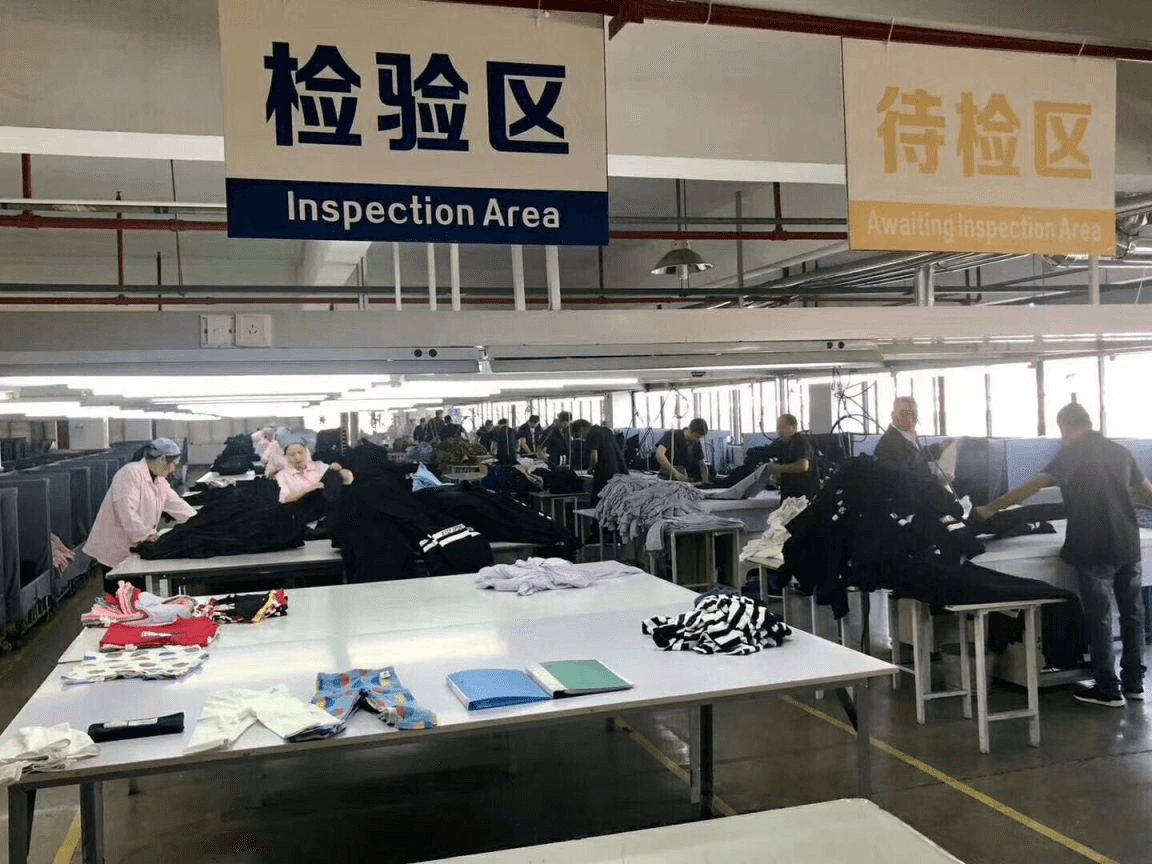
QC is most useful when it is product-specific. For activewear, the points may include measurements, workmanship, fabric and trim condition, construction details, logo placement, label accuracy, packing, and carton information. The exact checking plan depends on the product brief and receiving requirements. The activewear manufacturing and QC overview shows why these details must be coordinated with the actual order rather than treated as an afterthought.
Translate the approved evidence into observable checks. Measurement points should identify the current size specification. Construction checks should refer to the approved seam, panel, elastic, zipper, cup, lining, pocket, or trim direction that matters for the product. Branding checks should refer to the final artwork and placement. Packing checks should refer to the current labels, stickers, fold, bag, assortment, carton marks, and receiving fields. The related activewear QC checkpoints guide shows how a buyer can turn broad quality expectations into order-specific questions.
Packing and delivery preparation also belong in the same plan. A buyer may need poly bags, size stickers, barcode fields, folding instructions, carton marks, packing ratios, warehouse labels, or other receiving details. The factory can review whether those instructions are complete and can identify open dependencies. This approach makes the later handoff clearer without presenting export preparation as a fixed shipping schedule.
Commercial and timing variables
What can change the quotation or sequence after an activewear sample is approved?
Sample approval does not freeze every commercial and planning input. Material and trim availability, colourways, style complexity, construction, logo application, labels, packaging, the style-colour-size matrix, sample evidence, QC scope, destination, and receiving requirements can still affect the current quotation and production discussion. A useful update identifies what changed from the assumptions behind the earlier proposal instead of asking the supplier to treat a revised order as identical.
Material continuity deserves an explicit check. The approved sample may have been made from a development material, an available reference, or the intended production direction. The buyer should know which one it was. If the current material, dye or print route, lining, elastic, zipper, cup, thread, or other trim changes, the factory should review the impact on appearance, feel, stretch, recovery, construction, logo compatibility, and the evidence needed before release.
When a change is late, describe its current state honestly. It may be a requested revision awaiting review, not an approved instruction. The buyer and factory can then decide whether it affects a sample, material confirmation, artwork proof, production release, checking point, packing file, quotation, or target window. A conditional decision record is more useful than an optimistic date that assumes every open input will close without revision.
Approving a feeling instead of a record
“Looks good” does not identify which measurements, fabric, colour, construction, logo, label, or packing details were accepted. Close the review with a dated decision list and the reference files that support it.
Changing one input without reopening its dependencies
A fabric, colour, trim, seam, logo method, or label change may affect appearance, measurements, handling, construction, or packing. Record the change and decide what evidence must be reviewed again.
Using production release as a deadline for missing files
Final artwork, label copy, size allocation, packaging, barcodes, and carton information belong in the release record. Sending them after production coordination begins creates avoidable rework and version confusion.
Keep the handoff usable
What should a buyer prepare to keep the sample-to-bulk handoff clear?
The buyer does not need to turn every decision into a separate document. The goal is one controlled brief and one clear approval record. Build it around the product reference, approved sample comments, material and colour direction, size and quantity plan, branding, packing, destination market, and the open questions that remain. A useful record makes it easier to spot a missing input before it becomes a production question.
From plan to order preparation
How can a buyer keep the sequence practical without treating it as a fixed schedule?
Think of the process as a series of gates rather than a promise of dates. A product cannot be fully reviewed until the buyer has defined the product route and key requirements. A sample cannot answer every question until the buyer and factory have identified what it is meant to prove. Bulk preparation cannot be complete until the product, material, branding, packing, quantity, and quality instructions are documented well enough to review together.
The activewear sampling and production workflow gives a broader view of how product review, sampling, production coordination, QC, packing, and delivery preparation connect. inPACE Sports supports B2B programs for brands, online stores, wholesalers, studios, clubs, teams, and startup designers. When a deeper factory-development route is appropriate, Ningbo Yinshan Garments Factory in Ningbo, Zhejiang, China can review the product brief and the approvals needed for that particular project.
Next step
Share the brief and the sample decision record
Send the product reference, intended activity, fit and measurement information, fabric and colour direction, construction priorities, sample comments, logo and label artwork, packaging and carton details, estimated quantity by style and colour, destination market, QC priorities, and target arrival window. State what is approved and what still needs review. inPACE can discuss the appropriate activewear sample-to-bulk-production route for the actual brief.