
Define the decision
Why is activewear size grading more than making a sample bigger or smaller?
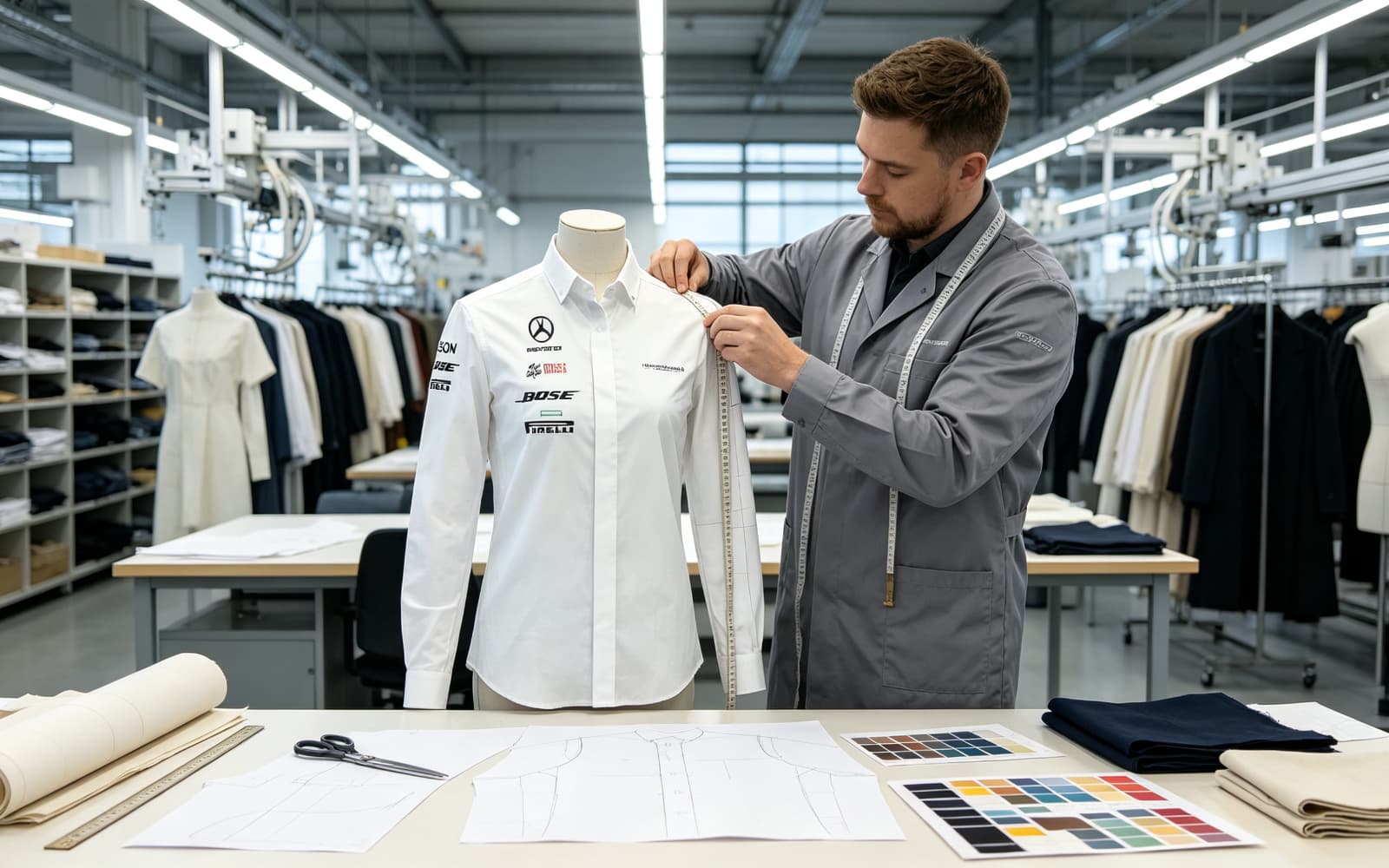
A garment grade is a set of linked product decisions. It describes how measurements and pattern areas progress from the approved base size into the other intended sizes. Those changes must preserve the product's fit intention, coverage, movement, support, construction, and appearance for the target customer. A fitted legging, loose training top, sports bra, and warm-up layer may share a size naming system while needing very different grading logic.
The commercial size name does not explain the product by itself. “Medium” may refer to a customer-facing choice, a base pattern, a physical sample, a garment measurement column, or an internal code. A controlled project makes those relationships explicit. It also states whether the brand is using alphabetic sizes, numeric sizes, regional naming, dual sizing, or another system, without assuming that one label converts perfectly across every market.
This article follows a factory custom manufacturing path. When a brand changes the fit, measurement architecture, pattern, fabric, support, construction, or size range, the work belongs in product development and sampling. Buyers can use the custom activewear development route to frame that discussion. Catalogue-informed products can still provide a reference, but their current measurements should not be presented as a newly approved custom grade until the actual brief and samples have been reviewed.
Separate the records
What is the difference between body measurements, garment measurements, and a customer size chart?
Body measurements describe the intended wearer or a population reference. Garment measurements describe the product when it is prepared and measured by an agreed method. The difference between the body and garment is influenced by ease, stretch, compression, coverage, layering, and design. A customer size chart translates selected information into shopping guidance. It may use body measurements, garment information, or both, but it should say what the numbers mean.
A grading specification is an internal product-control record. It normally shows the relevant garment measurements across sizes, their measurement methods, and the current revision. It is not automatically suitable for publication to consumers. Conversely, a simple online size chart usually lacks the construction and measurement detail needed to make or inspect the garment. Treating the two as interchangeable can create a clean-looking spreadsheet that does not control the product.
Decision table
Which activewear size-grading decisions should be closed before production?
Use this table as a release review. It separates the buyer question, the risk hidden behind it, and the evidence that can close the decision. On mobile, the table scrolls horizontally so the full production wording remains readable.
| Decision area | Question to answer | Risk if it stays unclear | Useful approval evidence |
|---|---|---|---|
| Customer and product role | Who will wear the garment, for which activity, and with what intended fit? | The same alphabetic size name can represent different body, ease, coverage, and support intentions across products and markets. | Approved customer, activity, selling market, fit language, and product role. |
| Base-size reference | Which physical sample, pattern revision, and measurement table define the approved base size? | A size chart cannot protect fit if it points to an older sample or a measurement table that was never reconciled with the garment. | One named base-size sample and one dated measurement record. |
| Points of measure | Where and how is each garment measurement taken? | Different starting positions, garment preparation, curve handling, or elastic tension can produce different numbers for the same item. | A point-of-measure guide with method notes for product-critical dimensions. |
| Grade increments | How should measurements change between adjacent sizes? | Uniformly adding the same amount everywhere can distort neckline, support, coverage, pocket access, rise, or leg opening. | A size-by-size table showing the approved progression for each measurement. |
| Fabric behavior | How do stretch, recovery, weight, compression, opacity, and finishing affect the size range? | Changing material after fit approval may change garment measurements, wearing behavior, sewing response, and the meaning of the prior grade. | A confirmed material direction linked to the reviewed sample and grading decision. |
| Construction and components | Which seams, elastics, cups, bindings, zippers, panels, and trims influence fit across sizes? | A component that works in the base size may require another length, placement, or construction review elsewhere in the range. | Product-specific component rules and any size-dependent alternatives. |
| Cross-size samples | Which sizes need physical review before the range is released? | A base-size sample alone may not reveal issues at the small or large ends of the planned range. | A written sample plan based on product risk, range width, target customer, and open questions. |
| Production and QC record | Which measurements, references, and open decisions govern bulk checking? | A technically prepared grade can still fail operationally if production and QC use another chart, unit, revision, or measuring method. | One released size specification with version, units, method, approved references, and change history. |
Start from one truth
How should a brand choose and lock the base-size reference?
The base size should be a clearly identified product state, not whichever sample is easiest to find. Record the garment, style code, pattern revision, sample date or identifier, intended fabric and trims, measurement table, fit comments, and approval status. If a physical sample is the reference, store it so it can be distinguished from rejected or earlier samples. If a digital record governs, make sure the garment was reconciled with that record.
Close contradictions before grading. A sample may feel correct while its measured dimensions differ from the table because the measuring method, fabric response, preparation, or pattern was not updated. The team should decide whether the garment, table, or pattern needs correction and record the result. Grading from an unresolved base size spreads the disagreement into every other size.
Measurement method
Why do points of measure need instructions as well as numbers?
A number is only comparable when people measure the same prepared garment in the same way. State whether the item is laid flat, relaxed, aligned, fastened, or otherwise prepared. Define the start and end points, straight or curved path, edge or seam reference, and whether an elastic opening is relaxed. A diagram is helpful for curved panels, shaped waistbands, armholes, necklines, straps, rises, and other areas where short wording can be interpreted differently.
Prioritize points that protect fit and function. A legging may need clear waist, hip, rise, inseam, opening, and panel locations. A sports bra can require underband, cup-area, neckline, armhole, strap, and length definitions. A jacket adds shoulder, sleeve, body, zipper, pocket, and opening questions. The record should follow the actual construction rather than force every product into the same generic template.
Use one measurement unit in the released file and label it clearly. If information arrives in more than one unit, control the conversion and rounding rather than allowing parallel tables to drift. Keep method changes in the revision history: changing where a measurement is taken can make a stable garment appear different even when the pattern has not changed.
Grade logic
Why should grade increments vary by measurement and product area?
Bodies and garments do not change as uniform scale drawings. Width, length, rise, opening, coverage, and placement may need different progressions. A design detail such as a pocket, zipper, logo, panel line, or seam can also need controlled positioning rather than simply moving by the same amount as a surrounding width. The grade should protect both wearer experience and the intended visual design.
Review connected dimensions together. Increasing a torso width without considering armhole, neckline, sleeve, and length can change mobility or appearance. Adjusting legging hip and thigh without reviewing rise, waistband, panel, inseam, and opening can create a different product balance. Sports-bra coverage, underband, neckline, strap, armhole, cup area, and elastic behavior need a coordinated decision.
Avoid presenting a universal increment as a factory fact. The appropriate progression depends on the brand's intended customer, base fit, size architecture, garment category, material, construction, and evidence. The buyer can provide an existing rule or ask for factory development input, but the resulting table still needs review and approval for the current product.
Material connection
How do stretch, recovery, compression, and opacity affect the size range?
Activewear often relies on the relationship between garment dimensions and material behavior. Stretch direction and extent influence movement and dressing. Recovery influences whether an opening, waistband, or close-fit panel returns toward its intended shape. Weight, compression, handfeel, surface, and finishing affect perception and fit. Opacity should be reviewed in the relevant color, stretch, construction, and use context.
A material name or fiber composition alone does not describe that behavior. Two materials with similar descriptions can interact differently with the same pattern. A replacement may change sewing response, edge stability, elastic interaction, garment measurement, support, coverage, or visual appearance. If the approved grading work is tied to one fabric direction, identify what must be retested before another material is treated as equivalent.
Test the product, not an isolated swatch conclusion. Review fit and movement on the intended garment and selected sizes. Record what was observed without turning a limited wear trial into a universal durability, compression, or performance claim. The grade, material reference, sample comments, and production specification should point to one another.

Cross-size evidence
Which sizes should a brand sample, fit, and measure?
There is no single sample-size formula for every activewear program. Start with the approved base size, then identify where the range could behave differently. Relevant factors include the number of planned sizes, customer diversity, fit sensitivity, support or coverage, fabric response, construction complexity, components, matching-set relationships, and the grade decisions that remain uncertain.
Give each cross-size sample a purpose. One may test whether neckline, armhole, strap, underband, rise, waistband, pocket, or length progression remains balanced. Another may review the interaction between the fabric and the larger or smaller pattern. The brief should identify which wearer and product questions the sample is expected to answer, rather than asking generally whether it “looks okay.”
Record both measurements and use observations. A garment can match its table while revealing a fit or movement problem; it can also feel acceptable while being measured by an inconsistent method. Reconcile the sample, measurement table, pattern revision, and comments after every accepted change. The activewear sampling process provides the broader route for turning those questions into a controlled development record.
Product-specific grading
How should grading questions change for leggings, sports bras, tops, and layers?
What needs review on leggings and fitted bottoms?
Connect waist, high hip, hip, thigh, rise, inseam, opening, waistband, gusset, panel, and pocket decisions. Review how fabric stretch and recovery affect coverage, hold, mobility, opacity, seam position, and the intended silhouette across selected sizes.
What needs review on sports bras and support tops?
Connect underband, cup area, neckline, armhole, strap, coverage, length, elastic, lining, and removable or fixed components. Support intent must be described for the product and tested carefully; a size label alone does not define support.
What needs review on training tops?
Connect chest, waist, sweep, shoulder, armhole, sleeve, neckline, body length, and movement ease. Close-fit tops, loose tees, tanks, and zip styles should not inherit one identical grade simply because they share a brand size label.
What needs review on jackets and layers?
Connect layering ease, shoulder, chest, sleeve, cuff, body length, zipper, hood, pocket, hem, and trim placement. Consider what will be worn underneath and whether the layer is intended for warm-up, travel, outdoor use, or a casual silhouette.
Set coordination
How should brands grade matching activewear sets without forcing one size combination?
A coordinated set should look intentional while allowing each garment to solve its own fit problem. Tops and bottoms often require different customer-size selections. A sports bra and legging may use connected color, fabric, seam, and logo language, but the bra's support and coverage decisions are not the same as the legging's waist, hip, rise, and length decisions.
Decide whether products will be sold as fixed sets, separate pieces, or both. That commercial decision influences how the brand presents size options, packs products, allocates quantities, and handles customers who need different sizes. Keep commercial assortment planning separate from technical grading: the factory still needs a controlled product specification for every garment and size.
Product references
Which product directions help a buyer discuss activewear size grading?
These inPACE product pages are references for a B2B brief. They help a buyer point to garment roles and grading questions; they do not represent a universal size system, live inventory, approved custom measurements, or a fit guarantee. The intended customer, range, fabric, construction, branding, quantity, and sample plan still need project review.
Range reference
Activewear Performance Collection
Use a coordinated range to see why a brand needs separate grading logic for fitted tops, support garments, leggings, shorts, and layers rather than one universal activewear rule.
Review this product directionClose-fit reference
Zip-Neck Sculpt Set
A close-fitting top and legging set helps buyers discuss neckline, zipper, sleeve, torso, rise, waistband, inseam, and set-coordination questions across the intended size range.
Review this product directionSupport reference
Light Support Bra Program
A sports-bra direction illustrates why underband, cup area, neckline, armhole, strap, coverage, elastic, and intended support need product-specific review rather than proportional scaling alone.
Review this product directionProduction handover
What should the final graded size specification contain?
Release one product-specific record with the style and revision, intended size range, base-size reference, measurement unit, points of measure, size-by-size garment measurements, relevant grade notes, fabric and construction reference, size-dependent components, approved cross-size samples, and open decisions. Include dates and responsible approval references so the team can distinguish the current file from previous drafts.
Control related placements. Pocket, zipper, seam, panel, label, logo, and trim positions may need measurements or rules across sizes. If artwork changes scale, the buyer should approve the intended result; if it stays constant, confirm that placement and proportion remain suitable. Do not leave visually important elements to be inferred from the base-size photograph.
The grading release is one part of a complete order release. Product, material, color, artwork, labels, packing, quantities, and QC references must still agree. The adjacent activewear sample-to-bulk production guide explains how the approved sample and order information move toward bulk planning without turning an unresolved sample into a production promise.
Quality control
How should the graded record connect to production and QC?
Production needs the current pattern and size information; quality control needs the current product and measurement reference. Both should identify the same revision, unit, point of measure, fabric direction, and approved samples. If the measurement method is not practical on the sewn garment, resolve that before production rather than creating a separate unofficial inspection method.
Measurement review should be appropriate to the product and order. It does not replace workmanship, material, color, construction, logo, label, packing, or carton checks. Nor does a measured garment prove the wearer experience for every customer. QC compares goods with the approved record; it does not recreate missing grading decisions after production has started.
Keep deviations and dispositions traceable. State what was observed, which size and measurement were involved, which approved reference applies, and what decision followed. This lets the buyer and supplier distinguish a measuring-method disagreement, an isolated workmanship issue, a production pattern problem, or a grading rule that needs development review. The activewear manufacturing workflow provides context for production coordination, checking, packing, and export preparation.
Buyer checklist
Is your activewear size-grading brief ready for factory review?
Use this checklist before releasing the grade or requesting cross-size samples. Open decisions are acceptable when they are visible and assigned. Hidden assumptions are the problem.
Approval risks
Which grading shortcuts should stop a production release?
Is the team grading from an unresolved base?
Stop if the approved garment, pattern, and measurement table disagree or if the measuring method is unclear. Close the starting reference before spreading the issue across sizes.
Is one increment being applied everywhere?
Stop if width, length, coverage, openings, placement, and components are being scaled without product-specific review. A tidy formula does not prove a useful grade.
Are production and QC using different versions?
Stop when the active files point to different sizes, revisions, units, methods, fabrics, or samples. Release one current package and archive superseded production files.
Supplier context
How can inPACE support an activewear grading discussion?
inPACE Sports can review a B2B custom activewear brief using the buyer's product reference, target customer, intended fit, base-size sample, measurement table, fabric and construction direction, size range, cross-size sample questions, branding, quantities, packing, and destination. Where factory context is relevant, Ningbo Yinshan Garments Factory in Ningbo, Zhejiang, China supports pattern and sample coordination, production, checking, packing, and export preparation. The appropriate grade, sample route, quantity, quotation, and timing remain specific to the current product and confirmed inputs.
Factory custom next step
Share an activewear size-grading brief
Send the product reference or tech pack, target customer and activity, intended fit, approved base-size sample and measurements, size range, points of measure, fabric and construction direction, matching-set needs, selected sample questions, branding, quantity plan, destination, and target arrival window. Mark which grading decisions are approved and which require development review.
Send a size-grading product brief