
A club shop can carry a coordinated range without asking every member to wear the same outfit. One person may want a practice top; another may prefer a court skirt or a casual layer for arriving at the venue. The buyer's job is to decide which needs the first range will serve and what each garment must demonstrate before it joins that range.
This guide focuses on those product and procurement decisions for an adult club audience. It is not a sales forecast or a report of an inPACE club customer. When a proposed collection needs new fit, materials, pocket arrangements or other garment changes, plan it through custom activewear development. Once an existing garment is accepted, its logo, label and packing work can be defined through the private-label service scope.
How is a club retail collection different from a team uniform order?
A team uniform order usually begins with named recipients and a coordinated appearance for a defined activity. A club retail collection begins with products that members may choose separately. The range still needs a consistent identity, but its purchasing record should identify the actual garment, fit, colour and size rather than treating every purchase as one fixed kit.
That distinction affects sampling and quantities. A top and a bottom displayed together can have separate size requirements and separate approval records. The buyer may later decide to sell them as a set, but the supplier still needs to know which pieces and size combinations make up that set. An attractive outfit photograph does not settle the order structure.
Keep the intended use attached to each item. Some pieces may be planned for play, others for practice or the social setting around the club. The training and tournament apparel guide helps distinguish garment roles. For retail planning, add the member choice the item serves and the information needed to explain it accurately at the shop.
Avoid assuming that a club logo makes every garment suitable for a match or that a coordinated range must use the same construction throughout. Product suitability and visual identity need related but separate decisions.
What member information is useful before selecting styles?
Gather specific observations from the club's own audience where they are available. Ask which garment types members request, what they already wear for the intended activity and what fit or coverage questions they raise. Record the source and date of the feedback. A few comments can identify sample questions, but they should not be presented as a measured demand forecast.
If the club has no product history, leave the evidence field open and plan a focused review of the proposed references. A simple worksheet can hold the garment role, the member question, the proposed sample and the person responsible for the next decision. This is more useful than inventing a percentage of members who will prefer a certain colour or silhouette.
Separate stated interest from a confirmed order. A member saying they like a sample does not identify their eventual size, quantity or purchase timing. Keep those stages visible in the club's own planning record, and send the supplier the quantities that are actually being proposed, with estimates clearly marked.
Also define the audience boundaries. If the first project is adult apparel, say so. If the club needs different fit options, identify the options to review rather than assuming one pattern will serve everyone. The purpose is a clearer brief, not a claim that a small consultation represents every member.
How should the first range be limited to useful garment roles?
Give each proposed item a reason to be in the collection. Start with the central court or practice garment, then consider which supporting piece adds a distinct choice. A second colour or similar top may be appropriate, but the buyer should be able to explain the difference it offers and the additional approval work it creates.
Use a range table before expanding the list. The entries below illustrate decisions to make; they are not an assortment recommendation based on measured club sales. Replace the examples with the club's actual references and unresolved questions.
| Possible role | Reference direction | Member or product question | Approval needed before ordering |
|---|---|---|---|
| Core practice top | Accepted sleeveless, short-sleeve or polo direction | Which coverage and fit options are needed? | Garment, material and branding reference |
| Court bottom | Existing short or skirt direction | Which length, fit and storage requirements matter? | Separate bottom fit and any functional review |
| Coordinated alternative | Another accepted fit or silhouette | Does it serve a different member preference? | Its own size and construction decision |
| Optional social piece | A top or layer for the club setting | What role does it serve outside active play? | Intended-use description and sample approval |
| Later addition | A reference retained for another order | What evidence is missing from the first range? | Defined review before it becomes an order line |
The DWD115066 A-Line Tennis Skirt can provide a skirt reference, while the YA-03 Run Training Short Set can help frame a top-and-short direction. Identify the details to retain and those needing review. Their catalogue names do not confirm a new pocket requirement or every proposed pickleball use.
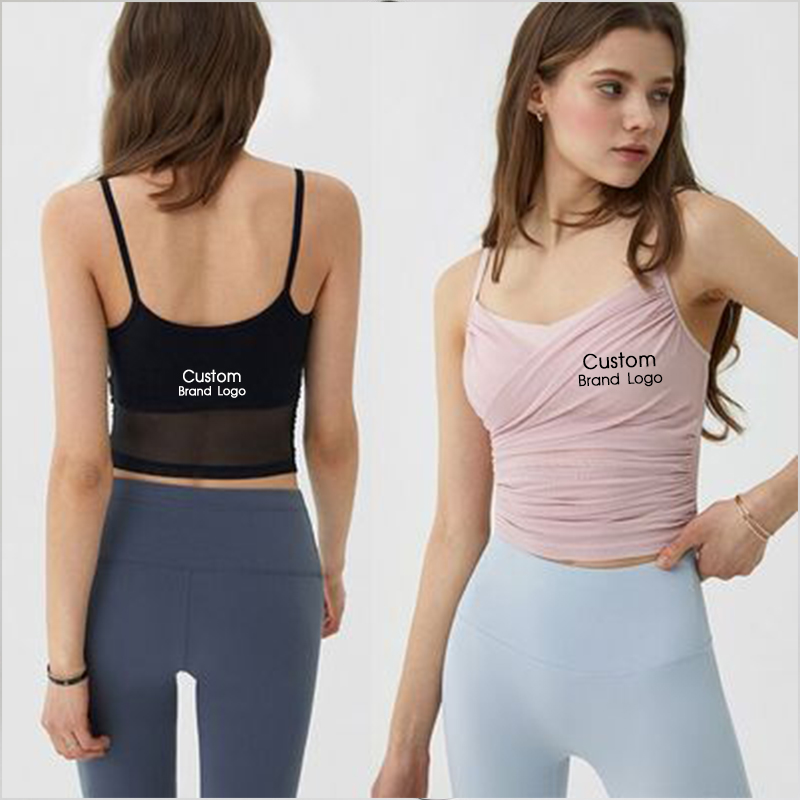
The main image shows black and pink tank references with visible “Custom Brand Logo” placeholder text. It is a visual example for discussing an optional top and branding area, not a real club mark, a completed customer order or proof of suitability for active play. The collection brief must assign the garment's intended role.
When should an existing reference stay unchanged, and when does development begin?
Write the boundary for every selected style. An existing accepted garment with a reviewed logo, labels, hangtag and packing requirement has a different scope from a garment needing a revised neckline, liner, pocket, material or fit. Calling both projects private label does not make their sample questions identical.
For each reference, list the features to retain and the changes requested. If the club wants a different body length or a new ball pocket, include that as a development decision. Ask the supplier what information and sample review will be needed. Do not hide a structural change inside an artwork request or assume it is covered by approving a catalogue photograph.
An illustrative range record might say: “Practice top: existing fit retained, branding review open. Court skirt: reference silhouette accepted, liner and pocket review open.” That format identifies two different routes within the collection without claiming either product has already passed approval.
How should fit choices work across tops and bottoms?
Review each garment's fit independently, even when the shop intends to display a coordinated outfit. Record the reference size, relevant finished measurements and the intended wearer context. A size label is a useful identifier, but it does not establish the same fit across different patterns or garment categories.
If members may choose a different top and bottom size, reflect that in the order and packing plan. If the buyer instead wants predefined sets, define the allowed combinations and how they will be identified. Do not let a supplier infer the relationship from equal totals or a shared colour name.
A short-sleeve polo reference can offer an alternative top direction to a tank. Review its collar, sleeve, body fit and intended branding area on its own terms. A club may choose either or both for different roles, but a sample approval for one is not a fit approval for the other.
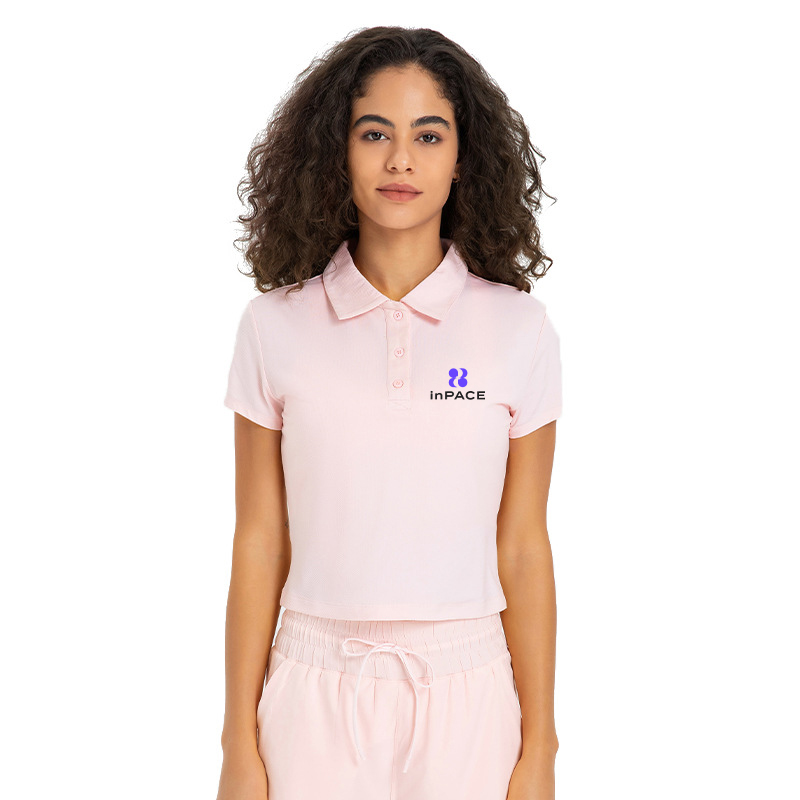
The photograph shows a coordinated appearance. It does not prescribe a fixed retail set or a shared size for the two garments. Define the pieces, fit options and selling units in the club's own range record, then keep those definitions consistent in the supplier enquiry.
How can different garments share one club identity?
Set a colour direction that can be reviewed across the actual materials. Identify the main colour, any supporting colour and the role of contrasting details. Put the selected garments and relevant trims together under agreed viewing conditions. Matching names in two catalogues are a starting point for organisation, not approval of the finished combination.
Define the relationship the club wants to see. Some ranges aim for a close visual match between tops and bottoms; others deliberately coordinate related tones. State which is intended so the supplier is not asked to solve an unspecified matching problem. Retain the accepted physical references or other agreed standards with the approval record.
Apply the same discipline to branding. Choose the mark and the role it serves on each garment, then review placement against the actual seams, neckline, waistband or pocket. The design can feel consistent without forcing an identical logo size onto every available surface.
A shared identity should also allow accurate product descriptions. If one item is intended for a social setting and another has a specific court-use brief, explain their different roles. Consistency comes from clear choices and coordinated appearance, not from attaching the same unsupported performance claim to every piece.
What should be approved for the club logo and labels?
Provide the authorised artwork files and identify the version, colours and required wording. Separate the visual layout from the application method. A screen proof can settle spelling and relative placement; an application sample is needed to review the proposed result on the garment material.
Use the logo-methods guide for stretch activewear to discuss suitable directions with the supplier. Review the actual mark, surface and placement rather than selecting a method solely because another garment used it. If the range contains different fabrics or fits, identify which application approvals apply to which items.
Keep main labels, size identification, care information and hangtags in a separate checklist. The club or brand should confirm the required wording for its intended market and the information supported by the product record. The supplier needs clear files and an agreed placement, while the buyer needs a record of who approved the final content.
Record whether a late logo change affects already approved labels or packaging. A revised mark sent in a message should not silently replace every file in the order. Name the new version, identify the affected items and obtain confirmation that the change has been understood before the final production release.
How should the first-order quantity sheet be organised?
Build one row for each orderable variant. Identify the garment, fit option, colour and size, then enter the proposed quantity and its status. If the club uses its own item code, map that code to the supplier's reference. This helps the receiving team recognise the same item that the sample reviewer approved.
Use the size-colour-quantity planning guide to reconcile the totals. Keep garment pieces separate from retail sets and from cartons. A set containing a top and bottom is one selling unit but contains two garments. The quotation, packing record and receiving count should state which unit is being counted.
Avoid filling a size distribution from an unrelated club or a general assumption about the market. Use the club's available evidence, mark the planning basis and leave unresolved quantities visible. The supplier can discuss order conditions against a clear proposal; it cannot reliably infer the intended distribution from a single total.
Before confirmation, check that every line has the correct approved version. A new colour or fit option may carry an unresolved sample question even when the original style is accepted. Mark those lines separately so the order cannot be released merely because the spreadsheet totals balance.
What should packing make easy for the club receiving team?
Describe how the shop wants to receive and identify the goods. State whether pieces will arrive individually identified, grouped by variant or combined into defined sets. Ask which packing arrangement is appropriate for the actual garments and receiving process. A club that plans to sell separates needs a different identification record from one receiving fixed kits.
The activewear packaging checklist helps connect the garment label, outer pack and carton record. Use consistent item names and codes, and make the quantity unit clear. If a pack includes more than one piece, identify its contents and any size combination rather than relying on the word “set.”
Prepare a simple receiving reference for the club's staff. It can show the accepted product name, variant identifier, expected count and the point of contact for discrepancies. A clear record reduces guesswork when similar colours or sizes are unpacked together, without making a claim about a measured error-reduction rate.
Keep promotional language out of operational identifiers where it would obscure the product. The shop may use an appealing collection name for customers, but the supplier and receiving team still need an unambiguous way to distinguish the actual garments and variants.
Which sample decisions should close before the collection is ordered?
Assign an approver and a scope to each decision. The buyer may review the overall range appearance while another person evaluates the proposed fit. Consolidate their comments so the supplier receives one decision for each open point. Record any disagreement as unresolved instead of selecting whichever message arrived last.
| Approval area | Record to retain | Question before release |
|---|---|---|
| Product role | Intended-use and reference note | Does this item have a defined place in the range? |
| Garment fit and construction | Accepted sample and specification version | Are any proposed changes still awaiting review? |
| Material and colour | Identified references and approved combination | Does the order use the same accepted direction? |
| Logo application | Artwork and physical application reference | Which garments and versions does approval cover? |
| Labels and hangtags | Final files, wording and placement record | Has the responsible buyer approved the content? |
| Quantities and selling units | Variant list and piece/set definitions | Do order, packing and receiving totals reconcile? |
| Packing and delivery inputs | Accepted pack plan and destination information | Are the remaining order conditions clearly identified? |
Discuss the production handover through the manufacturing review. The aim is to connect the accepted garment and brand records to the actual proposed order. A complete planning table does not prove that production has happened or that a later lot has been inspected.
A partial approval can still be useful. The club might accept the range colours while keeping one skirt fit open. Record that precisely and ask what the unresolved decision means for the proposed order. This lets the buyer make a practical choice without treating the whole collection as either wholly finished or wholly undefined.
How should product descriptions be prepared for the club shop?
Write from the approved garment record. Identify the product, intended role, fit direction, visible features and care information that the buyer has confirmed. If the sample has a pocket, describe the accepted configuration accurately. Avoid expanding that into an unreviewed claim about capacity, ball access or suitability for every use.
Keep images connected to the correct variant. A photo of the original reference should not be used to imply that an altered neckline, logo or colour has already been produced. Identify what image or sample the club will need before its own retail presentation is finalised.
Staff notes can explain the difference between a practice top, a court-bottom option and an optional social piece. They should also make it possible to identify which top and bottom sizes can be chosen separately. This is practical product information; it does not require a broad marketing campaign or a prediction about how members will respond.
When evidence is missing, resolve the product question before adding a performance claim to the description. An accurate, specific account of the approved item gives the club a more reliable basis for presenting the range.
What information makes a later reorder easier to review?
Retain the final product references, accepted samples where appropriate, artwork, colour direction, labels, quantity definitions and packing records. A later enquiry should identify the earlier order and state which elements are meant to match. The repeat-order production guide explains how to separate continuity from a change requiring another decision.
Track the club's own item-level experience after receiving the goods. Record actual quantities sold or retained where available, member fit comments and any verified product issues. Keep requests, observations and completed sales distinct. The resulting record can guide the next discussion without pretending that one member comment establishes a general pattern.
A reorder may retain the garment while changing the size distribution or logo placement. Identify those changes explicitly. If the supplier proposes another material or construction, ask which comparison and approvals are needed before calling it a repeat. A familiar collection name does not establish that every detail remains the same.
How can inPACE support a club apparel collection enquiry?
inPACE Sports works with B2B activewear buyers and brings a manufacturing background dating to 1986. The company introduction provides context for the relationship. For a club collection, send the audience description, proposed garment roles, reference styles and the changes or branding work being considered.
The discussion can then connect material and fit review with sample priorities, logo application, labels and packing. Identify which existing details are accepted and which need development. A clear scope helps the supplier explain what the proposed sample is intended to resolve and what must still be confirmed before an order.
The working process links those stages. Exact quotations, order conditions, material availability and timing require project confirmation. The purpose of the first enquiry is to establish a reviewable range and a next step; it is not a promise of retail inventory, individual fulfilment or a sales outcome for the club.
What should the club send with its first collection brief?
Use the checklist to turn the range idea into a supplier discussion. Mark each input as confirmed, provisional or open so the sample and quotation work can address the right questions:
- Describe the adult club audience and the actual feedback available.
- State which practice, court and social-use roles the first range will cover.
- Choose a reference for each proposed garment and explain its purpose.
- Identify the accepted existing details and any requested construction changes.
- List the fit options and whether tops and bottoms can be selected separately.
- Supply the intended colour direction and combinations requiring approval.
- Share authorised club artwork with a clear file version and placement direction.
- Identify label, hangtag and product-information requirements for review.
- Provide estimated quantities by garment, fit, colour and size.
- Define individual pieces, retail sets and any proposed packing combinations.
- Name the sample approver and the person responsible for final order confirmation.
- Describe the receiving arrangement, destination and desired timing for discussion.
Keep the core decisions together in one current brief. Supporting files can hold photographs, artwork and measurements, but the supplier should be able to identify which version governs the proposed collection. Update that record when the club changes a style or quantity, and retain the earlier approval references for comparison.
Share your club audience, key styles, branding files and first-order plan with inPACE for a private label pickleball collection review. Include the open fit, material and functional questions so the next discussion can connect the member-facing range with a clear sample and production scope.
Product directions
Explore relevant activewear products
Use these product pages as practical references for your brief, then confirm materials, fit, customization, and production details through sampling.
Court Skirt Reference
Give the skirt a clear role in the range and identify which fit, liner and pocket decisions need review.
View product directionTraining Top and Short Reference
Consider coordinated garments while defining each piece, fit option and selling unit separately.
View product directionCustom Collection Development
Connect the club range with the garment changes, branding files and sample approvals required for the order.
View product directionFAQ
Buyer questions
What should a private label pickleball collection include first?
Start with garment roles supported by the club's actual audience and intended use. Identify the core practice or court item and any supporting piece that offers a distinct choice. Select references and define the sample questions before expanding colours or styles. There is no fixed assortment that suits every club.
Is club retail apparel the same as personalised team uniforms?
The order logic can differ. Retail garments may be chosen separately by members, while a uniform order can be organised around named recipients and defined kits. A club collection still needs coordinated identity, but it should record each garment, fit, colour, size and selling unit clearly rather than assuming one fixed outfit.
Can the club use existing styles with its own logo?
An accepted existing garment can be reviewed for branding, labels, hangtags and packing. Define those requirements and confirm the application on the actual material. If the club requests a new fit, pocket, liner or fabric, identify that as development work with its own sample questions instead of treating it as an artwork-only change.
Do the top and bottom have to use the same size?
That depends on the buyer's intended range and selling format. If members can select pieces separately, keep their size quantities independent. If the club orders predefined sets, specify the allowed combinations and contents. In either case, review the garments' fit separately and make the packing and receiving records consistent.
Does adding the club logo make a garment tournament approved?
No. Branding establishes a visual identity within the accepted scope. The buyer still needs to confirm the actual event's requirements and review the garment's intended use. A catalogue photograph, private-label service or club mark should not be described as an event approval or a performance validation.
How should the first order's size quantities be chosen?
Use the club's available product history, actual requests and other clearly identified planning inputs. Mark estimates as provisional and organise the proposal by garment, fit, colour and size. Reconcile pieces and sets separately. Do not invent a universal size split or treat expressions of interest as confirmed purchases.
What should be kept for a repeat order?
Retain the accepted garment and material references, relevant samples, colour direction, artwork versions, labels, variant quantities and packing definitions. Identify the earlier order and any requested changes in the next enquiry. Ask the supplier to confirm the proposed scope, and reopen approvals where materials, construction or branding differ.