
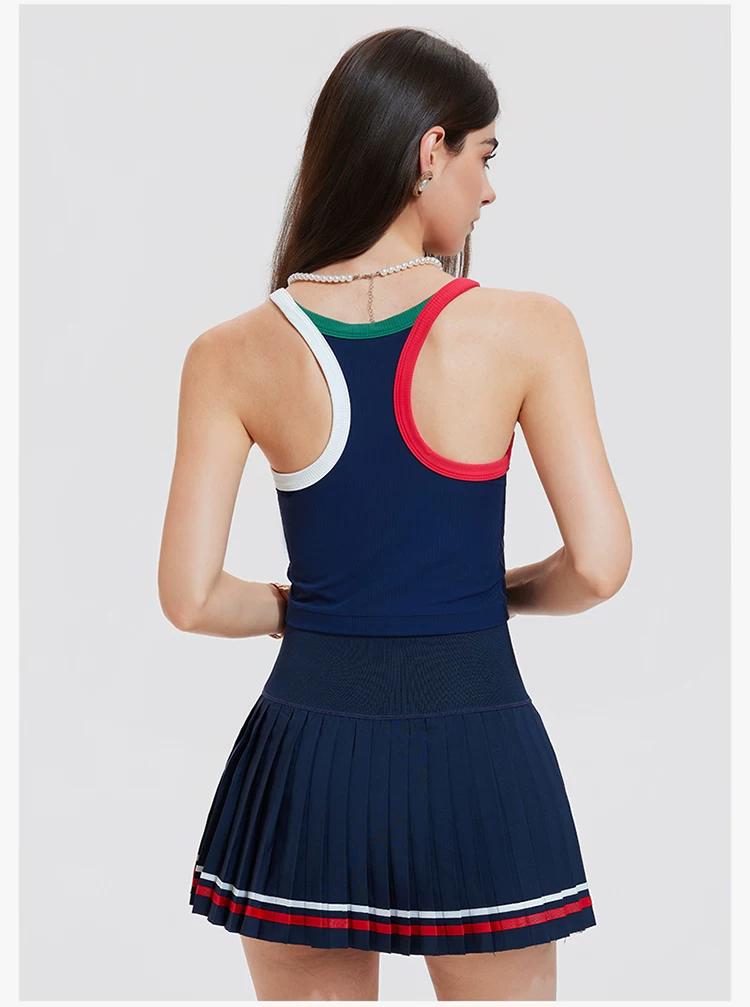
Direct answer. A golf apparel manufacturer needs a range brief, not only an inspiration image. Define the channel, wearer, product roles, fit and coverage decisions, fabric and colour questions, branding scope, sample evidence and approval owner for every polo, dress, skort, short or layer. Use catalogue pieces to discuss a starting direction; use samples and an approved specification to decide what can move into production.
This guide is for B2B brands, clubs, resort programmes, retailers and teamwear buyers. It does not promise a fixed price, minimum order, performance result or production date. It helps a buyer separate a light-customisation conversation from factory-custom development, then prepare a clear request for a manufacturer.
What should a golf apparel manufacturer know before a range brief starts?
Start with the commercial role of the range. A resort pro shop, club programme, specialist retailer and emerging brand can all use polos, dresses, skorts and layers, yet their assortment logic is different. Name the intended wearer, route to market, climate assumptions, brand level and the decision the first sample must answer. A player polo, a staff polo and a retail polo may look related while needing different fit, colour, logo or packing records.
Choose the route early. Wholesale or light customisation starts with an existing direction and confirms logo, label, hangtag or packing scope. Factory custom manufacturing is appropriate when the buyer needs a new fit block, fabric direction, construction, colour placement, pocket, lining, collar, placket or coordinated collection architecture. The project scope, approved artwork and sample evidence determine the route; a product image alone does not.
What makes a golf range brief different from a list of garments?
Golf apparel has a collection relationship that is easy to lose when every item is sourced as a separate SKU. A polo, dress, skort, short and layer may share a colour story, but they are not automatically interchangeable in fit, construction or merchandising. Put the range architecture on one page before asking for a quote: core styles, optional styles, staff or retail allocation, seasonal layer role, branding locations and the decision each sample is meant to unlock.
Start with the smallest coherent capsule. For a club, that may be one player polo, one coordinated lower-body option and a layer; a resort buyer may separate a staff item from a retail dress; a brand may compare a dress against a two-piece outfit before adding colourways. State which styles must launch together, which may follow after the first sample, and which shared details really matter. The answer is not “all pieces should match.” It might be a shared collar edge, a repeated piping line, a restrained logo position or a controlled colour standard.
A collection map also prevents a buyer from approving a photograph rather than a decision. Give every style a status: reference only, sample required, approved direction or release-ready. Then place the dependencies beside it. A skort cannot be called coordinated merely because its image is next to a polo; the waistband, liner direction, trim and colour references still need their own record. This approach keeps a golf apparel manufacturer focused on the evidence needed for the buyer’s next choice rather than on vague range language.
| Range question | What the buyer should name | Why it changes the development discussion |
|---|---|---|
| Channel and wearer | Club player, staff, resort retail customer, team or brand customer | It separates presentation, fit and packing questions that a generic “golf polo” cannot answer. |
| Core versus optional style | First-launch style, comparison sample or future addition | It keeps sampling focused and prevents unapproved styles from being treated as production scope. |
| Shared visual rule | Colour standard, piping, logo family, trim or label treatment | It identifies what must match across garments and what can vary by construction. |
| Approval owner | Buyer, merchandiser, club contact, designer or technical reviewer | It makes it clear who can close a fit, artwork, packing or commercial decision. |
Which products belong in the first golf capsule?
Give every style one main job and one approval question. A polo can establish a collar and logo direction. A dress can test a one-piece fit and coverage brief. A skort or short can test waist, length, liner and pocket questions. A layer can be reviewed for proportion over the agreed base outfit. Do not add several near-identical styles just because they share a sport label.
| Product role | Buyer decision | Brief details to name | Evidence needed before approval |
|---|---|---|---|
| Polo | Player, staff, club or retail role | Collar, placket, sleeve, body fit, colour and logo position | Sample fit, material and decoration review |
| Dress | One-piece range option | Neckline, armhole or sleeve, waist, skirt proportion and coverage target | Fitted sample and project-specific movement review |
| Skort or short | Separate lower-body option | Waistband, length, liner direction, pocket question and size plan | Construction and wearer review on the agreed sample |
| Layer | Travel, pre-play or club layer | Closure, collar, cuff, hem, pocket and pairing with base outfit | Layering review over the selected garment |
The court dress reference and zip polo–skort set reference can help describe silhouette and coordinated colour direction. They do not confirm that a particular material, lining, pocket, logo method or size range is available for a new golf programme. Confirm the exact project scope before treating a catalogue reference as a production specification.
How should a golf polo be briefed?
Name the intended wearer and the part of the range the polo supports. Then record collar shape, placket or zip direction, sleeve length, body length, intended ease, surface preference, colour blocking and logo area. A short-sleeve performance polo reference is useful when a team needs a shared visual reference, but the buyer should identify every retained and changed feature.
Keep decoration separate from the base-garment decision. A crest, resort name, brand mark or sponsor artwork needs its own file, scale, position, colour treatment and approval record. Embroidery, printing or another application method may be discussed only after the project confirms the surface, stretch, visibility and artwork requirements. A sample can show the agreed placement; it does not justify a blanket claim about every fabric or logo method.
Ask one simple question before finalising the polo direction: is it a player garment, a uniform, a retail item or more than one of these? The answer changes which fit, branding and packing records matter. A club can choose a shared visual family while keeping staff and player versions distinct. A retailer can retain the silhouette while using its own labels and merchandising requirements. A brief that identifies those roles prevents a single sample from being asked to prove several incompatible decisions.
How should a golf layer relate to the polo, dress or skort?
A layer has to be briefed as an outfit relationship, not a standalone top. State which base garments it must sit over, when it is intended to be worn and whether the buyer is reviewing a training, travel, pre-play, clubhouse or retail role. The answer informs the starting questions about body proportion, collar, opening, cuff, hem, pocket and colour placement. It does not justify an assumed weather-protection, warmth or performance claim.
The half-zip court pullover and pleated skort reference can help a buyer mark the proportions, closure and paired-bottom direction they want to discuss. Treat it as a visible reference rather than proof that a selected golf layer has the same material, ease, hardware or component options. For a first sample, ask a reviewer to compare the proposed layer over the named polo, dress or two-piece base outfit and record the outcome separately from appearance at rest.
A useful layer brief says whether the hem should align with, cover or sit above the lower garment; where a logo may be considered; and which components must remain comfortable next to the wearer. If the programme includes a dress and a separate skort, do not assume one layer automatically works with both. Review the relevant pairings. A layer can provide a range bridge, yet it needs its own pattern, material and construction decisions.
What should a golf dress or skort brief prove?
A dress combines upper and lower-body decisions in one sample. Describe the desired neckline, armhole or sleeve direction, waist relationship, skirt proportion, length and coverage objective. If there is an inner short, a pocket or a support-related question, state it as a separate construction decision and define what the reviewer will check. Do not infer hidden components from a photograph.
For a skort or short, identify the wearer, waistband direction, outer silhouette, length, liner plan, pocket question and base sample size. The buyer can compare a separate polo-and-skort outfit with a dress, but each option needs its own fit record. A useful sample comment says what was observed, on which version and what decision remains open; it does not turn a general movement into an unverified performance claim.
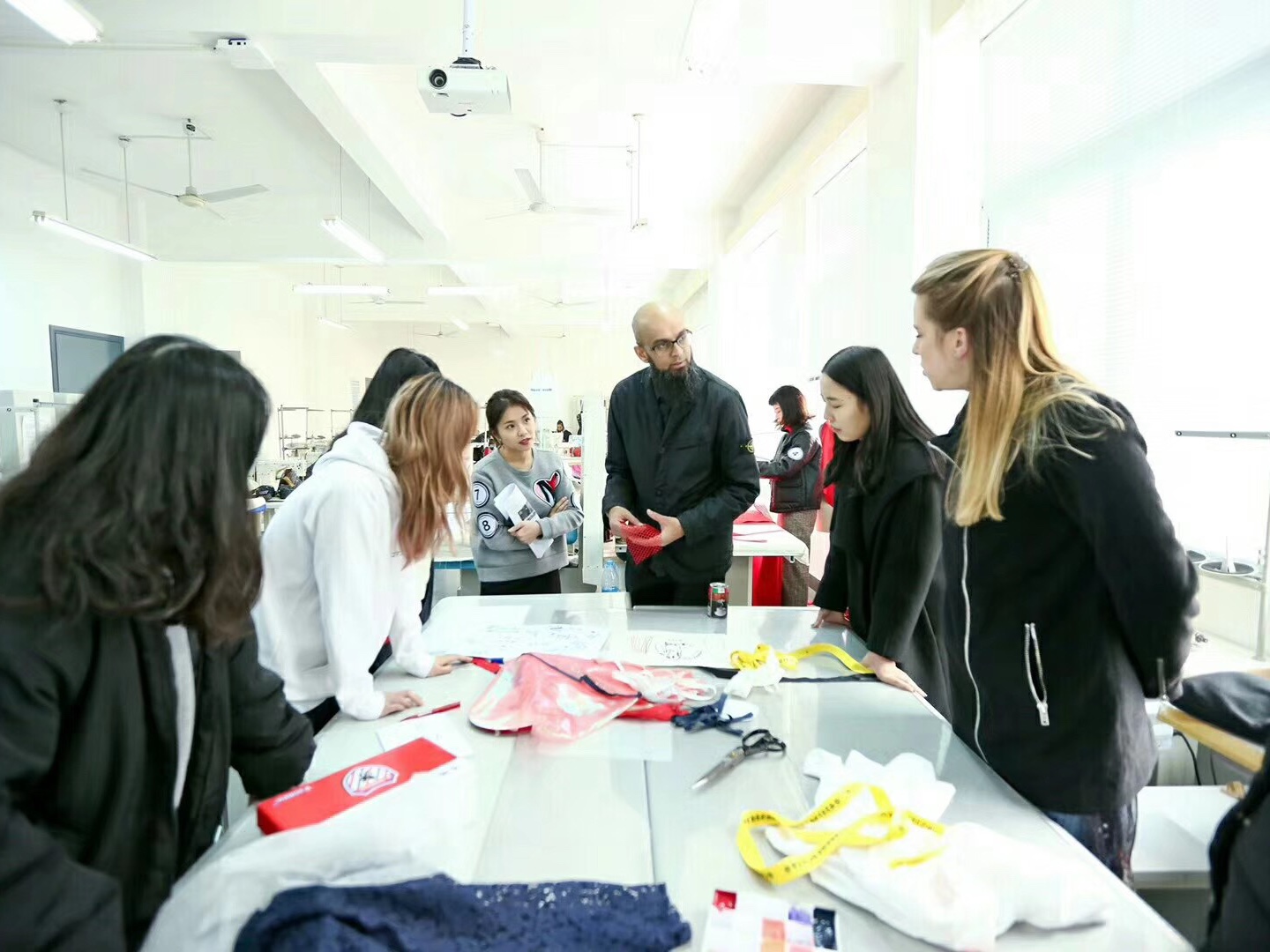
*Use material and trim references to identify questions for the sample. Confirm the final fabric, components and care requirements against the project specification rather than an editorial image.*
Which construction details need a style-by-style decision?
The same word can hide different development tasks. “Polo” may mean a button placket, a zip opening or another closure direction. “Dress” may describe a sleeveless one-piece or a style with a short sleeve, a waist seam or a different skirt relationship. “Skort” can raise separate questions about the outer shape, waistband, inner component and access to a pocket. Start from the product role, then mark the components that affect the buyer’s acceptance decision.
For each garment, use front and back references, a base size and a change list. Mark what the reference communicates and what it does not. If the desired collar shape, placket depth, armhole, waist placement, pleat amount, liner, pocket, cuff or hem must change, describe the change in writing. A reference image can make the conversation quicker; it cannot replace the pattern, measurements or sample review.
Fit and coverage should be framed as buyer decisions rather than universal promises. The brief can name the intended fit, the base size, the movements or situations the reviewer plans to observe and the areas that need a decision. A fit-model review guide gives a useful structure for recording sample identity, movement, observation and ownership. It does not prescribe a golf fit block. Keep garment-specific feedback with the exact sample version so a later change does not inherit an old approval.
When materials or construction choices are still open, record them as questions. “Review the inner component in the nominated base size” is more useful than “make it supportive.” “Compare the collar against the approved artwork and base outfit” is more useful than “make it premium.” Precise questions help a development team propose the right sample evidence without turning a subjective preference into an unsupported product claim.
How do fabric, coverage and colour decisions stay controlled?
Record what is known about each material: supplier or internal reference, composition where documented, colour standard, surface, stretch direction, finish and intended garment component. Separate confirmed data from a buyer preference. A polo body, collar, dress lining, inner short and layer may not use the same material.
Coverage is a garment-and-use question, not a promise derived from a fibre name. Agree the sample size, colour, lighting, movements and reviewer before evaluating the relevant area. If a buyer requests a wash observation, identify the sample version, agreed method and visible points to compare. The fabrics and trims review can support the sourcing conversation; it does not replace the project’s own testing or acceptance criteria.
Build a colour map by garment and component. A club colour may render differently on a polo body, placket, waistband, inner short, piping or logo thread. Keep the colour reference, artwork version, sample version and reviewer together. If a league, club or venue rule applies, the buyer should provide the applicable current requirement and identify the decision owner.
How can a brand keep sample comments, factory handoffs and approvals aligned?
A collection review needs one source for the current brief. Assign a style code and revision to every garment, then keep the reference image, material note, artwork, measurement information, colour standard, sample observation and next action together. A buyer can use a simple decision register; the important part is that a changed file does not quietly replace an approved one.
Where a programme uses more than one cooperating production facility or specialist process, name the handoff rather than assuming that every operation shares the same information. inPACE can coordinate the design discussion, material and trim questions, sampling, production communication and packing planning across cooperating factories. Its broader garment-production experience spans more than 30 years, but the project still needs a confirmed scope, named approvals and a versioned handoff for the actual styles. Coordination is a working method, not a claim that every facility, fabric or outcome is pre-approved.
For branding, keep artwork ownership, version, placement, scale and the proposed method connected to the garment revision. A crest on a polo chest may need a different size, surface or position from a mark on a dress, skort or layer. Printing, embroidery or wash effects can be discussed when the garment surface, artwork, sample and project scope make them relevant; they should not be implied as universal options. If a change affects an artwork area, hold that decision until the buyer has reviewed the relevant sample.
The sample-feedback guide is useful when several people comment on a first version. Consolidate observations before asking for a revision: what was seen, which sample it relates to, what change is requested, what evidence will answer the question and who can decide. This reduces the risk that merchandising, fit and branding comments each create a competing instruction.
When is catalogue branding enough, and when is factory custom needed?
Catalogue branding may suit a buyer who has selected a published product direction and only needs confirmed logo, label, hangtag or packing choices. The private label route is a useful starting point for that conversation. The manufacturer still needs the selected reference, artwork, colour direction, estimated size-colour quantities and approval path.
Factory custom is more appropriate when the range changes fit, construction, material, colour blocking or a functional component. The custom activewear development route helps frame a project where a dress, skort, polo or layer must be developed around an original brief. Sampling may include design, fit, material, decoration or pre-production questions depending on the agreed scope. Timing, costs, production conditions and the sample route must be confirmed against the actual project rather than treated as a promise.
The choice does not have to be made for the whole brand forever. A buyer may use a catalogue direction for a staff polo, develop a new dress block for retail, or hold an optional layer until a first fitting is reviewed. State the route per garment and per change. That is more precise than calling a programme “private label” when some styles need a new pattern or material decision.
What should a sample review cover?
Create one review sheet per garment. Identify the style, sample version, colour, material references, base size, wearer context, artwork version and the decision owner. For a polo, review collar, placket, shoulder, sleeve, body length and logo location. For a dress, review upper-body fit, waist, skirt relationship and any agreed inner component. For a skort or short, review waistband, outer and inner layers, length and any pocket direction. For a layer, review the garment over the agreed base outfit.
A decision table prevents a collection from being called approved while one of its critical inputs is unresolved.
| Review record | What to capture | Next decision |
|---|---|---|
| Fit and coverage | Sample version, size, intended wearer, observations and agreed movements | Keep, revise or compare another fit option |
| Materials and trims | Reference, colour, component location and unknowns | Confirm data or request the targeted sample evidence |
| Branding | Artwork version, placement, dimensions and surface | Approve placement or revise the artwork/sample |
| Packing and handoff | Product pairing, labels, hangtags and channel needs | Define the approved order-level record |
Keep comments observable. A note such as “waistband rolls after the agreed movement” gives a development team a specific issue to investigate; “make it better” does not. For each requested change, state which version the comment came from, whether another input changed at the same time and what the next sample should prove. Retain the buyer’s decision after the review, including a decision to postpone a style or leave a material question open.
What should be confirmed before a golf collection moves toward bulk production?
A collection can look finished while important choices are still provisional. Before a buyer treats a style as ready for the next production discussion, separate the approved sample decisions from any open commercial or technical questions. The objective is not a universal checklist; it is a clear record of what the project has actually accepted.
| Approval area | What should be linked to the decision | Typical unresolved risk if it is missing |
|---|---|---|
| Style and fit | Named sample version, base size, measurement direction and buyer comments | A later sample may be confused with the version that was reviewed. |
| Materials and components | Material reference, colour, trim, inner component and any approved substitution | A component or colour change may be mistaken for an accepted production choice. |
| Branding | Artwork revision, placement, scale, garment surface and approval owner | The wrong artwork or location can reach the next handoff. |
| Size and quantity plan | Intended size range, size-colour split and channel allocation | A range discussion may be confused with an order-level requirement. |
| Packing and order handoff | Labels, hangtags, product pairing, carton or receiving questions where applicable | Retail, resort or club receiving details may be left until too late. |
Use the order workflow and manufacturing overview as process references, then confirm the project-specific sequence with the responsible contacts. A production plan may require additional sample evidence, a revised specification or a commercial review. No table can establish a fixed price, minimum quantity, delivery date, material availability or final production acceptance.
For a related courtwear collection view, the tennis apparel manufacturer guide shows how polos, dresses, skorts and layers can be separated by product role. It is not a substitute for a golf brief: channel, wearer, style details, material decisions and approval records should remain specific to the programme being developed.
How should buyers prepare an RFQ?
Send a focused package rather than a mood board alone. Include the channel, wearer, product roles, selected references, desired changes, fit and coverage priorities, colour plan, artwork, material status, size plan, estimated quantities, packing needs and sample questions. State what is confirmed and what must be tested. This lets inPACE coordinate design discussion, fabric and construction options, sample review and the appropriate production handoff across cooperating factories without claiming that every option is already approved.
- Identify each product role: polo, dress, skort, short, layer or staff item.
- Mark the reference images and specify what should stay, change or be tested.
- Provide fit direction, base size, measurement method and coverage priorities.
- List fabrics, trims, colours and artwork as confirmed, proposed or open.
- Give logo files, placement intent and the person who can approve artwork.
- Define the sample question for each garment and who consolidates feedback.
- Separate development choices from the information needed for a production release.
- Note the channel-specific packing or product-pairing information that a club, resort or retailer needs.
A range becomes easier to source when every style has a role, every sample has a question and every change has an owner. Send the club, resort or retail channel, wearer, product roles, fit and coverage priorities, branding and sample plan through the inPACE contact page for a golf apparel development review.
Product directions
Explore relevant activewear products
Use these product pages as practical references for your brief, then confirm materials, fit, customization, and production details through sampling.
Contrast-Trim Pleated Court Dress
Use this product direction to mark dress silhouette, waist, pleated-skirt proportion and coverage questions before requesting a golf development sample.
View product directionShort-Sleeve Zip Polo & Piped Pleated Skort Set
Use this coordinated set direction to compare collar, zip, piping, polo–skort colour relationships and brand-placement decisions for a club or resort range.
View product directionCustom Activewear Development
Choose factory-custom development when the golf collection needs a new fit block, material, construction, colour placement, pocket, lining or sample evidence plan.
View product directionFAQ
Buyer questions
What should a golf apparel manufacturer receive before sampling?
A buyer should provide the channel, wearer, product roles, references, requested changes, fit direction, colour and artwork files, material status, sample questions and decision owner. Confirmed inputs should be separated from open questions.
Can a catalogue golf-style reference be used for private label branding?
It may be a starting point when the buyer wants an existing direction with confirmed branding options. Artwork, placement, labels, packing and order scope still require project confirmation.
When does a golf range need factory custom development?
Factory custom development is appropriate when fit, fabric, construction, colour placement, pocket, lining, collar, placket or another product feature must be developed for the project.
How should a golf dress be reviewed?
Review a named sample against the agreed fit, coverage and construction questions. Record the version, size, materials, relevant movements, observations and the next approval decision.
Can a product image prove fabric performance or event compliance?
No. A product image can help discuss silhouette and colour direction, but it does not prove fabric performance, hidden construction, club rules or event compliance.
What should be confirmed before bulk production?
Confirm the approved style and sample version, material and trim references, colours, artwork, labels, packing, size-colour plan, order scope and the checks that apply to the agreed project.