
بدءاً من الجلسة
كيف ينبغي أن يبدأ تطوير ملابس السباق الهجينة؟
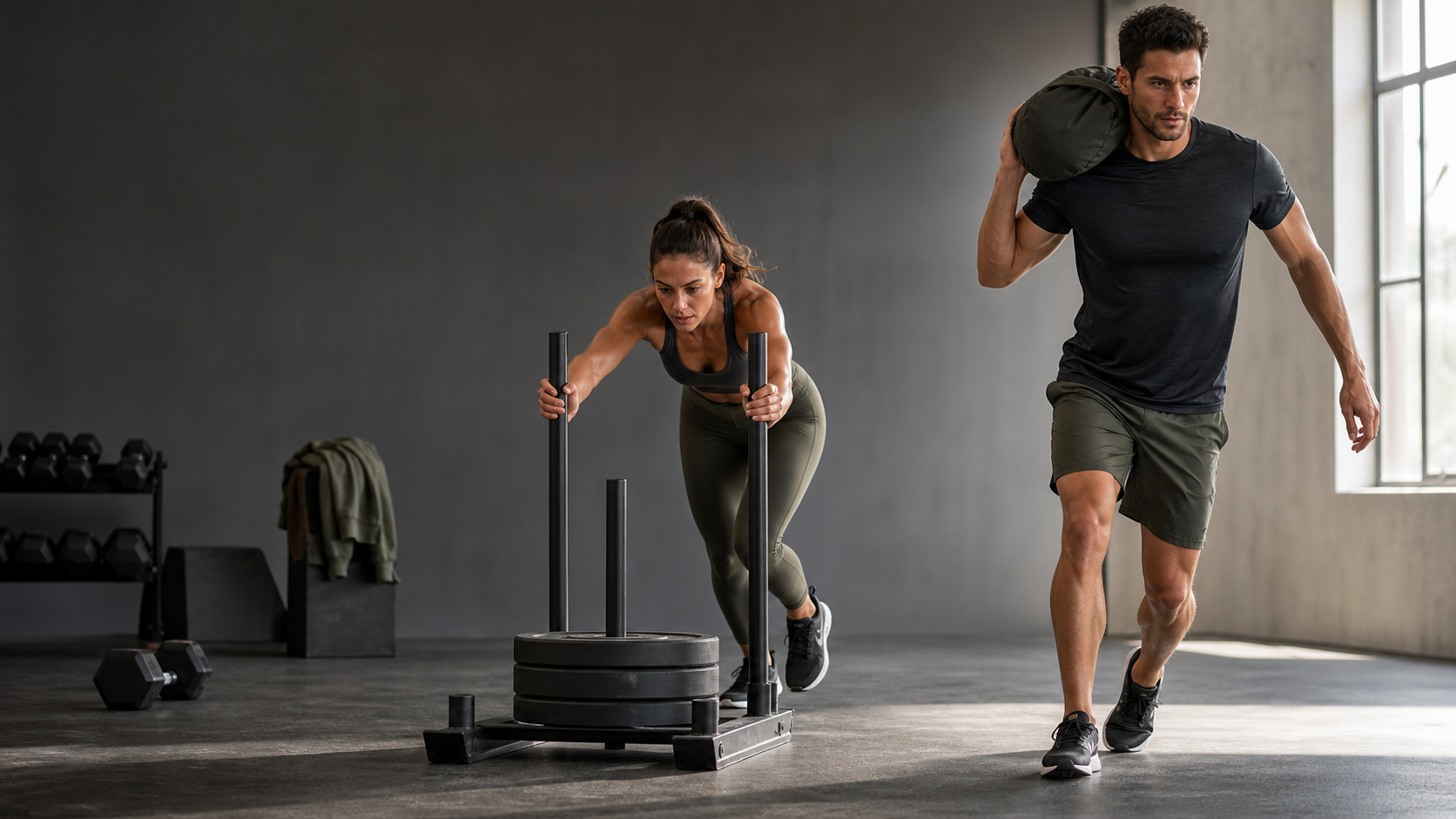
تبدأ مع ما يتوقع أن يفعل الرياضي أثناء ارتداء المنتج. يمكن أن يجمع جلسة التدريب الهجينة بين الركض، والعمل المتابع، والركض، والرئتين، والتمارين الأرضية، والسحب، والضغوط، والانتقالات السريعة. يجب أن تبقى الملابس مريحة مثل شدة، ودرجة الحرارة، وتغيير الحركة. وهذا يجعلها مختلفة عن المنتج مصممة فقط لستوديو، ومركز اللياقة البدنية عشوائيا، أو حالة واحدة ضيقة الركض الاستخدام.
من الحاضرين هيركس تدريب الملابس دليل المشتري يشرح ما ينبغي على المشترين تحديده قبل الإنتاج.هذا المقال يأخذ الخطوة التالية: تحويل هذا الاتجاه إلى نظام ملابس وخطة عينة.العلامات التجارية التي تخدم الرياضيين الذين يمارسون أيضا في الهواء الطلق أو حول العقبات ينبغي مقارنة المتطلبات المنفصلة في HYROX تدريب الملابس مقابل دليل ملابس OCRللحصول على دعم B2B أوسع ، ابدأ مع حل تطوير ملابس السباق الهجينة.
نظام الملابس
ما هي الملابس التي ينبغي على العلامة التجارية تطويرها للتدريب HYROX والسباقات الهجينة؟
قوية المجموعة الأولى عادة أصغر مما يتوقع المشتري. بدلا من إطلاق العديد من الأنماط مع الأدوار غير واضحة، وبناء نظام صغير حيث كل عنصر يحصل على مكانه. قميص تقني أو خزان يمكن أن تدير الحرارة والتقلص. قصيرة يمكن أن توازن حركة التشغيل مع الحملات والعمل اللياقة البدنية. يقدم الملصقات مسار بديل تناسب وتغطية. قميص رياضي أو قمة الدعم المخصصة يمكن أن تكمل برنامج المرأة. طبقة خارجية خفيفة يمكن أن تتعامل مع التدفئة، السفر، أو جلسة باردة فقط عندما يكون لديها حالة استخدام واضحة.
يمكن للمشترين مراجعة أنماط الأداء Activewear يجب على الكتالوج إبلاغ المناقشة، وليس استبدالها: كل نمط لا يزال بحاجة إلى الاستخدام المقصود، اتجاه الأقمشة، خطة تناسب، العلامة التجارية، وعرض المراجعة قبل أن تكون مجموعة جاهزة للإنتاج.
| دور المنتج | الهدف جمع | التفاصيل لتحديد | اختبار نموذج |
|---|---|---|---|
| قميص تقني أو خزان | قمة خفيفة، جاهزة للتحرك التي تحدد الأنسجة والاتجاه البصري للمجموعة | الشعور الجاف ، حركة الرماد ، نطاق الكتف ، راحة البحيرة ، وضع الشعار ، وتغطية | الركض، وتحمل، والضغط، والسحب، والعرق، والتحقق مما إذا كان العلوي يرتفع أو يشعر بالقيود. |
| التدريب والتدريب القصير | أسفل أساس للركض والرئتين والمركبات والدورات الرياضية القائمة | انخفاض، صعود، استقرار الشريط، بونس جيب، اختيار الشريط، وضع الشريط، وقطع | تشغيل في معدل، والرئتين، وتسلق، وتحمل عبء، ومراجعة الحركة، وسلوك جيب، وموقف الحبل الشوكي. |
| التخفيف أو الضغط أسفل | تغطية وبديل مناسب للعملاء الذين يفضلون قفل قريب ومستقر | استرداد، والغموض، والشعور بالشريط، ووضع البحيرة، والحرارة، والمرونة الشعار | التمزق، والرضاعة الطبيعية، والركض، والعمل عند الحرارة لمراجعة التغطية، والشعور بالضغط، والرؤية الراحة. |
| الرياضة الخيال أو المعدات الدعم أعلى | قطعة دعم ذات صلة لمجموعة من النساء أو مجموعة تدريبية منسقة | الدعم اتجاه، الشرائح، التجاعيد، الرقبة، حركة اليد، ووضع العلامة | انتقل من خلال التدريب على الجري والجسم العلوي للتحقق من الدعم والنقاط المضغوطة والغطاء. |
| التدفئة أو الطبقة الخارجية الخفيفة | منتج اختياري لتغيير درجة الحرارة أو السفر أو دور ما قبل الجلسة | قابلية التعبئة والتهوية والبناء الصلب أو الزيبير أو الحلاقة وكيفية طبقته | ضع، إزالة، حمل، وتدريب حول الطبقة لتأكيد ما إذا كان لديه دور واضح في نطاق. |
موقع المنتج
كيف يختلف ملابس السباق الهجينة عن برنامج ملابس اللياقة البدنية الأساسية؟
يمكن أن توفر ملابس اللياقة البدنية الأساسية أساسًا للتنمية الحساسة ، خاصة عندما يكون العلامة التجارية قد أثبتت بالفعل أعلى أو أطباق أو مكونات العلامة التجارية الخاصة. يطلب ملابس السباق الهجينة من المشتري أن يكون أكثر وضوحًا حول الجلسة التي يحصل فيها المنتج على مكانه. يمكن أن يظهر الاستقرار ، وتكرار الحركة عالية الناتج ، والتعرق ، والاتصال الأرضي ، والانتقالات التفاصيل التي لا تفعلها قليلة الكثافة أو قصيرة الحركة الواحدة.
و هو صفحة تصنيع اللياقة البدنية مفيد لمقارنة الفئات التدريبية الأساسية وخيارات التخصيص.للنطاق السباق الهجينة، إضافة السياق التجاري أيضا: المستهدف العملاء، قناة البيع، اتجاه الأسعار، الأساسية مقابل الموسمية SKU الأدوار، مسارات الألوان، وما هي التفاصيل الأساسية لتكرار.وهذا يسمح للعلامة التجارية للحفاظ على الهوية متسقة اللياقة البدنية للقيادة في حين توجيه اهتمام التطوير الإضافي إلى الأنماط الأكثر عرضة لمتطلبات التدريب الجري والعملية.
المواد والبناء
كيف ينبغي على المشتري أن يحدد الأقمشة والملابس والبناء؟
اسم الألياف من تلقاء نفسها لا يجعل مواصفات المنتج مفيدة.شرح السلوك الذي يحتاج الملابس لتوفير: جاف، خفيفة الجري أعلى؛ قصيرة التي تبقى في مكانها من خلال الرئتين وتحمل؛ ملطخ مع استعادة مستقرة وتغطية مناسبة؛ قطعة دعم التي تبقى مريحة من خلال تكرار حركة أعلى الجسم؛ أو طبقة يمكن إزالتها وتغليفها دون أن تصبح إزعاج.
البناء يتبع نفس المنطق. يمكن أن يظهر الركض حركة الرماد والرصاص جيب. الشرائح، والرئتين، والمحملات تجعل الارتفاع، واستقرار الشريط، ووضع البحيرة أكثر وضوحا. يمكن أن يظهر عمل الطابق لوحة الرماد، والطلاء الصلب، أو تفاصيل البناء التي لم تكن ملحوظة عند الوقوف. تصنيع وتجارة نظرة عامة هو نقطة انطلاق مفيدة، ولكن يجب أن تسجل قصة العينة المحددة للمنتج الدور الدقيق للملابس ومخاطر الحركة قبل الموافقة على الطريق.

وينبغي مراجعة خيارات المواد والبناء ضد الحركة التدريبية المقصودة، والتي لا يتم اختيارها كدعوة أداء عامة.
خريطة التنمية
ما الذي ينبغي اتخاذ القرار قبل الموافقة على عينة التدريب الهجينة؟
يتحرك قصة المنتج المفيدة من الطلب الرياضي إلى مرجعية إنتاج قابلة للتكرار.لا يتطلب كل التفاصيل أن يتم تحديدها في اليوم الأول، ولكن ينبغي أن يميز ما قررت العلامة التجارية من ما تحتاجه مراجعة.هذا التمييز يساعد المصنع على إعطاء ردود فعل عملية ويجعل عينة الدائرة أكثر تركيزا.
تعريف الأدوار الملابس
اختر مجموعة صغيرة من القطع التي تحل الجلسة التدريبية المقصودة بدلاً من طلب كل SKU للقيام بكل وظيفة.
وصف السلوك المادي
تحديد الشعور الجاف، وتمديد، واستعادة، ودعم، وتغطية، وتخفيف، والتهوية التوقعات قبل اختيار اسم الأنسجة.
قفل اتجاه مناسب
منفصل طول الجسم، وارتفاع، وارتفاع، ودعم، والضغط، والرصاص، والرؤية من التفضيلات الجمالية.
إعداد قصة قصيرة متكررة
إحضار الشعار والعلامات والتغليف ومجموعة الحجم والطريق الألوان والكمية المستهدفة والسوق والخطوات الموافقة إلى نفس مناقشة المنتج.
اختبار العينات
كيف يجب على العلامة التجارية اختبار ملابس السباق الهجينة قبل الإنتاج الجماعي؟
يجب اختبار عينة في الطريقة التي سيستخدمها العميل ، وليس فقط فحصها على الحفرة. تشغيل في القصير. تحمل الحمل. سكوت والغدة الدرقية. تحريك من الوقوف إلى الأرض والعودة مرة أخرى. العمل أثناء الحرارة أو التعرق حيث هو ذي الصلة. البحث عن الحد من الحركة ، الهجرة من الحبل الشوكي ، حفرة جيب ، حفرة السمك ، اللامبالاة ، الشعور الجاف ، صلابة الشعار ، وكيف يتصرف المنتج عندما لم يعد طازجًا من غرفة التكيف. ملاحظة واضحة أكثر فائدة من تعليق واسع مثل "جعلها أكثر تقنية".
وضع الرياضي، ودور المنتج، والجلسة العينة هو المقصود لدعم قبل بدء الاختبار.تناسب منفصلة، والحركة، والتعليقات الراحة من التعليقات البصرية، والشعار، والعلامة، والتغليف.استخدم الصور والملاحظات القصيرة لإظهار المسألة الدقيقة التي تحتاج إلى مراجعة.تحقق من الملابس بعد ارتداء وتنظيفها المناسب لفهم كيفية تناسبها وعرضها.تأكيد ما هي التعليقات الأساسية للنموذج التالي وما هي الخيارات التجارية التي لا تزال مفتوحة.الموافقة على التوافق، والعلامة التجارية، والعلامات، والتغليف، ومجموعة الحجم، والمرجع الإنتاج قبل التخطيط الجماعي.
العلامة التجارية والتفاصيل الإنتاجية
كيف ينبغي أن تدخل الشعار والعلامات والتغليف والتخطيط التجاري في العملية؟
ينبغي تطوير أداء المنتج وعرض العلامة التجارية معا. يمكن أن يؤثر الرسم البياني أو الشعار على التمدد والشعور باليد. يمكن أن يؤثر العلامة التجارية على الراحة. يمكن أن يغير الطريق الملون توافر المواد أو الطريقة التي يقرأ بها العلامة التجارية. يمكن أن تشكل احتياجات التعبئة والتغليف التمدد النهائي من المصنع إلى المخزون أو القناة التجزئة. يجب على المشتري تحديد ملفات الشعار، اتجاه العلامة التجارية، العلامة التجارية، كيس البولي، ملصق الحجم، علامة الكرتون، متطلبات التمدد، سوق الهدف، ومسؤوليات الموافقة في نفس القصير مثل تفاصيل الملابس.
واستخدامها مسار المنتج المخصص Activewear إعداد نقاش المنتج الأولي والعلامة الخاصة. توافر الأقمشة، والطرق الملونة، والشعار ومتطلبات التعبئة والتغليف، والبناء، ونطاق الحجم، والكمية، والهدف كلها تؤثر على ما يمكن مناقشتها أو تأكيدها في وقت مبكر. جعل هذه الافتراضات مرئية في وقت مبكر يساعد على مقارنة مناقشات الموردين بشكل عادل ويقلل من مراجعات العينات الضرورية. ما العلامات التجارية اللياقة البدنية ينبغي أن تأخذ في الاعتبار عند تطوير ملابس التدريب HYROX.
علامة تجارية واضحة
HYROX هي علامة تجارية مسجلة لمالكها المقابل.يتم الإشارة إليها في هذه المقالة فقط لوصف السياق الهجري الشعبي والتدريب على السباقات. inPACE غير مرتبطة أو مدعومة من قبل HYROX.
الخطوة التالية
تحويل مفهوم المنتج إلى قصير يمكن للمصنع مراجعة
مجموعة السباقات الهجينة الأقوى محددة بما فيه الكفاية لتصنيعها.اختر الأنماط الأساسية، وصف الرياضي والجلسة، ملاحظة الأقمشة والسلوك المناسب الذي يهم، وجعل العلامة التجارية والتغليف المتطلبات مرئية.من هناك، يمكن لشركة B2B تصنيع مسار العينات المناسب وتوضيح الخيارات التي يجب تأكيدها قبل بدء التخطيط الإنتاج.
تحدث عن ملابس السباق الهجينة الخاصة بك
إطار شراء طويل الشكل
كيف يمكن للمشتري تحويل هذا البحث إلى قرار جاهز للإنتاج؟
المهمة المركزية في تطوير الملابس للتدريب HYROX والسباقات الهجينة يقرر كيفية إنشاء نظام ملابس يتحرك بين محطات التشغيل والوظيفة مع البقاء واضحة بما فيه الكفاية لإعطاء العينات والاختبارات والإنتاج والعلامة التجارية والملءلا يمكن اتخاذ هذا القرار من سعر العنوان، صورة المنتج، أو بيان عام حول التخصيص. يحتاج إلى سجل يربط الهدف التجاري مع الملابس، والمواد، والملابس، والبناء، والعلامة التجارية، والكمية، والتحقق من الجودة، والتعبئة والتغليف، والهدف. عندما تكون هذه العناصر مرئية معا، يمكن للمشتري أن يطرح أسئلة أكثر دقة ويمكن للمصنع أن يشرح الطريق دون أن يفترض أن التفاصيل المفتوحة قد تم تأكيدها بالفعل.
الهدف من الإطار أدناه هو عدم تحويل مؤسس العلامة التجارية أو المشتري إلى فني ملابس. هو جعل المسؤولية والأدلة واضحة. يحدد المشتري الحاجة للعميل والشركة، ويشارك ما هو معروف، ويحدد القرارات التي تهم. تحويل قصة الأداء إلى أسئلة عينة مخصصة للملابس وتوضيح كيفية اتخاذ القرارات المعتمدة للوصول إلى التصنيع و QCثم تسجل كلا الطرفين ما تم مراجعته ، وما الذي يبقى مشروطًا ، وما الذي يجب الموافقة عليه جسديًا ، وما هي المعلومات التي ستقود الإنتاج أو أمر تكرار لاحقًا.
1
خريطة تشغيل ومحطة متطلبات
القتال، الحرارة، التعرق، الحملات المحمولة، العمل التتبع، الرئتين، التزلج، العمل التزلج، الانتقالات، التدفئة، وإعادة التأهيل خلق رصيد مترابط ولكن متنوع.
في هذا القرار، يجب على المشتري الإشارة إلى النتيجة المقصودة، وتقديم أقرب الأدلة المتاحة، وتحديد ما هو مرن. يمكن للمورد بعد ذلك شرح آثار المنتج أو العملية والعلامة أي الاعتماد على توافر الأقمشة، والألوان، والبناء، وطريقة الشعار، والمكونات، والكمية، أو التعبئة والتغليف.
تسجيل النتيجة داخل ملف تطوير السلسلة الهجينة يربط الاستخدام الرياضي، دور المنتج، الأقمشة، تناسب، البناء، العلامة التجارية، بروتوكول الاختبار، التعليقات العينة، و الموافقة على الإنتاجإدراج التاريخ أو الملف أو العينة ذات الصلة، والشخص المسؤول عن الإجراء التالي، وحالة القرار.إذا كان التغيير في وقت لاحق يؤثر على الخصائص، والمواد، والعملية، والعلامة التجارية، والتصنيف، أو إعداد التسليم، والعودة إلى هذا السجل وتحديد أي الموافقة ذات الصلة تحتاج إلى التحقق مرة أخرى.
2
استخدام نظام ملابس بدلاً من المنتجات المعزولة
يجب أن يكون القمم والسترات القصيرة والسترات والسترات الرياضية والأجزاء المضغوطة والأطباق تعريف الأدوار والعمل معاً طوال جلسة الرياضي.
في هذا القرار، يجب على المشتري الإشارة إلى النتيجة المقصودة، وتقديم أقرب الأدلة المتاحة، وتحديد ما هو مرن. يمكن للمورد بعد ذلك شرح آثار المنتج أو العملية والعلامة أي الاعتماد على توافر الأقمشة، والألوان، والبناء، وطريقة الشعار، والمكونات، والكمية، أو التعبئة والتغليف.
تسجيل النتيجة داخل ملف تطوير السلسلة الهجينة يربط الاستخدام الرياضي، دور المنتج، الأقمشة، تناسب، البناء، العلامة التجارية، بروتوكول الاختبار، التعليقات العينة، و الموافقة على الإنتاجإدراج التاريخ أو الملف أو العينة ذات الصلة، والشخص المسؤول عن الإجراء التالي، وحالة القرار.إذا كان التغيير في وقت لاحق يؤثر على الخصائص، والمواد، والعملية، والعلامة التجارية، والتصنيف، أو إعداد التسليم، والعودة إلى هذا السجل وتحديد أي الموافقة ذات الصلة تحتاج إلى التحقق مرة أخرى.
3
اختيار الأقمشة حسب دور الملابس
الشعور الجاف ، الوزن ، التمدد ، الاسترداد ، الدعم ، اللامبالاة ، الشعور اليدوي ، السطح ، والألوان تحتاج إلى أولوية مختلفة بين الأقواس ، الأقواس ، الأقواس ، الطبقات.
في هذا القرار، يجب على المشتري الإشارة إلى النتيجة المقصودة، وتقديم أقرب الأدلة المتاحة، وتحديد ما هو مرن. يمكن للمورد بعد ذلك شرح آثار المنتج أو العملية والعلامة أي الاعتماد على توافر الأقمشة، والألوان، والبناء، وطريقة الشعار، والمكونات، والكمية، أو التعبئة والتغليف.
تسجيل النتيجة داخل ملف تطوير السلسلة الهجينة يربط الاستخدام الرياضي، دور المنتج، الأقمشة، تناسب، البناء، العلامة التجارية، بروتوكول الاختبار، التعليقات العينة، و الموافقة على الإنتاجإدراج التاريخ أو الملف أو العينة ذات الصلة، والشخص المسؤول عن الإجراء التالي، وحالة القرار.إذا كان التغيير في وقت لاحق يؤثر على الخصائص، والمواد، والعملية، والعلامة التجارية، والتصنيف، أو إعداد التسليم، والعودة إلى هذا السجل وتحديد أي الموافقة ذات الصلة تحتاج إلى التحقق مرة أخرى.
4
تداول العملات الأجنبية من خلال التكرار
وينبغي مراعاة الرافعة المالية، والارتفاع، والخميرة، والرقبة، والرصاص، والذراع، والحقائب، والحركة العامة من خلال النماذج الجارية والوظيفية، وليس فقط الوقوف المناسب.
في هذا القرار، يجب على المشتري الإشارة إلى النتيجة المقصودة، وتقديم أقرب الأدلة المتاحة، وتحديد ما هو مرن. يمكن للمورد بعد ذلك شرح آثار المنتج أو العملية والعلامة أي الاعتماد على توافر الأقمشة، والألوان، والبناء، وطريقة الشعار، والمكونات، والكمية، أو التعبئة والتغليف.
تسجيل النتيجة داخل ملف تطوير السلسلة الهجينة يربط الاستخدام الرياضي، دور المنتج، الأقمشة، تناسب، البناء، العلامة التجارية، بروتوكول الاختبار، التعليقات العينة، و الموافقة على الإنتاجإدراج التاريخ أو الملف أو العينة ذات الصلة، والشخص المسؤول عن الإجراء التالي، وحالة القرار.إذا كان التغيير في وقت لاحق يؤثر على الخصائص، والمواد، والعملية، والعلامة التجارية، والتصنيف، أو إعداد التسليم، والعودة إلى هذا السجل وتحديد أي الموافقة ذات الصلة تحتاج إلى التحقق مرة أخرى.
5
المهندس البناء حول الاتصال
يجب مراجعة وضع البراعم، المرنة، الارتباط، الارتباط، جيب، لوحة، تعزيز، ومواقع الشعار حيث يتفاعل المعدات، الجلد، والحركة.
في هذا القرار، يجب على المشتري الإشارة إلى النتيجة المقصودة، وتقديم أقرب الأدلة المتاحة، وتحديد ما هو مرن. يمكن للمورد بعد ذلك شرح آثار المنتج أو العملية والعلامة أي الاعتماد على توافر الأقمشة، والألوان، والبناء، وطريقة الشعار، والمكونات، والكمية، أو التعبئة والتغليف.
تسجيل النتيجة داخل ملف تطوير السلسلة الهجينة يربط الاستخدام الرياضي، دور المنتج، الأقمشة، تناسب، البناء، العلامة التجارية، بروتوكول الاختبار، التعليقات العينة، و الموافقة على الإنتاجإدراج التاريخ أو الملف أو العينة ذات الصلة، والشخص المسؤول عن الإجراء التالي، وحالة القرار.إذا كان التغيير في وقت لاحق يؤثر على الخصائص، والمواد، والعملية، والعلامة التجارية، والتصنيف، أو إعداد التسليم، والعودة إلى هذا السجل وتحديد أي الموافقة ذات الصلة تحتاج إلى التحقق مرة أخرى.
6
إنشاء بروتوكول عينة مفيد
حدد تسلسل النشاط، مدة، حجم الملابس، البيئة، مرحلة الغسيل، الملاحظات، وأصحاب القرار بحيث يمكن ردود الفعل توجيه مراجعات محددة.
في هذا القرار، يجب على المشتري الإشارة إلى النتيجة المقصودة، وتقديم أقرب الأدلة المتاحة، وتحديد ما هو مرن. يمكن للمورد بعد ذلك شرح آثار المنتج أو العملية والعلامة أي الاعتماد على توافر الأقمشة، والألوان، والبناء، وطريقة الشعار، والمكونات، والكمية، أو التعبئة والتغليف.
تسجيل النتيجة داخل ملف تطوير السلسلة الهجينة يربط الاستخدام الرياضي، دور المنتج، الأقمشة، تناسب، البناء، العلامة التجارية، بروتوكول الاختبار، التعليقات العينة، و الموافقة على الإنتاجإدراج التاريخ أو الملف أو العينة ذات الصلة، والشخص المسؤول عن الإجراء التالي، وحالة القرار.إذا كان التغيير في وقت لاحق يؤثر على الخصائص، والمواد، والعملية، والعلامة التجارية، والتصنيف، أو إعداد التسليم، والعودة إلى هذا السجل وتحديد أي الموافقة ذات الصلة تحتاج إلى التحقق مرة أخرى.
7
خطة الإنتاج وإثبات الانتهاء
الموافقة على المواصفات، والعمل الفني، والمكونات، والعلامات، والتغليف، ونقاط QC، وتاريخ النسخة يدعم برنامج متكرر العلامة التجارية بعد الإطلاق.
في هذا القرار، يجب على المشتري الإشارة إلى النتيجة المقصودة، وتقديم أقرب الأدلة المتاحة، وتحديد ما هو مرن. يمكن للمورد بعد ذلك شرح آثار المنتج أو العملية والعلامة أي الاعتماد على توافر الأقمشة، والألوان، والبناء، وطريقة الشعار، والمكونات، والكمية، أو التعبئة والتغليف.
تسجيل النتيجة داخل ملف تطوير السلسلة الهجينة يربط الاستخدام الرياضي، دور المنتج، الأقمشة، تناسب، البناء، العلامة التجارية، بروتوكول الاختبار، التعليقات العينة، و الموافقة على الإنتاجإدراج التاريخ أو الملف أو العينة ذات الصلة، والشخص المسؤول عن الإجراء التالي، وحالة القرار.إذا كان التغيير في وقت لاحق يؤثر على الخصائص، والمواد، والعملية، والعلامة التجارية، والتصنيف، أو إعداد التسليم، والعودة إلى هذا السجل وتحديد أي الموافقة ذات الصلة تحتاج إلى التحقق مرة أخرى.
سيناريوهات المشترين
كيف يتغير القرار في مواقف المصدر المشتركة؟
المشاريع الحقيقية نادرا ما تأتي مع كل تفاصيل كاملة.السؤال المفيد ليس ما إذا كان القصير مثالي؛ فهل المعلومات المفقودة مرئية وما إذا كان الخطوة التالية سوف تنتج الأدلة.هذه السيناريوهات تظهر كيف يمكن للمشتري الحفاظ على تطوير الملابس للتدريب HYROX والسباقات الهجينة لا يمكن تحويل الافتراضات المبكرة إلى الوعود.
المشتري لديه اتجاه ولكن ملفات تقنية غير كاملة
ابدأ مع دور المنتج، والعميل المستهدف، والاستخدام المقصود، والمواد المرجعية، والقرارات التي تم اتخاذها بالفعل. علامة المفقودة القياسات، والمنسوجات، والعمل الفني، أو تفاصيل التعبئة والتغليف مثل الأسئلة المفتوحة. يجب أن تظهر استجابة المورد ما يمكن مراجعته على الفور، ما الذي يحتاج إلى عينة، وما هي المعلومات المطلوبة قبل أن يصبح المسار أكثر تحديدا.
تطبيق السيناريو على كيفية إنشاء نظام ملابس يتحرك بين محطات التشغيل والوظيفة مع البقاء واضحة بما فيه الكفاية لإعطاء العينات والاختبارات والإنتاج والعلامة التجارية والملءملاحظة ما يمكن اعتماده كتوجيه، ما يتطلب مراجعة المصنع، وما يجب أن تصبح جزءا من ملف تطوير السلسلة الهجينة يربط الاستخدام الرياضي، دور المنتج، الأقمشة، تناسب، البناء، العلامة التجارية، بروتوكول الاختبار، التعليقات العينة، و الموافقة على الإنتاج قبل أن يقارن المشتري الموردين أو يوافق على المرحلة التالية.
إشارة الكتالوج قريبة ولكنها ليست دقيقة
قائمة الميزات التي تعمل بالفعل وتفريق عرض العلامة التجارية من تغييرات الملابس. يمكن أن يبقى الشعار أو العلامة التجارية أو العلامة التجارية أو الحقيبة داخل مسار مدرجة في الكتالوج، في حين أن ميزة جديدة تناسب المواد أو النمط أو البناء أو الأداء قد تتطلب تطويرًا مخصصًا.
تطبيق السيناريو على كيفية إنشاء نظام ملابس يتحرك بين محطات التشغيل والوظيفة مع البقاء واضحة بما فيه الكفاية لإعطاء العينات والاختبارات والإنتاج والعلامة التجارية والملءملاحظة ما يمكن اعتماده كتوجيه، ما يتطلب مراجعة المصنع، وما يجب أن تصبح جزءا من ملف تطوير السلسلة الهجينة يربط الاستخدام الرياضي، دور المنتج، الأقمشة، تناسب، البناء، العلامة التجارية، بروتوكول الاختبار، التعليقات العينة، و الموافقة على الإنتاج قبل أن يقارن المشتري الموردين أو يوافق على المرحلة التالية.
يحتوي الطلب على عدة ألوان وأحجام ومكونات العلامة التجارية
إنشاء سجل مجموعة واحدة حسب النمط والألوان والحجم، ثم ربط كل شعار، والعلامة، والرمز الشريط، والحقائب، والبطاقة التعليمات إلى SKU الصحيح. اسأل ما هي الخيارات التي تؤثر على تخطيط المواد، وطرق التطبيق، وتعديلات التعبئة والتغليف، أو افتراضات الإقتباس.
تطبيق السيناريو على كيفية إنشاء نظام ملابس يتحرك بين محطات التشغيل والوظيفة مع البقاء واضحة بما فيه الكفاية لإعطاء العينات والاختبارات والإنتاج والعلامة التجارية والملءملاحظة ما يمكن اعتماده كتوجيه، ما يتطلب مراجعة المصنع، وما يجب أن تصبح جزءا من ملف تطوير السلسلة الهجينة يربط الاستخدام الرياضي، دور المنتج، الأقمشة، تناسب، البناء، العلامة التجارية، بروتوكول الاختبار، التعليقات العينة، و الموافقة على الإنتاج قبل أن يقارن المشتري الموردين أو يوافق على المرحلة التالية.
ومن المتوقع أن يكرر البرنامج
قرر ما هي السجلات المعتمدة التي سيتم الاحتفاظ بها بعد الشحن وما هي التغييرات التي ينبغي أن تؤدي إلى عينة جديدة.مواصفات المنتج والمواد والألوان المرجعية، والأعمال الفنية، ووضع، والعلامات، والتغليف، وملاحظات QC، وتفاصيل الطلب المسبقة تجعل التكرار في وقت لاحق أكثر السيطرة.لا ينبغي أن يعتمد التكرار على الذاكرة أو شريط الرسالة القديم.
تطبيق السيناريو على كيفية إنشاء نظام ملابس يتحرك بين محطات التشغيل والوظيفة مع البقاء واضحة بما فيه الكفاية لإعطاء العينات والاختبارات والإنتاج والعلامة التجارية والملءملاحظة ما يمكن اعتماده كتوجيه، ما يتطلب مراجعة المصنع، وما يجب أن تصبح جزءا من ملف تطوير السلسلة الهجينة يربط الاستخدام الرياضي، دور المنتج، الأقمشة، تناسب، البناء، العلامة التجارية، بروتوكول الاختبار، التعليقات العينة، و الموافقة على الإنتاج قبل أن يقارن المشتري الموردين أو يوافق على المرحلة التالية.
اتجاهات المنتج ذات الصلة
ما هي المنتجات التي يمكن أن تجعل القصة القصيرة القادمة أكثر تحديدا؟
استخدم هذه الصفحات المنتجة لتحديد شكل أو اتجاه التجميع، ثم تحديد ما ينبغي أن تبقى، وتغيير، أو مراجعة. صور المنتج هي مرجعية مفيدة، ولكن الأقمشة، تناسب، البناء، اللون، العلامة التجارية، الكمية، والتغليف لا تزال تتطلب تأكيد مشروع محدد.
مجموعة الأداء Activewear
مقارنة مجموعات التدريب الموجودة، والمدافع الرياضية، والأداء الرموز قبل تحديد المعايير الأقمشة، والعلامة التجارية، والطلب.
مجموعة Zip-Neck Sculpt
استخدم مجموعة قريبة لتطوير الإطار، و zipper، واللوحة، والألوان، و fit، والشعار الأسئلة لتطوير التدريب الهجري.
برنامج دعم الضوء
مراجعة اتجاه الدعم، واستعادة، مقياس الشعار، وضع العلامة، حزم الألوان، وعرض العلامة الخاصة.
سجلات القرار
ما هي الأدلة التي ينبغي أن يطلبها المشتري ويحتفظ بها؟
يتحول الجدول إلى أسئلة رئيسية للمقال إلى تنسيق مراجعة عمل، وهو أوسع عمداً من مقارنة أسعار وحدة لأن برنامج ملابس رياضية كامل يتضمن المنتجات والمواد والعينات والعلامات التجارية والتغليف والتسليم.
| منطقة القرار | دليل المشتري | مراجعة المصنع | تسجيل قبل الموافقة |
|---|---|---|---|
| خريطة تشغيل ومحطة متطلبات | الإشارة، والمتطلب، والنتيجة المقصودة، وأي قيود غير قابلة للتفاوض. | إمكانية الوصول، والاعتماد، والافتراضات، والحاجة إلى عينات، والتأثير على القرارات المرتبطة. | مرجعية معتمدة، ورقة مفتوحة، ومالك، وتاريخ، والنقطة التالية. |
| استخدام نظام ملابس بدلاً من المنتجات المعزولة | الإشارة، والمتطلب، والنتيجة المقصودة، وأي قيود غير قابلة للتفاوض. | إمكانية الوصول، والاعتماد، والافتراضات، والحاجة إلى عينات، والتأثير على القرارات المرتبطة. | مرجعية معتمدة، ورقة مفتوحة، ومالك، وتاريخ، والنقطة التالية. |
| اختيار الأقمشة حسب دور الملابس | الإشارة، والمتطلب، والنتيجة المقصودة، وأي قيود غير قابلة للتفاوض. | إمكانية الوصول، والاعتماد، والافتراضات، والحاجة إلى عينات، والتأثير على القرارات المرتبطة. | مرجعية معتمدة، ورقة مفتوحة، ومالك، وتاريخ، والنقطة التالية. |
| تداول العملات الأجنبية من خلال التكرار | الإشارة، والمتطلب، والنتيجة المقصودة، وأي قيود غير قابلة للتفاوض. | إمكانية الوصول، والاعتماد، والافتراضات، والحاجة إلى عينات، والتأثير على القرارات المرتبطة. | مرجعية معتمدة، ورقة مفتوحة، ومالك، وتاريخ، والنقطة التالية. |
| المهندس البناء حول الاتصال | الإشارة، والمتطلب، والنتيجة المقصودة، وأي قيود غير قابلة للتفاوض. | إمكانية الوصول، والاعتماد، والافتراضات، والحاجة إلى عينات، والتأثير على القرارات المرتبطة. | مرجعية معتمدة، ورقة مفتوحة، ومالك، وتاريخ، والنقطة التالية. |
| إنشاء بروتوكول عينة مفيد | الإشارة، والمتطلب، والنتيجة المقصودة، وأي قيود غير قابلة للتفاوض. | إمكانية الوصول، والاعتماد، والافتراضات، والحاجة إلى عينات، والتأثير على القرارات المرتبطة. | مرجعية معتمدة، ورقة مفتوحة، ومالك، وتاريخ، والنقطة التالية. |
| خطة الإنتاج وإثبات الانتهاء | الإشارة، والمتطلب، والنتيجة المقصودة، وأي قيود غير قابلة للتفاوض. | إمكانية الوصول، والاعتماد، والافتراضات، والحاجة إلى عينات، والتأثير على القرارات المرتبطة. | مرجعية معتمدة، ورقة مفتوحة، ومالك، وتاريخ، والنقطة التالية. |
قائمة الشراء
ما الذي يجب أن يكون جاهزا قبل محادثة المصنع القادمة؟
كتابة قرار المشتري في جملة واحدة: كيفية إنشاء نظام ملابس تتحرك بين المحطات الجارية والوظيفية في حين تبقى واضحة بما فيه الكفاية لإعطاء العينات والاختبارات والإنتاج والعلامة التجارية وإعادة التدوير.اسم المنتج، والنشاط المقصود، والعميل، وقناة البيع، والغرض من إطلاق.ارفع الإشارات وتوضيح ما ينبغي الاحتفاظ به، وتغييره، واختباره، أو تجاهله.وصف السلوك المادي، وتناسب، والبناء، والألوان، وأولوية العلامة التجارية حيث هو معروف.أسلوب القائمة، والطرق الملونة، ومساحة الحجم، والكمية المتوقعة، والهدف، والطريق الاستقبال.تحديد الشعار، والعلامات، والعلامات، والرمز الشريط، والأكياس، والملصقات، والبطاقات التفاصيل في نطاق.تحديد ما يجب أن يثبته العينة الأولى أو الفحص البدني قبل الموافقة التالية.اطلب من المورد أن يفرق الحقائق المؤكدة والتوصيات والافتراضات والأسئلة غير المطروحة.الحفاظ على ملف تطوير السلسلة الهجينة يربط الاستخدام الرياضي، ودور المنتج، والأنسجة، والملابس، والبناء، والعلامة التجارية، والبروتوكول الاختبار، وملاحظات العينات، والموافقة على الإنتاج.الحفاظ على المنتج النهائي، والمكون، QC، التعبئة والتغليف، وتغيير السجلات لتكرار التخطيط الطلب.
يمكن للمشتري أن يبدأ حتى عندما تبقى بعض الصناديق مفتوحة. وضع علامة عليها بوضوح وطلب ما هي الأدلة التي من شأنها إغلاقها. هذا النهج هو أكثر فائدة من إخفاء عدم اليقين أو الانتظار لمستوى مستحيل من الكمال. كما أنه يجعل التفكير المورد أسهل في تقييم: يجب أن يحدد الاستجابة القرارات المرتبطة وشرح لماذا عينة، موافقة المكونات، مراجعة قصيرة، أو سجل التعبئة والتغليف مطلوب.
مواصلة رحلة المشتري
الحفاظ على الخطوة التالية مرتبطة بقرار المنتج
مواصلة مع تحديد ملابس التدريب HYROX للعلامات التجارية إذا كان المشروع جاهزًا لمراجعة المصنع ، فأرسل نوع المنتج ، والمرجع ، والمواد ، والأولوية المناسبة ، ومساحة العلامة التجارية ، والكمية المتوقعة ، واحتياجات التعبئة والتغليف ، وسوق الوجهة. inPACE Sports يمكن بعد ذلك مناقشة ما إذا كان الخطوة التالية هي اختيار المنتج ، ومراجعة العلامة التجارية الخاصة ، والتطوير المخصص ، وعينات ، أو قصة اقتباس أكثر اكتمالًا.
مراجعة تدفق عمل الطلبإرسال منتج قصير
الحالة التي يتم تأكيدها، مرنة، وما زالت مفتوحة للمبادئ التوجيهية المصنع.
اسأل كيف تتحرك القرارات في عينات، والإنتاج، وQC، والتغليف.
الحفاظ على الموافقة والحصول على السجلات اللازمة للشحن والطلبات.
أسئلة المشتري
FAQ لشراء ملابس السباق الهجينة
استخدم هذه الإجابات المباشرة لاتخاذ قرار تطوير المنتج أكثر وضوحا قبل طلب العينات أو مناقشة التصنيع.
ما هي ملابس السباق الهجينة؟
ملابس السباق الهجينة هي ملابس الأداء مصممة لمزيج من الحركات الجريمة واللياقة البدنية الوظيفية، مثل الحملات، الضغط، السحب، الرئتين، المراحل، العمل الأرضي، وارتفاع النتائج الانتقالات. مجموعة B2B يمكن أن تشمل الأقواس التقنية، القصير، الرفوف، الرفوف الرياضية، والأسطح التي تحتاج إلى العمل على أكثر من واحد متطلبات التدريب.
كيف يختلف ملابس السباق الهجينة عن ملابس اللياقة البدنية القياسية؟
يمكن أن يكون ملابس اللياقة البدنية القياسية نقطة انطلاق مفيدة، ولكن تطوير ملابس السباق الهجينة يعطي المزيد من الاهتمام للاستقرار في التشغيل، والحركة المتكررة، وإدارة الحرارة والعرق، والخياطة في جيب، والراحة في السباحة، والطريقة التي يتصرف بها الملابس عبر عدة أنواع من التمارين الرياضية.
ما هي المنتجات التي ينبغي على العلامة التجارية تطويرها أولاً للسباقات الهجينة؟
العديد من العلامات التجارية تبدأ مع نظام صغير: سيارة تقنية أو خزان، قصيرة أو ملطخة، قطعة دعم حيث يناسب، وطبقة واحدة خفيفة فقط عندما يكون لها دور واضح.
ما الذي ينبغي اختباره في عينة ملابس التدريب الهجينة؟
استخدم الحركات التي يهدف إلى دعم الملابس. تشغيل، سكوت، رغوة، حمل، سحب، ضغط، الانتقال إلى و من الطابق، والعمل في حين دافئ وتعرق حيث يناسب. تسجيل تناسب، والحد من الحركة، وموقف الحبل الشوكي، والخزانة جيب، والرصاص، والغطاء، والشعور الشعار، والانتعاش مع الملاحظات الصغيرة والصور.
هل يمكن للمصنع تطوير ملابس سباق الهجين من صورة مرجعية؟
يمكن أن يحدد صورة مرجعية أو عينة التجزئة اتجاهًا بصريًا ، لكنها ليست مواصفات جاهزة للإنتاج.يجب على المشتري أيضًا الإشارة إلى الاستخدام المقصود ، وسلوك الأقمشة ، وتناسبها ، ونطاق الحجم ، والطرق الملونة ، والعلامات التجارية ، والعلامات التجارية ، والتغليف ، والكمية ، وما هي القرارات التي تحتاج إلى مراجعة المصنع قبل عينة.
ما الذي يؤثر على مناقشة اقتباس ملابس السباق الهجينة؟
يعتمد المسار على نوع المنتج، وتوافر الأقمشة، والبناء، والطرق الملونة، ومساحة الحجم، وطريقة الشعار، والعلامات، والتغليف، والكمية، وسوق الهدف، والتوقيت. تسجل مناقشة الاستشارات المفيدة افتراضاتها عندما لا تزال بعض المعلومات مفتوحة بدلا من التعامل مع تقدير مبكر كالتزام الإنتاج النهائي.