
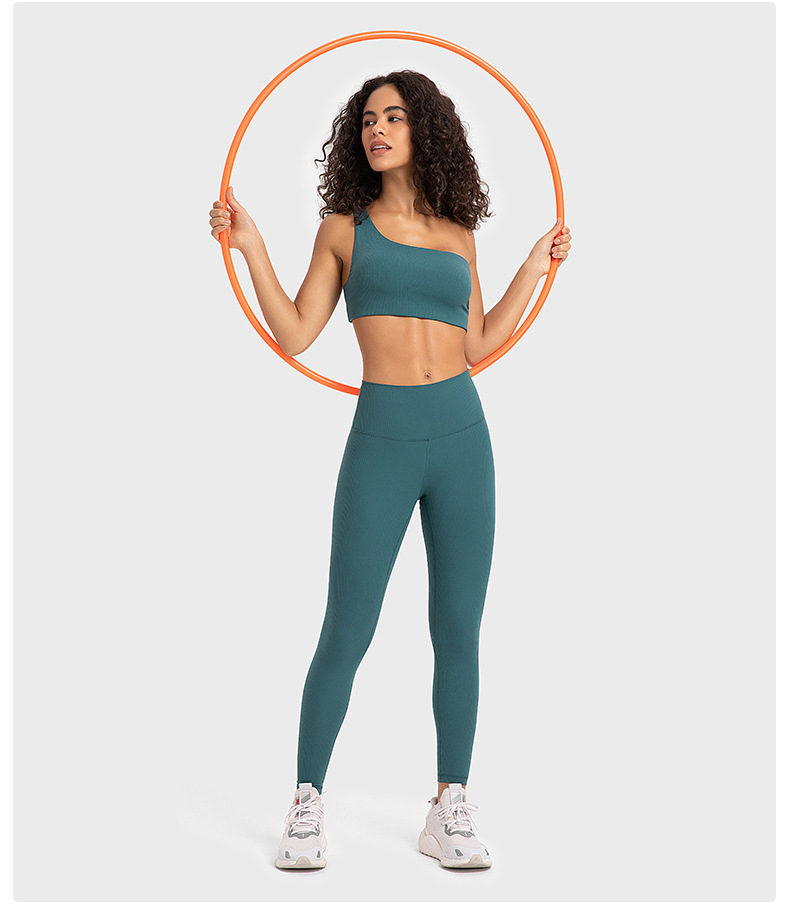
Direct answer. A custom sports bra manufacturer needs a brief that defines the wearer, activity, coverage, intended support direction, cup or pad route, underband, straps, lining and size range. Develop these choices as one product system, then review the sample against recorded fit and construction questions. A product image or catalog reference cannot establish support performance or approve a production version.
This guide is for brands, studios, teams and retailers developing a sports bra whose fit, construction or component plan needs factory discussion. The purpose is to turn a visual idea into a sample brief that can be reviewed piece by piece. A bra may look simple in a line drawing, but small changes in strap placement, neckline, elastic, lining or cup access can change how the garment sits and how the team evaluates it.
The route is Factory Custom: the buyer is discussing a new or changed fit, fabric, coverage, construction or feature. If the product is already selected and the work is limited to branding, labels or packing, a private-label activewear route may be closer. For an existing range of bras selected from a catalog, see the separate yoga bra wholesale supplier guide. This article covers development and sample review, not a universal support rating or a production release decision.
What does a custom sports bra manufacturer need to know first?
Begin with the product job rather than an isolated design detail. State who is expected to wear the bra, which activity or use context it is intended for, what body coverage the brand wants, and which features matter most to the first sample. A low-impact studio top, a running bra and a layered training bra may have different priorities, but the product name alone does not define those priorities.
Describe intended use in practical terms: movement type, duration, climate or layering context, preferred neckline, strap visibility, closure preference and whether the item is sold alone or with a coordinating bottom. These are development inputs, not claims that a future garment is proven suitable for an activity. The sample can help the team assess fit and construction against the chosen brief; performance testing, if needed, requires its own defined method and evidence.
Separate must-haves from options. A buyer might require a clean neckline and a wide underband, while a removable pad pocket or adjustable strap remains optional pending a design review. When every feature is marked “required,” the team has no clear way to manage conflicts such as coverage versus ventilation, adjustability versus a clean back, or a pocket versus a smooth lining.
How should the buyer define support direction without making an unsupported claim?
Support is a product intention that must be translated into construction questions. It is not a conclusion that can be drawn from a product title, fabric composition, visual coverage or a supplier’s general description. Before using words such as “light,” “medium” or “high” in a product brief, define how the brand uses those terms and what evidence would be needed before using the claim in sales copy.
The buyer can start with a use case and a comparison garment. Name the reference, identify what should feel or look similar, and specify what should change. A reference can help a team discuss neckline, body length, strap position, underband width, coverage and visual proportion. It cannot prove that the new fabric, size range or construction will behave the same way.
Ask whether the brief prioritizes coverage, reduced movement, freedom of movement, a secure-feeling band, ease of dressing, layering, or a particular appearance. These are different review questions and may compete. Write them as objectives for sample review instead of promising a result before the sample and any required evaluation have been completed.
If the brand plans to make a support claim, define the exact wording, product scope, wearer range, activity and evidence plan with the appropriate technical and legal reviewers. A development sample is not automatically a performance test. Avoid presenting a fit comment, a stretch swatch, a model photograph or a buyer’s preference as a test result.
Which cup, pad and lining route should the team choose?
Decide whether the design calls for a shaped cup, removable pad, built-in lining, pocket for an insert or a simpler single-layer body. These options affect layers, appearance, access, care, seam bulk and sample questions. They should be considered while the body is being developed rather than added after neckline and fit are approved.
For shaped cups, state the intended outline, seam visibility and coverage; for removable pads, identify the insert reference, pocket opening and whether the insert is supplied. For lining, specify where it begins, which material it uses and what the sample should demonstrate. If a detail is undecided, mark it open and compare a limited set of routes.
| Route | Define in the brief | Review in the sample | Boundary |
|---|---|---|---|
| Built-in lining | Coverage, material, edge finish | Opacity, layer movement, seam bulk | A lining does not establish a support rating |
| Removable pad pocket | Insert reference, opening and access | Pocket access, insert orientation and visible edges | A pocket alone does not prove retention in use |
| Shaped cup | Outline, seam position and coverage | Placement, balance by size and seam appearance | A cup does not validate fit or performance |
| Single-layer body | Coverage, fabric opacity expectation | Colour opacity and intended silhouette | A swatch cannot replace a garment review |
Choose the first sample route based on the most important open question. Keep versions named and vary as few inputs as possible when comparing alternatives.
How do neckline, coverage and back design affect the brief?
Describe front and back coverage separately. A front neckline may be scoop, square, high or shaped; the back may use a racerback, cross straps, a keyhole, a single strap or another arrangement. Include a sketch or marked reference that shows the intended boundaries. Words such as “secure” or “modest” mean different things to different teams unless the buyer explains the fit and appearance being sought.
Coverage should be reviewed on the intended sample size and, where relevant, across the planned size range. A single sample cannot show how a neckline, armhole or side coverage will translate to every size. Identify which sizes need review, how the brand chooses fit reviewers and how comments will be consolidated. The manufacturer should not invent the brand’s grade rules when the size chart or fit intent is missing.
A back design can change strap position, garment balance, dressing access and the amount of fabric across the back. If the design includes a keyhole, cross-back straps or a single-shoulder treatment, show how the strap joins the body and where the seam or binding should sit. Review the sample for twisting, gaping, rubbing concerns or visual imbalance as observations, then decide whether the pattern or construction needs revision.
Do not copy a photograph without a written change list. Mark what should stay, what should change, and which features are only visual references. If the bra is to coordinate with a legging or short, identify the intended relationship between colours, fabrics, trims and branding, but confirm each component independently.
What should the buyer specify for the underband and straps?
The underband is a distinct development area because width, elastic, tension, attachment and finished length affect how the garment sits. Record the intended band height, whether it should be self-fabric or include separate elastic, how it joins the body, and what appearance the wearer should see at the edge. If the team has a reference garment, provide it with notes about the specific band characteristics to review.
Avoid using “firm,” “wide” or “supportive” without context. A wider band can change the visual balance and body coverage, while the exact behaviour depends on fabric, elastic, pattern, size and wearer. The first sample should let the team examine placement, comfort feedback and appearance within its own review process. Do not turn a single fit session into a universal claim.
For straps, state the preferred width, adjustability, joining point, back arrangement and whether hardware is part of the design. Fixed straps, adjustable straps and multi-strap backs create different visual and construction decisions. If the strap is intended to cross, show the order and location of each strap in a sketch. If adjusters are used, identify acceptable hardware references or ask for available options to review.
Consider whether the strap connects into the cup, body panel, lining or another reinforced area. Note the desired seam appearance and any visible topstitching. A prototype can reveal whether strap placement matches the visual intent, whether adjustments are needed for the selected size, and whether the related construction instructions are clear enough to repeat.
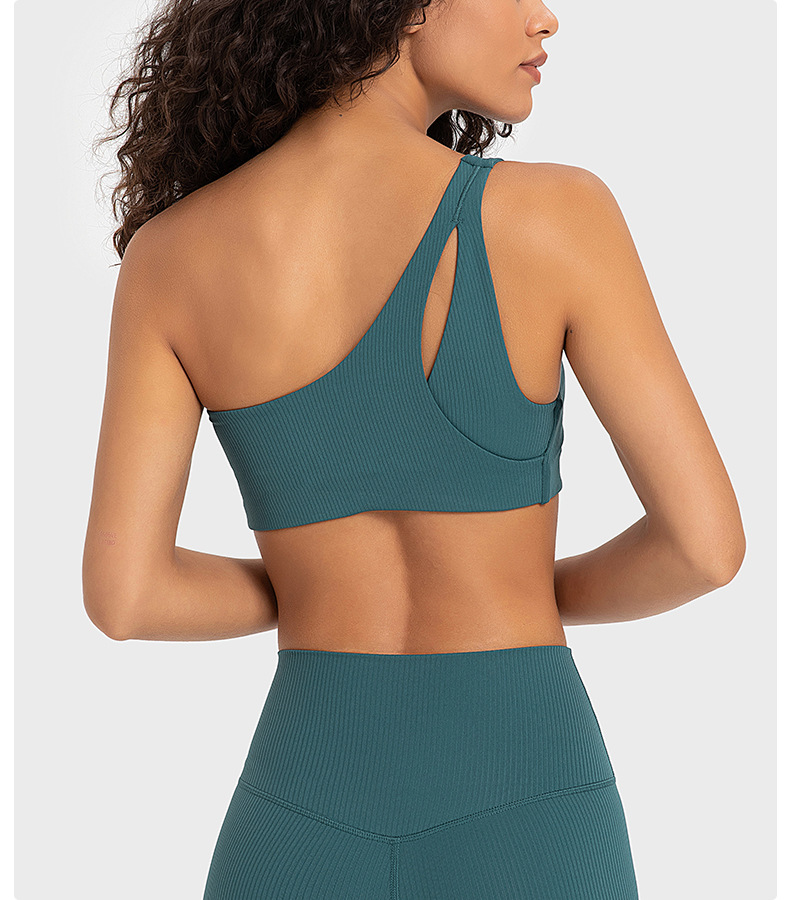
*The rear view helps the team describe strap path, opening and coverage. It is a visual reference only; confirm the approved pattern, material and construction in the project sample.*
If a closure, hook or adjuster is considered, define access, position, hardware finish and how the component should be reviewed. Include only features that matter to the intended product. Extra hardware, crossed straps or decorative binding can increase sourcing and sample questions without solving the buyer’s primary fit issue.
How should fabric and construction decisions be connected?
The fabric brief should follow the bra’s component plan. Identify the body material, lining, elastic, binding, cup or pad components and any contrast pieces separately. If the team has a material reference, provide its name or swatch and state whether it is a target, an approved input or a comparison only. Avoid writing “same fabric” when the body and lining are different or when a colour change may require a new review.
Discuss handfeel, stretch direction, recovery expectations and opacity as questions for the intended garment and colour. A fabric’s composition alone does not answer how the finished bra will fit or look. The manufacturer needs the construction and target context to assess whether the material is a useful candidate for sampling; the final decision should use the agreed product evidence, not a generic fabric label.
Think through how seams, binding, elastic, lining and pocket openings interact. A smooth outer surface may still have a bulky inner seam. A narrow binding may look minimal but require a specific edge finish. A pocket opening may need reinforcement or careful placement to remain accessible. These are sample questions to resolve, not promises that a particular material or technique will work in every size.
Record fabric and component information in the product’s bill of materials once the direction is approved. The activewear bill of materials guide explains how to track material references, trims, substitutions and versions. Keep the BOM connected to the sketch, measurement sheet and sample comments so a new reviewer can identify the exact combination that was assessed.
What does a useful sports bra fit sample review include?
A fit sample review should begin with controlled references: sample version, stated size, pattern or measurement reference, fabric and components, reviewer notes and the date of review. If the sample is an early mock-up rather than a production-intent version, label its limits. The team should not assume that a change in material or construction can be evaluated from a sample made with different inputs.
Set review questions before the sample arrives. These might include neckline position, cup or pad placement, coverage, band height, strap balance, armhole edge, side coverage, seam feel, dressing access and appearance with the companion bottom. Choose only questions that correspond to the current sample version. A review form that asks every reviewer about everything often creates vague comments and obscures the decision the sample was intended to answer.
Record observations and requested changes separately. “The right strap sits closer to the neck than the approved sketch” is more actionable than “back feels wrong.” “Revise the band height from the approved measurement reference and identify the new sample version” is clearer than “make it more supportive.” Keep subjective comfort feedback as feedback from the reviewer rather than presenting it as a verified general outcome.
If fit reviewers disagree, preserve the comments and identify who resolves the conflict. The brand may need another sample, a pattern correction, a revised grading instruction or a clearer wear-test plan. A manufacturer can explain what change may address the pattern or construction question, but the buyer decides whether that change fits the product intent.
How should the size range and grade plan be handled?
Provide the target size range and the measurement basis the team expects to use. If the brand has a size chart, state whether it represents body measurements, garment measurements or another convention. Identify the sample size and the sizes that matter most to the first review. Where measurements are not ready, mark them as open instead of inventing a chart.
A sports bra combines circumference, length, coverage and strap dimensions that may not change in the same way across sizes. The team should identify which points of measurement matter for its design and how fit comments should be evaluated. The sample size can help develop the base construction; it does not automatically show that the full graded range works as intended.
Plan additional fit review when the design or size range makes it necessary. Keep the reviewer selection, measurement reference, sample version and decision record together. If the brand has distinct customer segments or fit blocks, state whether the first sample represents one block or a broader range. Avoid claiming inclusive size coverage from a range label alone; verify the actual size specifications and review plan.
For measurement terminology and tolerance control, connect the bra’s points of measurement to a project-specific activewear measurement specification. Agree which measurements are checked, how the garment is laid flat or handled, and what the team does when a sample differs from the reference. Do not impose a universal tolerance without project evidence.
What belongs in the sample comment and revision record?
Each comment should identify the garment area, current result, intended change, owner and next review point. Attach a marked photograph or sketch where the location is unclear. State whether the requested change is a must-have, an option to evaluate or an observation for the next version. This gives the factory a better chance of responding to the actual request instead of interpreting a broad adjective.
Use version labels that connect the physical sample to the current file. Record the sample ID, style, colour, size, material direction, date received, reviewer and status. If the product changes from a fixed strap to adjustable hardware or from a lining to a pad pocket, identify the difference explicitly. A change log helps the buyer see which conclusions still apply and which need another review.
A sample approval should state its scope. If the buyer approves colour and silhouette but leaves the pad route open, the record should not imply that all construction has been approved. If the sample is accepted for another fit review but not bulk, say so. The sample-to-bulk handoff guide covers how approved references and open questions carry into production; it does not replace the project’s own release approval.
What should a buyer include in a manufacturer RFQ?
A practical RFQ gives the manufacturer enough context to assess the requested development and identify missing decisions. Include target wearer and use context, references, coverage, support direction, cup or pad route, strap and band preferences, size range, fabric or material direction, colourways, branding, labels, packaging and desired sample questions. State whether a tech pack exists and which details are provisional.
If the buyer requests a quote before a complete pack is ready, separate confirmed inputs from assumptions. List the outstanding choices and ask which ones materially affect the estimate or sample route. Scope, quantity, materials, construction and approval timing all influence commercial and production discussions; the exact conditions should be confirmed for the project. Do not treat an early estimate as a final commitment.
For a structured request, see the custom activewear RFQ guide and sports bra and leggings manufacturing solution. The product page for the Light Support Bra Program can help a buyer name a visual starting point or ask about a related direction. It is a catalog reference, not proof that the exact pictured product, composition, options or size range will be used in a custom development.
What should a buyer prepare before the first development conversation?
Use the checklist to assemble the information that turns a design idea into reviewable sample work. Mark each item confirmed, provisional or open; an open field is more useful than a silent assumption.
- Identify the target wearer, activity and intended product role.
- State coverage priorities and the desired support direction without presenting them as proven claims.
- Choose an initial cup, pad, lining or single-layer route, or name the alternatives to compare.
- Provide front and back sketches or references with keep/change notes.
- Specify neckline, strap arrangement, underband and any closure or adjuster questions.
- Name the sample size, target size range and available body or garment measurement basis.
- List fabric, lining, elastic, binding, pad and trim references by component.
- State colourways, logo method, care label, hangtag and packing questions where relevant.
- Define what the first sample should answer and who will review it.
- Prepare a comment form that records sample version, location, observation, requested change and owner.
- Separate fit and construction approval from any performance or product claim evidence.
- Set the next decision point and preserve unresolved questions in the revision record.
When the brief is incomplete, ask the supplier to identify which gaps prevent a meaningful sample and which can remain open until a later review. A short, focused first sample can be more useful than adding every possible feature. The team should know what decision the sample is expected to unlock.
How can the buyer separate sample approval from production release?
Record exactly what a fit or construction approval covers: version, size, colour, materials, components and unresolved questions. A sample accepted for silhouette review does not automatically authorize production. A release may require current specifications, approved references, quantity and branding details, packing and commercial decisions; follow the buyer’s project approval process before the next stage.
What should the buyer share with a custom sports bra manufacturer?
Send the product brief, marked front and back reference, measurement basis, target size range, fabric and component information, and the questions the first sample must answer. State which documents are approved and which are still provisional. If the team has wear or fit observations from another product, identify the reference and explain what is relevant to the new design.
For a project-specific discussion with inPACE, use the custom activewear development route when fit, fabric, coverage or construction changes, and share the intended wearer, product direction, sample questions and current files through the contact page. The factory can review the proposed scope and identify the next inputs to confirm. Final fit decisions, performance claims, order terms and release approvals remain tied to the buyer’s project evidence and decision process.
A well-prepared bra brief makes trade-offs visible early. It gives the team a way to compare a pad pocket with a lining, fixed straps with adjustability, or a wider band with a different appearance. It also prevents a catalog image, a sample comment or an unconfirmed material note from becoming an accidental promise. Build the product one reviewed decision at a time, and keep each accepted version connected to the record that supports it.
Product directions
Explore relevant activewear products
Use these product pages as practical references for your brief, then confirm materials, fit, customization, and production details through sampling.
Sports Bra & Leggings Development
Discuss bra construction, intended activity, fit sample questions and the connected product scope.
View product directionLight Support Bra Program
Use this catalog reference to describe a starting silhouette; confirm every material and construction detail for the project.
View product directionCustom Activewear Development
Use the factory-custom route when fit, fabric, coverage or construction needs development.
View product directionFAQ
Buyer questions
What should I send a custom sports bra manufacturer?
Send the target wearer and activity, front and back references with keep/change notes, intended coverage and support direction, cup or pad route, strap and underband preferences, size range, material information and the questions the first sample should answer. Label each input confirmed, provisional or open.
Can a manufacturer guarantee a support level from a product photo?
No. A photo can help describe silhouette, coverage or strap placement, but it cannot establish support performance. Define the intended claim and any evidence plan separately, then review the actual garment and use an appropriate evaluation method before making a performance statement.
Should a sports bra use removable pads or a built-in lining?
Choose based on the product brief. A removable pad route requires decisions about the insert, pocket opening and review; a built-in lining requires decisions about coverage, material and edge construction. Compare the sample against the buyer’s priorities rather than treating either route as universally better.
What details matter for a sports bra underband?
Define the intended band height, material or elastic route, attachment, appearance and the sample size to review. Record what the team wants to learn about placement and fit. Terms such as firm or supportive need a project-specific meaning and should not be presented as verified outcomes without evidence.
Does approving one sports bra sample approve every size?
Not automatically. Record the sample size and measurement reference, then decide which sizes or fit blocks need review. A base sample can inform development, but the brand should verify its intended size range and grading approach using the project’s own review plan.
What is the difference between sports bra development and bulk approval?
Development defines and reviews fit, construction, material and sample decisions. Bulk approval confirms a specific production scope and may require current specifications, approved samples, materials, colours, quantities, branding, packing and commercial decisions. State exactly what each approval covers.
Can I use a catalog sports bra as my custom sample specification?
Use a catalog style as a visual starting point, then document what should stay and what must change. A listing or image does not confirm that its material, construction, size range or options apply to a new project. Resolve those details in the brief and sample record.
How many sports bra sample revisions will my project need?
There is no reliable universal number. Revisions depend on how complete the brief is, how many decisions remain open, the sample findings and the approval process. Define the purpose of each sample and keep the requested changes tied to a versioned record.