
What should a European sourcing brief decide first?
Begin with the garment decision, then identify where each part of the work can be done effectively. A brand may have a clear visual direction while remaining uncertain about fabric behaviour, garment proportions or branding. Those uncertainties do not disappear when the enquiry is sent to a supplier in a preferred location.
Consider an illustrative project for a loose activewear cover top. The brand plans an initial launch in Germany and is evaluating a later extension to Great Britain. Its local designer has selected the silhouette, but two material directions remain under consideration. The supplier must help establish what each option would mean for the actual garment before the brand makes its final choice.
This is a working example, not a claim about a completed project or European consumer preferences. The design could serve many audiences. What makes the sourcing decision specific is the combination of local design approval, a defined garment, material questions and named destination reviewers.
Use the local versus China supplier guide for the broad route comparison. This article concentrates on the material and sample handover: how a local design decision becomes a supplier instruction, which evidence supports the chosen option, and when a later change requires the team to revisit earlier approvals.
Name the actual destinations rather than writing only “Europe” on the brief. The European Union, Great Britain and other European destinations should not be treated as one product-information checklist. A regional project can share a design process while keeping each applicable market review clearly assigned.
Which design decisions should stay with the brand's local team?
The brand should own the intended wearer, garment role and appearance it wants to achieve. For the example cover top, that includes how loose the body should feel, the desired relationship with the layer underneath, the back detail and the visibility of the studio or brand mark. A supplier can assess feasibility more usefully when those priorities are explicit.
Local review is valuable where the brand needs direct access to its designer, fit reviewer or channel partner. The team may compare how two samples hang on the same wearer or discuss whether a back opening expresses the intended design. Record the reason for choosing one direction so the supplier understands which feature must survive later revisions.
Separate essential design intent from an incidental feature in a reference photograph. The team may care about a relaxed silhouette without requiring the exact sleeve length or fabric shown in the image. Mark those distinctions before asking for a quotation. Otherwise, two suppliers can reasonably interpret the same reference in different ways.
A useful design brief includes the selected views, measurements or proportion notes, the intended base garment underneath and the open material questions. Avoid relying on adjectives such as elevated, soft or premium without explaining the relevant observation. A material can feel soft in the hand while behaving differently when used in a loose garment.
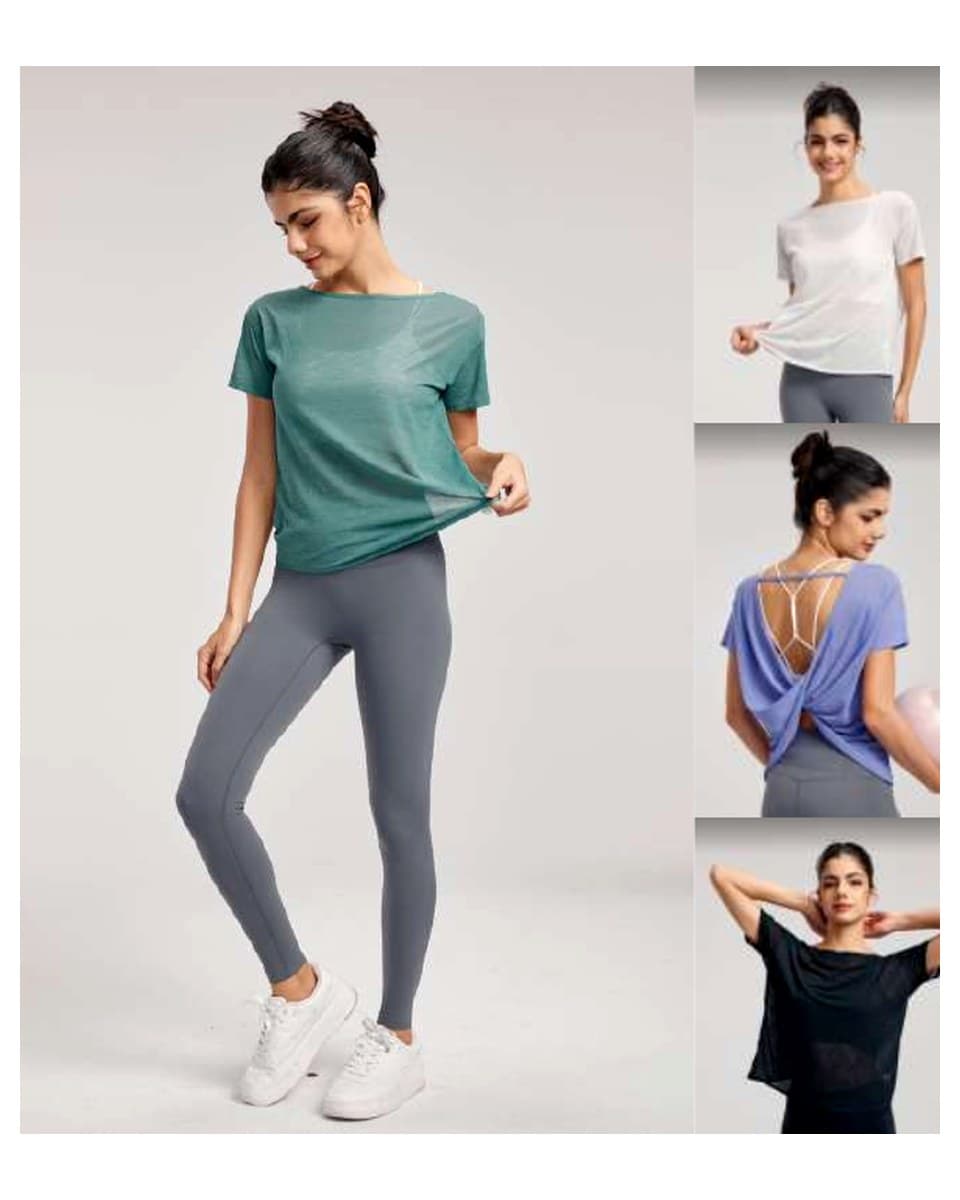
The yoga and activewear collection provides product directions for that discussion. The lightweight cover-top reference shows a loose shape and draped back detail that a team can annotate. Its photograph identifies an appearance to discuss; actual measurements, material properties and suitability need confirmation for the selected project.
How do local, hybrid and China development compare for this project?
Request comparable scopes before evaluating the routes. The local partner may offer design and prototypes, while another proposal includes material sourcing and a production sample. Those responses need a common list of required work before the brand can judge their practical differences.
| Route | Where the design and material discussion happens | Required handover | Question that determines suitability |
|---|---|---|---|
| Local development and production | With the selected local partners and the brand's reviewers | Agreed design, sample, material and production records | Can those partners provide the full scope the project needs? |
| Local design review with China development | The brand approves intent locally; the supplier reviews materials and samples within the agreed scope | One consolidated design brief, identified material references and written sample decisions | Can both sides preserve the same approved requirements through revisions? |
| China development with remote brand approval | The supplier develops the agreed options; the brand reviews evidence and physical samples | Clear sample questions, review responsibilities and approval records | Can the brand make timely, specific decisions without an in-person fitting at the supplier? |
Nearby work can be useful when the design team needs repeated direct discussion. Supplier-led development can be useful when the next questions concern the proposed materials and how the garment can be made. Neither location establishes the outcome on its own. Review the actual partner's capability, proposal and evidence.
If an existing style already fits the intended product, assess the private-label service for the available branding and presentation scope. If the team wants a different material, revised construction or new fit, define that work through custom activewear development. Keep the route description accurate as the scope changes.
For the example, selecting a logo for an unchanged cover top is a different task from developing that silhouette in a new fabric. Calling both requests light customization would hide the material and sample work needed for the second. The brand should ask the supplier to identify that distinction before approving the next stage.
What should a material comparison contain beyond a fabric name?
A fabric name or composition line is only part of the decision. The brand also needs to understand the identified material's structure, weight, surface, stretch behaviour where relevant, drape and relationship with the garment's construction. Record the actual references offered and the evidence available for each claim.
Use fabric and trim coordination to discuss the proposed options with the supplier. Explain the garment role and the unresolved question: perhaps the current option looks too structured at the back detail, or the selected colour changes the appearance of the layer beneath it. A defined question gives the material review a purpose.
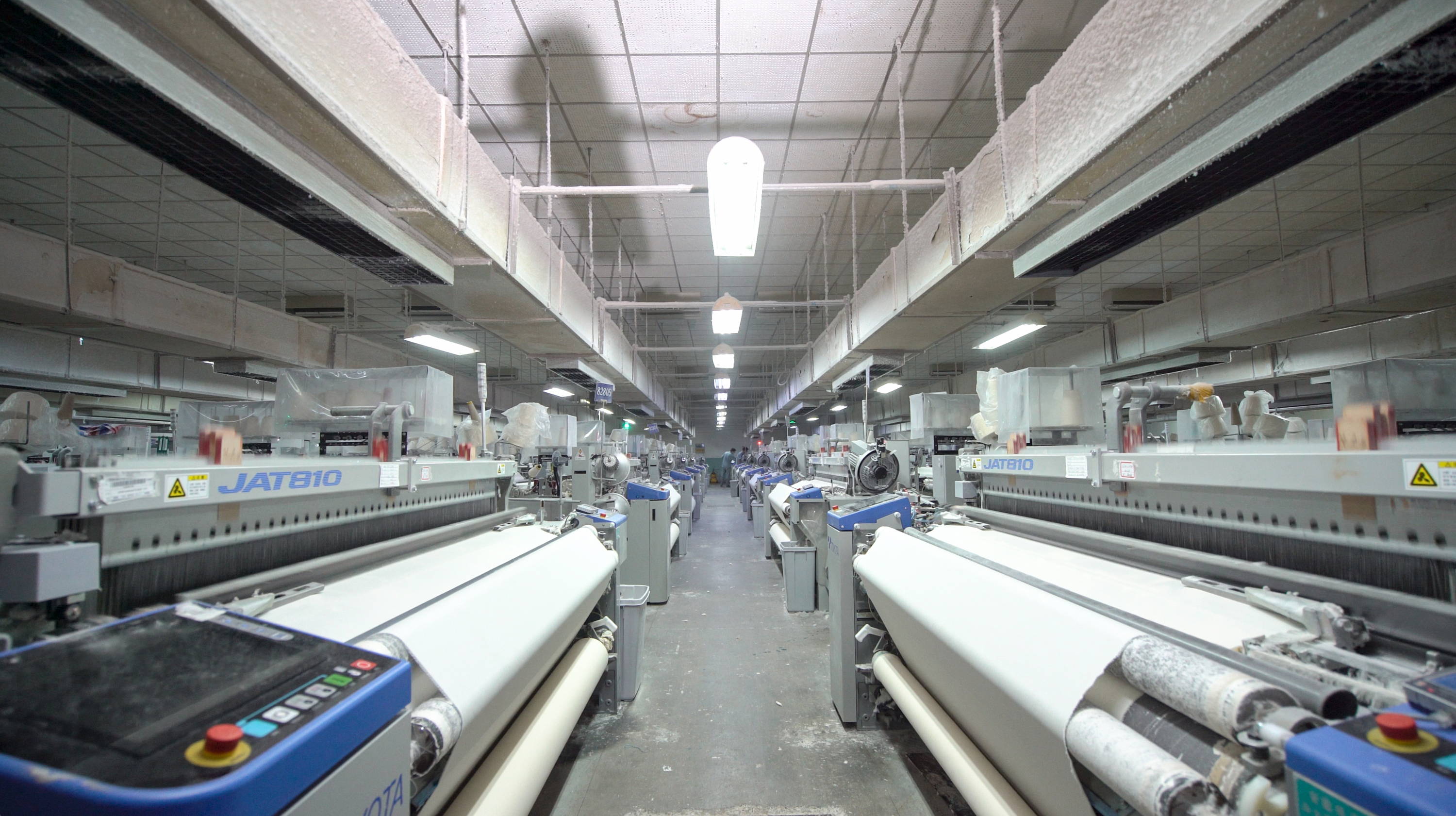
The photograph provides general material-production context. Use identified swatches, specifications and garment samples to assess the actual cover-top project. Record which material reference was used for each sample and whether that reference remains the proposed production choice.
The activewear fabric selection guide can help the team organise the comparison. For this project, avoid selecting a material only because it looks attractive as a small swatch. The design depends on how the fabric hangs, how the opening sits and how the finished edges behave in the complete garment.
Treat a material change as a product decision with dependencies. A different option may require another construction review, affect the logo application or change the product-information facts. Ask the supplier which assumptions need reconfirmation. Do not carry an approval from the earlier material into the new option without checking whether it still applies.
Which sample evidence should resolve the material choice?
Agree the comparison method before viewing the samples. Use the same garment version where possible, identify any differences and record the conditions of review. If the team compares one finished sample with a swatch of another option, it should state what the evidence can and cannot resolve at that stage.
| Review question | Evidence to request or examine | Decision the brand should record | Dependency if the material changes |
|---|---|---|---|
| Does the top hang as intended? | The identified material made into the relevant garment shape | Accepted drape and silhouette, or a defined revision | Pattern and edge-finish review may be needed |
| Is coverage appropriate for the planned use? | The actual sample with the intended base layer and review conditions | Accepted appearance for that use and colour | Different colours or structures need their own assessment |
| Do seams and edges support the design? | Close views and physical examination of the relevant construction | Approved seam and finish references | Construction choices may need another sample |
| Does the colour meet the approved direction? | Identified physical colour references and sample records | The accepted reference and comparison method | Material or finish changes may affect appearance |
| Is the branding application suitable? | The proposed method on the selected material and position | Artwork, dimensions, placement and relevant approval | A material change can reopen application review |
| Are product facts supported? | Confirmed material identity and appropriate supporting information | Facts approved for labels and product descriptions | Destination records may need updating |
This table is a review framework, not a set of universal performance thresholds. Define any technical tests or acceptance criteria relevant to the intended product with suitable expertise. A brief visual comparison cannot establish every durability, safety or functional claim the brand might later want to make.
For the illustrative top, the local designer might accept the appearance of one option but still need the supplier to resolve a seam issue. Record those as separate decisions. “Preferred material” does not mean that every aspect of the garment has passed review or that the supplier has permission to proceed beyond the agreed stage.
Close the open questions in a defined sequence. If the material decision is still unsettled, confirm whether final artwork application or label production should wait. This prevents the team from investing in a downstream detail that must be repeated after the core garment changes.
How should colour and branding approvals follow the selected material?
Maintain a physical colour reference and an agreed way to review it. Screens, photography and viewing conditions can affect appearance, so a message approving an online image may not be enough for the production discussion. Identify the material and colour reference together rather than treating the colour name as a complete instruction.
The colour approval guide explains how to keep that decision traceable. In the cover-top project, a chosen shade can look different where the fabric overlaps at the back or where another garment sits underneath. Describe the actual appearance the brand has accepted and the conditions under which it reviewed the sample.
Confirm branding after the material and placement assumptions are sufficiently clear. The logo methods guide provides questions for discussing the application with the supplier. A method that works on one sample should not be assumed suitable for another material without review.
Record the artwork file, dimensions and placement reference. If the top has a draped or open back, explain whether the mark should remain on a stable panel and how its position relates to the garment when worn. A flat mockup can help locate the idea, while the relevant sample establishes what the team is approving.
Keep decorative approval separate from unsupported marketing language. A visually acceptable material does not automatically support an environmental, protective or performance claim. If the brand wants to use such a claim, identify the evidence and the applicable market review required before it appears on labels or product pages.
Which destination information should be reviewed before production?
For an EU launch, the Your Europe textile-label guidance explains fibre-composition labelling and the need for the relevant official national languages where products are offered to consumers. Use that official starting point to identify the product-specific questions the destination owner must resolve.
For the proposed Great Britain extension, review the GOV.UK textile-labelling guidance. That page explicitly applies to England, Scotland and Wales and addresses fibre information, differing components and responsibility for labels. It should not be presented as a complete checklist for every European destination or every part of the UK.
Name the person responsible for checking the current requirements for each actual product and market. They should provide approved information and flag any other applicable product, import or sales requirements for professional review. The supplier's role in coordinating labels and packing does not replace that responsibility or guarantee a compliance outcome.
The Germany activewear sourcing guide can help structure the initial destination brief. Keep the later market extension as a separate schedule until its product-information, quantity and packing decisions are settled. A possible future destination should not silently alter the approved first order.
Connect label facts to the selected material version. If the brand changes the material after approving text, revisit the facts before producing the labels. Translation approval also needs to refer to the correct source information. Translating an outdated material record accurately still leaves the finished product with the wrong information.
How can a local design team and a China supplier avoid revision drift?
Use one decision log for the garment, with links to the current material, artwork and destination records. Each amendment should name the issue, the requested change, the affected sample and the approval owner. A local designer's marked image and a supplier's sample note should resolve into one agreed instruction.
Distinguish observations from changes. “The back opening falls lower than expected” describes an observation. The next decision might involve the pattern, a different material or accepting the appearance after review. Asking the supplier to implement all three responses at once would make it difficult to understand which change produced the next result.
Maintain a retained reference for each accepted stage. When the next sample arrives, compare it against the intended revision and the features that were meant to remain unchanged. A successful correction should not conceal a new issue elsewhere in the garment.
Use the order workflow to identify what the next approval authorises. Material preference, sample acceptance and production-detail approval are related but distinct decisions. Confirm which conditions must be met before each stage begins and which unresolved items prevent a complete handover.
Give late requests the same discipline. If a local team wants another colour after the material and artwork have been accepted, ask which approvals and quantities change. Document the supplier's response before adding the option to customer-facing plans. An informal preference does not establish its feasibility or timing.
What should the production scope include before comparing proposals?
Compare proposals using the same garment and approval assumptions. Identify material sourcing, sample development, revision scope, branding, labels, packing and the relevant production checks. Record the work retained by the local team and any information another service provider must supply.
For a hybrid project, check the handover between local design and supplier development. Does the local package contain usable measurements and construction information? Must the supplier develop its own production pattern or revise the sample for the selected material? Ask for those tasks to be made explicit rather than assuming that a design file eliminates them.
Discuss the actual manufacturing and inspection scope for the order. Identify the accepted sample, specifications and records that will guide the checks. General factory photographs or background experience can introduce the process, while the written project scope establishes what is being requested for this garment.
Keep commercial comparison tied to the current revision. If one proposal assumes the original fabric and another reflects the newly selected option, request an aligned response. The same applies to packing, artwork versions and destination allocations. Apparent differences in product price may reflect work that is included in only one proposal.
Confirm schedule and delivery assumptions for the actual project with the relevant partners. This guide does not set universal lead times, minimum quantities, tariffs or landed costs. A useful route decision identifies the responsibilities and open questions behind those terms so the brand can assess current written proposals on a consistent basis.
Which checklist makes the design-to-production handover reviewable?
Run the final check with the local design owner and the person consolidating the supplier brief. The purpose is to ensure that the material, garment and market records describe the same product. Unresolved questions should remain visible with a named owner and a clear next action.
- Identify the first destination markets and any later extension separately.
- State the garment role, intended wearer and essential design features.
- Mark which reference details are illustrative and which must be retained.
- Define the work expected from local partners and the China supplier.
- Record the material identity used for every sample under review.
- Resolve drape, coverage, seam and finish questions for the intended use.
- Approve colour against an identified reference and review method.
- Confirm artwork, placement and application on the selected material.
- Connect verified product facts to the correct destination label records.
- Consolidate comments into one current garment instruction and change log.
- Match quotations, quantities and packing to the approved revision.
- State the next authorised stage and preserve its supporting references.
After the first order, use the same records to review any repeat or extension. A request for more of the accepted product should identify that exact version. A different material or design feature requires an explicit change discussion. Keeping these requests distinct helps the team preserve what worked while evaluating the new requirement on its own evidence.
What can inPACE contribute to the China manufacturing discussion?
inPACE can discuss the product, sample and production coordination needed for the agreed activewear project. Its company information provides the published supplier-review starting points. Yinshan Garments' clothing-production experience since 1986 is relevant manufacturing background, while the current project's materials, approvals and commercial scope still need their own evidence and agreement.
Bring the design choices already made and identify the decisions that remain open. For the example cover top, useful inputs include the annotated silhouette, proposed material directions, sample observations, artwork and destination approval owners. Those details let the supplier assess a defined development task.
To compare the routes, send inPACE a European activewear project brief with the actual destination markets, selected product direction, local design and market-review responsibilities, and the material, sample and production work proposed for China. Include the available references and unresolved questions. The next discussion can then focus on the evidence and handovers needed to move that specific project forward.
Product directions
Explore relevant activewear products
Use these product pages as practical references for your brief, then confirm materials, fit, customization, and production details through sampling.
Yoga Activewear Collection
Choose a product direction and state the local design decisions that the selected supplier must carry into sampling.
View product directionLightweight Cover Top Reference
Use the loose shape and back detail to define material, drape and branding questions for an actual sample.
View product directionCustom Activewear Development
Connect approved material references, garment details and destination schedules in one manufacturing brief.
View product directionFAQ
Buyer questions
When should a brand consider a China activewear manufacturer for Europe?
Consider the route when the brand can define its garment requirements and the material, sample or production work it wants assessed. Compare it with local and hybrid arrangements using the same brief. The suitable route depends on the project's unresolved questions, partner capability and approval process rather than a general rule about manufacturing location.
Can local designers work with a China activewear supplier?
Yes, when the design handover and responsibilities are agreed. Supply clear appearance references, measurements, material questions and one consolidated decision process. Identify which files the local team provides and which development work the supplier must perform. Preserve the approved intent through a versioned sample record and explicit change instructions.
Is a fabric swatch enough to approve a new activewear material?
A swatch can support an initial comparison, but garment-dependent questions need relevant sample evidence. Drape, coverage, seam behaviour and logo placement may change when the material is made into the intended shape. Identify what each review can resolve and agree any necessary technical evidence for the actual product and use.
Does a new fabric remain light customization of an existing style?
Not automatically. A new material may change fit, construction, appearance, branding or product information and can require development review. Ask the supplier to define the scope. Branding an unchanged selected style and developing that silhouette in a different material should be assessed as distinct tasks.
Can one label record cover all European destinations?
Do not assume that it can. Name the actual markets and assign owners to confirm current requirements for the product and destination. Keep approved language and product-information records connected to the selected garment version. EU and Great Britain guidance provide different starting points and do not form a universal Europe-wide checklist.
What should change when the approved material changes?
Review the affected garment construction, fit observations, colour, logo application and product-information facts. Identify which earlier approvals remain valid and which need new evidence. Update the sample and destination records before the change moves into production. A material substitution should not be treated as an invisible administrative amendment.
What information makes an initial European sourcing enquiry useful?
Send the actual destination markets, garment role, product references, local design owner, proposed material directions and available sample observations. Include artwork, quantity assumptions and the work expected from the China supplier. Separate approved decisions from open questions so the supplier can review a concrete development and production scope.