
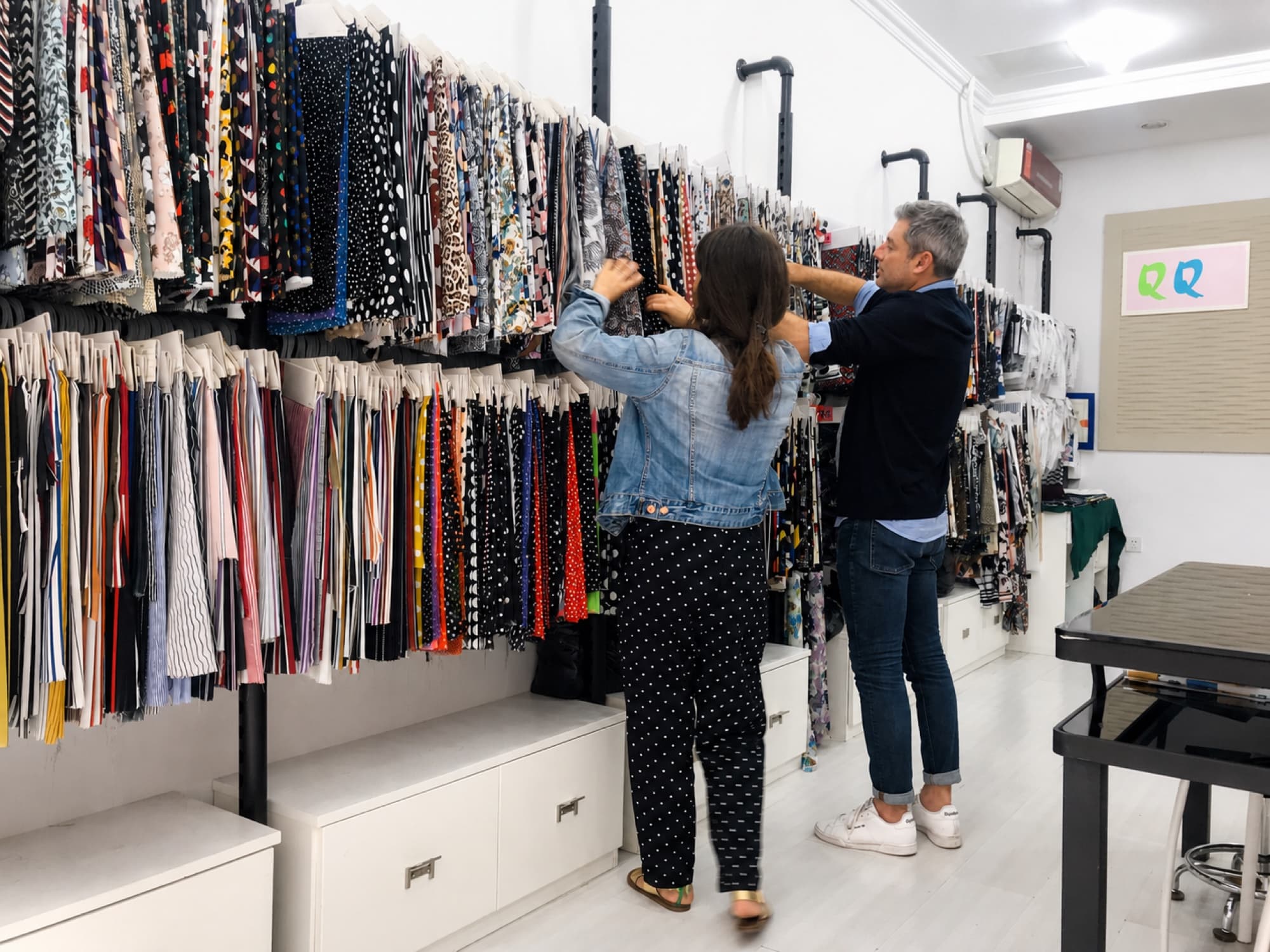
Control the decision
Why is activewear color approval a product-control decision rather than a mood-board choice?
A mood board communicates an aesthetic direction. Production needs a reproducible decision. “Deep green,” an image on a phone, or a color copied from another product does not tell a factory which material, surface, component, finish, or revision the buyer intends to approve. Even a precise target identifier describes a color intention; it does not automatically approve the way that intention appears on a brushed knit, a dense elastic, a glossy zipper, matte hardware, or a printed logo.
Activewear makes the relationship more demanding because the product often combines several materials and methods. A legging can place body fabric beside mesh, binding, thread, heat-applied artwork, and an elasticated waistband. A jacket can add lining, zipper tape, coated hardware, pullers, and reflective details. Each surface receives and reflects light differently. Stretch and construction can also change how a material presents when it moves from a flat swatch into a worn garment.
The approval system therefore has two jobs. First, it preserves identity: target name or code, product, material, component, colorway, sample type, date, and version. Second, it preserves visual intent: match, coordinate, contrast, finish, priority, and the conditions under which the decision was reviewed. When those jobs are separated, a supplier can flag feasibility limits without losing the buyer's design intent, and the buyer can approve evidence without implying that unlike materials will look identical in every environment.
Choose the route
When does color approval require factory-custom development?
An existing product direction in an available approved color may follow a wholesale or light-customization route when the brand mainly adds a logo, labels, or presentation. A new fabric color, a new material combination, coordinated trims, an unfamiliar logo substrate, or a complete new garment colorway belongs in a factory-custom review because the product needs material-specific evidence and sampling before release.
Begin with the performance fabrics and trims capability to frame the material and component conversation. Then identify the actual garment, end use, selected fabric direction, visible components, logo method, colorways, and approval requirements. The supplier can review feasible routes, but it should not assume that an available swatch, a custom-developed material, and a finished garment require the same evidence or schedule.
If the buyer is still deciding weight, hand feel, stretch, recovery, opacity, surface, and end-use performance, color should not be isolated from material selection. The adjacent activewear fabric selection guide explains that earlier decision. This article starts when the material direction and color intent must be converted into a controlled approval path for fabric, artwork, trims, and the assembled product.
Decision table
What should an activewear color approval record assign and preserve?
The buyer owns the target and design relationship. The supplier reviews the material, application, sourcing, and sampling route. Evidence should close a named decision for a named component; it should not leave the production team to infer that approval of one green swatch also covers another knit, a zipper, and a logo.
| Decision | Buyer supplies | Supplier reviews | Approval evidence |
|---|---|---|---|
| Target color identity | A named target, reference source, intended use, colorway, owner, and revision that distinguish this request from similar colors. | Whether the target is clear enough to begin material-specific development and which reference can be used operationally. | A dated color register linking the buyer's target to the relevant style, component, material, and current revision. |
| Main body fabric | The selected fabric direction, target color, intended product, visible face, and any appearance priority. | Material availability, dye or supply route, surface character, stretch presentation, and suitable development evidence. | An identified fabric submission, development swatch, or project-appropriate sample approved for the named material. |
| Contrast fabric, mesh, or lining | Whether the component should match, coordinate, or intentionally contrast with the body fabric. | How fiber, knit, texture, opacity, backing, and finish may change the perceived result beside the main material. | Separate identified submissions viewed together in the intended product relationship. |
| Elastic, binding, thread, and soft trims | Component position, target relationship, visible importance, and any acceptable design hierarchy. | Available component direction, material behavior, visibility in construction, and whether a custom route is practical. | A component card, trim set, or assembled sample showing the approved relationship and version. |
| Zippers, pullers, and hardware | Required base color, finish character, contrast intent, logo detail, and functional component direction. | Supplier options, coating or finish appearance, component construction, and consistency with the garment design. | An identified physical component or sample attached to the style-color-component record. |
| Logo and artwork color | Released artwork, color definition, application method direction, substrate, placement, and priority. | How the proposed method, ink or material, stretch, surface, opacity, and base fabric can influence appearance. | A project-appropriate artwork proof, print/embroidery submission, or garment sample identified by method and substrate. |
| Assembled garment | The complete colorway matrix and confirmation that all approved components belong to the current sample. | The combined visual relationship under agreed viewing conditions plus any construction-driven change in appearance. | An approved garment sample or equivalent assembled reference with component and revision traceability. |
| Production release and QC reference | The final approved evidence, named exceptions, change authority, and acceptance route required for the order. | Whether the production package uses the same materials, components, colorway, and revisions as the approved record. | One released approval pack showing current references, decision dates, owners, open limits, and replacement history. |
Mobile note: scroll horizontally to compare all four columns. The table is a decision framework, not a universal tolerance, testing, or compliance standard. State any formal requirement in the project brief and confirm it with the appropriate qualified parties.
Separate identity from appearance
Why can one color name or code produce different-looking components?
A stable name or code is essential because it prevents one target from being confused with another. It is still an identifier, not a guarantee of identical appearance. Fiber composition, yarn, knit structure, surface texture, brushing, luster, opacity, backing, coating, printing, embroidery, and hardware finish can all change how light reaches the eye. Two materials can be correctly associated with the same design target while appearing more or less deep, warm, matte, or saturated beside each other.
The brief should say what relationship matters. “Match” can mean the closest practical visual coordination on different substrates, but the buyer may care more about a calm tonal system than a theoretical identical reading. “Contrast” needs direction too: intentionally brighter, darker, warmer, cooler, matte, metallic, or another stated relationship. Without that hierarchy, a factory can spend approval rounds pursuing a sameness that the materials cannot present or miss a deliberate contrast that the design requires.
Use a color register and a style-color-component matrix together. The register defines the target and revision. The matrix shows where that target appears in each garment and what evidence applies. A single row might identify the body fabric as approved, the mesh as a coordinated option, the zipper as awaiting a component sample, and the logo as awaiting method-specific proof. That record is more useful than a collage with arrows because it exposes unfinished decisions.
Use screens carefully
Can digital references, photographs, and email approvals control physical color?
Digital material is excellent for speed and traceability. A buyer can mark the intended component, compare an arrangement, comment on direction, and record a decision date without waiting for a meeting. But a screen is not the material. Display settings, camera processing, ambient light, white balance, file compression, and the viewer's device can shift appearance. A photograph can document which sample was discussed while failing to reproduce what the sample looked like in person.
Define the role of each file. A rendering or mood-board image may be “direction only.” A photograph may be “record of submission 03.” A scan can show layout and annotations. The approval note should point back to the named physical or material-specific reference when that reference governs the decision. If the project is intentionally approved from digital evidence only, record that limitation and the buyer who accepts it rather than pretending the screen is neutral.
Viewing conditions also need practical control. Review related materials together, use consistent conditions agreed for the project, and avoid comparing one item by a bright window with another under a different interior light. If the buyer requires a defined light source, instrumental method, numerical tolerance, destination standard, or formal testing, put it in the brief and use qualified guidance. Do not introduce a technical acceptance rule after visual samples have already been approved under another basis.
Review the material in use
How do fabric structure, surface, stretch, and garment construction affect color approval?
A flat submission provides a controlled view of the selected material. The garment introduces use. Stretch can spread the surface structure and reveal more of the knit, backing, or skin-side relationship. Seams fold material into shadow. Gathering, rib, brushing, perforation, mesh, bonded layers, and edge finishes can change the visual field. Opacity can also matter when a color appears over skin, lining, an underlayer, or another panel.
That is why approval should move from component evidence to the assembled product when the risk justifies it. The buyer first confirms the material-specific direction. The team then checks the sample in the intended panel orientation and beside the actual secondary materials. Finally, the garment review confirms whether the complete colorway achieves the intended relationship. A garment approval does not erase the component references; it connects them to the construction that was accepted.
Keep the face and orientation clear. Some materials present differently across sides or directions. A small swatch mounted without its intended face can create a false decision. Label submissions with the material identity, visible face, color target, style or program, date, and revision. When a substitute material is proposed, treat it as a new material-color relationship rather than carrying the old approval forward by name.
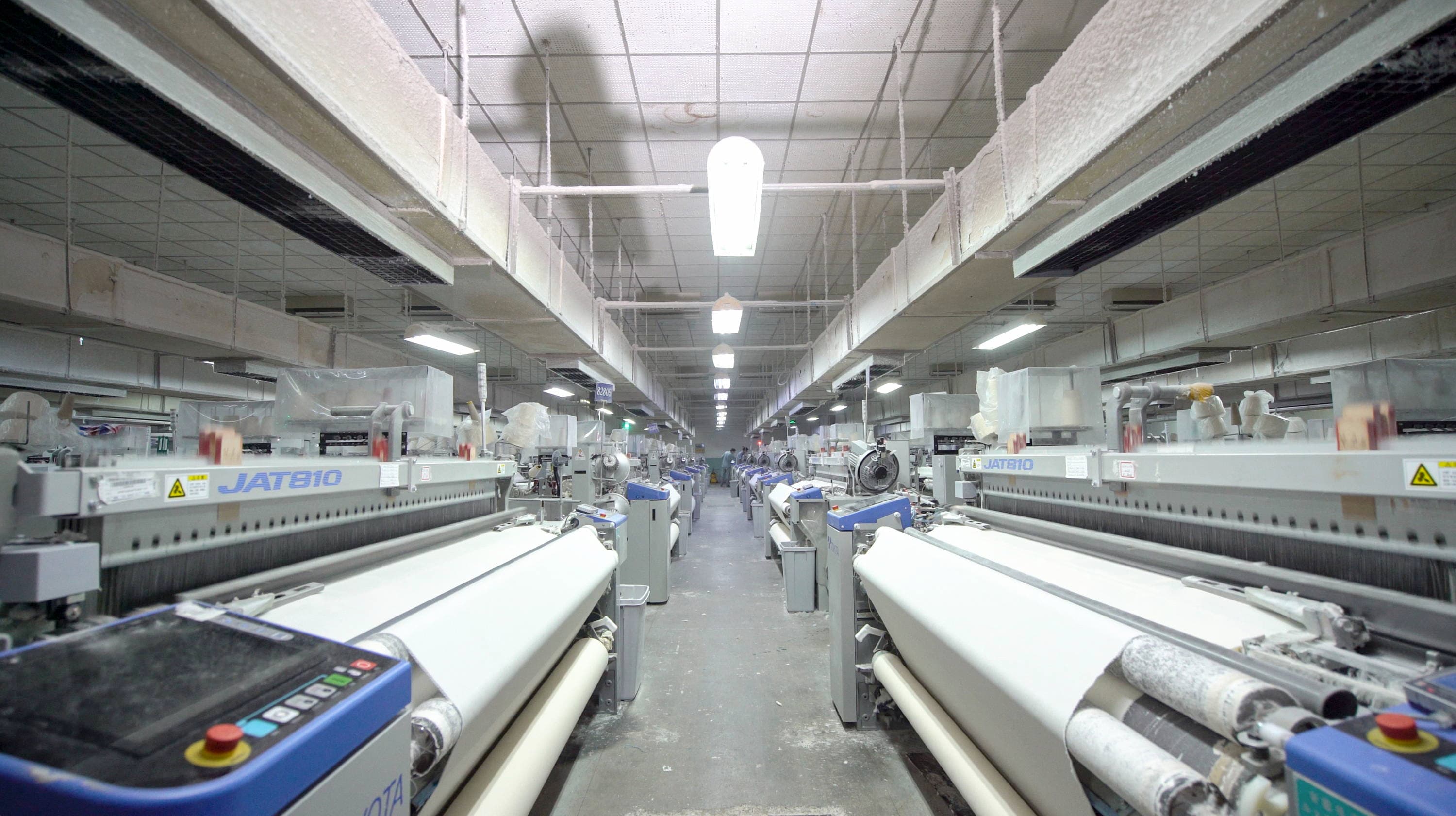
Approve the application
Why should logo color be reviewed by method, substrate, and placement?
Logo color is part of an application system. The same artwork target can look different when produced as a print, heat-applied transfer, embroidery, patch, reflective detail, or another suitable method. The substrate contributes its own color, texture, stretch, and surface. Opacity, thread character, reflectivity, gloss, edge definition, and the movement of the garment can alter the final impression.
Give the supplier released artwork, the intended target, application direction, size, placement, garment material, and priority. Then agree on evidence that fits the method and risk: artwork proof, material-specific submission, embroidery sample, print or transfer sample, or an assembled garment. A logo approved on white paper should not silently authorize the result on a dark, textured, stretch fabric.
Distinguish brand identity from manufacturing promise. The buyer decides which visual relationship protects the brand. The supplier reviews what the proposed method and substrate can achieve and identifies practical alternatives when needed. The released sample should name both the method and the substrate so that a later change of fabric, artwork size, finish, or application does not inherit an approval that no longer represents the product.
Map every component
Which trims and secondary materials belong in the activewear colorway matrix?
Start with anything visible, then include components whose color becomes visible during movement, wear, opening, or layering. Depending on the style, the matrix may include contrast fabric, rib, mesh, lining, elastic, binding, tape, thread, zipper tape, teeth, puller, snap, cord, cord end, hook-and-loop material, badge, patch, printed care detail, and hardware finish. Do not assume a component is unimportant because its surface area is small; a bright puller or thread line can become the strongest contrast on a minimal garment.
For each item, record function, location, base material or finish, target relationship, available or custom direction, evidence, approval status, and version. “Navy trim” is weak because it hides which trim and which navy. “Waistband elastic, internal but visible during stretch, coordinate with body navy, component submission revision 02” gives the development and production teams an actionable reference.
Review components in groups as well as individually. A zipper may look acceptable beside the body fabric but too cool beside a metallic logo. Thread may disappear on the flat panel yet become visible across a dense seam. A lining may show at an opening. The assembled sample reveals these relationships. If one component changes after approval, identify the dependent group and re-review the affected garment rather than replacing a row in the matrix and leaving the visual system unchecked.
Select the evidence
What is the role of a development swatch, lab dip, component sample, and garment sample?
Names vary across material and sourcing routes, so define the evidence instead of assuming that every project uses the same sequence. In a relevant dyed-fabric route, a lab dip is a small material submission proposed for color review. A development swatch may represent an available or newly prepared fabric direction. A component submission shows a trim, logo method, or finish. A garment sample places the accepted directions into construction.
Each level answers a different question. The material submission asks whether the color direction works on the named fabric. The logo or trim sample asks whether the proposed component achieves the intended relationship. The garment asks whether these decisions work together in scale, placement, stretch, seam, layer, and finish. Do not ask a small swatch to prove construction or ask an assembled sample with unidentified components to replace every underlying approval.
The inPACE product-development process gives buyers context for brief, sample, review, and production preparation. The precise evidence, number of rounds, materials, timing, and commercial terms remain project-specific. A useful sample request states the decision it must close, not just the object the buyer wants to receive.
Coordinate the range
How should brands approve colorways across sets, styles, and collection families?
A colorway is more than a marketing color name. It is the approved combination of materials, trims, artwork, and finishes assigned to one product. Create a matrix with styles on one axis and components or color roles on the other. Show which target is shared, which material-specific evidence supports it, and where a product deliberately differs. This is especially important when a bra and legging are sold as a set but use different constructions or materials.
Family rules can reduce confusion when they remain explicit. A buyer may decide that all soft black trims should coordinate with the body material, while hardware uses one approved matte finish and reflective artwork is accepted as a distinct functional appearance. Record the rule, then list exceptions by style. Do not let a family rule override a known material or component difference that requires its own review.
Review sets together. Put the intended top and bottom in the same viewing arrangement and, where relevant, on a garment sample. Confirm that color identity, depth, surface, and contrast feel intentional across the pair. A result can be commercially acceptable without appearing mechanically identical, but that acceptability belongs to the buyer's recorded design decision rather than an assumption made at the packing stage.
Product references
Which activewear product directions help buyers build a color approval brief?
Review the broader activewear performance collection to identify how a color system may repeat across a range. The three references below help turn the discussion into a component matrix. They are B2B product and service references, not claims of live stock, fixed colors, universal MOQ, fixed pricing, or a standard approval schedule.

Multi-component reference
Hooded Thumbhole Training Set
A layered set helps buyers map main fabric, lining or secondary fabric, zipper, binding, thread, and logo decisions before they approve the assembled colorway.
Review this development directionColorway reference
Performance Training Set
Use a coordinated performance style to discuss how body materials, contrast areas, component finishes, and artwork should relate across the complete garment rather than in isolation.
Review this development direction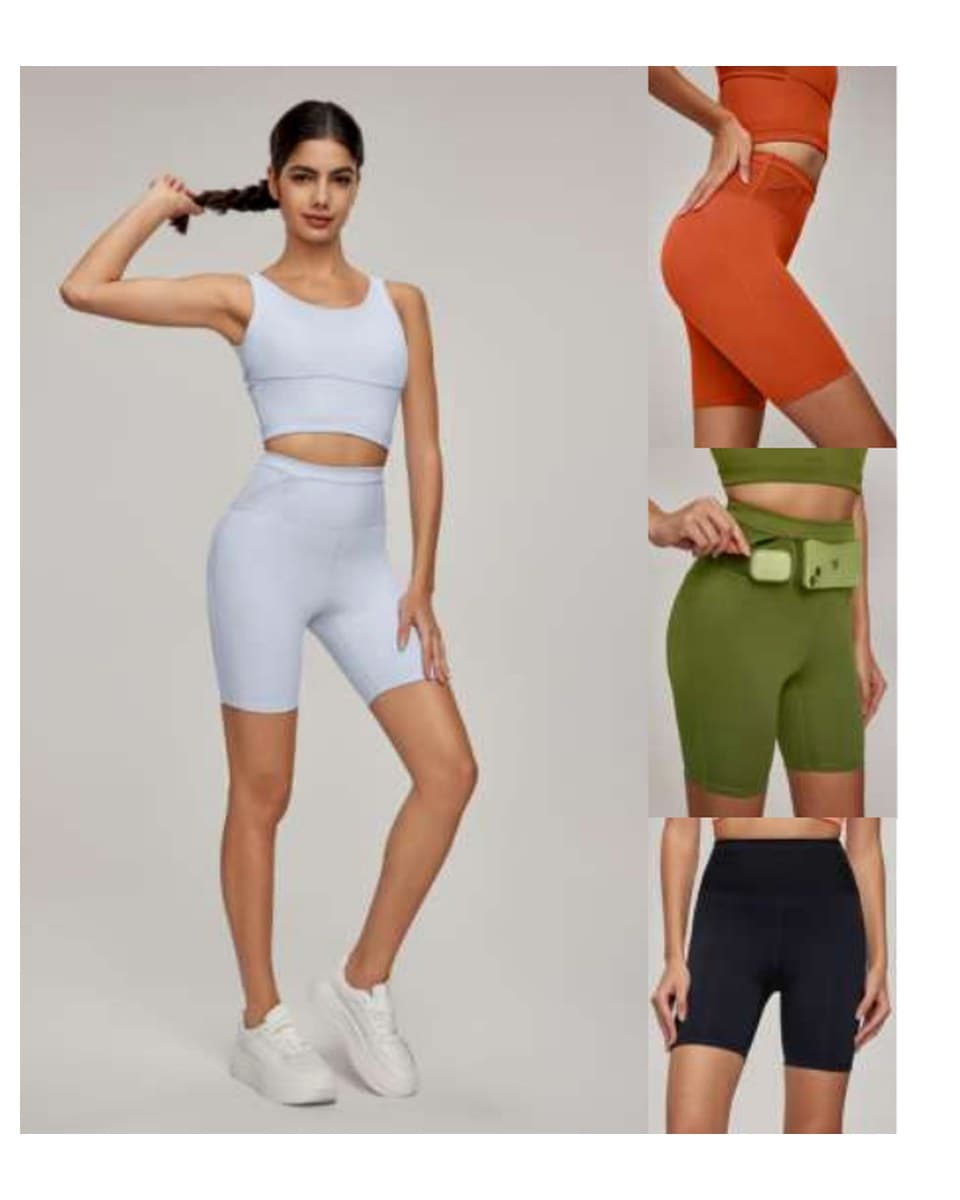
Development route
Custom Activewear Manufacturing
Choose the factory-custom path when the brief requires a new garment, material color, component combination, construction, or approval sequence rather than a logo added to an existing product direction.
Review this development directionRelease the right version
How should the final garment review connect to production and QC?
The final garment review should confirm that the sample contains the components and versions listed in the colorway matrix. Check the body, contrast materials, lining or mesh, visible thread, elastics and bindings, closures and hardware, logo application, and any finish that affects appearance. Record exceptions clearly. A comment such as “zipper acceptable as coordinated, not identical to body fabric” is more repeatable than a general approval with an unspoken reservation.
Production should use one released pack. It can contain the color register, style-color-component matrix, identified physical references where relevant, artwork and method version, approved garment reference, decision log, and current change list. Superseded evidence should remain archived for history but removed from the active production station. Two swatches with the same target name and no visible revision invite selection by memory.
Define QC against the approved basis. The project may use visual review, component comparison, an agreed physical reference, formal testing, or another qualified method depending on buyer requirements and product risk. No general article can set one acceptance tolerance for every material, destination, or brand. The order record should state the method, owner, escalation route, and evidence before production is released.
Quote the development scope
Which color decisions can affect activewear quotation and timing?
Color development is not one standard operation. Material availability and supply route, custom color work, number of fabrics and components, logo method, hardware or trim finish, number of colorways, sample type, supplier coordination, approval rounds, formal tolerance or testing requirements, and changes after release can affect the project. The effect also depends on product quantity and the selected factory-custom route.
Give the supplier enough information to price the actual review. State which colors are available directions, which require development, which components should coordinate, what evidence the buyer expects, and which decisions are still open. A quotation based on one body fabric and one logo cannot be compared directly with a scope that includes multiple custom fabrics, matched elastics, finished hardware, several artwork methods, and an assembled review for every colorway.
Late changes can restart dependent work. If the body fabric changes, the logo and trims may need review on the new substrate. If the logo method changes, the color relationship may change even when the artwork code remains the same. Ask the commercial record to name assumptions, exclusions, buyer-supplied references, sample stages, open decisions, and the point after which a change requires revised feasibility, timing, or cost review.
Buyer checklist
Is your activewear color approval brief ready for factory review?
Use this checklist before requesting material or component submissions. A clearly named open decision can be planned; an unstated assumption usually appears only after another sample or component has already depended on it.
Stop conditions
Which color risks should stop approval or production release?
Is the target named but not tied to a current reference?
Stop when “same navy” or a code has no material, component, style, owner, or version. The team cannot know which earlier result the buyer intends to repeat.
Was a physical material approved only from an uncontrolled screen image?
Stop and define what the image proves. Where physical comparison matters, identify the governing swatch, component, or garment and record the digital file as direction or evidence.
Did one material, method, finish, or trim change after garment approval?
Stop and identify dependent approvals. Re-review the affected component relationship and assembled colorway rather than carrying an old garment approval into a new visual system.
Supplier context
How can inPACE support an activewear color approval review?
inPACE Sports can review a B2B factory-custom brief using the buyer's target references, product direction, intended materials, component matrix, logo artwork and method, trim relationships, sample plan, and approval evidence. Where factory context is relevant, Ningbo Yinshan Garments Factory in Ningbo, Zhejiang, China supports product development, material and component coordination, sampling, checking, and production preparation. Feasibility, materials, availability, quantity, quotation, timing, evidence, and acceptance requirements remain specific to the current project and confirmed buyer inputs.
Factory-custom next step
Share an activewear color approval brief
Send the target color references, intended products and materials, style-color-component matrix, logo artwork and color direction, trim and hardware relationships, current approved evidence, open questions, sample plan, destination, and quantity direction. Mark which references are physical, which files are directional, and who owns each approval.
Send a color approval brief