
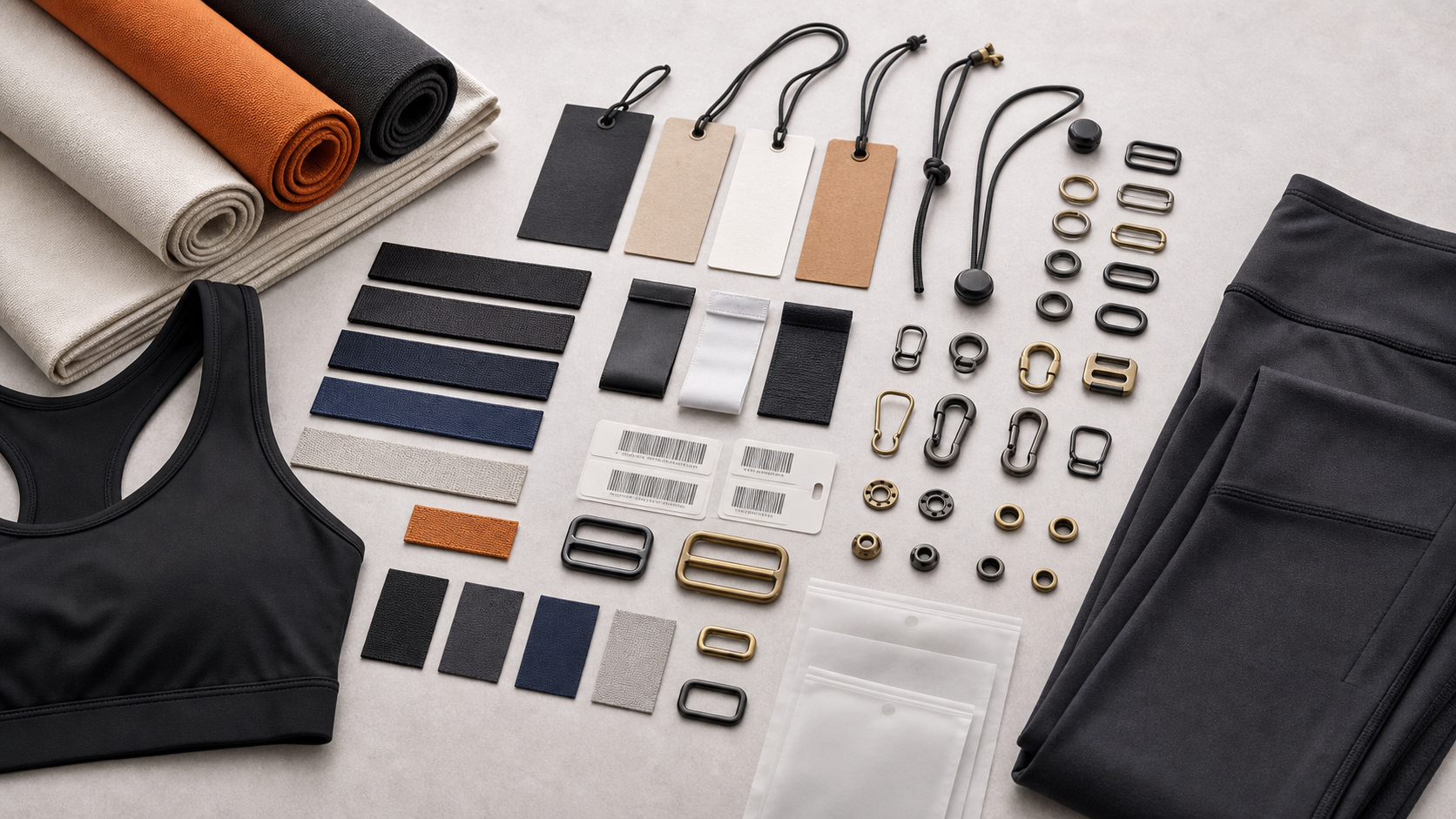
Un fabricante privado de ropa de yoga puede ayudar a una marca de estudio a comenzar con un estilo de catálogo adecuado y luego revisar la ubicación del logotipo, las etiquetas, el empaque, los colores y la dirección de cantidad como un solo proyecto. Esta ruta de Venta al por mayor es adecuada cuando la silueta principal ya es apropiada; un nuevo ajuste, tejido, construcción o función requiere desarrollo y muestreo personalizados por parte de la fábrica.
¿Cuándo es un fabricante de ropa de yoga de marca privada la ruta adecuada?
La ropa de yoga de marca privada es una ruta de inicio práctica cuando un estudio o una marca ha encontrado una silueta de yoga que ya sirve al cliente previsto y no necesita rehacerse desde el patrón hacia fuera. El comprador no está pidiendo unidades de retail ni confiando en una posición de stock lista para enviar asumida. En su lugar, el equipo parte de una dirección de producto basada en el catálogo y hace visibles la presentación de marca, la selección de producto y las suposiciones de pedido antes de una cotización o una conversación sobre muestras.
Esa distinción importa porque la expresión marca privada puede ocultar dos proyectos muy diferentes. Un estudio puede necesitar un sujetador deportivo, un legging, una capa o un conjunto coordinado cuyo ajuste y construcción fundamentales ya estén cerca de su propósito. Las preguntas útiles son entonces qué referencia de producto usar, cómo debe quedar el logo en la prenda real, qué etiquetas y colgantes se necesitan, cómo se empaquetarán las piezas y qué dirección de talla, color y cantidad tiene el proyecto. Esa es una conversación de Mayorista y ligera personalización.
Un proyecto diferente necesita una ruta de fábrica-personalizada. Pasa a ella cuando el brief exija una nueva silueta, un carácter de tejido diferente, una construcción particular de banda inferior o cinturilla, una geometría de tirantes revisada, bolsillos añadidos, un nuevo sistema de estampado, una característica funcional u otro cambio que afecte a cómo debe desarrollarse y muestrearse la prenda. Llamar a ese trabajo marca privada sin nombrar el cambio de producto más profundo puede crear la expectativa equivocada antes de la primera revisión.
Para una colección de estudio, escribe primero la decisión de producto: qué llevarán los miembros en clase, qué podrá llevar el personal, qué se venderá como conjunto coordinado y qué piezas necesitan una presentación de marca. El Yoga Activewear Catalog es un lugar útil para elegir una dirección de referencia. No sustituye a una revisión del proyecto del tejido, color, componentes, branding, disponibilidad y suposiciones de producción reales.
¿Qué debe decidir un estudio antes de elegir estilos de yoga?
Una colección para estudio se vuelve más fácil de revisar cuando cada estilo tiene una función. Un legging o sujetador básico puede ser la pieza central repetible. Una parte superior de manga corta, una capa de manga larga o un cubre-todo puede dar a los miembros una opción antes y después de la clase. Una pequeña cápsula para instructores puede necesitar un equilibrio diferente de cobertura, movimiento, color y marca visible en comparación con un conjunto orientado al retail. Estas son decisiones de merchandising, no reglas universales; deben declararse para que la discusión del producto tenga un propósito claro.
Comience con quien lo usa y el entorno de la clase. Describa si la colección está destinada al yoga, Pilates, clases de estudio de bajo impacto, capas para ir y volver de clase, o una oferta más amplia de athleisure. Anote la cobertura deseada, cómo se pretende que las piezas se coordinen y si el estudio quiere una presentación tranquila y neutra o una historia de color más visible. Un proveedor no puede inferir responsablemente esas decisiones solo a partir de un archivo de logotipo.
Luego identifique qué partes del producto son innegociables y cuáles permanecen abiertas. Un comprador puede preocuparse más por un escote cuadrado, una disposición de espalda cruzada, un legging de tiro alto o la forma en que se usa una capa sobre un conjunto. Otra marca puede ser flexible en cuanto al estilo de partida exacto pero clara sobre el logotipo, el sistema de etiquetas y la presentación en retail. El Square Neck Cross-Back Sports Bra puede usarse como referencia concreta mientras el comprador registra esas distinciones; no es una promesa de que cada detalle esté disponible sin cambios.
Evite mezclar un mood board amplio con un plan de compra sin examinar. Una fotografía puede mostrar color y proporción, pero no establece las medidas de la prenda, la composición del tejido, el ajuste en las tallas, la construcción, la compatibilidad del logotipo ni los requisitos de empaque. Marque cada referencia como una dirección visual, una instrucción de construcción, una idea de presentación de marca o un elemento a investigar. Esto permite que la fábrica haga preguntas enfocadas en lugar de adivinar qué detalles deben reproducirse.
¿Qué opciones de catálogo deben documentarse para cada producto?
La forma más sencilla de comparar una gama de estudio es mantener una fila para cada estilo candidato. Una matriz de productos concisa evita que la marca, el merchandiser y la fábrica manejen versiones diferentes de la misma decisión. También deja claro si una pieza permanece dentro de una ruta de marca privada basada en catálogo o se ha convertido en una solicitud de desarrollo personalizado.
La matriz debe usar el mismo nombre para un estilo dondequiera que aparezca: en la referencia del producto, el archivo de arte del logotipo, la prueba de etiqueta, la conversación sobre color, el comentario de muestra y la información de empaque. Si el estudio cambia de un bra de catálogo a uno de nuevo diseño, registre eso como una nueva decisión de desarrollo en lugar de continuar silenciosamente con el código de referencia anterior.
¿Cómo deben funcionar el branding con los tejidos de yoga y las zonas de la prenda?
El branding comienza con la prenda, no con una lista genérica de métodos de logotipo. Una marca que se ve clara en un archivo de arte plano puede quedar sobre un elástico, una costura, una curva, un borde de forro o una zona de alto contacto cuando se coloca en un sujetador, un legging o una capa reales. La conversación debe nombrar el producto seleccionado, la ubicación exacta, el tamaño previsto, la versión del arte, la relación de color y la evidencia que el comprador necesita antes de la aprobación.
Para un sujetador de yoga, hay que tener en cuenta el escote, la disposición de los tirantes, la banda inferior, la relación con el forro y las zonas donde el movimiento o el contacto con la piel pueden importar. Para los leggings, hay que identificar la cinturilla, la costura lateral, la zona del bolsillo si es relevante, el panel trasero, el tobillo y cualquier panel de contraste. Para los tops y las capas, hay que identificar el pecho, la espalda, la manga, el cuello, el dobladillo, la cremallera o las zonas de bolsillo que tengan sentido para la silueta seleccionada. Estas descripciones no determinan una técnica de logotipo; hacen posible una revisión específica del proyecto.
El servicio de activewear de marca blanca es la ruta de producto adecuada para hablar del logotipo, las etiquetas, los hangtags y el packaging como una presentación coordinada. El comprador debe proporcionar el archivo de arte actual y marcar claramente el arte preliminar como borrador. La fábrica y el comprador pueden entonces revisar la dirección de branding propuesta en el contexto del tejido, el elástico, la construcción de la prenda, el color, el muestreo y la referencia aprobada. No se debe tratar un mock-up digital como prueba final de cómo se verá una marca en la prenda terminada.
Una marca de estudio también debe separar el branding de cara al consumidor de la información obligatoria del producto. Las etiquetas de talla, la información de cuidado o composición, los hangtags, los códigos de barras, las pegatinas, las bolsas de plástico y las marcas del cartón tienen funciones diferentes. La primera apoya la identidad de la colección; las otras apoyan la manipulación, la venta, la recepción en almacén o la preparación específica para el mercado. El comprador debe proporcionar el texto confirmado y los identificadores que pertenecen a su propia marca y mercado de destino en lugar de pedir a la fábrica que los invente.

Prenda de activewear sin marca siendo doblada y revisada en una zona de acabado y empaquetado
La imagen de ejecución anterior ilustra por qué el empaquetado debe formar parte del mismo archivo de trabajo que los detalles del producto y de la marca. El doblado, el empaquetado individual, la identificación de tallas, la agrupación de conjuntos y la información del cartón deben verificarse con el registro más reciente de estilo y marca. Un estudio puede simplificar esto para una primera colección pequeña o añadir más detalle de recepción para un plan de retail o distribución; el nivel correcto depende del proyecto y del destino.
¿Cómo afectan el color, las tallas y las cantidades a una colección de estudio?
El color, la talla y la cantidad son decisiones operativas, no un apéndice decorativo de una selección de productos. Un estudio puede preferir una oferta de color pequeña y bien coordinada para que los miembros puedan crear conjuntos. Otro puede tener una membresía más amplia, un calendario estacional o un canal en línea que necesite más variación. Ninguna ruta determina automáticamente un plan de pedido. La fábrica necesita la estimación del comprador por estilo, color y talla junto con los requisitos de producto, marca y embalaje.
Utilice una matriz en lugar de una declaración de cantidad solo con el total. Enumere el estilo seleccionado, el color, el rango de tallas, las unidades previstas y si el producto es un artículo de repetición básico, un artículo de prueba, una pieza para instructor o una capa de temporada. Luego muestre qué es provisional. Esto revela si una división de color muy pequeña, un rango de tallas amplio, un componente especial, un tejido distinto o una solicitud de embalaje individualizada deben discutirse antes de comparar un presupuesto.
La misma precaución se aplica al color. Un estudio puede comunicar una dirección visual con una muestra, una imagen o una referencia con nombre, pero la apariencia final puede depender del material, el componente del producto, el acabado, el color del logotipo y la muestra. Identifique qué colores deben coordinarse entre un sujetador y un legging, qué elementos de contraste son opcionales y qué elementos de marca deben permanecer legibles. Las decisiones finales deben confirmarse con la evidencia relevante del proyecto en lugar de solo una imagen en pantalla.
Cuando un comprador quiere probar una colección, indique la pregunta de prueba. Puede ser si los miembros prefieren una silueta, si una agrupación de colores se ajusta a la identidad del estudio, si una capa de marca es útil en el mostrador o si el sistema de etiquetado y embalaje funciona para el canal previsto. Eso da una base razonada a la discusión de lote pequeño o primer pedido. No implica una cantidad pequeña fija, un precio, un plazo de entrega o una capacidad.
¿Cómo debe un estudio mantener conectadas las aprobaciones de producto y marca?
Un programa de marca privada a menudo pierde claridad cuando la información de producto, arte gráfico, etiqueta, empaque y pedido vive en conversaciones separadas. El estudio puede aprobar la imagen de una prenda en un hilo, enviar un logotipo más reciente en otro, y decidir sobre un código de barras o la dirección de doblez solo después de que el plan de color ha cambiado. Ninguno de esos eventos es inusual. El riesgo surge cuando un archivo o referencia de producto anterior se trata como si describiera la colección actual.
Utilice un registro de aprobación versionado y breve para cada estilo elegido. Como mínimo, debe indicar la referencia del catálogo, su función de producto, la dirección de color, el archivo de arte gráfico y la fecha, la ubicación propuesta, los archivos de etiqueta y colgante, la instrucción de empaque, la matriz de talla y cantidad, el responsable de compras, la pregunta a la fábrica y el siguiente punto de aprobación. Cuando una decisión cambia, registre qué cambió y qué otros elementos deben volver a verificarse. Una nueva ubicación del logotipo, por ejemplo, puede afectar la zona seleccionada de la prenda, el contraste de color, la evidencia de muestra y la fotografía de empaque. Un nuevo campo de código de barras puede afectar la instrucción de etiqueta o bolsa y el registro de almacén.
No convierta preguntas abiertas en etiquetas de aprobación simplemente porque un visual parece cercano. Es más útil marcar un punto como propuesto, en revisión, aprobado para muestra, aprobado para producción o a la espera de información del comprador. Esas etiquetas permiten distinguir una dirección que aún necesita evidencia de una instrucción que puede llevarse adelante. También ayudan a un estudio a proteger la continuidad cuando una colección tiene varias personas revisando detalles de marketing, producto, operaciones y retail.
La muestra física o la evidencia de aprobación relevante debe vincularse al mismo registro. Si el comprador comenta sobre el área de la tirante de un sujetador, la cinturilla de un legging, la posición de una etiqueta, el contraste de un logotipo o la presentación de un paquete, capture el estilo, color, versión, observación, acción solicitada y responsable de la decisión exactos. Una afirmación como hazlo más premium no es una nota de producción utilizable. Una nota específica del producto como revisar el borde de la etiqueta contra la tela seleccionada, confirmar el archivo de arte gráfico revisado y conservar la referencia de ubicación acordada da a la siguiente discusión un punto de partida auditable.
Este registro también mejora la planificación de pedidos repetidos. Un estudio puede comparar una solicitud futura con el estilo, color, componentes de marca e información de empaque aprobados previamente, y luego nombrar los cambios en lugar de reconstruir el brief de memoria. No congela el producto para siempre. Da al comprador y a la fábrica una forma disciplinada de identificar qué puede necesitar una nueva revisión cuando la colección, el canal, los materiales, las etiquetas o la ruta del producto cambian.
¿Qué debe ocurrir antes de que el comprador solicite una cotización?
Una consulta útil permite a la fábrica comprender tanto la ruta del catálogo seleccionada como las limitaciones del brief actual. Reúna un paquete de trabajo conciso antes de solicitar precios o asesoramiento sobre producción. Puede comenzar de forma sencilla, pero debe ser lo suficientemente específico para que los supuestos sean visibles y la fábrica pueda indicar qué falta por confirmar.
- Indique el estudio, el canal de venta, el mercado de destino y el uso previsto de la colección.
- Enlace cada estilo de catálogo elegido y describa su función: conjunto básico, artículo para instructor, capa minorista o dirección de prueba.
- Adjunte el arte del logotipo actual e identifique la versión del borrador, las ubicaciones previstas, el tamaño y el color.
- Enumere las etiquetas, colgantes, textos de cuidado o composición proporcionados por el comprador, campos de código de barras, embolsado, plegado y requisitos de marcado de cajas.
- Proporcione la gama de colores y tallas prevista, junto con una orientación de cantidades por estilo, color y talla; señale claramente las estimaciones.
- Indique qué detalles del producto están confirmados y cuáles necesitan una muestra, una revisión de viabilidad o una decisión del comprador.
- Incluya las necesidades de embalaje y recepción desde el principio cuando el estudio venda a través de una tienda, envíe a un almacén o agrupe conjuntos.
- Comparta el contexto de lanzamiento objetivo o la ventana de entrega como dato de planificación, no como un compromiso asumido por la fábrica.
El proceso de muestreo de activewear explica la ruta más amplia desde un brief utilizable hasta la revisión, confirmación y preparación de la producción. La información no necesita ser perfecta antes de una primera conversación. Debe estar lo suficientemente organizada para que el comprador y la fábrica distingan un dato faltante de una elección aprobada, y para que una cotización registre sus supuestos cuando la información esté incompleta.
Una solicitud solo de precio dificulta la comparación porque dos fábricas pueden estar interpretando productos, materiales, aplicaciones de logotipo, sistemas de embalaje o asignaciones de cantidad diferentes. Pida a la fábrica que identifique qué se ha asumido. Si un comprador cambia posteriormente un estilo, tejido, plan de colores, sistema de etiquetado, ubicación del logotipo o división de cantidades, revise los supuestos afectados en lugar de tratar la cotización original como una descripción permanente de un proyecto diferente.
¿Cuándo debe un proyecto de marca privada de catálogo pasar al desarrollo personalizado?
Vaya más allá de una ruta basada en catálogo cuando la referencia seleccionada ya no cumpla con el requisito central del producto. Un nuevo escote, largo revisado, estructura de soporte diferente, nueva pretina, cambio de tejido, detalle de feature, arquitectura de paneles, estampado engineered o ajuste modificado pueden requerir trabajo de patrón, material, construcción y muestras que una conversación de personalización ligera no puede cubrir de manera responsable. El límite protege tanto la intención de diseño del estudio como la precisión de la revisión de producción.
La decisión no es un juicio de que una colección de estudio deba ser totalmente personalizada para ser creíble. Un producto de catálogo bien elegido más una presentación de marca clara puede ser la ruta comercial correcta. Del mismo modo, una colección que necesita desarrollo de producto nuevo debe nombrarse como tal desde el principio. La ruta de desarrollo de activewear personalizado es para compradores que necesitan que la fábrica examine un nuevo ajuste, tejido, construcción, color, feature o plan de muestras en lugar de solo un tratamiento de marca sobre una dirección establecida.
Una guía adyacente útil es Wholesale Activewear With Custom Logo, que explica qué pueden preparar las marcas cuando la pregunta principal es una dirección de producto existente más branding. Para una decisión de comparación de proveedores que profundiza más en el desarrollo de productos de yoga, revise cómo elegir un fabricante de ropa de yoga. Juntos, estos artículos ayudan a un comprador a separar la selección de producto, la presentación de marca y el desarrollo en fábrica en lugar de forzar los tres en una sola solicitud vaga.
¿Cómo puede inPACE Sports apoyar una colección de estudio con marca?
inPACE Sports puede utilizar una dirección de catálogo elegida como punto de partida para una conversación de marca privada B2B con marcas y estudios. El trabajo práctico consiste en revisar la referencia de producto seleccionada, el arte de la marca, las etiquetas, los colgantes, el embalaje, la dirección de tallas y colores, y las preguntas que quedan abiertas. Cuando el proyecto requiere un nuevo ajuste, tejido, construcción, color, característica o un cambio de producto más profundo, la ruta debe pasar al desarrollo y muestreo de activewear personalizado en lugar de describirse como branding de catálogo.
Para Ningbo Yinshan Garments Factory, el registro útil del lado de la fábrica no es solo una imagen de la prenda preferida. Es la referencia de producto actual, los detalles de la marca que deben figurar en ella, la información requerida proporcionada por el comprador, las preguntas sobre muestras o aprobaciones, y las instrucciones de embalaje que deben mantenerse hasta la preparación del pedido. Ese proceso puede incluir discusión de materiales y avíos, coordinación de muestras, comunicación de producción, planificación de QC y preparación de embalaje de exportación cuando sea relevante para el proyecto. Cada artículo permanece sujeto al brief real y a la confirmación.
¿Qué debería enviar un estudio a continuación?
Envía un brief de yoga de marca privada con los enlaces del catálogo seleccionados, el público objetivo del estudio, los roles de producto, la dirección de color, los archivos actuales del logotipo, el contenido de etiquetas y colgantes, las necesidades de embalaje, la matriz de cantidades por estilo-color-talla, el mercado de destino y las decisiones que aún necesitas revisar. Esto le da al equipo una base enfocada para discutir la ruta de producto adecuada, el plan de marca y el siguiente paso de aprobación sin inventar un MOQ, precio, plazo de entrega o disponibilidad.
Utiliza el equipo de contacto para compartir un brief de colección de yoga de marca privada cuando el archivo esté listo para su discusión. Si la colección necesita una nueva solución de producto en lugar de branding sobre una dirección de catálogo seleccionada, indícalo claramente en la consulta para que las preguntas de desarrollo personalizado y muestreo puedan revisarse desde el principio.
Direcciones de producto
Explore productos de activewear relevantes
Use estas páginas de productos como referencias prácticas para su brief, luego confirme materiales, ajuste, personalización y detalles de producción mediante muestras.
FAQ
Preguntas del comprador
¿Qué hace un fabricante de ropa de yoga de marca privada para una colección de estudio?
Para una colección de estudio, un fabricante de ropa de yoga de marca privada puede comenzar con una dirección de producto adecuada basada en el catálogo y luego revisar el logotipo, las etiquetas, las etiquetas colgantes, el empaque, la dirección de color, el rango de tallas, el plan de cantidad y los requisitos del mercado de entrega del comprador. Si el brief cambia el ajuste principal, la tela, la construcción, el sistema de color o la función, debe pasar al desarrollo de producto personalizado y al muestreo.
¿Puede un estudio agregar su logotipo a un estilo de yoga del catálogo?
Un estudio puede discutir la aplicación del logotipo en un estilo de yoga seleccionado del catálogo, pero la ubicación exacta, el tamaño, la versión del arte, el color, la tela, la zona de la prenda, el estiramiento y la evidencia de la muestra deben revisarse para ese producto. Un mock-up digital por sí solo no confirma cómo aparecerá o se comportará un logotipo en la prenda terminada.
¿Qué debe proporcionar un estudio antes de solicitar una cotización de marca privada?
Proporcione los enlaces de los estilos seleccionados, los roles del producto, el usuario previsto y el contexto de la clase, la dirección de color, los archivos de logotipo actuales, el contenido de las etiquetas y etiquetas colgantes, los requisitos de empaque, el mercado de destino y una dirección de cantidad por estilo-color-talla. Marque claramente las estimaciones y preguntas abiertas para que los supuestos de la cotización puedan revisarse en lugar de adivinarse.
¿Existe un MOQ fijo para ropa de yoga de marca privada?
No se debe asumir un MOQ universal. El plan de pedido viable puede depender del estilo seleccionado, los materiales, los colores, la división de tallas, el método de logotipo, las etiquetas, el empaque, la asignación de cantidad, las necesidades de muestreo y la planificación de la fábrica. Discuta el proyecto real con la matriz de producto y cantidad en lugar de confiar en un número genérico.
¿Los estilos de yoga de marca privada del catálogo aún necesitan una revisión de muestra?
La ruta de revisión adecuada depende del producto, la marca, el material, el color y las preguntas de aprobación. Un comprador debe discutir qué evidencia se necesita para confirmar la dirección del producto elegido y los detalles de la marca en lugar de asumir que una imagen o referencia del catálogo es suficiente para cada decisión.
¿Cómo se deben planificar las etiquetas de yoga, las etiquetas colgantes y el empaque?
Planifique las etiquetas, las etiquetas colgantes, los códigos de barras, el empaque individual, la dirección del doblez, la agrupación de conjuntos, las marcas del cartón y las necesidades de recepción teniendo en cuenta el producto seleccionado y el canal de ventas. El comprador debe proporcionar su información confirmada de marca y mercado, mientras que la fábrica puede revisar cómo encajan esas instrucciones con el producto y el flujo de trabajo de empaque.
¿Cuándo debería un estudio usar un fabricante de activewear personalizado en su lugar?
Use una ruta de fabricación de activewear personalizado cuando el estudio necesite una nueva silueta, ajuste, tela, construcción, color, detalle funcional o plan de desarrollo de muestra que una dirección de catálogo establecida no pueda llevar. Nombrar ese requisito temprano ayuda a la fábrica a revisar las preguntas correctas de materiales, patrón, muestra, producción, QC y empaque.