

The B2B route
What does activewear wholesale with custom logo mean?
In this context, activewear wholesale with custom logo means that the buyer begins with an existing product direction rather than asking the factory to create an entirely new garment from zero. The buyer chooses the category or silhouette that is close to the intended customer and selling channel, then specifies how that garment should appear and arrive under the buyer's brand.
That brand presentation may include a logo or trademark, a label system, care and size information, hangtags, poly bags, barcode labels, carton marks, folding instructions, and size or colour assortment details. It is not retail single-piece shopping, dropshipping, or a promise of ready stock. The selected style, material direction, colours, branding method, quantity, packing, and delivery market still need to be reviewed as one project.
If the distinction is still unclear, start with activewear wholesale versus custom manufacturing. It explains when a catalogue-based branded route is sufficient and when a buyer needs a more involved product-development discussion.
Choose the right starting point
When is activewear wholesale with custom logo the practical choice?
The wholesale route is worth discussing when an existing product is already close to the collection goal. A buyer may want a training set for a studio programme, a sports bra for an online store, or a coordinated range for a club, but does not need to change the core fit or construction. The highest-value work is then selecting the right product direction and making its brand identity and delivery details clear.
It can be useful when a buyer wants to test a category, develop a first branded range, or prepare a repeatable core item. It is not automatically right for every first order: product requirements, material availability, colour plan, branding scope, and quantity should be considered together. Treat a product page as a starting reference rather than a final production specification.
Choose a product direction
Start with a catalogue style that suits the intended activity, customer, channel, and product role. The product page is a reference for the discussion, not an automatic final specification.
Plan the brand presentation
Define available logo artwork, placement, labels, hangtags, bags, carton marks, size information, and any receiving requirements that make the product ready for the buyer's channel.
Make the open decisions visible
List the colour, material, branding, quantity, packing, and market details that still need confirmation instead of treating an early estimate as a final plan.
Escalate when the garment changes
Move into custom development if the buyer needs a new fit, fabric, support level, construction feature, panel layout, or other product-defining change.
Buyer brief
What should a brand prepare for activewear wholesale with custom logo?
Before asking for a quotation or ordering discussion, put the product and brand decisions in the same brief. The table below shows which inputs are confirmed and which require factory review for activewear wholesale with custom logo.
| Buyer input | What to prepare | Why it needs discussion |
|---|---|---|
| Product direction | Selected catalogue style, target activity, intended customer, and any reference images | Confirms whether the existing silhouette is a sensible starting point for the programme. |
| Logo or trademark | Vector artwork where available, intended colour, size, and placement | Fabric, stretch, surface texture, artwork detail, handfeel, and wash expectations can affect the suitable application route. |
| Labels | Brand label, size, care, and composition information that is available | Label wording, placement, comfort, attachment method, and destination-market needs need a documented reference. |
| Hangtags and bags | Artwork, attachment preference, barcode fields, bag needs, and folding instructions | These details affect product presentation and receiving, not only the garment itself. |
| Colour and size plan | Intended colourways, target size range, and expected size assortment | Colour availability, grading, packing ratios, and order planning should be reviewed rather than assumed. |
| Quantity and market | Estimated quantity, destination market, sales channel, and launch objective | These variables help frame the suitable sourcing, packing, and quotation discussion. |
| Approval points | Product, branding, and packing details that must be signed off before production | A shared approval reference gives the buyer, production team, and QC team the same target. |
A concise brief does not need every answer. A buyer may know the desired sports-bra silhouette but be undecided about the logo method; share the artwork, expected placement, and intended use, then ask for a review against the material and sample route. Avoid a request that only asks for a logo-branded price list: it leaves the garment, packing, quantity, and destination assumptions unclear.
Define the scope first
Is the project only a custom logo, a full private-label package, or a new garment?
The answer determines what the supplier is being asked to quote and what the sample must prove. “Put our logo on it” can describe three very different scopes. Record the route before discussing price so an existing-style branding request is not mixed with an unpriced fit, material, or construction change.
| Route | When it fits | Record to prepare | Decision boundary |
|---|---|---|---|
| Existing style + selected logo application | The garment direction is acceptable and the buyer mainly needs approved artwork, placement, colour, size, and a physical application reference. | Selected style and version, artwork file, application area, target dimensions, colour reference, sample status, and open questions. | Review separately if the requested placement, artwork scale, or material makes the proposed method unsuitable. |
| Existing style + private-label system | The buyer needs a coordinated brand presentation across the garment, labels, hangtag, bag, barcode or size sticker, and receiving information. | All logo and label files, wording owners, approved revisions, pack contents, folding, unit identification, and carton instructions. | Treat every component as a separate approval; a garment logo mock-up does not approve the label or packing system. |
| New or modified garment development | The request changes fit, material, support, pattern, construction, panel layout, pocket, strap, waistband, or another product-defining feature. | Custom product brief, measurement and material priorities, sample comments, approved garment version, plus the later branding records. | Move the garment into custom development before relying on an existing-style wholesale quotation. |
A buyer can start with a selected style and still discover that one element needs development. Mark that element instead of relabelling the whole request. For example, an accepted top may remain on the wholesale route while a new waistband or pocket moves the matching bottom into a separate custom activewear review.
Quotation boundary
What should a custom-logo activewear quotation include—and exclude?
A comparable quotation begins with one written scope. It should show what the supplier priced, the assumptions used, the buyer inputs still required, and the changes that would need another review. The table is a planning framework, not a promise that every listed service is available for every style or quantity.
| Quotation area | State in the request | Keep conditional or separate |
|---|---|---|
| Garment identity | Selected style, version, intended colour and size plan | Live availability, substitutions, new colours, or garment changes must be confirmed for the actual enquiry. |
| Logo application | Artwork, proposed method, location, target size, colour and number of applications | Artwork cleanup, special effects, extra placements, material-specific trials, and revised samples should be identified rather than assumed. |
| Labels and presentation | Requested main/size/care labels, hangtags, bags, stickers, folding and carton information | Wording approval, translations, barcode ownership, retailer manuals, and destination-market review remain with named responsible parties. |
| Sample and approval route | Which physical item or component will be reviewed, who approves it, and what the approval closes | A digital mock-up should not be treated as evidence of handfeel, stretch interaction, edge quality, wash appearance, or final placement. |
| Commercial basis | Estimated quantity by style, colour and size; destination; sales channel; packing unit; and requested delivery window | MOQ, price, availability, sample route, production plan and timing are project-specific and cannot be inferred from a product photograph. |
| Exclusions and open items | Every unresolved choice, buyer-supplied file, third-party review and out-of-scope garment change | An open item needs an owner and next decision; silence should not be interpreted as approval or inclusion. |
When comparing suppliers, align the garment, branding components, application count, sample evidence, packing unit and destination before comparing totals. A lower figure with no label, proof, packing or revision scope is not the same proposal as one that includes those items. Keep taxes, freight, third-party tests, market-specific review and buyer-owned data visible whenever they sit outside the supplier's stated scope.
Product references
How should buyers choose product directions for activewear wholesale with custom logo?
Start by identifying a product role rather than simply a visual style. A matched set can anchor a studio, team, or retail collection; a bra programme can be a focused core item where colour, logo position, labels, and packaging need to be repeated consistently.
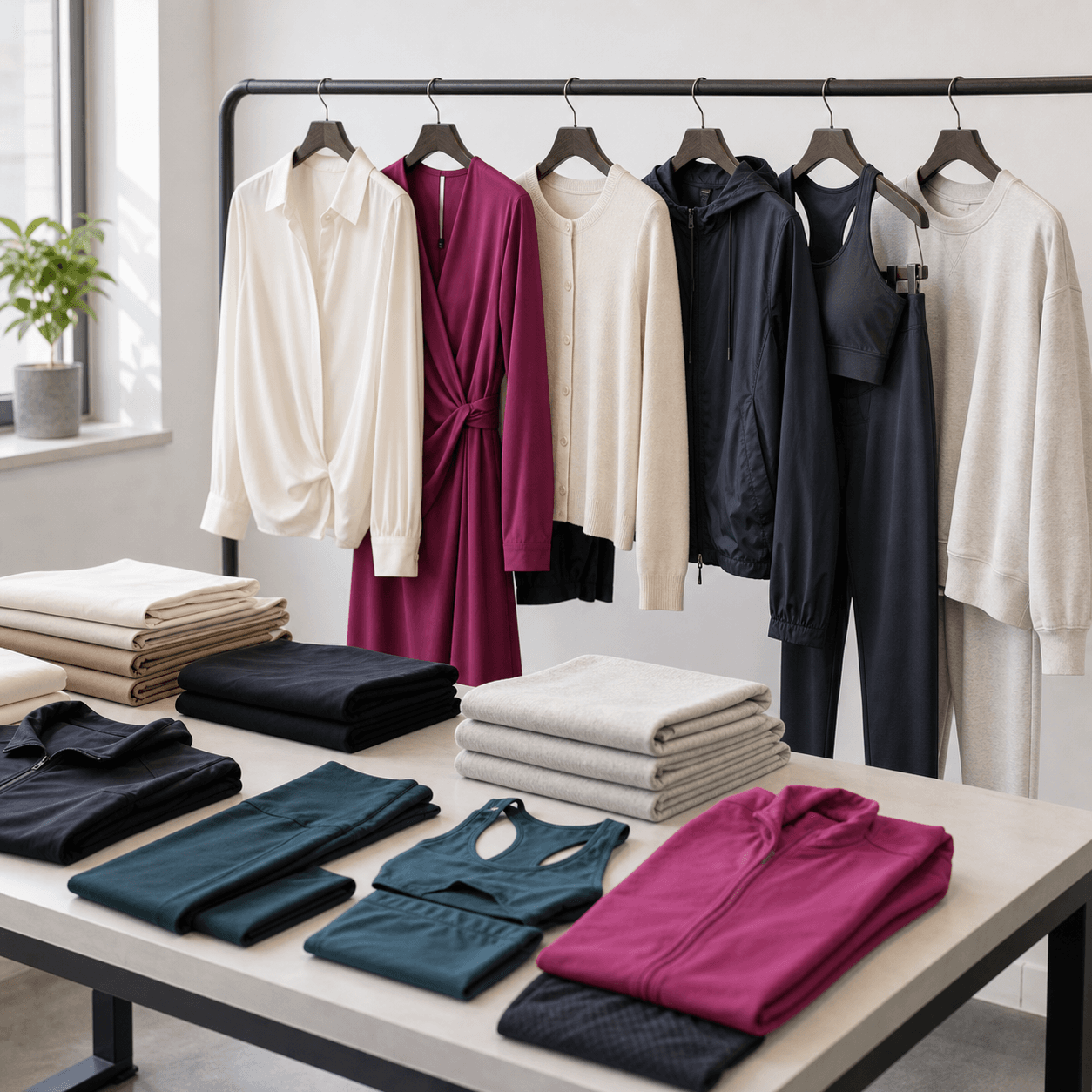
Wholesale / light customization
Activewear Performance Collection
Shortlist existing training, bra, set, or performance-product directions before defining the brand package.
View product direction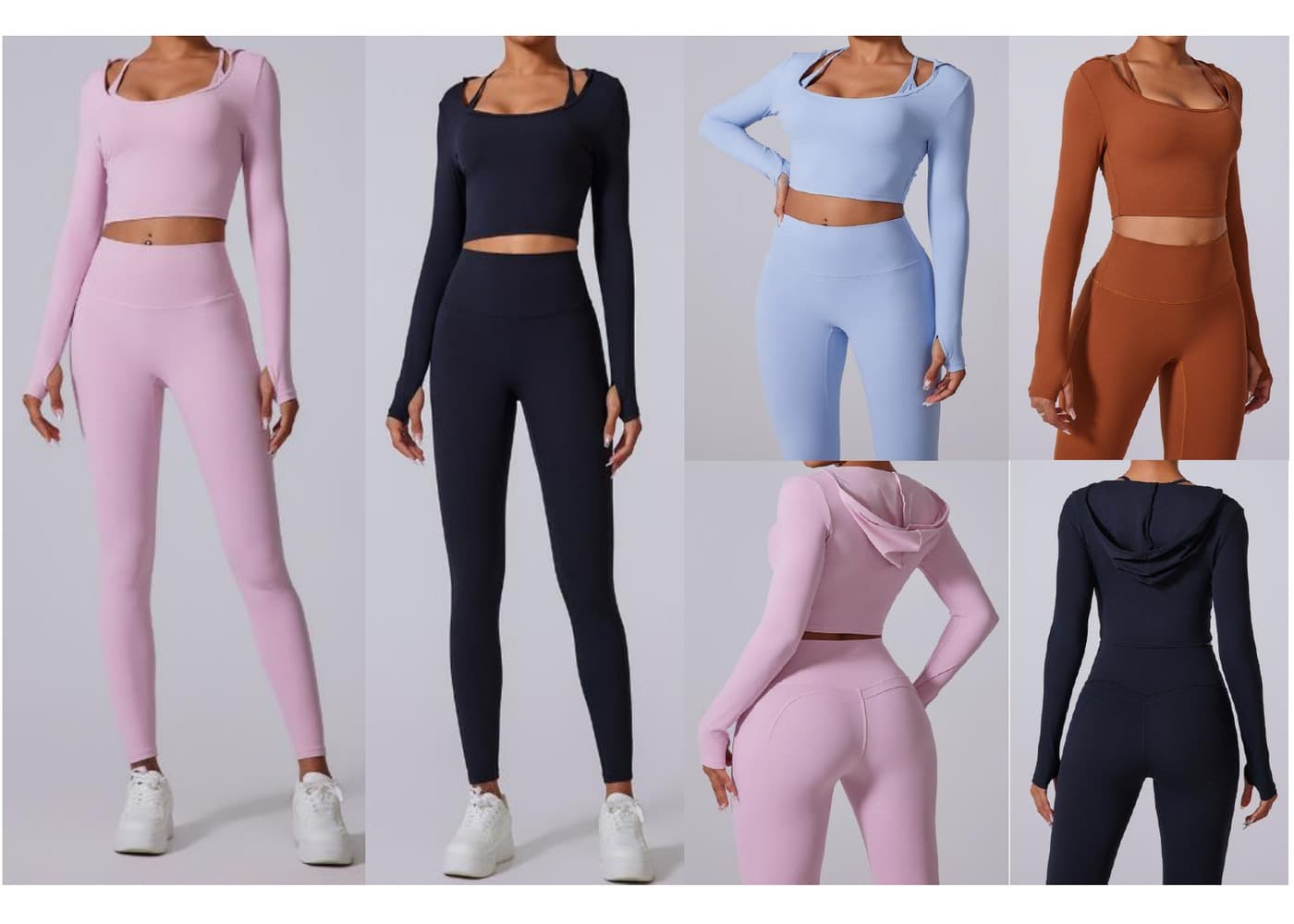
Wholesale / light customization
Hooded Thumbhole Training Set
A coordinated reference for branded training programmes with logo placement, labels, packing, and repeat colour direction.
View product direction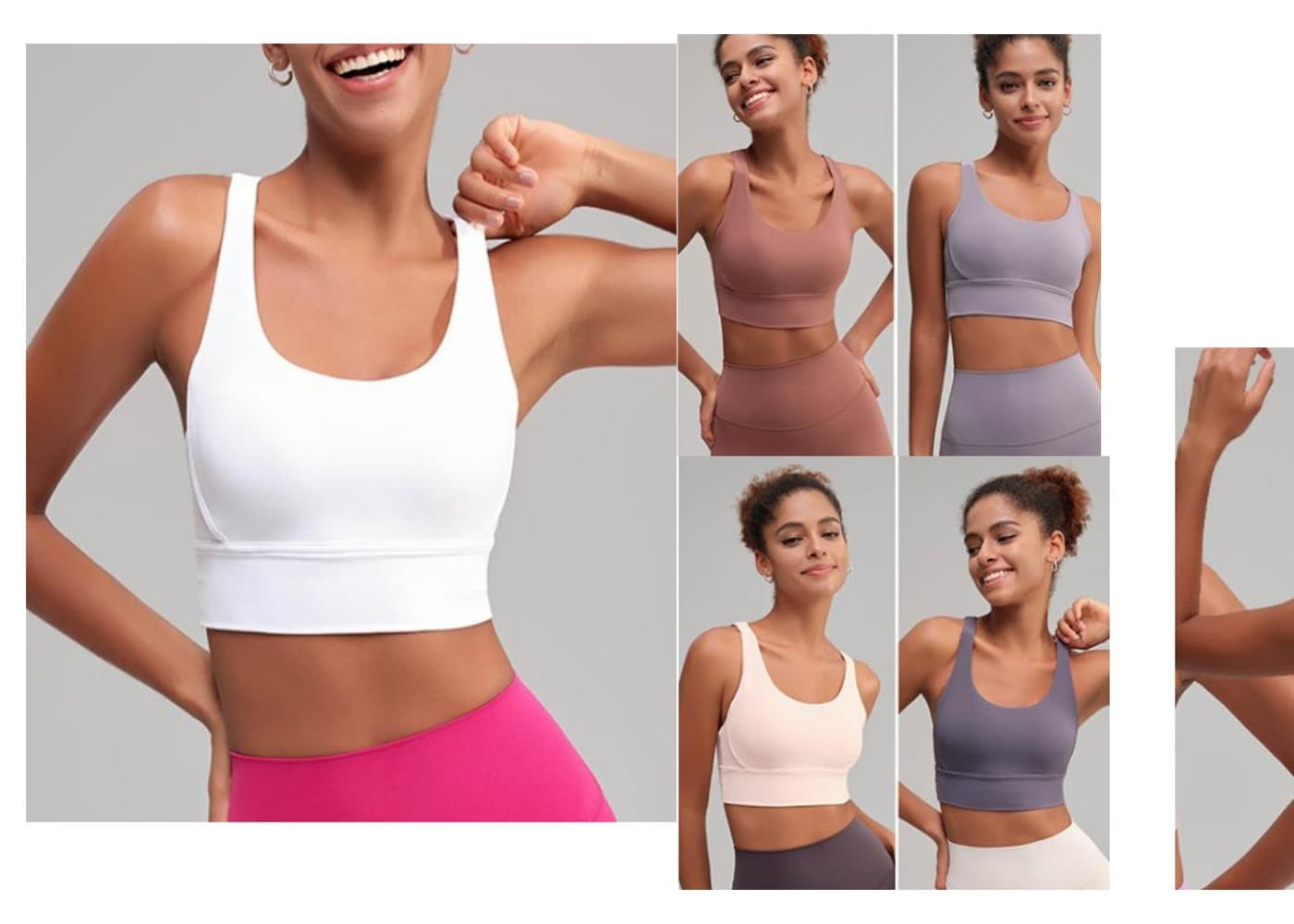
Wholesale / light customization
Light Support Bra Program
A focused direction for logo scale, label placement, colour packs, and private-label wholesale presentation.
View product directionBranding execution
How are logo, labels, and packaging turned into activewear wholesale instructions?
Private-label details work best as product instructions rather than a final decoration step. A logo may need artwork files, placement measurements, colour information, and a sample approval point. Labels need copy, placement, and attachment details. Packaging must connect to receiving through folding, bags, barcode data, size stickers, and carton marks where relevant.
The private-label activewear service helps a buyer organise these components together. Review logo method against the actual product, not only a list of technique names. Fabric stretch, surface texture, placement, logo detail, handfeel, and wash expectation can affect the choice. The activewear logo application guide explains which method questions belong in that technical review.
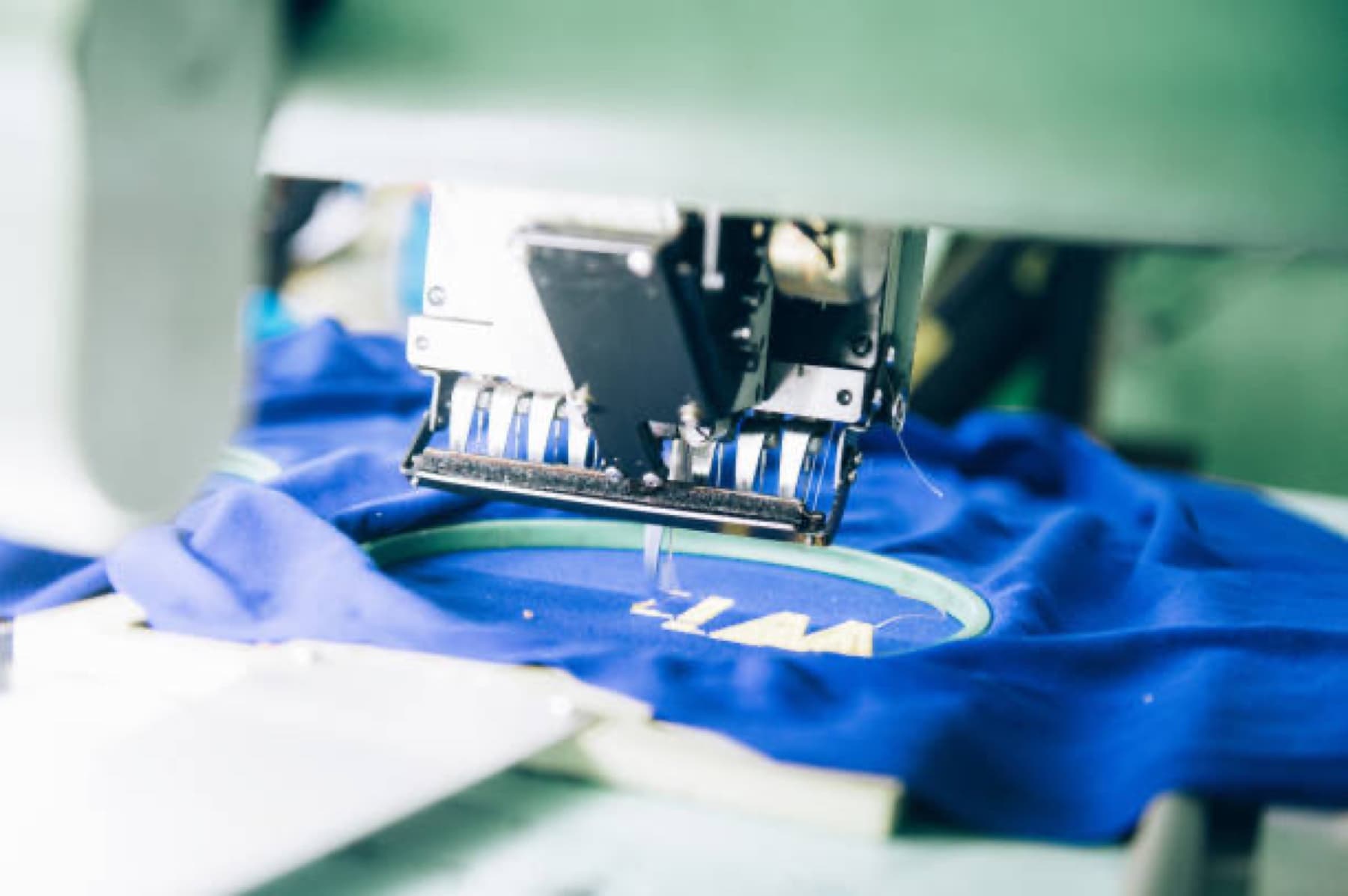
From mock-up to physical approval
What should buyers approve after the logo mock-up but before production?
A digital mock-up is useful for direction: it can show artwork, approximate scale and intended location. It cannot show how an application feels, follows a seam or stretched area, interacts with surface texture, or appears after the agreed review conditions. Define the physical evidence needed for the actual project and keep the approval tied to an identifiable garment or material.
| Approval record | What to capture | Buyer value |
|---|---|---|
| Garment | Style reference, version, colour, size and any accepted limitations | The branded sample and quotation refer to the same product direction. |
| Artwork | File name or revision, colours, dimensions and orientation | The production team is not choosing among several files called “final.” |
| Placement | Named garment area plus measurements from stable seams or edges | A visual mock-up is converted into a repeatable location instruction. |
| Application | Proposed method, actual base material or garment area, sample identity and observations | The buyer can approve the physical result while leaving untested performance claims open. |
| Labels and packing | Component copy, revision, attachment or position, pack contents and unit identification | The customer-facing brand system stays connected to receiving and QC. |
| Release decision | Approved, revise or hold; approver; date; remaining issue; and re-approval trigger | A later artwork, material, placement or garment change cannot quietly inherit an earlier approval. |
If a wash, stretch or abrasion result matters to the buying decision, agree on the sample identity, method, conditions and acceptance source before presenting a conclusion. Without that record, describe the physical appearance observed and leave performance unverified. Changing the fabric, colour, placement, dimensions, artwork detail or application method may require another sample rather than an automatic carry-over of the first approval.
Packing and approval
What should be checked before branded wholesale activewear is packed?
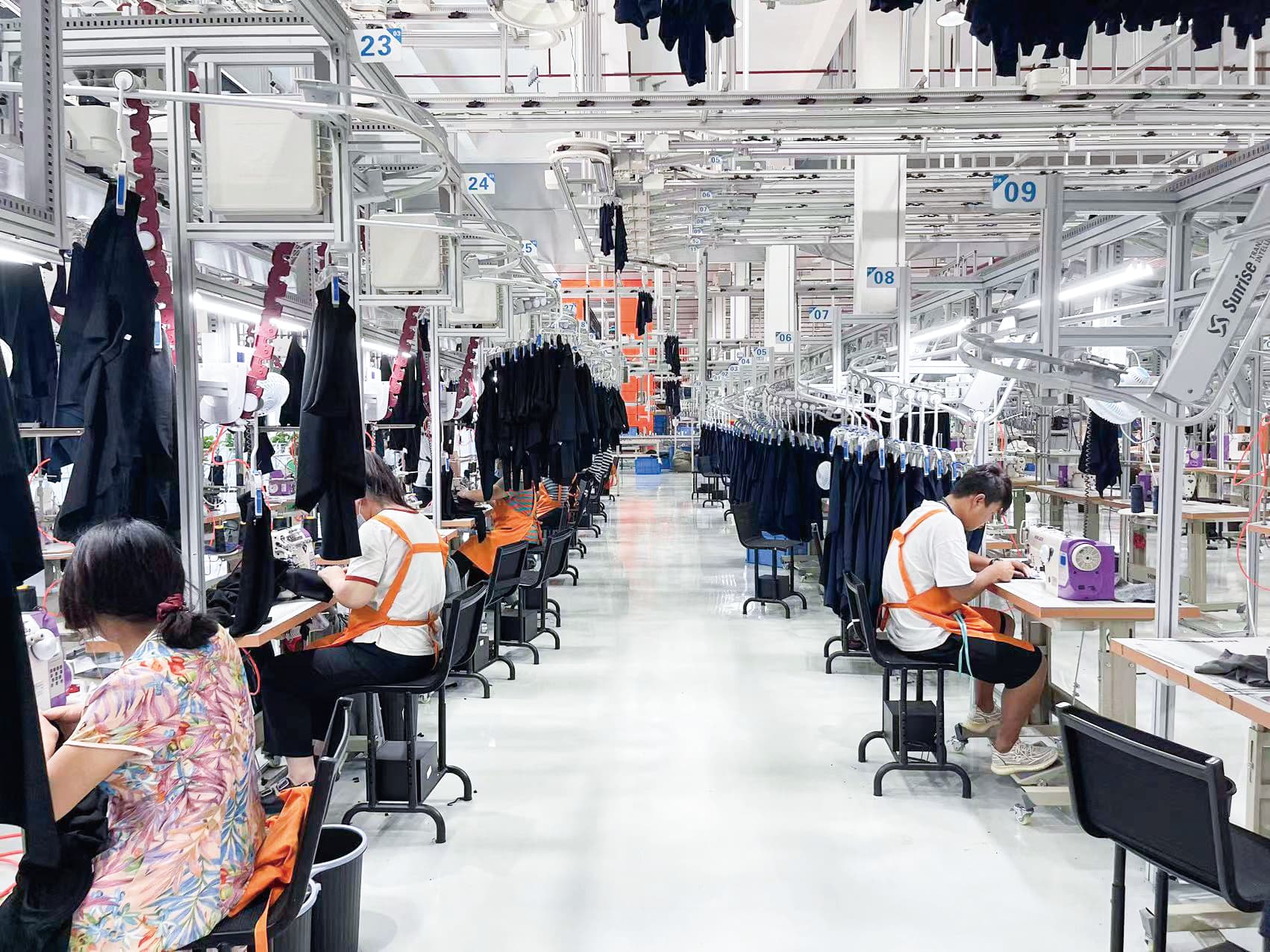
Before final garment handling, ensure the approved reference is usable by the people responsible for production and packing—especially for a collection with several sizes, colours, or brand components. The manufacturing and QC overview explains how garment checks, logo position, labels, packing, and carton information connect before goods leave the factory.

When the product must change
When should a wholesale project move into custom activewear development?
Move to a custom activewear development route when the request changes the garment itself rather than only its brand presentation. Common examples include a new fit, different compression or support, a new waistband, changed panel layout, pocket, unusual strap arrangement, fabric development, material behaviour, special colour route, or product-specific construction change.
This is not a failure of the wholesale route. It is a useful buying decision. An existing product can still provide a strong reference for the factory brief, but the project now requires a clear account of what must change, how the material should behave, which measurements or fit points matter, and what the sample needs to demonstrate. MOQ, price, sample route, and timing remain project-specific and should not be inferred from an existing product image or category label.
Next step
Discuss your activewear wholesale with custom logo brief with inPACE Sports
inPACE Sports supports B2B activewear projects for brands, online stores, wholesalers, studios, clubs, and teams. A wholesale and light-customisation discussion can begin with a selected product direction plus available logo, label, packaging, quantity, and delivery-market information. When deeper product changes are required, the discussion can move into sampling and custom manufacturing with Ningbo Yinshan Garments Factory in Ningbo, Zhejiang, China.
Use the product references above to show what you are considering, then send your wholesale branding brief. Include the product direction, intended use, logo artwork or a description of it, label and packing needs, estimated quantity, and destination market. This gives the team a basis to review which details are ready, which need confirmation, and whether a wholesale or custom-development path is more suitable.
Long-form buyer framework
How can a buyer turn this research into a production-ready decision?
The central task in preparing an activewear wholesale with custom logo project is deciding which existing product direction, artwork, logo method, labels, packing, assortment, approval points, and receiving details belong in the wholesale branding brief. That decision cannot be made from a headline price, a product photo, or a general statement about customization. It needs a record that connects the commercial goal to the garment, material, fit, construction, branding, quantity, quality checks, packing, and destination. When those elements are visible together, a buyer can ask more precise questions and a factory can explain the route without pretending that open details are already confirmed.
The purpose of the framework below is not to turn a brand founder or buyer into a garment technician. It is to make responsibility and evidence clear. The buyer defines the customer and business need, shares what is known, and identifies the decisions that matter. The factory should check that the logo and private-label plan is suitable for the garment, fabric, order assortment, packing route, and destination. Both sides then record what was reviewed, what remains conditional, what must be approved physically, and what information will guide production or a later repeat order.
Select products by role, not photo alone
A training set, sports bra, top, bottom, or layer should match the intended customer, activity, coverage, selling channel, and collection position.
For this decision, the buyer should state the intended result, provide the closest available evidence, and identify what is flexible. The supplier can then explain the product or process implications and flag any dependency on fabric availability, colour, construction, logo method, components, quantity, or packing. A useful response distinguishes a recommendation from a confirmed production instruction and says what would need to be reviewed through a sample or another approval step.
Record the outcome inside a wholesale branding pack linking every selected product to artwork, placement, labels, colour, sizes, quantity, bags, carton details, and approval status. Include the date, relevant file or sample, the person responsible for the next action, and the status of the decision. If a later change affects fit, material, workmanship, branding, assortment, or delivery preparation, return to this record and identify which related approvals need to be checked again. This prevents a local change from creating an unnoticed downstream inconsistency.
Prepare usable artwork and placement notes
Vector files where available, colours, dimensions, garment location, orientation, clear space, and alternative placements make a logo request reviewable.
For this decision, the buyer should state the intended result, provide the closest available evidence, and identify what is flexible. The supplier can then explain the product or process implications and flag any dependency on fabric availability, colour, construction, logo method, components, quantity, or packing. A useful response distinguishes a recommendation from a confirmed production instruction and says what would need to be reviewed through a sample or another approval step.
Record the outcome inside a wholesale branding pack linking every selected product to artwork, placement, labels, colour, sizes, quantity, bags, carton details, and approval status. Include the date, relevant file or sample, the person responsible for the next action, and the status of the decision. If a later change affects fit, material, workmanship, branding, assortment, or delivery preparation, return to this record and identify which related approvals need to be checked again. This prevents a local change from creating an unnoticed downstream inconsistency.
Choose logo methods on the product
Fabric stretch, texture, colour, artwork detail, handfeel, placement, wash expectation, and quantity can change the suitable application route.
For this decision, the buyer should state the intended result, provide the closest available evidence, and identify what is flexible. The supplier can then explain the product or process implications and flag any dependency on fabric availability, colour, construction, logo method, components, quantity, or packing. A useful response distinguishes a recommendation from a confirmed production instruction and says what would need to be reviewed through a sample or another approval step.
Record the outcome inside a wholesale branding pack linking every selected product to artwork, placement, labels, colour, sizes, quantity, bags, carton details, and approval status. Include the date, relevant file or sample, the person responsible for the next action, and the status of the decision. If a later change affects fit, material, workmanship, branding, assortment, or delivery preparation, return to this record and identify which related approvals need to be checked again. This prevents a local change from creating an unnoticed downstream inconsistency.
Write every label requirement
Brand, size, care, composition, placement, attachment, comfort, and destination information should be controlled rather than inferred from the artwork.
For this decision, the buyer should state the intended result, provide the closest available evidence, and identify what is flexible. The supplier can then explain the product or process implications and flag any dependency on fabric availability, colour, construction, logo method, components, quantity, or packing. A useful response distinguishes a recommendation from a confirmed production instruction and says what would need to be reviewed through a sample or another approval step.
Record the outcome inside a wholesale branding pack linking every selected product to artwork, placement, labels, colour, sizes, quantity, bags, carton details, and approval status. Include the date, relevant file or sample, the person responsible for the next action, and the status of the decision. If a later change affects fit, material, workmanship, branding, assortment, or delivery preparation, return to this record and identify which related approvals need to be checked again. This prevents a local change from creating an unnoticed downstream inconsistency.
Make packing part of the order
Hangtags, barcode fields, bags, warnings, size stickers, folding, assortment, carton marks, and receiving instructions affect the final buyer-ready programme.
For this decision, the buyer should state the intended result, provide the closest available evidence, and identify what is flexible. The supplier can then explain the product or process implications and flag any dependency on fabric availability, colour, construction, logo method, components, quantity, or packing. A useful response distinguishes a recommendation from a confirmed production instruction and says what would need to be reviewed through a sample or another approval step.
Record the outcome inside a wholesale branding pack linking every selected product to artwork, placement, labels, colour, sizes, quantity, bags, carton details, and approval status. Include the date, relevant file or sample, the person responsible for the next action, and the status of the decision. If a later change affects fit, material, workmanship, branding, assortment, or delivery preparation, return to this record and identify which related approvals need to be checked again. This prevents a local change from creating an unnoticed downstream inconsistency.
Approve branding before bulk handling
The buyer should identify which garment, logo, label, component, and packing references must be checked before production and final packing continue.
For this decision, the buyer should state the intended result, provide the closest available evidence, and identify what is flexible. The supplier can then explain the product or process implications and flag any dependency on fabric availability, colour, construction, logo method, components, quantity, or packing. A useful response distinguishes a recommendation from a confirmed production instruction and says what would need to be reviewed through a sample or another approval step.
Record the outcome inside a wholesale branding pack linking every selected product to artwork, placement, labels, colour, sizes, quantity, bags, carton details, and approval status. Include the date, relevant file or sample, the person responsible for the next action, and the status of the decision. If a later change affects fit, material, workmanship, branding, assortment, or delivery preparation, return to this record and identify which related approvals need to be checked again. This prevents a local change from creating an unnoticed downstream inconsistency.
Keep a repeat-order brand record
Approved files, placement measurements, components, label versions, packing rules, product changes, and colour information help protect consistency in replenishment.
For this decision, the buyer should state the intended result, provide the closest available evidence, and identify what is flexible. The supplier can then explain the product or process implications and flag any dependency on fabric availability, colour, construction, logo method, components, quantity, or packing. A useful response distinguishes a recommendation from a confirmed production instruction and says what would need to be reviewed through a sample or another approval step.
Record the outcome inside a wholesale branding pack linking every selected product to artwork, placement, labels, colour, sizes, quantity, bags, carton details, and approval status. Include the date, relevant file or sample, the person responsible for the next action, and the status of the decision. If a later change affects fit, material, workmanship, branding, assortment, or delivery preparation, return to this record and identify which related approvals need to be checked again. This prevents a local change from creating an unnoticed downstream inconsistency.
Buyer scenarios
How does the decision change in common sourcing situations?
Real projects rarely arrive with every detail complete. The useful question is not whether the brief is perfect; it is whether the missing information is visible and whether the next step will produce evidence. These scenarios show how a buyer can keep preparing an activewear wholesale with custom logo project practical without converting early assumptions into promises.
The buyer has a direction but incomplete technical files
Start with the product role, target customer, intended use, reference material, and the decisions already made. Mark missing measurements, fabric, artwork, or packing details as open questions. The supplier response should show what can be reviewed immediately, what needs a sample, and what information is required before the route becomes more specific.
Apply the scenario to which existing product direction, artwork, logo method, labels, packing, assortment, approval points, and receiving details belong in the wholesale branding brief. Note what can be accepted as direction, what requires factory review, and what must become part of a wholesale branding pack linking every selected product to artwork, placement, labels, colour, sizes, quantity, bags, carton details, and approval status before the buyer compares suppliers or approves the next stage.
A catalogue reference is close but not exact
List the features that already work and separate brand presentation from garment changes. A logo, label, hangtag, or bag may stay within a catalogue-informed route, while a new fit, material, pattern, construction, or performance feature may require custom development. The decision should be based on the requested change, not a category label.
Apply the scenario to which existing product direction, artwork, logo method, labels, packing, assortment, approval points, and receiving details belong in the wholesale branding brief. Note what can be accepted as direction, what requires factory review, and what must become part of a wholesale branding pack linking every selected product to artwork, placement, labels, colour, sizes, quantity, bags, carton details, and approval status before the buyer compares suppliers or approves the next stage.
The order contains several colours, sizes, and brand components
Create one assortment record by style, colour, and size, then connect every logo, label, barcode, bag, and carton instruction to the correct SKU. Ask which choices affect material planning, application methods, packing ratios, or quotation assumptions. This is where a simple-looking collection can become operationally complex.
Apply the scenario to which existing product direction, artwork, logo method, labels, packing, assortment, approval points, and receiving details belong in the wholesale branding brief. Note what can be accepted as direction, what requires factory review, and what must become part of a wholesale branding pack linking every selected product to artwork, placement, labels, colour, sizes, quantity, bags, carton details, and approval status before the buyer compares suppliers or approves the next stage.
The programme is expected to repeat
Decide which approved records will be retained after shipment and which changes should trigger a new sample. Product specifications, material and colour references, artwork, placement, labels, packing, QC notes, and prior order data make later replenishment more controlled. A reorder should not depend on memory or an old message thread.
Apply the scenario to which existing product direction, artwork, logo method, labels, packing, assortment, approval points, and receiving details belong in the wholesale branding brief. Note what can be accepted as direction, what requires factory review, and what must become part of a wholesale branding pack linking every selected product to artwork, placement, labels, colour, sizes, quantity, bags, carton details, and approval status before the buyer compares suppliers or approves the next stage.
Decision record
Which evidence should the buyer request and retain?
The table turns the article's key questions into a working review format. It is intentionally broader than a unit-price comparison because a complete activewear programme includes product, material, sample, branding, packing, and delivery assumptions.
| Decision area | Buyer evidence | Factory review | Record before approval |
|---|---|---|---|
| Select products by role, not photo alone | Reference, requirement, intended result, and any non-negotiable constraint. | Feasibility, dependencies, assumptions, sample need, and effect on connected decisions. | Approved reference, open issue, owner, date, and the next checkpoint. |
| Prepare usable artwork and placement notes | Reference, requirement, intended result, and any non-negotiable constraint. | Feasibility, dependencies, assumptions, sample need, and effect on connected decisions. | Approved reference, open issue, owner, date, and the next checkpoint. |
| Choose logo methods on the product | Reference, requirement, intended result, and any non-negotiable constraint. | Feasibility, dependencies, assumptions, sample need, and effect on connected decisions. | Approved reference, open issue, owner, date, and the next checkpoint. |
| Write every label requirement | Reference, requirement, intended result, and any non-negotiable constraint. | Feasibility, dependencies, assumptions, sample need, and effect on connected decisions. | Approved reference, open issue, owner, date, and the next checkpoint. |
| Make packing part of the order | Reference, requirement, intended result, and any non-negotiable constraint. | Feasibility, dependencies, assumptions, sample need, and effect on connected decisions. | Approved reference, open issue, owner, date, and the next checkpoint. |
| Approve branding before bulk handling | Reference, requirement, intended result, and any non-negotiable constraint. | Feasibility, dependencies, assumptions, sample need, and effect on connected decisions. | Approved reference, open issue, owner, date, and the next checkpoint. |
| Keep a repeat-order brand record | Reference, requirement, intended result, and any non-negotiable constraint. | Feasibility, dependencies, assumptions, sample need, and effect on connected decisions. | Approved reference, open issue, owner, date, and the next checkpoint. |
Buyer checklist
What should be ready before the next factory conversation?
A buyer can begin even when some boxes remain open. Label them clearly and ask what evidence would close them. That approach is more useful than hiding uncertainty or waiting for an impossible level of perfection. It also makes a supplier's reasoning easier to evaluate: the response should identify connected decisions and explain why a sample, component approval, revised brief, or packing record is needed.
Continue the buyer journey
Keep the next step tied to the product decision
Continue with compare wholesale and custom manufacturing when that question is adjacent to the current decision. If the project is ready for factory review, send the product type, reference, material and fit priorities, branding scope, estimated quantity, packing needs, and destination market. inPACE Sports can then discuss whether the next step is product selection, private-label review, custom development, sampling, or a more complete quotation brief.
State what is confirmed, flexible, and still open for factory guidance.
Ask how decisions move into sampling, production, QC, and packing.
Retain the approval and receiving records needed for shipment and reorders.