
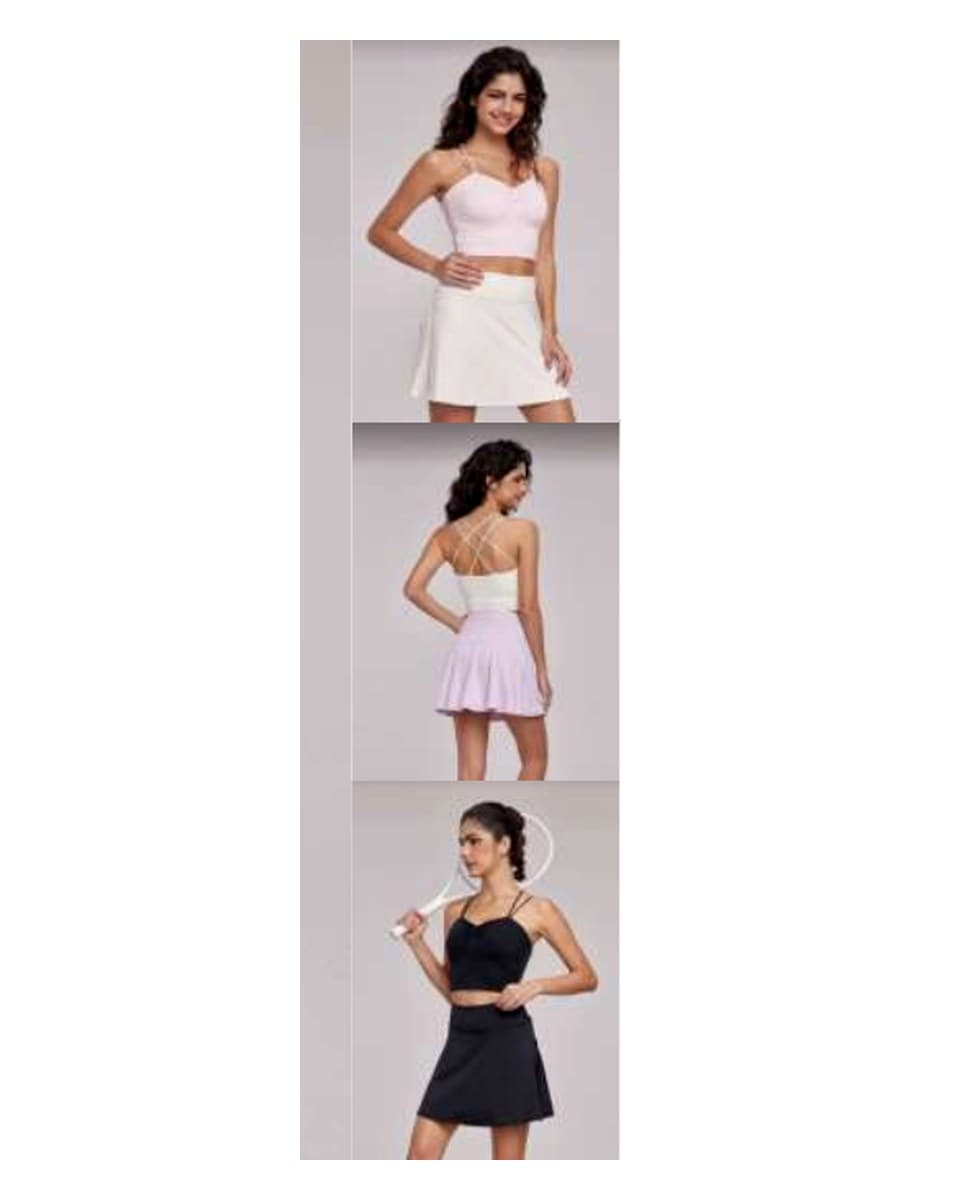
A women’s padel clothing range should begin with the jobs each garment must perform, not with a long list of attractive styles. Define who will buy it, where it will be worn, which top and lower-body combinations form the core offer, and which fit, fabric, pocket, colour, branding, and packing decisions need physical samples before production.
This guide is for B2B brands, clubs, academies, designers, online stores, and sports retailers planning a coordinated women’s range. It complements the broader custom padel apparel factory brief by focusing on assortment architecture: what belongs in the range, what can share a design system, and what must remain a separate product decision.
Who is the women’s padel clothing range for?
Name the customer before selecting garments. A club team, a coaching academy, a specialist padel retailer, and a fashion-led activewear brand can all sell women’s padel clothing, but they do not need the same assortment. The club may value repeatable colours, roster control, and coordinated warm-up pieces. A retailer may need clear price and silhouette steps. An online brand may need a focused hero product, dependable product-page information, and a manageable size-colour plan.
Write a short customer statement that includes the intended wearer, market, channel, and use. For example: “adult club players buying coordinated practice and match separates through a club shop” is more useful than “women who like padel.” The first statement helps a product team decide whether it needs a polo, a sleeveless top, a skort, a short, a warm-up layer, and optional team personalisation. The second does not.
Separate play garments from the clothing worn around the session. A dress, top, skort, or short may be designed for the court. A pullover or jacket may serve arrival, warm-up, cool weather, travel, or team presentation. Casual products can still belong in the commercial range, but they should not inherit performance claims simply because they share a colour palette.
Record the intended selling countries and channels. Market and event requirements, care information, labels, size communication, packaging, and customer expectations can differ. The product brief should make those questions visible without assuming that one range is automatically suitable for every market or tournament.
Which garments should form the core padel capsule?
Start with a small number of product roles. A practical first discussion may include one core top, one lower-body garment, and one optional layer. A second top or bottom belongs in the range when it serves a different fit, coverage, price, or styling need. It should not be added merely to make the line sheet look larger.
| Product role | Buyer decision | Useful starting reference | Evidence still needed |
|---|---|---|---|
| Core court top | Sleeve, neckline, body length, coverage, and logo area | Short-Sleeve Performance Polo or Sleeveless Training Tank | Actual fit, reach, rotation, material, colour, and decoration review |
| Core lower body | Skort or short, waist position, length, inner layer, and storage | A-Line Tennis Skirt | Padel use, liner, pocket, coverage, and movement review |
| Alternative lower body | Pleated silhouette, different coverage or styling route | Pleated Tennis Skirt | Pleat behaviour, inner construction, ball access, fit, and colour approval |
| Warm-up layer | Arrival, warm-up, cool-weather, or team-presentation role | Buyer reference or factory-developed layer | Layering fit, closures, pockets, branding, and pack configuration |
| Hero item | Distinctive dress, coordinated set, or design-led top | Sketch, sample, reference garment, or tech pack | Complete product-development and sample plan |
The references help a buyer point to a silhouette or construction conversation. They do not prove that the photographed fabric, fit, pocket, colour, or performance is suitable for a padel programme. Keep a clear column for “retain,” “change,” and “open.” That prevents a visual reference from silently becoming a complete production instruction.
If budget and demand are uncertain, prioritise the styles that create a wearable outfit. A strong top plus a lower-body option can teach the brand more than five unrelated garments. Use the activewear size-colour-quantity planning guide to model the actual SKU count before approving extra colours or silhouettes.
How should tops be briefed for padel movement?
Padel involves repeated reaching, rotation, changes of direction, bending, and play close to the body. The product team should turn those broad movements into sample observations. For a top, identify the neckline, shoulder, armhole, sleeve, side seam, hem, and coverage questions that matter to the intended wearer.
A polo can support club identity and a structured team presentation. A sleeveless or short-sleeve training top may suit a different product position. Neither name proves mobility, comfort, drying behaviour, or coverage. Ask an intended sample wearer to complete a repeatable movement sequence and record what happens at the garment areas named in the brief.
Useful notes describe an observable event: “During the agreed overhead reach, the front hem moved above the coverage point marked in the brief.” A vague comment such as “make it more sporty” does not tell the pattern or sample team what to investigate. Keep the sample size, material reference, and garment version attached to every observation.
Decide where logos and club identifiers can sit without interfering with the intended garment construction. A large back graphic, sleeve mark, chest logo, sponsor line, or player name may require different artwork and placement controls. The activewear print-placement method should connect artwork to real garment landmarks rather than a floating digital mock-up.
What should buyers decide about skorts, shorts, and ball storage?
The lower-body product often carries more interacting decisions than its front photograph suggests. A skort combines an outer skirt, inner short, waistband, seams, hem, and any storage feature. A short may combine an outer shell, liner, waistband, drawcord, and pocket. Review the proposed assembly, not each visible layer in isolation.
For a skort, define the outer silhouette, waist position, skirt length, inner-short rise and length, layer attachment, and acceptable visibility during movement. If a ball pocket is required, identify the intended ball, capacity, preferred side, entry direction, and retrieval expectation. A phone pocket or a tennis-ball claim should not be accepted as proof of padel-ball access without an assembled sample review.
The layered two-in-one training shorts offer a useful visual reference for separating an outer and inner component. They do not demonstrate a validated padel pocket. A separate activewear inner-short brief can help the buyer name liner measurements and attachment questions before they are combined with a skirt.
Review the empty garment first, then repeat agreed movements with the intended pocket load. Observe the waist, outer layer, liner, pocket opening, and ease of retrieval. Record the behaviour rather than jumping to a construction diagnosis. The detailed padel skort with ball pocket guide should own that component-level decision once the page is released; this range-planning guide only determines whether that product role belongs in the collection.
How can the range share a design language without forcing one construction?
A coherent collection can share colour relationships, piping, contrast panels, trim direction, artwork style, and label presentation. It does not need every garment to use one fabric or pattern block. Tops, skorts, shorts, dresses, and warm-up layers have different fit and construction jobs. Treating them as copies can create avoidable sample problems.
Create a design-system sheet that shows primary and secondary colours, logo versions, typefaces where relevant, recurring trim cues, and approved placement principles. Beside it, maintain a product-specific specification for each garment. The first document supports visual consistency. The second controls what will actually be made.

*A range becomes more controllable when shared visual direction and garment-specific decisions are reviewed together. This factory-context image does not represent a finished padel collection or a customer project.*
When one garment changes, ask whether the shared system or only that product record needs revision. A new body colour can affect every item. A revised skort pocket may affect only the skort, although it can reopen waist or liner decisions. Version control prevents a comment on one style from accidentally changing the whole range.
How should fabrics be allocated across a padel range?
Start with garment roles and wear conditions. A close-fit top, a structured polo, an outer skirt, an inner short, and a warm-up layer may require different material directions. Do not choose one “padel fabric” and assume it answers drape, coverage, stretch, handfeel, colour, logo, and care questions for every component.
For each material candidate, record its supplier identity or internal reference, proposed garment component, colour, known composition and construction, weight where confirmed, stretch direction, surface, and available evidence. Mark unknown fields as open. The fabrics and trims overview provides a starting vocabulary; the fabric for padel clothing guide should own the detailed comparison once published.
Connect claims to evidence. If the brand plans to communicate moisture management, drying, sun protection, abrasion resistance, opacity, or another performance, agree what evidence is needed and which exact material or garment it covers. A fibre percentage, mesh appearance, supplier description, or dark-colour sample is not automatically evidence for every colour and finished style.
Review decoration with the actual material. Stretch, texture, colour, seam position, and heat sensitivity can change the result. A controlled logo-application review should compare method, handfeel, local stretch, appearance, and sample evidence without promising a universal process.
What fit strategy keeps the range consistent?
Consistency does not mean forcing identical ease or measurements onto different garment types. It means using a clear wearer and size strategy, a controlled base-size review, and product-specific points of measure that support the intended fit. A relaxed warm-up layer, a close-fit top, and an inner short need different fit decisions even when they share size labels.
Ask who approves fit and which sample represents each decision. Record the wearer context, sample size, garment measurements, and observations. If the range offers two fit blocks, label them clearly. A customer should not need to guess whether the same size letter refers to the same body relationship across a polo, crop top, skort, and pullover.
Distinguish base-size approval from grading review. A base sample can establish the intended silhouette but does not prove that every graded size maintains strap position, skirt coverage, pocket access, or artwork proportion. Plan any size-set review around the risks of the actual garments.
Maintain a fit-decision log with the product version, sample, reviewer, observation, proposed change, and approval boundary. This is particularly useful when design, sourcing, and factory teams operate in different locations or languages.
How should colours, logos, labels, and club identity be approved?
Build the colour map at garment and component level. A nominal navy can appear differently on a top fabric, skirt fabric, rib, zip tape, elastic, lining, and logo film. State which elements must match and which are intentionally contrasted. Keep standards, lab dips, components, and garment samples traceable in the colour-approval record.
Check the rules and presentation requirements for the actual club, event, retailer, or market. Do not claim tournament approval from a factory sample. Keep event review separate from manufacturing colour approval, while documenting both decisions where they affect the same garment.
For private-label details, list the logo files, placement, dimensions or landmark relationships, woven or printed labels, care and fibre information, size marking, hangtags, barcode fields, bags, folding, and carton marks. Use the private-label activewear service to discuss those components after the product direction is known.
Personalised names, numbers, sponsor marks, and team allocations need their own version-controlled record. The buyer remains responsible for authorised artwork and correct data. The factory can manufacture against the accepted file and placement record; it cannot infer usage rights or tournament permissions from a logo attachment.
How should a buyer plan samples for the collection?
Give every sample a purpose. An early development sample may test the product interpretation. A fit sample may answer silhouette and movement questions. A material or colour sample may answer another group of decisions. A decoration sample can focus on logo method and placement. A later reference may combine accepted decisions for production discussion.
Do not demand that one garment answer every unresolved question. Too many changing variables make the result difficult to interpret. Choose the smallest useful sample set based on product risk and shared components. A top and skort using different fit blocks should not be treated as one sample decision simply because they are styled as an outfit.
Use a controlled sample plan to assign styles, colours, sizes, and questions. Then consolidate sample observations in one feedback record. Mark each point as accepted, revise, open, or not represented. This creates a cleaner handoff than a stream of disconnected messages and annotated images with no version.
Any timeline remains project-specific. Product complexity, material availability, colours, components, artwork, sample revisions, quantities, packing, and approvals change the route. Ask for a plan based on the confirmed scope rather than treating a general range as a fixed commitment.
What quantity and merchandising plan should be prepared?
Create the SKU matrix before approving the final assortment. Multiply styles by colours and sizes, then add any club personalisation, set configuration, or regional variation. A range that looks small in a mood board can become operationally complex when each combination receives a separate order line, label, barcode, and stock record.
Separate estimates from commitments. Use previous sales, club enrolment, wait-list information, channel data, or a controlled test where available, but label assumptions. Do not expand a first order simply to chase a lower quoted unit price. The buyer should understand the cash, inventory, and evidence consequence of every additional colour or style.
Decide whether tops and bottoms are sold separately or as sets. Separate sales can serve different body proportions and simplify customer choice, but they require independent stock planning. Fixed sets can simplify presentation while creating size-pairing and packing decisions. The correct route depends on the brand and channel.
Plan replenishment records from the beginning. Keep approved product versions, materials, colours, artwork, labels, packaging, size ratios, and inspection references accessible. A repeat order is safer when the buyer can identify what must remain the same and what has changed.
What QC and packing controls belong in the range brief?
QC should follow the approved product records. For tops, controls may include measurements, neckline, armhole or sleeve, seams, hem, artwork, and labels. For skorts and shorts, they may include waist, outer and inner lengths, layer attachment, pocket construction, pleats, seams, and the approved functional review boundary. These are categories to define, not automatic test results.
Discuss how approved samples, specifications, colour references, and artwork proofs reach production and inspection. The activewear manufacturing workflow explains the connection between approved inputs, sewing, QC, packing, and export preparation. Inspection cannot repair an unclear product specification after production.
Packing must identify each SKU and allocation correctly. Confirm folding, individual bags where required, size stickers, barcodes, set grouping, personalised kit grouping, carton marks, quantities, and receiving information. For club programmes, decide whether garments are bulk packed by SKU or grouped by player or team. Each choice changes the packing record and checking process.
What should a women’s padel range brief contain?
Before contacting a manufacturer, prepare a concise pack:
- Target customer, market, channel, and intended play, training, club, and warm-up uses.
- Product-role list with core, alternative, hero, and optional items.
- References marked with details to retain, change, or investigate.
- Top coverage and movement questions.
- Skort or short outer, liner, waist, length, and ball-storage requirements.
- Material candidates and evidence needs by garment component.
- Fit block, sample size, size range, and grading questions.
- Colour map, authorised artwork, labels, hangtags, and packaging scope.
- Preliminary style-colour-size quantities and set or separate-SKU logic.
- Sample purpose and approval owner for every requested piece.
- QC priorities, packing route, destination, and remaining compliance questions.
- A version list showing approved, proposed, substituted, and open decisions.
inPACE Sports can review this information through the custom activewear development route, connect garment decisions to sampling and production planning, and help the buyer distinguish an existing-style branding project from a new fit, material, construction, or component development project. Ningbo Yinshan Garments Factory’s production background since 1986 provides manufacturing context; it does not by itself prove a padel product’s fit, material performance, tournament acceptance, or commercial result.
Send your women’s padel range plan to inPACE with the intended customer, product roles, references, size-colour direction, branding files, quantity estimates, and the questions the first samples must answer.
Product directions
Explore relevant activewear products
Use these product pages as practical references for your brief, then confirm materials, fit, customization, and production details through sampling.
A-Line Court Skirt Reference
Use this existing silhouette to discuss a padel range while confirming liner, pocket, fit, material and colour for the project.
View product directionShort-Sleeve Performance Polo
Review a club-top direction, then define the padel fit, branding, material and sample scope.
View product directionCustom Activewear Development
Use the factory-custom route when the range needs new fit, fabric, construction, pockets or product features.
View product directionFAQ
Buyer questions
What products should a first women’s padel clothing range include?
Begin with product roles, not a fixed item count. One core top, one lower-body option, and an optional warm-up layer can form a useful first capsule. Add another top, skort, short, or dress only when it serves a clear fit, coverage, price, or channel need and the extra SKU complexity is understood.
Can a brand use existing tennis clothing as the starting point?
Yes, an existing tennis garment can be a visual or physical reference, but it is not automatically a padel specification. Record what should remain, what should change, and what the sample must verify for fit, movement, liner, pocket, material, branding, and intended use.
Does every padel skort need a ball pocket?
No. The product role and customer need should decide whether a ball pocket is required. If it is required, specify the actual ball, capacity, side, entry direction, and retrieval expectation, then review the complete skort with the pocket loaded. Do not convert a phone pocket claim into padel-ball evidence.
Should all garments in the range use the same fabric?
Not necessarily. A top, polo, outer skirt, inner short, and warm-up layer can have different material jobs. Allocate material by garment component and intended use, then review the actual colour, fit, construction, decoration, care, and evidence required for each proposed fabric.
How many colours should a new padel brand launch?
There is no universal number. Model the complete style-colour-size SKU count, available budget, channel evidence, branding needs, and replenishment plan. A focused core colour plus a controlled seasonal direction can be easier to sample, approve, merchandise, and restock than a broad untested palette.
Can inPACE guarantee that a garment is tournament approved?
No factory should infer tournament approval from a product category or sample. The buyer should obtain the current rules and event-specific requirements from the responsible organisation. inPACE can manufacture against confirmed product, colour, artwork, and label instructions, subject to the actual project scope and approvals.
What should be sent with a women’s padel clothing RFQ?
Send the customer and channel, garment roles, references, fit and movement priorities, skort or short construction, pocket requirements, material direction, size range, colours, authorised artwork, labels, packing, preliminary quantities, destination, sample purpose, and a list of decisions that remain open.