
البيع بالجملة للملابس الرياضية مع شعار مخصص هو مسار B2B للمشترين الذين يمكنهم البدء باتجاه منتج موجود ويحتاجون إلى تجهيزه تحت علامتهم التجارية. يمكن أن يغطي المشروع تطبيق شعار أو علامة تجارية متفق عليه، والملصقات، وبطاقات التعليق، والأكياس، ومعلومات الكرتون، وخطة طلب. عندما يحتاج الثوب نفسه إلى قَصّة أو قماش أو بنية أو لون أو ميزة أداء مختلفة، يجب أن ينتقل إلى تطوير المصنع المخصص.

مسار B2B
ماذا يعني بيع الملابس الرياضية بالجملة مع شعار مخصص؟
في هذا السياق، يعني بيع الملابس الرياضية بالجملة مع شعار مخصص أن يبدأ المشتري من اتجاه منتج موجود بالفعل بدلاً من أن يطلب من المصنع إنشاء قطعة ملابس جديدة تمامًا من الصفر. يختار المشتري الفئة أو الشكل القريب من العميل المقصود وقناة البيع، ثم يحدد كيف ينبغي أن تظهر هذه القطعة وتصل تحت علامة المشتري التجارية.
قد يشمل هذا العرض التجاري للعلامة شعارًا أو علامة تجارية، ونظام ملصقات، ومعلومات العناية والمقاسات، وبطاقات التعليق، وأكياس البولي، وملصقات الباركود، وعلامات الكرتون، وتعليمات الطي، وتفاصيل تشكيلة المقاسات أو الألوان. إنه ليس تسوقًا تجزئيًا لقطعة واحدة، ولا شحنًا مباشرًا، ولا وعدًا بمخزون جاهز. لا يزال يتعين مراجعة النمط المختار، واتجاه المواد، والألوان، وطريقة وضع العلامة التجارية، والكمية، والتغليف، وسوق التسليم كمشروع واحد.
إذا كان التمييز لا يزال غير واضح، فابدأ بـ بيع الملابس الرياضية بالجملة مقابل التصنيع المخصص. فهو يشرح متى يكون المسار التجاري القائم على الكتالوج كافيًا ومتى يحتاج المشتري إلى مناقشة أكثر تعمقًا لتطوير المنتج.
اختر نقطة البداية الصحيحة
متى يكون بيع الملابس الرياضية بالجملة مع شعار مخصص هو الخيار العملي؟
يستحق مسار البيع بالجملة المناقشة عندما يكون منتج حالي قريبًا بالفعل من هدف المجموعة. قد يرغب المشتري في طقم تدريبي لبرنامج استوديو، أو حمالة رياضية لمتجر إلكتروني، أو مجموعة متناسقة لنادٍ، لكنه لا يحتاج إلى تغيير القَصّة الأساسية أو البناء. وبالتالي فإن العمل الأعلى قيمة هو اختيار اتجاه المنتج الصحيح وجعل هويته التجارية وتفاصيل التسليم واضحة.
يمكن أن يكون مفيدًا عندما يرغب المشتري في اختبار فئة، أو تطوير أول مجموعة تحمل علامته التجارية، أو إعداد منتج أساسي قابل للتكرار. وهو ليس الخيار الصحيح تلقائيًا لكل طلب أول: يجب النظر في متطلبات المنتج، وتوافر المواد، وخطة الألوان، ونطاق العلامة التجارية، والكمية معًا. تعامل مع صفحة المنتج كمرجع بداية وليس كمواصفة إنتاج نهائية.
اختر اتجاه المنتج
ابدأ بنمط من الكتالوج يناسب النشاط المقصود، والعميل، والقناة، ودور المنتج. صفحة المنتج هي مرجع للمناقشة، وليست مواصفة نهائية تلقائية.
خطط لعرض العلامة التجارية
حدد الأعمال الفنية المتاحة للشعار، والموضع، والملصقات، والعلامات المعلقة، والأكياس، وعلامات الكرتون، ومعلومات المقاسات، وأي متطلبات استلام تجعل المنتج جاهزًا لقناة المشتري.
اجعل القرارات المفتوحة واضحة
اذكر تفاصيل الألوان، والمواد، والعلامة التجارية، والكمية، والتغليف، والسوق التي لا تزال بحاجة إلى تأكيد بدلاً من التعامل مع تقدير مبكر كخطة نهائية.
انتقل إلى المستوى الأعلى عند تغيّر القطعة
انتقل إلى التطوير المخصص إذا كان المشتري يحتاج إلى قَصّة جديدة، أو قماش، أو مستوى دعم، أو ميزة بنائية، أو تخطيط ألواح، أو أي تغيير آخر يحدد هوية المنتج.
موجز المشتري
ما الذي يجب أن يجهّزه العلامة التجارية لبيع الملابس الرياضية بالجملة مع شعار مخصص؟
قبل طلب عرض سعر أو مناقشة الطلب، ضع قرارات المنتج والعلامة التجارية في نفس الموجز. يوضح الجدول أدناه المدخلات المؤكدة وتلك التي تتطلب مراجعة المصنع لبيع الملابس الرياضية بالجملة مع شعار مخصص.
لا يحتاج الموجز المختصر إلى كل إجابة. قد يعرف المشتري الشكل المطلوب لحمالة الصدر الرياضية لكنه غير محدد بشأن طريقة الشعار؛ شارك التصميم الفني، والموضع المتوقع، والاستخدام المقصود، ثم اطلب مراجعة مقابل المادة ومسار العينة. تجنّب طلبًا يقتصر على قائمة أسعار تحمل شعار العلامة التجارية: فهو يترك افتراضات الثوب والتغليف والكمية والوجهة غير واضحة.
مراجع المنتج
كيف يجب على المشترين اختيار اتجاهات المنتجات لبيع activewear بالجملة مع شعار مخصص؟
ابدأ بتحديد دور المنتج بدلًا من مجرد الأسلوب البصري. يمكن لطقم متناسق أن يكون عنصرًا أساسيًا لاستوديو أو فريق أو مجموعة بيع بالتجزئة؛ بينما يمكن لبرنامج حمالات الصدر أن يكون عنصرًا أساسيًا مركّزًا حيث يلزم تكرار اللون وموضع الشعار والملصقات والتغليف بشكل متسق.
تنفيذ العلامة التجارية
كيف يتم تحويل الشعارات والملصقات والتغليف إلى تعليمات بيع الجملة للملابس الرياضية؟
تعمل تفاصيل العلامة الخاصة بشكل أفضل كتعليمات منتج بدلاً من كونها خطوة زخرفة نهائية. قد يحتاج الشعار إلى ملفات فنية وقياسات الموضع ومعلومات الألوان ونقطة موافقة على العينة. تحتاج الملصقات إلى نص وموضع وتفاصيل التثبيت. يجب أن يتصل التغليف بالاستلام من خلال الطي والأكياس وبيانات الباركود وملصقات المقاسات وعلامات الكرتون حيثما كان ذلك مناسباً.
تساعد خدمة الملابس الرياضية بالعلامة الخاصة المشتري على تنظيم هذه المكونات معاً. راجع طريقة الشعار مقابل المنتج الفعلي، وليس فقط قائمة بأسماء التقنيات. يمكن أن تؤثر مرونة القماش وملمس السطح والموضع وتفاصيل الشعار والإحساس الملمسي وتوقع الغسيل على الاختيار؛ تتيح العينة المادية أو المرجع الإنتاجي الموثق للمشتري مراجعة النتيجة النهائية.
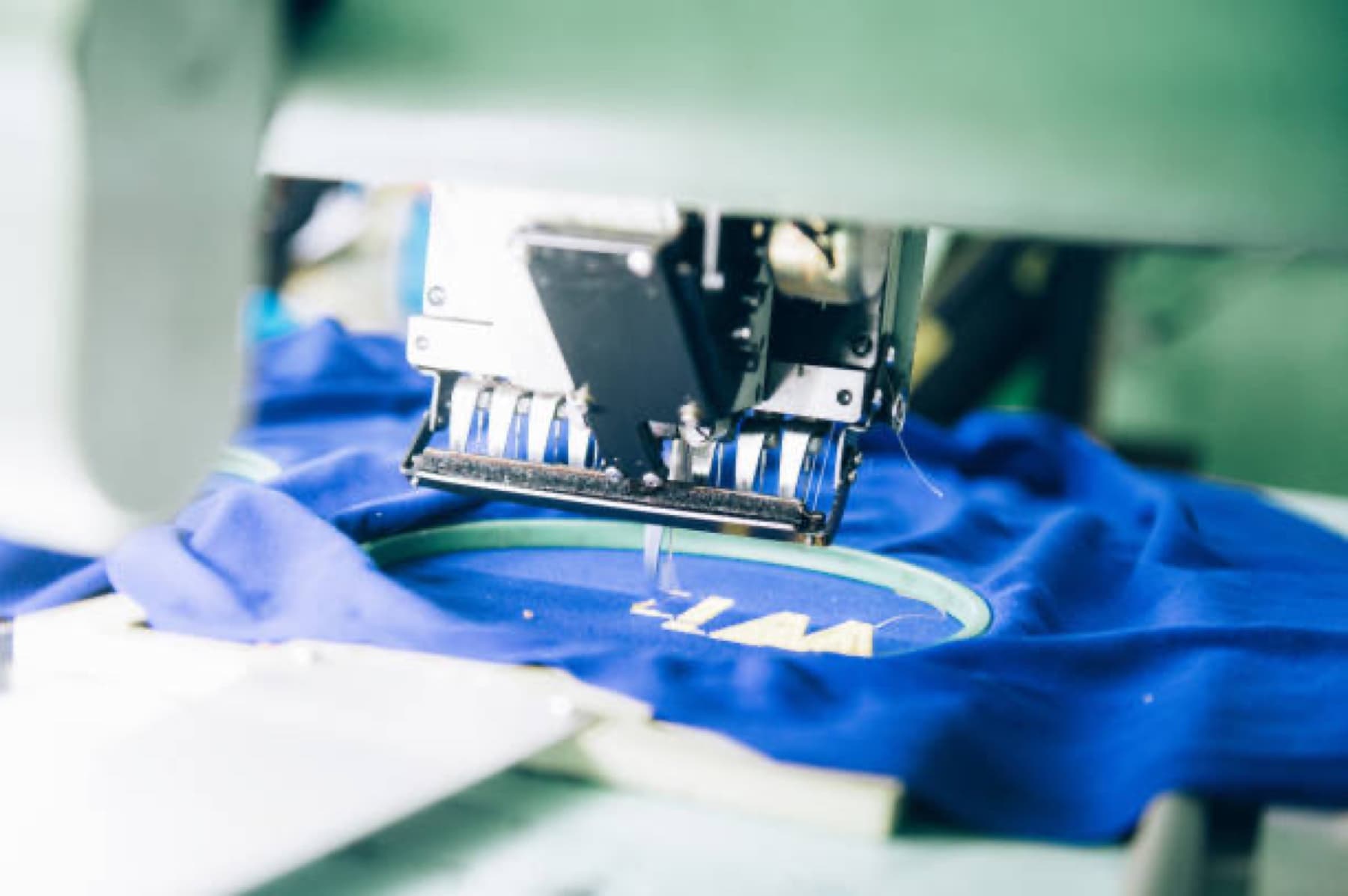
يجب مراجعة طريقة الشعار مقابل القطعة المقصودة وسلوك مادتها.
التغليف والموافقة
ما الذي يجب التحقق منه قبل تغليف الملابس الرياضية بالجملة ذات العلامة التجارية؟
قبل التعامل النهائي مع الملابس، تأكد من أن المرجع المعتمد قابل للاستخدام من قبل الأشخاص المسؤولين عن الإنتاج والتغليف—خاصة بالنسبة لمجموعة تتضمن عدة مقاسات أو ألوان أو مكونات علامة تجارية. يوضح نظرة عامة على التصنيع ومراقبة الجودة كيفية ترابط فحوصات الملابس، وموضع الشعار، والملصقات، والتغليف، ومعلومات الكرتون قبل خروج البضائع من المصنع.
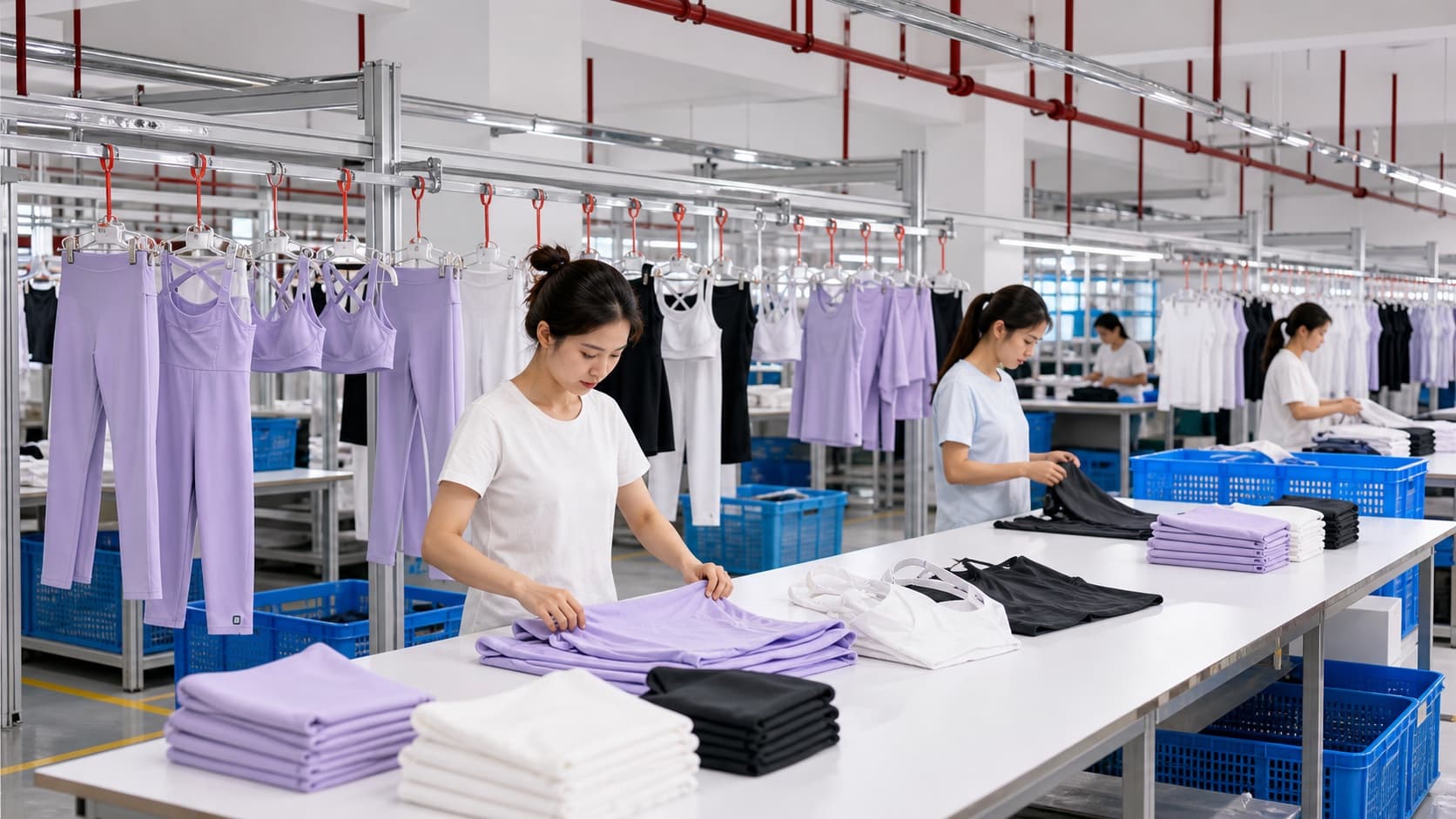
يجب مراجعة مكونات العلامة التجارية وتعليمات التغليف معًا حتى يمكن فحص المنتج المعتمد بشكل متسق قبل تحضير الشحن.
عندما يجب أن يتغير المنتج
متى يجب أن ينتقل مشروع البيع بالجملة إلى تطوير الأزياء الرياضية المخصصة؟
انتقل إلى مسار تطوير الأزياء الرياضية المخصصة عندما يغيّر الطلب القطعة نفسها وليس فقط طريقة عرض علامتها التجارية. تتضمن الأمثلة الشائعة قَصّة جديدة، أو ضغطًا أو دعمًا مختلفًا، أو حزام خصر جديد، أو تغييرًا في تخطيط الألواح، أو جيبًا، أو ترتيبًا غير معتاد للأشرطة، أو تطوير قماش، أو سلوك مادة، أو مسار لون خاص، أو تغييرًا في البناء الخاص بالمنتج.
هذا ليس فشلًا لمسار البيع بالجملة. بل هو قرار شراء مفيد. لا يزال بإمكان منتج حالي تقديم مرجع قوي لموجز المصنع، لكن المشروع الآن يتطلب وصفًا واضحًا لما يجب تغييره، وكيف ينبغي أن تتصرف المادة، وأي القياسات أو نقاط القَصّة مهمة، وما الذي يجب أن يوضحه النموذج الأولي. يظل الحد الأدنى لكمية الطلب، والسعر، ومسار العينات، والتوقيت خاصة بالمشروع ولا ينبغي استنتاجها من صورة منتج أو تصنيف فئة موجود.
الخطوة التالية
ناقش مشروعك لبيع الملابس الرياضية بالجملة مع شعار مخصص مع inPACE Sports
يدعم inPACE Sports مشاريع الملابس الرياضية B2B للعلامات التجارية والمتاجر الإلكترونية وتجار الجملة والاستوديوهات والأندية والفرق. يمكن أن تبدأ مناقشة البيع بالجملة والتخصيص البسيط باتجاه منتج مختار بالإضافة إلى معلومات الشعار والملصق والتغليف والكمية والسوق المستهدف للتسليم. وعندما تكون هناك حاجة إلى تغييرات أعمق في المنتج، يمكن أن تنتقل المناقشة إلى أخذ العينات والتصنيع المخصص مع Ningbo Yinshan Garments Factory في نينغبو، تشجيانغ، الصين.
استخدم مراجع المنتجات أعلاه لإظهار ما تفكر فيه، ثم أرسل موجز العلامة التجارية الخاص بك لبيع الملابس بالجملة. قم بتضمين اتجاه المنتج والاستخدام المقصود وعمل فني للشعار أو وصف له واحتياجات الملصقات والتغليف والكمية التقديرية والسوق المستهدف. وهذا يمنح الفريق أساسًا لمراجعة التفاصيل الجاهزة، والتفاصيل التي تحتاج إلى تأكيد، وما إذا كان مسار البيع بالجملة أو التطوير المخصص أكثر ملاءمة.
إطار المشتري طويل المدى
كيف يمكن للمشتري تحويل هذا البحث إلى قرار جاهز للإنتاج؟
المهمة المركزية في إعداد مشروع activewear بالجملة مع شعار مخصص هي تحديد أي اتجاه منتج حالي، وأعمال فنية، وطريقة شعار، وملصقات، وتغليف، وتشكيلة، ونقاط موافقة، وتفاصيل استلام تنتمي إلى موجز العلامة التجارية بالجملة. لا يمكن اتخاذ هذا القرار بناءً على سعر معلن، أو صورة منتج، أو بيان عام حول التخصيص. فهو يحتاج إلى سجل يربط الهدف التجاري بالقماش، والمادة، والمقاس، والتصنيع، والعلامة التجارية، والكمية، وفحوصات الجودة، والتغليف، والوجهة. عندما تظهر هذه العناصر معًا، يمكن للمشتري طرح أسئلة أكثر دقة، ويمكن للمصنع شرح المسار دون التظاهر بأن التفاصيل المفتوحة مؤكدة بالفعل.
الغرض من الإطار أدناه ليس تحويل مؤسس علامة تجارية أو مشتري إلى فني ملابس. بل هو توضيح المسؤولية والأدلة. يحدد المشتري العميل والاحتياج التجاري، ويشارك ما هو معروف، ويحدد القرارات المهمة. يجب على المصنع التحقق من أن خطة الشعار والعلامة الخاصة مناسبة للقماش، والنسيج، وتشكيلة الطلب، ومسار التغليف، والوجهة. ثم يسجل الطرفان ما تمت مراجعته، وما يبقى مشروطًا، وما يجب الموافقة عليه ماديًا، وما المعلومات التي ستوجه الإنتاج أو طلب إعادة لاحق.
اختر المنتجات حسب الدور، وليس الصورة وحدها
يجب أن تتطابق مجموعة التدريب، أو حمالة الصدر الرياضية، أو القطعة العلوية، أو السفلية، أو الطبقة مع العميل المقصود، والنشاط، والتغطية، وقناة البيع، وموقع المجموعة.
لهذا القرار، يجب على المشتري ذكر النتيجة المقصودة، وتقديم أقرب دليل متاح، وتحديد ما هو مرن. يمكن للمورد بعد ذلك شرح implications المنتج أو العملية وتحديد أي اعتماد على توفر القماش، أو اللون، أو التصنيع، أو طريقة الشعار، أو المكونات، أو الكمية، أو التغليف. تميز الاستجابة المفيدة بين التوصية وتعليمة الإنتاج المؤكدة وتوضح ما يجب مراجعته من خلال عينة أو خطوة موافقة أخرى.
سجل النتيجة داخل حزمة العلامة التجارية بالجملة تربط كل منتج مختار بالأعمال الفنية، والموضع، والملصقات، واللون، والمقاسات، والكمية، والأكياس، وتفاصيل الكرتون، وحالة الموافقة. ضمّن التاريخ، والملف أو العينة ذات الصلة، والشخص المسؤول عن الإجراء التالي، وحالة القرار. إذا أثر تغيير لاحق على المقاس، أو المادة، أو الحرفية، أو العلامة التجارية، أو التشكيلة، أو تحضير التسليم، فارجع إلى هذا السجل وحدد الموافقات ذات الصلة التي يجب فحصها مرة أخرى. يمنع هذا التغيير المحلي من إنشاء تناقض لاحق غير ملحوظ.
جهّز أعمالًا فنية قابلة للاستخدام وملاحظات الموضع
ملفات الفيكتور حيثما توفرت، والألوان، والأبعاد، وموقع القماش، والاتجاه، والمساحة الخالية، والمواضع البديلة تجعل طلب الشعار قابلًا للمراجعة.
لهذا القرار، يجب على المشتري ذكر النتيجة المقصودة، وتقديم أقرب دليل متاح، وتحديد ما هو مرن. يمكن للمورد بعد ذلك شرح implications المنتج أو العملية وتحديد أي اعتماد على توفر القماش، أو اللون، أو التصنيع، أو طريقة الشعار، أو المكونات، أو الكمية، أو التغليف. تميز الاستجابة المفيدة بين التوصية وتعليمة الإنتاج المؤكدة وتوضح ما يجب مراجعته من خلال عينة أو خطوة موافقة أخرى.
سجل النتيجة داخل حزمة العلامة التجارية بالجملة تربط كل منتج مختار بالأعمال الفنية، والموضع، والملصقات، واللون، والمقاسات، والكمية، والأكياس، وتفاصيل الكرتون، وحالة الموافقة. ضمّن التاريخ، والملف أو العينة ذات الصلة، والشخص المسؤول عن الإجراء التالي، وحالة القرار. إذا أثر تغيير لاحق على المقاس، أو المادة، أو الحرفية، أو العلامة التجارية، أو التشكيلة، أو تحضير التسليم، فارجع إلى هذا السجل وحدد الموافقات ذات الصلة التي يجب فحصها مرة أخرى. يمنع هذا التغيير المحلي من إنشاء تناقض لاحق غير ملحوظ.
اختر طرق الشعار على المنتج
قد يغير تمدد القماش، وملمسه، ولونه، وتفاصيل العمل الفني، والإحساس باللمس، والموضع، وتوقع الغسل، والكمية من مسار التطبيق المناسب.
لهذا القرار، يجب على المشتري ذكر النتيجة المقصودة، وتقديم أقرب دليل متاح، وتحديد ما هو مرن. يمكن للمورد بعد ذلك شرح implications المنتج أو العملية وتحديد أي اعتماد على توفر القماش، أو اللون، أو التصنيع، أو طريقة الشعار، أو المكونات، أو الكمية، أو التغليف. تميز الاستجابة المفيدة بين التوصية وتعليمة الإنتاج المؤكدة وتوضح ما يجب مراجعته من خلال عينة أو خطوة موافقة أخرى.
سجل النتيجة داخل حزمة العلامة التجارية بالجملة تربط كل منتج مختار بالأعمال الفنية، والموضع، والملصقات، واللون، والمقاسات، والكمية، والأكياس، وتفاصيل الكرتون، وحالة الموافقة. ضمّن التاريخ، والملف أو العينة ذات الصلة، والشخص المسؤول عن الإجراء التالي، وحالة القرار. إذا أثر تغيير لاحق على المقاس، أو المادة، أو الحرفية، أو العلامة التجارية، أو التشكيلة، أو تحضير التسليم، فارجع إلى هذا السجل وحدد الموافقات ذات الصلة التي يجب فحصها مرة أخرى. يمنع هذا التغيير المحلي من إنشاء تناقض لاحق غير ملحوظ.
اكتب كل متطلبات الملصقات
يجب التحكم في معلومات العلامة التجارية، والمقاس، والعناية، والتركيب، والموضع، والتثبيت، والراحة، ومعلومات الوجهة بدلًا من استنتاجها من العمل الفني.
لهذا القرار، يجب على المشتري ذكر النتيجة المقصودة، وتقديم أقرب دليل متاح، وتحديد ما هو مرن. يمكن للمورد بعد ذلك شرح implications المنتج أو العملية وتحديد أي اعتماد على توفر القماش، أو اللون، أو التصنيع، أو طريقة الشعار، أو المكونات، أو الكمية، أو التغليف. تميز الاستجابة المفيدة بين التوصية وتعليمة الإنتاج المؤكدة وتوضح ما يجب مراجعته من خلال عينة أو خطوة موافقة أخرى.
سجل النتيجة داخل حزمة العلامة التجارية بالجملة تربط كل منتج مختار بالأعمال الفنية، والموضع، والملصقات، واللون، والمقاسات، والكمية، والأكياس، وتفاصيل الكرتون، وحالة الموافقة. ضمّن التاريخ، والملف أو العينة ذات الصلة، والشخص المسؤول عن الإجراء التالي، وحالة القرار. إذا أثر تغيير لاحق على المقاس، أو المادة، أو الحرفية، أو العلامة التجارية، أو التشكيلة، أو تحضير التسليم، فارجع إلى هذا السجل وحدد الموافقات ذات الصلة التي يجب فحصها مرة أخرى. يمنع هذا التغيير المحلي من إنشاء تناقض لاحق غير ملحوظ.
اجعل التغليف جزءًا من الطلب
تؤثر بطاقات التعليق، وحقول الباركود، والأكياس، والتحذيرات، وملصقات المقاس، والطي، والتشكيلة، وعلامات الكرتون، وتعليمات الاستلام في البرنامج النهائي الجاهز للمشتري.
لهذا القرار، يجب على المشتري ذكر النتيجة المقصودة، وتقديم أقرب دليل متاح، وتحديد ما هو مرن. يمكن للمورد بعد ذلك شرح implications المنتج أو العملية وتحديد أي اعتماد على توفر القماش، أو اللون، أو التصنيع، أو طريقة الشعار، أو المكونات، أو الكمية، أو التغليف. تميز الاستجابة المفيدة بين التوصية وتعليمة الإنتاج المؤكدة وتوضح ما يجب مراجعته من خلال عينة أو خطوة موافقة أخرى.
سجل النتيجة داخل حزمة العلامة التجارية بالجملة تربط كل منتج مختار بالأعمال الفنية، والموضع، والملصقات، واللون، والمقاسات، والكمية، والأكياس، وتفاصيل الكرتون، وحالة الموافقة. ضمّن التاريخ، والملف أو العينة ذات الصلة، والشخص المسؤول عن الإجراء التالي، وحالة القرار. إذا أثر تغيير لاحق على المقاس، أو المادة، أو الحرفية، أو العلامة التجارية، أو التشكيلة، أو تحضير التسليم، فارجع إلى هذا السجل وحدد الموافقات ذات الصلة التي يجب فحصها مرة أخرى. يمنع هذا التغيير المحلي من إنشاء تناقض لاحق غير ملحوظ.
وافق على العلامة التجارية قبل التعامل بالجملة
يجب على المشتري تحديد القماش، والشعار، والملصق، والمكون، ومراجع التغليف التي يجب فحصها قبل استمرار الإنتاج والتغليف النهائي.
لهذا القرار، يجب على المشتري ذكر النتيجة المقصودة، وتقديم أقرب دليل متاح، وتحديد ما هو مرن. يمكن للمورد بعد ذلك شرح implications المنتج أو العملية وتحديد أي اعتماد على توفر القماش، أو اللون، أو التصنيع، أو طريقة الشعار، أو المكونات، أو الكمية، أو التغليف. تميز الاستجابة المفيدة بين التوصية وتعليمة الإنتاج المؤكدة وتوضح ما يجب مراجعته من خلال عينة أو خطوة موافقة أخرى.
سجل النتيجة داخل حزمة العلامة التجارية بالجملة تربط كل منتج مختار بالأعمال الفنية، والموضع، والملصقات، واللون، والمقاسات، والكمية، والأكياس، وتفاصيل الكرتون، وحالة الموافقة. ضمّن التاريخ، والملف أو العينة ذات الصلة، والشخص المسؤول عن الإجراء التالي، وحالة القرار. إذا أثر تغيير لاحق على المقاس، أو المادة، أو الحرفية، أو العلامة التجارية، أو التشكيلة، أو تحضير التسليم، فارجع إلى هذا السجل وحدد الموافقات ذات الصلة التي يجب فحصها مرة أخرى. يمنع هذا التغيير المحلي من إنشاء تناقض لاحق غير ملحوظ.
احتفظ بسجل العلامة التجارية لطلبات الإعادة
تساعد الملفات المعتمدة، وقياسات الموضع، والمكونات، وإصدارات الملصقات، وقواعد التغليف، وتغييرات المنتج، ومعلومات اللون في حماية التناسق عند إعادة التوريد.
لهذا القرار، يجب على المشتري ذكر النتيجة المقصودة، وتقديم أقرب دليل متاح، وتحديد ما هو مرن. يمكن للمورد بعد ذلك شرح implications المنتج أو العملية وتحديد أي اعتماد على توفر القماش، أو اللون، أو التصنيع، أو طريقة الشعار، أو المكونات، أو الكمية، أو التغليف. تميز الاستجابة المفيدة بين التوصية وتعليمة الإنتاج المؤكدة وتوضح ما يجب مراجعته من خلال عينة أو خطوة موافقة أخرى.
سجل النتيجة داخل حزمة العلامة التجارية بالجملة تربط كل منتج مختار بالأعمال الفنية، والموضع، والملصقات، واللون، والمقاسات، والكمية، والأكياس، وتفاصيل الكرتون، وحالة الموافقة. ضمّن التاريخ، والملف أو العينة ذات الصلة، والشخص المسؤول عن الإجراء التالي، وحالة القرار. إذا أثر تغيير لاحق على المقاس، أو المادة، أو الحرفية، أو العلامة التجارية، أو التشكيلة، أو تحضير التسليم، فارجع إلى هذا السجل وحدد الموافقات ذات الصلة التي يجب فحصها مرة أخرى. يمنع هذا التغيير المحلي من إنشاء تناقض لاحق غير ملحوظ.
سيناريوهات المشتري
كيف يتغير القرار في حالات التوريد الشائعة؟
نادرًا ما تصل المشاريع الحقيقية بكل التفاصيل مكتملة. السؤال المفيد ليس ما إذا كان الموجز مثاليًا؛ بل ما إذا كانت المعلومات الناقصة مرئية وما إذا كانت الخطوة التالية ستُنتج دليلًا. توضح هذه السيناريوهات كيف يمكن للمشتري أن يظل يجهّز مشروع activewear wholesale with custom logo بشكل عملي دون تحويل الافتراضات المبكرة إلى وعود.
لدى المشتري اتجاه ولكن ملفات فنية غير مكتملة
ابدأ بدور المنتج، والعميل المستهدف، والاستخدام المقصود، والمواد المرجعية، والقرارات التي تم اتخاذها بالفعل. ضع علامة على القياسات أو الأقمشة أو الأعمال الفنية أو تفاصيل التغليف الناقصة كأسئلة مفتوحة. يجب أن يُظهر رد المورد ما يمكن مراجعته فورًا، وما يحتاج إلى عينة، وما المعلومات المطلوبة قبل أن يصبح المسار أكثر تحديدًا.
طبّق السيناريو على أي من اتجاه المنتج الحالي، والعمل الفني، وطريقة الشعار، والملصقات، والتغليف، والتشكيلة، ونقاط الموافقة، وتفاصيل الاستلام التي تنتمي إلى الموجز التعريفي بالجملة. لاحظ ما يمكن قبوله كاتجاه، وما يتطلب مراجعة المصنع، وما يجب أن يصبح جزءًا من حزمة العلامة التجارية بالجملة تربط كل منتج مختار بالعمل الفني، والموضع، والملصقات، واللون، والمقاسات، والكمية، والأكياس، وتفاصيل الكرتون، وحالة الموافقة قبل أن يقارن المشتري الموردين أو يوافق على المرحلة التالية.
مرجع الكتالوج قريب لكنه ليس مطابقًا تمامًا
اذكر الميزات التي تعمل بالفعل وافصل عرض العلامة التجارية عن تغييرات الملابس. قد يبقى الشعار أو الملصق أو البطاقة التعريفية أو الكيس ضمن مسار مستند إلى الكتالوج، بينما قد يتطلب القَصّ الجديد أو المادة أو النقشة أو البناء أو ميزة الأداء تطويرًا مخصصًا. يجب أن يستند القرار إلى التغيير المطلوب، لا إلى تسمية الفئة.
طبّق السيناريو على أي من اتجاه المنتج الحالي، والعمل الفني، وطريقة الشعار، والملصقات، والتغليف، والتشكيلة، ونقاط الموافقة، وتفاصيل الاستلام التي تنتمي إلى الموجز التعريفي بالجملة. لاحظ ما يمكن قبوله كاتجاه، وما يتطلب مراجعة المصنع، وما يجب أن يصبح جزءًا من حزمة العلامة التجارية بالجملة تربط كل منتج مختار بالعمل الفني، والموضع، والملصقات، واللون، والمقاسات، والكمية، والأكياس، وتفاصيل الكرتون، وحالة الموافقة قبل أن يقارن المشتري الموردين أو يوافق على المرحلة التالية.
الطلب يحتوي على عدة ألوان ومقاسات ومكونات للعلامة التجارية
أنشئ سجل تشكيلة واحد حسب النمط واللون والمقاس، ثم اربط كل شعار وملصق وباركود وكيس وتعليمات كرتون بـ SKU الصحيح. اسأل عن الخيارات التي تؤثر على تخطيط المواد، أو طرق التطبيق، أو نسب التغليف، أو افتراضات التسعير. هنا يمكن أن تصبح مجموعة تبدو بسيطة معقدة تشغيليًا.
طبّق السيناريو على أي من اتجاه المنتج الحالي، والعمل الفني، وطريقة الشعار، والملصقات، والتغليف، والتشكيلة، ونقاط الموافقة، وتفاصيل الاستلام التي تنتمي إلى الموجز التعريفي بالجملة. لاحظ ما يمكن قبوله كاتجاه، وما يتطلب مراجعة المصنع، وما يجب أن يصبح جزءًا من حزمة العلامة التجارية بالجملة تربط كل منتج مختار بالعمل الفني، والموضع، والملصقات، واللون، والمقاسات، والكمية، والأكياس، وتفاصيل الكرتون، وحالة الموافقة قبل أن يقارن المشتري الموردين أو يوافق على المرحلة التالية.
من المتوقع أن يتكرر البرنامج
قرّر أي السجلات المعتمدة سيتم الاحتفاظ بها بعد الشحن وأي التغييرات يجب أن تؤدي إلى عينة جديدة. تجعل مواصفات المنتج، ومراجع المواد والألوان، والعمل الفني، والموضع، والملصقات، والتغليف، وملاحظات ضبط الجودة، وبيانات الطلب السابقة إعادة التوريد اللاحقة أكثر انضباطًا. لا ينبغي أن تعتمد إعادة الطلب على الذاكرة أو سلسلة رسائل قديمة.
طبّق السيناريو على أي من اتجاه المنتج الحالي، والعمل الفني، وطريقة الشعار، والملصقات، والتغليف، والتشكيلة، ونقاط الموافقة، وتفاصيل الاستلام التي تنتمي إلى الموجز التعريفي بالجملة. لاحظ ما يمكن قبوله كاتجاه، وما يتطلب مراجعة المصنع، وما يجب أن يصبح جزءًا من حزمة العلامة التجارية بالجملة تربط كل منتج مختار بالعمل الفني، والموضع، والملصقات، واللون، والمقاسات، والكمية، والأكياس، وتفاصيل الكرتون، وحالة الموافقة قبل أن يقارن المشتري الموردين أو يوافق على المرحلة التالية.

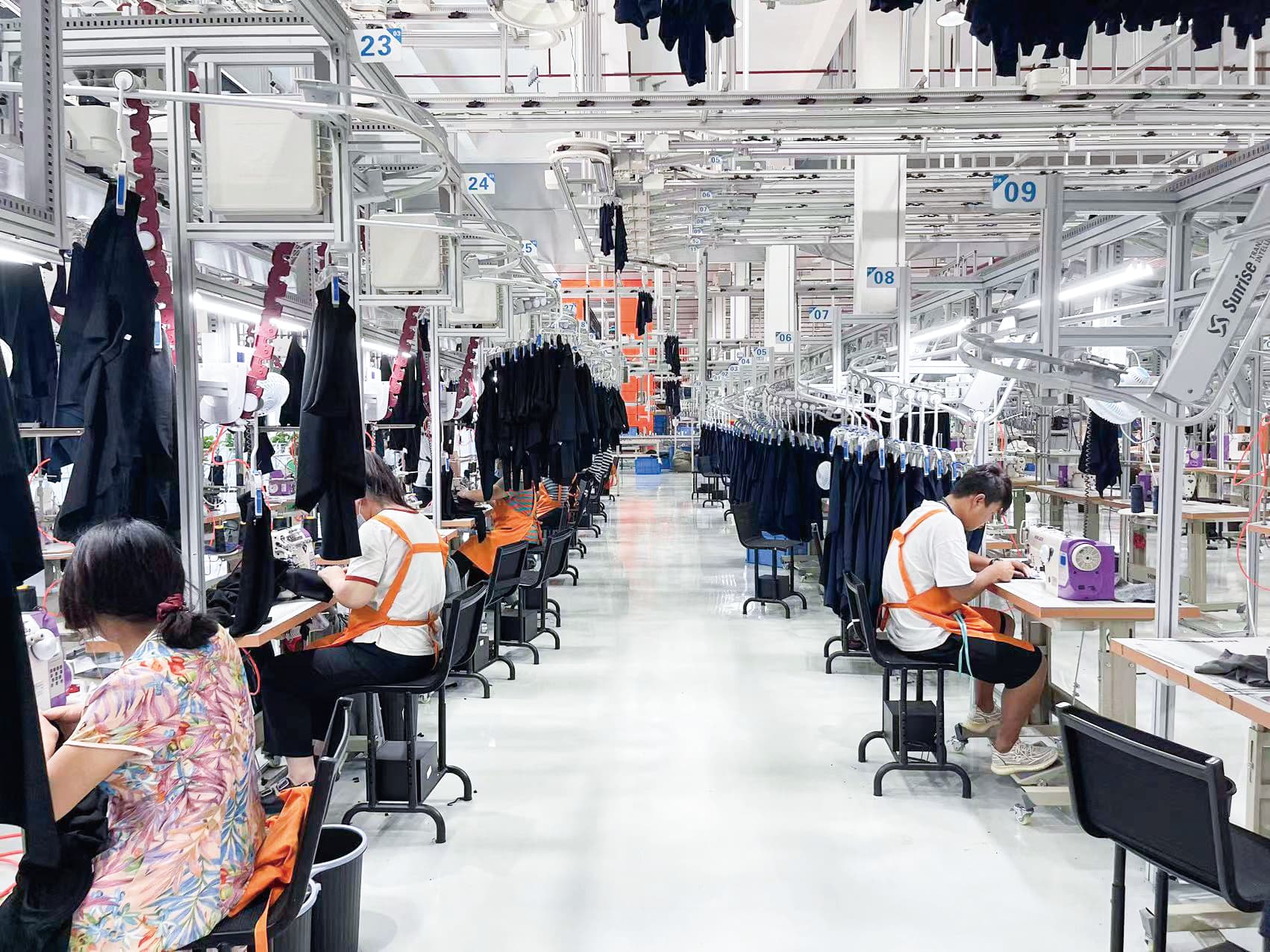
صورة مصرح بها لخط إنتاج مصنع inPACE. لكل مشروع، توفر ملفات الشعار والملصق والتغليف المعتمدة التعليمات المحددة التي ترافق الملابس المختارة.
سجل القرار
ما الأدلة التي ينبغي للمشتري طلبها والاحتفاظ بها؟
يحوّل الجدول الأسئلة الرئيسية للمقال إلى صيغة مراجعة عملية. وهو أوسع عمدًا من مقارنة سعر الوحدة لأن برنامج activewear الكامل يشمل افتراضات المنتج والمواد والعينة والعلامة التجارية والتغليف والتسليم.
قائمة تحقق المشتري
ما الذي ينبغي أن يكون جاهزًا قبل المحادثة التالية مع المصنع؟
يمكن للمشتري أن يبدأ حتى عندما تبقى بعض النقاط مفتوحة. ضع لها تسميات واضحة واسأل عن الأدلة التي قد تغلقها. هذا النهج أكثر فائدة من إخفاء عدم اليقين أو الانتظار للوصول إلى مستوى مستحيل من الكمال. كما أنه يسهّل تقييم تفكير المورّد: ينبغي أن يحدد الرد القرارات المرتبطة ويشرح لماذا تكون هناك حاجة إلى عينة، أو موافقة على مكوّن، أو موجز منقّح، أو سجل تغليف.
تابع رحلة المشتري
اجعل الخطوة التالية مرتبطة بقرار المنتج
تابع مع مقارنة البيع بالجملة والتصنيع المخصص عندما يكون هذا السؤال مرتبطًا بالقرار الحالي. إذا كان المشروع جاهزًا لمراجعة المصنع، فأرسل نوع المنتج، والمرجع، وأولويات المواد والمقاس، ونطاق العلامة التجارية، والكمية التقديرية، واحتياجات التغليف، والسوق المستهدف. يمكن لـ inPACE Sports بعد ذلك مناقشة ما إذا كانت الخطوة التالية هي اختيار المنتج، أو مراجعة العلامة الخاصة، أو التطوير المخصص، أو أخذ العينات، أو موجز عرض سعر أكثر اكتمالًا.
حدّد ما هو مؤكد، وما هو مرن، وما لا يزال مفتوحًا لتوجيهات المصنع.
اسأل كيف تنتقل القرارات إلى أخذ العينات، والإنتاج، ومراقبة الجودة، والتغليف.
احتفظ بسجلات الموافقة والاستلام اللازمة للشحن وإعادة الطلب.
تركيز المقال
- اختيار المنتج من الكتالوج
- تفاصيل الشعار والعلامة الخاصة
- التحضير للتغليف ومراقبة الجودة
- البيع بالجملة مقابل التطوير المخصص
أسئلة المشتري
الأسئلة الشائعة: ملابس رياضية بالجملة مع شعار مخصص
إجابات مباشرة للمشترين الذين يجهزون طلب ملابس رياضية بالجملة بعلامة تجارية.
هل يمكنني إضافة شعارى إلى الملابس الرياضية بالجملة؟
نعم. يمكن أن يتضمن مشروع ملابس رياضية بالجملة لـ B2B تطبيق الشعار أو العلامة التجارية المتفق عليه، والملصقات، والبطاقات المعلقة، والتغليف، ومعلومات الكرتون. تعتمد الطريقة المناسبة على مادة المنتج، والتصميم الفني، والموضع، والمرونة، والإحساس المطلوب، وتوقعات الغسيل، وطريقة التعبئة، والكمية، وتفاصيل أخرى يجب مراجعتها قبل الموافقة.
هل الملابس الرياضية بالجملة مع شعار مخصص هي نفسها المخزون الجاهز للشحن بالتجزئة؟
لا. يبدأ هذا المسار باتجاه منتج موجود ثم يراجع كيف يمكن إعداده لبرنامج علامة تجارية لمشترٍ. يتم تأكيد توفر المنتج، والألوان، والمواد، وتطبيق الشعار، والملصقات، والتغليف، والكميات، واحتياجات التسليم حسب المشروع. إنه ليس عرضًا بالقطعة الواحدة للتجزئة أو الدروبشيبينغ.
ما الملفات التي يجب أن أرسلها لطلب ملابس رياضية بعلامة تجارية؟
أرسل صفحة المنتج المحدد أو صورة مرجعية، والشعار أو تصميم العلامة التجارية إن وُجد، والموضع واللون المقصودين، ومتطلبات الملصقات والتغليف، وخطة اللون والمقاس، والكمية التقديرية، والسوق المستهدف، وهدف الإطلاق. إذا لم يكن أحد العناصر جاهزًا، فحدده كسؤال مفتوح حتى تتم مراجعته بدلاً من افتراضه.
هل يمكن أن يتضمن مشروع الملابس الرياضية بالجملة ملصقات وتغليفًا؟
نعم. يمكن أن تغطي مناقشة البيع بالجملة بعلامة خاصة ملصقات الملابس، ومعلومات العناية والمقاس، والبطاقات المعلقة، والأكياس، وملصقات الباركود، وتعليمات الطي، وعلامات الكرتون، وتفاصيل استلام أخرى متفق عليها. يجب على المشترين تقديم التصميم الفني والتعليمات المتاحة مبكرًا حتى تتم مراجعة المكونات جنبًا إلى جنب مع المنتج ومسار العينات.
متى يجب أن أطلب تطويرًا مخصصًا بدلاً من الملابس الرياضية بالجملة بعلامة تجارية؟
اطلب تطويرًا مخصصًا عندما يحتاج المنتج إلى قَصّة جديدة، أو قماش، أو بنية، أو مسار ألوان، أو مستوى دعم، أو تخطيط ألواح، أو جيب، أو نظام أحزمة، أو أي ميزة أخرى تحدد المنتج لا يمكن أن يوفرها اتجاه موجود. لا يزال بإمكان منتج الكتالوج أن يكون مفيدًا كمرجع، لكن المصنع يحتاج إلى موجز مخصص وخطة عينات لمراجعة التغييرات.