
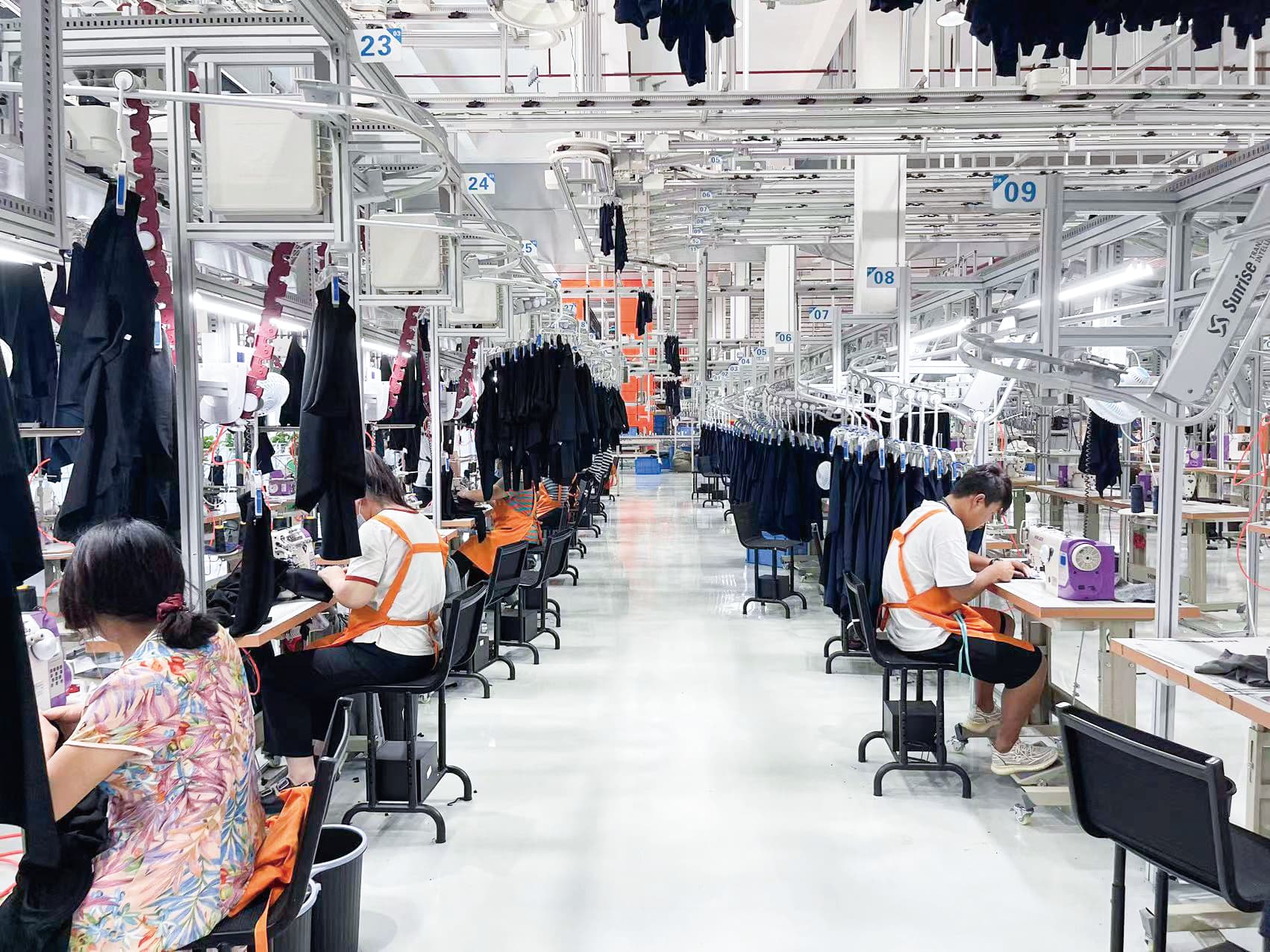
Activewear wholesale с нанесением индивидуального логотипа — это B2B-направление для покупателей, которые могут начать с уже существующего продуктового решения и нуждаются в его доработке под собственным брендом. Проект может включать согласованное нанесение логотипа или товарного знака, этикетки, ярлыки, пакеты, информацию на коробке и план заказа. Когда сама одежда требует другой посадки, ткани, конструкции, цвета или функциональных характеристик, следует переходить к разработке на заказ на фабрике.

B2B-направление
Что означает оптовая продажа активной одежды с индивидуальным логотипом?
В этом контексте оптовая продажа активной одежды с индивидуальным логотипом означает, что покупатель начинает с уже существующего направления продукта, а не просит фабрику создать совершенно новую одежду с нуля. Покупатель выбирает категорию или силуэт, близкий к целевому клиенту и каналу продаж, а затем указывает, как эта одежда должна выглядеть и поставляться под брендом покупателя.
Такая презентация бренда может включать логотип или товарный знак, систему ярлыков, информацию об уходе и размере, бирки, полиэтиленовые пакеты, этикетки со штрих-кодом, маркировку коробов, инструкции по складыванию и детали ассортимента по размерам или цветам. Это не розничная покупка поштучно, не дропшиппинг и не обещание готового запаса. Выбранный стиль, направление материала, цвета, метод брендирования, количество, упаковка и рынок доставки всё ещё должны рассматриваться как единый проект.
Если различие всё ещё неясно, начните с оптовая продажа активной одежды против индивидуального производства. Там объясняется, когда маршрута брендирования на основе каталога достаточно, а когда покупателю нужен более глубокий разговор о разработке продукта.
Выберите правильную отправную точку
Когда оптовая закупка activewear с индивидуальным логотипом — практичный выбор?
Оптовый путь стоит обсуждать, когда существующий продукт уже близок к цели коллекции. Покупателю может понадобиться тренировочный комплект для студийной программы, спортивный бюстгальтер для интернет-магазина или согласованная линейка для клуба, но при этом не требуется менять основную посадку или конструкцию. Наиболее ценная работа в этом случае — выбрать правильное направление продукта и чётко определить его фирменный стиль и детали поставки.
Это может быть полезно, когда покупатель хочет протестировать категорию, разработать первую брендированную линейку или подготовить повторяемую базовую позицию. Это не всегда автоматически подходит для каждого первого заказа: требования к продукту, доступность материалов, цветовой план, объём брендирования и количество следует рассматривать в совокупности. Относитесь к странице продукта как к отправной точке, а не к окончательной производственной спецификации.
Выберите направление продукта
Начните со стиля из каталога, который подходит для предполагаемой активности, клиента, канала и роли продукта. Страница продукта — это ориентир для обсуждения, а не автоматическая окончательная спецификация.
Спланируйте подачу бренда
Определите доступный логотип, размещение, этикетки, бирки, пакеты, маркировку коробок, информацию о размерах и любые требования к приёмке, которые делают продукт готовым для канала покупателя.
Сделайте открытые решения видимыми
Перечислите цвет, материал, брендирование, количество, упаковку и рыночные детали, которые ещё требуют подтверждения, вместо того чтобы считать раннюю оценку окончательным планом.
Переходите к индивидуальной разработке, когда изделие меняется
Переходите к индивидуальной разработке, если покупателю нужна новая посадка, ткань, уровень поддержки, конструктивная особенность, раскладка панелей или другое изменение, определяющее продукт.
Бриф покупателя
Что должен подготовить бренд для оптовой закупки activewear с индивидуальным логотипом?
Прежде чем запрашивать коммерческое предложение или обсуждать заказ, включите решения по продукту и бренду в одно техническое задание. В таблице ниже показано, какие исходные данные подтверждены, а какие требуют проверки на фабрике для оптовой закупки activewear с индивидуальным логотипом.
Краткое техническое задание не обязано содержать ответы на все вопросы. Покупатель может знать желаемый силуэт спортивного бра, но ещё не определиться со способом нанесения логотипа; предоставьте макет, предполагаемое расположение и назначение, а затем запросите проверку на соответствие материалу и маршруту образца. Избегайте запроса, который сводится лишь к прайс-листу с брендированным логотипом: в нём остаются неясными допущения по изделию, упаковке, количеству и пункту назначения.
Справочные материалы по продукту
Как покупателям выбрать продуктовые направления для оптовой продажи activewear с индивидуальным логотипом?
Начните с определения роли продукта, а не просто визуального стиля. Комплект может стать основой для студии, команды или розничной коллекции; программа бюстгальтеров может быть сфокусированным базовым товаром, где цвет, расположение логотипа, этикетки и упаковка должны последовательно повторяться.
Исполнение брендинга
Как логотипы, ярлыки и упаковка превращаются в инструкции для оптовой продажи activewear?
Детали приватной маркировки лучше всего работают как инструкции по продукту, а не как финальный этап декорирования. Логотип может требовать файлов макета, измерений размещения, информации о цвете и точки утверждения образца. Ярлыки нуждаются в тексте, размещении и деталях крепления. Упаковка должна быть связана с приёмкой через складывание, пакеты, данные штрихкодов, стикеры размеров и маркировку коробок, где это применимо.
Услуга приватной маркировки activewear помогает покупателю организовать эти компоненты вместе. Проверяйте метод нанесения логотипа применительно к фактическому продукту, а не только по списку названий техник. Растяжимость ткани, текстура поверхности, размещение, детализация логотипа, тактильные ощущения и ожидания по стирке могут повлиять на выбор; физический образец или документированный производственный референс позволяет покупателю оценить готовый результат.
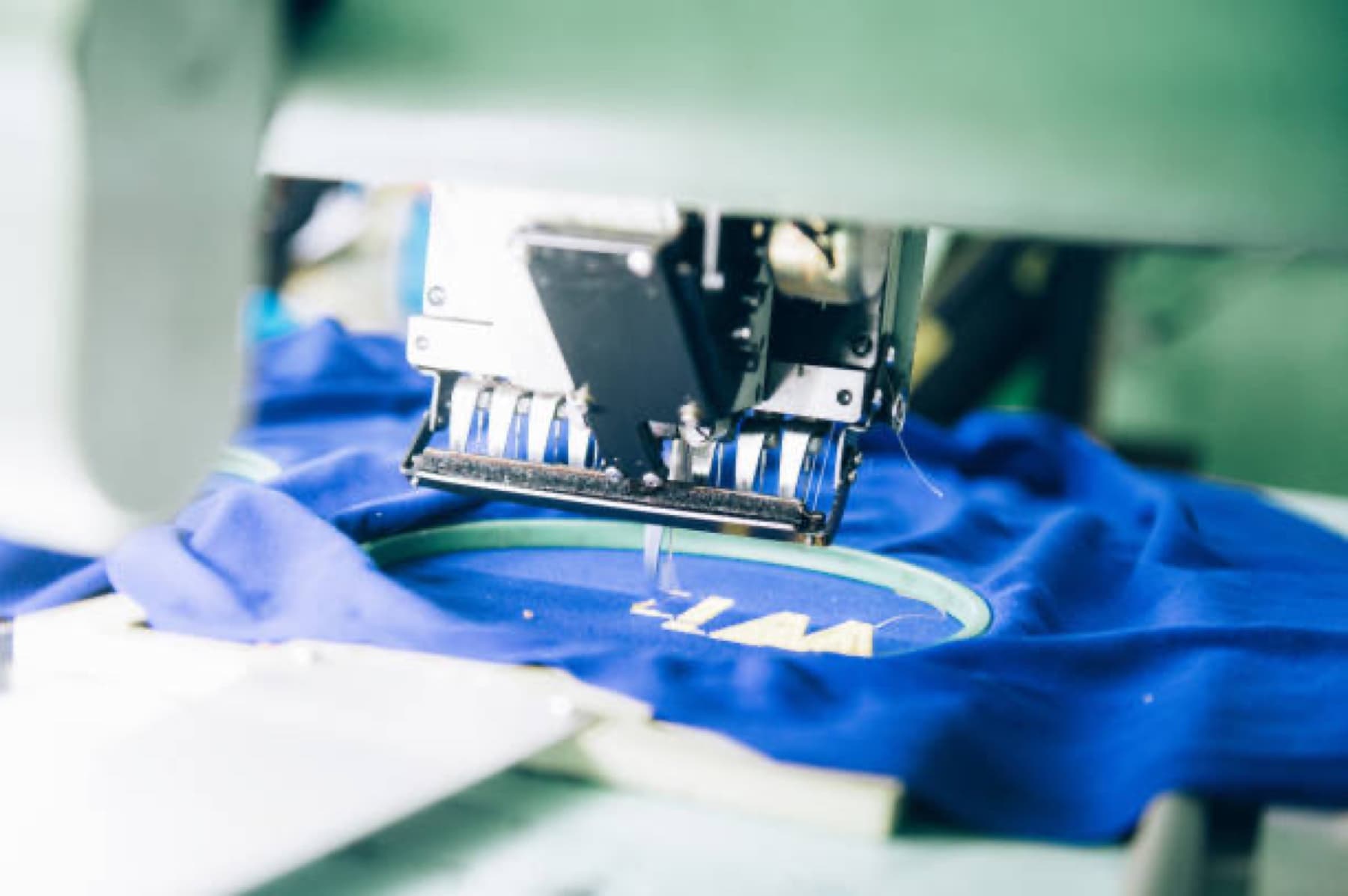
Метод нанесения логотипа следует рассматривать с учётом предполагаемого изделия и поведения его материала.
Упаковка и утверждение
Что следует проверить перед упаковкой брендированной оптовой activewear?
Перед финальной обработкой изделий убедитесь, что утверждённый образец доступен и пригоден для использования сотрудниками, ответственными за производство и упаковку, — особенно для коллекции с несколькими размерами, цветами или брендовыми элементами. Обзор производства и контроля качества объясняет, как проверки изделий, положение логотипа, этикетки, упаковка и информация на коробках связаны между собой до отправки товара с фабрики.
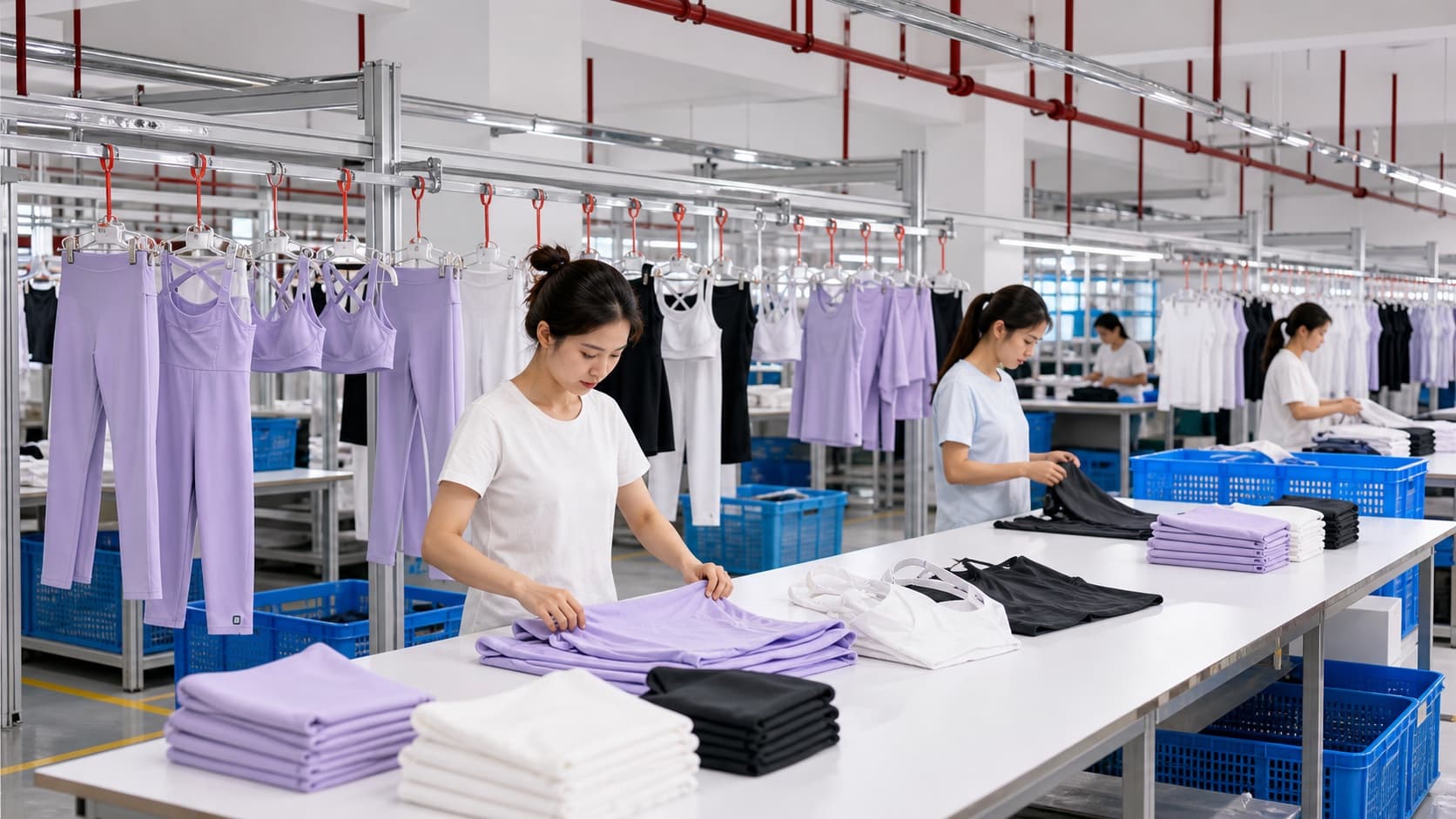
Брендовые элементы и инструкции по упаковке следует рассматривать вместе, чтобы утверждённый продукт можно было последовательно проверять перед подготовкой к отправке.
Когда продукт должен измениться
Когда проект оптовой закупки должен перейти в разработку индивидуальной активной одежды?
Переходите на маршрут разработки индивидуальной активной одежды, когда запрос меняет само изделие, а не только его брендовое оформление. Типичные примеры включают новую посадку, другую компрессию или поддержку, новый пояс, изменённую компоновку панелей, карман, необычное расположение ремешков, разработку ткани, поведение материала, особый цветовой маршрут или изменение конструкции, специфичное для продукта.
Это не провал оптового маршрута. Это полезное закупочное решение. Существующий продукт всё ещё может служить надёжным ориентиром для технического задания фабрике, но теперь проект требует чёткого описания того, что должно измениться, как должен вести себя материал, какие измерения или точки посадки важны и что должен продемонстрировать образец. MOQ, цена, маршрут образца и сроки остаются специфичными для проекта и не должны выводиться из изображения существующего продукта или ярлыка категории.
Следующий шаг
Обсудите ваш оптовый проект activewear с индивидуальным логотипом вместе с inPACE Sports
inPACE Sports поддерживает B2B-проекты в сфере activewear для брендов, интернет-магазинов, оптовиков, студий, клубов и команд. Обсуждение оптовых поставок и лёгкой кастомизации может начаться с выбранного направления продукта, а также информации о доступном логотипе, ярлыках, упаковке, количестве и рынке доставки. Когда требуются более глубокие изменения продукта, обсуждение может перейти к созданию образцов и индивидуальному производству с Ningbo Yinshan Garments Factory в Нинбо, Чжэцзян, Китай.
Используйте приведённые выше ссылки на продукты, чтобы показать, что вы рассматриваете, затем отправьте ваш оптовый брендинг-бриф. Укажите направление продукта, предполагаемое использование, макет логотипа или его описание, потребности в ярлыках и упаковке, предполагаемое количество и рынок назначения. Это даёт команде основу для оценки того, какие детали уже готовы, какие требуют подтверждения и какой путь — оптовый или индивидуальная разработка — больше подходит.
Структура для покупателя в расширенном формате
Как покупатель может превратить это исследование в решение, готовое к производству?
Центральная задача при подготовке проекта activewear wholesale с индивидуальным логотипом — решить, какое существующее продуктовое направление, макет, метод нанесения логотипа, ярлыки, упаковка, ассортимент, точки утверждения и детали приёмки должны войти в бренд-бриф для оптовой партии. Такое решение нельзя принять на основе заявленной цены, фотографии продукта или общего заявления о кастомизации. Нужен документ, который связывает коммерческую цель с изделием, материалом, посадкой, конструкцией, брендированием, количеством, проверками качества, упаковкой и пунктом назначения. Когда эти элементы видны вместе, покупатель может задавать более точные вопросы, а фабрика может объяснить маршрут, не делая вид, что открытые детали уже подтверждены.
Цель приведённой ниже схемы — не превратить основателя бренда или покупателя в технолога швейного производства. Она в том, чтобы сделать ответственность и доказательства ясными. Покупатель определяет клиента и бизнес-потребность, делится тем, что известно, и обозначает решения, которые имеют значение. Фабрика должна проверить, что план по логотипу и private-label подходит для изделия, ткани, ассортимента заказа, маршрута упаковки и пункта назначения. Затем обе стороны фиксируют, что было рассмотрено, что остаётся условным, что должно быть утверждено физически и какая информация будет направлять производство или последующий повторный заказ.
Выбирайте продукты по роли, а не только по фото
Тренировочный комплект, спортивный бра, топ, низ или слой должны соответствовать предполагаемому клиенту, активности, покрытию, каналу продаж и позиции в коллекции.
Для этого решения покупатель должен указать предполагаемый результат, предоставить ближайшие доступные доказательства и определить, что является гибким. Тогда поставщик сможет объяснить последствия для продукта или процесса и отметить любую зависимость от наличия ткани, цвета, конструкции, метода нанесения логотипа, комплектующих, количества или упаковки. Полезный ответ отличает рекомендацию от подтверждённой производственной инструкции и указывает, что нужно будет проверить через образец или другой этап утверждения.
Зафиксируйте результат в пакете брендирования для оптовой партии, связывающем каждый выбранный продукт с макетом, размещением, ярлыками, цветом, размерами, количеством, пакетами, данными коробки и статусом утверждения. Включите дату, соответствующий файл или образец, ответственного за следующее действие и статус решения. Если более позднее изменение затрагивает посадку, материал, качество изготовления, брендирование, ассортимент или подготовку к поставке, вернитесь к этой записи и определите, какие связанные утверждения нужно проверить снова. Это предотвращает ситуацию, когда локальное изменение создаёт незамеченную несостыковку на последующих этапах.
Подготовьте пригодные макеты и заметки о размещении
Векторные файлы, где они доступны, цвета, размеры, расположение на изделии, ориентация, свободное пространство и альтернативные варианты размещения делают запрос на логотип проверяемым.
Для этого решения покупатель должен указать предполагаемый результат, предоставить ближайшие доступные доказательства и определить, что является гибким. Тогда поставщик сможет объяснить последствия для продукта или процесса и отметить любую зависимость от наличия ткани, цвета, конструкции, метода нанесения логотипа, комплектующих, количества или упаковки. Полезный ответ отличает рекомендацию от подтверждённой производственной инструкции и указывает, что нужно будет проверить через образец или другой этап утверждения.
Зафиксируйте результат в пакете брендирования для оптовой партии, связывающем каждый выбранный продукт с макетом, размещением, ярлыками, цветом, размерами, количеством, пакетами, данными коробки и статусом утверждения. Включите дату, соответствующий файл или образец, ответственного за следующее действие и статус решения. Если более позднее изменение затрагивает посадку, материал, качество изготовления, брендирование, ассортимент или подготовку к поставке, вернитесь к этой записи и определите, какие связанные утверждения нужно проверить снова. Это предотвращает ситуацию, когда локальное изменение создаёт незамеченную несостыковку на последующих этапах.
Выбирайте методы нанесения логотипа с учётом продукта
Растяжимость ткани, текстура, цвет, детализация макета, тактильное ощущение, размещение, ожидания по стирке и количество могут изменить подходящий маршрут нанесения.
Для этого решения покупатель должен указать предполагаемый результат, предоставить ближайшие доступные доказательства и определить, что является гибким. Тогда поставщик сможет объяснить последствия для продукта или процесса и отметить любую зависимость от наличия ткани, цвета, конструкции, метода нанесения логотипа, комплектующих, количества или упаковки. Полезный ответ отличает рекомендацию от подтверждённой производственной инструкции и указывает, что нужно будет проверить через образец или другой этап утверждения.
Зафиксируйте результат в пакете брендирования для оптовой партии, связывающем каждый выбранный продукт с макетом, размещением, ярлыками, цветом, размерами, количеством, пакетами, данными коробки и статусом утверждения. Включите дату, соответствующий файл или образец, ответственного за следующее действие и статус решения. Если более позднее изменение затрагивает посадку, материал, качество изготовления, брендирование, ассортимент или подготовку к поставке, вернитесь к этой записи и определите, какие связанные утверждения нужно проверить снова. Это предотвращает ситуацию, когда локальное изменение создаёт незамеченную несостыковку на последующих этапах.
Опишите все требования к ярлыкам
Информация о бренде, размере, уходе, составе, размещении, способе крепления, комфорте и пункте назначения должна контролироваться, а не выводиться из макета.
Для этого решения покупатель должен указать предполагаемый результат, предоставить ближайшие доступные доказательства и определить, что является гибким. Тогда поставщик сможет объяснить последствия для продукта или процесса и отметить любую зависимость от наличия ткани, цвета, конструкции, метода нанесения логотипа, комплектующих, количества или упаковки. Полезный ответ отличает рекомендацию от подтверждённой производственной инструкции и указывает, что нужно будет проверить через образец или другой этап утверждения.
Зафиксируйте результат в пакете брендирования для оптовой партии, связывающем каждый выбранный продукт с макетом, размещением, ярлыками, цветом, размерами, количеством, пакетами, данными коробки и статусом утверждения. Включите дату, соответствующий файл или образец, ответственного за следующее действие и статус решения. Если более позднее изменение затрагивает посадку, материал, качество изготовления, брендирование, ассортимент или подготовку к поставке, вернитесь к этой записи и определите, какие связанные утверждения нужно проверить снова. Это предотвращает ситуацию, когда локальное изменение создаёт незамеченную несостыковку на последующих этапах.
Сделайте упаковку частью заказа
Бирки, поля штрихкода, пакеты, предупреждения, наклейки с размером, складывание, ассортимент, маркировка коробок и инструкции по приёмке влияют на итоговую программу, готовую для покупателя.
Для этого решения покупатель должен указать предполагаемый результат, предоставить ближайшие доступные доказательства и определить, что является гибким. Тогда поставщик сможет объяснить последствия для продукта или процесса и отметить любую зависимость от наличия ткани, цвета, конструкции, метода нанесения логотипа, комплектующих, количества или упаковки. Полезный ответ отличает рекомендацию от подтверждённой производственной инструкции и указывает, что нужно будет проверить через образец или другой этап утверждения.
Зафиксируйте результат в пакете брендирования для оптовой партии, связывающем каждый выбранный продукт с макетом, размещением, ярлыками, цветом, размерами, количеством, пакетами, данными коробки и статусом утверждения. Включите дату, соответствующий файл или образец, ответственного за следующее действие и статус решения. Если более позднее изменение затрагивает посадку, материал, качество изготовления, брендирование, ассортимент или подготовку к поставке, вернитесь к этой записи и определите, какие связанные утверждения нужно проверить снова. Это предотвращает ситуацию, когда локальное изменение создаёт незамеченную несостыковку на последующих этапах.
Утвердите брендирование до массовой обработки
Покупатель должен определить, какие изделия, логотипы, ярлыки, комплектующие и упаковочные образцы должны быть проверены до продолжения производства и финальной упаковки.
Для этого решения покупатель должен указать предполагаемый результат, предоставить ближайшие доступные доказательства и определить, что является гибким. Тогда поставщик сможет объяснить последствия для продукта или процесса и отметить любую зависимость от наличия ткани, цвета, конструкции, метода нанесения логотипа, комплектующих, количества или упаковки. Полезный ответ отличает рекомендацию от подтверждённой производственной инструкции и указывает, что нужно будет проверить через образец или другой этап утверждения.
Зафиксируйте результат в пакете брендирования для оптовой партии, связывающем каждый выбранный продукт с макетом, размещением, ярлыками, цветом, размерами, количеством, пакетами, данными коробки и статусом утверждения. Включите дату, соответствующий файл или образец, ответственного за следующее действие и статус решения. Если более позднее изменение затрагивает посадку, материал, качество изготовления, брендирование, ассортимент или подготовку к поставке, вернитесь к этой записи и определите, какие связанные утверждения нужно проверить снова. Это предотвращает ситуацию, когда локальное изменение создаёт незамеченную несостыковку на последующих этапах.
Ведите бренд-запись для повторных заказов
Утверждённые файлы, измерения размещения, комплектующие, версии ярлыков, правила упаковки, изменения продукта и информация о цвете помогают сохранять согласованность при пополнении запасов.
Для этого решения покупатель должен указать предполагаемый результат, предоставить ближайшие доступные доказательства и определить, что является гибким. Тогда поставщик сможет объяснить последствия для продукта или процесса и отметить любую зависимость от наличия ткани, цвета, конструкции, метода нанесения логотипа, комплектующих, количества или упаковки. Полезный ответ отличает рекомендацию от подтверждённой производственной инструкции и указывает, что нужно будет проверить через образец или другой этап утверждения.
Зафиксируйте результат в пакете брендирования для оптовой партии, связывающем каждый выбранный продукт с макетом, размещением, ярлыками, цветом, размерами, количеством, пакетами, данными коробки и статусом утверждения. Включите дату, соответствующий файл или образец, ответственного за следующее действие и статус решения. Если более позднее изменение затрагивает посадку, материал, качество изготовления, брендирование, ассортимент или подготовку к поставке, вернитесь к этой записи и определите, какие связанные утверждения нужно проверить снова. Это предотвращает ситуацию, когда локальное изменение создаёт незамеченную несостыковку на последующих этапах.
Сценарии покупателя
Как меняется решение в типичных ситуациях сорсинга?
Реальные проекты редко поступают с полностью готовыми деталями. Полезный вопрос не в том, идеален ли бриф; а в том, видна ли недостающая информация и даст ли следующий шаг доказательства. Эти сценарии показывают, как покупатель может продолжать практично готовить проект «activewear wholesale with custom logo», не превращая ранние предположения в обещания.
У покупателя есть направление, но неполные технические файлы
Начните с роли продукта, целевого клиента, предполагаемого использования, референсных материалов и уже принятых решений. Отметьте отсутствующие измерения, ткань, макет или детали упаковки как открытые вопросы. Ответ поставщика должен показать, что можно рассмотреть сразу, что требует образца и какая информация необходима, прежде чем маршрут станет более конкретным.
Примените сценарий к тому, какие существующее направление продукта, макет, метод нанесения логотипа, ярлыки, упаковка, ассортимент, точки утверждения и детали приёмки должны войти в бриф по wholesale branding. Отметьте, что можно принять как направление, что требует проверки на фабрике и что должно стать частью wholesale branding pack, связывающего каждый выбранный продукт с макетом, размещением, ярлыками, цветом, размерами, количеством, пакетами, деталями коробки и статусом утверждения, прежде чем покупатель сравнит поставщиков или утвердит следующий этап.
Референс из каталога близок, но не точен
Перечислите функции, которые уже работают, и отделите презентацию бренда от изменений изделия. Логотип, ярлык, бирка или пакет могут оставаться в рамках маршрута на основе каталога, тогда как новая посадка, материал, лекало, конструкция и/или функциональная особенность могут потребовать индивидуальной разработки. Решение должно основываться на запрошенном изменении, а не на названии категории.
Примените сценарий к тому, какие существующее направление продукта, макет, метод нанесения логотипа, ярлыки, упаковка, ассортимент, точки утверждения и детали приёмки должны войти в бриф по wholesale branding. Отметьте, что можно принять как направление, что требует проверки на фабрике и что должно стать частью wholesale branding pack, связывающего каждый выбранный продукт с макетом, размещением, ярлыками, цветом, размерами, количеством, пакетами, деталями коробки и статусом утверждения, прежде чем покупатель сравнит поставщиков или утвердит следующий этап.
Заказ содержит несколько цветов, размеров и компонентов бренда
Создайте одну ассортиментную запись по стилю, цвету и размеру, затем свяжите каждый логотип, ярлык, штрихкод, пакет и инструкцию по коробке с правильным SKU. Спросите, какие варианты влияют на планирование материалов, методы нанесения, коэффициенты упаковки или допущения для расчёта цены. Именно здесь внешне простая коллекция может стать операционно сложной.
Примените сценарий к тому, какие существующее направление продукта, макет, метод нанесения логотипа, ярлыки, упаковка, ассортимент, точки утверждения и детали приёмки должны войти в бриф по wholesale branding. Отметьте, что можно принять как направление, что требует проверки на фабрике и что должно стать частью wholesale branding pack, связывающего каждый выбранный продукт с макетом, размещением, ярлыками, цветом, размерами, количеством, пакетами, деталями коробки и статусом утверждения, прежде чем покупатель сравнит поставщиков или утвердит следующий этап.
Программа должна повторяться
Решите, какие утверждённые записи будут сохранены после отгрузки и какие изменения должны запускать новый образец. Спецификации продукта, ссылки на материал и цвет, макет, размещение, ярлыки, упаковка, заметки QC и данные предыдущего заказа делают последующее пополнение более контролируемым. Повторный заказ не должен зависеть от памяти или старой переписки.
Примените сценарий к тому, какие существующее направление продукта, макет, метод нанесения логотипа, ярлыки, упаковка, ассортимент, точки утверждения и детали приёмки должны войти в бриф по wholesale branding. Отметьте, что можно принять как направление, что требует проверки на фабрике и что должно стать частью wholesale branding pack, связывающего каждый выбранный продукт с макетом, размещением, ярлыками, цветом, размерами, количеством, пакетами, деталями коробки и статусом утверждения, прежде чем покупатель сравнит поставщиков или утвердит следующий этап.

Авторизованное изображение производственной линии фабрики inPACE. Для каждого проекта утверждённые файлы логотипа, ярлыков и упаковки обеспечивают конкретные инструкции, сопровождающие выбранное изделие.
Decision record
Какие доказательства должен запрашивать и сохранять покупатель?
Таблица превращает ключевые вопросы статьи в рабочий формат проверки. Она намеренно шире, чем сравнение цен за единицу, потому что полноценная программа activewear включает допущения по продукту, материалу, образцу, брендингу, упаковке и доставке.
Контрольный список покупателя
Что должно быть готово до следующего разговора с фабрикой?
Покупатель может начать, даже если некоторые пункты остаются открытыми. Обозначьте их четко и спросите, какие доказательства позволят их закрыть. Такой подход полезнее, чем скрывать неопределенность или ждать недостижимого уровня совершенства. Он также упрощает оценку логики поставщика: в ответе должны быть указаны связанные решения и объяснено, почему необходимы образец, утверждение компонента, пересмотренное техническое задание или запись об упаковке.
Продолжить путь покупателя
Свяжите следующий шаг с решением по продукту
Перейдите к разделу сравнение оптового и индивидуального производства, когда этот вопрос близок к текущему решению. Если проект готов к рассмотрению на фабрике, отправьте тип продукта, референс, приоритеты по материалу и посадке, объём брендирования, предполагаемое количество, потребности в упаковке и целевой рынок. Затем inPACE Sports может обсудить, каким будет следующий шаг: подбор продукта, рассмотрение private-label, индивидуальная разработка, производство образцов или более полное техническое задание для расчёта стоимости.
Укажите, что подтверждено, что гибко и что всё ещё открыто для рекомендаций фабрики.
Спросите, как решения переходят в производство образцов, производство, контроль качества и упаковку.
Сохраняйте записи об утверждении и приёмке, необходимые для отгрузки и повторных заказов.
Фокус статьи
- Подбор продукта из каталога
- Детали логотипа и private-label
- Подготовка к упаковке и контролю качества
- Оптовое производство в сравнении с индивидуальной разработкой
Вопросы покупателя
FAQ: Оптовая продажа активной одежды с индивидуальным логотипом
Прямые ответы для покупателей, готовящих запрос на брендированную активную одежду оптом.
Могу ли я добавить свой логотип на оптовую активную одежду?
Да. Проект B2B оптовой активной одежды может включать согласованное нанесение логотипа или товарного знака, ярлыки, бирки, упаковку и информацию на коробке. Подходящий подход зависит от материала изделия, макета, размещения, растяжимости, желаемой тактильной ощущаемости, ожиданий по стирке, маршрута упаковки, количества и других деталей, которые следует рассмотреть перед утверждением.
Оптовая активная одежда с индивидуальным логотипом — это то же самое, что розничный товар со склада?
Нет. Этот путь начинается с существующего направления продукта, а затем рассматривается, как его можно подготовить для брендовой программы покупателя. Наличие продукта, цвета, материалы, нанесение логотипа, ярлыки, упаковка, количество и потребности в доставке подтверждаются по проекту. Это не предложение розничной продажи поштучно или дропшиппинга.
Какие файлы мне следует отправить для запроса на активную одежду с брендированным логотипом?
Отправьте выбранную страницу продукта или референсное изображение, макет логотипа или товарного знака, если есть, предполагаемое размещение и цвет, требования к ярлыкам и упаковке, план по цветам и размерам, ориентировочное количество, целевой рынок и цель запуска. Если элемент не готов, обозначьте его как открытый вопрос, чтобы его можно было рассмотреть, а не предполагать.
Может ли проект оптовой активной одежды включать ярлыки и упаковку?
Да. Обсуждение оптовой продажи под собственной торговой маркой может охватывать ярлыки на одежде, информацию об уходе и размере, бирки, пакеты, штрихкоды, инструкции по складыванию, маркировку коробок и другие согласованные детали приёмки. Покупателям следует предоставить имеющийся макет и инструкции заранее, чтобы компоненты можно было рассмотреть вместе с продуктом и маршрутом образца.
Когда мне следует запросить индивидуальную разработку вместо брендированной оптовой активной одежды?
Запрашивайте индивидуальную разработку, когда продукту нужны новая посадка, ткань, конструкция, цветовое решение, уровень поддержки, компоновка панелей, карман, система ремней или другая определяющая продукт особенность, которую не может обеспечить существующее направление. Каталожный продукт всё ещё может быть полезен в качестве референса, но фабрике нужен индивидуальный бриф и план образцов для рассмотрения изменений.