
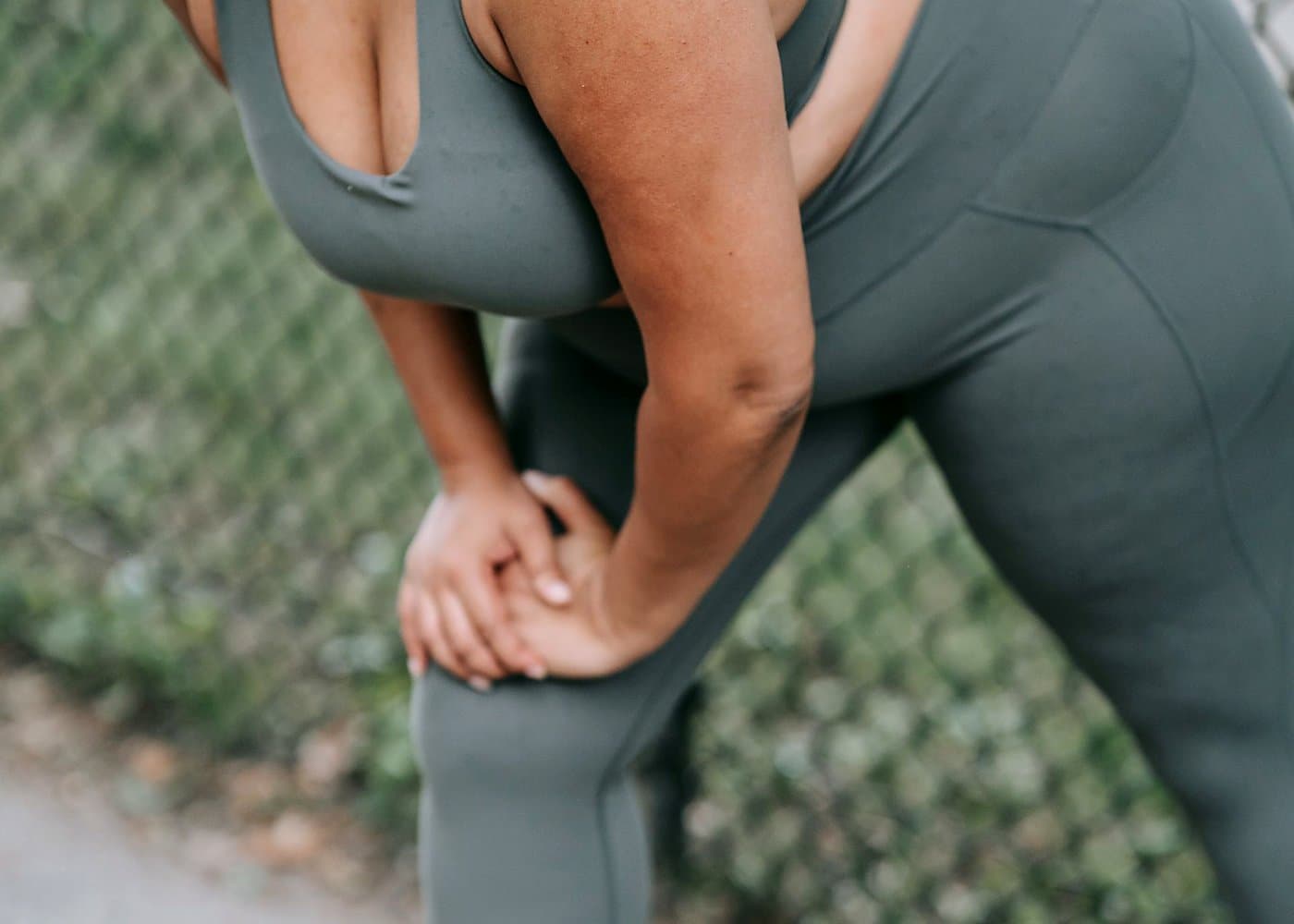
How does fabric affect activewear color before a gym-wear sample is approved?
Fabric affects activewear color because surface, structure, stretch, opacity, lining, components, and light change what a buyer sees. A colour name or screen swatch is not enough. A useful brief identifies the garment use, fabric structure, target colour reference, required coverage or finish, logo method, connected components, and the one question a material-and-colour sample must answer.
The same blue, grey, white, orange, or neutral can appear lighter, deeper, warmer, cooler, flatter, more reflective, more textured, or less even when the product changes. A smooth close-fit tee, a ribbed legging, a mesh panel, a seamless body, a brushed layer, and a glossy trim do not create the same visual field. That does not mean one fabric is universally better. It means the supplier and buyer need a clear product context before they make an approval decision.
This guide focuses on how fabric structure changes colour appearance in gym wear. It is not a complete fabric-selection process or a replacement for a colour-approval record. The wider material brief is covered by the activewear fabric selection guide; the activewear color approval guide helps a team record the evidence once a material-and-colour direction is ready for controlled review.
Which fabric surfaces can make the same activewear color look different?
Surface is the first visible variable. Smooth knit can create a comparatively even visual field. Rib can make the same colour appear more textured because its raised and recessed areas catch light differently. Mesh can create openness, shadow, contrast with an underlayer, and a different reading at body scale. A matte surface may reduce reflection, while a more reflective finish can make highlights and movement more visible. The intended result depends on the actual material, product shape, colour, component relationships, and viewing conditions.
| Surface or structure | What the buyer may observe | Decision to record | First sample evidence |
|---|---|---|---|
| Smooth stretch knit | A relatively continuous colour field across the body | Required body colour, product area, logo contrast, and companion components | Garment view at the intended product scale and use context |
| Rib or textured knit | Light and shadow can make colour feel more dimensional | Texture direction, key panels, expected visual variation, and seam relationship | Material and garment review showing the intended texture and colour together |
| Mesh | Openness and the layer behind it can change apparent depth or contrast | Mesh location, coverage expectation, underlayer, binding, and logo context | Sample showing mesh with its intended body fabric and connected components |
| Seamless construction | Knit zones and stretch areas can affect visual density or texture | Zone map, body areas, colour relationship, and required appearance under movement | Review of the selected size and intended stretch or movement condition |
| Matte surface | Reflection may be reduced and the surface may appear calmer | Required finish, adjacent glossy details, and presentation goal | Fabric and garment comparison beside related components |
| More reflective finish | Highlights can make colour and surface change across angles | Finish boundary, product role, trim or logo relationship, and review environment | Controlled garment review under agreed observation conditions |
The table describes questions to review, not guaranteed outcomes. It is important to avoid asking a supplier to make every fabric “look exactly like” one digital reference without stating the material and product context. A physical or agreed reference, actual components, and a named sample question create a better basis for discussion.
Why can mesh change the apparent color of a gym-wear product?
Mesh is not only a colour choice. Its openness, placement, the material behind it, seam finish, binding, lining, and movement context can all affect how the body colour is perceived. A dark mesh over a lighter lining may read differently from the same mesh beside a solid dark body. A coloured mesh on a shoulder, back, leg, or side panel can look more or less visible depending on the surrounding surface and the size of the panel.
The buyer should identify whether the mesh is intended as ventilation, coverage, a visual contrast, a controlled accent, or a structural zone. That purpose makes the correct sample question clearer. For example, a first sample may need to show whether the chosen mesh creates the intended body-to-panel contrast, whether it sits correctly beside binding and seams, or whether a logo remains legible on the selected background. It should not be assumed that a product photo proves the same result for another fabric, colour, or construction.
The Layered Mesh Built-In Cup Top is a useful reference for naming a body-and-mesh relationship, neckline, underlayer, colour contrast, logo zone, and the material evidence required for a specific product. It is a catalogue reference, not a promise that a pictured colour, material, fit, or component arrangement is available for a separate project.
How do seamless and ribbed structures change color appearance?
Seamless and ribbed garments can carry colour through texture and stretch zones as well as through a flat body surface. A buyer should identify which texture is intended to be visible, where the garment is expected to stretch, which areas need a stable visual relationship, and whether a different knit zone is a functional or purely visual decision. The answer can change across a tee, bra, legging, short, or layer.
Rib direction and density may make a colour feel more or less pronounced at different angles. Seamless zones can create a visual map across the body, especially when they sit beside a smooth area, logo, contrast trim, or companion product. These are reasons to ask for controlled evidence rather than to make a blanket claim about how every rib or seamless fabric will appear. The actual material, colour reference, product size, fit, and construction have to be reviewed together.
The Seamless Training Tee can help a buyer state the body surface, neck and sleeve relationship, logo area, companion lower body, and the first material-and-colour question. It should be used to describe the discussion, not as confirmation of a final material, colour, availability, or production condition.
What is the difference between matte and glossy activewear color?
Matte and more reflective surfaces can make a colour feel different even when a buyer uses the same named reference. Matte may create a quieter field beside a bright logo or colourful component. A more reflective surface may make highlights, seams, panels, and movement more noticeable. A collection can use both intentionally, but the brief should state which effect belongs to which garment or detail.
Do not write “matte black,” “glossy navy,” or “bright colour” as though the words finish the decision. Name the garment, material direction, affected product area, companion components, intended observation, and the sample evidence needed. A gloss-like trim beside a matte body can be a deliberate contrast. It can also become distracting if the intended brand hierarchy, logo method, or product role was never defined. The sample review is where the team decides whether the relationship works for that exact product.
How do stretch, opacity, lining, and movement change color review?
Colour is viewed on a product, not only on a flat swatch. Stretch can alter how a surface, texture, graphic, seam, or coverage reads at different areas of a garment. Opacity and lining can affect a lighter body, mesh zone, edge, or panel relationship. Movement can make a reflective or textured surface more visible. These are not universal quality judgments; they are context questions a buyer should name before sampling.
For a close-fit lower body, the buyer may need to review colour with the intended waistband, gusset, panel, lining, and stretch context. For a top, the relevant questions may involve neckline, armhole, bra area, mesh, sleeve, logo, and companion bottom. For a layer, zipper, pocket, cuff, lining, and folding presentation may change the observation. The correct material-and-colour brief identifies the product role first, then the surface and component evidence needed for that role.
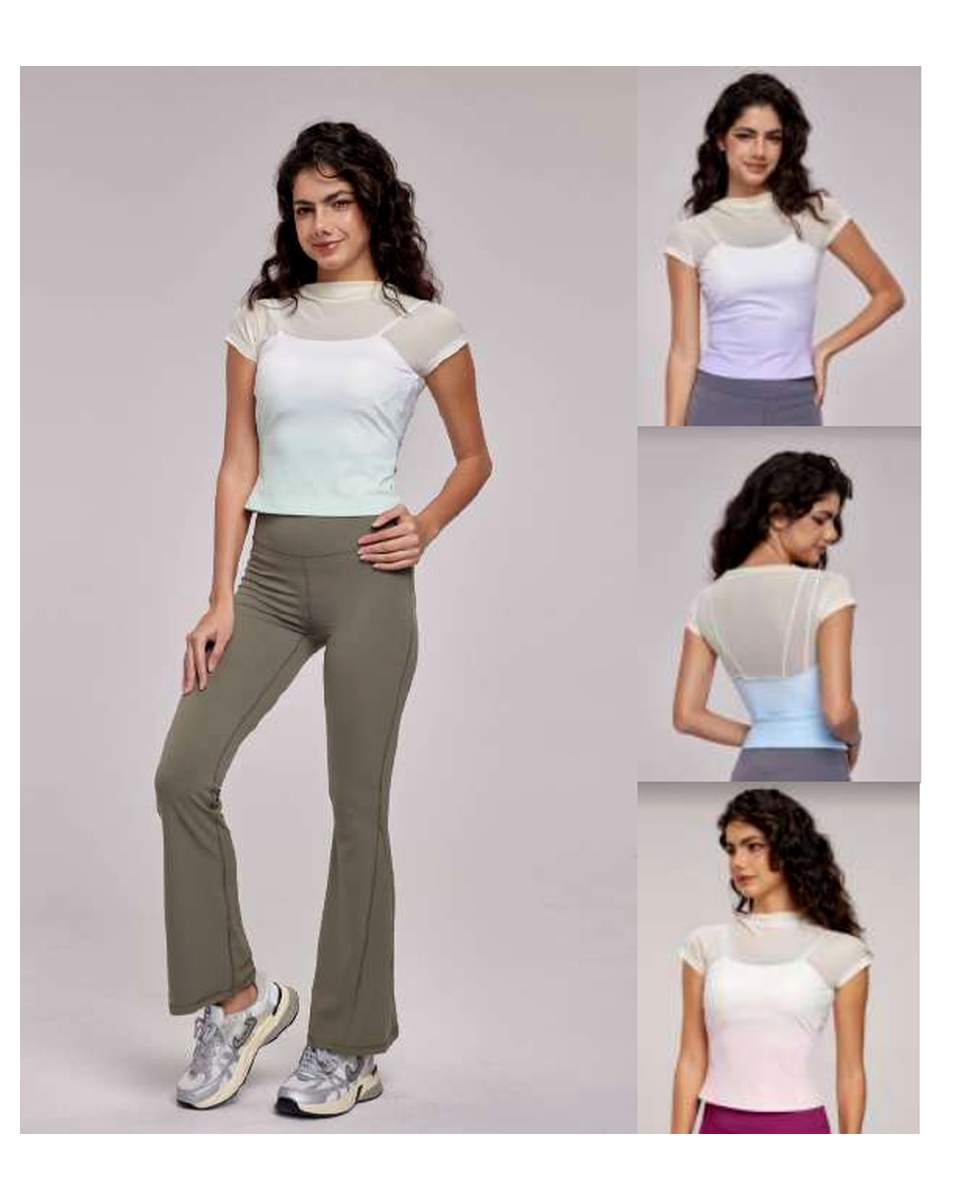
The product reference above helps show why mesh, body fabric, and connected colour areas need a product-level conversation. It does not confirm an exact fabric, colour, coverage result, logo method, price, MOQ, or production condition. Use the real selected material and a controlled sample to evaluate the requirement.
How should a buyer review color with trims, logos, and packing?
Body fabric is only one part of the visual result. Binding, elastic, thread, zipper tape, drawcord, mesh, labels, logo artwork, print, and packing can reinforce or interrupt the intended colour direction. Assign each component a role: close match, controlled contrast, tonal support, or a decision still open. This helps the factory and buyer review the right relationship instead of treating every nearby component as an accidental mismatch.
| Review area | What to state before sampling | Evidence to review |
|---|---|---|
| Body fabric | Target colour, surface, coverage or finish, product role, and material direction | The selected body material on the intended garment area |
| Mesh, lining, and panels | Placement, underlayer, contrast rule, edge finish, and required visual boundary | The relationship at seams and when the garment is viewed as a whole |
| Elastic, binding, thread, and zipper | Match level, deliberate contrast, component material, and visible areas | Component samples beside the body fabric and construction details |
| Logo or print | Current artwork, method, scale, background, position, and approval owner | Legibility and balance on the selected material and product scale |
| Labels and packing | Colour role, artwork version, proof, and what is separate from garment approval | Correct presentation proof without mistaking it for fabric approval |
The fabrics and trims resource can support this material-and-component preparation. It does not replace project-specific confirmation; it helps a buyer bring the right questions into the sample conversation.
How can a team compare fabric-and-color candidates without losing the product context?
Compare candidates against the same product decision, not as a pile of unrelated swatches. Start with the garment role and the intended visible area: for example, a core legging body, a mesh shoulder panel, a ribbed training tee, a light outer layer, a logo ground, or a controlled component contrast. Put the working colour reference beside each relevant fabric and component. Then name the observation the team is actually comparing: depth, texture visibility, mesh-to-body contrast, coverage, logo legibility, edge appearance, or relationship with a companion style.
Use one record for each candidate. It can identify the material direction, current colour reference, product area, connected mesh or lining, trim and logo relationship, sample version, reviewer, observation, decision owner, and next action. The record should also say what is not being approved. A team may be comparing the body surface only, leaving a lining, logo method, side panel, or packaging proof open for another review. This boundary prevents a preliminary material comparison from being mistaken for complete garment or bulk approval.
Look at the selected candidate in a garment-scale context whenever the decision depends on construction or movement. A small textile cut may help compare surface and colour, but it may not show what happens at an underband, waistband, neckline, pocket edge, mesh seam, zipper, or curved panel. A controlled sample makes the relationship visible. If the required product is still changing, record whether the next evidence should be a material comparison, component proof, revised colour sample, garment sample, or a factory-custom discussion about the changed physical scope.
Keep the visual comparison separate from a commercial assumption. A preferred fabric appearance does not establish stock, price, MOQ, production timing, or final availability. Add the size range, preliminary quantity direction, destination market, labels, packing, and desired timing to the project conversation, then ask the supplier what must be confirmed. This lets the buyer preserve the design observation while receiving a project-specific commercial response.
How should a brand set a visual acceptance boundary for fabric and color?
Set the boundary in terms that can be reviewed on the actual product. Instead of asking for a colour to feel “premium,” “clean,” or “more vivid,” describe the product area, selected surface, connected components, reference, observation condition, and decision. For example, the question may be whether the blue body reads consistently beside the navy mesh at the neckline, whether a ribbed grey lower body gives the intended textured appearance beside a smooth top, or whether a white logo remains clear on the chosen surface. The point is not to impose a universal visual formula. It is to give the sample review a concrete purpose.
Define which differences are expected and which require action. A light shift across a rib or a highlight on a more reflective panel may be an intended surface result. A changed body-to-mesh contrast, visible lining edge, unreadable logo, unplanned opacity difference, or a component that distracts from the product hierarchy may require a revised material, colour, component, or construction discussion. Record the expected variation before the review so the team does not confuse a designed texture effect with an uncontrolled change.
The boundary should be specific to the current style and version. A result approved for one smooth training tee does not automatically approve the same named colour on a ribbed legging, mesh bra, lined short, or outer layer. Likewise, a satisfactory material view in one size or lighting environment may not answer another product's visibility or coverage question. Keep the decision linked to the garment, body material, components, artwork, and sample evidence that were actually examined.
Make ownership visible. The buyer can name who provides the reference, who reviews the material and colour relationship, who approves a revision, and what evidence is needed next. The supplier can then respond to a defined request rather than guessing whether the priority is colour match, surface feel, coverage, logo contrast, construction, or presentation. This modest record is often more useful than a large moodboard because it keeps visual language connected to a practical next decision.
When should fabric and color changes use private label or factory custom development?
A catalogue-informed private-label discussion may suit a selected silhouette that mainly needs confirmed logo, labels, hangtags, packing, and a limited presentation direction. Actual product, fabric, colour, logo method, availability, quantity, and commercial terms still require project-specific confirmation. A buyer should state which existing garment direction is being referenced and which parts of the material-and-colour conversation remain open.
Factory-custom development is appropriate when the project needs a new fabric, knit structure, mesh or lining arrangement, panel map, fit, construction, colour relationship, logo background, or controlled sample plan. A change in material surface can change what the product is, not merely how it is presented. The custom activewear manufacturer service is the route for that deeper product-development discussion.
The distinction matters because the first sample must prove the right thing. A project can begin with a familiar silhouette and still need factory-custom evidence if the desired fabric structure, coverage, surface, or component relationship changes the physical garment.
What should the first fabric-and-color sample prove?
The first sample should answer one written question. It may show whether a mesh panel creates the intended contrast, whether a rib surface changes a target colour more than expected, whether a matte body works beside a reflective trim, whether lining supports the desired coverage, whether a logo remains readable, or whether the selected components create deliberate contrast. The reviewer should record what they saw, what needs revision, and which decision is still open.
inPACE can coordinate sampling support that may include printing, embroidery, wash effects, and other project-appropriate steps. As a usual planning guide, samples often take 5–10 days and production often takes 25–50 days after scope and approvals are confirmed. Actual timing depends on style complexity, material availability, colourways, decoration, labels, packing, quantities, revisions, and production scheduling, so it must be confirmed for the project.
The manufacturing workflow can help a buyer place material, colour, sample, quality, packing, and export-preparation decisions in sequence. Keep the evidence tied to the current style and version rather than assuming that one fabric or photo approves every later product.
What should buyers include in a material-and-color brief?
- Name the target product, activity or use context, product role, and companion styles.
- Identify the target colour reference and whether the body should read smooth, ribbed, matte, more reflective, textured, or otherwise controlled.
- State the material structure, mesh, lining, panel, and coverage questions that the first sample must address.
- Describe elastic, binding, thread, zipper, logo, label, and packing relationships as match, contrast, or open decision.
- Provide relevant product references, sketches, samples, and the current artwork or logo file when applicable.
- Identify the required visible areas, reviewer, approval owner, and next action if the sample result changes.
- Include size range, preliminary quantity context, destination market, and packing needs for the commercial discussion.
- Separate a garment material approval from a label, hangtag, bag, insert, barcode, or carton proof.
- State the one question the first sample must prove before a larger range or bulk discussion proceeds.
How should a buyer compare a body fabric and mesh in the same target colour?
Start with one named colour reference and identify the exact body, mesh, lining, binding, and panel roles being compared. A similar colour name does not establish that the pieces use the same dye lot, material, finish, or approval reference. The Layered Mesh Built-In Cup Top and Half-Zip Mesh Back Active Top can help a buyer identify body-to-mesh placement and product questions. They are catalogue references; do not infer a component-level material assignment from the image or combine their listed material information without a confirmed BOM.
Use a worksheet that distinguishes verified input from the observation still to be made:
| Comparison field | Body fabric | Mesh or secondary panel |
|---|---|---|
| Product code and component role | Record the exact style, panel and BOM reference | Record the exact style, panel and BOM reference |
| Fabric identity and colour | Supplier, fabric code, colour reference, lot and date | Supplier, fabric code, colour reference, lot and date |
| Surface and construction | State supplied structure and finish; mark gaps | State supplied structure and finish; mark gaps |
| Dry visual review | Record light, distance, angle, sample size and relaxed or agreed stretch condition | Use the same conditions and note any unavoidable difference |
| Wet visual review | Record the agreed preparation, amount, timing and observation area, or mark not reviewed | Use the same documented preparation where the comparison permits |
| Garment and seam context | Identify lining, seam, trim, logo or adjacent colour involved | Identify underlayer, binding, seam and adjacent colour involved |
| Result and remaining question | Describe the actual observation; do not infer a cause | Describe the actual observation; do not infer a cause |
The worksheet is intentionally blank. It does not report that inPACE performed a colour, moisture, opacity or drying test. If a measured claim matters, agree its method and specimen separately and review the resulting record with its scope and limitations. A photograph can document a visual observation under stated conditions; it cannot establish a drying rate, colourfastness result or universal garment performance.
How can a studio or club compare colour after washing?
First decide whether the open question concerns the fabric, the assembled garment or a multi-style colour relationship. Name the body fabric and connected components, the approved colour reference, the sample or lot, the care instructions and the wash procedure that the buyer wants assessed. If no wash method or acceptance requirement has been agreed, identify that gap before interpreting a before-and-after image.
For a practical review, keep the before and after records tied to the same identified sample and garment area. Note the preparation and wash conditions, drying and viewing conditions, reviewer, date, image reference and any visible change. If the garment uses body fabric, mesh, lining and binding, record each part separately; one panel's appearance does not establish the condition of the others. If several styles share a uniform colour direction, list the exact styles and components that need to be compared, rather than assuming that a shade name guarantees consistency across different surfaces or lots.
Keep visual observations separate from test claims. “The mesh panel appeared lighter than the body after the stated wash and viewing procedure” documents what the reviewer saw. It does not by itself identify the cause, establish a colourfastness grade, prove that all garments will behave the same, or demonstrate that the garment dries quickly. Use an appropriate agreed test and record if the buyer needs a measured or customer-facing claim.
For repeat programmes, retain the accepted swatch or lab-dip reference where applicable, supplier and material codes, lot/date, BOM component, garment sample version, care instructions, before/after observation and decision owner. A replacement material, colour or component should reopen the relevant review instead of inheriting an approval solely from a similar photo or shade name.
How do sample charges and refunds work for one fabric-and-color style?
As a general guideline, the sample charge is 1.5–3 times the corresponding bulk unit quotation, depending on the product and development scope. For one style, the stated refund schedule is 10% at 100 units, 30% at 300 units, 50% at 500 units, and 100% at 1,000 units. Confirm the quotation, material scope, sample plan, and applicable order conditions in writing because fabric, colour, components, decoration, revisions, and construction can change what is included.
How can a sample review turn a colour concern into a production decision?
A buyer may know that a body and mesh look different on screen, or that damp appearance matters, but still lack a comparison tied to the actual garment and colour. inPACE can review the named material and component map, target reference, logo and lining relationships, and the buyer's agreed dry, damp or post-wash observation. The team can discuss a sample route within the confirmed project scope; a visual comparison does not substitute for a colourfastness or moisture test.
The decision record should identify the material codes, garment areas, colour reference, sample version, review conditions, observations, open evidence and approval owner. That gives design and sourcing a shared basis to retain or revise a colour relationship, while leaving measured claims to appropriate evidence. For moisture-specific terms, see the moisture-management guide; for mesh location, coverage and seam choices, see the mesh-panel guide. Keep the broader material shortlist in the activewear fabric sourcing guide.
Send the garment use, target colour, body and mesh materials, coverage or finish requirement, logo method, sample question and available records through inPACE’s contact page. If a material, panel or construction changes, the team can review the appropriate factory-custom path and confirm the scope.
Product directions
Explore relevant activewear products
Use these product pages as practical references for your brief, then confirm materials, fit, customization, and production details through sampling.
Fabrics & Trims
Use this material resource to organise surface, stretch, coverage, component, and logo questions before asking a supplier to confirm a fabric direction for a specific activewear project.
View product directionLayered Mesh Built-In Cup Top
Use this mesh-top reference to discuss body and mesh contrast, coverage, lining, neckline, colour relationship, logo zone, and the sample evidence needed for the intended product.
View product directionSeamless Training Tee
Use this tee reference to name the body surface, rib or seamless texture, colour appearance, logo area, companion bottom, and the first material-and-colour review question.
View product directionFAQ
Buyer questions
Why does the same color look different on activewear fabrics?
Surface texture, structure, stretch, opacity, lining, components, light, garment size, and construction can change how a body colour is perceived. Name the target product, material direction, connected components, intended visual result, and first sample question instead of treating a screen swatch as finished approval.
How can mesh affect activewear color?
Mesh can change apparent depth, openness, contrast, and the relationship with the layer behind it. The buyer should define the mesh location, purpose, underlayer, binding, colour relationship, and the specific product-scale evidence needed from a sample.
How should buyers compare a body fabric and mesh in the same target colour?
Identify the exact style, fabric code, component role, colour reference, lot and sample version for each part. Compare the body and mesh under the same documented dry or agreed wet visual conditions where practical, and record any differences. Photos document an observation but do not prove a drying, colourfastness or opacity test result.
Can photos prove that activewear fabric dries quickly?
No. Photos can document visible appearance under stated conditions, but they do not establish a drying rate. A measured claim needs an agreed method, identified specimen, conditions and result, with the report's scope kept clear.
Do ribbed and seamless activewear show color differently?
Rib and seamless structures can make colour appear more textured or visually varied across knit and stretch zones. The actual result depends on the selected material, colour reference, product, size, fit, construction, components, and viewing context, so it needs controlled sample evidence.
Should matte and glossy activewear surfaces be reviewed separately?
Yes. A matte or more reflective surface can create a different relationship with colour, highlights, logo, trim, and movement. State the intended finish, garment role, adjacent components, and sample evidence rather than assuming the same named colour will look identical across surfaces.
When does a material-and-color project need factory-custom development?
Factory-custom development is appropriate when the project needs a new fabric, knit structure, mesh or lining arrangement, panel map, fit, construction, colour relationship, logo background, or controlled sample plan. Share the product reference, material direction, colour reference, components, size context, and first sample question.
How long do fabric-and-color samples and production take?
As a usual planning guide, samples often take 5–10 days and production often takes 25–50 days after scope and approvals are confirmed. Timing depends on style complexity, material availability, colourways, decoration, labels, packing, quantities, revisions, and production scheduling, so it must be confirmed for the project.
How are sample charges and refunds handled for one fabric-and-color style?
The general guideline is a sample charge of 1.5–3 times the corresponding bulk unit quotation, depending on product and development scope. For one style, the stated refund schedule is 10% at 100 units, 30% at 300 units, 50% at 500 units, and 100% at 1,000 units. Confirm quotation and applicable order conditions in writing.