
A gym shorts range can contain quite different products. One short may be close-fitting through the leg, another may combine an outer layer with an inner short, and a third may be chosen for a particular carrying arrangement. Calling all three gym shorts is useful for browsing, but it is not enough information for a supplier to quote the assortment accurately.
The wholesale activewear sourcing route starts with existing product references and confirmed options. For this route, the buyer selects suitable garments and defines the brand details around them. The practical challenge is to make every style's purpose, approval and quantity clear without turning an assortment enquiry into an unrecorded development project.
What should a gym shorts wholesale supplier understand about the range?
Explain who will wear the shorts and where the brand expects to sell them. A studio retailer, a training collection and a broader activewear shop may ask different questions of the same garment reference. Describe the relevant activity and customer needs rather than relying on a general gym category to imply them.
Assign a role to each proposed style. The role might concern fit preference, leg coverage, carrying needs or a coordinated outfit. It should explain why the buyer is including that product and what the sample review needs to establish. A role is a planning decision, not a performance claim about the garment.
Keep selection criteria separate from features already confirmed. A brief may require a particular pocket arrangement while the shortlisted reference has not yet been reviewed for that use. Record the requirement and the unresolved question side by side. This gives the supplier a useful basis for recommending a suitable existing option or explaining a gap.
Identify the selling unit early. A catalogue image with a tank and short may describe a set direction, while the buyer intends to order bottoms only. Confirm whether the selected short can be discussed separately and what the quotation covers. Neither the photograph nor a collection name should silently determine the order contents.
How do you compare fitted, carrying-focused and layered references?
The YA-03 Run-Training Short Set is an identified set direction that can help frame a layered-short discussion. Specify the component under consideration and request the current product details. If the buyer wants only the bottom, keep that request explicit when checking the available ordering arrangement.
The DWS115112 Waist-Bag Sport Short offers a different reference: a fitted short with a distinct carrying detail to discuss. Confirm the actual configuration and intended contents. Do not merge a waist-bag arrangement with a generic pocket requirement, and do not assume that every pictured view establishes the same included components.
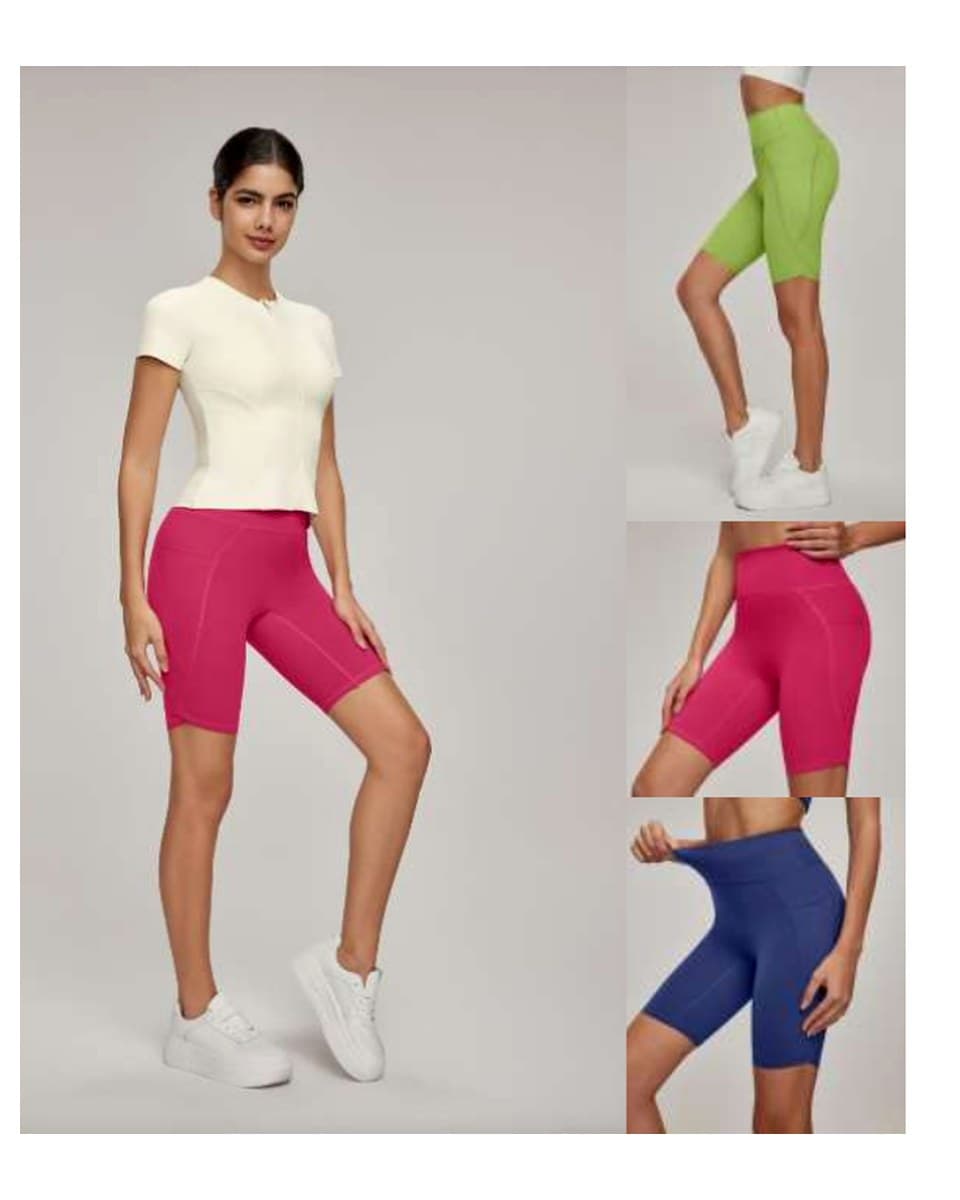
The DWS115114 Long-Pocket Curved-Hem Short provides the hero reference for this article. The catalogue image shows long fitted shorts in pink, with additional colour views. Use the style code to ask about the existing length, hem and pocket details; the image is not evidence of pocket security, support or current stock.
Compare the roles before expanding the number of styles:
| Proposed role | Existing direction to investigate | Main review question | Order detail to preserve |
|---|---|---|---|
| Close-fitting coverage option | A fitted short with the intended leg proportion | Does the actual sample suit the intended wearer and movement? | Exact style, size guidance and length reference |
| Carrying-focused option | A confirmed pocket or waist-bag arrangement | Does the identified item and carrying configuration suit the use? | Actual feature, included contents and review scope |
| Layered option | An outer short with an identified inner layer | How do the two layers behave and provide coverage together? | Layer configuration and separate measurement references |
| Coordinated outfit option | A short linked to a separately identified top | Is the order for a bottom or a defined set? | Component codes, sizes, quantities and packing unit |
A range does not need every role in this table. Choose the roles that match the brand's actual plan and evidence. If two candidates serve the same purpose, compare their relevant differences before allocating colours and sizes to both. The aim is a range the buyer can explain, review and replenish coherently.
Which parts of an existing style need confirmation before allocation?
Retain the supplier code, current garment version and reference images. Confirm the material information, size guidance and selected colour options for that version. Keep catalogue descriptions visible as background while asking which facts apply to the proposed order and which details still need sample review.
Identify any included elements separately. A liner, inner short, waist bag or coordinated top may affect the garment or selling unit in different ways. Ask whether the component is attached, separate or simply shown for styling. Use the answer to define the actual order instead of inferring it from a photograph.
Review the garment against its assigned role. A close-fitting short selected for a long-coverage option needs a different length discussion from a layered short selected for its combined appearance. Use those differences to focus the sample comments rather than applying the same generic approval sentence to every candidate.
Record acceptable existing alternatives if the preferred option cannot be confirmed. Each alternative needs an identity and a reason it meets the requirement. A change of style can affect size guidance, labels, artwork location and packing, even where the new colour name or broad silhouette looks familiar.
If the requirement needs a new fit, liner, pocket or material construction, define it through custom activewear development. Keep that work distinct from the catalogue styles that already meet the brief. This lets the buyer make a clear decision about the range without concealing unresolved development inside a wholesale quantity list.
How should length and coverage be reviewed on layered shorts?
Identify the outer layer and inner layer before discussing length. A single figure may describe only one part of the garment. Agree which measurement points, units and sample size apply to each relevant dimension, and keep the two records connected to the same reviewed short.
Review the layers together on the intended wearer. The outer hem and inner hem can create a relationship that changes with position or movement. Record what is observed in the relevant activity and which layer creates the concern. A request for more coverage is easier to discuss when it names the actual area and garment part.
The layered two-in-one training short reference shows a visible outer-and-inner direction. It can orient the discussion, while the actual sample and current specifications remain necessary for a particular order. Do not assume that another layered catalogue style has identical attachment, measurements or material behaviour.
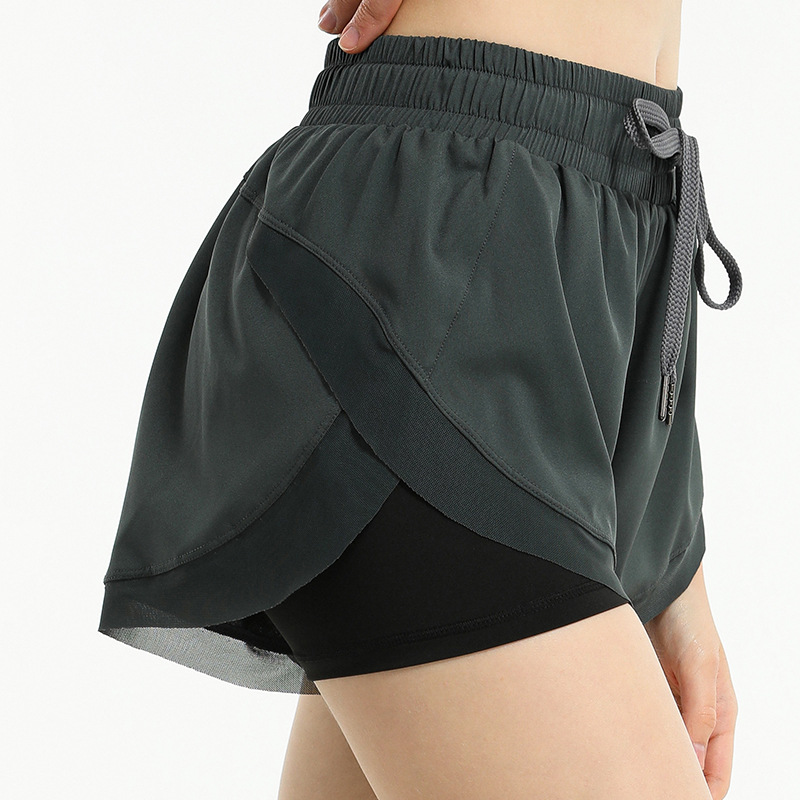
This catalogue view makes the outer hem, inner layer and drawcord visible. It helps identify which part a buyer is discussing. It does not establish hidden pocket details, tested movement performance or an approved configuration for the reader's project.
For a fitted single-layer direction, use the relevant garment measurements and wearing observations instead of borrowing the layered-short record unchanged. The workout shorts manufacturer guide provides the broader development route when the desired length or layer arrangement requires a changed construction.
How do you review fit and carrying details across different roles?
Use the same level of clarity across the range while adapting the questions to each product. Identify the sample, size, intended fit and relevant movement. Ask the reviewer to describe a specific observation, such as an outer layer catching during a movement or a waistband requiring adjustment, rather than marking the entire range comfortable or unsuitable.
For carrying features, identify the item and the actual location used. A side pocket, an inner-layer pocket and a waist bag can create different access questions. Confirm the feature on the selected style before planning a loaded review, and include the item's relevant dimensions and any case or attachment.
Keep loading, access and wearing behaviour separate in the notes. Fitting an item into an opening does not answer whether it is convenient to retrieve during the intended activity. Similarly, an unloaded photograph cannot establish what the garment will do with the item inside. Record the conditions and limits of the observation.
Use a compact review record for each selected style:
| Review area | What to identify | Useful outcome |
|---|---|---|
| Fit | Sample version, size and intended wearer | Specific acceptance or a located fit question |
| Coverage | Relevant garment layer, position and movement | Clear description of the area needing review |
| Carrying | Actual feature and identified item | Separate observations on loading, access and wear |
| Artwork | Garment area, file version and placement | An approval tied to the actual surface |
| Order contents | Garment components and commercial unit | A quotation and pack definition that agree |
Review each style on its own evidence. Acceptance of one fitted short does not automatically accept a second style's waist, hem or pocket, even if both carry the same consumer-facing size. Keep shared brand expectations in one brief and garment-specific conclusions in the relevant product records.
Where should branding sit on the chosen garment?
Specify the intended viewing position and the actual garment surface. A logo on an outer layer serves a different visual purpose from a logo placed on an inner short that may be partly covered. Identify whether the placement needs to remain visible in the intended wearing arrangement, then review it on the actual sample.
Add artwork dimensions and placement references that can be understood without the original mood board. A side seam, waistband edge or hem can provide a reference, subject to the garment's construction. Check whether a proposed location interacts with a pocket opening, curved edge or drawcord detail before approving it.
The logo methods for stretch activewear guide helps connect the application decision to the actual material and area. Separate approval of the artwork file from approval of its application. A method accepted on one short should not automatically be applied to another material or layer without review.
Coordinate the wider brand package through the private-label activewear route. Keep labels, hangtags and packing artwork linked to the selected garment identities. A shared collection identity can coexist with different placement instructions where the products have different constructions.
How do product roles become colour and size quantities?
Begin with a separate line for each selected style, colour and size. Add the role as planning context so the buyer can see how the quantity supports the intended range. Retain the actual garment code as the ordering identity; a role such as longer coverage is too broad to identify a physical product.
The size-colour quantity planning guide helps structure the allocation. Use the brand's available customer, channel and stock information when proposing quantities. Do not assume the same ratio suits every style simply because all appear in one collection or use similar size names.
Keep quantities at the right unit. A short within a set needs an identified component quantity as well as the set arrangement. Separately ordered bottoms should not be hidden in a combined garment total. If the supplier is asked to pack a fixed size assortment, define its contents and reconcile the individual pieces.
Check the effect of adding another colour before expanding the range. The addition creates more style-size combinations to review and track. Decide which role the colour supports and what evidence the buyer has for the allocation. A visually complete colour board is not, by itself, a quantity plan.
Record substitutions as explicit revisions. Replacing a layered short with a fitted short changes the product role even if the colour stays the same. Replacing a colour may have a narrower effect, but still needs the relevant garment and artwork review. Update the affected quantities and approval records together.
What information should survive folding and packing?
A receiving team should be able to identify the actual style, colour, size and agreed contents from the packing arrangement. Folded shorts can look similar, especially when an inner layer or carrying detail is concealed. Use clear identifiers rather than relying on the visible garment outline to distinguish products.
The activewear packaging checklist provides a structure for folding, bags, hangtags, carton information and receiving records. Apply it to the actual selling unit. A single short, a short with a separately agreed component and a top-and-bottom set need different contents definitions.
Prepare garment information using confirmed facts for each selected reference. Composition, care information and size identification should not be copied across distinct constructions merely because the brand wants consistent label styling. Identify the destination and channel, and assign a responsible reviewer for the information required for that order.
Review the physical label position where it may affect the wearing arrangement. A location inside a layered short can differ from one on a fitted waistband. Connect the approved text, layout and attachment position to the garment version. Keep any later revision specific enough that the supplier knows which styles it affects.
Request a representative packed reference when the arrangement is material to the offer. Check that the identifier matches the garment inside and that any included components are clear. If shorts will be paired with tops after arrival, state that receiving and assembly process instead of assuming the supplier will create the pairs.
How do you compare supplier proposals for the same range?
Send one controlled assortment file with the selected references, quantity lines and proposed brand package. Ask the quotation to identify its unit and included work. This makes it possible to compare garment scope, artwork, labels and packing without losing the product differences behind a collection-level total.
List unresolved questions alongside the proposal. An open fit review, uncertain component arrangement or proposed substitute can affect the eventual order. Record what needs to be decided and by whom. A useful planning quotation can remain conditional without being mistaken for final acceptance of every product detail.
Confirm the selected options and project conditions directly. Current availability, quantity conditions and the steps affecting timing belong in the supplier discussion. A catalogue page does not reserve material or establish a fixed delivery commitment, and a previous quotation should not be assumed to cover a changed assortment.
When an alternative is offered, compare it against the assigned role. A different short may be useful, but it should answer the buyer's actual coverage, fit or carrying requirement. If the alternative changes the range proposition, decide whether to accept that change before revising the quantity and packing files.
Keep the accepted version easy to identify. Record the final garment lines, approved branding files, remaining conditions and agreed next step together. A reviewer should be able to tell which proposal supersedes an earlier one without searching through an unstructured sequence of images and messages.
How should receiving feedback inform the next order?
At receiving, compare the actual garments with the approved style and packing records. Separate a wrong garment identity from a wrong size, missing component or packing discrepancy. Retain the relevant identifiers and evidence so the supplier can understand what was found and which order lines are affected.
Keep product feedback connected to its intended role. Comments about a fitted short's hem should not be merged automatically with comments about the inner layer of another style. Likewise, a carrying issue needs the actual feature, item and use context. Clear records help distinguish an individual observation from a question affecting the wider range.
The activewear repeat-order guide helps reconnect a new request with accepted product information. Retain each short's sample reference, size guidance, colour approval, artwork and packing version. Keep any set or component relationship alongside those individual garment records.
Use actual sales and stock information to decide which lines to replenish. A role may remain useful while its colour or size allocation changes. State the revised quantities clearly, and confirm whether the selected options and product details remain the same. Replenishment should not silently introduce a different construction under the old style name.
If feedback points to a new liner, pocket or length, identify it as a development question. Explain the unmet requirement and the sample evidence needed for a decision. The buyer can then decide whether another existing reference meets the need or whether the next range should include a newly developed garment.
How can inPACE help prepare the assortment discussion?
The company introduction describes inPACE's connection with Yinshan Garments and garment experience dating to 1986. That background supports the supplier introduction. The acceptance of a particular gym short still depends on its identified reference, relevant sample review and agreed order details.
For an existing-style enquiry, begin with the product codes and the role of each selected short. The discussion can then address confirmed options, proposed quantities, logo placement, labels, hangtags and packing. Keeping the garments distinct helps the buyer preserve the different purposes within one branded range.
If some products already fit the brief while another requires changed construction, identify both situations clearly. This lets the supplier discuss the existing assortment and the separate development question with the right sample and approval scope. A complete brief makes the next decision easier to understand for both sides.
What should a gym shorts wholesale enquiry contain?
Prepare the following information before asking for a range proposal:
- Intended wearer, activity, destination and sales channel.
- A clear role for each proposed short in the assortment.
- Existing product codes, current references and selected versions.
- Commercial unit and any top, bag or other component included in the request.
- Fit and size guidance with the relevant sample observations.
- Length and coverage questions, identifying outer and inner layers where applicable.
- Actual carrying feature, intended item and any loaded-review questions.
- Colour-size quantities by style, with component totals where needed.
- Artwork files, proposed placement, dimensions and application scope.
- Approved garment information, labels, hangtags and responsible reviewers.
- Packing identifiers, contents definitions and receiving requirements.
- Open decisions, retained reorder references and the requested next step.
Send your gym shorts assortment brief to inPACE with the selected references and the role of each product. Clear garment identities, quantities and brand instructions give the supplier a practical starting point for reviewing the range and confirming the next approval.
Product directions
Explore relevant activewear products
Use these product pages as practical references for your brief, then confirm materials, fit, customization, and production details through sampling.
Run-Training Short Set Reference
Use YA-03 to define the layered-short direction and confirm whether the enquiry concerns the bottom alone or the identified set.
View product directionWaist-Bag Short Reference
Compare DWS115112 as a fitted-short direction with a distinct carrying arrangement to confirm on the actual sample.
View product directionLong Fitted Short Reference
Use DWS115114 to discuss leg coverage and the existing pocket direction, then review the actual garment and confirmed options.
View product directionFAQ
Buyer questions
What should a gym shorts wholesale supplier know before quoting?
Provide the existing style references, intended use and role of each short, then list colour-size quantities and branding requirements. Identify the selling unit and any included components. Keep open fit, carrying or packing questions visible so the quotation can state the scope and conditions clearly.
Can fitted biker shorts belong in a gym shorts assortment?
They can be considered as a distinct fitted-short direction when that role matches the buyer's range. Review the actual garment for the intended wearer and activity. Do not describe a close-fitting catalogue style as a loose outer short or assume that it meets every gym use requirement.
How should layered shorts be measured and reviewed?
Identify the outer and inner layers separately, with agreed measurement points, units and sample size. Then review their relationship during the relevant wearing positions and movements. Record which layer creates a question so the supplier can distinguish an existing-style choice from a proposed construction change.
Does a set photograph mean the top is included with the shorts?
No. Confirm the commercial unit and the actual order contents. A photograph may show a coordinated direction while the buyer requests bottoms only. If a set is ordered, retain both component identities, sizes and quantities, and define how the pieces should be packed.
Can one logo approval cover all the shorts in the range?
The brand artwork can be shared, but each garment needs an application and placement instruction. Materials, layers, seams and pockets can change the relevant review. Confirm the actual location, dimensions and proof for each approved application rather than extending one garment's acceptance automatically to every style.
When does a ready-style enquiry require development?
A request for a new liner, pocket structure, inseam, fit or material construction requires a development discussion. Identify the affected garment and the unmet requirement. Another confirmed existing style may be suitable, but the proposed change should remain explicit until its sample and approval scope is agreed.
What should be retained for a gym shorts reorder?
Keep each style's accepted sample reference, size and length information, colour approval, component configuration, artwork, labels and packing version. Add the new quantities and identify any changes. Confirm current product options and use the retained records to evaluate alternatives before accepting them as replacements.