
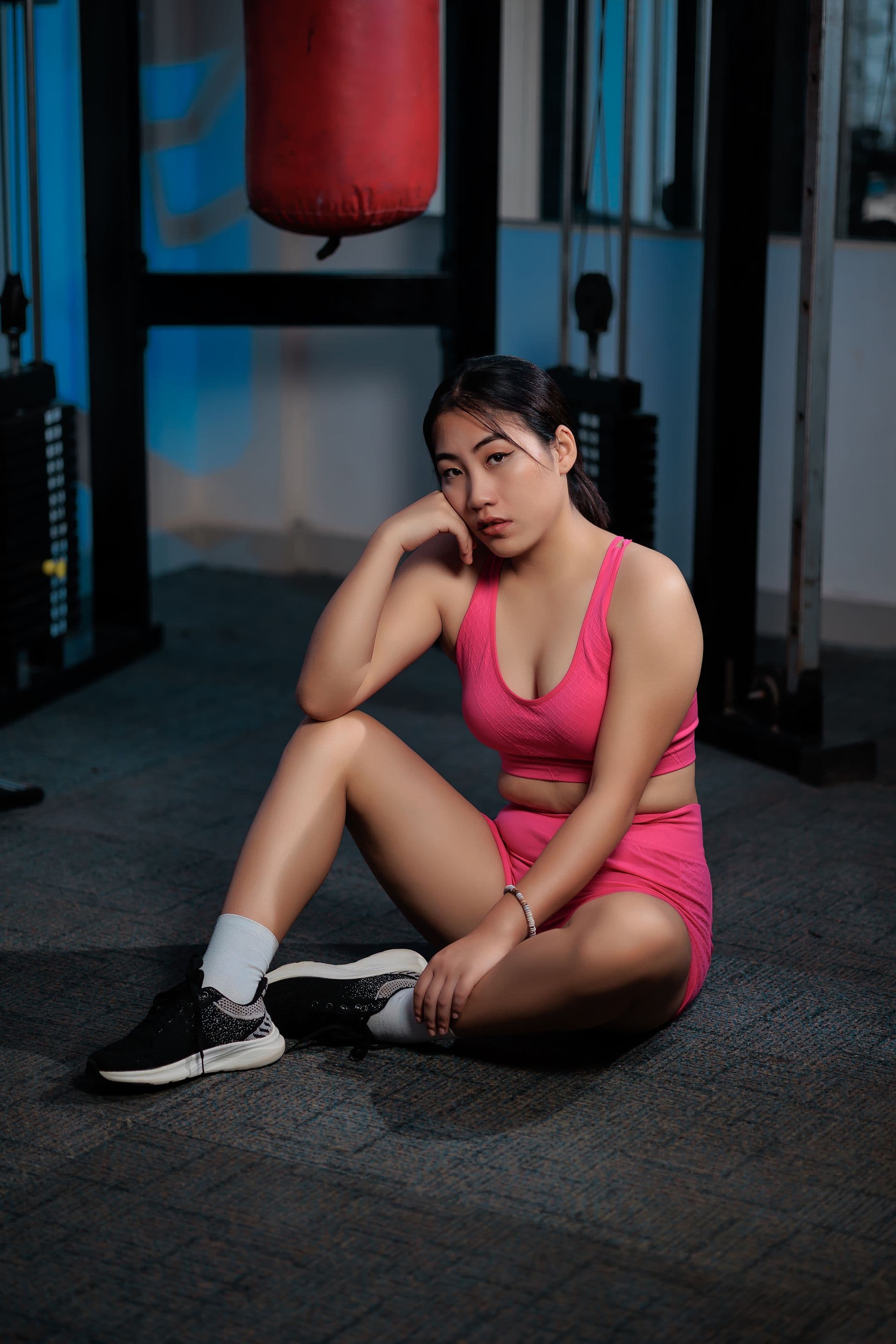
How should a gym choose a clothing manufacturer for staff, members, and retail?
A gym clothing manufacturer is most useful when a gym separates its staff uniforms, member merchandise, and retail collection into distinct product jobs before requesting a quote or sample. Define the wearer, use setting, fit and fabric direction, branding, size plan, packing, and approval evidence first. Then the gym can choose catalogue-based branding or factory-custom development without treating every garment as the same project.
Gym clothing is often described as one requirement: “we need apparel for the gym.” That wording hides three very different buying decisions. A front-desk or coaching uniform must work during repeated shifts, fit a defined team, and communicate the gym identity. Member merchandise can begin with familiar, lower-risk silhouettes that let a community test a logo, colour direction, and presentation. A retail collection needs a customer proposition, product assortment, size and colour plan, and a controlled route for samples and repeat orders.
Those decisions do not automatically need the same fabric, fit, decoration method, quantity plan, or production route. A gym that names the role of each garment can ask a manufacturer much better questions. It can also avoid a common problem: using an inspiring product image as though it were a complete specification, then discovering that staff comfort, member expectations, packing, and retail presentation were never included in the brief.
This guide is for B2B gyms, studios, clubs, and fitness businesses. It does not offer retail units, inventory, fixed minimums, fixed prices, or guaranteed lead times. Those points depend on the final styles, materials, branding, size-colour plan, samples, packing, quantities, and confirmed production route.
Are staff uniforms, member merchandise, and retail collections the same apparel programme?
No. They can share a visual identity, but they answer different operational questions. A useful starting point is to decide what the garment must do for the person wearing it and for the gym business.
| Programme | Primary wearer and use | Useful starting route | Decisions that should be visible before quotation |
|---|---|---|---|
| Staff uniform | Coaches, reception, operations, cleaners, managers, or event teams during shifts | Existing product direction with logo, labels, and packing, or custom development when fit or function changes | Role, movement, coverage, wash and wear expectations, staff size run, logo position, replacement plan, and delivery destination |
| Member merchandise | Members purchasing or receiving a branded item after joining, attending an event, or completing a programme | Catalogue-informed product selection and private-label branding when the garment itself remains suitable | Audience, product role, logo artwork, colour direction, retail presentation, size direction, launch purpose, and what must be confirmed on a sample |
| Retail collection | A gym's online, in-gym, or wholesale customer beyond the staff team | Factory-custom development when the fit, fabric, construction, feature, colour story, or collection system changes | Customer, price-position evidence from the buyer, core SKUs, material and fit direction, product records, size-colour plan, sample sequence, and repeat-order record |
The table is not a rule that one route is always easier. A staff jacket may need a new fit, weather layer, pocket layout, or safety-related visibility discussion. A member tee may need only approved artwork, a label, and presentation details. A retail bra or short can need much more development evidence even if the visual direction looks simple. The decision turns on how much of the actual product needs to change.
For a gym with an existing performance silhouette that needs a logo, label, hangtag, or packaging discussion, the Activewear Performance Collection can help the buyer name a product direction. If the project requires a new fit, fabric, construction, pocket, support relationship, or controlled sample plan, the Gym Wear Manufacturer solution is the better factory-custom conversation.
How should reception, personal-training, and group-class uniforms differ?
A gym can keep one visual identity without forcing every employee into one garment. Start with the work carried out in each role, the customer-facing context, and the movements or shift conditions that the team wants to review. A reception uniform may prioritise an orderly front-of-house presentation and practical layering. A personal trainer may need a top and bottom combination that can be observed through demonstrations and floor work. A group-class instructor may need a different balance of movement, coverage, visibility, and role identification.
These are briefing distinctions, not claims that one fabric or silhouette will perform for every employee. Record the selected garment, wearer group, expected use, fitting questions, material questions, logo hierarchy, size information, and branch allocation separately.
| Staff role | Possible garment direction | Material and fit questions to record | Branding and allocation record |
|---|---|---|---|
| Reception and membership team | Polo, structured tee, light jacket, or layer appropriate to the gym's chosen presentation | Shift setting, layer relationship, body length, collar or neckline, pocket need, surface appearance, and the sizes to fit | Chest mark, optional back identity, role wording if used, name/branch allocation, and replacement owner |
| Personal trainers | Performance tee, fitted top, tank, short, trouser, or light layer selected for the named duties | Demonstration movements, arm and shoulder range, coverage, body length, sweat context, pocket need, and actual fitting observations | Front/back logo relationship, trainer wording, garment version, size, branch, and approved artwork |
| Group-class instructors | Top, tank, bra/legging direction, short, or layer matched to the class and dress requirement | Named class movements, layer and coverage questions, stretch areas, seam/contact zones, visibility, and reviewer group | Mark visibility from the front/back of the room, role text, colourway, size record, and approval version |
| Operations, cleaning, or events | Tee, polo, trouser, layer, or role-specific item chosen from the actual task brief | Shift conditions, movement, pocket or storage questions, layer requirement, wash frequency supplied by the buyer, and size fit | Role text, department colour if used, issue quantity, location, replacement trigger, and receiving owner |
The gym should decide where a shared uniform is genuinely useful. A common polo may work for reception and management while trainers use another approved top. Alternatively, one tee may be shared but carry different role text or colour coding. Each variation should be an explicit SKU, artwork, or allocation decision rather than an informal request made after production files are approved.
Member merchandise remains a separate programme. A staff garment can inspire a member product, but the staff size list, role wording, shift use, and replacement schedule do not prove member demand or retail suitability. The fitness-studio member merchandise guide covers that buyer decision in more detail.
Which T-shirt, polo, tank, and jacket questions belong in a staff uniform brief?
Choose garments by role and review question, not by a generic “uniform set” label. A short-sleeve performance polo can provide a concrete reference for collar, placket, body length, sleeve, chest-logo, and layer discussions. It does not promise stock, a confirmed material, a size allocation, or suitability for every job. A tee, tank, or jacket reference needs the same product-specific discipline.
| Garment direction | Questions for the buyer and manufacturer | What should be confirmed on the relevant sample |
|---|---|---|
| T-shirt | Fit relationship, neckline, sleeve movement, body length, surface, intended role, and whether it is worn alone or layered | Identified size and wearer, movement observation, coverage, logo zone, label contact, and proposed packing |
| Polo | Collar and placket direction, shift presentation, shoulder movement, body length, pocket question, and chest/back branding | Collar/placket relationship, worn fit, logo scale and position, role text, label placement, and approved version |
| Tank or sleeveless top | Armhole, neckline, strap or shoulder width, body length, coverage, layer relationship, and intended trainer/class use | Arm and shoulder movement, armhole/neckline observation, logo interaction with seams or curves, and reviewer decision |
| Jacket or light layer | Opening, collar/hood, sleeve, cuff, pocket, body length, layer beneath, and branch/event use | Layer fit, sleeve movement, opening and pocket function, front/back mark, role visibility, and packing/fold instruction |
Material requirements should connect to the actual work. Instead of asking for a “sweat-proof” or “easy-care” uniform, name the staff role, expected shift or class context, contact zones, movement, desired handfeel, surface appearance, colour concern, and washing information supplied by the gym. Then identify what the sample review should observe. Do not convert one wearer comment or an unspecified wash into a moisture, odour, colourfastness, comfort, or durability claim.
If staff garments will be washed frequently, the buyer should state the intended care context and decide what physical evidence it needs. Keep the garment identity, material if confirmed, artwork, application, wash method owner, before/after observation, and approval decision together. Without that record, wash appearance remains an open question.
How should logos, staff wording, fittings, and branch quantities be controlled?
A uniform programme usually has at least three versions to control: the garment, the artwork, and the allocation. A digital mock-up may show the visual idea, but production preparation needs measured positions, approved artwork files, garment references, physical sample evidence, and a size-and-location table.
| Control record | Minimum information | Change that should trigger review |
|---|---|---|
| Logo position sheet | Garment/style version, size used for placement, artwork file/date, dimensions, colour, measured relationship to a seam or edge, and front/back view | New garment, size, fabric, colour, placement, dimensions, application method, or artwork detail |
| Role wording sheet | Exact approved wording, font/artwork file, role or department, garment location, size/colour, and whether wording is fixed or variable | New role, spelling, branch naming, hierarchy, placement, or version |
| Staff fitting record | Employee or anonymised staff ID, role, branch, garment, sample size, observed fit points, decision, and approver | New garment version, fit/material change, size information change, or unresolved fitting comment |
| Branch quantity table | Branch, role, garment, colour, size, issue quantity, spare/replacement quantity if approved, and receiving owner | New staff, new branch, transfer, loss/damage replacement, updated size, or changed garment |
| Approved-version register | Product reference, material/colour if confirmed, artwork, labels, packing, sample status, approval owner/date, and superseded version | Any product, brand, label, packing, quantity, or destination change |
Chest marks, back marks, and staff wording have different jobs. A small chest identity may support a consistent uniform, while a larger back mark or role description may help visibility. Their size and position must be reviewed on the selected garment and wearer context. A line of trainer text is not automatically interchangeable with a logo: it can have different dimensions, reading distance, file control, and variable-data requirements.
For multiple branches, never use one total quantity without the underlying allocation. The table should show branch, role, garment, colour, size, and current quantity, with estimates clearly marked. When a new employee or branch is added, compare the request with the approved-version register before calling it a repeat order. A changed fabric, fit, logo, wording, label, or packing instruction can require new confirmation even when the general uniform looks the same.
What should be decided before a gym asks a supplier to compare options?
The supplier-comparison task is not simply to collect several prices. It is to make sure every supplier receives the same usable input. Otherwise, one quotation may assume a catalogue tee with a screen print while another assumes a changed panel, a different material, private labels, individual bags, and a retail packing requirement. The figures may look comparable while the projects are not.
Start with a short programme record for every proposed garment. Name the audience, product role, use setting, reference, intended fit, branding direction, open questions, and approval owner. The gym does not have to solve every technical decision before speaking to a manufacturer. It does need to mark which choices are fixed and which need practical guidance.
For example, a coach top can be described as “close-fit short-sleeve layer for group training and reception shifts,” rather than only “black staff shirt.” That record can then identify the desired coverage, sleeve feel, potential logo zone, whether the staff member layers it over another product, the size range, and whether the first sample needs to prove movement, opacity, wash response, or decoration placement.
The gym-wear manufacturer checklist is useful when a buyer needs a broader factory-comparison framework. This article stays focused on the operational split between staff, members, and retail rather than repeating every general audit question.
When is catalogue-based branding enough for a gym programme?
Catalogue-based branding can be a sensible starting route when the existing silhouette already answers the product problem. The buyer may select a training top, layer, short, legging, or coordinated set direction, then focus on logo placement, labels, hangtags, packaging, carton marks, and presentation. This can be appropriate for a staff refresh, event merchandise, or a first branded member offer.
It still needs a brief. A logo is affected by fabric stretch, seam position, garment colour, available surface area, and how the garment moves. Labels and hangtags need approved artwork and the buyer's required information. Packing needs a clear decision about folding, bags, size stickers, grouped sets, barcode fields, and receiving requirements. A gym programme should not call a catalogue direction “ready to sell” until those project-specific questions have been reviewed.
The private-label activewear service helps a gym structure the branding path around a selected product direction. For a related example of how artwork and branded details enter a B2B order discussion, see wholesale activewear with custom logo. Neither resource confirms stock, timing, quantities, logo method, or pricing for a particular gym programme; those require a project review.
When should a gym move into factory-custom development?
Move into factory-custom development when the brief changes the garment rather than only its brand presentation. Common triggers include a changed fit, body length, coverage requirement, fabric handfeel, stretch or recovery direction, pocket or key-loop need, support relationship, panel construction, sleeve treatment, hood, lining, colour relationship, functional detail, or product-system requirement.
The retail collection route often reaches this point first. A gym may want a crop, bra, legging, short, overshirt, or warm-up layer that behaves as a related collection rather than a set of independently branded catalogue styles. It may need a particular relationship between top and bottom fit, a fabric direction that works across several product roles, or a sample sequence that lets the buyer approve the core piece before extending the range.
Custom development does not mean every element must be invented. A product URL, existing sample, marked photo, sketch, or tech pack can provide a useful start. The important step is to record which features remain, which change, and which decisions need manufacturer input. The custom activewear development route is for that discussion. It is not a promise that every reference can be copied or that a photo alone establishes production specifications.
How should a gym brief fabric and fit for real staff and member use?
Fabric and fit should be described through the wearer and use rather than a list of fashionable terms. A coach leading classes may need a different balance of coverage, movement, layer compatibility, surface appearance, and repeat-wear expectations than a member buying a post-class hoodie. A retail legging or short needs a fit direction tied to the intended customer and movement context, not simply a generic “compression” request.
Give the manufacturer a practical brief:
- identify the wearer and the activity or shift context;
- state whether the garment is a base layer, stand-alone top, light layer, bottom, short, or coordinated set component;
- show an approved or directional reference and mark what is important about it;
- distinguish required coverage, movement, handfeel, stretch, recovery, surface, pocket, lining, and support questions from preferences;
- name the reviewed size, expected size range, fit observations, and any body-length or opening concern;
- state whether the logo, number, staff role, event graphic, embroidery, print, or wash effect changes the material or sample questions.
inPACE can support a gym's discussion from a brief, reference, sample, or tech pack and give fabric and fit direction around the product's intended role. Final materials, fit, components, decoration, and performance are confirmed through the relevant physical samples and written approval, not a generic fabric name, a digital render, or an editorial image.
The editorial product reference at the top of this article illustrates a gym-apparel product-direction discussion only. It does not show an inPACE product record, approved gym garment, available colour, material, or production condition.
How do supplier, manufacturer, and factory responsibilities connect in a gym order?
The words are often used interchangeably, but a gym buyer can use them to make the workflow clearer. A supplier conversation helps compare the scope, understand what information is missing, and keep quotations and communication aligned. A manufacturer conversation turns the selected product direction into defined fabric, fit, construction, branding, and sample questions. A factory conversation carries approved information into production coordination, QC, packing, and shipping preparation.
This chain is particularly helpful when a gym has several garment roles. The supplier record can show that staff tops and retail bottoms are separate scope lines. The manufacturer record can show what each sample must prove. The factory record can then carry approved size, branding, quality checkpoints, folding, bags, carton marks, and destination information forward without relying on memory.
inPACE is built on more than 30 years of garment-production experience and can coordinate a suitable path through partner factories when a programme needs development, sampling, production, QC, and packing planning. That does not mean a fixed factory, capacity, schedule, or process applies automatically. The appropriate route depends on the product, materials, decoration, quantities, approval status, and confirmed order conditions.
How should a gym plan sizes, colours, and roles without overcomplicating the first order?
Size and colour planning is where a gym programme becomes operational rather than visual. A staff uniform may need a practical size run for a known team, replacement logic for new hires, and a way to identify different roles without turning each garment into a separate product specification. Member merchandise may have more uncertain demand, so the buyer needs to distinguish forecast quantities from approved quantities and decide whether colour variants have a clear selling purpose. A retail collection needs a product-by-product record because a black top, a contrasting layer, and a paired bottom can behave differently in fit, branding, and replenishment.
Start with a simple matrix, even when quantities are preliminary. For each style, record the programme, colour direction, intended sizes, current estimate, confirmed quantity if available, and any dependency. Dependencies might include logo artwork approval, a colour reference, a fit sample, a named event date supplied by the buyer, a packaging instruction, or a decision about whether staff and retail versions use the same garment. This makes it possible to see which questions affect the production route before they become a late-stage change.
Do not use a staff-size list as evidence that a retail size curve is suitable. Staff uniforms reflect the current team, whereas a member or retail programme needs a channel-specific demand judgement from the gym. Likewise, do not assume that a single colour works across every product surface. A logo can need a different treatment on a light tee, dark layer, stretch legging, or textured short. A manufacturer can help turn those product and branding questions into a sample plan, but the gym retains responsibility for the target customer, channel, demand assumptions, and final assortment decisions.
The aim is not a large spreadsheet for its own sake. It is a decision record that lets a buyer say: this is a staff replacement item; this is a member event product; this is a retail core SKU; this point is estimated; and this point cannot move forward until the sample is reviewed. That clarity helps the supplier compare scope, helps the manufacturer prepare the right sample questions, and helps the factory carry only approved information into production and packing.
What does a useful first delivery and repeat-order record contain?
The first delivery should leave the gym with more than boxes of garments. It should create a record that supports the next staff replacement, member campaign, retail restock, or product revision. Keep the final approved product name and version, size and colour direction, artwork and label files supplied by the buyer, decoration placement, packing instruction, delivery-market information, sample observations, and any change request that was deferred. Attach the decision owner and date to material changes rather than relying on an informal recollection of what looked correct.
At receipt, the gym can compare the delivered programme against the project record: style and colour identity, labelled size grouping, visible branding, packing presentation, and any agreed receiving details. That is not a substitute for project-specific quality requirements or inspection arrangements. It is a practical way to make a future replenishment discussion more accurate. If a gym later changes the material, fit, product mix, decoration, packaging, quantity, or destination, those changes should be treated as a new confirmation point instead of assuming that the earlier route still applies unchanged.
What sample evidence should a gym approve before bulk production?
Treat a sample as evidence for named decisions, not as a general signal that the entire programme is ready. Staff uniforms may need proof of fit across the staff size direction, logo placement on a worn garment, layer relationship, and the accuracy of role or name details where applicable. Member merchandise can need evidence that the product, artwork, label, presentation, and member-facing packaging work together. A retail collection can need a more complete record of product fit, fabric, colour, component, size, and collection relationship.
Typical sample-planning ranges for inPACE projects are about 5–10 days, and production planning can be about 25–50 days after the relevant scope and approvals are confirmed. These are planning ranges only. Material availability, colours, components, artwork, decoration, packing, revisions, quantities, and approval timing can change the actual route and timing.
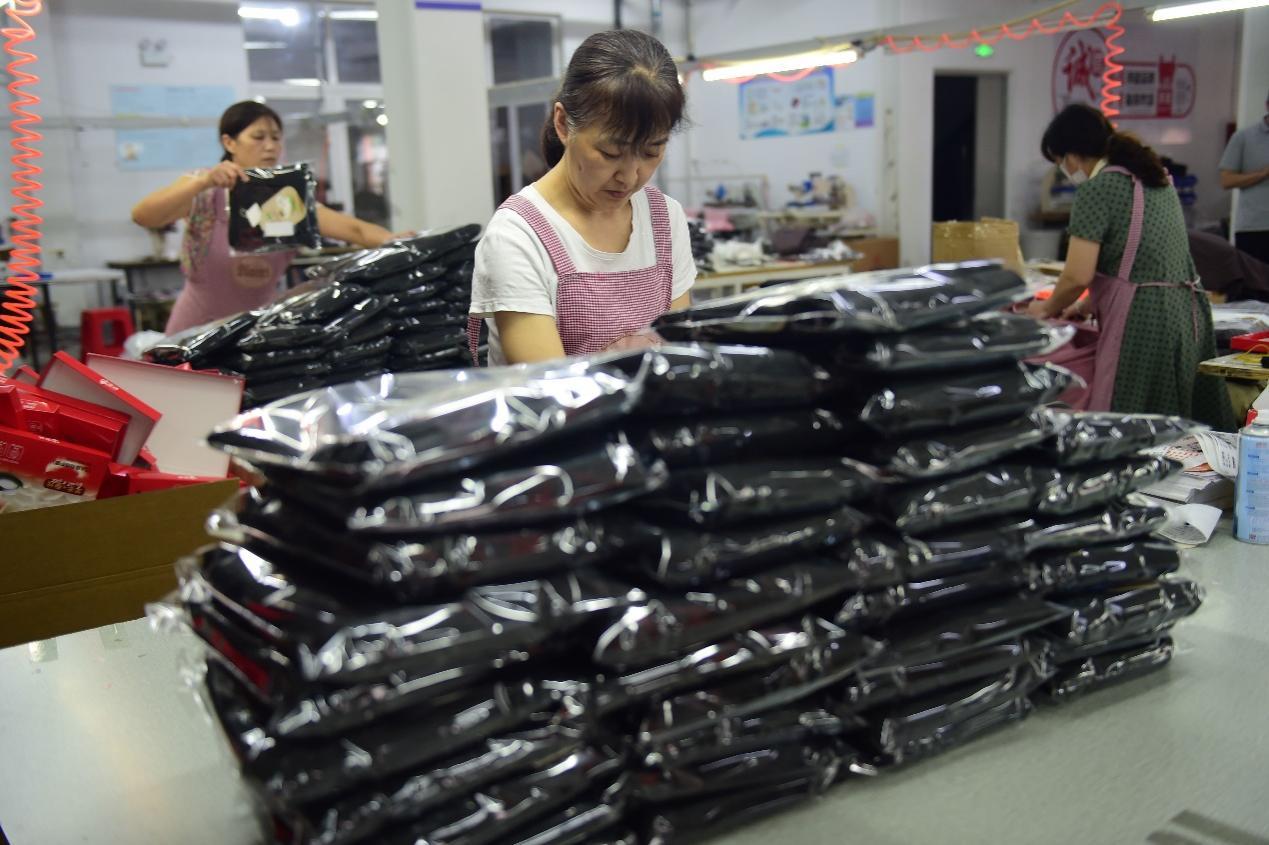
*This user-provided factory-packing reference illustrates the kind of presentation and packing discussion a programme can require. It does not identify a particular gym order, product specification, approval, or delivery condition.*
For projects including printing, embroidery, or wash effects, include the technique and artwork or reference requirements in the first brief. Samples are generally quoted at 1.5–3 times the corresponding bulk unit quotation. For one style, the stated sample-fee refund schedule is 10% at 100 units, 30% at 300, 50% at 500, and 100% at 1,000. Actual sample fees, refund eligibility, quantities, techniques, and terms must be confirmed in writing for the specific project.
How should a gym plan branding, packing, and repeat orders?
Branding should be documented as product information. Record the artwork version, method to be evaluated, placement, size, colour relationship, garment zone, and visual evidence required for each style. If the gym has staff roles, event variations, team names, or seasonal merchandise, record which fields are fixed and which change. Avoid using an email thread as the only source of truth for a print size or label instruction.
Packing is equally operational. A staff-uniform handover may need grouped sizes by department or location. Member merchandise may need a presentation method that supports collection or in-gym sale. Retail orders may need labelled bags, folded sets, barcode fields supplied by the buyer, carton marks, destination details, and a repeat-order reference. These decisions should appear while the sample and bulk plan are still open, not after the garment has been approved.
The manufacturing process page can help a buyer see where sampling, production, QC, and packing sit in the wider route. A simple repeat-order record should retain the approved product name, version, size direction, colour reference, logo and label record, packing instruction, any approved sample evidence, and unresolved change requests. It does not remove the need for a new project confirmation when the material, product, decoration, quantity, or destination changes.
What should a gym send in a manufacturer brief?
Use this checklist before requesting a quotation, sample plan, or route recommendation:
- State whether each garment is for staff uniform, member merchandise, retail, an event, or more than one programme.
- Name the wearer, movement or shift setting, channel, and the practical job of the garment.
- Share product URLs, sketches, marked images, physical samples, or a tech-pack version and identify what should stay or change.
- Separate existing-product branding requirements from product changes that need factory-custom development.
- Provide a fit direction, coverage points, reviewed size, intended size range, and the questions that require sample evidence.
- Describe fabric, stretch, recovery, surface, lining, pocket, support, panel, trim, and component decisions as known, open, or needing advice.
- Supply current logo artwork, placement guidance, labels, hangtags, event graphics, embroidery, print, wash-effect, and colour information where relevant.
- Add a preliminary style-colour-size quantity direction, making clear what is an estimate rather than an approval.
- State packing, barcode, carton mark, delivery-market, and receiving requirements supplied by the gym or retailer.
- Name the sample purpose, reviewers, approval owner, and the next decision needed for each product role.
A complete brief is not one in which every answer is final. It is one that makes the unknowns visible, so the manufacturer can recommend a product, sample, and production route without guessing.
How can inPACE support a gym clothing programme?
inPACE Sports works with B2B gyms, studios, clubs, brands, wholesalers, and online retailers that need to turn a programme idea into a controlled product path. A gym can begin with a catalogue reference for staff or merchandise, or with a more detailed brief for a retail collection. The team can help structure custom-design discussions, give fabric and fit direction, connect branding and sample evidence, and coordinate the relationship between product decisions, manufacturing, QC, and packing.
When a gym programme needs a changed fit, material, construction, feature, colour system, or sample plan, inPACE can coordinate an appropriate partner-factory route. The production path is confirmed after the product requirements, material direction, artwork, samples, quantities, and approvals are understood. The How It Works page explains the broader sequence from enquiry through development and production planning.
Send your staff roles, garment references, logo files, and branch size quantities through the gym clothing manufacturer brief form for a uniform programme review. If the same project also includes member merchandise or a retail collection, identify those product roles, fabric and fit questions, branding requirements, preliminary quantities, packing needs, and the first sample decision separately. That gives the discussion a concrete starting point without treating unconfirmed details as promises.
Product directions
Explore relevant activewear products
Use these product pages as practical references for your brief, then confirm materials, fit, customization, and production details through sampling.
Activewear Performance Collection
Use training tops, layers, sets, and bottoms as product references when a gym needs to separate staff, member, and retail garment roles.
View product directionHooded Thumbhole Training Set
Use this layer-and-bottom reference to discuss staff-shift coverage, fit, logo zones, colour direction, and the sample evidence needed for a gym programme.
View product directionCustom Activewear Development
Choose factory-custom development when a gym programme needs a new fit, fabric, construction, component, colour system, feature, or controlled sample plan.
View product directionFAQ
Buyer questions
What is the difference between gym staff uniforms, member merchandise, and a retail collection?
Staff uniforms support a team's repeated work and role identification. Member merchandise usually starts with a community, event, or branded-product purpose. A retail collection needs a customer proposition, product assortment, size-colour plan, and repeat-order record. They can share branding but may need different products, fit, materials, samples, packing, and production routes.
When can a gym use an existing activewear product with branding?
An existing product direction can be suitable when the garment itself already meets the programme need and the main work is logo, labels, hangtags, packaging, and related presentation. The buyer should still confirm the product role, fit, colour, branding placement, packing, quantity direction, and sample evidence. Availability, price, minimums, timing, and decoration conditions remain project-specific.
What should a gym send for a multi-branch staff uniform review?
Send the staff roles, branch list, selected garment references, colour direction, current logo and role artwork, measured placement proposal, labels and packing needs, staff fitting or size information, and a branch-by-role-by-size quantity table. Mark estimates and variable wording clearly. A new branch or employee should be checked against the approved garment and artwork version before it is treated as a repeat order.
Can reception staff, personal trainers, and class instructors use the same uniform?
They can share a visual identity, but the gym should review each role's shift setting, movements, coverage, layer needs, garment type, material questions, logo visibility, sizing, and replacement plan. One garment may suit several roles after review; another programme may need a polo for reception and a different approved top for trainers. The decision should follow the actual brief and physical fitting evidence.
When does gym clothing need factory-custom development?
Factory-custom development is appropriate when the brief changes the product itself, such as its fit, fabric, body length, coverage, pocket, support relationship, panel construction, component, colour system, feature, or sample plan. A photo or product reference can start the discussion, but final specifications require material, fit, sample, and written approval evidence.
Can inPACE give fabric and fit direction for gym apparel?
inPACE can support fabric and fit discussions using the wearer, gym setting, product role, reference, silhouette, movement, branding, and sample objective. It can help identify questions around stretch, recovery, coverage, surface, components, and construction. Final materials and fit must be confirmed through the relevant physical sample and written approval for the project.
How should a gym prepare a clothing manufacturer brief?
Separate staff, member, and retail products first. Then share the wearer, product role, references, what stays or changes, fabric and fit direction, branding artwork, labels, packing needs, preliminary style-colour-size quantities, sample purpose, decision owner, and delivery-market information. Mark open questions clearly so the proposed route does not depend on assumptions.
How long do gym clothing samples and production usually take?
For inPACE projects, planning commonly allows about 5–10 days for samples and 25–50 days for production after relevant scope and approvals are confirmed. These are planning ranges, not fixed commitments. Products, materials, colours, components, decoration, packing, quantities, revisions, and approval timing can change the route and timing.
How are gym clothing sample fees and refunds discussed?
Samples are generally quoted at 1.5–3 times the corresponding bulk unit quotation. For one style, the stated refund schedule is 10% at 100 units, 30% at 300, 50% at 500, and 100% at 1,000. Actual sample fees, refund eligibility, quantities, decoration methods, and conditions must be confirmed in writing for the specific project.