
What product decision should come before the sourcing-location decision?
A supplier comparison becomes useful when the brand can say what must remain distinctive about its product. That might be a particular silhouette, a fit relationship, a functional pocket or a consistent visual identity across selected styles. Each intention creates different work. Comparing factories before deciding which features matter can produce quotations for substantially different garments.
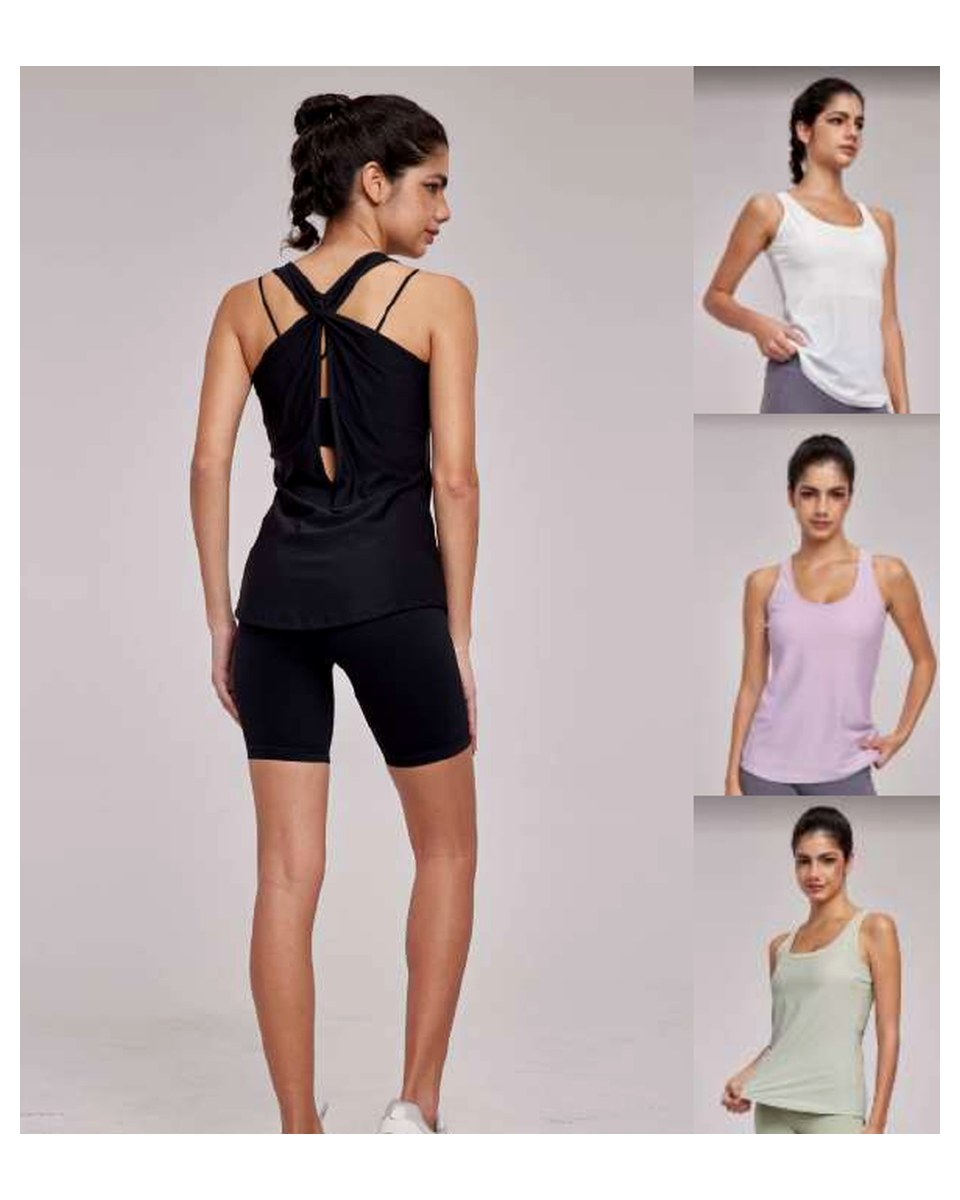
Consider an illustrative adult activewear brand developing a core sleeveless top for its first confirmed Latin American sales destination. The team likes an existing cross-back reference but is unsure whether its intended body length and drape can be achieved within the offered style. It also wants a dependable record for discussing a later repeat order. This is a planning example, not a customer case or evidence of regional demand.
The first decision is whether the existing garment meets the product need. If it does, branding and assortment work may be enough. If the intended fit requires a changed pattern or material, the brand needs to compare development proposals. Both routes can begin with the same photograph, but they should not be treated as the same service.
Name the actual destination and selling channel before using a regional term in the enquiry. Latin America contains different countries, product-information obligations and business arrangements. The Mexico manufacturing brief and Brazil gym-wear brief address individual destination discussions. This article focuses on comparing sourcing routes against a common product and repeat-order intention.
What does nearshore mean in a supplier comparison?
Nearshore describes a production location relatively close to the buyer's operation or intended market. State the actual country and manufacturing arrangement instead of relying on the label. A supplier's sales office, sampling location and production site may be different, so identify which location performs each part of the proposed work.
Distance can be relevant to a project, but it does not settle the comparison. Ask how samples will be reviewed, who consolidates feedback, what material and construction are proposed, and how the approved specification reaches production. A geographically close supplier still needs a clear brief and an agreed scope.
Do not infer origin, import treatment or other commercial outcomes from proximity. The responsible parties need to assess the actual manufacturing facts, destination and transaction. This guide makes no tariff, trade-agreement or landed-cost prediction. Such questions should be checked for the specific arrangement rather than folded into an unsupported claim that one region is automatically favourable.
Use the same care when reading a China proposal. Confirm the supplying entity, development work, manufacturing responsibilities and agreed handover. The purpose of naming locations is to understand the project, not to rank suppliers through geography alone. Keep assumptions visible until the relevant party confirms them.
How can the brand separate essential differences from optional preferences?
Write down what makes the core product recognisable and useful to its intended audience. Then distinguish features the order must preserve from preferences the team is willing to explore. For the example top, the cross-back appearance might be essential while an initial colour suggestion remains open. The proposed body length may be a requirement that still needs a sample decision.
The wholesale versus custom-manufacturing comparison helps identify where the scope changes. A brand logo on an accepted catalogue garment is different from developing a new fit. Neither route is inherently the right one; the relevant question is whether the garment and work match the brief.
Use a feature record like this before requesting comparable proposals. The entries illustrate questions for the example, not approved specifications or test findings.
| Product intention | What must be clarified | Evidence needed | Consequence for sourcing |
|---|---|---|---|
| Recognisable back detail | Which visible features should remain and which may change | Identified reference and front/back sample views | Confirm whether the selected style already provides the intended feature |
| Intended body length and drape | Reference size, measurement points and wearing conditions | Relevant sample with recorded material and measurements | Assess development work if the offered garment does not meet the need |
| Consistent brand presentation | Artwork, placement, colours and label scope | Decoration and label proofs on the agreed product | Compare branding work separately from changes to the garment |
| A later repeat order | Which fit, material and visual attributes should stay stable | Accepted specification and a record of permitted changes | Ask how future availability and substitutions will be reviewed |
Keep the list short enough to guide a real decision. If every early preference is treated as non-negotiable, the brand may request unnecessary development. If nothing is defined, the supplier cannot explain whether a selected style or a custom route is appropriate. The list should reveal the difference between a product requirement and an unanswered design question.
How should local, nearshore and China proposals be compared?
Give each potential partner the same core brief and ask them to identify what they can provide. The response should state its product basis, proposed development or branding work, sample evidence and responsibilities retained by the brand. A proposal that changes the brief can still be useful, but it should be labelled as an alternative.
The table separates location from the work arrangement. The hybrid row can accompany more than one manufacturing location; it describes a division of responsibility rather than another country category.
| Arrangement | Scope to establish | Brand work that remains | Evidence for the comparison |
|---|---|---|---|
| Local supply or development | Actual garment offer, development tasks and production identity | Product intention, destination information and final approvals | Sample and quotation tied to the common brief |
| Nearshore production | Manufacturing country, material proposal and included coordination | Defined review process, commercial assessment and approval ownership | Same product requirements with any substitutions clearly identified |
| China manufacturing | Selected-style or custom scope, sample work and production handover | Consolidated decisions, destination review and receiving arrangements | Product-specific development response and agreed specification |
| Local review with an external manufacturing partner | Local fitting or review tasks and the factory's separate responsibilities | One decision owner and controlled communication between parties | Shared sample versions, comment records and release instructions |
For the illustrative top, one supplier might offer a suitable existing style while another proposes a new pattern. Compare those responses as distinct routes. Do not force their prices into a single ranking before deciding whether both meet the same essential requirements.
If local review is important, specify the work it performs. It might collect wearer feedback or review brand presentation, while the manufacturing partner develops the garment. Assign who converts those observations into an authorised change. Adding a local intermediary does not remove that decision from the project.
When is selected-style branding sufficient for the core product?
Start by examining the actual offered garment and confirmed options. Use the Yoga and Activewear collection to identify references, then ask which style, colour, size and branding arrangements can be assessed for the intended order. A catalogue listing is a starting point for discussion, not a promise of stock or unrestricted changes.
The cross-back tank reference shows a sleeveless shape and a gathered back detail. Its visible front and back views can help the team identify what it likes. They cannot confirm the material, final body measurements or whether the garment meets a new wearing requirement.
If the physical sample meets the product intention, discuss private-label branding for the agreed logo, labels, hangtags and packing. Keep garment approval separate from artwork approval. A correct brand file does not confirm that the size or material is suitable, and an accepted garment does not approve the final label wording.
Record the boundaries of the selected-style route. If the team later asks for a new body shape or different functional construction, reopen the scope rather than treating the request as a small branding adjustment. This helps preserve a fair comparison between suppliers and prevents an accepted quotation from becoming an unclear development project.
When does a brand difference require custom development?
Use custom activewear development when the intended product requires a new or revised fit, material relationship or construction. Describe the outcome and the question that the first sample must answer. A reference image can support that explanation, but it cannot communicate every dimension or unseen detail.
In the example, the brand may want to preserve the back detail while changing the front body length. Ask how that change affects drape, side seams and the relationship between the front and back. The supplier should identify the work it proposes, while the brand decides which visual and wearing outcomes matter.
Avoid assuming that a pattern alteration can be transferred unchanged between materials. If one proposal uses a different fabric, compare the resulting garment and identify which previous observations no longer apply. Keep material selection and fit evaluation connected throughout the development discussion.
The custom route should produce a clearer product definition, not an open invitation to keep changing the design. Establish which decisions belong to the current sample stage and which can wait. Once a feature is accepted, reopen it only through a recorded change with its consequences understood by the people responsible for the next step.
How can sample evidence make the route comparison fair?
Define a small set of questions that every relevant sample should answer. For the core top, these may concern body length, back placement, drape and movement in the intended activity. Use consistent measurement points and review conditions. Record the sample size and actual material so another person can understand the basis of the observation.
Identify substitutions before comparing the samples. One supplier may use the proposed material while another uses an available substitute for an early shape study. Both can contribute useful information, but they do not provide equivalent evidence for final garment approval. State what each sample can and cannot resolve.
Discuss fabric and trim selection through the product requirements. Fibre names, weight and handfeel may help organise the options, but no single descriptor establishes the whole garment's behaviour. Ask what further evidence is needed for claims about moisture management, recovery or another proposed performance feature.
Separate a review result from a commercial preference. The brand may accept a sample's fit but prefer a different coordination arrangement. It may also like a supplier's communication while the garment still needs revision. Keep those judgements visible instead of combining them into an unexplained overall score that hides an unresolved product issue.
What can product photographs contribute to the decision?
Photographs are useful for identifying visible details and recording where a question occurs. They are less useful when asked to prove an unseen property. A front view may show the neckline and length relationship while leaving the back construction unknown. Request the relevant view or sample instead of completing the missing design through assumptions.
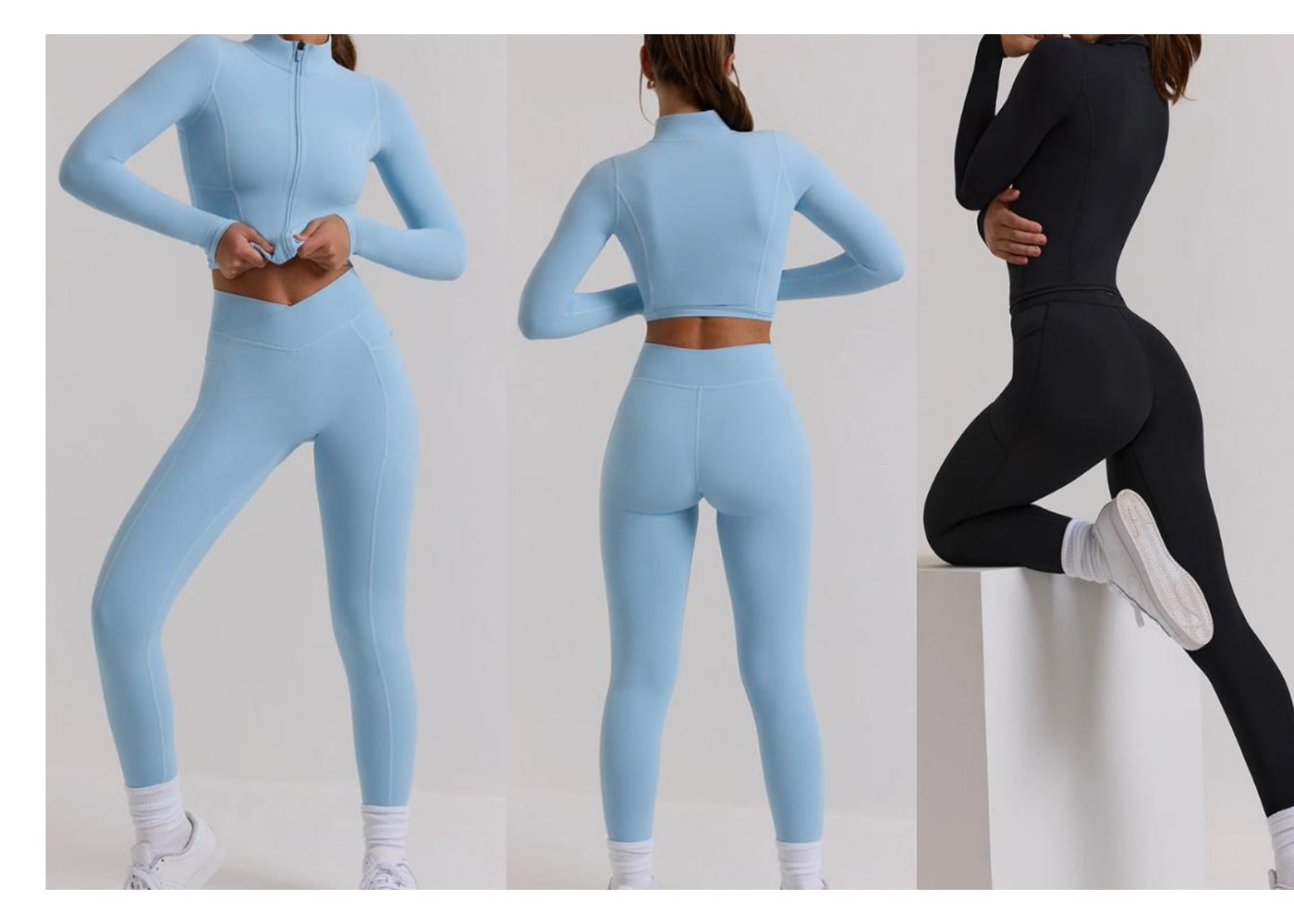
The waistband photograph shows a visible action and garment area. It does not measure stretch, recovery or comfort, and it is not a test result for the illustrative core top or any proposed supplier.
The same distinction applies when planning a supporting bottom for the range. A photograph can identify a waist or seam direction worth discussing, but the brand must decide what should be assessed and how. Do not add the supporting product merely because it appears beside the core top in an outfit image.
Keep the product record separate from styling choices. A tucked hem, pulled waistband or garment shown over another layer may change the apparent proportions. Note the intended presentation so that a supplier does not turn a photographic pose into an unintended construction requirement.
How should quotations account for the same product and order scope?
Prepare a comparison that identifies the garment version, proposed material, quantities, branding, packing and sample work covered by each offer. Ask suppliers to state alternatives or exclusions clearly. This lets the brand see whether a difference comes from the product, the service or a commercial condition that needs separate review.
Use size and colour quantity planning to distinguish confirmed order units from possible later demand. A projected reorder should not be presented as an authorised quantity. If the brand is testing several options, label those scenarios so the supplier can explain which assumptions support the proposal.
Agree how the project will move from enquiry to sample and order decisions. The order-development process can help the team identify missing inputs. A quotation based on an early image should not be treated as though every fit, material and packing detail has already been settled.
Avoid comparing only the garment unit figure when the services differ. One proposal may include development work that another excludes; a local review arrangement may be charged or organised separately. Ask the relevant parties to explain their scope. This guide does not assume a particular cost advantage, minimum quantity or delivery period for any route.
What should a repeat-order plan preserve, and what must be reconfirmed?
Define the product attributes the brand wants to carry into a later order. Preserve the accepted fit and measurement record, material identity, colour references, artwork, labels and packing instructions. The aim is to make a repeat enquiry understandable, not to imply that every input will remain available indefinitely.
Use the repeat-order production guide to separate an unchanged request from a revised product. A new colour, different material, adjusted length or revised label can reopen connected decisions. State the change explicitly rather than retaining the same style name and expecting the supplier to discover the difference.
Ask how substitutions will be proposed and assessed. If the original material is no longer offered for a future order, the brand needs to decide which characteristics are essential and what evidence an alternative must provide. A similar appearance or composition does not automatically establish equivalent behaviour in the garment.
Keep previous sample evidence available for comparison, with its date and version. The factory and brand should agree what can be reused and what needs a fresh check. A repeat-order intention supports planning, but it is not a reservation of capacity, stock, price or a future production slot unless those arrangements are separately confirmed.
How do destination records affect the sourcing choice?
Appoint the person responsible for product-information and importing questions in each actual destination. That responsibility exists whichever manufacturing route is chosen. A local or nearshore source should not be assumed to remove every review task, and a China factory should not be expected to infer the brand's complete sales arrangement.
For Mexico, the Secretaría de Economía's NOM-004-SE-2021 catalogue entry identifies the textile-labelling standard and links to its official publication. Use it as a starting point for the relevant destination review, tied to the actual garment and selling route.
For Brazil, INMETRO's explanation of Portaria 118/2021 identifies subjects including textile definitions, required information, composition, care and packaging marking. The responsible reviewer should confirm the current requirements and their application. These two sources are country-specific starting points, not a single regional checklist or evidence that a sample complies.
Keep confirmed manufacturing facts and approved brand wording linked to the accepted product. Where language versions or destination variants differ, identify the approved files separately. A change in material or manufacturing arrangement may require another information review before the next label or product description is released.
What should happen when the preferred route still has an unresolved gap?
Identify whether the gap concerns the product, the supplier's proposed work or the brand's own readiness. If the core top still needs a fit decision, ask for the evidence that would resolve it. If the quotation leaves packing outside the scope, assign that work before treating the comparison as complete.
Do not conceal the gap inside an overall supplier preference. A promising partner can remain under consideration while a specific question is open. Give the question an owner and a next action. This is more useful than repeatedly requesting a general update without explaining what decision is waiting.
Discuss the manufacturing handover once the route and garment are sufficiently defined. Confirm how the accepted sample, current specification, artwork and order instructions reach the people responsible for production. If the project uses local review and external manufacturing, both teams should recognise the same release record.
If no proposal meets the essential product requirements, revisit the brief or scope openly. The team may decide to develop the core top, accept a different selected style or postpone a supporting garment. Record why the choice changed so that future reorders and supplier comparisons do not revive an abandoned assumption.
What belongs in a comparable Latin America sourcing brief?
Before approaching local, nearshore or China partners, prepare these inputs:
- Name the actual destination, channel and brand decision owner.
- Identify the core garment and its intended role in the range.
- Separate essential product differences from optional preferences.
- Provide the exact selected-style reference or custom-development requirement.
- Mark the fit, material and construction questions that need sample evidence.
- State consistent sample sizes, measurement points and review conditions.
- Identify any local review or coordination tasks the brand will retain.
- List confirmed order quantities separately from future scenarios.
- Specify branding, destination information and packing responsibilities.
- Ask each supplier to identify alternatives, substitutions and exclusions.
- Define which product records should support a later repeat enquiry.
- State the next decision required before committing to the route.
Review the brief when the scope changes. A new destination, a new fit requirement or an added supporting style can alter the work being compared. Keeping those changes visible helps the brand assess real proposals without relying on broad assumptions about local, nearshore or China manufacturing.
How can inPACE assess the China manufacturing option?
inPACE can discuss selected-style branding or custom development according to the actual garment requirement, then coordinate the agreed product, sample and production work. Bring the core product intention and explain which features must be preserved. That gives the team a useful basis for reviewing scope rather than guessing from a regional keyword.
The company information provides published context for supplier assessment. Yinshan Garments' clothing-production experience since 1986 is manufacturing background; the current project still requires its own fit, material, sample and production decisions. Use relevant experience to inform the discussion while keeping product acceptance evidence specific to the order.
Share the Latin America sourcing comparison brief with inPACE, including brand differences, core styles, local or nearshore requirements, proposed custom work and repeat-order intentions. Ask the team to identify the scope it can assess and the information still needed. The next step should help the brand compare a concrete China proposal with its other real options.
Product directions
Explore relevant activewear products
Use these product pages as practical references for your brief, then confirm materials, fit, customization, and production details through sampling.
Yoga and Activewear Collection
Identify core garment references and separate confirmed style features from proposed product changes.
View product directionCross-Back Tank Reference
Use the visible neckline, drape and back detail to define which features matter to the brand and which need sampling.
View product directionCustom Activewear Development
Review the core product specification, material choices and sample evidence needed for an original or revised garment.
View product directionFAQ
Buyer questions
When should a Latin American brand consider a China activewear manufacturer?
Consider the route when the brand can define the core garment, its important differences and the sample work needed to evaluate a proposal. Compare the China option with actual local or nearshore offers against the same scope. Confirm development, branding, destination review and production responsibilities rather than choosing by location alone.
Does nearshore automatically mean a lower cost or faster order?
No. Nearshore describes relative location, not the complete commercial or production arrangement. Compare the actual garment, material, sample work, quantities and included services. Manufacturing facts, destination requirements and transaction terms need their own review before the brand can draw conclusions about its specific order.
Can a catalogue top provide enough differentiation for a new brand?
It may, if the offered garment meets the intended fit and use and the confirmed branding options support the brand's presentation. Review the physical product and scope first. If the essential difference requires a new shape, material relationship or functional construction, assess custom development instead of treating it as branding alone.
Should all supplier samples use identical materials?
Comparable evidence is easier to interpret when relevant variables are controlled, but early samples may serve different purposes. Identify each material and any substitute, then state what the sample can answer. Do not treat an exploratory shape sample as equivalent to evidence for approving the final proposed garment.
Can a repeat-order plan guarantee the same fabric later?
No. Preserve the accepted material identity and garment specification, then reconfirm availability and any proposed changes when the repeat is discussed. Define which characteristics matter and what evidence an alternative needs. A future-order intention does not itself reserve materials, capacity, pricing or production timing.
Can one product-information approval cover all Latin American destinations?
Do not assume so. Identify every actual country and sales arrangement, then assign the relevant review owner. Shared manufacturing facts can support several reviews, but approved wording, language versions and destination requirements should remain identifiable. A sample or supplier quotation is not proof of conformity across the region.
What should the first enquiry to inPACE include?
Provide the core product references, brand differences, intended destination and channel, sample questions, quantity scenarios, branding and packing needs. Explain any local or nearshore work already arranged and the proposed repeat-order plan. State whether you want selected-style assessment or custom development, and identify the next decision the proposal should support.