
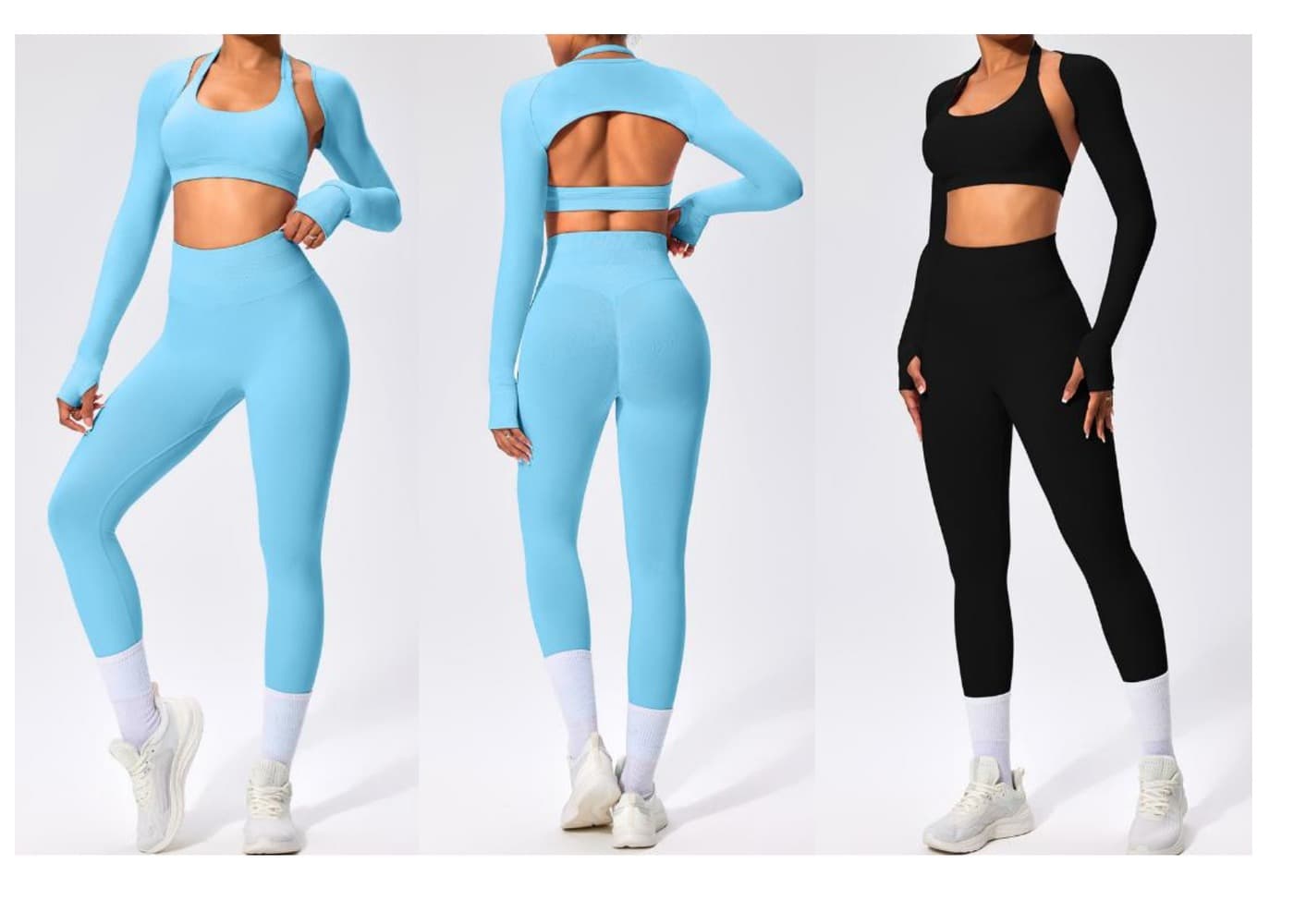
What should a gym wear manufacturer Brazil brief make clear?
An enquiry for a gym wear manufacturer Brazil project should distinguish the buyer’s market from the manufacturing location. This guide is for Brazilian brands evaluating an overseas production route. inPACE Sports works from China. Identify the expected development, manufacturing, inspection and receiving responsibilities rather than implying that the garments are produced in Brazil.
The primary route is factory-custom development for a collection that needs specific fit, fabric or construction decisions. A suitable existing garment requiring only branding can be discussed separately as a private-label option. Keep those scopes visible: a new waistband, lining or pattern is more than a logo change, even when the overall silhouette remains familiar.
Use the gym wear manufacturing service to frame the range. The useful starting point is a small product-role map explaining what each garment must do and which questions remain unresolved. The brand does not need to claim that it already knows the perfect fabric or fit. It does need to identify which decisions the samples should support.
Avoid defining the range around assumptions about all Brazilian customers. Use the brand’s intended wearer group, activity and channel. A training top, a fitted bottom and an outer layer can have different use requirements even when they share one visual story. Those differences should shape the technical brief from the beginning.
Which role should each garment play in the collection?
Name the role before selecting the details. A close-fitting training top may need a particular opening and body length. A fitted bottom may centre on waistband position, movement and pocket use. A layer may focus on ease, sleeve proportion and how it sits over the other items. These are examples of development questions, not performance claims about a catalogue product.
Write the intended relationship between pieces. Are they always worn together, offered as a suggested combination, or sold as independent garments? A coordinated collection does not have to use the same fabric everywhere. It does need a reason for each material choice and an agreed way to assess the final relationship.
The Activewear Performance collection provides visual references for this discussion. Mark the relevant feature in each reference and state what should differ. A picture can communicate panel placement or silhouette, but it cannot confirm material identity, the finished measurement specification or suitability for the brand’s intended wearer.
Keep the first technical question narrow enough to answer. If the whole range depends on a new waistband, resolve that issue before allowing several decorative variations to multiply the sample work. If the main uncertainty is the top-bottom overlap, identify the relevant sizes and movements so that the review examines the relationship directly.
How should a collection be split into approval units?
Use separate records for the individual garments and their coordinated presentation. The table helps identify what evidence belongs to each decision and prevents a combined “set approved” message from hiding open questions.
| Approval unit | Main question | Evidence to identify | What must remain separate |
|---|---|---|---|
| Training top | Do openings, length and construction support the intended use? | Top sample, material, size and movement notes | Any claim about support or suitability for another activity |
| Fitted bottom | Does the waistband, rise and leg construction meet the agreed brief? | Bottom sample, measurement method and observations | Results for unreviewed colours, sizes or materials |
| Outer layer | Does the layer work with the intended garments underneath? | Layered sample review and specified underlayers | Approval of the layer when worn differently |
| Material-colour combination | Is this combination acceptable for the intended garment area? | Identified material, colour and agreed assessment | Colour matching versus coverage or care evidence |
| Coordinated appearance | Do the approved pieces create the intended visual relationship? | Side-by-side and worn-together review | Each garment’s own fit and construction status |
| Branding and information | Do artwork and product facts match this revision? | Approved placement, wording and source facts | Technical sample approval versus local information review |
| Packed selling unit | Will the receiver identify the intended garments correctly? | Contents, size pairing and variant codes | A styled photograph versus an actual packing instruction |
Assign one owner to the overall collection decision and appropriate reviewers to the component decisions. One person may perform several roles, but the records should still distinguish them. If a top is ready and the bottom is not, the team should be able to see that difference immediately.
How can fit feedback stay useful across different garment types?
Use garment-specific observation questions. A comment about neckline movement should not be combined with a waistband issue under “set fit.” Identify the item, area, size and movement behind each observation. Photograph the relevant detail consistently where appropriate and with the wearer’s permission, while keeping personal information limited to what the review needs.
Separate body measurements from finished garment measurements. A size letter is not a measurement method. Define the points, units and whether dimensions are taken flat or under another agreed condition. Otherwise, two teams can report different numbers without either understanding why the results differ.
Use the sample-feedback guide to organise observation, possible cause and requested action. “The waistband moves during the agreed squat observation” is more actionable than “the collection needs a better fit.” Ask the technical team to explain its interpretation before changing several connected measurements.
Review revisions against the original issue. A longer top may cover a waistband problem in a photograph without resolving the bottom’s behaviour. Conversely, a change that improves one garment can alter the relationship between pieces. Close the component comment with evidence, then reopen the coordinated review where the change affects it.
What does support mean in the actual product brief?
Ask what the brand means before turning “support” into a product description. The intended activity, garment type, wearer and evaluation method matter. A close appearance, firm handfeel or stretch fabric does not by itself establish a supported claim about a training top or bra. Keep the development question distinct from marketing language.
Describe the areas to investigate: strap position, underband relationship, openings, lining and construction, where relevant to the actual design. Ask the supplier which sample details are needed to evaluate the issue. Do not assume that increasing tightness is an adequate answer; it can introduce different fit and comfort questions.
If the brand proposes a performance statement, identify the evidence and specialist input needed before using it. Wearer feedback can describe an observation within its stated conditions. It should not be expanded into a universal result or a claim covering activities and sizes that were not assessed.
Retain the exact sample identity behind any accepted observation. When a material, elastic or construction changes, determine which decisions need to be checked again. The phrase “same style” is insufficient if the components that influence the observation have changed between versions.
How should the material plan follow the garment roles?
List material requirements by garment area. Body fabric, lining, elastic and pocket components can have different jobs. The fabric and trim resource helps structure that conversation. Ask which proposed materials are intended for the final product and which are development substitutes, with the limits of each substitute clearly recorded.
Compare materials in the context of the garment. A swatch may help assess colour, surface and handfeel, while a sewn sample reveals interactions with seams, openings and fit. Neither replaces the other. State which decision each piece of evidence supports instead of treating a swatch approval as permission for every use of the material.
The activewear fabric guide explains the wider selection process. For a coordinated range, ask why the top and bottom use the same or different materials. A visual match may require deliberate coordination even when fabric properties or construction differ. Do not make sameness the goal if it conflicts with the product roles.
Keep proposed claims out of the material name unless they are supported. Terms such as compressive, breathable or quick drying can become ambiguous shortcuts in a brief. Translate them into a product question and an agreed evidence requirement before using them to approve the material or describe the finished garment.
What should waistband and coverage observations record?
Define the intended waistband position and the movements used to review it. Note the sample size, material, rise and relevant construction details. An observation that lacks these references is difficult to compare after a revision. Keep the discussion tied to the actual garment rather than assuming a general preference for all customers in the market.
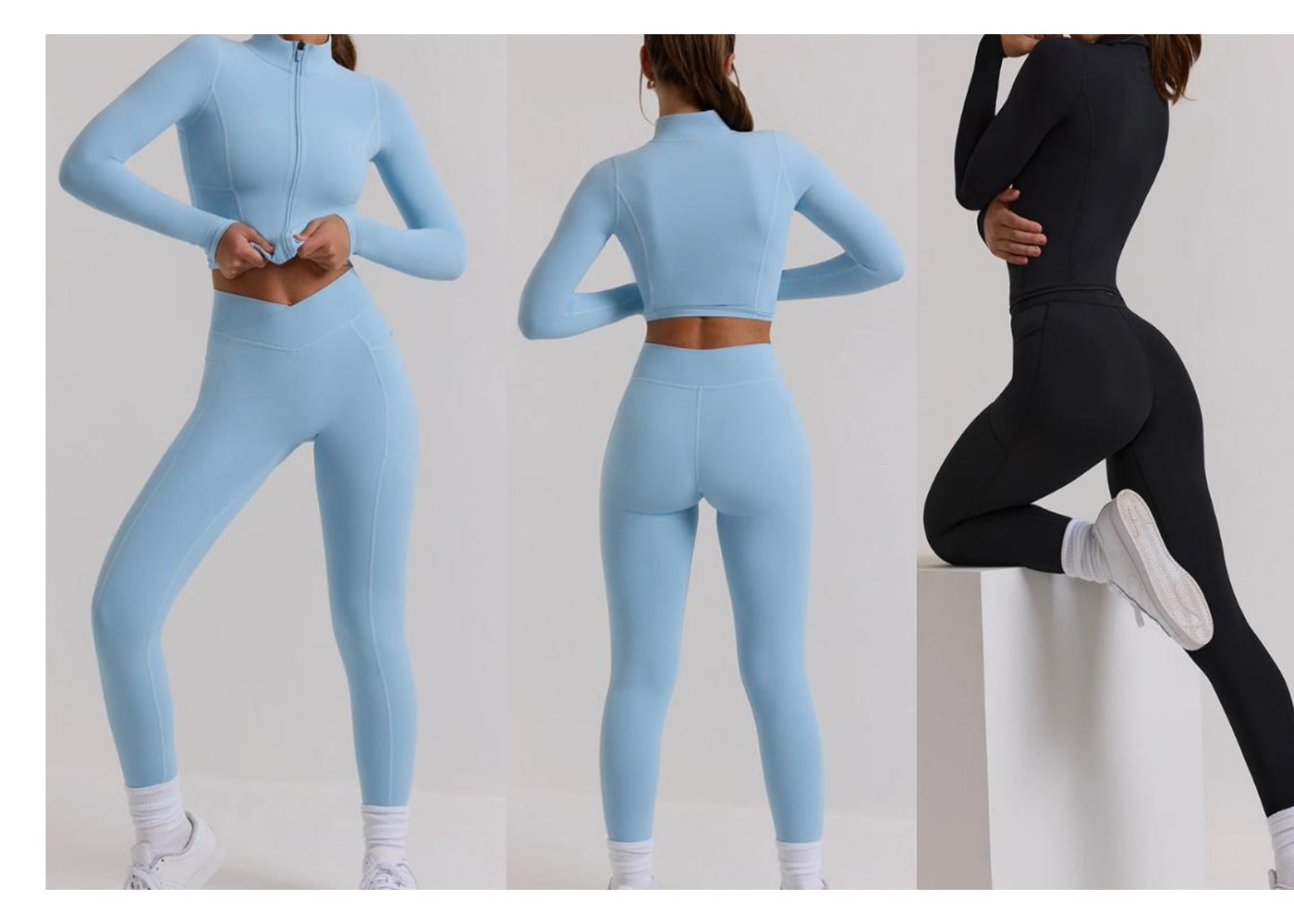
Waistband reference from the project library. Visible extension in a photograph does not prove recovery, support, comfort or coverage; those require an agreed assessment of the actual sample.
For coverage, record the material-colour combination, relevant movement and observation conditions. Ask which combinations still need review. Do not automatically extend an approval from a dark sample to every colour in the collection or from one size to the complete intended range.
If a waistband revision affects rise, pocket location or the top-bottom overlap, list those connected checks. This prevents a local fix from creating a different issue elsewhere. The purpose of the record is to preserve the reasoning, so the next reviewer can see why a change was made and what evidence is still missing.
How can two approved garments still fail as a coordinated set?
Review the relationship after the individual garments have reached the appropriate stage. Examine colour appearance, visible proportions, logo relationships and overlap in the intended wearing combination. A top and bottom may each be acceptable while their combined appearance differs from the brand’s intention.
Do not expect a shared colour name to remove the need for review. Different surfaces and constructions can look different beside one another. Assess the actual materials and identify the conditions used for approval. If the brand wants a deliberate tonal difference, record that intention so that someone does not later treat it as an error.
Use the guide to fabric and gym-wear colour appearance for that specific discussion. Keep coordinated appearance separate from functional observations. A colour correction does not by itself resolve an opening or waistband issue, and a fit revision may change how much of a panel is visible when worn.
Define which sizes are intended to be paired if the items are sold together. A top and bottom with the same size letter may not suit every wearer in that combination. The brand should decide how the offer handles sizing rather than leaving the factory to infer the customer-facing policy from the sample set.
How should Portuguese comments and product information be controlled?
Use one issue numbering system across languages. Pair the Portuguese comment with its agreed working-language interpretation, garment code and revision. A translated phrase such as “more secure” or “more comfortable” still needs a specific observation or question before it can guide a technical change.
Ask the supplier to return its interpretation for comments that affect several features. A request for more coverage could mean length, neckline, rise, material appearance or layering. Resolve the intended meaning before a pattern is revised. Translation should preserve the buyer’s decision, not merely produce a fluent sentence.
Keep technical comments separate from final product wording. The phrase used internally to explore a sample does not automatically belong in a Portuguese product description. Mark proposed claims as pending until the responsible reviewer has assessed the supporting evidence for the actual garment and channel.
Use a controlled glossary for repeated measurement and component terms. Include diagrams where a short phrase could be interpreted in more than one way. This is especially useful when a new person joins the project or a revision is reviewed after a long interval; the team can recover the meaning without relying on memory.
Who checks Brazilian textile information requirements?
Appoint the relevant Brazilian-market reviewer, importer or adviser for the actual product and sales route. INMETRO’s official explanation of Portaria 118/2021 identifies subjects including textile definitions, required information, fibre names, composition, care, packaging marking and exemptions. Use that source to organise the local review; it is not evidence that a particular sample, label or collection complies.
Give the reviewer the actual product facts and identify what remains uncertain. Ask the supplier for the agreed material and manufacturing information that supports the handoff. Keep the brand’s proposed Portuguese wording separate until it is approved for the relevant item. A general label from another product is not a reliable substitute for this review.
Reopen affected information when the material, lining or other relevant component changes. A sample revision can make an earlier label file inaccurate even if the external appearance remains similar. Link the approved wording to the garment code, revision and supporting facts so that production uses the correct version.
Do not describe the presence of a label as proof of conformity. Physical label placement, accuracy of the supplied facts and the local assessment are different decisions. The project should identify who confirms each one before the garment is released into the intended sales channel.
What should factory handoffs preserve across the collection?
Maintain a clear package for each garment: approved specification, sample reference, material identity, artwork, labels and packing instructions. The manufacturing workflow provides a framework for discussing how those records reach the relevant operations. Ask who coordinates the handoff when several processes or facilities are involved.
Keep collection-wide elements clearly distinguished from item-specific details. A shared logo may use different placements or sizes. A shared colour direction may involve different materials. If a single master instruction is used, it should point to the item-specific decisions instead of implying that every garment has identical requirements.
Identify the response when instructions conflict. A logo placement that overlaps a revised seam should trigger a question to the designated owner before the affected operation continues. Choosing the latest-looking attachment without checking its scope can transfer a document problem into a physical product problem.
Retain approved evidence for receiving and later investigation. If a shipment question arises, the team should be able to identify the affected garment and variant, compare it with the correct baseline and decide what additional information is needed. A collection photograph alone is rarely detailed enough for that task.
What should the collection approval checklist contain?
Before discussing production release, assemble these records:
- State the Brazilian channel, intended wearer and overseas manufacturing route.
- Define a role and unresolved development question for each garment.
- Record whether pieces are sold independently or as specific sets.
- Assign garment and variant codes to every sample and instruction.
- Define measurement methods and garment-specific movement observations.
- Identify actual materials, colours and approved development substitutes.
- Separate support, coverage and comfort questions from unverified claims.
- Maintain independent fit and construction statuses for top, bottom and layer.
- Review coordinated appearance and size pairing after the individual checks.
- Control Portuguese comments, product wording and local review responsibilities.
- Confirm the current artwork, labels, packing contents and receiving identifiers.
- Record who can release each garment and the collection, including remaining holds.
Use the checklist to expose dependencies. If a lining change affects both fit and label information, those tasks should remain linked. One may be resolved before the other, but the product’s overall status must reflect the open decision. This prevents an enthusiastic visual review from being mistaken for complete production approval.
How should a later reorder use the first collection’s evidence?
Begin with the approved baseline and separate repeat requirements from proposed changes. A reorder in a new colour or with a revised material is not automatically identical to the first production brief. Identify which observations and information approvals still apply and which require new evidence.
Keep feedback attached to the affected garment. If customers report a top issue, do not automatically change the bottom or the whole set. Look for the relevant size, variant and observation before proposing a revision. Small or incomplete feedback sets should be treated as questions to investigate rather than proof of a broad market preference.
Use the sample-to-bulk production guide to maintain the connection between approved samples and manufacturing decisions. The useful reorder conversation explains what will remain stable, what changes, why it changes and who will approve the difference.
What should a Brazilian brand send to inPACE next?
Use custom activewear development when the collection needs new fit, material or construction. inPACE can discuss references, sampling, branding compatibility, production coordination, QC and packing within the confirmed scope. The brand retains responsibility for its customer offer and the appropriate Brazilian-market review.
Then send the collection development brief with product roles, garment-specific questions, size and material references, proposed set relationships, Portuguese-information owner and sample evidence needed. Ask for assumptions and exclusions alongside the proposal. This creates a useful next decision without inventing fixed quantities, prices, lead times or results for a project that has not yet been assessed.
Product directions
Explore relevant activewear products
Use these product pages as practical references for your brief, then confirm materials, fit, customization, and production details through sampling.
Activewear Performance
Choose reference garments and assign a separate fit, material and construction question to each item in the range.
View product directionYoga and Activewear
Discuss the visual relationship between tops, bottoms and layers while keeping each garment’s approval evidence separate.
View product directionCustom Activewear Development
Bring a product-role map and the unresolved sample questions for a custom collection development discussion.
View product directionFAQ
Buyer questions
Does gym wear manufacturer Brazil mean the garments are made in Brazil?
Not necessarily. The phrase may describe a Brazilian brand’s sourcing enquiry. This guide concerns overseas development and manufacturing, and inPACE works from China. Confirm the actual manufacturing locations, origin information and receiving responsibilities instead of inferring them from the destination keyword.
Should the top and bottom share one sample approval?
Keep their fit, material and construction approvals separate, then review the coordinated relationship. A combined photograph can hide an unresolved issue in one garment. If the products are sold as a set, also record the intended contents and size pairings before approving the selling unit.
Must all garments in a collection use the same fabric?
No. Choose materials around the role of each garment and explain the intended relationship between pieces. Different materials may need deliberate colour and appearance coordination. A shared fabric should not be selected solely for visual consistency if it leaves an important product question unresolved.
Does a firm or close-fitting top prove a support claim?
No. Define what support means for the actual garment, wearer and intended activity, then identify the evidence needed. Appearance and handfeel alone cannot establish a broad performance statement. Keep observations limited to their recorded conditions and review changes to relevant materials or construction.
How should Portuguese sample comments be sent to a supplier?
Use one numbered issue list with garment codes, revisions, diagrams and an agreed working-language interpretation. Separate observation from possible cause and requested action. Clarify ambiguous terms before changing the sample, and keep technical exploration distinct from final consumer-facing product wording.
Who confirms the Brazilian textile label information?
The brand should appoint the relevant local reviewer, importer or adviser for the actual product and sales route. The supplier can provide agreed material and manufacturing facts and work from approved files. INMETRO guidance is a starting point for that review, not proof that a sample or label complies.
What should change when a collection is reordered?
Begin by identifying what stays the same and what is being revised. Link feedback to the affected garment and variant, and assess whether new colours, materials, branding or construction reopen prior approvals. A successful first order does not automatically validate every later version of the collection.