
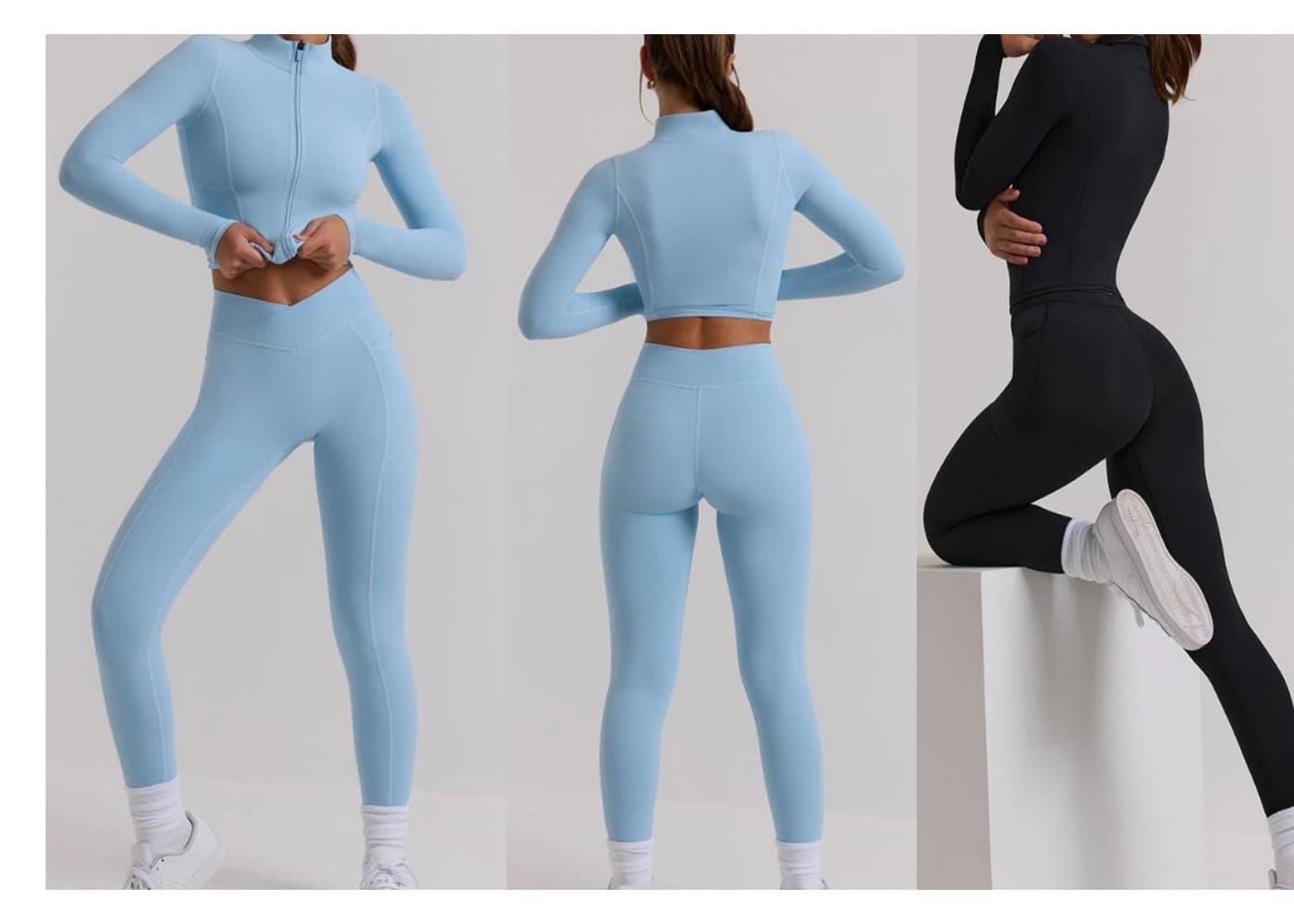
What should an activewear manufacturer Mexico enquiry decide first?
An activewear manufacturer Mexico enquiry should begin with the product difference the brand needs, not a request for an unexplained quotation. State the intended garment, wearer and sales channel, then identify which features can remain as offered and which must change. Without that distinction, suppliers can quote different scopes while appearing to answer the same question.
This guide concerns a Mexican brand considering an overseas sourcing route. inPACE Sports works from China. The buyer’s destination does not imply Mexican manufacturing or establish origin, shipping or receiving responsibilities. Identify those arrangements for the actual project and use the relevant local specialists for product-information and import questions.
The action path here is a defined custom-development evaluation when an important product difference remains unresolved. A suitable existing garment can instead follow a narrower private-label route. The wholesale-versus-custom guide explains the broad categories; this article focuses on choosing what a Mexican brand’s next sample and market test should actually answer.
A smaller proposed order does not remove development work. A new pattern or pocket still needs interpretation and approval. Equally, a larger quantity does not make an unchanged garment a custom design. Keep order planning and product-change decisions connected without treating them as the same question.
How can a brand distinguish a branding change from a garment change?
Write a change list against a named reference. Put logo, label, hangtag and packing requests in one group, then identify changes to fit, material, construction, length, openings or features. Ask the supplier to confirm where each request belongs and whether it affects the other parts of the proposal.
The private-label service can be relevant when an existing product meets the functional and visual brief and the project concerns branding. That still requires confirmation of the actual garment, availability, branding compatibility and order conditions. It does not establish stock or guarantee that every catalogue image can be supplied unchanged.
Use custom activewear development when the garment needs a new specification. A different rise, inseam, lining or pocket can affect more than the visible feature. Ask what pattern, material or construction questions the change creates and what sample evidence is needed before the team can approve it.
Keep borderline requests explicit. “The same legging, but with a deeper waistband and a larger phone pocket” may sound like a minor variation, yet it changes the product. The supplier should not be expected to absorb those decisions into a simple logo quotation. Record the revised scope before comparing proposals.
Which route fits the unresolved question?
Use the table to match the next decision to the work required. The examples describe possible briefs, not available stock, guaranteed capabilities or fixed commercial terms.
| What the brand needs to learn | Likely starting route | Evidence for the next decision | What the result cannot establish |
|---|---|---|---|
| Whether its branding works on a suitable existing garment | Existing-style private label | Identified garment and relevant decoration sample | Approval of an unrequested new fit or material |
| Whether a changed waistband answers a fit problem | Custom development | Controlled pattern and construction comparison | Performance of every size or later fabric version |
| Whether a different material suits the intended garment | Custom development | Material identity and a garment sample for the stated observations | Unsupported cooling, support or durability claims |
| Whether customers understand the proposed product offer | A defined market evaluation using an approved product | Clear offer, variant availability and structured feedback | A universal preference across Mexico |
| Whether a revised pocket supports the intended use | Custom development | Pocket position, opening, construction and use observations | Approval based only on the reference photograph |
| Whether an approved item should be reordered | Repeat or revised scope, depending on changes | Baseline specification, actual feedback and change list | Automatic approval of substitutions or new variants |
If the proposal combines several questions, decide which one must be answered first. A market test of a garment that still has an unresolved technical problem may produce feedback that is difficult to interpret. Conversely, extensive development cannot tell the brand whether customers understand its product presentation. Keep the learning objectives distinct.
What should a small market test actually measure?
State the decision the test will support. The brand might be assessing a product role, a particular silhouette or whether a proposed set is understood as intended. Those are illustrative questions. Choose the actual question using the business’s own audience and channel evidence, without treating Mexico as one uniform customer profile.
Decide what is held constant and what varies. If product, colour, fit, branding and presentation all change together, feedback may not explain which difference mattered. A useful evaluation makes the comparison visible and records limits such as unavailable sizes, a restricted audience or a sample that differs from the final intended product.
Separate customer interest from technical approval. Positive reactions to a photograph do not prove that a pocket works or that a garment fits the intended range. Likewise, a satisfactory fit sample does not establish demand. Keep each evidence type linked to the decision it can reasonably support.
Do not describe a small test as a promise of a particular order minimum or simplified compliance. The supplier must confirm whether the proposed quantity and scope are workable. The brand still needs suitable product information, an appropriate approval process and a clear understanding of what it is offering to customers.
How should the reference garment be documented?
Select a reference that represents the important product question. The Activewear Performance collection can help identify a silhouette or feature for discussion. Mark which details should remain and which should change. A general mood board leaves too much interpretation if the next decision depends on a particular waistband, opening or panel.
Give the reference a stable identifier and use views that show the relevant details. A front image may not explain a rear pocket or side seam. Add a permitted photograph, drawing or written clarification instead of asking the supplier to infer the unseen construction. Avoid treating another brand’s finished product as an unrestricted copying instruction.
Record what the image cannot tell you. Fabric identity, finished measurements and performance are not established merely because the photograph is clear. Ask for the relevant information or sample evidence, and keep unconfirmed assumptions visible in the brief. This makes it easier to compare a proposal with the intended scope.
Use a technical specification checklist when the project requires garment changes. The document should explain measurement points, materials, construction and artwork sufficiently for a technical discussion. It need not pretend that unresolved design questions are already fixed; label those questions and assign an owner.
Why is a visible product difference not always a useful test difference?
A new feature should have a reason connected to the intended use. Adding a pocket, seam or layer can make a photograph look different without resolving the brand’s actual question. Ask what observation would show that the feature contributes to the product, and whether another change could answer the need more directly.
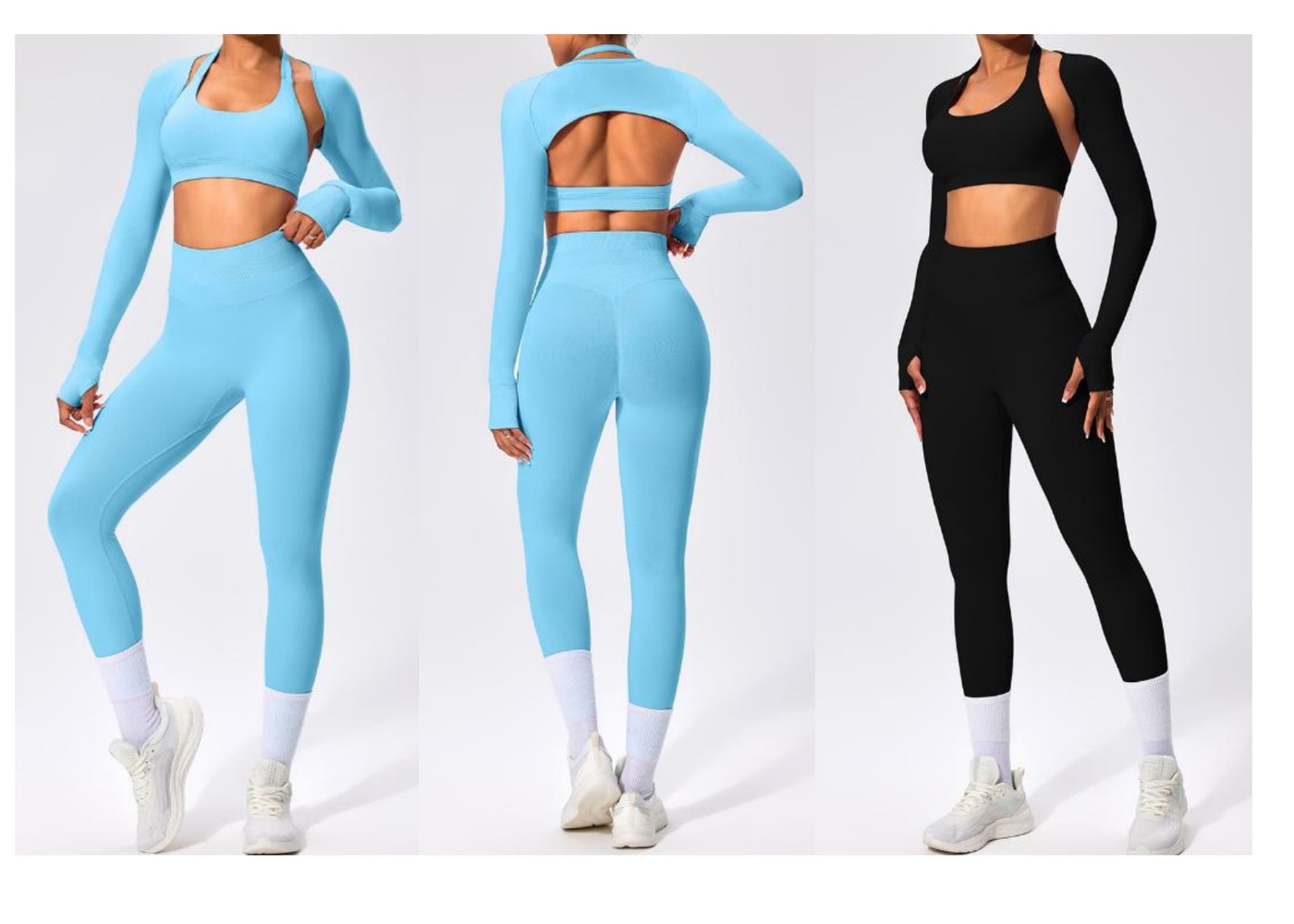
Reference for identifying which garment elements are retained or changed. A coordinated image does not establish material, construction, performance, stock availability or the contents of a sellable set.
For a pocket, define what the intended user needs to place in it, when it will be used and what should be observed in movement. For a longer top, define the coverage question and its relationship to the bottom. Keep these as project-specific questions rather than broad promises that a named feature will work for every wearer.
When comparing samples, avoid changing several influential variables without recording them. A revised pocket made in a different material and size may not isolate the effect of the pocket design. Ask the technical team to explain which comparison is meaningful and which conclusions remain uncertain.
What should each sample stage authorise?
Write the sample purpose before it is requested. An early development sample might compare shape or construction. A material sample can support a different set of observations. A branding sample concerns the proposed artwork and application. Name the decision and the limits so that a sample does not acquire a broader approval than the evidence supports.
Use the sample planning guide to arrange the sequence around the highest-priority uncertainty. Ask which information is needed before the sample can be useful. If the material is unresolved, decide whether a substitute will help the current question or merely create an ambiguous result.
Use the sample-feedback format to keep one revision record with observation, requested investigation, agreed change and closure evidence. Identify the garment, material, size and version behind every comment. “Looks good” should be translated into a clear statement about which part was reviewed, rather than being used as a blanket production release.
Separate permission to make another sample from permission to produce an order. The first can be a controlled investigation with open questions. The second depends on the relevant specification, artwork, information and packing approvals for the actual project. State which decision is being requested each time the team is asked to sign off.
How should material alternatives be compared before choosing a route?
Ask whether an alternative preserves the intended product or creates a different one. A material change can affect appearance, fit, seams, decoration and care information. It may be commercially worth considering, but the brand should understand which decisions it reopens rather than accepting it as an invisible substitute.
Use fabric and trim review to separate body fabric, lining, elastic and other components. Identify the proposed material and its available supporting information. If a report is supplied, check whether it concerns the actual material and claim under consideration instead of assuming it applies to the new garment.
For an existing-style route, clarify which material is included in the proposal and whether the buyer is asking to change it. For custom development, define the question the material comparison should answer. The same fibre name or nominal weight does not establish that two materials behave identically in the finished garment.
Keep wearing impressions and performance statements separate. A reviewer can describe handfeel or a movement observation within recorded conditions. A stronger claim needs appropriate evidence for the actual product. Avoid using an attractive material description as a shortcut around the sample and information review.
How can suppliers quote comparable scopes?
Give each supplier the same reference and change list, then request a response that states inclusions, exclusions and open assumptions. Identify whether the proposal concerns an unchanged garment, a branded version or a new development task. A lower-looking unit quotation may describe a different product or leave necessary work outside the scope.
Keep sample work, branding, packing and production assumptions visible in the comparison. Ask what information would change the proposal and which decisions must be confirmed first. Do not compare figures stripped of their product definitions, quantities, material assumptions or delivery responsibilities.
For a small evaluation, distinguish one-time development work from the proposed repeat specification. The brand needs to understand what the first sample resolves and what would be retained for a later order. A test quantity is a planning input, not a complete description of the supplier’s work.
Record the reason for choosing a proposal in terms of the evidence needed. A supplier that identifies an unresolved specification question may be helping the buyer avoid a misleading comparison. Clarify the question and revise the brief before treating differently scoped offers as interchangeable.
Who approves Spanish product information and the Mexican-market handoff?
Name a responsible Mexican-market reviewer and identify the actual selling and importing arrangements where applicable. The Secretaría de Economía’s NOM-004-SE-2021 catalogue entry provides the official textile-labelling reference and links to its publication. Use it to begin the appropriate local assessment for the product. A supplier quotation, sample or printed label does not by itself establish conformity.
Give the reviewer the actual garment facts and identify changes from any existing product. Ask what source information, Spanish wording and evidence are required for the proposed route. Keep material identity, care information, origin information and responsible-party details connected to the relevant product revision rather than copying an unrelated label template.
Separate the supplier’s technical confirmation from the local review. The supplier can confirm agreed manufacturing facts and work from approved artwork. The appointed reviewer determines the applicable information requirements and wording for the actual project. A correct print file is not a substitute for that responsibility.
If the sourcing route changes, revisit the handoff. An existing-style product replaced by a custom version may no longer share all the same material or product facts. Keep the original and revised records distinguishable, and reopen affected labels and descriptions before presenting the changed product to customers.
What should be decided about packing and receiving before the test?
Define the sellable unit and the receiving unit. A top and bottom may be presented together while still being ordered, packed or sold separately. Specify the intended relationship, permitted size pairings and variant identifiers. Do not ask the packing team to infer the contents from a styled image.
Ask how a receiver will identify the actual item without relying on a marketing nickname. The style, colour, size and revision should connect to the order and approved records. If a trial includes two versions for comparison, make them distinguishable in a way that does not create confusion for the intended reviewer or customer.
Use the manufacturing workflow to discuss the handoff between approved garment, branding and packing instructions. Identify who checks that the current versions reach the relevant process. A route decision is incomplete if the product definition becomes ambiguous when it moves into packing or receiving.
Keep transport and import responsibilities explicit in the project agreement and have the appropriate advisers confirm them. This article does not establish a tariff, tax, customs classification or delivery arrangement. The useful sourcing task is to identify the responsible parties and information needed before those decisions are assumed.
How should feedback change the reorder decision?
Return to the original test question. If the brand intended to evaluate product presentation, ask what the feedback actually says about that presentation. If it intended to evaluate a feature, separate observations about the feature from unrelated preferences. Do not let a general positive reaction erase a specific unresolved garment issue.
Identify the affected variants and the limits of the feedback. A size that was unavailable cannot be evaluated as though customers had tried it. A small or narrow audience cannot establish a whole country’s preference. Use the results to define the next question rather than turning incomplete evidence into a broad conclusion.
Choose among a repeat specification, a revised development sample or a decision to stop that product. Each outcome should identify what remains stable and what changes. If the revised brief now requires custom work, acknowledge the route change before relying on the earlier private-label proposal.
Keep the approved baseline available for the next supplier conversation. A reorder request should refer to the exact product and revision, with a separate change list. “Same as last time, but improved” is not enough to explain which result the brand expects or which approvals need to be revisited.
What belongs in the route-selection checklist?
Prepare these inputs before requesting the next proposal:
- State the Mexican sales channel, intended wearer and overseas sourcing arrangement.
- Name the specific product or commercial question the first evaluation should answer.
- Identify the reference garment and the features that can remain unchanged.
- Separate logo, label and packing requests from garment specification changes.
- Mark the fit, material or construction questions requiring custom development.
- Provide measurement diagrams and permitted visual references where needed.
- Define the sample purpose, material, size and allowed substitutions.
- State what the sample may approve and what it must leave open.
- Name the Spanish-information and Mexican-market review owners.
- Specify sellable contents, variant codes and receiving identification.
- Ask suppliers to state quotation assumptions, exclusions and responsibilities.
- Define how feedback will lead to a repeat, revision or stop decision.
Check the list as a team before comparing offers. A missing answer should create a named clarification task. It should not be silently filled by whichever supplier makes the most convenient assumption. That discipline is particularly useful when the brand is trying to learn from a limited first commitment.
What can inPACE discuss from this route-selection brief?
inPACE can review product references, requested changes, fabric and fit questions, sample scope, branding compatibility, production coordination, QC and packing within the confirmed project. The useful starting point is the difference the brand needs and the evidence that would justify moving forward. Exact quantities, prices and timing remain dependent on the assessed scope.
When only branding changes, keep the discussion within the suitable existing-product route. When the garment changes, define a custom-development sample with a clear question. A limited trial can be discussed within either route where workable; it should not be used to blur the distinction between an unchanged product and a new specification.
Then send the route-selection and sample brief, including the reference, required differences, test purpose, proposed quantity direction, branding depth, local information owner and reorder decision. Ask the team to confirm the scope it has understood. The next step should answer one useful question before the brand expands its commitment.
Product directions
Explore relevant activewear products
Use these product pages as practical references for your brief, then confirm materials, fit, customization, and production details through sampling.
Private Label Activewear
Discuss a suitable existing garment when the requested differences concern branding, labels and packing.
View product directionCustom Activewear Development
Define the sample evidence needed when fit, fabric, construction or a garment feature must change.
View product directionActivewear Performance
Choose a reference garment and mark precisely which elements should remain and which require development.
View product directionFAQ
Buyer questions
Does activewear manufacturer Mexico mean the factory is in Mexico?
Not necessarily. The phrase can describe a Mexican brand’s sourcing enquiry. This guide concerns an overseas route, and inPACE works from China. Confirm manufacturing location, origin information, receiving and any import responsibilities for the actual project rather than inferring them from the buyer’s market.
Is a small order automatically a wholesale or private-label project?
No. Quantity does not define the garment-development scope. A small order with a new pattern, material or construction still requires the relevant development and approval work. An unchanged suitable garment with branding can follow a narrower route, subject to the supplier confirming the actual proposal.
When should a buyer move from an existing style to custom development?
When an important requirement cannot be met by the suitable existing product without changing its specification. Identify the fit, fabric, construction or feature difference and the sample evidence needed. Make the route change explicit before relying on an earlier branding-only quotation or approval.
Can a market test replace a fit or construction sample?
No. A market evaluation and a technical sample answer different questions. Interest in an offer does not prove that a garment feature works, while an acceptable sample does not establish demand. Define each evaluation’s purpose and limits so that the results are used for the appropriate decision.
How should Mexican brands compare supplier quotations?
Use the same identified reference and change list, then compare inclusions, exclusions and assumptions. Keep sample work, materials, branding, packing, quantities and delivery responsibilities visible. Clarify differences in scope before treating unit figures as comparable offers for the same product.
Who confirms the Spanish label and Mexican product-information requirements?
The brand should appoint the appropriate local reviewer, importer or adviser for the actual product and route. The supplier can provide agreed manufacturing facts and use approved files. The official NOM reference supports that review; a sample or printed label alone does not establish conformity.
What should happen after a limited first test?
Compare the evidence with the original question and record its limits. Decide whether to repeat the approved specification, request a defined revision or stop that product. Keep the baseline and change list clear, and reopen any technical or information approvals affected by the proposed next version.