
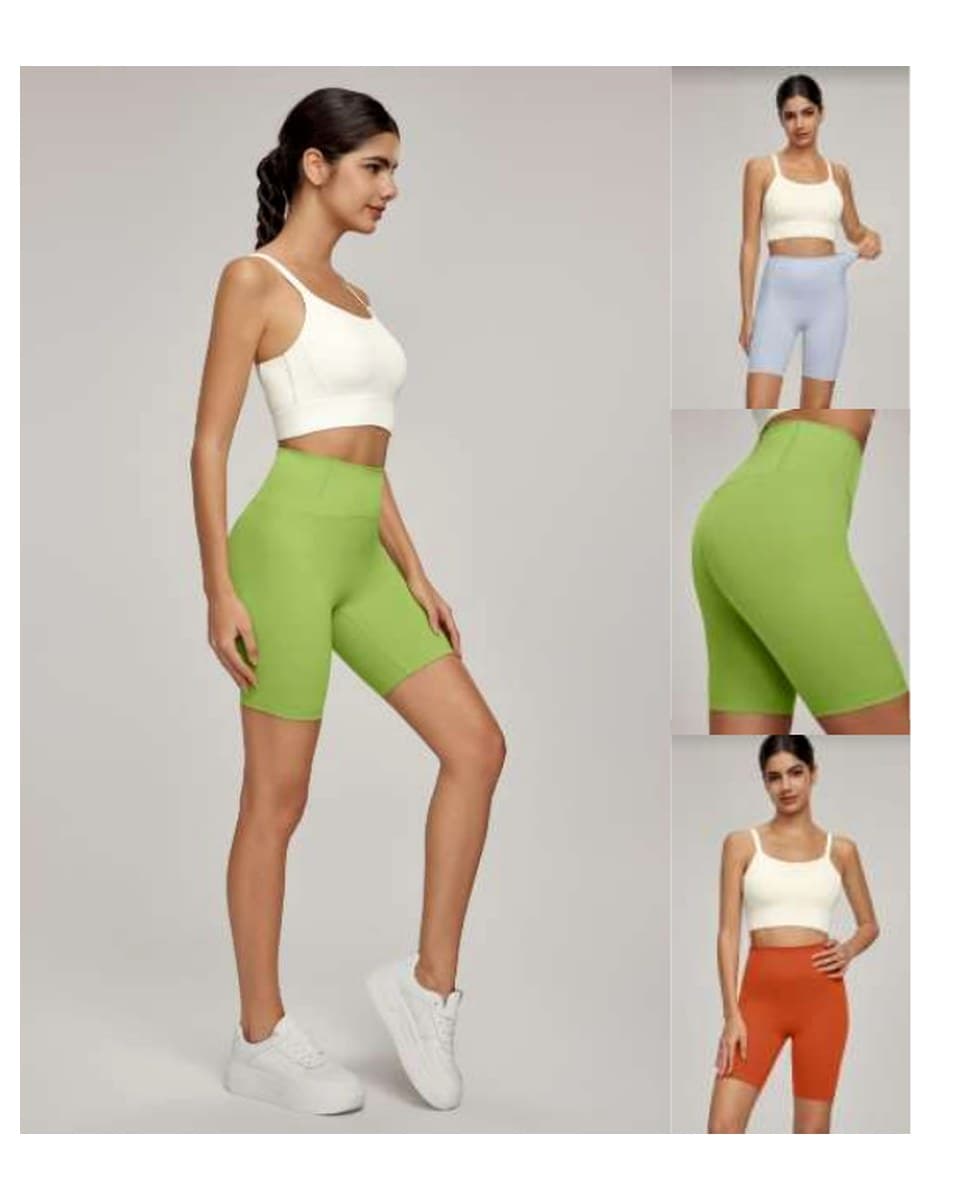
How should a brand plan an apple green activewear capsule?
Apple green activewear is most useful when a brand gives the colour a specific role: a hero bra, short, top, layer, trim, logo, or limited presentation cue. Define the physical reference, product allocation, companion colours, material surface, branding, labels, packing, and sample question before expanding the range. A selected catalogue silhouette can support private-label presentation; a new fit, fabric, construction, colour relationship, or sampling plan should move into factory-custom development.
For a wearer, apple green can make a gym, yoga, studio, or outdoor-training outfit feel fresh and active. For a buyer, it is not enough to call the collection “green.” Apple green may lean yellow, lime, olive, mint, or blue-green once it appears on a smooth knit, rib, mesh, lining, elastic, print, or label. The useful decision is where it should appear, how much of the capsule it should cover, and which actual garment and components should prove the direction first.
A small capsule gives a brand a controlled way to test the relationship. One apple-green short beside a white or neutral top, one bra with a darker companion bottom, or a mostly dark range with a green accent can all be viable options. They require different product roles, artwork decisions, and sample evidence. By recording the intended hierarchy early, the team avoids treating a mood-board swatch or catalogue photo as a bulk-production standard.
The activewear design trends guide explains how a broad visual direction becomes products, materials, samples, and a B2B route. This article focuses on the narrower buyer decision: how should apple green help a seasonal activewear capsule feel intentional without implying that a colour name, product photo, or historic trend reference has already been approved for production?
Why can apple green work as a focused seasonal colour?
Apple green has enough visual energy to make a selected garment easy to recognise, but it does not need to dominate every SKU. It may sit well in a warm-weather gym or studio capsule, a yoga and Pilates colour story, an outdoor-training layer, or an active-lifestyle launch. The customer-facing appeal comes from contrast and product balance; the sourcing value comes from giving the buyer a clear testable direction rather than a large, vague palette.
Start with the customer and use context. A studio-led brand might give apple green to a bra or high-waist short and use cream, soft grey, or warm neutral companions. A gym programme may anchor the range in black or charcoal and reserve apple green for a tee, underband, panel, logo, or limited accessory. An outdoor-training capsule might pair apple green with deep blue, slate, or another stable base. These are design directions, not performance or market claims, and each needs to be reviewed on the intended materials.
The word “apple” should be treated as a creative starting point, not a colour standard. One team may mean a bright yellow-green, another a softer fresh green, and another a deeper green that still feels spring-led. A physical swatch, recognised colour standard, labelled working cut, or prior approved sample gives a supplier a real point of comparison. It also tells the buyer which adjacent shade is not acceptable.
Which apple-green product roles should a capsule include?
Assign apple green a role before choosing too many products. A tight capsule can use one hero item, one companion product, and a small presentation detail. A broader range may have a green base in one family and controlled accents elsewhere. The aim is not to force a set percentage across every collection; it is to make the visual hierarchy clear enough for product, sourcing, and marketing teams to make the same decisions.
| Apple-green role | Useful activewear application | What the buyer should define | First review question |
|---|---|---|---|
| Hero body colour | Sports bra, tank, tee, high-waist short, legging, or one coordinated set | Exact reference, garment category, body fabric, companion products, and logo contrast | Does the green have the intended freshness and depth on the chosen garment? |
| Supporting product | One selected short, top, light layer, or limited capsule SKU beside a stable core | Whether the product is seasonal, launch-only, or intended to be repeated | Does it support the core range instead of competing with every other colour? |
| Controlled accent | Binding, panel, underband, drawcord, small print area, zipper detail, label, or logo | Placement, component material, scale, and whether the detail must closely match body fabric | Is the green readable and intentional at the actual size and surface? |
| Presentation cue | Hangtag, barcode label, insert, bag sticker, carton mark, or campaign guide | Which printed piece carries the colour and which approvals are separate from garment approval | Does the presentation reinforce the capsule without being mistaken for fabric approval? |
The Yoga Activewear Catalog can help a buyer identify a product family before deciding the final colour system. The I-Back Hollow Support Bra is useful for discussing a close-fit bra, back construction, colour relationship, logo zone, labels, and sample evidence. The Basic High-Waist Lycra Short can help define a lower-body role, waistband relationship, companion top, and visual balance. These are starting references, not proof that a particular image, fabric, colour, or construction is already approved for another project.
How should apple green work with black, grey, white, neutrals, and warm accents?
Companion colours give apple green a job. Black or charcoal can make it look sharper and more gym-led. Grey can create a softer technical contrast. White and light neutrals can make a green short or bra the focal point, while a warmer neutral can create a calmer studio-to-street direction. A warm accent can add an expressive note, but the buyer should decide whether that accent belongs on the garment, branding, or presentation only.
| Companion direction | Capsule use | Review risk | Decision to record |
|---|---|---|---|
| Apple green + black or charcoal | A graphic gym, training, or performance-led contrast | A small green logo may disappear or become too prominent depending on surface and finish | Which product is dark core, where green appears, and how the logo reads on each background |
| Apple green + grey | A more balanced set or transition between gym and everyday layers | Grey depth can vary across body fabric, mesh, elastic, and labels | Physical references, component relationship, and whether contrast should be close or deliberate |
| Apple green + white or cream | A bright studio, yoga, or warm-weather combination | White, lining, coverage, and packing protection need their own review | Product role, material, coverage question where relevant, and logo contrast |
| Apple green + warm accent | A limited print, binding, artwork, or campaign detail | A secondary bright colour can take over the visual hierarchy | Accent scale, artwork version, product placement, and what the sample must prove |
Do not assume a neutral automatically makes any green more commercial. A light grey can make a yellow-green appear brighter; a charcoal may pull the same reference toward a more technical look; cream can change the perceived warmth. When components change, the relationship can change too. The activewear colour approval guide is the practical next step when a buyer needs to turn an apple-green idea into a traceable fabric, trim, logo, and sample review.
How do fabric, stretch, and trims change apple green?
The same green reference can look lighter, darker, warmer, cooler, more matte, or more saturated on different surfaces. Smooth stretch knit, rib, mesh, brushed fabric, light woven shell, lining, elastic, binding, zipper tape, thread, transfer print, embroidery, woven label, and printed packing all interact with light differently. A close-fit garment can show another shift under stretch, especially through a bra, legging, short, or panel.
| Review point | Why it matters for apple green | What the first review should include |
|---|---|---|
| Body fabric | Fibre, surface, stretch, and coverage can change perceived brightness and depth | Green reference, intended handfeel, product use, and relevant coverage or stretch question |
| Rib, mesh, lining, and panel | Density and construction can make the same shade appear visibly different | Panel placement and whether the difference is an intentional contrast or needs adjustment |
| Elastic, binding, zipper tape, and thread | Small components often create the strongest edge between green and its companion colour | Component material, expected match level, and placement at real production scale |
| Logo, print, and embroidery | Method, artwork, background, and scale determine readability | Correct artwork file, colour relationship, placement, and proof owner |
| Labels and packing | Green can support the brand system without approving a garment fabric | Separate garment, label, hangtag, bag, insert, and carton proof decisions |
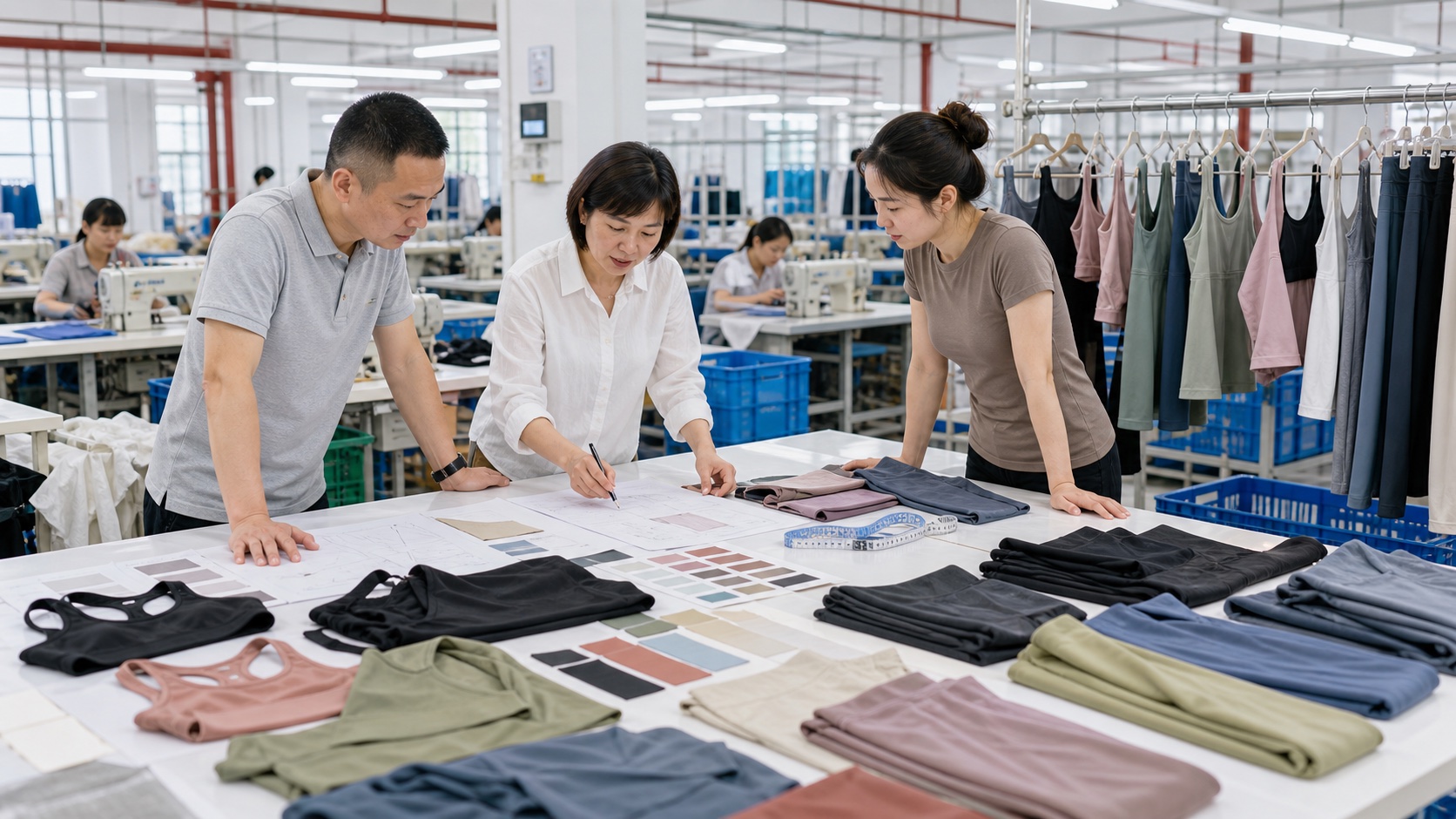
This type of review brings body fabric, components, product shape, and colour references into one discussion. It does not make a reference image a universal approval. The buyer still needs to state the selected material, companion colours, logo and trim direction, and the decision that the sample is expected to support. The fabrics and trims resource can help prepare that vocabulary before a sample conversation.
Can outdoor or lifestyle imagery guide an apple-green activewear idea?
It can inform the visual mood and colour relationship, but it cannot become a product specification. A licensed editorial trend image may show how a bright green layer reads against blue, slate, stone, or natural surroundings. That can be useful to a brand deciding whether apple green should feel more outdoor-led, studio-led, or graphic. It does not establish a fabric, silhouette, performance feature, stock position, endorsement, or supplier relationship.
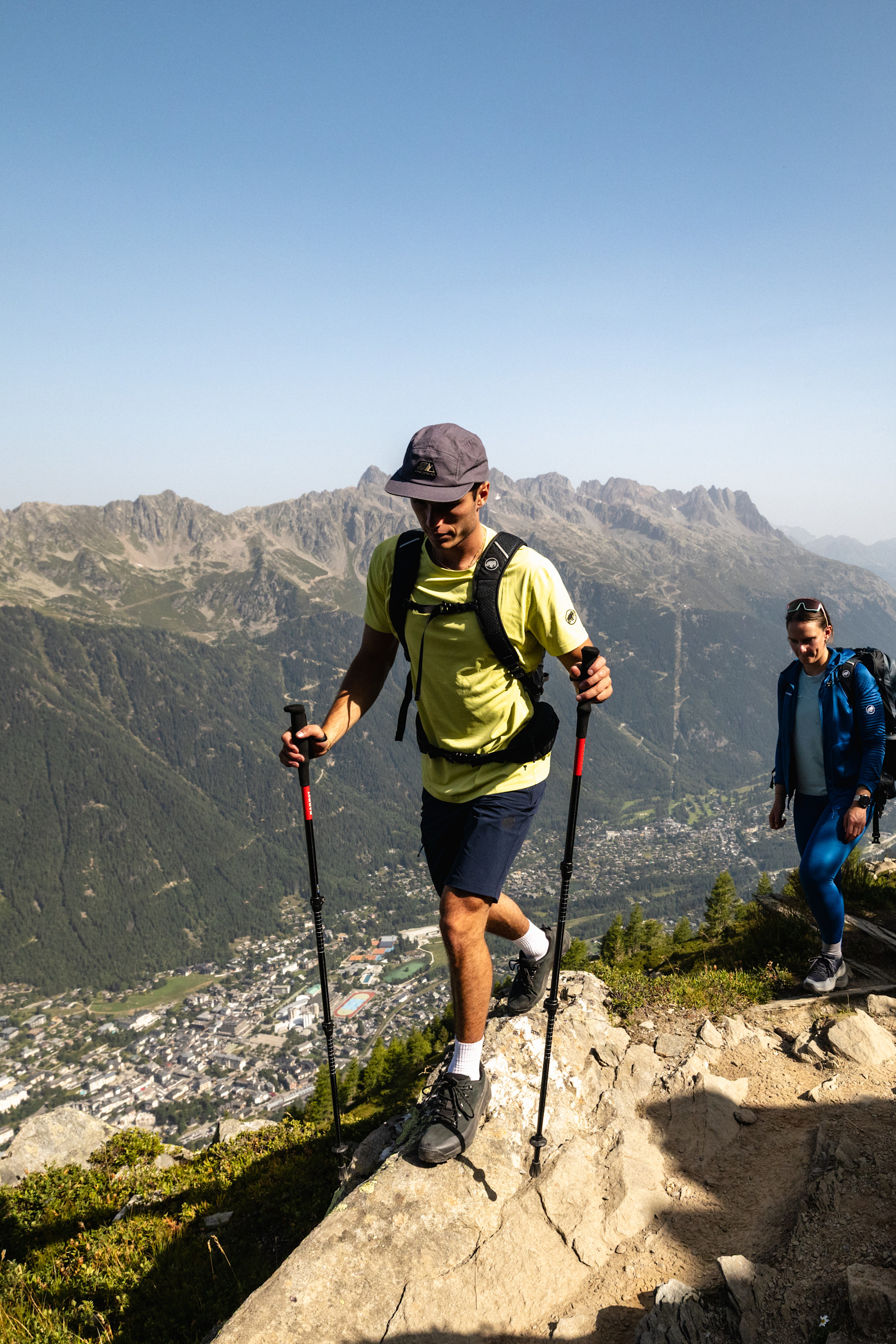
The image above is used under the supplied commercial-use rights as a licensed trend reference. It is not an inPACE product, and it does not imply that inPACE is affiliated with a pictured brand, person, or activity. Keep the creative observation separate from the factory brief: use the image to name a mood or contrast, then provide the actual product reference, colour standard, material direction, and sample question for the inPACE project.
Why should a brand test an apple-green capsule before expanding it?
A focused test gives the team evidence about product role and colour behaviour before the range becomes larger. The first capsule might include one apple-green bra or short, one stable companion item, one small branded detail, and only the labels or packing elements that need review. The objective is not to promise a repeat order or a fixed launch scale. It is to learn whether the colour, product, material, logo, and presentation relationship is serving the intended customer and channel.
Choose the first product because it answers the most important uncertainty. A high-waist short may show apple green over a large, close-fit surface. A bra may reveal the relationship with an underband, straps, lining, and logo. A light layer may test green against zipper tape and a darker base. A printed product may need an artwork proof before a garment sample. Make that question explicit so a sample does not become an unfocused test of every future SKU at once.
The activewear collection planning guide can help a team assign hero, core, and supporting product roles. The activewear size, color, and quantity planning guide can then connect the selected colour story to size allocation, colour distribution, and preliminary order context without implying a fixed MOQ or bulk commitment.
When should apple green use private label, and when does it need factory-custom development?
The colour alone does not choose the route. A catalogue-informed private-label project may be appropriate when a buyer has selected a close product direction and mainly needs apple-green presentation, logo, labels, hangtags, packing, and quantity context. The private-label activewear service is a useful route for organising those branded details. Actual product, material, colour, branding method, packing, and commercial conditions must still be confirmed for the project.
Factory-custom development is more appropriate when the request requires a new fit, material, lining, panel, construction, support direction, artwork, component relationship, special colour development, or controlled sample plan. A new apple-green mesh placement, a changed bra back, a custom print, or a green-and-neutral collection with new product architecture is more than branded presentation of a selected catalogue reference. The custom activewear development route is the appropriate starting point for that deeper development conversation.
State the boundary in the brief. Mark what the reference helps to describe, what should remain similar, what needs to change, and what has not yet been decided. This helps an activewear supplier explain the next step without treating an inspiration image, a colour label, or a product card as a finished production package.
How can an apple-green capsule stay coherent across garments and packing?
Coherence does not mean every material and printed piece must look identical. It means the brand decides what needs to match, what may intentionally contrast, and where the customer should recognise the colour story. An apple-green short, bra, tee, light layer, woven label, hangtag, bag insert, and carton mark may all belong to the same capsule while still using different material systems and approval paths. The work is to make those relationships deliberate rather than accidental.
Begin with a hierarchy sheet that separates garment, component, and presentation decisions. For the garment, name the hero product and the stable companion pieces. For components, identify the green reference needed for body fabric, mesh, elastic, binding, thread, zipper tape, logo, or print. For presentation, identify the approved artwork and colour treatment for labels, hangtags, bags, inserts, barcode labels, and cartons. A green hangtag may reinforce a capsule even if no garment body is green. It must never be used as evidence that the garment fabric has been approved.
The same distinction protects repeat and replenishment conversations. Keep the working colour reference, material direction, product code or reference link, artwork version, logo method, label copy, packing instructions, and approved-sample record together. This record does not guarantee that a later order will use identical materials, components, timing, or commercial terms. It gives the buyer and supplier a clear starting point to compare what is unchanged, what has moved, and whether a new lab dip, component proof, or sample is needed.
An apple-green story can also become unclear when products are sampled independently. A bra may use smooth body fabric and elastic binding; a short may use another knit; a layer may add zipper tape and a light woven surface. If all three are described only as “the same green,” the team may miss a visible difference until late in review. Instead, state the critical relationships: for example, the bra body and short body should feel related but need not be an exact surface match; the elastic must create a controlled border; the logo must remain legible; the label and hangtag use the approved artwork colour; and packing remains a separate printed proof.
The activewear manufacturing workflow is useful for placing those decisions beside sampling, production, QC, packing, and export preparation. The activewear sample-to-bulk production guide can help a buyer record which approved sample details need to be carried into the production package. Neither page turns a reference image into a fixed colour, price, MOQ, or delivery commitment. The project still needs the right product, material, quantity, and approval conditions confirmed in writing.
What should the first apple-green sample prove?
An early sample should answer one clear question. It could prove how apple green looks on the intended bra or short fabric, whether a green body and neutral binding feel balanced, whether a logo stays legible, whether a label and hangtag support the capsule, or whether a darker companion style makes the green product feel sufficiently distinct. The buyer should name the approval owner and state what result would require another colour, material, artwork, or construction review.
inPACE can coordinate sampling support that may include printing, embroidery, wash effects, and other appropriate project steps. As a usual planning guide, samples often take 5–10 days and production often takes 25–50 days after scope and approvals are confirmed. Actual timing depends on style complexity, material availability, colourways, decoration, labels, packing, quantities, revisions, and production scheduling, so it must be confirmed for the project.
Keep the colour reference, fabric direction, component notes, artwork file, sample comments, and approval decision together. If the apple green reads too warm on a rib, too muted on a brushed fabric, or too dominant beside a neutral companion, identify the component or material that created the issue. A useful record lets the next sample focus on the change rather than reopening the whole capsule.
What belongs in an apple-green activewear brief?
Before requesting a recommendation, quotation discussion, or sample route, prepare this checklist:
- Name the target customer, activity, sales channel, and reason for the seasonal capsule.
- State which item is the apple-green hero and which products remain core or supporting colours.
- Provide a physical swatch, recognised standard, labelled cut, or prior approved reference for the intended green.
- Identify companion black, grey, white, cream, neutral, or warm-accent references that must be reviewed with it.
- Link the selected catalogue products or provide sketches, samples, or technical information for custom development.
- Define body fabric, mesh, lining, elastic, binding, zipper, thread, print, and label relationships.
- Mark whether a component should closely match the green or create a deliberate contrast.
- Share the approved logo or artwork file, placement, scale, method, and background relationship.
- Separate garment approval from labels, hangtags, bags, inserts, barcodes, and carton marks.
- Include size range, preliminary colour allocation, quantity context, destination market, and packing needs.
- Name the single decision the first sample should prove and the person who will approve it.
- Record open questions and revision boundaries before bulk production is discussed.
This checklist gives the buyer and factory a common starting point. It does not replace project confirmation or make unknown product, material, colour, timing, or commercial terms into fixed commitments.
How do sample charges and refunds work for one apple-green style?
As a general guideline, the sample charge is 1.5–3 times the corresponding bulk unit quotation, depending on the product and development scope. For one style, the stated refund schedule is 10% at 100 units, 30% at 300 units, 50% at 500 units, and 100% at 1,000 units. Confirm the quotation, sample scope, and applicable order conditions in writing because material, colour development, decoration, components, revisions, and construction can change what is included.
An apple-green project can involve additional review decisions when it uses a custom print, more than one surface, special trim, or a new construction. Rather than treating a sample charge as a generic price, identify the exact style, materials, colour and component questions, artwork, labels, packing, revisions, and approval outcome. That gives both the buyer and the factory a clear basis for the next conversation.
Ready to plan an apple-green activewear capsule?
Send inPACE Sports the target customer, apple-green reference, companion colours, selected product directions, material and trim notes, logo and packing requirements, size and quantity context, and the exact question the first sample should answer. Send an apple-green activewear brief to confirm whether a catalogue-informed private-label route or factory-custom development is the appropriate next step.
Product directions
Explore relevant activewear products
Use these product pages as practical references for your brief, then confirm materials, fit, customization, and production details through sampling.
Yoga Activewear Catalog
Use the catalog to decide whether apple green belongs on a bra, top, short, bottom, or a small seasonal capsule before confirming material, branding, and the first sample question.
View product directionI-Back Hollow Support Bra
Use this bra reference to define apple green placement, strap and back relationship, logo zone, labels, and the colour evidence needed from a first sample without treating a pictured option as a specification.
View product directionBasic High-Waist Lycra Short
Use this short reference to discuss an apple-green lower-body role, waistband, fabric surface, companion top, brand mark, and the review boundary for a private-label or custom project.
View product directionFAQ
Buyer questions
What does apple green activewear mean for a B2B brand?
For a B2B brand, apple green activewear is a colour-direction decision that needs product roles, a physical reference, companion colours, material and component review, branding, packing, sample evidence, and quantity context. A colour name or product image does not by itself approve fabric, trims, construction, or commercial conditions.
Should apple green be a hero colour or an accent in an activewear capsule?
Either can work. A brand can use apple green on a hero bra, short, top, or set, or reserve it for binding, panels, logos, labels, hangtags, or packing. State the intended product role, scale, companion colours, materials, and the question the first sample must answer.
Can a catalogue style be used for apple-green private-label activewear?
A catalogue-informed private-label discussion can suit a selected silhouette that mainly needs apple-green direction, logo, labels, hangtags, packing, and quantity review. Actual product, material, colour, branding method, packing, and commercial conditions require project-specific confirmation.
When does an apple-green activewear project need factory-custom development?
Use factory-custom development when the project needs a new fit, fabric, lining, panel, construction, artwork, trim relationship, special colour development, or controlled sample plan. Share product roles, annotated references, material direction, component requirements, branding, sizes, and the first sample question.
How should a brand compare apple green with black, grey, or white?
Assign each colour a product or component role, provide physical references, and review the relationship on the intended body fabric, mesh, lining, elastic, binding, logo method, labels, and packing. A digital palette can guide the conversation but does not replace a project sample or approval record.
How long do apple-green activewear samples and production take?
As a usual planning guide, samples often take 5–10 days and production often takes 25–50 days after scope and approvals are confirmed. Timing depends on style complexity, material availability, colourways, decoration, labels, packing, quantities, revisions, and production scheduling, so it must be confirmed for the project.
How does inPACE handle sample fees for one apple-green activewear style?
The general guideline is a sample charge of 1.5–3 times the corresponding bulk unit quotation, depending on the product and development scope. For one style, the stated refund schedule is 10% at 100 units, 30% at 300 units, 50% at 500 units, and 100% at 1,000 units. Confirm the quotation and applicable order conditions in writing.