
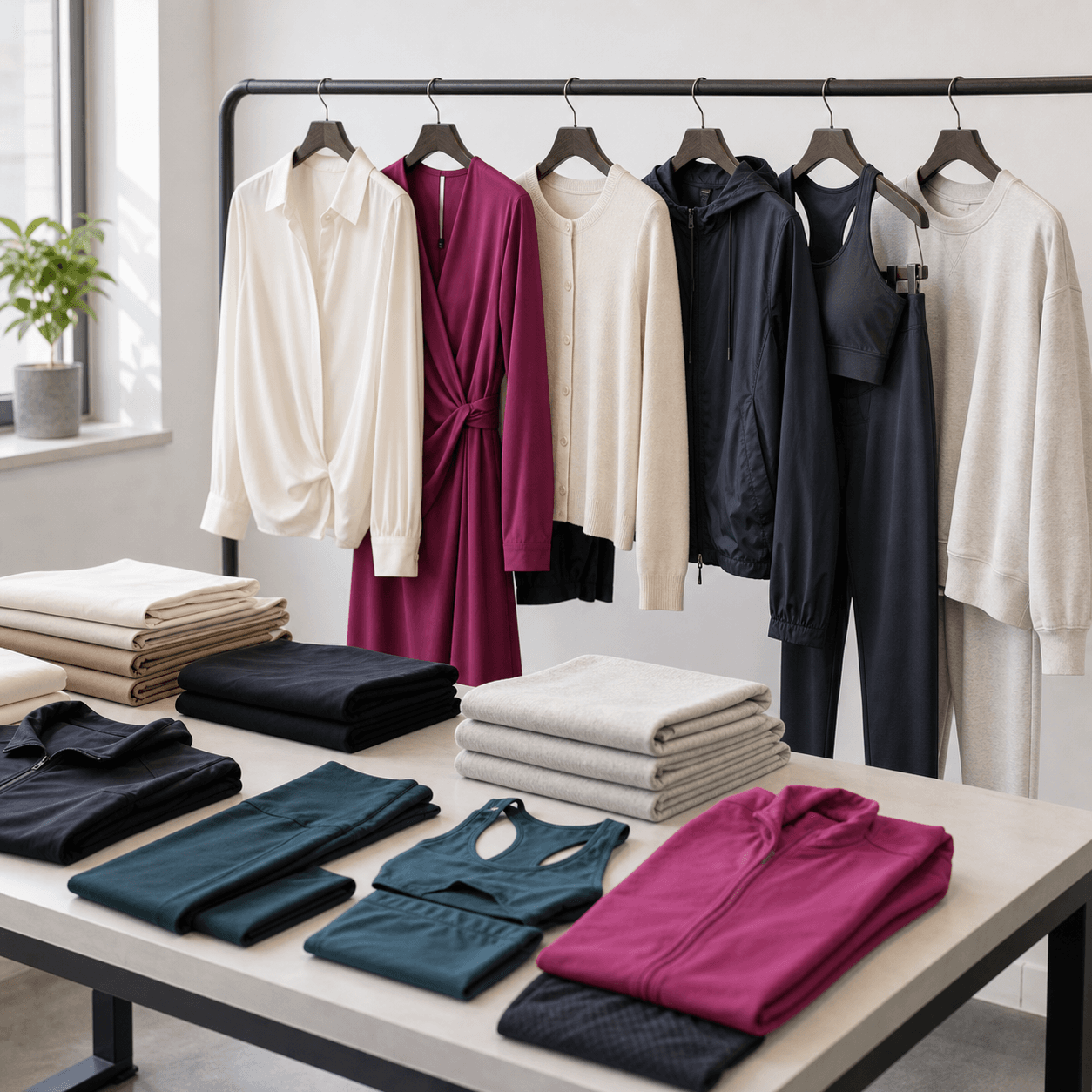
A focused activewear collection usually balances hero products, easy repeat styles, color stories, size coverage, fabric consistency, margin targets, and realistic production timelines. Buyers can compare the Yoga Activewear Catalog, Activewear Performance Collection, Jogging & Printed Activewear Catalog, and Custom Activewear route to decide which product families are relevant to their customer and channel.
A useful first range gives each product a role. The Hooded Thumbhole Training Set may anchor a coordinated training capsule, the Light Support Bra Program can support a replenishment-friendly core range, and the Jogging & Printed Activewear Catalog can inform more directional or graphic styles. The product pages provide starting references; fabric, fit, branding, size range, and quantity should still be confirmed in the development brief.
What to review
Questions designers, buyers, and brands should answer
New activewear brands, buyers, and merchandisers selecting catalog styles or planning their first custom collection.
Start with a clear customer, activity use case, and price position instead of choosing too many unrelated styles.
Balance visually strong hero pieces with repeatable core items that can support replenishment and color updates.
Plan shared fabrics, color stories, sizes, and logo details to keep the collection commercially coherent.
Practical next step
Turn the research into a clearer product brief
Choose a small launch range first, then use catalog styles or sample development to validate the strongest products.
View the order processProduct directions
Explore relevant activewear products
Use these product pages as practical references for your brief, then confirm materials, fit, customization, and production details through sampling.
Activewear Performance Collection
Explore training sets, sports bras, and logo-custom product directions for a buyer-ready capsule.
View product directionYoga Activewear Catalog
Review yoga, studio, and coordinated activewear style directions for collection planning.
View product directionJogging & Printed Activewear Catalog
Browse jogging, training-layer, print, and custom artwork directions for a more differentiated assortment.
View product directionLong-form buyer framework
How can a buyer turn this research into a production-ready decision?
The central task in choosing activewear styles for a focused collection is deciding which product roles, silhouettes, colours, sizes, fabrics, brand details, and replenishment priorities belong in the first range. That decision cannot be made from a headline price, a product photo, or a general statement about customization. It needs a record that connects the commercial goal to the garment, material, fit, construction, branding, quantity, quality checks, packing, and destination. When those elements are visible together, a buyer can ask more precise questions and a factory can explain the route without pretending that open details are already confirmed.
The purpose of the framework below is not to turn a brand founder or buyer into a garment technician. It is to make responsibility and evidence clear. The buyer defines the customer and business need, shares what is known, and identifies the decisions that matter. The factory should check whether the proposed assortment can share materials, colours, components, sampling decisions, packing rules, and production records. Both sides then record what was reviewed, what remains conditional, what must be approved physically, and what information will guide production or a later repeat order.
Choose the customer before the products
Define the activity, lifestyle, fit preference, coverage, channel, and price position so style selection follows a customer need rather than a random catalogue browse.
For this decision, the buyer should state the intended result, provide the closest available evidence, and identify what is flexible. The supplier can then explain the product or process implications and flag any dependency on fabric availability, colour, construction, logo method, components, quantity, or packing. A useful response distinguishes a recommendation from a confirmed production instruction and says what would need to be reviewed through a sample or another approval step.
Record the outcome inside a collection map showing each SKU's customer role, reference product, material direction, colourways, sizes, branding, target quantity, and approval status. Include the date, relevant file or sample, the person responsible for the next action, and the status of the decision. If a later change affects fit, material, workmanship, branding, assortment, or delivery preparation, return to this record and identify which related approvals need to be checked again. This prevents a local change from creating an unnoticed downstream inconsistency.
Give every SKU a job
A hero product creates visual identity, a core item supports repeat sales, an entry product lowers purchase friction, and a layer or accessory can complete the use case.
For this decision, the buyer should state the intended result, provide the closest available evidence, and identify what is flexible. The supplier can then explain the product or process implications and flag any dependency on fabric availability, colour, construction, logo method, components, quantity, or packing. A useful response distinguishes a recommendation from a confirmed production instruction and says what would need to be reviewed through a sample or another approval step.
Record the outcome inside a collection map showing each SKU's customer role, reference product, material direction, colourways, sizes, branding, target quantity, and approval status. Include the date, relevant file or sample, the person responsible for the next action, and the status of the decision. If a later change affects fit, material, workmanship, branding, assortment, or delivery preparation, return to this record and identify which related approvals need to be checked again. This prevents a local change from creating an unnoticed downstream inconsistency.
Control the number of silhouettes
Too many similar leggings, bras, tops, or sets can divide colour and size quantities without giving the customer a meaningful choice.
For this decision, the buyer should state the intended result, provide the closest available evidence, and identify what is flexible. The supplier can then explain the product or process implications and flag any dependency on fabric availability, colour, construction, logo method, components, quantity, or packing. A useful response distinguishes a recommendation from a confirmed production instruction and says what would need to be reviewed through a sample or another approval step.
Record the outcome inside a collection map showing each SKU's customer role, reference product, material direction, colourways, sizes, branding, target quantity, and approval status. Include the date, relevant file or sample, the person responsible for the next action, and the status of the decision. If a later change affects fit, material, workmanship, branding, assortment, or delivery preparation, return to this record and identify which related approvals need to be checked again. This prevents a local change from creating an unnoticed downstream inconsistency.
Use shared materials deliberately
A common fabric direction can support visual consistency and order planning, but it should not be forced onto products with different support, weight, coverage, or movement needs.
For this decision, the buyer should state the intended result, provide the closest available evidence, and identify what is flexible. The supplier can then explain the product or process implications and flag any dependency on fabric availability, colour, construction, logo method, components, quantity, or packing. A useful response distinguishes a recommendation from a confirmed production instruction and says what would need to be reviewed through a sample or another approval step.
Record the outcome inside a collection map showing each SKU's customer role, reference product, material direction, colourways, sizes, branding, target quantity, and approval status. Include the date, relevant file or sample, the person responsible for the next action, and the status of the decision. If a later change affects fit, material, workmanship, branding, assortment, or delivery preparation, return to this record and identify which related approvals need to be checked again. This prevents a local change from creating an unnoticed downstream inconsistency.
Build a colour and size architecture
Core colours, seasonal colours, size range, projected assortment, and pack ratios should be reviewed together rather than added after samples are approved.
For this decision, the buyer should state the intended result, provide the closest available evidence, and identify what is flexible. The supplier can then explain the product or process implications and flag any dependency on fabric availability, colour, construction, logo method, components, quantity, or packing. A useful response distinguishes a recommendation from a confirmed production instruction and says what would need to be reviewed through a sample or another approval step.
Record the outcome inside a collection map showing each SKU's customer role, reference product, material direction, colourways, sizes, branding, target quantity, and approval status. Include the date, relevant file or sample, the person responsible for the next action, and the status of the decision. If a later change affects fit, material, workmanship, branding, assortment, or delivery preparation, return to this record and identify which related approvals need to be checked again. This prevents a local change from creating an unnoticed downstream inconsistency.
Keep brand presentation consistent
Logo scale, placement logic, labels, hangtags, bags, barcode fields, and carton information should feel related across the range without being identical on every garment.
For this decision, the buyer should state the intended result, provide the closest available evidence, and identify what is flexible. The supplier can then explain the product or process implications and flag any dependency on fabric availability, colour, construction, logo method, components, quantity, or packing. A useful response distinguishes a recommendation from a confirmed production instruction and says what would need to be reviewed through a sample or another approval step.
Record the outcome inside a collection map showing each SKU's customer role, reference product, material direction, colourways, sizes, branding, target quantity, and approval status. Include the date, relevant file or sample, the person responsible for the next action, and the status of the decision. If a later change affects fit, material, workmanship, branding, assortment, or delivery preparation, return to this record and identify which related approvals need to be checked again. This prevents a local change from creating an unnoticed downstream inconsistency.
Plan the first reorder before launch
Record approved fabric, colour, measurements, artwork, components, packing, and sales assumptions so the buyer can distinguish replenishment from a new development project.
For this decision, the buyer should state the intended result, provide the closest available evidence, and identify what is flexible. The supplier can then explain the product or process implications and flag any dependency on fabric availability, colour, construction, logo method, components, quantity, or packing. A useful response distinguishes a recommendation from a confirmed production instruction and says what would need to be reviewed through a sample or another approval step.
Record the outcome inside a collection map showing each SKU's customer role, reference product, material direction, colourways, sizes, branding, target quantity, and approval status. Include the date, relevant file or sample, the person responsible for the next action, and the status of the decision. If a later change affects fit, material, workmanship, branding, assortment, or delivery preparation, return to this record and identify which related approvals need to be checked again. This prevents a local change from creating an unnoticed downstream inconsistency.
Buyer scenarios
How does the decision change in common sourcing situations?
Real projects rarely arrive with every detail complete. The useful question is not whether the brief is perfect; it is whether the missing information is visible and whether the next step will produce evidence. These scenarios show how a buyer can keep choosing activewear styles for a focused collection practical without converting early assumptions into promises.
The buyer has a direction but incomplete technical files
Start with the product role, target customer, intended use, reference material, and the decisions already made. Mark missing measurements, fabric, artwork, or packing details as open questions. The supplier response should show what can be reviewed immediately, what needs a sample, and what information is required before the route becomes more specific.
Apply the scenario to which product roles, silhouettes, colours, sizes, fabrics, brand details, and replenishment priorities belong in the first range. Note what can be accepted as direction, what requires factory review, and what must become part of a collection map showing each SKU's customer role, reference product, material direction, colourways, sizes, branding, target quantity, and approval status before the buyer compares suppliers or approves the next stage.
A catalogue reference is close but not exact
List the features that already work and separate brand presentation from garment changes. A logo, label, hangtag, or bag may stay within a catalogue-informed route, while a new fit, material, pattern, construction, or performance feature may require custom development. The decision should be based on the requested change, not a category label.
Apply the scenario to which product roles, silhouettes, colours, sizes, fabrics, brand details, and replenishment priorities belong in the first range. Note what can be accepted as direction, what requires factory review, and what must become part of a collection map showing each SKU's customer role, reference product, material direction, colourways, sizes, branding, target quantity, and approval status before the buyer compares suppliers or approves the next stage.
The order contains several colours, sizes, and brand components
Create one assortment record by style, colour, and size, then connect every logo, label, barcode, bag, and carton instruction to the correct SKU. Ask which choices affect material planning, application methods, packing ratios, or quotation assumptions. This is where a simple-looking collection can become operationally complex.
Apply the scenario to which product roles, silhouettes, colours, sizes, fabrics, brand details, and replenishment priorities belong in the first range. Note what can be accepted as direction, what requires factory review, and what must become part of a collection map showing each SKU's customer role, reference product, material direction, colourways, sizes, branding, target quantity, and approval status before the buyer compares suppliers or approves the next stage.
The programme is expected to repeat
Decide which approved records will be retained after shipment and which changes should trigger a new sample. Product specifications, material and colour references, artwork, placement, labels, packing, QC notes, and prior order data make later replenishment more controlled. A reorder should not depend on memory or an old message thread.
Apply the scenario to which product roles, silhouettes, colours, sizes, fabrics, brand details, and replenishment priorities belong in the first range. Note what can be accepted as direction, what requires factory review, and what must become part of a collection map showing each SKU's customer role, reference product, material direction, colourways, sizes, branding, target quantity, and approval status before the buyer compares suppliers or approves the next stage.
Factory execution framework
What should happen between the first brief and a repeatable order?
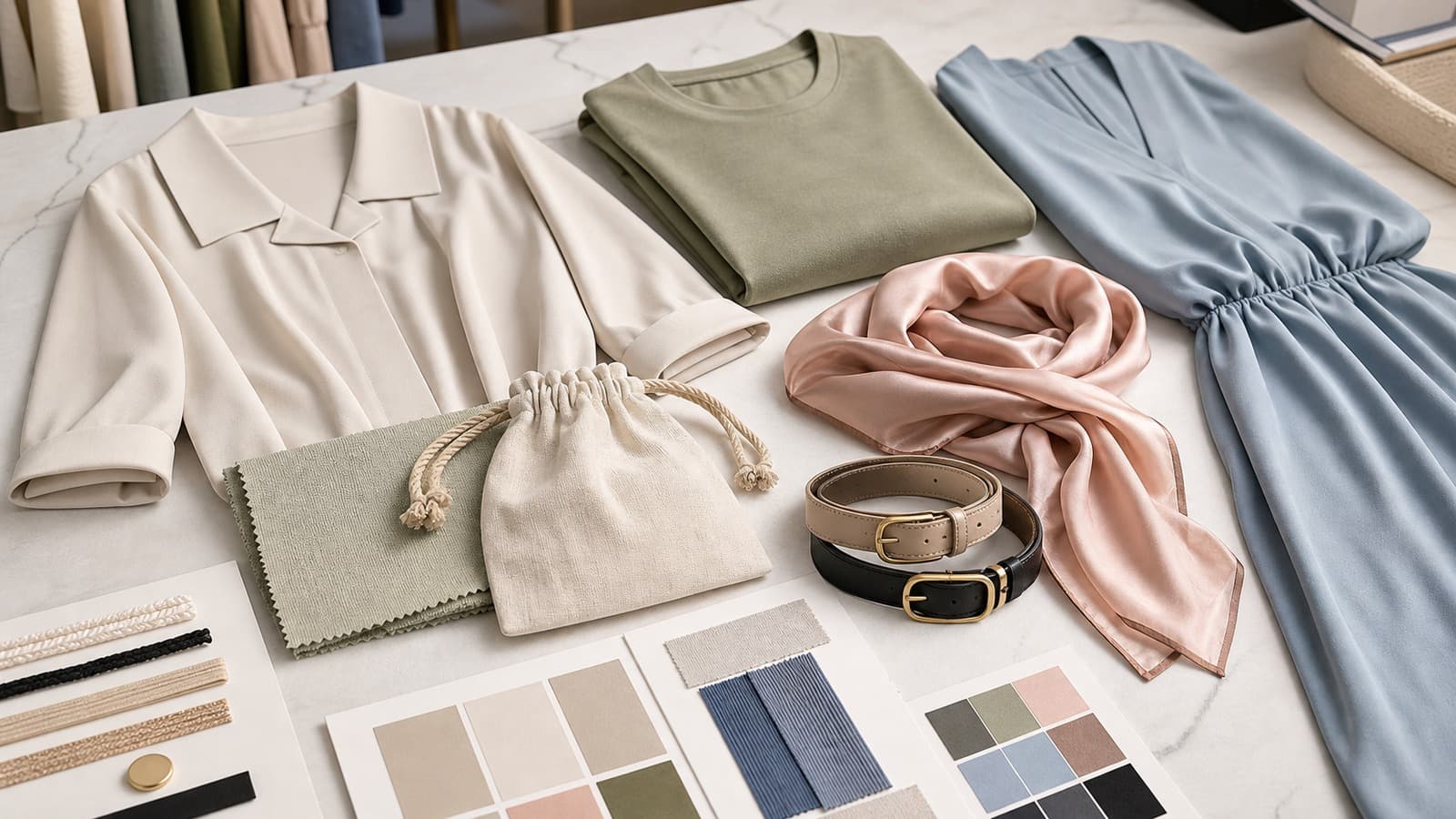
A B2B article is useful only when it helps the reader understand execution. For choosing activewear styles for a focused collection, the following stages provide a practical route from early direction to recorded approval. They are not fixed promises or a universal schedule. Product complexity, material availability, colours, branding, packaging, quantity, sample feedback, and factory planning can change how the stages are organised.
Stage 1
Product and use-case definition
Name the garment, intended activity, customer, selling channel, coverage, support, layering role, and non-negotiable requirements. This prevents a familiar product name from hiding different expectations.
In this article's context, use the stage to clarify which product roles, silhouettes, colours, sizes, fabrics, brand details, and replenishment priorities belong in the first range. Add the resulting decision, open question, or approval reference to a collection map showing each SKU's customer role, reference product, material direction, colourways, sizes, branding, target quantity, and approval status, and revisit connected stages whenever a product requirement changes.
Stage 2
Reference and specification review
Explain what each photo, physical sample, catalogue style, sketch, size chart, or tech pack is meant to communicate. Mark what should stay, change, or remain open for advice.
In this article's context, use the stage to clarify which product roles, silhouettes, colours, sizes, fabrics, brand details, and replenishment priorities belong in the first range. Add the resulting decision, open question, or approval reference to a collection map showing each SKU's customer role, reference product, material direction, colourways, sizes, branding, target quantity, and approval status, and revisit connected stages whenever a product requirement changes.
Stage 3
Material and trim confirmation
Connect stretch, recovery, opacity, compression, weight, surface, handfeel, colour, elastic, zipper, label, and logo requirements to the actual product instead of approving isolated components.
In this article's context, use the stage to clarify which product roles, silhouettes, colours, sizes, fabrics, brand details, and replenishment priorities belong in the first range. Add the resulting decision, open question, or approval reference to a collection map showing each SKU's customer role, reference product, material direction, colourways, sizes, branding, target quantity, and approval status, and revisit connected stages whenever a product requirement changes.
Stage 4
Sample purpose and comments
Decide what the sample must prove, then record observations by issue, location, measurement, requested change, reference, owner, and approval status. A sample is evidence, not an informal promise.
In this article's context, use the stage to clarify which product roles, silhouettes, colours, sizes, fabrics, brand details, and replenishment priorities belong in the first range. Add the resulting decision, open question, or approval reference to a collection map showing each SKU's customer role, reference product, material direction, colourways, sizes, branding, target quantity, and approval status, and revisit connected stages whenever a product requirement changes.
Stage 5
Branding and packing approval
Review logo artwork and placement, labels, hangtags, barcode data, bags, folding, assortment, carton marks, and receiving instructions early enough to influence the order and QC plan.
In this article's context, use the stage to clarify which product roles, silhouettes, colours, sizes, fabrics, brand details, and replenishment priorities belong in the first range. Add the resulting decision, open question, or approval reference to a collection map showing each SKU's customer role, reference product, material direction, colourways, sizes, branding, target quantity, and approval status, and revisit connected stages whenever a product requirement changes.
Stage 6
Production and quality handover
Confirm which measurements, materials, colours, construction points, artwork, components, packing details, and approved samples are available to production and inspection teams.
In this article's context, use the stage to clarify which product roles, silhouettes, colours, sizes, fabrics, brand details, and replenishment priorities belong in the first range. Add the resulting decision, open question, or approval reference to a collection map showing each SKU's customer role, reference product, material direction, colourways, sizes, branding, target quantity, and approval status, and revisit connected stages whenever a product requirement changes.
Stage 7
Shipment and repeat-order record
Retain the final product files, changes, QC disposition, packing instructions, colour and component references, and prior order information for replenishment or range extension.
In this article's context, use the stage to clarify which product roles, silhouettes, colours, sizes, fabrics, brand details, and replenishment priorities belong in the first range. Add the resulting decision, open question, or approval reference to a collection map showing each SKU's customer role, reference product, material direction, colourways, sizes, branding, target quantity, and approval status, and revisit connected stages whenever a product requirement changes.
Decision record
Which evidence should the buyer request and retain?
The table turns the article's key questions into a working review format. It is intentionally broader than a unit-price comparison because a complete activewear programme includes product, material, sample, branding, packing, and delivery assumptions.
| Decision area | Buyer evidence | Factory review | Record before approval |
|---|---|---|---|
| Choose the customer before the products | Reference, requirement, intended result, and any non-negotiable constraint. | Feasibility, dependencies, assumptions, sample need, and effect on connected decisions. | Approved reference, open issue, owner, date, and the next checkpoint. |
| Give every SKU a job | Reference, requirement, intended result, and any non-negotiable constraint. | Feasibility, dependencies, assumptions, sample need, and effect on connected decisions. | Approved reference, open issue, owner, date, and the next checkpoint. |
| Control the number of silhouettes | Reference, requirement, intended result, and any non-negotiable constraint. | Feasibility, dependencies, assumptions, sample need, and effect on connected decisions. | Approved reference, open issue, owner, date, and the next checkpoint. |
| Use shared materials deliberately | Reference, requirement, intended result, and any non-negotiable constraint. | Feasibility, dependencies, assumptions, sample need, and effect on connected decisions. | Approved reference, open issue, owner, date, and the next checkpoint. |
| Build a colour and size architecture | Reference, requirement, intended result, and any non-negotiable constraint. | Feasibility, dependencies, assumptions, sample need, and effect on connected decisions. | Approved reference, open issue, owner, date, and the next checkpoint. |
| Keep brand presentation consistent | Reference, requirement, intended result, and any non-negotiable constraint. | Feasibility, dependencies, assumptions, sample need, and effect on connected decisions. | Approved reference, open issue, owner, date, and the next checkpoint. |
| Plan the first reorder before launch | Reference, requirement, intended result, and any non-negotiable constraint. | Feasibility, dependencies, assumptions, sample need, and effect on connected decisions. | Approved reference, open issue, owner, date, and the next checkpoint. |
Buyer checklist
What should be ready before the next factory conversation?
A buyer can begin even when some boxes remain open. Label them clearly and ask what evidence would close them. That approach is more useful than hiding uncertainty or waiting for an impossible level of perfection. It also makes a supplier's reasoning easier to evaluate: the response should identify connected decisions and explain why a sample, component approval, revised brief, or packing record is needed.
Continue the buyer journey
Keep the next step tied to the product decision
Continue with compare wholesale and custom development routes when that question is adjacent to the current decision. If the project is ready for factory review, send the product type, reference, material and fit priorities, branding scope, estimated quantity, packing needs, and destination market. inPACE Sports can then discuss whether the next step is product selection, private-label review, custom development, sampling, or a more complete quotation brief.
State what is confirmed, flexible, and still open for factory guidance.
Ask how decisions move into sampling, production, QC, and packing.
Retain the approval and receiving records needed for shipment and reorders.
FAQ
Buyer questions
What should a buyer prepare when choosing activewear styles for a focused collection?
Prepare the intended product or collection direction, customer and use case, reference styles or samples, fabric and fit priorities, colours and sizes, branding and packing needs, estimated quantity, destination market, and launch context. Mark open questions clearly. This gives the supplier a basis to review which product roles, silhouettes, colours, sizes, fabrics, brand details, and replenishment priorities belong in the first range without treating assumptions as confirmed specifications.
Can a buyer start without a complete tech pack?
Yes. A catalogue product, physical sample, reference image, sketch, measurement chart, mood board, or written brief can start the discussion. Explain what should be retained, changed, or reviewed, then use sampling and written comments to build a collection map showing each SKU's customer role, reference product, material direction, colourways, sizes, branding, target quantity, and approval status. A reference is direction; it is not automatically a production-ready specification.
How should MOQ, cost, and timing be discussed?
MOQ, cost, and timing depend on the actual product route, fabric availability, colourways, construction, logo method, labels, packaging, quantity, and factory planning. Ask the supplier to state what an early figure includes and assumes. Do not compare numbers until the participating suppliers are responding to the same garment, material, branding, packing, and delivery scope.
Which details should be approved through a physical sample?
Use a sample to review the details that cannot be confirmed reliably from a description alone: fit, measurements, support, movement, fabric behaviour, opacity where relevant, construction, logo appearance, label placement, handfeel, and product presentation. Record the observations and requested changes so the approved result can guide production and QC.
What should the buyer retain for production and repeat orders?
Keep approved measurements, material and colour references, artwork, placement, label files, component details, packing instructions, sample comments, QC decisions, quotation assumptions, and change history together. The result should support check whether the proposed assortment can share materials, colours, components, sampling decisions, packing rules, and production records and give both sides a reliable reference when the product is inspected, replenished, or extended.