

What should an activewear inner-short brief define before sampling?
An activewear inner-short brief should identify the outer garment, inner layer, reviewed size, intended coverage and movement context, material and construction relationship, pocket or component direction, sample purpose, and approval boundary. It helps a brand and factory review a layered-garment question without treating one skirt, short, colourway, material, or sample as approval for every size, construction, or later production version.
The useful buyer question is not simply “can this skirt include shorts?” It is “what relationship between the outer garment and inner layer should this particular sample help the team review?” A buyer may need to assess the outer length in relation to the inner short, the waistband and rise relationship, an opening or pocket context, the material directions, the movement question, or the visible boundary between layers. Naming that question before sampling helps the factory prepare the correct garment, materials, components, and review record.
The brief should also state what the current sample is not being asked to prove. An early layered-garment review may be appropriate for the outer and inner relationship while final artwork, label placement, packing presentation, full colour range, grade rules, or production tolerances remain open. That boundary avoids a handoff problem: one reviewer regards the garment as approved because the layers look balanced, while another expects a later decision on a material, pocket, colour, construction, or size-range point that was never part of the review.
This is a Factory custom manufacturing topic when the buyer needs a new inner-layer length, fit, material, construction, pocket, waistband, panel, colour relationship, or controlled sample plan. A catalogue direction can be a useful reference when its basic product role is close to the buyer’s aim. It does not prove that a changed layer relationship, component, material, or sample purpose has already been approved.
Why is an inner-short brief different from a size chart or a fit comment?
A size chart records intended garment measurements or a size range. A fit comment records what a physical piece showed after it was reviewed. An inner-short brief defines the product context and question that a particular layered sample is supposed to answer before the team expands its conclusions.
For example, a brand may have a preliminary size reference while still needing to decide how an outer skirt relates to the inner short in the named base size, whether the waistband relationship is visible at the intended activity, whether a pocket belongs to the inner layer or outer garment, or whether a chosen material must be present for the review to be useful. A sample can reveal one of these questions without deciding every measurement, grade rule, colourway, logo, label, packing point, or production condition.
The activewear size grading guide addresses how a confirmed base-size direction can be considered across a range. The inner-short brief establishes what the current base-size sample is actually meant to prove before a team assumes that one fitting validates every layered-garment relationship.
Which projects need a factory-custom layered-garment review?
Begin by separating a product reference from a changed product scope. A buyer may begin with an established skirt or short direction and discuss limited branding for a wholesale-oriented project. The actual garment, colours, material, labels, packing, quantity direction, and project conditions still need confirmation. A selected reference is a starting point, not proof that a new inner layer is already approved.
Move into Factory custom manufacturing when the brief adds or changes the inner short, outer-layer length, rise, waistband, pocket, material, lining, seam, panel, construction, fit, colour relationship, feature, or sample sequence. The route depends on whether the physical product and its approval evidence have changed, not on a generic label such as “skort.”
For a reference such as the A-Line Tennis Skirt, a buyer can name the outer silhouette, inner-short relationship, waistband, pocket, colour, logo area, and intended product role. When the buyer changes fit, materials, construction, components, or sample purpose, the factory-custom brief should make that changed scope visible before the product reference is used as an instruction.
What information belongs in an inner-short sample brief?
The following table keeps the layer relationship connected to the physical garment and the next buyer decision. It is a planning record, not a universal coverage, support, comfort, medical, or performance claim.
| Brief field | What the buyer can record | Why it matters in the sample | Useful next question |
|---|---|---|---|
| Product and version | Style code, garment role, current sample version, reviewed size, and colourway if relevant | Observations must attach to the physical piece in front of the team | Which version does this observation apply to? |
| Outer and inner layers | Outer garment type, inner-short role, intended relationship, and visible boundary | A layered garment needs more than a generic request for “built-in shorts” | What should the sample make visible about the relationship? |
| Fit and movement context | Intended garment fit, relevant use, and named movement or access question | A standing image may not answer a layered-garment question | Which ordinary movement should the sample clarify? |
| Measurements and lengths | Named points of measure, reviewed size, outer and inner lengths, and items still open | A number needs an agreed location and sample condition | Is this a measurement correction or a broader pattern question? |
| Materials and construction | Outer and inner materials, lining, elastic, binding, waistband, seam, panel, pocket, or trim context | Layers can change the evidence a physical sample provides | Which connected materials and constructions must appear? |
| Pocket and component direction | Pocket location, access question, opening, component, and relationship to either layer | A pocket decision can affect the garment relationship and review purpose | Which layer owns the pocket and what must be observed? |
| Evidence and feedback | Marked sketch, product photo, sample image, observation, owner, and requested action | A short record prevents a comment moving to another style or layer | What was observed and what should happen next? |
| Approval boundary | Points approved for this purpose and points still open | One layered sample should not become a blanket production release | Which size, colour, material, branding, packing, or production point needs later evidence? |
The value of this table is clarity. A buyer does not have to have every final answer before beginning a factory discussion. It is better to state “inner-short length under review in base size” or “pocket location proposed on inner layer” than to allow an unconfirmed assumption to become an instruction. The factory can then respond to the actual product decision rather than guess what “better coverage” or “more secure” means for the collection.
How do materials, construction, and pockets affect the layer relationship?
An inner short is part of a connected garment system. A change in the outer material, inner material, lining, elastic, waistband, seam, binding, pocket, panel, mesh, trim, or logo area can change what the sample provides as evidence. The brief should identify which inputs must be present in the reviewed piece and which remain proposed, substituted, or open directions.
For example, a pocket question is not just a request to add storage. The buyer can state whether it belongs to the inner layer or outer garment, the intended access context, the nearby seam or waistband relationship, and the evidence the physical sample needs to provide. The factory can then review whether the next action concerns a construction, component, material, pattern, or another sample question instead of trying to interpret a vague image annotation.
The fabrics and trims overview is a useful starting point for discussing materials and connected components. The activewear seam construction guide helps a buyer name the seam and panel context around a layered relationship. These pages support a product brief; they do not approve a changed garment without project-specific evidence.
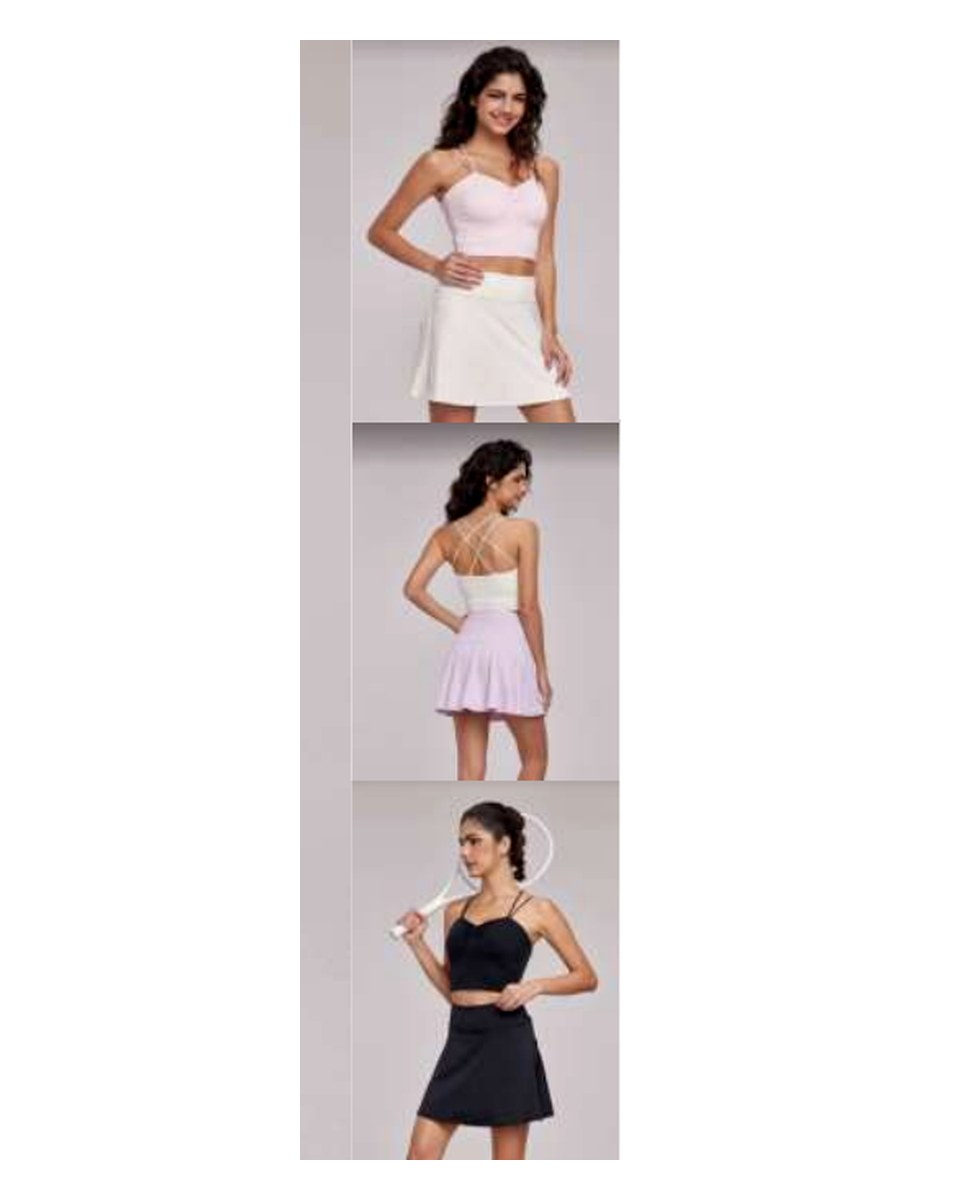
The image shows why the outer garment, inner layer, materials, construction, and next decision should stay connected. A physical sample can support a defined question, but the record needs to show whether the team approved a narrow point, requested a revision, or deferred another issue to later evidence.
What should be checked on the physical sample?
Check the specific relationships named in the brief. A buyer may ask the team to observe outer and inner lengths in the reviewed size, waistband and rise relationship, relevant openings, pocket access, seam or panel context, material and lining relationship, and the intended ordinary movement or activity question. The appropriate checks depend on the actual product and sample purpose.
Do not turn a fitting into an unsupported universal promise about coverage, comfort, support, performance, or every body. One sample can provide useful evidence for the stated garment version and conditions. It does not automatically approve every material, size, colourway, construction, component, use situation, or later production garment. Record what was observed and what decision is next rather than expanding one review into a broad claim.
The activewear sample types guide explains why development, fit, material and trim, decoration, size-set, packing, and pre-production samples serve different buyer decisions. A layered-garment sample may answer an outer/inner relationship while leaving grading, final materials, branding, labels, packing, or production release open.
How should the team record feedback after the fitting?
Record feedback against the exact sample. Include the style and version, reviewed size, colourway, outer and inner materials, named garment area, measurement or landmark, observed relationship, marked photo or evidence, requested action, owner, decision status, and next proof needed. A comment such as “make the inside short longer” becomes usable only when it identifies the current layer, sample, intended relationship, reason for review, and whether another physical sample is required.
Separate observations from solutions. An observation may identify a length, waistband, pocket, seam, panel, material, or movement relationship. The factory can then review whether the appropriate next action concerns a measurement, pattern, material, construction, component, or new sample. This is more reliable than asking a production team to reconcile scattered messages from different versions and sizes.
The activewear sample feedback guide provides a practical revision-record structure. The inner-short brief comes earlier in the process: it defines the product context and question that make later feedback comparable.
When can a layered-garment review move toward production planning?
Move to a later stage only when the required current decision has been recorded. A brand may approve a base-size outer/inner relationship for a stated purpose while still needing to review grade rules, another size, changed materials, a revised colourway, new construction, logo placement, labels, packing, or a pre-production reference. Keep the remaining work visible instead of using one broad “approved” label.
If the product, materials, construction, branding, and production instructions are converging, the activewear sample-to-bulk production guide explains how controlled records can support a production discussion. For inPACE projects, general planning commonly allows about 5–10 days for sampling and 25–50 days for production after relevant approvals and project conditions are confirmed. These are planning ranges, not fixed commitments. Product complexity, material availability, colourways, printing, embroidery, washing, labels, packing, quantities, and revisions can change the applicable route and timing.
What should a buyer prepare before requesting an inner-short sample?
Use this checklist before asking a factory to prepare or review a layered activewear sample:
- Identify the style code, garment category, current sample version, reviewed size, and intended product role.
- State whether the request is catalogue-informed or Factory custom manufacturing, and name the route reason.
- Identify the outer garment and inner-short role, including the relationship the sample must clarify.
- Name the relevant outer and inner lengths, waistband, rise, panel, seam, opening, pocket, or component questions.
- Describe the intended movement, use, access, or layering context for the named product decision.
- List the outer and inner materials, lining, elastic, binding, trim, construction, and component inputs that must be present.
- Mark each material, component, measurement, colourway, logo, and packing point as approved, proposed, substituted, or open.
- Attach the current reference image, sketch, tech-pack page, marked photograph, or physical sample that identifies the garment version.
- State the evidence the team needs: a length relationship, movement observation, pattern question, pocket review, component context, or next-sample decision.
- Keep the current layer question separate from later grading, decoration approval, labels, packing, and production-release decisions.
- Give each observation an owner, decision status, and dated next action.
- Ask the factory to identify any assumption that must be confirmed before the next sample or quotation discussion.
This checklist lets the factory respond to a real product decision without asking the buyer to accept a fixed commercial term, make an unsupported product claim, or treat a reference image as a full production specification.
How can inPACE Sports support a controlled inner-short review?
inPACE Sports can review a buyer's product reference, outer and inner-layer direction, current size and measurement information, material and component context, sample purpose, branding and packing points, quantity direction, and unresolved questions to discuss an appropriate Factory custom manufacturing route. Ningbo Yinshan Garments Factory can connect the applicable product-development, sampling, material and trim, sewing, QC, packing, and production discussions to the actual brief.
Use the product directions above to decide whether the current request can begin from an established silhouette or needs a deeper factory-custom route. When the buyer changes the outer/inner relationship, fit, material, component, construction, colour, feature, or sample plan, the factory should review the changed brief so the evidence and approval boundary match the actual product scope.
How should a buyer start an inner-short discussion?
Send the style reference, current sample version, reviewed size, outer and inner-layer questions, measurement references, material and component direction, marked evidence, sample purpose, open items, and the exact next decision. Share an activewear inner-short brief when the team needs a controlled layered-garment review rather than an untracked request for “built-in shorts.”
Product directions
Explore relevant activewear products
Use these product pages as practical references for your brief, then confirm materials, fit, customization, and production details through sampling.
Yoga Activewear Catalog
Use the catalog to compare skirt, short, legging, top, colour, and product-role directions before deciding which inner-short details need a physical sample.
View product directionA-Line Tennis Skirt
Use this skirt reference to name the outer layer, inner short, waistband, pocket, length, colour, logo, and sample questions in a controlled product brief.
View product directionCustom Activewear Development
Use the factory-custom route when an inner-short brief needs a changed fit, length, material, pocket, waistband, construction, colour, or sample plan.
View product directionFAQ
Buyer questions
What is an activewear inner-short brief?
It is a product-development record that defines the outer garment, inner layer, reviewed size, intended fit and movement context, materials, construction, pockets or components, sample purpose, evidence, approval boundary, and next decision. It helps a buyer and factory review one layered-garment question without treating one fitting as approval for every variation.
What should an inner-short brief include?
Include the style and version, reviewed size, outer and inner layers, intended fit, relevant movement, lengths and measurement references, materials, construction, pocket or component direction, marked evidence, owner, requested action, approval boundary, and what remains open.
Is an inner-short brief the same as a size chart?
No. A size chart records garment measurements or a size range. An inner-short brief defines the context for reviewing one physical layered sample. It states what the base-size piece is meant to prove before the team moves to grading or another controlled review.
Does one inner-short sample approve every size?
No. A sample can support a defined base-size decision, but it does not automatically approve the full range. Record whether another size, grade rule, material, colourway, component, construction change, branding detail, or packing point needs its own evidence.
What should be checked on a layered activewear sample?
Check the named outer and inner-layer relationships, such as lengths, waistband, rise, opening, pocket, seam, panel, material, lining, trim, component, and stated movement or use question. The appropriate checks depend on the actual product and sample purpose.
How should inner-short feedback be recorded?
Record feedback against the exact style, version, reviewed size, materials, garment area, observation, marked evidence, requested action, owner, decision status, and next proof needed. Separate the observed issue from the proposed manufacturing solution.
How long do activewear samples and production normally take?
For inPACE projects, general planning commonly allows about 5–10 days for sampling and about 25–50 days for production after relevant approvals and project conditions are confirmed. These are planning ranges, not fixed commitments; product complexity, materials, colours, processes, packing, quantities, and revisions can change timing.