Yoga Wear
Square-Neck Spaghetti-Strap Yoga Tank Manufacturer
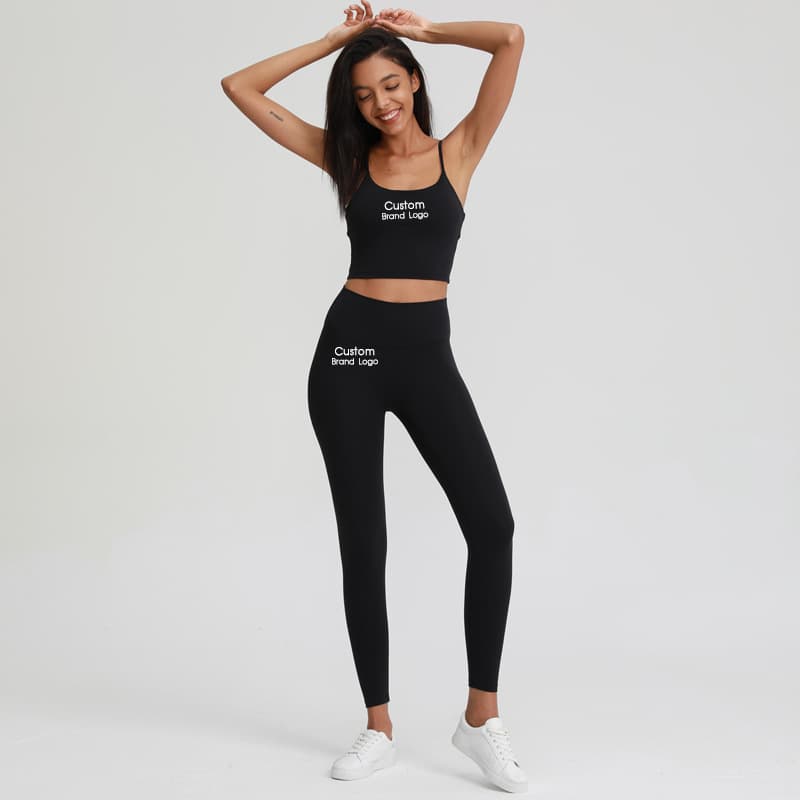
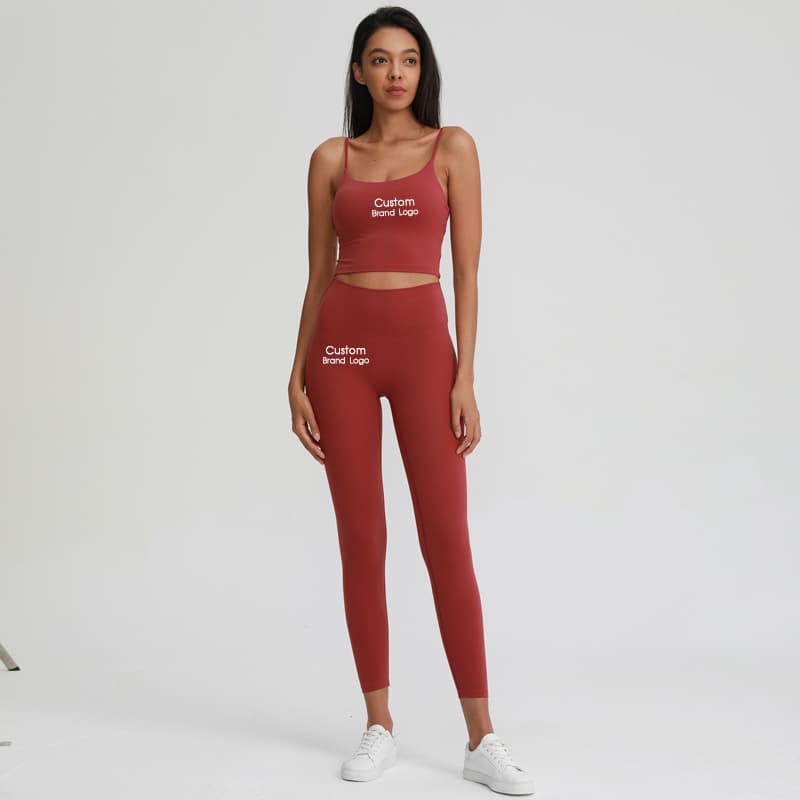
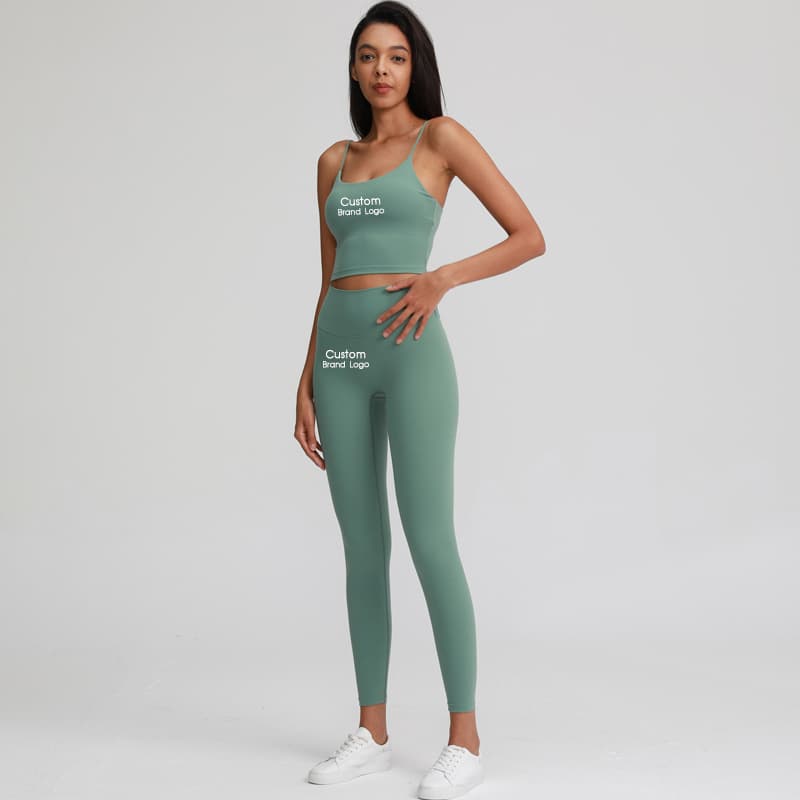
A square-neck spaghetti-strap yoga tank developed as a private-label reference for yoga, Pilates, workout, and everyday activewear collections. The cropped close-fit silhouette has narrow shoulder straps, a clean neckline, and a straightforward front logo area. Buyers can review fabric direction, coverage, body length, strap placement, color, size grading, labels, hangtags, and export packing before confirming a wholesale light-customization or custom activewear production route.
Product Features
Square-neck, narrow-strap tank silhouette with a clean cropped body direction.
Close-fit yoga and workout top reference designed to pair with high-rise leggings, shorts, or skirts.
Front chest area provides a clear starting point for buyer-selected logo placement.
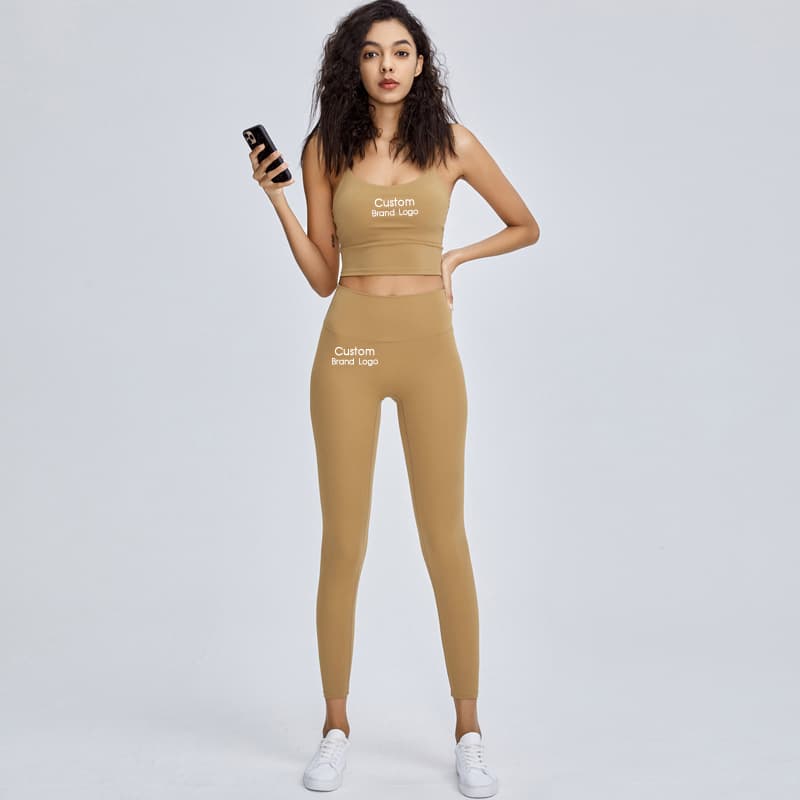
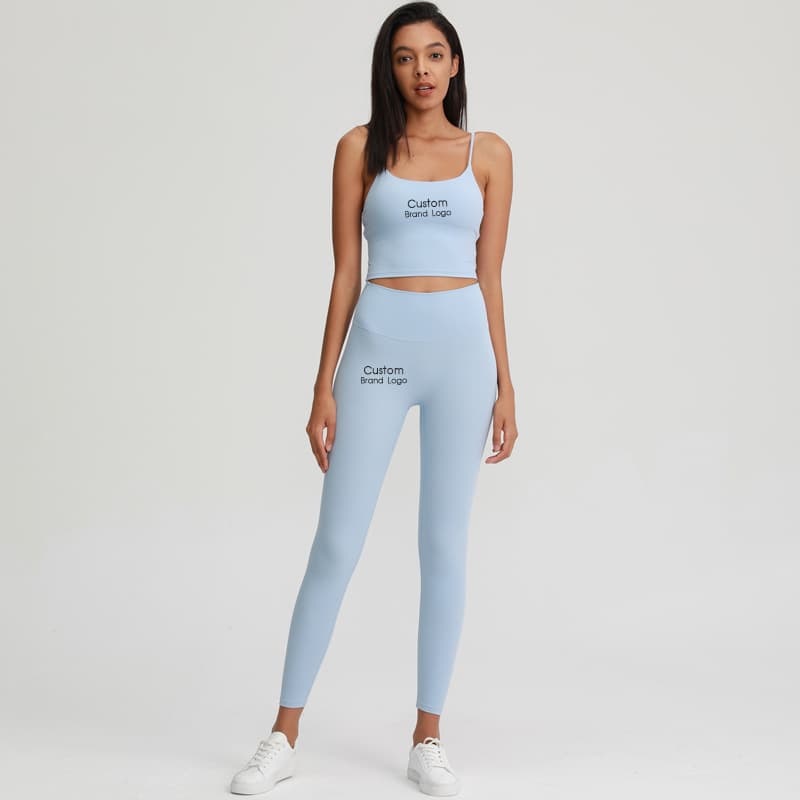
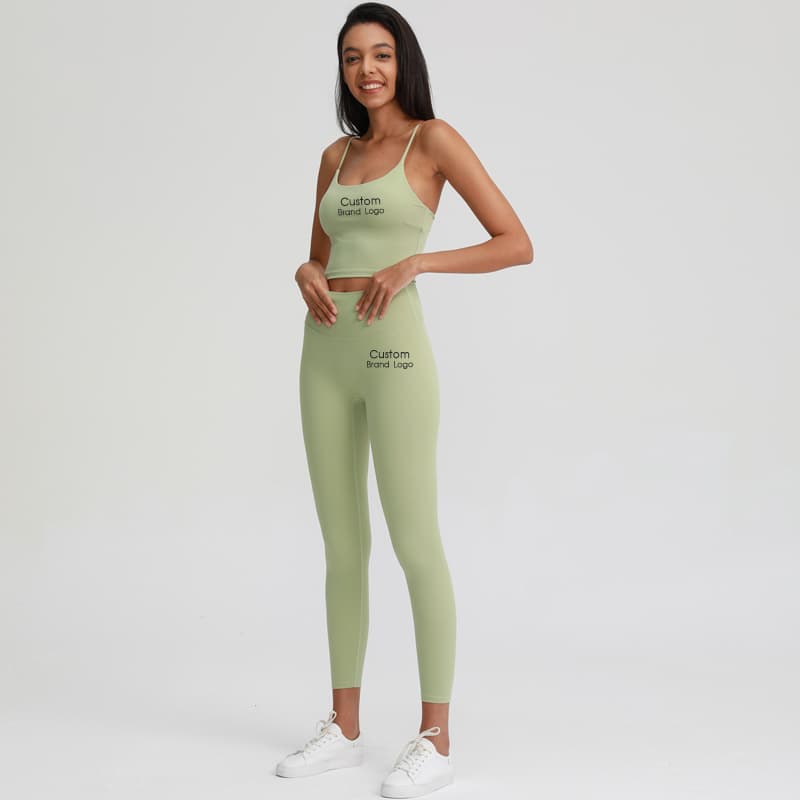
Multiple color references show one construction direction rather than separate products or stock commitments.
Fit, fabric, lining, coverage, and finish remain reviewable during sampling instead of being assumed from photography.
Use Scenarios
Yoga and Pilates studio collections
Light gym, mobility, and workout apparel capsules
Athleisure sets for boutiques and online activewear brands
Private-label launch ranges that need a straightforward core top
Seasonal color programs coordinated with leggings, shorts, or skirts
A core yoga tank is a buying decision, not only a neckline
This square-neck spaghetti-strap yoga tank is a product-development reference for brands that need a clean, adaptable top in a yoga wear, workout apparel, or activewear collection. From a consumer distance, the garment looks simple: a cropped body, narrow straps, and a square neckline. From a B2B buying perspective, those visible elements create several decisions. The buyer needs to decide whether the top is a studio layer, a light-workout top, a coordinated set component, or a fashion-led athleisure piece; each role changes the expected fit, fabric direction, coverage, color plan, branding route, and packing requirement.
The supplied visuals show one construction direction in several colors. They should not be read as a promise of ready inventory, a fixed composition, or a finished performance specification. Instead, use this page as a starting point for a private-label activewear brief. inPACE can help separate the elements that are visible and repeatable from the elements that need sample confirmation. That makes it easier for a brand, boutique, studio, wholesaler, or online seller to request an accurate quote from an activewear supplier or factory.
For a light-customization program, a buyer can start with the existing silhouette and review a logo, label, hangtag, size sticker, color direction, and presentation package. For a product that needs a revised neckline, different strap geometry, new body length, changed lining, a different fabric platform, or a new fit block, the work moves toward custom activewear development. The distinction is useful because it keeps the quotation scope honest.
What buyers should review before approving this style
The first question is not whether a square-neck tank is attractive in a photograph. It is whether the construction fits the brand's intended wearer and sales channel. A Pilates studio may want an easy, refined tank that can be paired with core leggings. A gym-oriented label may want a more technical fabric direction or a different internal construction. A boutique may prioritise color coordination and a clean neck label, while a marketplace seller may need barcode, folding, and carton information to be planned early. The same visual direction can therefore become different production briefs.
A buyer should record at least the following points before a sample or quotation is requested:
- Product role: Is the top sold on its own, paired with a matching bottom, or used as a layer within a broader yoga set?
- Fit intent: State the preferred body length, neckline depth, chest coverage, strap placement, and the size block used by the brand.
- Activity intent: Describe yoga, Pilates, mobility work, light gym use, travel, or lifestyle wear rather than assuming one performance level fits every use.
- Fabric direction: Specify the desired handfeel, surface, coverage, opacity direction, recovery expectation, climate, and price position.
- Brand presentation: Confirm logo location, artwork size, label system, care-label language, hangtag, barcode, and primary retail channel.
- Order plan: Share quantity by color and size, destination market, sample needs, target arrival window, and whether repeat ordering is expected.
This information also protects the buyer from an unhelpful comparison. Two activewear manufacturers can quote different scopes even when they are shown the same image. One may assume an available fabric and standard grading; another may allow a new color, revised pattern, upgraded label set, or different packaging. A clear brief makes the differences visible. The activewear supplier audit checklist is a practical companion when a team is comparing multiple supplier responses.
Fabric and performance direction: confirm rather than assume
Photography can show a close body fit and a smooth-looking surface, but it cannot confirm fibre content, GSM, opacity, recovery, lining, or the final feel after repeated wear and washing. For that reason, inPACE treats the fabric as a development choice. A buyer can bring a fabric reference, nominate an intended handfeel, or ask for options that suit the target collection. The final composition and weight should be confirmed through the selected material, sample review, and project quotation.
For a square-neck spaghetti-strap yoga tank, the useful questions are practical. Does the neckline remain at the intended position through movement? Does the strap extension suit the size range? Does the fabric recover after stretch? Is the coverage aligned with the brand's intended use? Is an internal layer, shelf construction, removable pad route, or no-pad route required? These are not universal features to claim from an image. They are sample-review checkpoints.
| Buyer decision | What to confirm with the supplier |
|---|---|
| Fabric surface | Smooth, matte, ribbed, brushed, or another buyer-selected active-knit direction |
| Coverage and weight | Selected GSM and construction after reviewing opacity, climate, drape, and target price |
| Stretch and recovery | Sample observations at the body, neckline, straps, seams, and hem |
| Internal construction | Whether lining, a shelf, cup pockets, pads, or no internal support are required |
| Color route | Stock-color reference or buyer color development, plus lab-dip review when needed |
This approach gives a brand room to develop a garment that is appropriate for its market without making unverified claims such as a fixed support level, sweat-proof performance, antibacterial treatment, UPF protection, or a specific composition. If a performance claim is commercially important, it should be attached to the approved material and test plan rather than to the catalog image.
Fit development, sampling, and size grading
A close-fit yoga tank needs more than a size label. Before bulk production, a buyer should identify which fit sample is being reviewed, which body measurements form the grading base, and which measurements are non-negotiable. For this style, those usually include body length, chest width, hem opening, neckline position, strap length, strap placement, and armhole shape. If the product will be sold with leggings or shorts, the buyer should also decide whether the cropped hem is intended to meet, overlap, or sit above the waistband.
The first sample is where visual preferences turn into measurable instructions. Comments such as “make it more supportive” or “make the straps better” are too vague for consistent production. More useful comments identify the desired change and the reason: raise the neckline by a stated amount, move the strap inward, add coverage at the side, lengthen the body, change the hem tension, or evaluate another material route. A size-set review should then check the same points across the requested range.
inPACE's sample-to-bulk production guide explains why sample approval, artwork approval, and size grading should be treated as separate controls. A correct-looking hero sample does not replace checks on the full size run, the final logo position, labels, or packing instructions.
Branding, packing, and wholesale presentation
The clean front panel makes this tank a practical product direction for private-label branding, but the logo method should be selected for the chosen fabric, artwork, size, color, and use. Heat transfer, silicone print, and other application methods need a project-specific discussion. The same applies to an inner brand label, care label, hangtag, size sticker, poly bag, barcode, folding instruction, and carton mark.
For a lower-complexity program, the buyer may select the existing product direction and add these identity details as a wholesale or light-customization project. This is particularly useful for early brand launches, studio merchandise, small seasonal capsules, and buyers testing a product family before developing an entirely new pattern. It is not a statement that every color or fabric is ready for immediate delivery; product, materials, branding, quantities, and timing still need review.
When the brief changes the garment itself, move into a custom production conversation. A revised neckline, changed strap route, custom fabric, new color matching requirement, different lining, or brand-specific grading can affect the sample and bulk plan. The wholesale versus custom activewear guide helps buyers choose the appropriate route before they compare quotes.
Send a buyer-ready RFQ
To request this square-neck spaghetti-strap yoga tank from inPACE, send reference images, intended use, target customer, quantity by color and size, desired fabric direction, size chart, logo files, label and packing needs, destination market, and target timeline. If you are unsure about the construction, mark the open questions rather than guessing. We can review whether the existing style direction suits a light-customization program or whether the project needs custom activewear development, a sample, fit comments, and a deeper factory production plan.
For a broader starting point, browse the Yoga Wear collection and combine this style with the relevant product references. The goal is not to force a generic tank into every collection; it is to create a clear, commercially usable product brief that the buyer, supplier, and factory can all review against the same requirements.
Specifications
- Product Type
- Square-neck spaghetti-strap yoga tank
- Fit Direction
- Close-fit cropped tank; final measurements are set against the buyer fit block
- Neckline and Straps
- Square-neck direction with narrow shoulder straps; width, position, elastic, and finish are sample-review items
- Size Range
- Buyer size chart or custom grading
- MOQ
- Discuss by fabric, color count, size ratio, logo method, labels, and order plan
- Branding
- Heat transfer, silicone print, inner label, care label, hangtag, and packaging options
- Packing
- Size sticker, fold method, individual poly bag, barcode, carton mark, and export packing options
Fabric Information
- Fabric Direction
- Buyer-selected stretch active knit; exact fibre content is confirmed before quotation and sampling
- Weight and Coverage
- GSM, opacity, lining route, and handfeel are selected for the intended activity, climate, and retail price direction
- Stretch Review
- Stretch, recovery, strap extension, seam behaviour, and neckline retention should be checked on the approved sample
- Color Development
- Buyer-selected color program with lab-dip and bulk color review where required
- Performance Claims
- Breathability, moisture management, support, and colorfastness claims depend on the approved material and test plan
Customization Options
Fabric construction, composition, GSM, handfeel, coverage, and stretch-recovery direction
Neckline depth, strap width, strap placement, body length, hem finish, and optional internal construction
Buyer colorway, logo method, logo size, logo placement, labels, care instructions, and hangtag
Buyer size chart, grading, fit sample, size-set review, and measurement tolerance discussion
Matching legging, short, skirt, or set-development direction for a coordinated activewear assortment
Barcode, folding, poly bag, carton mark, inspection standard, and export packing details