
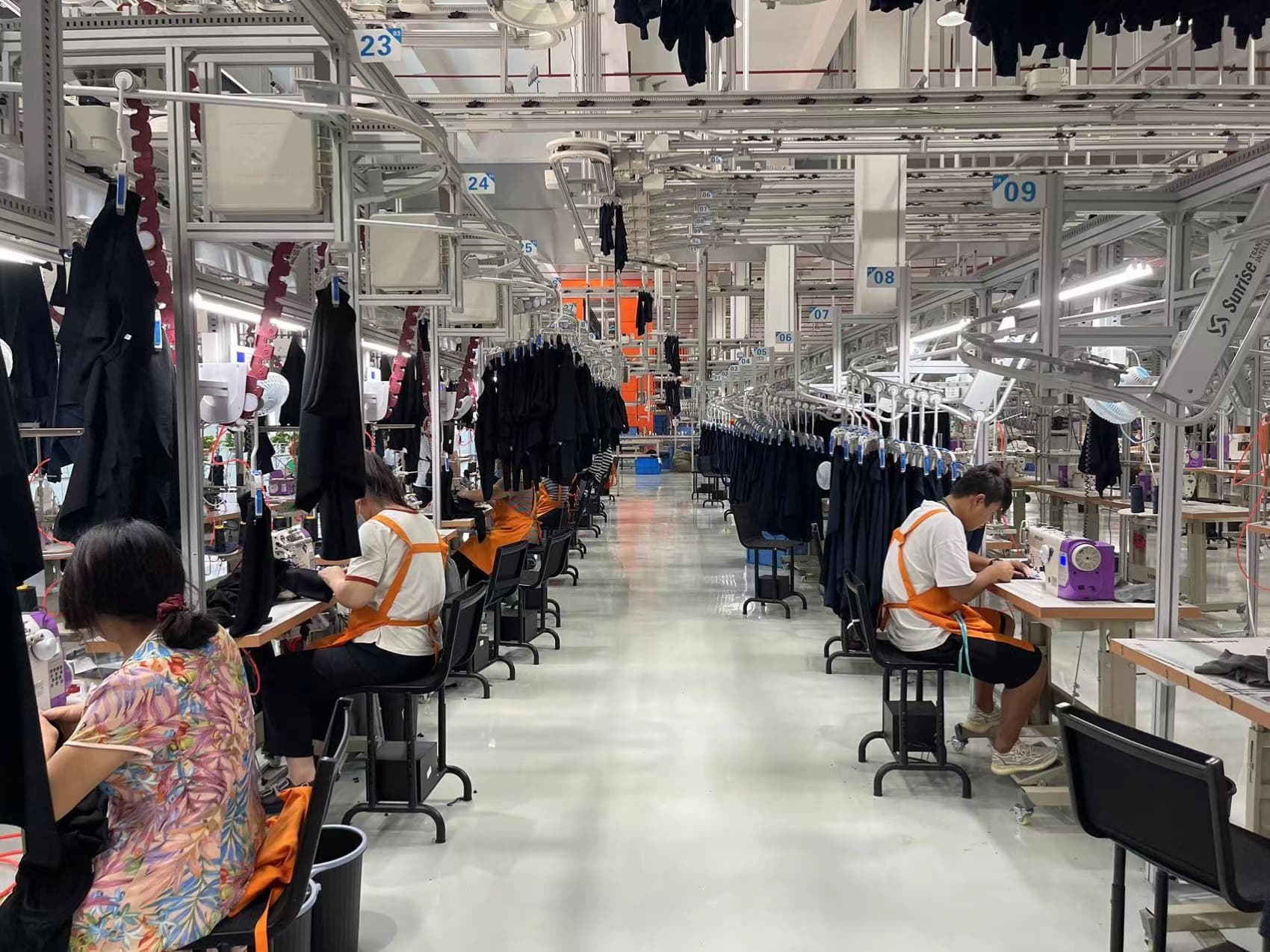
Start after the shortlist
What is an activewear supplier audit checklist actually meant to decide?
An activewear supplier audit checklist is a buyer-owned way to compare evidence after a factory shortlist exists. It should help a brand decide whether a supplier understands the proposed product, asks useful questions, can turn an incomplete brief into a controlled sample discussion, and keeps product, branding, quality, and packing decisions traceable. It is not a pass/fail certificate, a substitute for a project agreement, or proof that every future order will perform the same way.
The most useful audit starts with the buyer's intended product and channel. A studio capsule, retailer programme, online collection, club range, or wholesale assortment can require different product evidence, label records, packing information, and commercial assumptions. If the garment is still only a loose concept, the first decision is not whether a factory looks impressive. It is whether the supplier can identify what information is missing and explain the next review step without inventing certainty.
For a factory-custom activewear project, audit evidence should connect product scope to sampling, fabric and trims, construction, sample comments, production records, quality checks, and packing preparation. A supplier may be suitable for an existing catalogue direction with light branding yet not be the right route for a new fit, material combination, feature, or construction. Put that route boundary in writing before treating any factory discussion as an approval.
Keep the scope visible
Which activewear buyer decision should come before a factory visit, call, or quotation comparison?
Name what the collection must prove. That may be a legging's fit and waistband behaviour, a sports bra's support construction, a jogging short's pocket and lining relationship, a private-label logo on a selected style, or an approved packing system for a wholesale programme. A broad request for “high quality activewear” does not give either side a meaningful basis for comparison. A specific product question does.
Then state which facts are known and which remain open. Separate the reference product, target user, activity, intended fit, material direction, colours, size range, logos, labels, packaging, destination, estimated quantity direction, and timing context. The buyer does not need to resolve every question before contact. But unresolved items should remain unresolved in the written brief; they should not turn into silent assumptions because someone wants a quick factory ranking.
A useful starting point is the custom activewear route when the project needs a new fit, fabric, construction, colour, component, or sampling programme. The route gives a supplier enough context to respond to the real development question. For a product direction that already fits the brief, a catalogue-based wholesale discussion may be more appropriate. The audit should make that distinction explicit instead of judging both routes against the same vague checklist.
Review product evidence
How should buyers check whether a supplier understands the intended activewear product?
Ask the supplier to discuss the garment by its actual decisions: activity, target user, silhouette, support or coverage intent, panel layout, materials, stretch direction, components, seams, labels, logo placement, and desired packaging. A credible discussion does not require a supplier to promise that every choice is settled. It should make visible which input will affect feasibility, what needs a sample, and what can be handled through an existing product direction.
Catalogue images are useful starting references, but they are not evidence that the same garment, material, fit, or brand detail is available for every project. Mark what the buyer wants to keep and what must change. A changed waistband, new pocket, different lining, altered support, new fabric, special colour, or revised pattern can move the work from light customization into custom development. That is a useful discovery, not a failed audit result.
Compare the quality of questions as well as the breadth of answers. A supplier should need to know whether a bra is intended for a studio setting or a more demanding activity, whether a legging is worn alone or as part of a set, whether the logo sits on a high-stretch panel, and whether labels or packing introduce an additional identifier. If no one asks those questions, the buyer has not yet tested whether the proposed scope is understood.
Route boundary
When should a supplier audit lead into custom development?
Choose the custom activewear development route when the brief needs a new fit, fabric, construction, colour, feature, component, or sample-development plan. If the garment direction is already suitable, a wholesale branding route may be enough; the audit should record that conclusion instead of stretching either path to fit every request.
Evidence matrix
Which evidence belongs in an activewear supplier audit?
Use this table to compare the same project-relevant questions across every supplier. The record column matters because it turns a conversation into a decision that can be checked after a sample, quotation revision, or production handoff.
| Audit area | Buyer question | Useful evidence | Decision record |
|---|---|---|---|
| Product relevance | Can the supplier discuss the actual garment category, intended use, fit, materials, construction, and branding scope rather than only show an unrelated catalogue? | Named product references, a written brief response, questions about open technical decisions, and a clear boundary between an existing style and new development. | A product-scope note listing the reference, what can remain, what needs review, and which decision requires a sample or technical confirmation. |
| Sampling route | Does the supplier explain how a reference image, sample, sketch, or tech pack becomes a reviewable garment instead of treating a picture as a finished specification? | A documented sequence for feasibility review, material direction, sample comments, revisions, approval evidence, and the next production decision. | A sample log that identifies version, date, materials, size, observations, requested changes, owner, and whether the question is closed. |
| Fabric and trims | Can the supplier connect the chosen material and components to stretch, handfeel, opacity, recovery, construction, logo method, and intended product use? | Material references, component notes, a stated review of compatibility, and sample evidence where the exact material relationship matters. | A material-and-trim register with source reference, colour or finish direction, sample status, open questions, and release authority. |
| Workmanship and QC | How will approved product details be communicated into production and checked before packing without treating a generic quality promise as proof? | A discussion of the approved reference, measurement points, construction, logo, labels, packing instructions, observations, and corrective-action record. | A project-specific checkpoint list that names what is checked, against which approved reference, by whom, and how exceptions are recorded. |
| Private-label details | Are logo artwork, placement, labels, hangtags, barcode data, bags, carton marks, and destination requirements handled as linked product records? | Questions about files, placement, identifiers, packaging, and the way those details will be reviewed on the relevant sample or order documentation. | One version-controlled branding and packing file tied to the same product, colour, size, and quantity identifiers used by the project. |
| Quotation assumptions | Does the supplier distinguish confirmed scope from assumptions when discussing feasibility, quantities, sampling, materials, logo work, packing, and delivery-market needs? | A written response that asks for missing inputs and identifies variables rather than offering unsupported fixed MOQ, price, timing, or capacity claims. | A comparison sheet that notes the product route, included scope, exclusions, open decisions, version date, and the owner of each assumption. |
| Communication control | Can both sides identify the latest brief, sample comments, drawings, artwork, decisions, and the person authorised to resolve an open point? | Clear follow-up questions, written confirmation of decisions, and a practical method for naming current files and replacing superseded versions. | A decision log with version, date, owner, source file, status, and the next evidence needed before the project moves forward. |
| Packing and delivery preparation | Has the buyer explained the destination, receiving context, identifiers, labels, packing direction, carton-mark needs, and information that must travel with the order? | A supplier review of the current packing instructions after product, branding, quantity, and receiving assumptions are visible for the project. | A released packing record that separates approved instructions from warehouse, shipping, or destination information still awaiting confirmation. |
Use samples as evidence
What should the sampling portion of a supplier audit show?
A sample process should show how the project moves from direction to evidence. The buyer may start with a physical sample, sketch, reference image, or tech pack. The supplier should then review the product scope, identify what must be clarified, discuss materials and components, make a sample plan appropriate to the uncertainty, and record comments against a named version. A reference image can begin a conversation, but it is not a production-ready specification on its own.
Ask how feedback will be captured. Useful sample comments identify the garment, size, version, location, current observation, requested outcome, source reference, owner, and whether another physical review is needed. A vague instruction such as “make it better” cannot be audited later. It also creates risk when the project changes hands between design, buying, sampling, production, quality, and packing teams.
The sample should be reviewed for the decisions it is supposed to prove. For a close-fitting stretch garment, that may include fit, coverage, component relationship, seam placement, recovery, logo application, and inside appearance. For a private-label programme based on an existing style, the focus may be branding, identifiers, labels, packing, and the way the selected product direction is recorded. Do not demand one universal sample standard for every activewear project.
Inspect a connected process
How should materials, workmanship, QC, and packing be reviewed without making unsupported claims?
An audit can ask how a supplier plans to keep the approved product reference connected to later decisions. It should not pretend that a factory tour, a photo, or a single generic answer proves every future outcome. Ask instead how the material reference, colour direction, components, pattern or construction notes, logo files, labels, sample comments, packing instructions, and buyer approvals will be identified for the active project.
For activewear, the relevant quality questions usually begin before the final check. Buyers can ask how the approved sample is communicated, how measurement and workmanship attention points are recorded, how logo and label instructions travel with the product information, and how observed exceptions are handled. The appropriate checkpoints depend on the garment and contract terms. A supplier should be able to discuss the record and the decision owner without asserting unverified testing, certification, compliance, or performance results.
Packing deserves the same discipline. The factory needs a current link between product, colour, size, branding, labels, bagging, cartons, and destination or receiving information. Those records help a buyer compare process readiness, but they do not replace confirmation of a project's specific commercial or shipping terms. Treat every audit answer as a prompt to request the relevant project evidence, not a reason to infer a guarantee.

Make comparisons fair
How can a supplier scorecard avoid a price-only or appearance-only decision?
A simple scorecard is useful when it compares the same evidence categories across every shortlisted supplier. Start with product fit, sampling clarity, materials and trims, quality and packing records, branding capability, communication, assumptions, and next actions. Then note what evidence was reviewed, what it means for the current brief, and which item remains open. A numerical score can organise the conversation, but a higher number is not proof that a supplier is automatically right for every collection.
Keep quotations tied to a common written scope. If one supplier is responding to an existing product with logo, labels, and packing while another is considering a new pattern, custom material, different sample route, or additional construction work, the two responses are not interchangeable. Ask both suppliers to identify their route, included assumptions, open questions, and the information needed before project-specific terms can be confirmed.
The purpose is not to force the lowest headline figure or fastest-looking answer. It is to reveal where a buyer is comparing different products, different material assumptions, different development routes, or different packing needs as if they were the same project. A supplier that records uncertainty clearly gives the buyer a more auditable basis for a later decision than one that conceals it behind a blanket promise.
Use the right route
When does an audit lead to wholesale branding, small-batch testing, or factory-custom development?
A wholesale / light-customization route can fit when the buyer selects an existing product direction and needs project-specific logo, trademark, labels, hangtags, packaging, and order preparation. The audit should confirm that the chosen product and brand details are understandable for the current project. It should not imply single-piece retail sales, dropshipping, ready inventory, or a fixed order term.
A small-batch custom discussion can be relevant when a brand wants to test a new product, material, fit, or market position before committing to a broader programme. The buyer should state the question the test is intended to answer, the evidence needed from sampling, the product and material decisions still open, and how later review will be documented. Quantities, feasibility, cost, and timing remain project-specific discussions.
Factory-custom manufacturing is the appropriate path when the buyer needs a new pattern, fabric, construction, colour, functional feature, or product system. In that case, an audit should focus on how a supplier reads the product brief, plans samples, documents materials and components, records approvals, and connects the approved reference to production, QC, and packing. The route helps both sides decide what evidence is needed next; it does not replace it.
Turn findings into action
What should a buyer do after completing an activewear supplier audit checklist?
Create one decision log for the shortlist. For each supplier, state the source of evidence, the product route considered, the questions answered, documents reviewed, unresolved risks, missing information, and the next action. Keep the record factual. “Asked a useful question about the underband material” is auditable; “best supplier” is not. The log is especially valuable when team members compare factories at different times or revisit a decision after sample feedback.
Then choose the smallest next commitment that answers the critical open question. That may be a clearer product brief, a fabric and trim review, an existing style selection, a sample discussion, a revised packing instruction, or a like-for-like quotation comparison. Moving to the next step does not mean the supplier has been universally approved. It means the buyer has enough evidence to review the next project decision deliberately.
At inPACE Sports, a factory-custom project can begin with a product brief that identifies the reference, target use, intended fit, fabric and construction direction, branding, packing, quantity direction, destination, and open questions. The team can then discuss the appropriate product, sample, material, and production route. Final commercial, technical, quality, and delivery decisions should be confirmed for the specific project rather than assumed from a general guide.
A practical next step
Build a supplier-audit brief around the product decision.
Send the product reference, target use, fit and material direction, construction priorities, branding and packing needs, quantity direction, destination, evidence already reviewed, and open questions. That gives the factory a basis to discuss a project-specific custom activewear route.
Share a supplier-audit and custom product briefBuyer preparation
What should a brand prepare before comparing activewear suppliers?
This checklist keeps the audit focused on evidence a supplier can respond to. It also makes clear which questions still belong to the buyer, a sample review, or a later project confirmation.
- Write one sentence that states the product, buyer, channel, and sourcing decision the audit must support.
- List every existing product reference, sample, sketch, tech pack, image, or material note used in the discussion.
- Mark each requirement as confirmed, proposed, sample-needed, supplier-question, or buyer-owned open decision.
- Separate catalogue-based light customization from a request for new fit, fabric, construction, colour, feature, or pattern work.
- Identify the target user, activity, fit intention, support or coverage priorities, and product use context.
- Ask which material and trim questions affect stretch, handfeel, opacity, recovery, logo application, construction, or sample review.
- Record the exact product, material, component, and sample version discussed in every response.
- Ask how supplier and buyer comments are linked to a location, requested outcome, owner, and next sample version.
- Check how measurement, construction, logo, labels, and packing references would reach the current production record.
- Keep product approval, sample evidence, quality observations, and commercial assumptions in distinct but linked records.
- Provide label, hangtag, barcode, bagging, carton-mark, destination, and receiving information that is already known.
- Do not treat a factory photo, catalogue image, or generic quality statement as evidence for an unreviewed product decision.
- Compare quotations only after every supplier has the same current brief and a place to record exclusions or assumptions.
- Ask the supplier to identify what affects feasibility, MOQ, sampling, cost direction, timing, and packing rather than accept fixed claims without scope.
- Note the supplier's questions as evidence: useful questions often reveal whether the brief has been understood.
- Assign a buyer owner for each open decision and identify what evidence would close it.
- Keep a dated current version of the brief, scorecard, sample log, and decision record; retain superseded versions separately.
- Select the next action that reduces the highest product or process uncertainty before moving to a larger commitment.
Product and service directions
Which inPACE pages help turn audit findings into a sourcing brief?

Product reference
Activewear Performance Collection
Use an existing product collection to clarify the category, silhouette, product role, and details that can stay catalogue-based before judging whether the brief needs new development.
Review this direction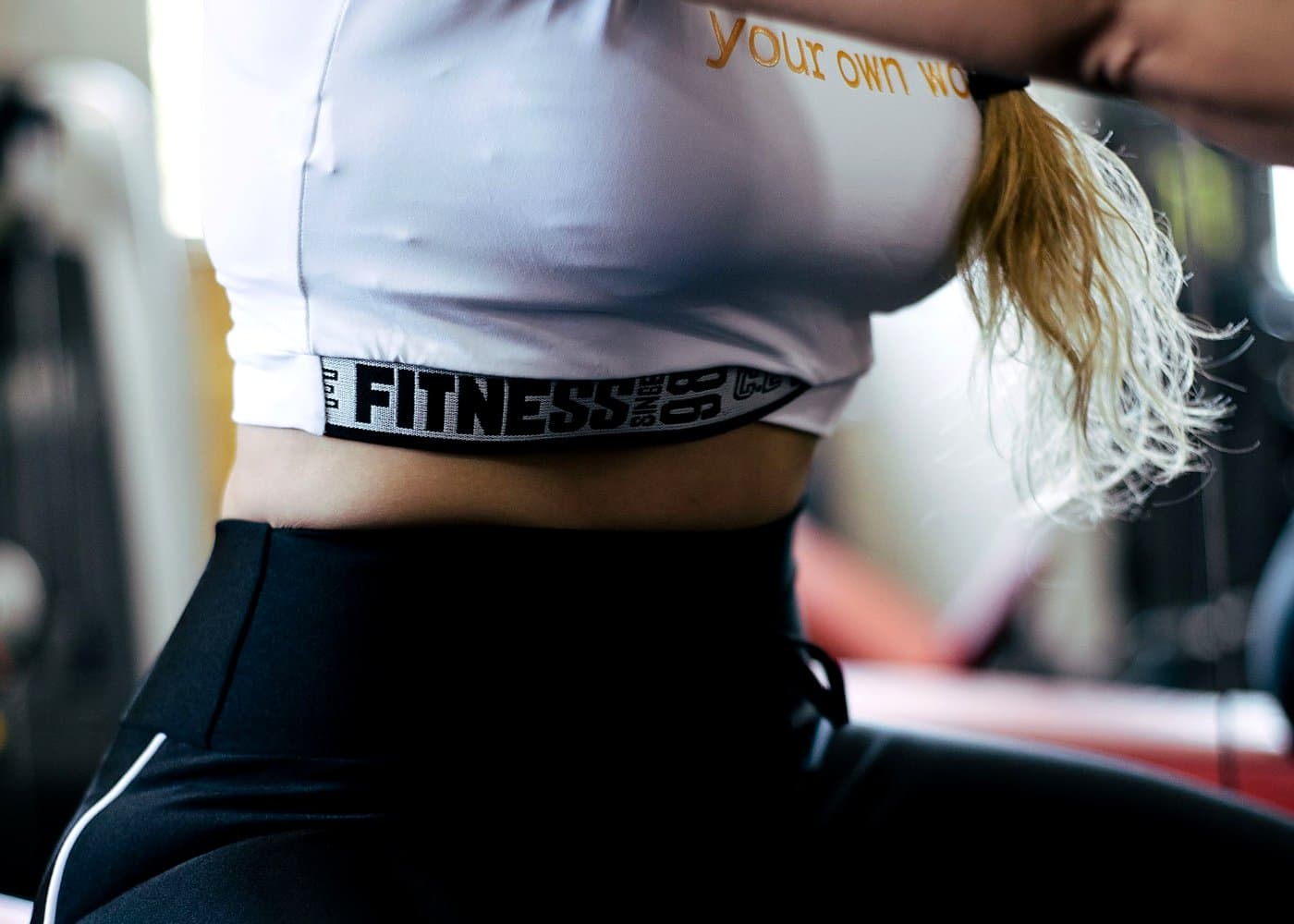
Sample-discussion reference
Performance Training Set
A fitted product direction helps buyers ask precise supplier-audit questions about panels, stretch, fit, logo placement, component choices, and the evidence required from a sample.
Review this direction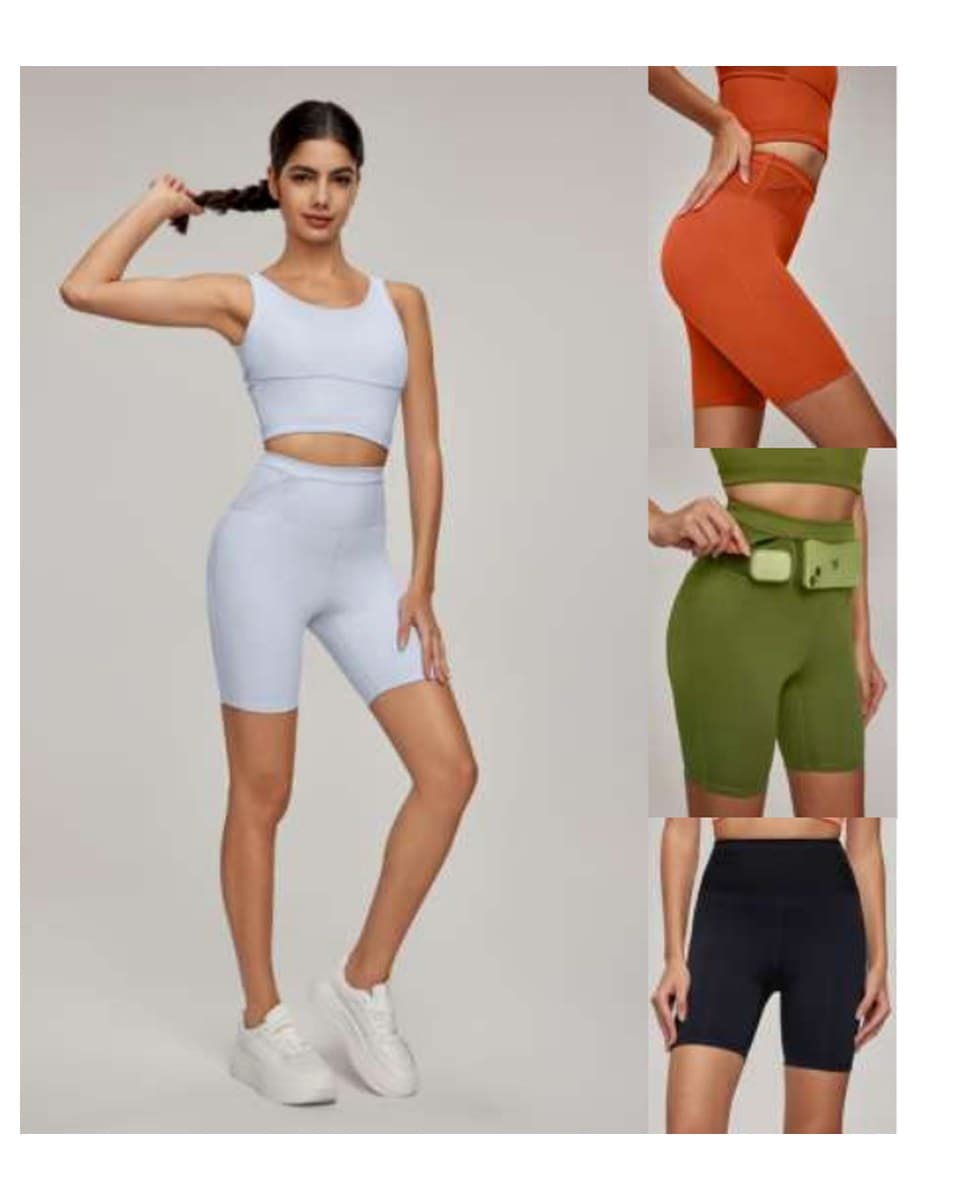
Factory-custom route
Custom Activewear Manufacturing
Use the custom route when the audit reveals a need for a new fit, material, construction, colour, feature, component, or sample-development plan beyond an existing product direction.
Review this directionFrequently asked questions
Activewear supplier audit checklist FAQ
What is an activewear supplier audit checklist?
An activewear supplier audit checklist is a buyer tool for comparing evidence from shortlisted suppliers before choosing the next sourcing step. It can cover product relevance, sampling, materials, workmanship, QC records, branding, packing, communication, and quotation assumptions. It should document what is known and open for one project; it is not a universal factory certification or performance guarantee.
What evidence should a brand ask an activewear supplier to provide?
Ask for evidence relevant to the current brief: product references, questions about scope, material and trim discussion, sample and revision records, workmanship or QC checkpoints, branding and packing documentation, and written assumptions. The appropriate evidence depends on whether the project uses an existing product direction or requires factory-custom development. A buyer should record the source, version, and unresolved question beside each item.
Does a factory audit prove product quality?
No. A factory audit can help a buyer review process evidence and identify questions to test, but it does not prove the outcome of every future product or order. Product quality depends on the specific brief, materials, construction, sample approvals, production records, agreed checkpoints, packing instructions, and project execution. Buyers should not replace product-specific evidence with a generic audit conclusion.
How should buyers compare activewear supplier quotations?
Compare quotations only after each supplier receives the same current written brief. Review the product route, materials, colours, sample scope, construction, logo and label work, packing, quantity direction, destination information, included assumptions, and open decisions. If suppliers are pricing different scopes, their headline figures are not directly comparable. Ask each supplier to state uncertainties rather than infer missing terms.
What should be included in an activewear supplier scorecard?
A supplier scorecard can include product relevance, sampling clarity, material and trim review, workmanship and QC records, branding and packing readiness, communication, quotation assumptions, and next actions. For each category, note the evidence reviewed, the project-specific implication, the remaining question, the decision owner, and the next document or sample needed. Use scores only as a summary of evidence, not as a substitute for judgment.
When should a buyer move from a catalogue style to custom activewear manufacturing?
Move to factory-custom manufacturing when the brief requires a new fit, fabric, pattern, construction, colour, feature, component, or sample-development plan beyond an existing product direction. Catalogue-based wholesale branding can remain appropriate when the garment direction is already suitable and the project mainly adds logo, labels, hangtags, packaging, and order preparation. The supplier should review the exact scope before confirming project terms.
Can inPACE Sports review an activewear supplier-audit brief?
inPACE Sports can discuss a factory-custom activewear product brief that identifies the product reference, intended use, fit, material and construction direction, branding, packing, quantity direction, destination, and open questions. The discussion can help determine the appropriate product, sample, material, and production route. Project-specific feasibility, commercial terms, quality requirements, and delivery preparation must be reviewed and confirmed for the actual scope.