Sports Bras & Leggings
Scoop-Neck Criss-Cross Back Yoga Bra Manufacturer
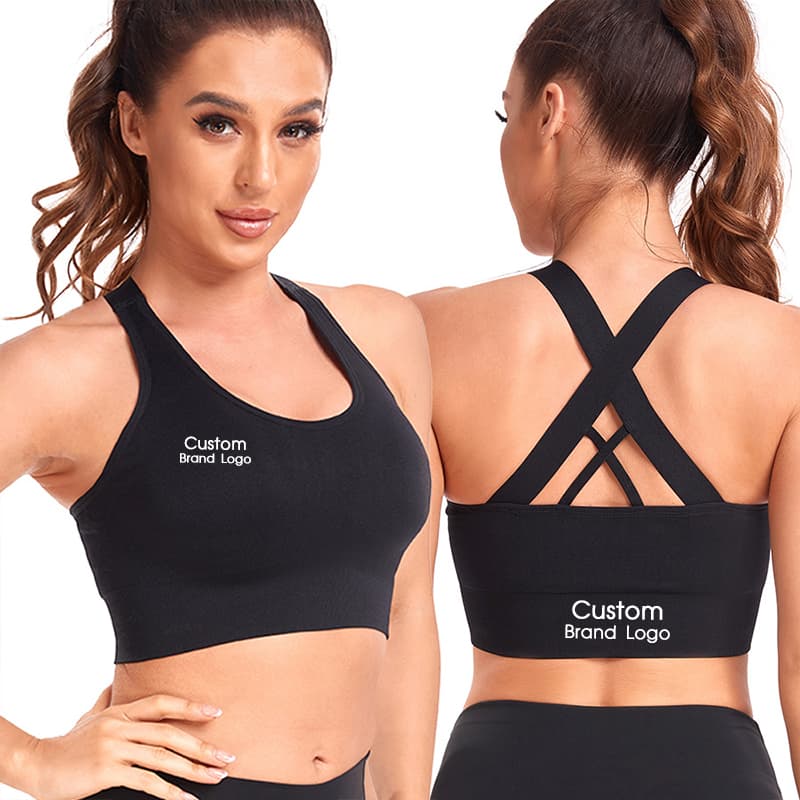
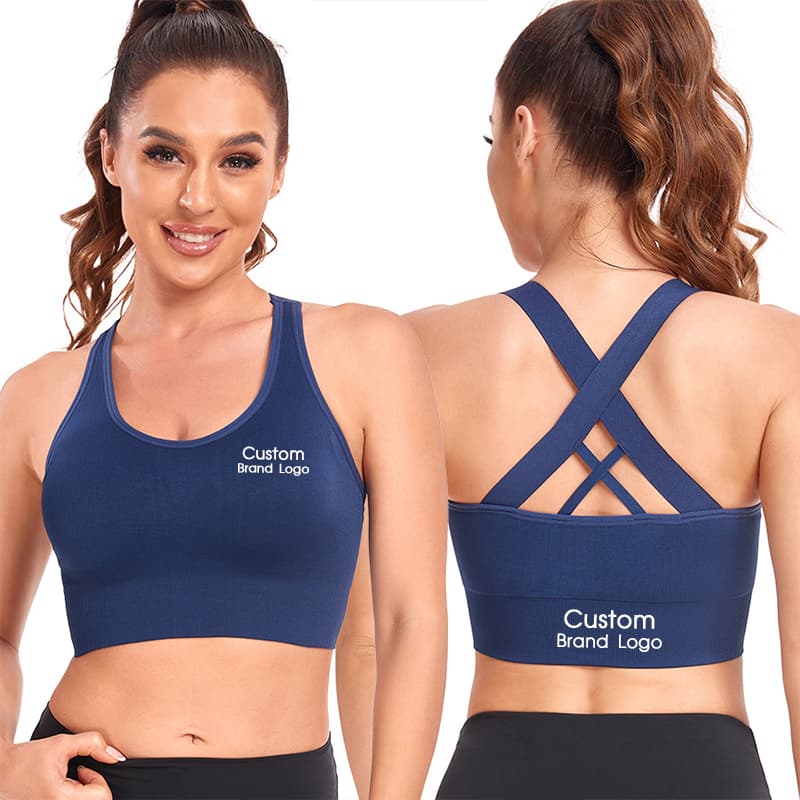
A scoop-neck criss-cross back yoga bra for private-label yoga, Pilates, workout, gym wear, and coordinated activewear collections. The reference combines a clean scoop front, cropped bra-top body, wide lower band, and layered crossed back straps. Brands can work with an activewear manufacturer on fabric direction, lining, fit, strap layout, logo application, size grading, labels, sample approval, quality control, and export packing before bulk production.
Product Features
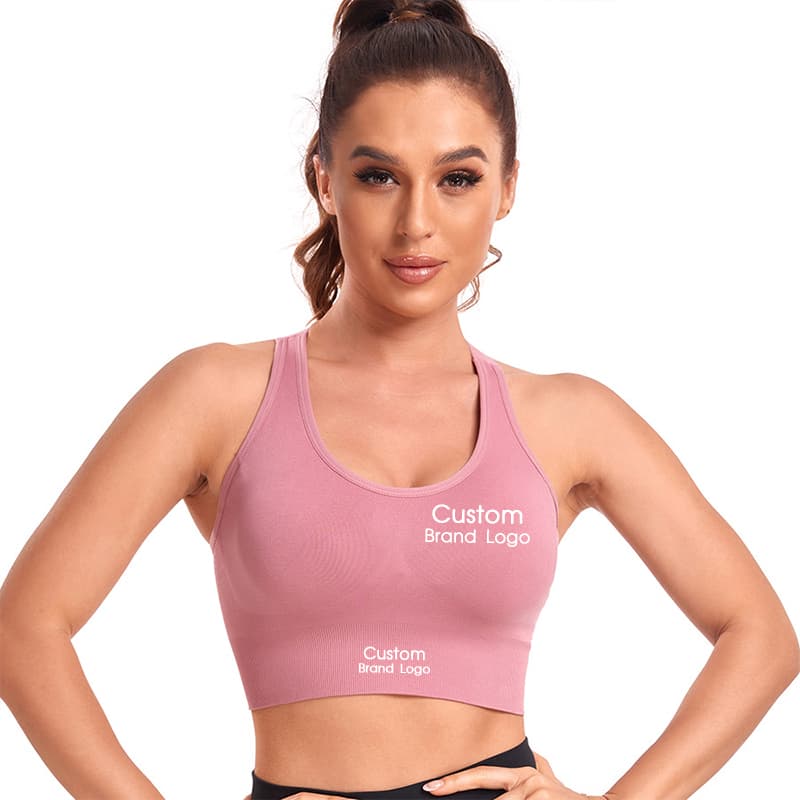
Rounded scoop-front neckline with a clean cropped bra-top proportion.
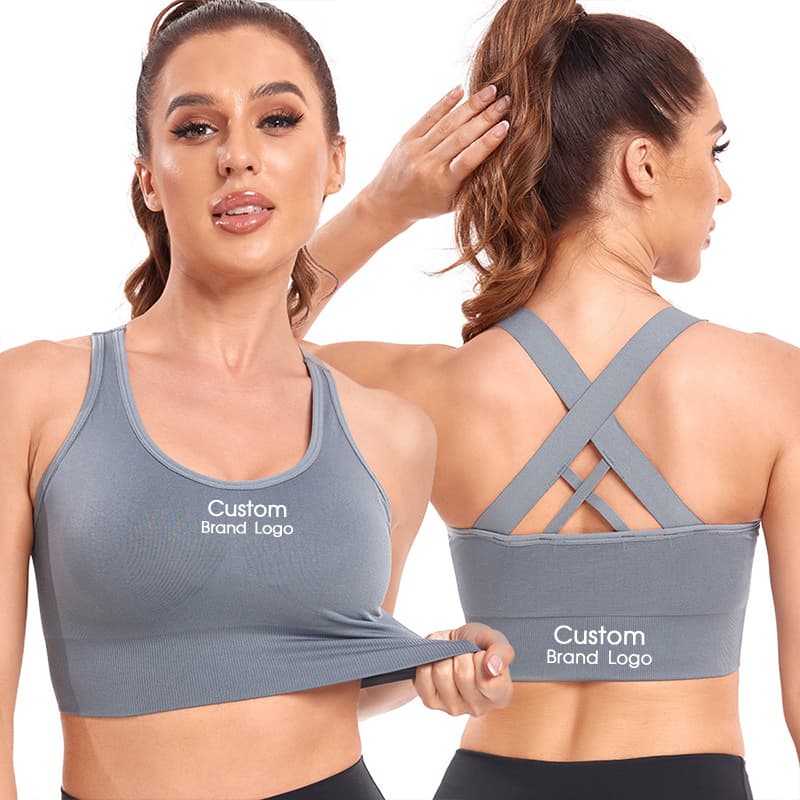
Layered criss-cross back strap construction that differentiates the style from a simple racerback.
Wide lower band direction for buyer review with the selected fabric, lining, elastic, and fit block.
Front and back logo zones can be assessed after artwork, fabric, and placement requirements are confirmed.
Strap tension, lining, pad route, coverage, and support direction remain sample-confirmed decisions.
Use Scenarios
Yoga and Pilates studio collections
Gym wear and light-to-moderate workout apparel capsules
Coordinated sports-bra and legging sets for activewear boutiques
Private-label online activewear launches and seasonal color programs
Studio merchandise and repeat-order core-color assortments
A back-strap design is a product-development decision
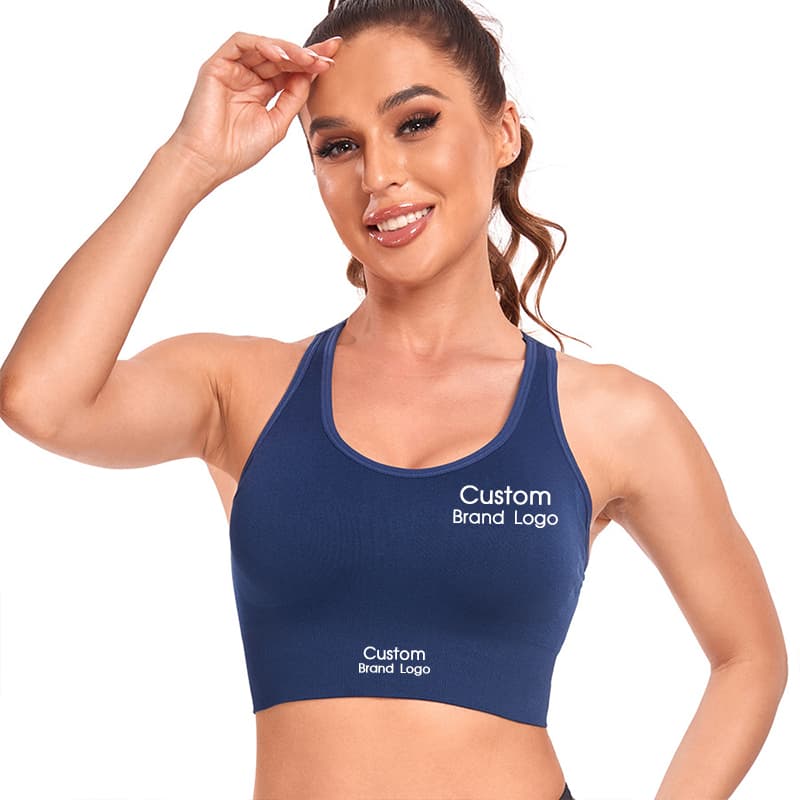
A scoop-neck criss-cross back yoga bra gives a private-label activewear collection a clear front-to-back identity. The reference shown here has a rounded scoop neckline, a cropped close-fit body, a wide lower-band direction, and layered straps across the back. That visual combination can suit a yoga, Pilates, workout, gym wear, or athleisure assortment. For a B2B buyer, however, the design is more than a consumer-facing look. The neckline, lower band, strap layout, fabric, lining, color, logo placement, size range, and packing route all need to work as one production brief.
This page is a sourcing reference for a brand, studio, retailer, wholesaler, or ecommerce team that wants to discuss the style with a yoga bra manufacturer or activewear supplier. The photographs show a construction direction and color presentation. They do not establish a fixed fibre composition, GSM, support rating, test result, ready-stock position, MOQ, price, or delivery date. Those decisions should be set through the selected material, product brief, physical sample, and confirmed production plan.
The product can begin as a lighter-customization discussion when the buyer accepts the existing construction direction and mainly needs logo application, labels, hangtags, packaging, and a selected color or size plan. It becomes a custom activewear development when the buyer changes the neckline, lower band, strap geometry, lining, cup route, fabric platform, fit block, or grading. Defining that boundary early helps a manufacturer quote the real work instead of treating a visible image as a complete production specification.
What should a buyer decide before requesting a quote?
The clearest first inquiry gives every visible element a business purpose. A studio may use this yoga bra as a coordinated core top beside high-rise leggings. A boutique might use it as a fashion-led color story with a matching short. An online activewear brand may need product photography, a barcode, a folded-pack format, and a scalable size plan. These are different commercial uses, so they should not be reduced to one generic request for a sports bra.
Before asking a supplier for a quotation, identify the following:
- Product role: Is it a studio core, a coordinated-set top, a seasonal feature, or a lightweight workout layer?
- Target use: Name yoga, Pilates, mobility, gym work, lifestyle wear, or another intended context. This gives the sample a specific purpose without claiming one universal support level.
- Fit direction: State the desired neckline depth, chest coverage, lower-band position, body length, back coverage, and intended base size.
- Back-strap priority: Mark whether the upper crossed straps, secondary strap detail, and open-back proportion must remain unchanged or may be adjusted for fit and manufacturing feasibility.
- Material direction: Describe the desired handfeel, surface, stretch, recovery, coverage question, climate, price position, and whether lining or a cup route is required.
- Brand presentation: Provide logo artwork, intended placement, labels, care-information owner, hangtag, barcode, pack method, destination market, and expected quantity by color and size.
This level of detail makes supplier comparisons more reliable. Two activewear factories may respond differently to the same product photo because one assumes an existing fabric and standard grading while another assumes a new material, a revised strap map, a pad pocket, or a retail-ready packaging set. The activewear supplier audit checklist can help a buyer record those assumptions before comparing a headline number.
Fabric, lining, and performance must be verified on a sample
A close-fitting yoga bra needs fabric and internal-construction decisions that photography cannot prove. An image can suggest a smooth stretch surface, but it cannot confirm fibre content, weight, opacity, rebound, seam comfort, colorfastness, lining, pad behavior, or the relationship between stretch and the back straps. For that reason, the first conversation should describe the desired result as a development question.
A brand may ask for a matte active-knit direction, a softer handfeel, a firmer lower-band feel, a greater coverage direction, a warmer or lighter fabric option, or a selected retail price position. The supplier can then propose material routes for review. A fabric swatch can help compare surface and handfeel, but the relevant evidence is a sewn sample that shows how the fabric behaves at the scoop neckline, lower band, armhole, straps, and back intersections.
| Area | Buyer and manufacturer should confirm |
|---|---|
| Main fabric | Selected composition, GSM, handfeel, color, coverage, stretch, recovery, and price direction |
| Lining or cup route | Whether the style needs lining, a shelf, cup pockets, removable pads, fixed pads, or no pad construction |
| Lower band | Band height, elastic route, seam placement, recovery, and comfort at the body |
| Back straps | Width, layer order, crossing location, extension, tension, and finish across the requested size range |
| Product claims | Any support, moisture-management, breathability, colorfastness, or durability wording only after the approved material and test plan support it |
Avoid turning a picture into a performance guarantee. The style should not be described as high support, squat-proof, sweat-proof, antimicrobial, UV protective, or made from a stated percentage unless the selected specification and relevant evidence support that claim. A B2B product page is more useful when it helps a buyer define what needs to be checked.
Fit, strap geometry, and size grading
The most important fit discussion is the relationship between the front and back. Moving a strap changes the neckline, armhole, chest coverage, and lower-band balance. Changing the strap width or elastic can change how the top sits after movement. A buyer should therefore review the bra as a system rather than approving the scoop front and the crossed back separately.
For the sample, record the base size, buyer fit block, chest width, underbust or lower-band dimension, body length, neckline position, armhole shape, upper strap length, crossing location, secondary strap placement, and expected back coverage. When a fit comment is needed, make it measurable: raise the neckline, move the crossing point, lengthen the body, change the band height, adjust strap tension, or assess a different material route. Broad requests such as make it more supportive are not a repeatable factory instruction.
A size-set review is especially useful for a multi-strap construction. The visual spacing of the straps and their relationship to the lower band can shift across a size range. The activewear sample-to-bulk production guide shows how a brand can keep sample, measurement, artwork, and packing approvals connected rather than treating one fit sample as approval for every later decision.
Wholesale light customization or factory-custom development?
If the current silhouette, strap arrangement, and main construction are acceptable, a brand may use the style as a wholesale or light-customization starting point. The commercial focus can be a selected logo method, label set, hangtag, color direction, size plan, barcode, and packaging. This is useful for studio merchandise, early activewear launches, boutique programs, and buyers who need to test a core product direction before changing the pattern.
If the buyer needs a different fabric, more or less coverage, a changed neckline, new back-strap geometry, another lower-band route, altered lining, a unique pad system, or custom grading, the project should move through custom development and sampling. The wholesale versus custom activewear guide explains why these two routes should not be quoted as though they involve the same work.
inPACE can help organise the brief, material and trim discussion, sample feedback, logo and label route, QC attention points, and export-packing information. The actual production plan is confirmed against the selected garment, fabrics, components, artwork, colors, quantity direction, and approvals. That process supports a buyer who needs a supplier conversation that connects design decisions to factory execution.
Branding, QC, packing, and a useful RFQ
The scoop front and lower band provide natural areas to discuss buyer-selected branding, but the correct application depends on the chosen fabric, artwork, color, size, and intended use. Logo position should be shown on the sample or controlled artwork, not inferred from a marketing mockup. The same care applies to neck labels, care labels, hangtags, size stickers, poly bags, barcodes, folding direction, and carton marks.
Before bulk production, a buyer can identify QC checkpoints such as approved color, logo placement, neckline and strap dimensions, stitching at strap intersections, lower-band finish, size labeling, and packing presentation. These are production review points, not claims that every garment has the same outcome before the approved specification exists.
Send inPACE a buyer-ready RFQ with the current reference images, intended user and channel, open fit and strap questions, fabric and lining direction, size chart, color plan, logo files, labels, packing instructions, destination, and quantity by color and size. Use the custom activewear route when the style needs deeper changes, or browse the Sports Bras and Leggings collection for adjacent development references. A well-scoped inquiry gives the buyer, supplier, and factory one clear product record to review from sample through production.
Specifications
- Product Type
- Scoop-neck criss-cross back yoga bra
- Fit Direction
- Close-fit cropped bra-top body with scoop neckline, wide lower band, and layered back straps
- Back Construction
- Crossed upper straps with a secondary lower strap detail; final width, placement, tension, and finish require sample review
- Size Range
- Buyer size chart or custom grading
- MOQ
- Discuss by fabric, lining, elastic, color count, size ratio, logo method, and order plan
- Branding
- Heat transfer, silicone print, inner label, care label, hangtag, barcode, and packaging options
- Packing
- Cup and strap-protective folding, size sticker, individual poly bag, carton mark, and export packing options
Fabric Information
- Main Fabric Direction
- Buyer-selected stretch active knit; exact fibre content and weight are confirmed before quotation and sampling
- Lining and Cup Route
- Lining, cup pocket, removable pad, fixed pad, or no-pad direction must be set from the buyer brief and physical sample
- Strap and Band Review
- Elasticity, recovery, strap width, lower-band construction, seam comfort, and stretch behaviour should be checked on the approved sample
- Color Development
- Buyer-selected core and seasonal colors with lab-dip and bulk color review where required
- Performance Claims
- Support, coverage, breathability, moisture management, colorfastness, and durability claims depend on approved materials and an agreed test plan
Customization Options
Main fabric, lining, elastic, cup route, handfeel, GSM, color, coverage, and stretch-recovery direction
Neckline depth, lower-band height, body length, strap width, crossed-strap geometry, back coverage, and seam finish
Buyer colorways, logo method, logo position, artwork scale, inner label, care label, and hangtag
Buyer size chart, grading, fit sample, strap-extension review, size-set review, and measurement tolerance discussion
Matching leggings, biker shorts, skirts, or coordinated-set development direction
Barcode, folding, poly bag, carton mark, inspection checkpoints, and export-packing requirements