Yoga Wear
Ruched Mesh-Panel Yoga Tank Manufacturer
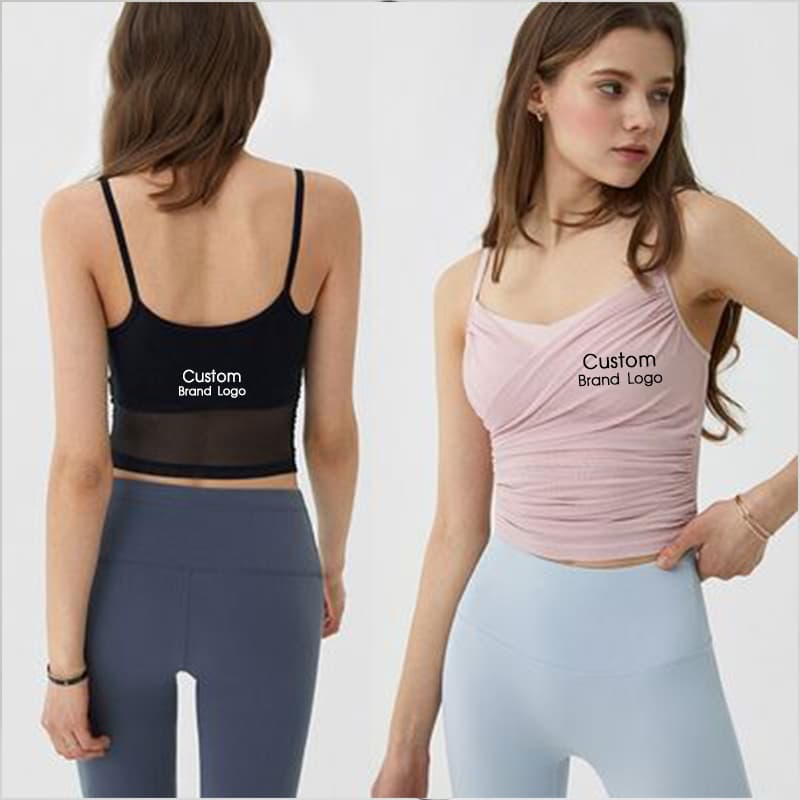
A ruched mesh-panel yoga tank for private-label yoga, workout, activewear, and athleisure collections. The reference combines narrow straps, a draped and gathered front direction, and a mesh-panel back detail, creating a fashion-led top that can be developed with buyer-selected fabric, lining, body length, color, logo, labels, sampling, quality-control, and export-packing requirements.
Product Features
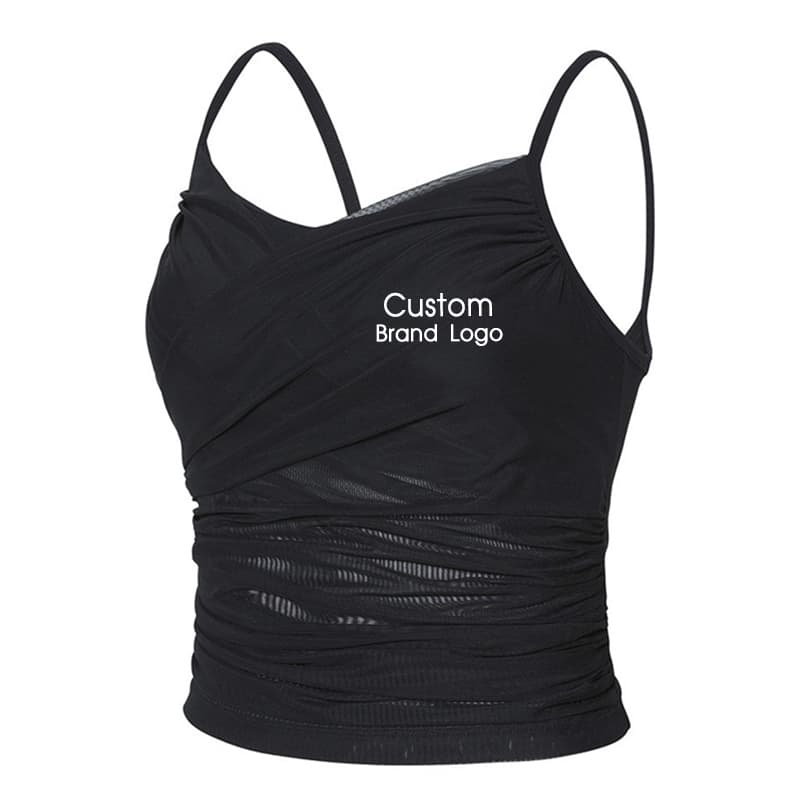
Narrow-strap cropped tank direction with gathered and draped front styling.
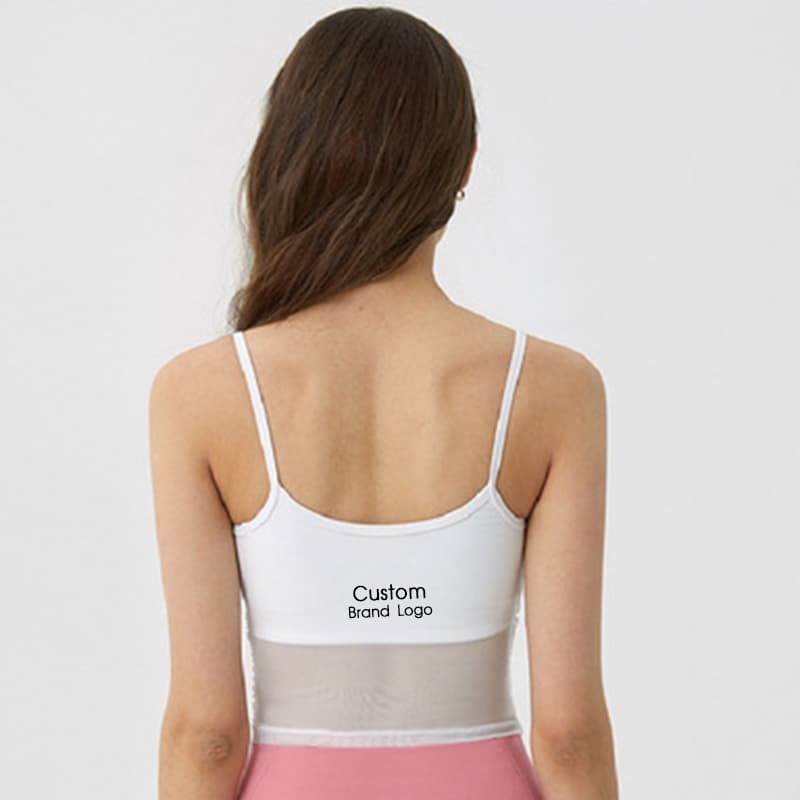
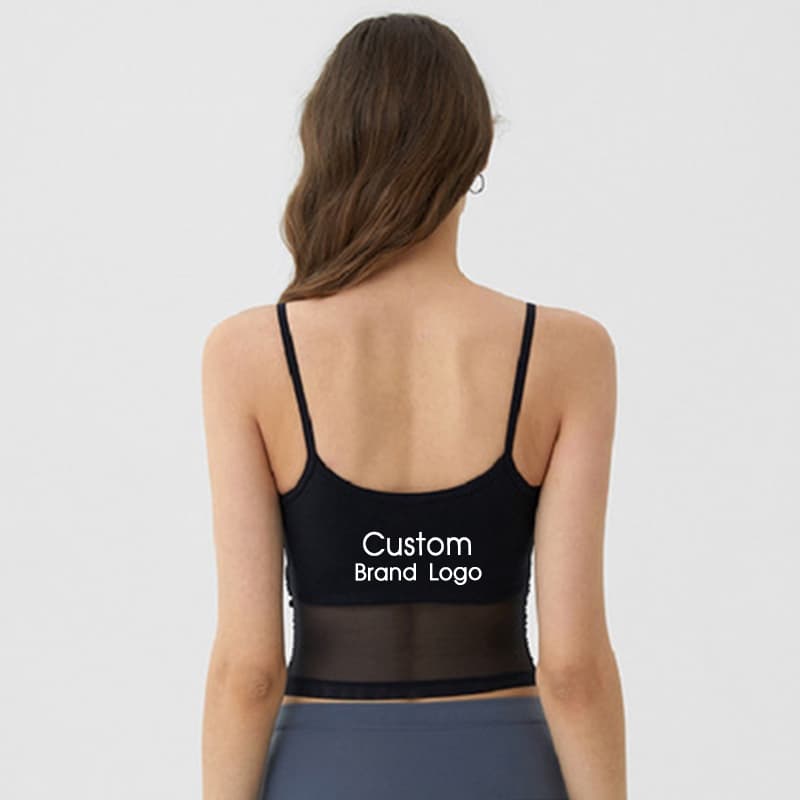
Mesh-panel back reference that gives the style a layered, fashion-activewear appearance.
Close body fit intended for buyer review alongside leggings, shorts, skirts, or outer layers.
Front and back areas can be assessed for buyer-selected logo placement after material selection.
Lining, coverage, mesh specification, and support direction remain sample-confirmed decisions.
Use Scenarios
Yoga, Pilates, and studio apparel capsules
Fashion-led workout and gym wear collections
Boutique activewear assortments and coordinated sets
Athleisure drops for online private-label brands
Seasonal color stories with a differentiated hero top
A fashion-activewear tank needs a clearer sourcing brief
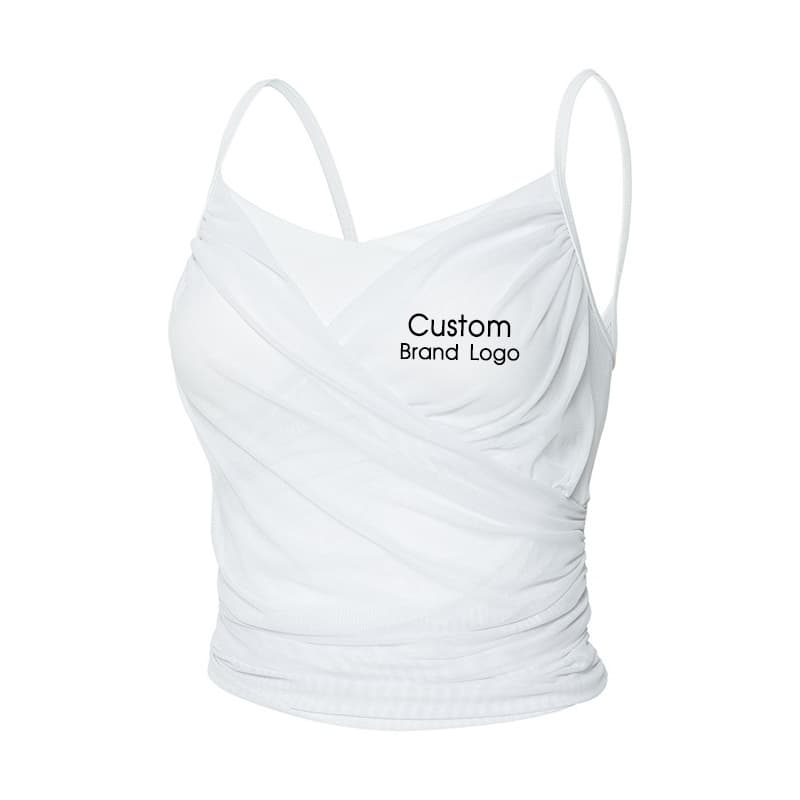
A ruched mesh-panel yoga tank can give an activewear range a stronger visual point of view than a basic camisole, but that added visual detail also adds decisions for the buyer. The reference shown here combines narrow straps, a draped and gathered front direction, a cropped close fit, and a mesh-panel back. For a brand, studio, boutique, or online retailer, the value is not simply that the top looks different. The value is that the details can be deliberately developed around the target wearer, intended activity, price position, color story, and brand presentation.
This page is written for B2B buyers who need to turn a product reference into a usable request for a yoga wear manufacturer, workout apparel supplier, or activewear factory. The pictures show a silhouette and design language, not an unqualified promise of a fixed fabric composition, support level, test result, available color, MOQ, or delivery date. Before production, the buyer and inPACE should confirm which elements stay, which elements change, and which elements need a physical sample to evaluate.
The style can sit in a yoga or Pilates collection, but it may also work as a fashion-led gym wear piece or an athleisure top paired with high-rise leggings, shorts, or a skirt. Those uses are different briefs. A studio-focused version may prioritise a comfortable neckline and a coherent matching-set color program. A retail brand may need the mesh transparency, lining, label presentation, and fold method defined more precisely. A marketplace seller may need photographs, barcode requirements, and carton marks planned before the order is placed.
Start with the product role and the non-negotiables
Buyers often send a reference image and ask a supplier to “make this style.” That is a valid starting point, but not enough information for a comparable quote. For a ruched mesh yoga tank, the front gathering, mesh-panel placement, strap geometry, body length, inner construction, fabric, and color matching all influence the sample and production route. A productive brief separates the non-negotiable design decisions from the details still open to factory advice.
Record these questions before sampling:
- Collection role: Is the tank a hero item, a limited fashion color, a repeat core style, or one part of a coordinated set?
- Target wearer and use: Is it intended for yoga, Pilates, low-impact training, gym styling, travel, or everyday athleisure? State the expected use rather than implying a universal support level.
- Front detail: How much drape and gathering is wanted? Is the visible asymmetry essential, or can the factory suggest a construction that better suits the selected fabric?
- Mesh decision: Where should the mesh sit, how transparent should it be, and is it a visual layer, a ventilation detail, or a coverage-sensitive panel?
- Internal construction: Does the buyer need lining, a shelf, cup pockets, pads, or an unlined top? Each route must be specified and sampled.
- Brand and channel: Confirm logo position, label package, hangtag, barcode, folding, destination market, retail channel, and order quantity by color and size.
The goal is to prevent a design-led tank from being quoted as a generic basic top. When the buyer identifies the important construction points, a custom activewear manufacturer can give a more meaningful feasibility response. It also helps the buyer compare suppliers on scope rather than on a single headline price. Use the activewear manufacturer quote guide when the team is collecting multiple quotations.
Fabric, mesh, lining, and performance: the sample is the evidence
The photographs suggest a close-fit stretch construction and a sheer or semi-sheer mesh element, but a picture cannot establish the final material specification. Exact fibre content, fabric weight, mesh transparency, recovery, seam behaviour, coverage, and after-wash appearance must be confirmed from the material selected for the project. This is especially important where a gathered panel and mesh are combined: the way the main fabric drapes can change the way the gathering looks, while the way the mesh recovers can change the stability of the panel.
A reliable sourcing conversation therefore begins with intent. A buyer may ask for a smooth matte active knit, a rib direction, a softer handfeel, a denser coverage direction, or a particular price range. The factory or supplier can then propose material routes for review. A swatch is useful for initial comparison, but a sewn sample is where the garment can be evaluated in its actual form.
| Area to review | Buyer and supplier should confirm |
|---|---|
| Main stretch fabric | Composition, GSM, handfeel, color, opacity, recovery, and price direction after material selection |
| Mesh panel | Construction, transparency, color match, recovery, seam allowance, and wash behaviour |
| Front gathering | Drape depth, gathering retention, stitch method, seam direction, and body coverage |
| Lining or inner layer | Coverage, cup-pocket or pad route, seam placement, and comfort at the neckline and underarm |
| Performance claims | Only claims supported by the approved material, test method, and agreed product specification |
This is why inPACE does not describe the reference as automatically breathable, high-support, moisture-wicking, squat-proof, antimicrobial, UV protective, or made from a stated fibre percentage. Those can be valid development goals, but they must be confirmed after material and construction review. A B2B product page should help a buyer ask the right questions, not turn a photograph into an unsupported guarantee.
Fit and construction checkpoints for brands
The silhouette has several fit points that should be reviewed together. The narrow straps influence shoulder position and neckline stability. The gathered front affects both the visual drape and the way the top sits at the chest. The mesh back changes coverage and may require different seam treatment than the main fabric. The cropped body must be checked against the intended bottom: a high-rise legging, a mid-rise short, and a skirt can each create a different product impression.
During sample review, ask the team to check body length, chest width, neckline depth, strap length, armhole shape, mesh placement, panel tension, hem opening, and the relationship between the main fabric and mesh after movement. These comments should be written against a sample, a buyer measurement chart, and the intended size range. Phrases such as “make it nicer” or “make the mesh stronger” are difficult to repeat. Specific comments—move the panel, increase coverage, reduce gathering, change strap width, alter body length, or test another mesh option—are suitable for a development record.
If the order will include several sizes, size grading should not be an afterthought. The visual balance of the draped front and the relative position of the mesh can shift across a size range. A buyer should agree the base size, grading logic, tolerance expectations, and size-set check before bulk production. The activewear sample-to-bulk guide outlines how fit, artwork, materials, and packing approvals work together.
Choose wholesale light customization or custom manufacture
A brand may be able to use this as an existing style direction and focus on light customization: logo application, labels, hangtags, packing, size stickers, a selected color route, and order planning. That route can be efficient for a small collection, studio merchandise, a boutique capsule, or a market test. It still needs a project review because fabric availability, color count, mesh choice, branding method, packing, quantity, and destination affect what is practical.
The project becomes more clearly custom when the buyer changes the garment's underlying build. Examples include requesting a new drape pattern, different mesh geometry, a new lining arrangement, a different fabric platform, altered strap route, a revised fit block, or a new size range. At that point, the quote should include a development and sample discussion rather than treating the order as only a logo application. The wholesale versus custom manufacturing guide explains this boundary in more detail.
For brands that want factory support without unnecessary claims, inPACE can coordinate the brief, material discussion, sample feedback, logo and label route, QC points, and packing preparation. The appropriate production route is confirmed case by case. It is affected by the garment, material, colors, size plan, branding, quantity, market, and approval process—not by one universal number.
Prepare an RFQ that a supplier can answer
Send the following with your inquiry: your reference images, intended customer and activity, requested fabric and mesh direction, lining or pad requirements, measurements or size chart, color plan, logo artwork, labels, hangtags, packaging, quantity by color and size, destination market, and target arrival window. State where you need advice. For example, you may know that you want a mesh-back fashion tank but still need help choosing the fabric weight or deciding whether a lining is needed.
That level of clarity lets inPACE recommend whether the project is better suited to wholesale light customization or a custom activewear development path. It also creates a usable record for later sample comments, quality checks, and repeat orders. Browse the Yoga Wear collection for adjacent style references, then use the custom activewear route when the product needs deeper changes. The result should be a tank that makes commercial and production sense for the buyer's own activewear program, not merely an attractive image with unresolved manufacturing details.
Specifications
- Product Type
- Ruched mesh-panel yoga tank
- Fit Direction
- Close-fit cropped tank with gathered front direction and mesh-panel back reference
- Design Review
- Front drape, gathering depth, mesh position, strap geometry, lining, and body length are confirmed by sample
- Size Range
- Buyer size chart or custom grading
- MOQ
- Discuss by fabric, mesh, lining, color, size ratio, logo method, and order plan
- Branding
- Logo application, inner label, care label, hangtag, barcode, and packaging options
- Packing
- Fold method, tissue or cup protection where needed, poly bag, carton mark, and export packing options
Fabric Information
- Main Fabric Direction
- Buyer-selected stretch active knit; exact composition and weight are confirmed before quotation and sampling
- Mesh Direction
- Mesh construction, weight, transparency, recovery, and color matching require buyer and sample review
- Lining and Coverage
- Lining route, cup pocket, pad option, and coverage requirement are defined from the intended use rather than assumed
- Gathering Behaviour
- Drape, gathering retention, seam finish, and stretch behaviour should be checked on the approved material
- Performance Claims
- Any claim about support, breathability, moisture management, colorfastness, or durability depends on the approved material and test plan
Customization Options
Main fabric, mesh construction, lining, GSM, handfeel, color, coverage, and stretch-recovery direction
Front drape, gathering density, mesh-panel height, strap width, strap position, body length, hem, and seam finish
Optional internal construction subject to buyer brief and physical sample review
Logo method, front or back placement, inner label, care label, hangtag, and brand presentation package
Buyer size chart, grading, fit sample, size-set review, and measurement tolerance discussion
Barcode, folding, poly bag, carton mark, QC checklist, and export-packing requirements