Gym Wear
Drawstring Pocket Activewear Joggers Manufacturer
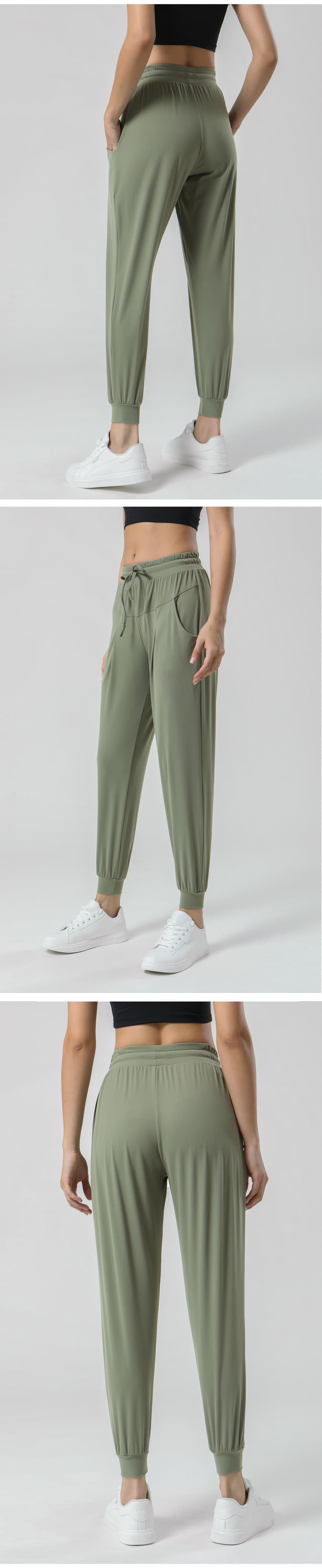
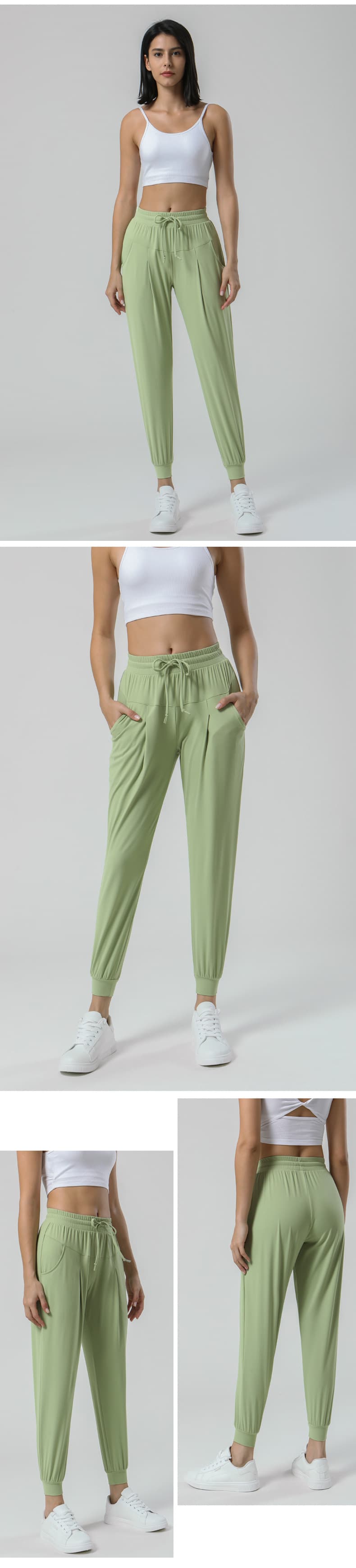
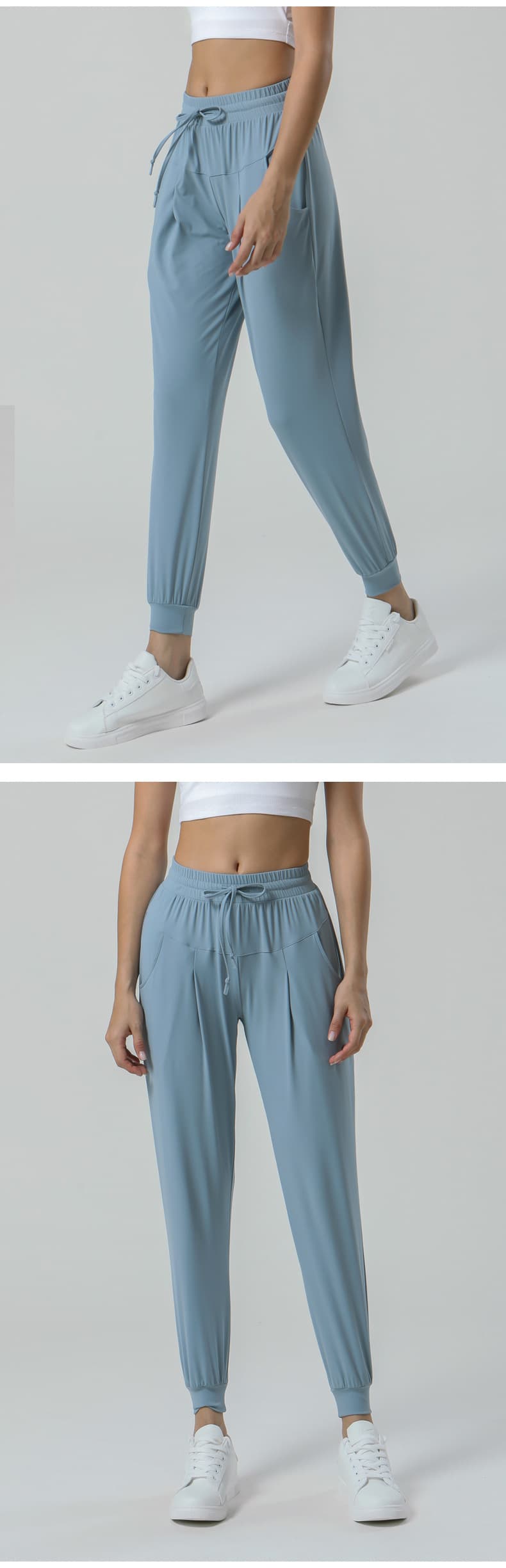
Drawstring pocket activewear joggers developed for gym, warm-up, studio commute, travel, and athleisure programs. The visible style combines an elasticated waistband, external drawcord, slant front pockets, a relaxed tapered leg, and gathered ankle cuffs. Buyers can use it as a light-customization reference or develop fabric, fit, color, branding, grading, labels, QC, and packing through a custom factory program.
Product Features
Elasticated pull-on waistband with an external drawcord and buyer-reviewable waist tension.
Front slant pockets integrated into a relaxed gym and athleisure silhouette.
Easy upper-leg volume transitioning into a tapered lower leg with gathered ankle cuffs.
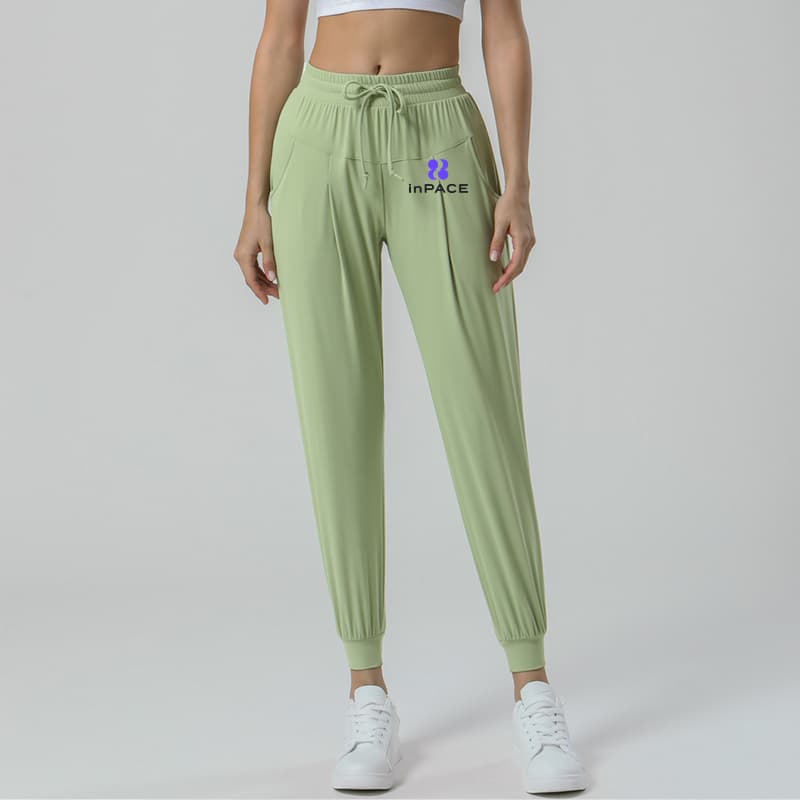
One construction direction shown across several colors for coordinated seasonal programs, not as a statement of ready stock.
Fabric, fit, grading, logo position, labels, testing requirements, and packing can be defined against the buyer brief and approved sample.
Use Scenarios
Gym warm-up, cool-down, and light-training collections
Studio commute and yoga or Pilates layering ranges
Travel, recovery, and everyday athleisure capsules
Private-label activewear launches for boutiques and online brands
Coordinated gym wear sets with buyer-selected tops, bras, or lightweight jackets

A commercially useful jogger starts with a precise buying brief
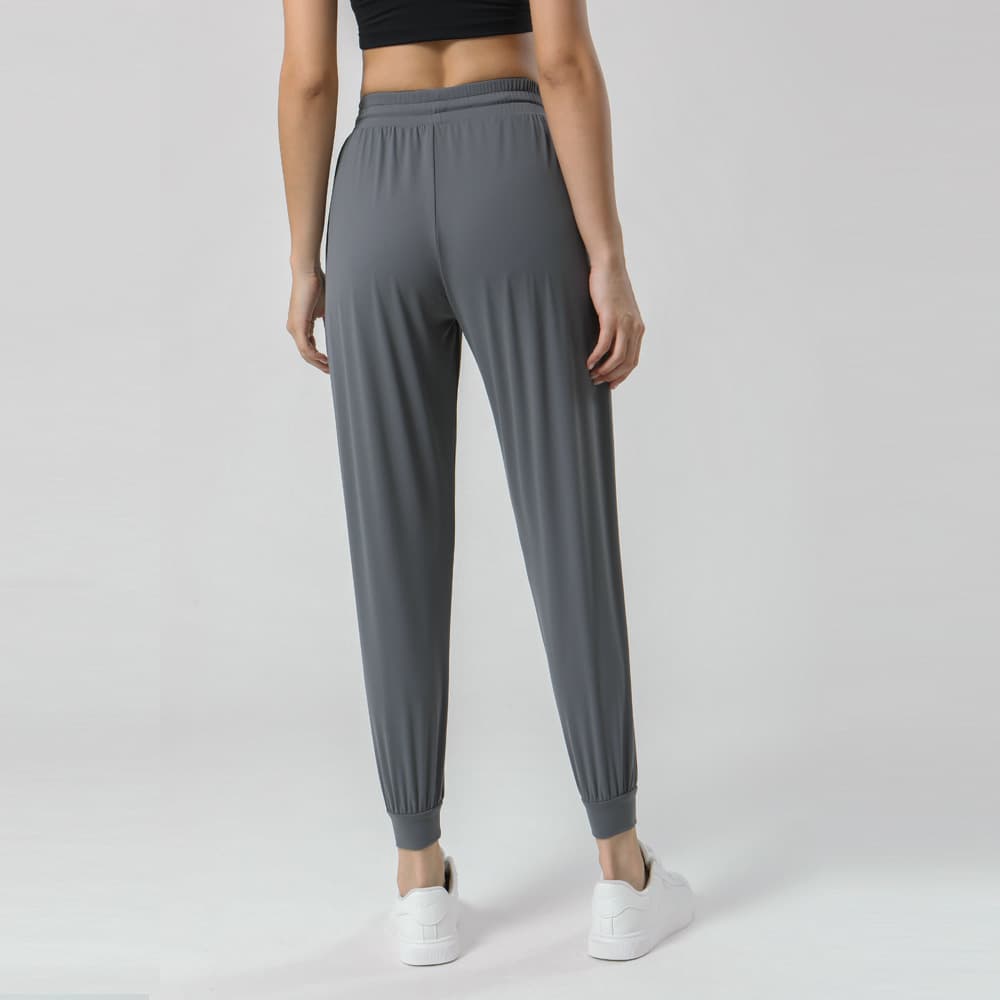
These drawstring pocket activewear joggers are presented as a development reference for gym wear, warm-up, studio commute, travel, recovery, and athleisure collections. The visible design combines a pull-on elasticated waistband, an external drawcord, front slant pockets, relaxed volume through the hip and upper leg, a tapered lower leg, and gathered ankle cuffs. Those elements make the silhouette easy to understand, but a B2B buyer still needs to define the material, measurements, trim standard, branding, quality plan, and packing before the style becomes a production-ready product.
The reference images show one construction direction across green, grey, sage, and blue color presentations. They do not prove that those colors are in stock, that one fixed fabric must be used, or that a particular performance result has already been tested. They also do not establish composition, GSM, stretch percentage, moisture management, breathability, quick-dry performance, pilling grade, shrinkage result, or colorfastness. inPACE treats those items as confirmation points for the buyer, material supplier, sample team, and factory.
For brands seeking an activewear joggers manufacturer, the first useful decision is the product's role. A soft studio-commute jogger, a lightweight travel pant, and a gym warm-up bottom can share the same visible shape while needing different fabric, pocket, waistband, test, and packing specifications. Defining the role helps the supplier propose the right development route instead of quoting a generic pant from a photograph.
Visible construction and buyer checkpoints
The waistband is the primary fit control. The photographs show a gathered elasticated waist and an external drawcord, but the image cannot confirm the elastic width, elastic quality, drawcord composition, drawcord channel, exit reinforcement, cord-end construction, or finished waist tension. During sampling, the buyer should review the waistband at rest and when extended, confirm that it returns to the approved measurement, and check that the drawcord position remains balanced. If metal eyelets, stitched buttonholes, bartacks, or another exit treatment are requested, that choice should be recorded with the trim and wash requirements.
The front slant pockets add practical value and affect both appearance and cost. Buyers should specify the desired pocket opening, angle, pocket-bag depth, bag material, reinforcement, and whether the pocket needs to hold a phone or only small personal items. A deeper or secure pocket is a development choice, not something to assume from the reference. Pocket bags should also be checked so that they lie cleanly inside the garment and do not extend below the intended silhouette.
The leg shape appears relaxed at the top and tapered toward the ankle. That relationship should be converted into actual measurements for waist, high hip, low hip, thigh, knee, inseam, leg opening, and cuff. The gathered ankle cuff is visible, but the final cuff circumference, height, tension, and recovery remain sample-review items. Buyers should decide whether the intended look is close at the ankle, gently gathered, or deliberately loose, and whether different inseams are required for the target market.
A buyer-ready review can use the following structure:
| Construction area | What the buyer and factory should confirm |
|---|---|
| Waistband | Finished height, elastic specification, extension, recovery, drawcord channel, and stitch route |
| Drawcord | Material, diameter, length, color, cord end, exit method, reinforcement, and logo option |
| Pockets | Opening angle, bag depth, bag material, reinforcement, internal finish, and secure-pocket need |
| Body fit | Rise, hip ease, thigh width, knee width, taper, inseam, and intended layering allowance |
| Ankle cuff | Cuff height, circumference, elasticity, gathering level, seam finish, and recovery after wear |
These checkpoints keep the description factual. The page can describe the visible structure, while the technical specification is approved through measurements, materials, samples, and testing.
Fabric selection must follow the intended use
The images suggest a smooth, fluid surface, but they do not identify whether the fabric is knitted or woven, the fibre blend, weight, finish, or stretch direction. A private-label activewear buyer should therefore start with a fabric brief rather than copying an unverified composition. Useful inputs include the target climate, desired drape, handfeel, surface sheen, coverage, stretch or non-stretch preference, recovery expectation, durability target, price position, and intended retail channel.
A lighter material may support travel and warm-weather layering, while a more substantial option may give a different fall and coverage. Either route can change the pocket bag, waistband behavior, cuff construction, seam selection, and finished measurements. The approved sample must use the agreed material or a clearly identified substitute; otherwise, fit comments may not transfer reliably to bulk production.
Performance language also needs evidence. Terms such as breathable, moisture-wicking, quick-drying, anti-pilling, abrasion-resistant, or colorfast should be connected to the final fabric and an agreed test method when those claims matter to the buyer. The same applies to shrinkage and recovery. A sample observation is helpful for development, but it is not automatically a laboratory claim. The buyer should state the required market, test standard, and acceptance criteria when testing forms part of the order.
Color development requires more than selecting a screen color. The main fabric, elastic, drawcord, thread, cord ends, pocketing, labels, and logo may reflect color differently. A lab dip or strike-off, trim matching review, and bulk shade approval can be added where appropriate. The green, grey, sage, and blue references are design directions, not a guarantee of ready inventory.
For buyers comparing material and production proposals, the activewear manufacturer quote guide helps separate headline price from fabric, development, testing, trim, branding, and packing scope.
Wholesale light customization versus factory customization
This jogger can support two different sourcing paths. In a wholesale or light-customization route, a buyer may retain the available silhouette and focus on an approved fabric option, selected color, logo placement, inner label, care label, hangtag, barcode, size sticker, and packing. This path can suit a boutique capsule, studio merchandise program, online brand test, or coordinated gym wear range when the existing fit direction is close to the buyer's needs.
Light customization is not the same as an unconditional stock promise. Fabric availability, color count, size ratio, quantity, logo technique, label package, packing, destination, and required timing still need review before quotation and order acceptance. MOQ and lead time should be discussed against that exact plan rather than presented as universal numbers.
The project becomes factory customization when the buyer changes the pattern or construction: a new fit block, different rise, revised hip ease, alternative leg taper, another cuff, a new pocket shape, secure pocket, changed waistband, different drawcord system, custom fabric, extended grading, or market-specific test requirement. Those changes require a clearer development record and may affect sampling, cost, quantity planning, and approval stages. Buyers can review the difference in the wholesale versus custom activewear guide and use the custom activewear development route when the garment itself needs modification.
A useful quote should identify which elements are retained and which are newly developed. That distinction lets a buyer compare one activewear supplier with another on an equivalent scope. It also reduces late changes after artwork, labels, fabric, or packaging have already been prepared.
Fit sampling, grading, and approval records
A relaxed jogger still needs disciplined fit control. The buyer should provide a size chart or approve custom grading, identify the base size, and state the intended wearer and layering level. Sample comments should refer to measurements and observed issues: increase hip ease by a stated amount, reduce the lower-leg taper, adjust the rise, deepen the pocket bag, change the cuff circumference, or revise the drawcord length. Comments such as “make it looser” are difficult to reproduce without a measurement reference.
The fit sample should be reviewed with the approved waistband, drawcord, pockets, and cuff direction because each can influence comfort and appearance. A size-set review can then check that the rise, pocket access, drawcord length, taper, inseam, and cuff remain proportionate across the requested range. If the buyer plans several inseams or an extended size range, those requirements should be included before grading is finalized.
The sample-to-bulk production guide explains why fit approval, material approval, artwork approval, size-set review, and packing confirmation should be separate records. A good-looking base-size sample does not by itself approve every size, color, logo, or packaging combination.
Quality control for repeatable bulk production
The QC plan should be tied to the approved sample, measurement chart, material specification, color standard, artwork, label file, and packing instruction. Incoming material checks can review article identity, width, shade, obvious defects, and any agreed test documents. In-line inspection can focus on waistband assembly, drawcord exits, pocket symmetry, reinforcement, seam quality, leg balance, cuff attachment, and measurement control.
Before packing, finished garments can be checked for appearance, measurements within the agreed tolerance, pocket function, drawcord length and security, waist and cuff recovery according to the approved method, seam condition, logo position, label accuracy, shade consistency, cleanliness, and metal or trim requirements where applicable. Any performance or wash test should follow the buyer-approved standard rather than an unstated internal assumption.
For repeat orders, retaining the approved specification, fit comments, graded measurements, color approvals, logo artwork, label files, packing standard, and inspection record is commercially valuable. It gives the buyer and factory a common reference and makes it easier to identify whether a requested change belongs to a repeat order or a new development.
Labels, packing, and retail readiness
Packing affects both presentation and logistics. The buyer should confirm brand label, care label language, country or market requirements, hangtag, barcode format, SKU structure, size sticker, folding method, poly bag specification, carton quantity, carton mark, and any marketplace or warehouse instructions. The fold should control unnecessary creasing, keep the waistband and ankle cuffs in a consistent presentation, and prevent loose drawcords from creating an untidy pack.
Carton planning should follow the approved size and color ratio rather than a generic assumption. If the order includes multiple colors, the purchase order, barcode data, poly-bag markings, and carton marks should use the same color names and SKU logic. Export packing requirements should be agreed before bulk packing begins.
Send a buyer-ready RFQ
To request these drawstring pocket activewear joggers, send the intended customer and use scenario, reference images, target fabric direction, buyer size chart, desired fit and inseam, quantity by color and size, color references, logo artwork, label and hangtag requirements, barcode data, packing instructions, destination market, required tests, sample needs, and target arrival window. Mark any information that remains open so inPACE can separate confirmed requirements from recommendations.
The RFQ should also state whether the buyer wants light customization of the existing direction or a factory-developed jogger with pattern, fabric, pocket, waistband, cuff, or grading changes. inPACE can then review feasibility, sampling scope, material route, QC checkpoints, packing, MOQ factors, and timing inputs without inventing a universal answer. Browse the broader Gym Wear and activewear collection for coordinating product directions, and use the custom development route when the project needs more than logo and presentation changes.
Specifications
- Product Type
- Drawstring pocket activewear joggers
- Fit Direction
- Relaxed through the hip and upper leg with a tapered lower leg; final ease is set against the buyer fit block
- Waistband
- Elasticated pull-on waistband with external drawcord; height, elastic specification, and drawcord construction require sample approval
- Pocket Direction
- Front slant pockets; opening, bag depth, reinforcement, and internal finish can be adjusted to the buyer brief
- Hem Direction
- Gathered ankle cuff; cuff width, circumference, tension, and finished length are confirmed during fit review
- Size Range
- Buyer size chart or custom grading
- MOQ
- Discuss by fabric, color count, size ratio, drawcord and trim route, logo, labels, packing, and order plan
- Lead Time
- Confirm after fabric, sample, artwork, quantity, testing, and packing review
- Packing
- Custom label, hangtag, barcode, size sticker, poly bag, fold method, carton mark, and export carton options
Fabric Information
- Fabric Status
- Exact composition, knit or woven construction, and supplier article are pending confirmation; photography is not treated as a material specification
- Weight and Drape
- Buyer-selected GSM and drape direction based on silhouette, climate, intended use, coverage, and target price
- Handfeel and Surface
- The reference appears smooth and fluid; final handfeel, sheen, stretch direction, and recovery must be confirmed on the selected fabric and sewn sample
- Performance Review
- Moisture management, breathability, quick drying, pilling, abrasion, shrinkage, and colorfastness claims depend on the approved material and agreed test plan
- Trim Compatibility
- Waist elastic, drawcord, cord end, pocketing, thread, and cuff construction should be reviewed with the final main fabric
- Color Development
- Buyer-selected colors with lab-dip or strike-off review, trim matching, and bulk shade control where required
Customization Options
Main fabric construction, fibre composition, GSM, handfeel, surface, drape, stretch, recovery, and test requirements
Waistband height, elastic tension, rise, hip ease, thigh width, taper, inseam, and ankle-cuff dimensions
Drawcord material, color, length, exit construction, cord ends, eyelets or buttonholes, and reinforcement route
Pocket opening, pocket-bag depth, reinforcement, internal finish, and optional secure-pocket development
Buyer color program, logo method and placement, inner brand label, care label, hangtag, barcode, and size sticker
Buyer size chart, grading, fit sample, size set, inspection standard, folding, poly bag, carton mark, and export packing