
Erster Sammelvorgang
Was bedeutet Private Label OCR Bekleidung für einen B2B Käufer?
Private Label OCR Bekleidung ist ein Markenproduktprogramm für Hindernisstreckenrennen und Hindernistraining im Freien. Die Marke besitzt die Sammlungsrichtung: was der Athlet braucht, welche Kleidungsstücke enthalten sind, wie sie aussehen und passen, welche Farben das Sortiment repräsentieren und wie die fertigen Waren gekennzeichnet und verpackt werden. Die Fabrik unterstützt den Entwicklungsweg, aber ein nützliches Ergebnis hängt davon ab, dass der Käufer die wichtigsten kommerziellen und Produktannahmen klarstellt, bevor Produktionsdetails als endgültig behandelt werden.
OCR hat Überschneidungen mit Laufen, Fitnesstraining und Hybrid-Fitness, aber ein Outdoor-Hindernisbrief fügt Fragen zu Gelände, Feuchtigkeit, Klettern, Kriechen, Abrieb, Abdeckung und Temperaturänderung hinzu. OCR Bekleidungskäuferführer Wenn die Kollektion auch Run-and-Functional-Fitness-Kunden dient, ist die HYROX-Trainingsbekleidung vs. OCR-Bekleidung Vergleich hilft, die gemeinsame Produktgrundlage vom szenariospezifischen Brief zu trennen. Hybrid-Rennbekleidung Entwicklungslösung.
Sortimentsplanung
Welche Produkte gehören in eine erste Private Label OCR Bekleidungskollektion?
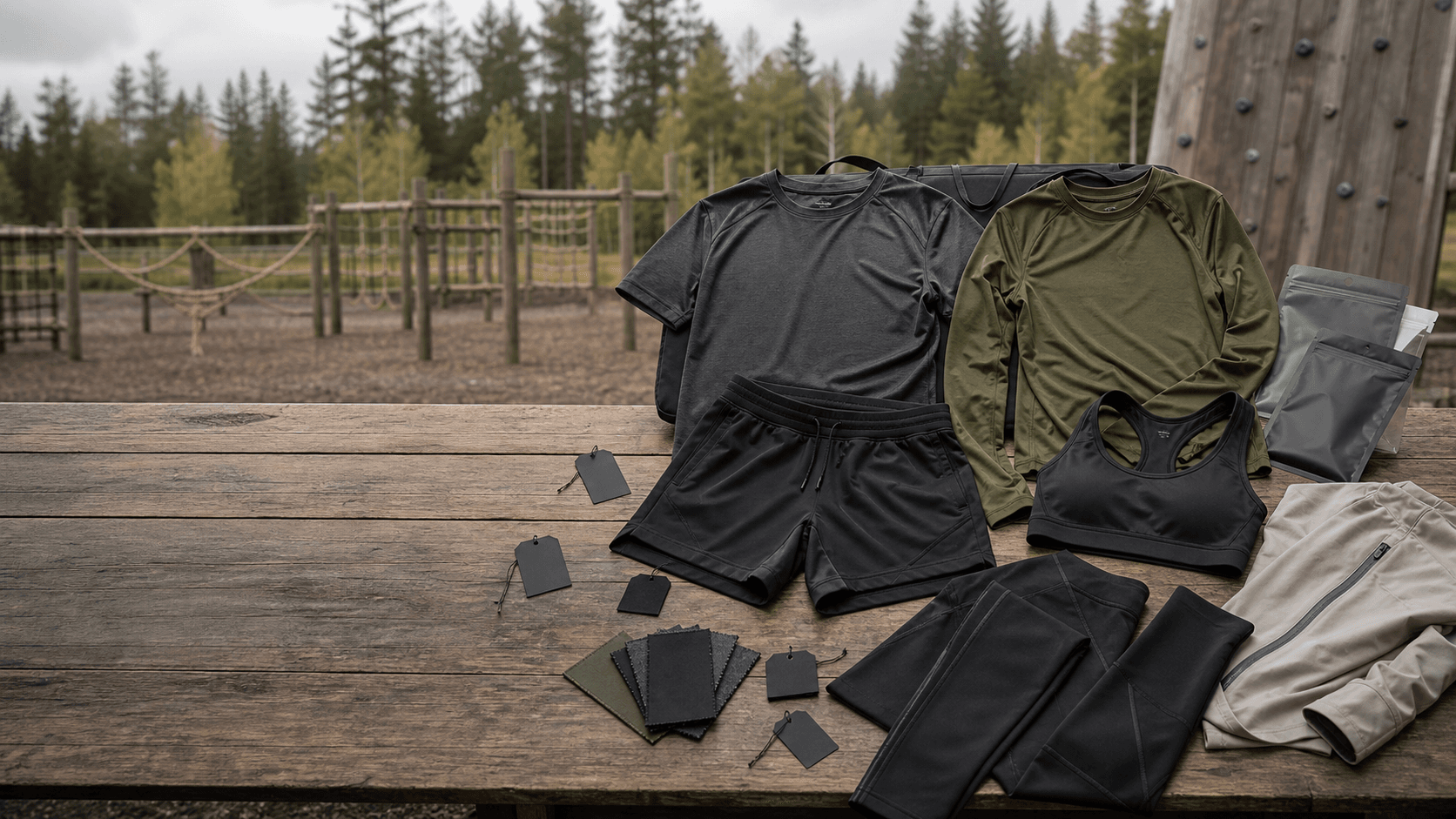
Eine effektive erste Kollektion hat in der Regel klare Kleidungsstücke Rollen statt einer großen Anzahl von lose verwandten SKUs. Beginnen Sie mit den Produkten, die Ihr Zielsportler am ehesten trägt, dann entscheiden Sie, welche Rollen für Outdoor-Hindernistraining gelöst werden müssen und welche eine bestehende Trainingssilhouette teilen können. Eine Marke kann einen Kern wählen kurze und technische Abschlag als Grundlage, fügen Sie einen Abdeckungsboden oder ein Stützstück für den beabsichtigten Kunden hinzu und fügen Sie nur eine Schicht hinzu, wenn sein Klima oder Anwendungsfall dieses Produkt kommerziell nützlich macht.
Käufer können Rezensieren Sie Activewear Performance Styles Der Katalog ist eine Entwicklungsreferenz, kein Ersatz für den OCR-Brief: Jeder Artikel benötigt immer noch das richtige Stoffverhalten, Konstruktionsdetails, Branding und Mustertest für den endgültigen Anwendungsfall.
| Produktrolle | Warum es in die Kapsel gehört | OCR-Entwicklungsfragen | Käuferentscheidung |
|---|---|---|---|
| Technisches Tee oder Tank | Ein Kern-Lauf-und-Training-Oberteil, das die Sammlung Handgefühl und Logo-Ansatz etabliert | Hitze, Schweiß, Armbewegung, Saumbewegung und grafischer oder Logo-Komfort | Entscheiden Sie, ob es sich um einen gemeinsamen Kernstil handelt oder ob eine OCR-spezifische Abdeckung oder ein Bauupdate erforderlich ist. |
| Ausbildung kurz | Eine vielseitige Unterkörper-Option für Laufen, Tragen und allgemeines Training | Bundstabilität, Taschensprung, Drawcord-Position, Liner-Auswahl und Kontaktbereiche | Verwenden Sie den Produktbrief, um anzugeben, wo der Short getragen wird und ob nasser Boden oder Klettern die Designroute verändert. |
| Leging- oder Coverage-Boden | Eine Option für Athleten, die mehr Abdeckung unter kühlen Bedingungen oder Bodenkontakt benötigen | Erholung der Sitze, Exposition von Knie und Sitzen, Lage der Naht, Trübung und Abriebzonen | Gehen Sie nicht davon aus, dass ein Studio-Legging für Outdoor-Hindernisse bereit ist, ohne eine szenariospezifische Stichprobenprüfung durchzuführen. |
| Sport-BH oder montierte Stütze | Ein Produkt, das ein Damensortiment vervollständigen oder mit gemeinsamen unteren Stilen koordinieren kann | Stützebene, Bandplatzierung, Futter, Nahtkomfort, Abdeckung und Logo-Position | Definieren Sie die Aktivität, unterstützen Sie die Erwartung und testen Sie Bewegungen, bevor Sie die endgültige Konstruktion entscheiden. |
| Lichterwärmschicht | Ein Wetter- oder Reisestück für eine Kapsel, anstatt eine automatische Ergänzung zu jedem Start | Verpackbarkeit, Belüftung, Hülsenkonstruktion, Verkleidung und die Rolle, die sie vor oder nach dem Training spielt | Fügen Sie es nur hinzu, wenn das Klima, der Athlet und die Sortimentsstrategie der Marke einen klaren Grund für ihre Existenz liefern. |
Gewebe und Baugewerbe
Wie sollten Gewebegewicht, Platten und Nähte für OCR-Produkte ausgewählt werden?
Das Gewicht des Stoffes sollte als Teil des Bekleidungsverhaltens diskutiert werden, nicht als eine isolierte Zahl. Ein technisches Oberteil benötigt möglicherweise ein leichtes, atmungsaktives Handgefühl und eine angenehme Erholung nach dem Schweiß. Ein kurzer Abschnitt erfordert möglicherweise stabile Bewegungs- und praktische Taschen- oder Linerentscheidungen. Ein Legging benötigt möglicherweise Abdeckung, Dehnungserholung und genauere Aufmerksamkeit für Knie, Sitz oder Nahtexposition. Die richtige Materialrichtung hängt vom Produkt, dem Klima, dem Athleten, dem beabsichtigten Kontaktniveau, den Farb- und Logoerwartungen und der Preisrichtung der Marke ab.
Das gleiche Prinzip gilt für Paneele und Nähte. Maschen können für die Belüftung nützlich sein, aber es passt vielleicht nicht zu jeder Kontaktzone. Eine Naht kann auf einer passenden Probe sauber aussehen, wird aber auffällig, wenn ein Athlet kriecht, klettert oder feucht arbeitet. Ein Drawcord, Reißverschluss, Tasche, Druck oder reflektierendes Detail muss auf Bewegung und Kontakt überprüft werden, nicht nur auf Aussehen. Stoffe und Ziergegenstände Übersicht kann das Gespräch beginnen; der Sammelauftrag sollte erklären, was jedes Schlüsselprodukt tun muss, bevor eine Bauroute bestätigt wird.
Markenpräsentation
Wie sollten Private-Label-Details über eine OCR-Kapsel übertragen werden?
Eine Private-Label-Kollektion ist mehr als ein Logo, das auf einem Kleidungsstück platziert wird. Es ist eine wiederholbare Reihe von Entscheidungen, die einem Käufer helfen, das Sortiment durch Produkt, Farbe, Etiketten, Verpackung und Empfang zu erkennen. Diese Entscheidungen sollten früh genug getroffen werden, um in der Musterprüfung zu erscheinen. Eine Logo-Methode, die auf einem technischen Tee funktioniert, kann eine andere Platzierung auf einer Stretch-Legging oder einer hellen äußeren Schicht erfordern. Das gleiche gilt für Hangtags, Größenetiketten, Pflegeetiketten, Polybeutel und Kartonmarkierungen.
Logo-Methode
Wählen Sie eine Logorichtung, die der Dehnung, Textur, Platzierung, Wascherwartung und Produktverwendung entspricht. Eine große grafische, reflektierende Markierung, Wärmeübertragung oder gewebtes Detail sollte auf der tatsächlichen Kleidungsstücktafel überprüft werden.
Farbarchitektur
Legen Sie eine Kernfarbrichtung fest und identifizieren Sie, welche Stile, Zierleisten, Logos und Etiketten in der gesamten Kapsel übereinstimmen müssen. Ein begrenzter, kohärenter Bereich ist leichter zu bewerten als viele nicht verwandte Farbvarianten.
Etiketten und Größensystem
Nackenetiketten, Pflegeetiketten, Größenetiketten, Platzierung und Größenbereich zusammen mit Passform-Anmerkungen bestätigen; diese Elemente sollten überprüft werden, bevor das Produkt von der Probengenehmigung zur Massenplanung übergeht.
Verpackung und Annahme
Aufzeichnung von Aufhängeschildern, Polybeuteln, Barcode- oder Größenaufkleberanforderungen, Faltrichtung, Kartonmarkierungen und Zielbestimmungen; die Verpackung sollte den Verkaufs- und Empfangsweg des Käufers unterstützen und kein nachträglicher Einfall sein.
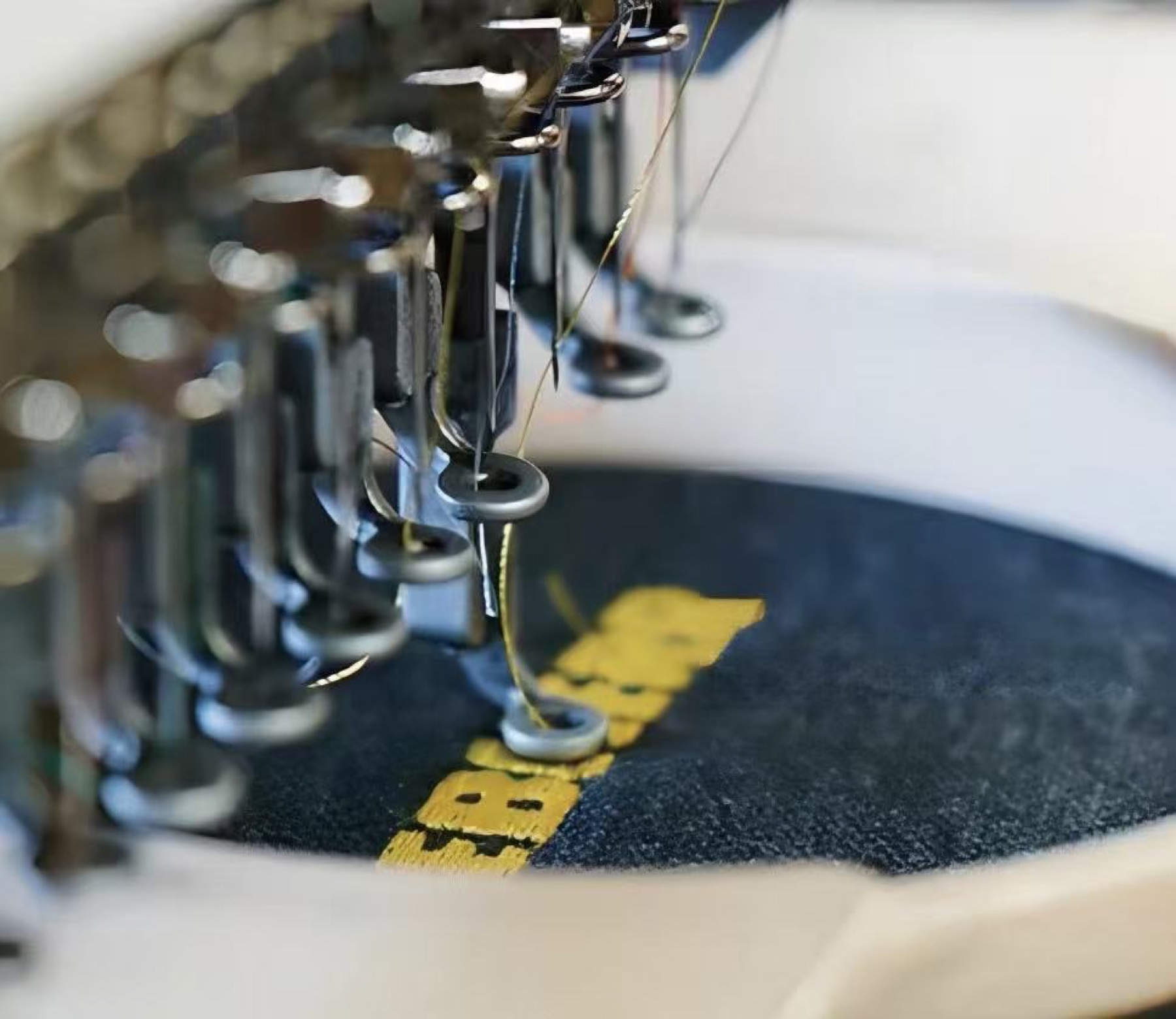
Logo-Methode, Etiketten und Verpackung sollten als koordiniertes System angegeben werden, das dann von der zugelassenen Probe durch Endbearbeitung und Verpackung konsistent mitgeführt wird.
Für einen breiteren Überblick über Markenkennungen und Paketkomponenten, siehe die Private-Label-AktivbekleidungHalten Sie die OCR-Produktentscheidungen mit diesem Plan in Verbindung: Etiketten und Verpackungen müssen den gleichen Sammlungs-, Markt- und Bestellweg wie das Kleidungsstück selbst bedienen.
Passform, Farbe und Größe
Wie sollte ein Markenplan vor dem ersten Muster passen, farblich und größenmäßig sein?
Ein Käufer könnte ein enges Trainings-T-Shirt, eine entspanntere Schicht, einen Short mit besonderer Abdeckung oder eine Legging mit einem stabilen, aber nicht übermäßig restriktiven Bund bevorzugen. Der Auftrag sollte Referenzstile, Größenbereich, Zielmessungen, soweit bekannt, und schriftliche Notizen darüber enthalten, was die Marke behalten oder ändern möchte. Dies schafft einen nützlichen Ausgangspunkt, auch wenn ein komplettes Tech-Pack noch nicht verfügbar ist.
Farbe ist auch eine Produktentscheidung, nicht nur eine Marketingentscheidung. Erklären Sie, welche Farben Kern sind, welche optional sind, ob Ober- und Unterseiten koordiniert werden müssen, wie das Logo auf jeder Farbstraße gelesen werden soll und ob ein Produkt eine praktischere Außenfarbrichtung benötigt. Die Fabrik kann dann die Farbverfügbarkeit und alle damit verbundenen Entwicklungsentscheidungen diskutieren, ohne ein breites Moodboard als endgültige Genehmigung zu behandeln.
Small Batch Learning
Wie sollte eine Marke Small-Batch-Tests vor der Auffüllung verwenden?
Ein kleines Erstprogramm kann einem Käufer helfen zu lernen, welche Produktrollen einen größeren Wiederholungsplan verdienen, aber es sollte immer noch einen echten Genehmigungsprozess haben. Testen Sie das Muster oder den frühen Lauf unter den Bedingungen, für die die Kollektion konzipiert ist. Notieren Sie, was mit Bewegung, Stoffgefühl, Abdeckung, Nähten, Taschen, Logoverhalten, Etiketten und Verpackung passiert. Das Ziel ist nicht, jedes Projekt komplexer zu machen; es ist, die wenigen Risiken zu lösen, die nach einer größeren Produktionsentscheidung teuer zu entdecken wären.
Definieren Sie den Athleten, die Trainingsumgebung und die Rolle des Kleidungsstücks, bevor das Testen beginnt.Laufen, klettern, kriechen, tragen, knien und bewegen Sie sich warm oder feucht, wenn diese Bedingungen dem Produktversprechen entsprechen.Erfassen Sie Pass- und Bewegungskommentare getrennt von Logo-, Etiketten-, Farb- und Verpackungskommentaren.Verwenden Sie prägnante Fotos und schriftliche Notizen, um die Lage eines Naht-, Zier- oder Konstruktionsproblems anzuzeigen.Überprüfen Sie, was sich in der nächsten Stichprobe ändern muss und was offen bleiben kann, bis der Geschäftsplan klarer ist.Bestätigen Sie das Endprodukt, das Branding, die Etiketten, die Verpackung und die Größeninformationen, bevor die Details der Masse als genehmigt behandelt werden.
Produktionsweg
Wie kann eine Private-Label-OCR-Sammlung für eine Wiederholungsbestellung vorbereitet werden?
Eine Wiederholungsbestellung ist leichter zu diskutieren, wenn die erste Kollektion ihre Entscheidungen dokumentiert. Halten Sie das genehmigte Muster, die Messungen, die Stoffrichtung, die Farbgebung, die Logomethode, die Etiketten, die Verpackung und die Qualitätsreferenz zusammen. Identifizieren Sie, welche Änderungen für den nächsten Durchlauf beabsichtigt sind und welche Elemente konsistent bleiben müssen. Dies verhindert, dass eine frühe Produktdiskussion jedes Mal neu interpretiert wird, wenn ein Käufer eine Nachfüllung in Betracht zieht.
Die Produktionsroute bleibt vom vollständigen Bestellplan abhängig. Stoffverfügbarkeit, Farbgebung, Logo- und Verpackungsanforderungen, Stilkomplexität, Menge und Liefermarkt beeinflussen alles, was überprüft oder bestätigt werden kann. Käufer können Bestellvorgang um diese Anforderungen zu organisieren, bevor Sie das nächste Angebot oder die nächste Musterdiskussion anfordern.
Klarheit der Marke
HYROX wird an anderer Stelle auf dieser Website nur als Hybrid-Trainings- und Rennvorbereitungskontext bezeichnet. HYROX ist eine eingetragene Marke des jeweiligen Eigentümers. inPACE ist nicht mit HYROX verbunden oder wird von HYROX unterstützt.
Nächster Schritt
Erstellen Sie den Private-Label-Brief, bevor die Kollektion zu einem Produktionsproblem wird
Eine praktische OCR-Kollektion muss nicht jeden Sport, jedes Klima und jeden Kunden auf einmal lösen. Es braucht einen klaren Athleten, eine kleine Gruppe zielgerichteter Produkte, glaubwürdige Umweltannahmen und Details des Private-Labels, die von der Probe bis zur Masse wiederholt werden können. Beginnen Sie mit den Stilen, die den Standpunkt der Marke ausdrücken, und geben Sie der Fabrik dann genügend Kontext, um das Material, die Konstruktion, das Etikett, die Verpackung und die Testentscheidungen zu diskutieren, die das Sortiment praktikabel machen.
Besprechen Sie Ihren Private-Label OCR Briefing
Long Form Buyer Framework
Wie kann ein Käufer diese Forschung in eine produktionsbereite Entscheidung verwandeln?
Die zentrale Aufgabe in Aufbau einer Private-Label-OCR-Bekleidungskollektion entscheidet welche Kleidungsstücke, Materialien, Konstruktionsdetails, Markenkomponenten, Mustertests, Verpackungsregeln und Nachschubaufzeichnungen in einen fokussierten Hindernistrainingsbereich gehören. Diese Entscheidung kann nicht anhand eines Headline-Preises, eines Produktfotos oder einer allgemeinen Aussage über die Anpassung getroffen werden. Es braucht eine Aufzeichnung, die das kommerzielle Ziel mit dem Kleidungsstück, dem Material, der Passform, der Konstruktion, dem Branding, der Menge, der Qualitätskontrolle, der Verpackung und dem Zielort verbindet. Wenn diese Elemente zusammen sichtbar sind, kann ein Käufer genauere Fragen stellen und eine Fabrik kann die Route erklären, ohne vorzugeben, dass offene Details bereits bestätigt sind.
Der Zweck des folgenden Rahmens ist nicht, einen Markengründer oder Käufer in einen Bekleidungstechniker zu verwandeln, sondern Verantwortung und Beweise klar zu machen, der Käufer definiert die Kunden- und Geschäftsbedürfnisse, teilt das Bekannte und identifiziert die Entscheidungen, die wichtig sind. Verbinden Sie die Outdoor- und Hindernisanforderungen der Kollektion mit der produktspezifischen Entwicklung und einem konsistenten Private-Label-SystemBeide Seiten notieren dann, was überprüft wurde, was an Bedingungen geknüpft bleibt, was physisch genehmigt werden muss und welche Informationen die Produktion oder einen späteren Wiederholungsauftrag leiten.
1
Bauen Sie sich um ein paar Athletenbedürfnisse herum
Beginnen Sie mit wesentlichen Basis-, Boden-, Unterstützungs- und Schichtrollen, anstatt die Sammlung mit ähnlichen Produkten zu füllen, die die Bestellmengen aufteilen.
Für diese Entscheidung sollte der Käufer das beabsichtigte Ergebnis angeben, die nächstgelegenen verfügbaren Nachweise vorlegen und angeben, was flexibel ist. Der Lieferant kann dann die Auswirkungen auf das Produkt oder den Prozess erläutern und jede Abhängigkeit von der Verfügbarkeit des Stoffes, Farbe, Konstruktion, Logomethode, Komponenten, Menge oder Verpackung markieren. Eine nützliche Antwort unterscheidet eine Empfehlung von einer bestätigten Produktionsanweisung und gibt an, was durch ein Muster oder einen anderen Genehmigungsschritt überprüft werden müsste.
Notieren Sie das Ergebnis im Inneren eine OCR-Sammlungsdatei, die jede SKU mit Umwelt, Produktrolle, Material, Passform, Konstruktion, Branding, Test, Verpackung und Wiederholungsbestellinformationen verknüpft. Datum, einschlägige Akte oder Muster, die für die nächste Maßnahme verantwortliche Person und den Status der Entscheidung angeben. Wenn eine spätere Änderung die Passform, das Material, die Verarbeitung, das Branding, das Sortiment oder die Vorbereitung der Lieferung betrifft, kehren Sie zu diesem Protokoll zurück und geben Sie an, welche diesbezüglichen Genehmigungen erneut überprüft werden müssen. Dadurch wird verhindert, dass eine lokale Änderung zu einer unbemerkten nachgelagerten Inkonsistenz führt.
2
Materialprioritäten durch SKU zuweisen
Eine obere, kurze, legging, Sport-BH und äußere Schicht kann die Markenrichtung teilen, ohne das gleiche Gewicht, Dehnung, Oberfläche oder Trocknungsverhalten zu erzwingen.
Für diese Entscheidung sollte der Käufer das beabsichtigte Ergebnis angeben, die nächstgelegenen verfügbaren Nachweise vorlegen und angeben, was flexibel ist. Der Lieferant kann dann die Auswirkungen auf das Produkt oder den Prozess erläutern und jede Abhängigkeit von der Verfügbarkeit des Stoffes, Farbe, Konstruktion, Logomethode, Komponenten, Menge oder Verpackung markieren. Eine nützliche Antwort unterscheidet eine Empfehlung von einer bestätigten Produktionsanweisung und gibt an, was durch ein Muster oder einen anderen Genehmigungsschritt überprüft werden müsste.
Notieren Sie das Ergebnis im Inneren eine OCR-Sammlungsdatei, die jede SKU mit Umwelt, Produktrolle, Material, Passform, Konstruktion, Branding, Test, Verpackung und Wiederholungsbestellinformationen verknüpft. Datum, einschlägige Akte oder Muster, die für die nächste Maßnahme verantwortliche Person und den Status der Entscheidung angeben. Wenn eine spätere Änderung die Passform, das Material, die Verarbeitung, das Branding, das Sortiment oder die Vorbereitung der Lieferung betrifft, kehren Sie zu diesem Protokoll zurück und geben Sie an, welche diesbezüglichen Genehmigungen erneut überprüft werden müssen. Dadurch wird verhindert, dass eine lokale Änderung zu einer unbemerkten nachgelagerten Inkonsistenz führt.
3
Überprüfung der Bauweise von Hindernissen
Nähte, Taschen, Reißverschlüsse, Verstärkung, Bindungen, Säume, elastische und trimmende Exposition erfordern zweckgerichtete Entscheidungen für die vorgesehene Trainingsumgebung.
Für diese Entscheidung sollte der Käufer das beabsichtigte Ergebnis angeben, die nächstgelegenen verfügbaren Nachweise vorlegen und angeben, was flexibel ist. Der Lieferant kann dann die Auswirkungen auf das Produkt oder den Prozess erläutern und jede Abhängigkeit von der Verfügbarkeit des Stoffes, Farbe, Konstruktion, Logomethode, Komponenten, Menge oder Verpackung markieren. Eine nützliche Antwort unterscheidet eine Empfehlung von einer bestätigten Produktionsanweisung und gibt an, was durch ein Muster oder einen anderen Genehmigungsschritt überprüft werden müsste.
Notieren Sie das Ergebnis im Inneren eine OCR-Sammlungsdatei, die jede SKU mit Umwelt, Produktrolle, Material, Passform, Konstruktion, Branding, Test, Verpackung und Wiederholungsbestellinformationen verknüpft. Datum, einschlägige Akte oder Muster, die für die nächste Maßnahme verantwortliche Person und den Status der Entscheidung angeben. Wenn eine spätere Änderung die Passform, das Material, die Verarbeitung, das Branding, das Sortiment oder die Vorbereitung der Lieferung betrifft, kehren Sie zu diesem Protokoll zurück und geben Sie an, welche diesbezüglichen Genehmigungen erneut überprüft werden müssen. Dadurch wird verhindert, dass eine lokale Änderung zu einer unbemerkten nachgelagerten Inkonsistenz führt.
4
Erstellen Sie eine konsistente Logo-Hierarchie
Primärmarkierungen, Sekundärmarkierungen, Platzierung, Farbe, Maßstab und Applikationsmethode sollten sich bei der Anpassung an unterschiedliche Stoffe und Kontaktbereiche verwandt fühlen.
Für diese Entscheidung sollte der Käufer das beabsichtigte Ergebnis angeben, die nächstgelegenen verfügbaren Nachweise vorlegen und angeben, was flexibel ist. Der Lieferant kann dann die Auswirkungen auf das Produkt oder den Prozess erläutern und jede Abhängigkeit von der Verfügbarkeit des Stoffes, Farbe, Konstruktion, Logomethode, Komponenten, Menge oder Verpackung markieren. Eine nützliche Antwort unterscheidet eine Empfehlung von einer bestätigten Produktionsanweisung und gibt an, was durch ein Muster oder einen anderen Genehmigungsschritt überprüft werden müsste.
Notieren Sie das Ergebnis im Inneren eine OCR-Sammlungsdatei, die jede SKU mit Umwelt, Produktrolle, Material, Passform, Konstruktion, Branding, Test, Verpackung und Wiederholungsbestellinformationen verknüpft. Datum, einschlägige Akte oder Muster, die für die nächste Maßnahme verantwortliche Person und den Status der Entscheidung angeben. Wenn eine spätere Änderung die Passform, das Material, die Verarbeitung, das Branding, das Sortiment oder die Vorbereitung der Lieferung betrifft, kehren Sie zu diesem Protokoll zurück und geben Sie an, welche diesbezüglichen Genehmigungen erneut überprüft werden müssen. Dadurch wird verhindert, dass eine lokale Änderung zu einer unbemerkten nachgelagerten Inkonsistenz führt.
5
Plan Etiketten und Verpackung nach Kanal
Pflege- und Größeninformationen, Aufhängeschilder, Barcode-Felder, Beutel, Falten, Sortiment und Kartonmarkierungen sollten dem Einzelhändler, dem Studio, dem Händler oder der Erfüllungsroute entsprechen.
Für diese Entscheidung sollte der Käufer das beabsichtigte Ergebnis angeben, die nächstgelegenen verfügbaren Nachweise vorlegen und angeben, was flexibel ist. Der Lieferant kann dann die Auswirkungen auf das Produkt oder den Prozess erläutern und jede Abhängigkeit von der Verfügbarkeit des Stoffes, Farbe, Konstruktion, Logomethode, Komponenten, Menge oder Verpackung markieren. Eine nützliche Antwort unterscheidet eine Empfehlung von einer bestätigten Produktionsanweisung und gibt an, was durch ein Muster oder einen anderen Genehmigungsschritt überprüft werden müsste.
Notieren Sie das Ergebnis im Inneren eine OCR-Sammlungsdatei, die jede SKU mit Umwelt, Produktrolle, Material, Passform, Konstruktion, Branding, Test, Verpackung und Wiederholungsbestellinformationen verknüpft. Datum, einschlägige Akte oder Muster, die für die nächste Maßnahme verantwortliche Person und den Status der Entscheidung angeben. Wenn eine spätere Änderung die Passform, das Material, die Verarbeitung, das Branding, das Sortiment oder die Vorbereitung der Lieferung betrifft, kehren Sie zu diesem Protokoll zurück und geben Sie an, welche diesbezüglichen Genehmigungen erneut überprüft werden müssen. Dadurch wird verhindert, dass eine lokale Änderung zu einer unbemerkten nachgelagerten Inkonsistenz führt.
6
Testprodukte zusammen und getrennt
Sammelversuche sollten die Wechselwirkung zwischen den Schichten identifizieren, während weiterhin kleidungsstückspezifische Passform, Feuchtigkeit, Kontakt, Komfort und Haltbarkeitsbeobachtungen aufgezeichnet werden.
Für diese Entscheidung sollte der Käufer das beabsichtigte Ergebnis angeben, die nächstgelegenen verfügbaren Nachweise vorlegen und angeben, was flexibel ist. Der Lieferant kann dann die Auswirkungen auf das Produkt oder den Prozess erläutern und jede Abhängigkeit von der Verfügbarkeit des Stoffes, Farbe, Konstruktion, Logomethode, Komponenten, Menge oder Verpackung markieren. Eine nützliche Antwort unterscheidet eine Empfehlung von einer bestätigten Produktionsanweisung und gibt an, was durch ein Muster oder einen anderen Genehmigungsschritt überprüft werden müsste.
Notieren Sie das Ergebnis im Inneren eine OCR-Sammlungsdatei, die jede SKU mit Umwelt, Produktrolle, Material, Passform, Konstruktion, Branding, Test, Verpackung und Wiederholungsbestellinformationen verknüpft. Datum, einschlägige Akte oder Muster, die für die nächste Maßnahme verantwortliche Person und den Status der Entscheidung angeben. Wenn eine spätere Änderung die Passform, das Material, die Verarbeitung, das Branding, das Sortiment oder die Vorbereitung der Lieferung betrifft, kehren Sie zu diesem Protokoll zurück und geben Sie an, welche diesbezüglichen Genehmigungen erneut überprüft werden müssen. Dadurch wird verhindert, dass eine lokale Änderung zu einer unbemerkten nachgelagerten Inkonsistenz führt.
7
Bereiten Sie sich auf die Auffüllung ab dem ersten Tag vor
Genehmigte Materialien, Farben, Maße, Kunstwerke, Komponenten, Verpackungen, vorherige Änderungen und Verkaufsergebnisse helfen dem Käufer, eine Neubestellung von einer Neuentwicklung zu unterscheiden.
Für diese Entscheidung sollte der Käufer das beabsichtigte Ergebnis angeben, die nächstgelegenen verfügbaren Nachweise vorlegen und angeben, was flexibel ist. Der Lieferant kann dann die Auswirkungen auf das Produkt oder den Prozess erläutern und jede Abhängigkeit von der Verfügbarkeit des Stoffes, Farbe, Konstruktion, Logomethode, Komponenten, Menge oder Verpackung markieren. Eine nützliche Antwort unterscheidet eine Empfehlung von einer bestätigten Produktionsanweisung und gibt an, was durch ein Muster oder einen anderen Genehmigungsschritt überprüft werden müsste.
Notieren Sie das Ergebnis im Inneren eine OCR-Sammlungsdatei, die jede SKU mit Umwelt, Produktrolle, Material, Passform, Konstruktion, Branding, Test, Verpackung und Wiederholungsbestellinformationen verknüpft. Datum, einschlägige Akte oder Muster, die für die nächste Maßnahme verantwortliche Person und den Status der Entscheidung angeben. Wenn eine spätere Änderung die Passform, das Material, die Verarbeitung, das Branding, das Sortiment oder die Vorbereitung der Lieferung betrifft, kehren Sie zu diesem Protokoll zurück und geben Sie an, welche diesbezüglichen Genehmigungen erneut überprüft werden müssen. Dadurch wird verhindert, dass eine lokale Änderung zu einer unbemerkten nachgelagerten Inkonsistenz führt.
Käuferszenarien
Wie verändert sich die Entscheidung in gängigen Sourcing-Situationen?
Echte Projekte kommen selten mit jedem Detail an. Die nützliche Frage ist nicht, ob der Auftrag perfekt ist, sondern ob die fehlenden Informationen sichtbar sind und ob der nächste Schritt Beweise liefern wird. Aufbau einer Private-Label-OCR-Bekleidungskollektion praktisch, ohne frühe Annahmen in Versprechungen umzuwandeln.
Der Käufer hat eine Richtung, aber unvollständige technische Dateien
Beginnen Sie mit der Rolle des Produkts, dem Zielkunden, dem Verwendungszweck, dem Referenzmaterial und den bereits getroffenen Entscheidungen. Markieren Sie fehlende Messungen, Stoffe, Kunstwerke oder Verpackungsdetails als offene Fragen. Die Antwort des Lieferanten sollte zeigen, was sofort überprüft werden kann, was ein Muster benötigt und welche Informationen benötigt werden, bevor die Route spezifischer wird.
Anwendung des Szenarios auf welche Kleidungsstücke, Materialien, Konstruktionsdetails, Markenkomponenten, Mustertests, Verpackungsregeln und Nachschubaufzeichnungen in einen fokussierten Hindernistrainingsbereich gehörenBeachten Sie, was als Richtung akzeptiert werden kann, was eine Werksüberprüfung erfordert und was Teil von eine OCR-Sammlungsdatei, die jede SKU mit Umwelt, Produktrolle, Material, Passform, Konstruktion, Branding, Test, Verpackung und Wiederholungsbestellinformationen verknüpft bevor der Käufer Lieferanten vergleicht oder die nächste Stufe genehmigt.
Eine Katalogreferenz ist nah, aber nicht genau
Liste der bereits funktionierenden Merkmale und separate Markenpräsentation von Kleidungsstückänderungen. Ein Logo, Etikett, Hangtag oder eine Tasche kann innerhalb einer kataloggestützten Route verbleiben, während eine neue Passform, ein neues Material, ein neues Muster, eine neue Konstruktion oder ein neues Leistungsmerkmal möglicherweise eine individuelle Entwicklung erfordern. Die Entscheidung sollte auf der gewünschten Änderung basieren, nicht auf einem Kategorielabel.
Anwendung des Szenarios auf welche Kleidungsstücke, Materialien, Konstruktionsdetails, Markenkomponenten, Mustertests, Verpackungsregeln und Nachschubaufzeichnungen in einen fokussierten Hindernistrainingsbereich gehörenBeachten Sie, was als Richtung akzeptiert werden kann, was eine Werksüberprüfung erfordert und was Teil von eine OCR-Sammlungsdatei, die jede SKU mit Umwelt, Produktrolle, Material, Passform, Konstruktion, Branding, Test, Verpackung und Wiederholungsbestellinformationen verknüpft bevor der Käufer Lieferanten vergleicht oder die nächste Stufe genehmigt.
Der Auftrag enthält mehrere Farben, Größen und Markenkomponenten
Erstellen Sie eine Sortimentsaufzeichnung nach Stil, Farbe und Größe und verbinden Sie dann jede Logo-, Etiketten-, Barcode-, Beutel- und Kartonanweisung mit der richtigen SKU. Fragen Sie, welche Entscheidungen sich auf die Materialplanung, die Anwendungsmethoden, die Verpackungsverhältnisse oder die Zitatannahmen auswirken. Hier kann eine einfach aussehende Sammlung operativ komplex werden.
Anwendung des Szenarios auf welche Kleidungsstücke, Materialien, Konstruktionsdetails, Markenkomponenten, Mustertests, Verpackungsregeln und Nachschubaufzeichnungen in einen fokussierten Hindernistrainingsbereich gehörenBeachten Sie, was als Richtung akzeptiert werden kann, was eine Werksüberprüfung erfordert und was Teil von eine OCR-Sammlungsdatei, die jede SKU mit Umwelt, Produktrolle, Material, Passform, Konstruktion, Branding, Test, Verpackung und Wiederholungsbestellinformationen verknüpft bevor der Käufer Lieferanten vergleicht oder die nächste Stufe genehmigt.
Das Programm soll sich wiederholen
Entscheiden Sie, welche genehmigten Aufzeichnungen nach dem Versand aufbewahrt werden und welche Änderungen ein neues Muster auslösen sollen. Produktspezifikationen, Material- und Farbreferenzen, Artwork, Platzierung, Etiketten, Verpackung, QC-Notizen und vorherige Bestelldaten machen eine spätere Nachfüllung kontrollierter. Eine Neubestellung sollte nicht vom Speicher oder einem alten Nachrichtenthread abhängen.
Anwendung des Szenarios auf welche Kleidungsstücke, Materialien, Konstruktionsdetails, Markenkomponenten, Mustertests, Verpackungsregeln und Nachschubaufzeichnungen in einen fokussierten Hindernistrainingsbereich gehörenBeachten Sie, was als Richtung akzeptiert werden kann, was eine Werksüberprüfung erfordert und was Teil von eine OCR-Sammlungsdatei, die jede SKU mit Umwelt, Produktrolle, Material, Passform, Konstruktion, Branding, Test, Verpackung und Wiederholungsbestellinformationen verknüpft bevor der Käufer Lieferanten vergleicht oder die nächste Stufe genehmigt.
Relevante Produktanweisungen
Welche Produkte können den nächsten Brief konkreter machen?
Auf diesen Produktseiten können Sie eine Silhouette oder eine Sammlungsrichtung identifizieren und dann angeben, was bleiben, sich ändern oder überprüft werden soll. Produktbilder sind nützliche Referenzen, aber Stoff, Passform, Konstruktion, Farbe, Branding, Menge und Verpackung erfordern immer noch eine projektspezifische Bestätigung.
Activewear Performance Collection
Vergleichen Sie vorhandene Trainingssets, Sport-BHs und Performance-Silhouetten, bevor Sie Stoff-, Branding- und Bestellanforderungen definieren.
Hooded Thumbhole Training Set
Verwenden Sie ein koordiniertes Trainingsset, um Passform, Farbrichtung, Logoposition, Etiketten, Verpackung und Wiederholungsaufzeichnungen zu besprechen.
Private Label Activewear
Planen Sie die Logo-Hierarchie, Etiketten, Hangtags, Barcode-Felder, Taschen und Kartondetails für eine Hindernistrainingssammlung.
Entscheidungsprotokoll
Welche Beweise sollte der Käufer anfordern und behalten?
In der Tabelle werden die wichtigsten Fragen des Artikels in ein Arbeitsrezensionsformat umgewandelt. Es ist absichtlich breiter als ein Vergleich zwischen Einheitspreisen, da ein vollständiges Activewear-Programm Produkt-, Material-, Muster-, Branding-, Verpackungs- und Lieferannahmen enthält.
| Entscheidungsgebiet | Käufernachweis | Fabriküberprüfung | Aufzeichnung vor der Genehmigung |
|---|---|---|---|
| Bauen Sie sich um ein paar Athletenbedürfnisse herum | Referenz, Anforderung, beabsichtigtes Ergebnis und jede nicht verhandelbare Einschränkung. | Machbarkeit, Abhängigkeiten, Annahmen, Stichprobenbedarf und Auswirkungen auf verbundene Entscheidungen. | Genehmigte Referenz, offene Ausgabe, Besitzer, Datum und der nächste Checkpoint. |
| Materialprioritäten durch SKU zuweisen | Referenz, Anforderung, beabsichtigtes Ergebnis und jede nicht verhandelbare Einschränkung. | Machbarkeit, Abhängigkeiten, Annahmen, Stichprobenbedarf und Auswirkungen auf verbundene Entscheidungen. | Genehmigte Referenz, offene Ausgabe, Besitzer, Datum und der nächste Checkpoint. |
| Überprüfung der Bauweise von Hindernissen | Referenz, Anforderung, beabsichtigtes Ergebnis und jede nicht verhandelbare Einschränkung. | Machbarkeit, Abhängigkeiten, Annahmen, Stichprobenbedarf und Auswirkungen auf verbundene Entscheidungen. | Genehmigte Referenz, offene Ausgabe, Besitzer, Datum und der nächste Checkpoint. |
| Erstellen Sie eine konsistente Logo-Hierarchie | Referenz, Anforderung, beabsichtigtes Ergebnis und jede nicht verhandelbare Einschränkung. | Machbarkeit, Abhängigkeiten, Annahmen, Stichprobenbedarf und Auswirkungen auf verbundene Entscheidungen. | Genehmigte Referenz, offene Ausgabe, Besitzer, Datum und der nächste Checkpoint. |
| Plan Etiketten und Verpackung nach Kanal | Referenz, Anforderung, beabsichtigtes Ergebnis und jede nicht verhandelbare Einschränkung. | Machbarkeit, Abhängigkeiten, Annahmen, Stichprobenbedarf und Auswirkungen auf verbundene Entscheidungen. | Genehmigte Referenz, offene Ausgabe, Besitzer, Datum und der nächste Checkpoint. |
| Testprodukte zusammen und getrennt | Referenz, Anforderung, beabsichtigtes Ergebnis und jede nicht verhandelbare Einschränkung. | Machbarkeit, Abhängigkeiten, Annahmen, Stichprobenbedarf und Auswirkungen auf verbundene Entscheidungen. | Genehmigte Referenz, offene Ausgabe, Besitzer, Datum und der nächste Checkpoint. |
| Bereiten Sie sich auf die Auffüllung ab dem ersten Tag vor | Referenz, Anforderung, beabsichtigtes Ergebnis und jede nicht verhandelbare Einschränkung. | Machbarkeit, Abhängigkeiten, Annahmen, Stichprobenbedarf und Auswirkungen auf verbundene Entscheidungen. | Genehmigte Referenz, offene Ausgabe, Besitzer, Datum und der nächste Checkpoint. |
Checkliste des Käufers
Was sollte vor dem nächsten Fabrikgespräch bereit sein?
Schreiben Sie die Käuferentscheidung in einem Satz: Welche Kleidungsstücke, Materialien, Konstruktionsdetails, Markenkomponenten, Mustertests, Verpackungsregeln und Nachschubaufzeichnungen gehören in einen fokussierten Hindernistrainingsbereich.Benennen Sie das Produkt, die beabsichtigte Aktivität, den Kunden, den Verkaufskanal und den Startzweck.Fügen Sie Referenzen bei und erklären Sie, was beibehalten, geändert, getestet oder ignoriert werden sollte.Beschreiben Sie Materialverhalten, Passform, Konstruktion, Farbe und Branding-Prioritäten, soweit bekannt.Listenstile, Farbvarianten, Größenbereich, geschätzte Menge, Ziel und Empfangsroute.Identifizieren Sie das Logo, die Etiketten, die Aufhängeschilder, den Barcode, die Beutel, die Faltung und die Kartondetails im Umfang.Definieren Sie, was die erste Stichprobe oder physische Überprüfung vor der weiteren Genehmigung nachweisen muss.Bitten Sie den Lieferanten, bestätigte Fakten, Empfehlungen, Annahmen und ungelöste Fragen zu trennen.Pflegen Sie eine OCR-Sammlungsdatei, die jede SKU mit Umwelt-, Produktrolle-, Material-, Passform-, Konstruktions-, Branding-, Test-, Verpackungs- und Wiederholungsbestellinformationen verknüpft.Halten Sie das Endprodukt, die Komponente, das QC, die Verpackung und die Änderungsaufzeichnungen für die Planung von Wiederholungsaufträgen bereit.
Ein Käufer kann auch dann beginnen, wenn einige Kisten offen bleiben. Beschriften Sie sie deutlich und fragen Sie, welche Beweise sie schließen würden. Dieser Ansatz ist nützlicher, als Unsicherheit zu verbergen oder auf ein unmögliches Maß an Perfektion zu warten. Er erleichtert auch die Beurteilung der Argumentation eines Lieferanten: Die Antwort sollte zusammenhängende Entscheidungen identifizieren und erklären, warum ein Muster, eine Komponentenzulassung, ein überarbeiteter Auftrag oder ein Verpackungsprotokoll erforderlich sind.
Fortsetzung der Buyer Journey
Halten Sie den nächsten Schritt an die Produktentscheidung gebunden
Weiterfahren mit OCR-Bekleidung für Marken angeben Wenn das Projekt für die Werksüberprüfung bereit ist, senden Sie den Produkttyp, die Referenz, die Material- und Passungsprioritäten, den Markenumfang, die geschätzte Menge, den Verpackungsbedarf und den Zielmarkt. inPACE Sports kann dann besprechen, ob der nächste Schritt die Produktauswahl, die Überprüfung des Eigenmarkens, die kundenspezifische Entwicklung, die Probenahme oder ein vollständigeres Angebot ist.
Überprüfen Sie den Order WorkflowSenden Sie ein Produkt Briefing
Geben Sie an, was bestätigt, flexibel und immer noch offen für die Fabrikführung ist.
Fragen Sie, wie sich Entscheidungen in Probenahme, Produktion, QC und Verpackung bewegen.
Bewahren Sie die Genehmigungs- und Empfangsunterlagen auf, die für den Versand und die Neubestellungen erforderlich sind.
Fragen des Käufers
FAQ für Private-Label OCR Bekleidung Käufer
Verwenden Sie diese Antworten, um ein Sammelkonzept zu klären, bevor Sie in Proben, Verpackungen und eine B2B-Produktionsdiskussion einsteigen.
Was ist Private Label OCR Bekleidung?
Private Label OCR Bekleidung ist Hindernisparcours Renn- und Outdoor-Trainingskleidung für eine bestimmte Marke entwickelt, mit vereinbarten Produktrichtung und Markendetails wie Logos, Etiketten, Hangtags, Verpackung, Farben und Größenpräsentation. Es kann technische Oberteile, Shorts, Leggings, Stützstücke, Schichten und verwandte Produkte umfassen, die um die vorgesehene Trainingsumgebung herum entworfen wurden.
Welche Produkte sollten in eine erste Private Label OCR Kollektion aufgenommen werden?
Viele Marken beginnen mit einem kleinen System: einem technischen Tee oder Panzer, einem kurzen oder Legging, einem Stützstück, wo es relevant ist, und einer Schicht nur, wenn das Klima oder die Sammlungsstrategie es erfordern. Das richtige Sortiment hängt vom Zielsportler, der Umgebung, dem vorhandenen Sortiment, der Markenposition und dem kommerziellen Plan ab.
Kann eine Marke bestehende Activewear-Styles für eine OCR-Kollektion verwenden?
Häufig kann eine vorhandene Stil- oder Katalogrichtung ein nützlicher Ausgangspunkt sein. Es sollte immer noch für den beabsichtigten Außengebrauch überprüft werden, einschließlich Nahtplatzierung, Abdeckung, Stoffverhalten, Taschen- oder Zierdetails, Logoplatzierung, Passform und Musterprüfung. Ein Referenzprodukt allein ist keine vollständige Produktionsspezifikation.
Was wirkt sich auf die Kosten und den Mindestbestellweg für Private Label OCR-Bekleidung aus?
Die geeignete Route hängt von der Art des Produkts, der Verfügbarkeit des Stoffes, der Farbgebung, der Konstruktion, der Logomethode, der Etikette, der Verpackung, der Größenklasse, der Menge und den Anforderungen des Liefermarktes ab. Diese Details sollten gemeinsam diskutiert werden, da die Änderung eines Teils der Private-Label-Pakete die Annahmen des Musters oder des Angebots ändern kann.
Wie sollte eine Marke eine Private Label OCR Bekleidungsprobe testen?
Testen Sie die Probe bei Bewegungen und Bedingungen in der Nähe des vorgesehenen Verwendungszwecks, wie Laufen, Klettern, Kriechen, Tragen, Knien oder gegebenenfalls feuchtes Training im Freien, notieren Sie Passform, Abdeckung, Nahtkomfort, Stoffgefühl, Logoverhalten, Etiketten und Packungskommentare separat, damit die nächste Muster- oder Genehmigungsentscheidung klar ist.