
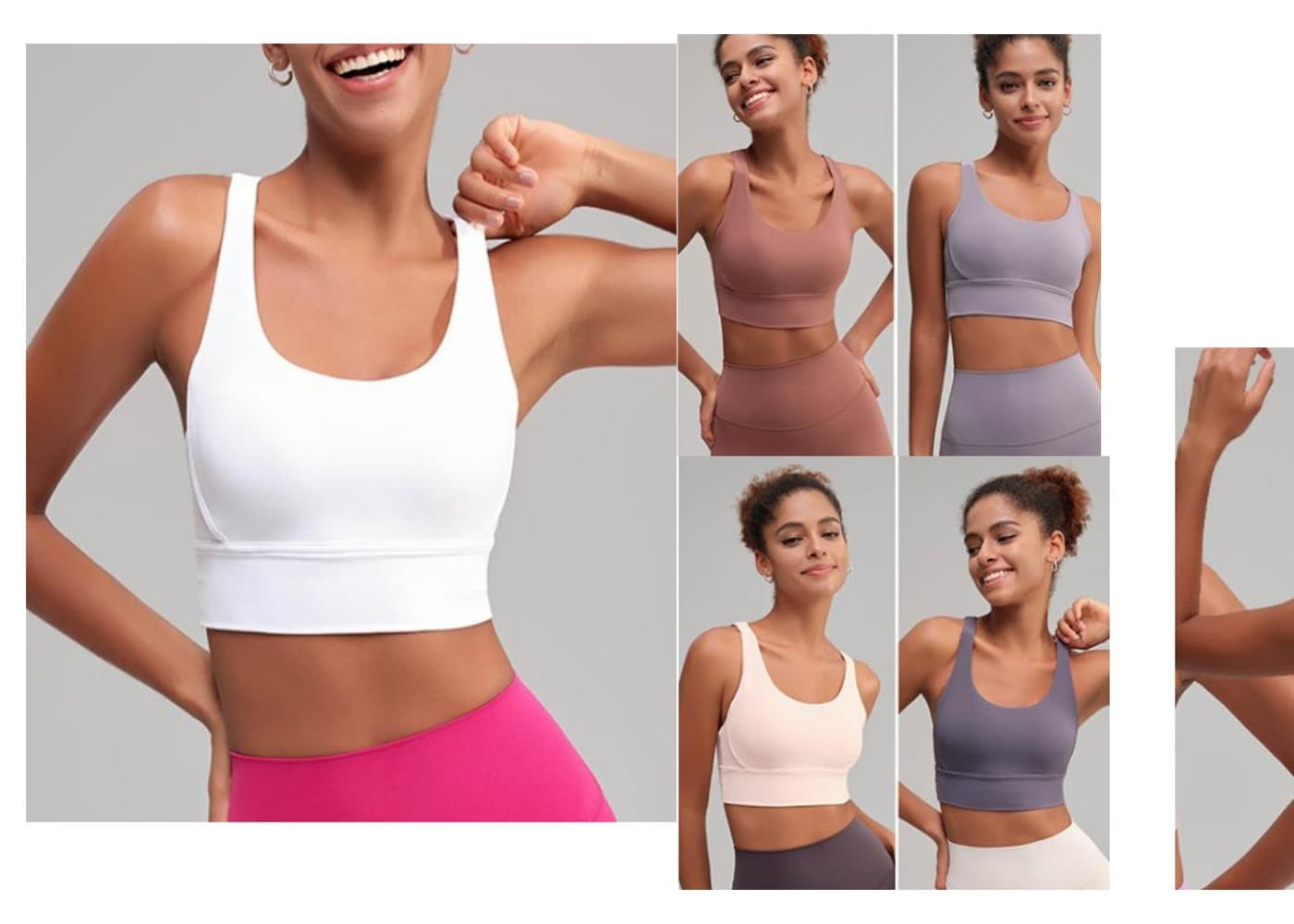
What should a workout clothing supplier UAE brief actually describe?
A search for a workout clothing supplier UAE can lead to several different services. This guide concerns a UAE or GCC brand developing garments with an overseas manufacturing partner. inPACE Sports works from China. The buyer’s destination does not establish the factory location, shipping terms or product origin. Put those responsibilities into the enquiry instead of assuming them from a country keyword.
The main route here is factory-custom development: changing coverage, length, fit, fabric or construction to answer a defined wearer need. Adding branding to a suitable existing garment is a narrower project. If that garment already meets the brief, there may be no reason to develop a new pattern. However, a longer sleeve or altered neckline is a product change, even when the requested difference looks small.
Start with the gym wear manufacturing service and describe one intended activity, one wearer group and one sales channel. A studio collection, a training layer and a fitted exercise set may need different samples. Do not assume that everyone buying in the same country shares the same coverage preference, exercise environment or styling choice.
Write what the garment should let the wearer do. Include what should remain covered during movement, what can be adjusted and what other items will be worn with it. This gives a supplier a practical development question rather than a broad request for a regional look.
How can coverage become a measurable product requirement?
Describe coverage by body area and movement. A standing photograph cannot show what happens when the wearer reaches overhead, bends forward, sits or changes direction. Select movements relevant to the intended activity and assess them with a suitable sample and the wearer’s permission. Record the garment size and the reviewer’s observations so that a later revision can be compared fairly.
For a top, identify neckline depth, sleeve opening, sleeve length and hem position. For a bottom, distinguish waistband position, rise, leg opening and the areas covered by any outer layer. For a set, explain the intended overlap between garments. A top and bottom that each look acceptable alone may expose an unintended gap when worn together.
Avoid treating “modest” as a complete technical specification. The word can communicate a brand intention, but it does not tell the pattern maker which dimensions or movements matter. Add drawings, marked reference points and an approved interpretation. Ask the supplier to identify conflicts, such as a tighter opening that restricts a required movement.
Keep preferences and acceptance criteria separate. “Explore a longer silhouette” leaves room for development. “The approved hem position must be maintained in the agreed reach observation” describes a decision to check. Set the actual method and acceptance conditions with the project team rather than borrowing an arbitrary number from an unrelated garment.
Which questions reveal the trade-offs in a coverage brief?
Use the table to decide what a sample must show. It is a development tool, not a list of performance results or a universal garment specification.
| Buyer intention | Product variables to discuss | Evidence to review | Decision before progressing |
|---|---|---|---|
| More torso coverage | Body length, hem shape, overlap and ease | Front, side and movement observations | Does the chosen silhouette maintain the intended coverage? |
| Longer arm coverage | Sleeve length, cuff opening and shoulder relationship | Reach and elbow movement in the sample | Does coverage remain without an unwanted restriction? |
| Less visible body contour | Fit allowance, fabric drape and construction | Actual garment on the intended size reference | Is the effect achieved by fit, material or an extra layer? |
| Coverage under stretch | Material, colour, extension and seam placement | Agreed observations in relevant positions | Which colour and size combinations still need evidence? |
| A removable outer layer | Opening, length, closures and underlayer relationship | Layered and separate sample review | Can the wearer use both garments as intended? |
| A lighter wearing impression | Material hand, fit, surface and layering | Structured wearer feedback; additional tests where needed | What is preference, and what can support a product claim? |
| Reliable branding placement | Logo size, seam distance and material behaviour | Decoration on the relevant garment area | Does branding interfere with movement or coverage? |
If two intentions conflict, choose the priority before requesting another sample. A buyer might want a loose drape and a very controlled hem position. The answer may involve silhouette, construction or a different use case. A supplier should explain the proposed trade-off, while the brand decides which outcome matters most to its customers.
How should climate intentions be translated into material questions?
Describe the intended setting instead of asking for “the best fabric for the GCC.” Separate indoor exercise, outdoor activity, travel to a venue and time spent in an outer layer. Record the conditions relevant to your own product research. A destination name does not supply a complete temperature, humidity, activity or wearer profile.
Turn words such as cooling, breathable and quick drying into open evidence questions. Ask what property the team intends to assess, which material and garment construction are involved, and whether a proposed marketing statement requires an appropriate test. A pleasant handfeel is useful feedback, but it does not prove a cooling or moisture-management claim.
The fabric selection guide helps organise the broader comparison. For this brief, focus on how fabric interacts with coverage: drape over the body, appearance when extended, contact with an underlayer and the effect of seams or lining. Choosing only by fibre name or fabric weight leaves those garment-level questions unanswered.
Use fabric and trim review to identify body fabric, lining, elastic, closures and decoration separately. Ask which materials can be sampled in the proposed colour and which would be substitutes. A substitute may support an early shape discussion without being suitable for approving the final wearing experience or product description.
Why must a layered outfit be reviewed as a combination?
Treat the garments as a system the wearer will use together. Record the intended underlayer, outer layer and whether either item is sold or worn separately. A loose top over a fitted base may behave differently from the same top worn alone. The test question must reflect the combination the brand intends to describe.
Check how the layers meet at the neckline, cuff, waistband and hem. Look for bunching, pulling, unwanted exposure or difficult adjustment during relevant movements. Identify whether the observed issue comes from the outer garment, the underlayer or their relationship. Changing both pieces at once may make it harder to understand which revision resolved the problem.
The Yoga and Activewear collection can provide silhouette references. Mark the role of each reference instead of requesting an exact copy. For example, a brand may like a sleeve proportion while needing a different neckline or body length. A catalogue image cannot establish the material or approve a new coverage specification.
Build the review around the actual base size and intended wearing combination. If a garment is designed to fit over another piece, record that allowance clearly. Do not solve a layering problem simply by changing the size label. A larger size may alter shoulders, openings and proportions in ways that do not answer the original brief.
What can a product photograph tell the development team?
Use photographs to identify visible features, then label what remains unknown. An image may show an opening, seam position or styling relationship. It cannot establish stretch recovery, opacity through movement, wearer comfort or how a different fabric will behave. Those limits should travel with the reference when it is passed to another team.
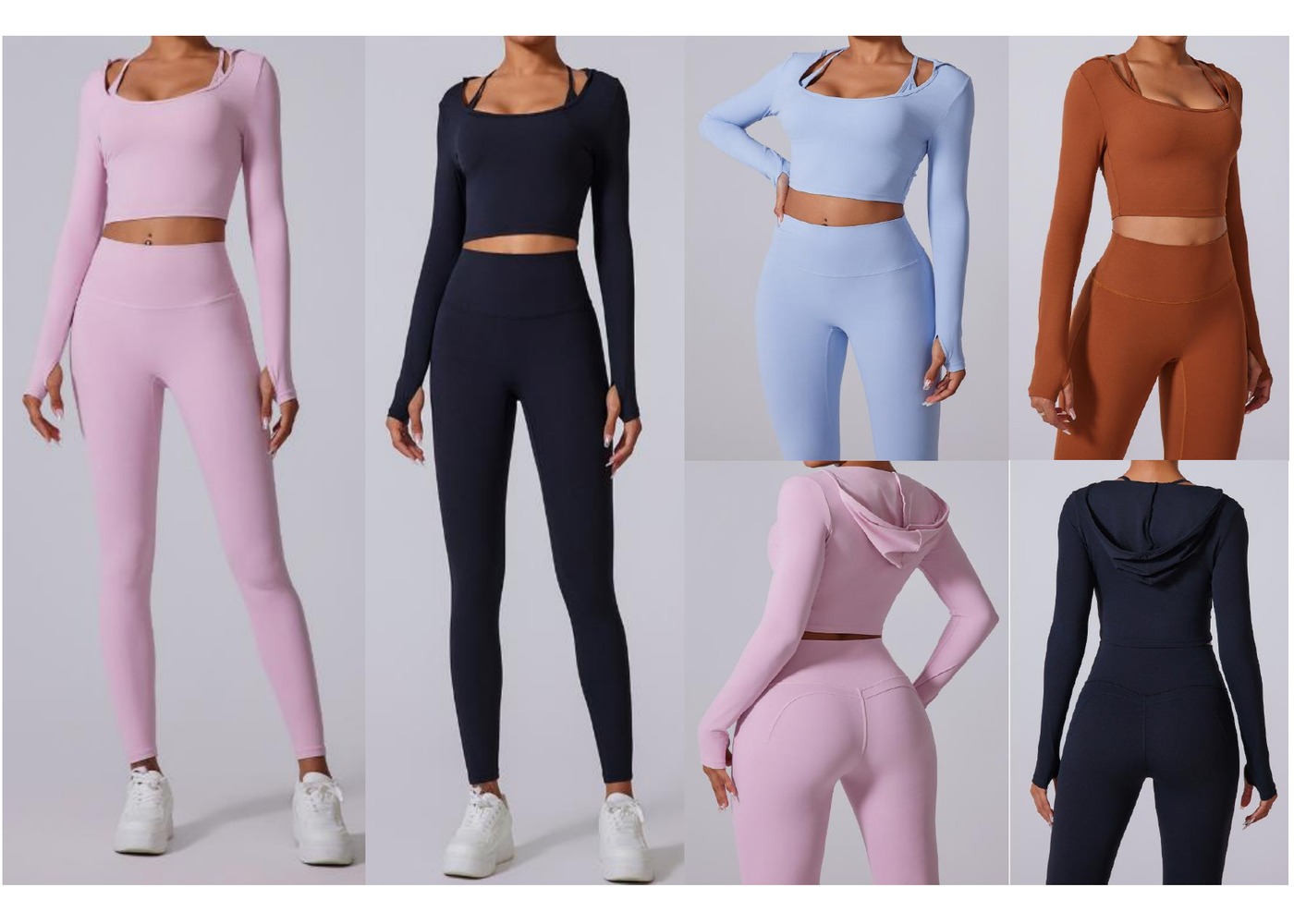
Neckline and strap reference from the project image library. It supports a discussion of visible garment features; it is not evidence of suitability for a particular wearer, activity or destination.
Annotate the front, back and side views you need. If the key question concerns rear coverage during bending, a front image alone leaves a major gap. Ask for a drawing or an additional permitted reference rather than inviting the supplier to infer the unseen design. Keep third-party logos and protected design details out of the development instruction.
Record the difference between styling and the product itself. An outer layer shown open in a photograph may need to be assessed closed for the intended use. A sleeve pushed up for a photograph does not define its finished length. Convert those ambiguities into questions before spending time on a sample.
How should opacity and colour be assessed together?
Agree what the team means by acceptable coverage in the intended use. Record the material, colour, size, lighting and movement used for the observation. The aim is a repeatable discussion, with appropriate privacy for the wearer. A casual photograph under one lighting condition should not become the sole basis for a broad claim about the collection.
Do not carry a result automatically from one colour to another. Review the actual colours selected for the product, especially where a change could alter appearance through extension or over an underlayer. If the range contains several materials, keep each material-colour combination identifiable in the sample log.
Distinguish colour approval from coverage approval. A shade may match the brand’s visual direction while the garment still needs further review in movement. Conversely, an acceptable coverage observation does not confirm that top and bottom colours create the intended set. Give each decision a separate status and evidence reference.
If a proposal adds a lining or changes construction, reopen the connected questions. The change may affect appearance, fit, seams, layering and care information. The next sample should explain which decision the revision is intended to resolve and which previous approvals need to be checked again.
What should the first sample prove, and what should it leave open?
Give the sample a narrow purpose. It might compare two hem shapes, assess a sleeve and armhole relationship, or examine how an outer top moves over the intended base. Specify the material and size used, including any approved substitute. Write the limits on the sample record so that another reviewer does not mistake exploration for final approval.
Follow the sample planning guide when arranging the sequence. Request the smallest set of samples that can answer the important questions clearly. Several samples with uncontrolled differences may produce more opinions without improving the decision. A controlled comparison is usually easier to interpret and explain to the supplier.
Use one comment record for all reviewers. Separate the observation, possible cause and requested investigation. “The back hem rises during the agreed movement” is more useful than “make it more suitable for the market.” Ask the technical team to confirm its interpretation before changing the pattern or material.
The sample-feedback guide provides a structure for closing comments. Keep unresolved items visible even when another part of the sample is approved. If the neckline is accepted but the sleeve still restricts movement, record two statuses rather than a single ambiguous “sample approved.”
How can logos and labels affect the wearing experience?
Place branding within the garment’s movement and layering plan. A logo may sit under an outer layer, cross a seam or occupy a highly stretched area. Review its position on the relevant sample instead of approving an isolated artwork file alone. Identify the material, application method and actual placement used for the approval.
Use the stretch-activewear logo guide to compare decoration questions. Do not assume that one method is suitable for every fabric or garment area. Ask what sample evidence is needed for the proposed combination, and keep any performance statement limited to what has actually been established.
Check labels in the intended wearing combination. A label position that seems unobtrusive on a loose layer may contact the body differently on a fitted base. Ask the wearer to report the location and circumstances of discomfort without turning one observation into a universal claim. Review the actual label construction before finalising the placement.
Keep information approval separate from physical label approval. The development team can assess size, placement and construction, while the designated destination-market reviewer approves the required wording. A correct logo file does not establish that composition, origin, care or sales descriptions are ready for release.
Who owns the UAE and other GCC market-information review?
Name each destination and the party responsible for its product-information review. UAE approval should not be treated as an automatic approval for every GCC market or selling channel. A regional launch can share controlled manufacturing data while still requiring separate review of the relevant local obligations.
The UAE government’s consumer-protection information and the Ministry of Economy and Tourism’s legislation directory are official starting points for the responsible local reviewer. They do not certify a sample, approve a label or establish that a particular performance claim is supported. Confirm the current requirements for the actual product and sales route.
Build a handoff that separates supplier facts, brand wording and local approval. Supplier facts can include the agreed material identity and manufacturing information. Brand wording can include product names, intended use and proposed claims. The designated reviewer determines what additional evidence or information is needed before those statements are used.
Where Arabic and English versions are prepared, maintain a controlled pair of files and an approval owner for each. Reopen affected wording when the material or product changes. Copying an old label from another SKU can preserve an error even when the layout looks familiar.
How should packing preserve the approved product definition?
Identify every sellable combination. If a set contains an inner piece and an outer layer, specify whether they share one pack or remain separate items. Record garment quantities, size pairing and the information needed at receiving. A photographed outfit is not a packing instruction unless the buyer has explicitly defined it that way.
Agree how variants will be distinguished without opening every unit. A layer length, colour or size difference should have a stable identifier in the order and packing records. Keep the code linked to the approved specification so that a receiving team can investigate a discrepancy without reconstructing the design conversation.
Use the manufacturing workflow to discuss the handoff from approved samples to finished garments. Ask who confirms that the current labels, artwork and packing instructions reach the relevant process. If the project changes late, identify which physical items and records must be replaced or checked.
Receiving feedback should distinguish a packing error from a product issue. A missing outer layer, wrong size pairing and an unsatisfactory hem response require different investigations. Record the affected SKU and evidence, then route the issue to the appropriate owner rather than combining everything under a general quality complaint.
What belongs in the final coverage and layering checklist?
Before requesting a quotation or the next sample, prepare these inputs:
- Name each destination, selling channel and local information-review owner.
- State the intended activity and relevant indoor or outdoor use setting.
- Describe the wearer group without assuming a country-wide preference.
- Identify the garment’s role as a base, standalone piece or outer layer.
- Mark coverage areas and the movements in which they must be reviewed.
- Provide base-size measurements, diagrams and the intended layering allowance.
- List the actual material and colour combinations requiring assessment.
- Separate wearing preferences from proposed claims that need evidence.
- Define the first sample’s purpose and any permitted substitutions.
- Assign technical, wearer-feedback, artwork and market-information reviewers.
- Confirm whether items are packed as sets or separate sellable units.
- State the unresolved question that must be closed before production approval.
Use the checklist as a release conversation. A missing answer should create a named task, not an assumption. For example, the supplier can proceed with an agreed silhouette study while final label wording remains under local review, provided the team clearly limits what that sample may approve.
What can inPACE do with a focused UAE or GCC brief?
inPACE can discuss custom fit, fabric direction, construction, samples, branding compatibility, production coordination, QC and packing within the confirmed project scope. The useful starting point is one garment and its unresolved coverage or layering question. That allows the team to identify which references and sample evidence are needed next.
Use custom activewear development for a project that changes the garment itself. If the selected product already meets the brief and only branding is required, identify that narrower scope in the enquiry. Neither route implies stock availability, a fixed minimum quantity or an unconditional delivery commitment.
Then send the coverage and layering brief, including destination, product role, movement observations, base size, material direction and review responsibilities. Ask the supplier to state its assumptions and the sample’s limits alongside the proposal. The next decision should be clear enough for both the brand and the development team to recognise when it has been answered.
Product directions
Explore relevant activewear products
Use these product pages as practical references for your brief, then confirm materials, fit, customization, and production details through sampling.
Yoga and Activewear
Compare silhouette references and identify which neckline, sleeve and layering details require a project-specific sample.
View product directionActivewear Performance
Select a reference garment and mark the coverage or movement question that needs development evidence.
View product directionCustom Activewear Development
Discuss changes to fit, fabric, length and construction with a defined coverage and layering brief.
View product directionFAQ
Buyer questions
Does a workout clothing supplier UAE search mean local manufacturing?
No. It may describe the buyer’s destination rather than the manufacturing location. This guide covers UAE and GCC brands working with an overseas partner; inPACE works from China. Confirm development, manufacturing, receiving and origin responsibilities for the actual project before comparing proposals.
Is modest workout wear a complete technical specification?
No. Explain which body areas should remain covered, which movements matter, and what other garments will be worn with the item. Add measurement diagrams and an agreed interpretation. Coverage preferences differ between customers and channels, so a regional label cannot replace the product brief.
Can a lightweight fabric automatically support a cooling claim?
No. Weight and handfeel do not by themselves establish cooling or moisture-management performance. Define the proposed claim, the material and garment involved, and the evidence required. Keep subjective wearer feedback separate from test results and marketing wording approved for the destination.
Should an outer layer be sampled with its intended underlayer?
Yes, when the product is intended for that combination. Assess openings, overlap, bunching and movement together, while recording each garment’s individual status. If the pieces are also intended to be worn separately, include those uses in the review instead of assuming the combined result applies.
Can coverage approval for one colour apply to every colour?
Do not assume it does. Identify the material, colour, size and observation conditions behind the approval. Review the actual combinations needed for the range, and keep colour matching separate from coverage assessment. A material or lining change may reopen earlier decisions.
Does a UAE label review cover other GCC destinations?
It should not be treated as automatic regional approval. Name each destination and appoint the appropriate local reviewer for its product and channel requirements. Share controlled supplier information, but keep the destination-specific wording, evidence and approval records identifiable.
What should a brand send to inPACE first?
Send one product role, permitted references, coverage areas, relevant movements, base size, intended layers and material questions. Include the destinations, sales channel and approval owners. State the decision the first sample should support so that its scope and limitations can be discussed before production planning.