
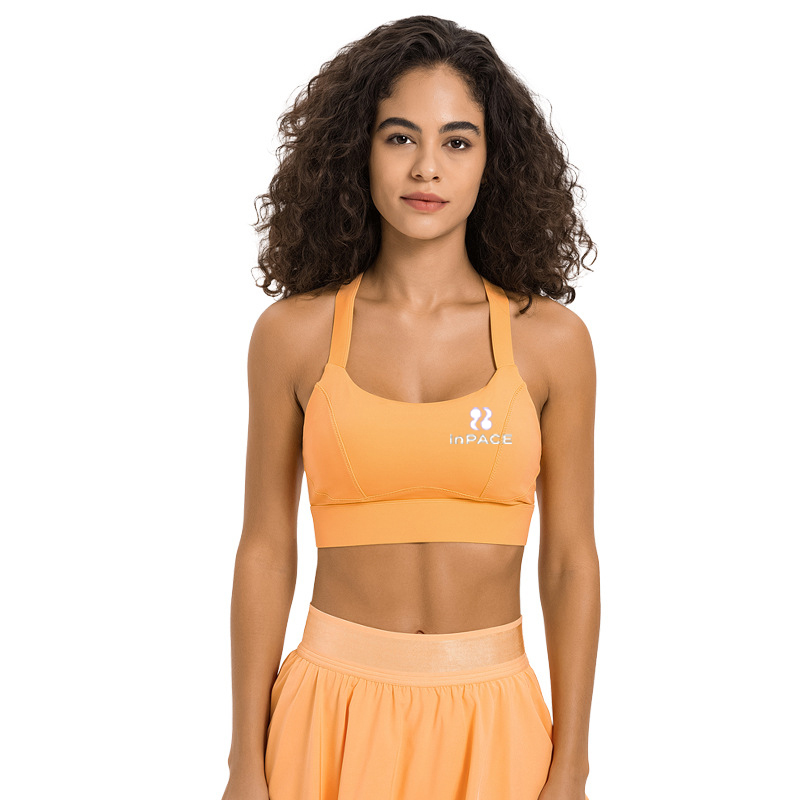
How should a brand plan orange gym wear?
Orange gym wear should begin with a defined product role, not a broad instruction to make a collection look more energetic. A brand can use orange as a small visibility accent, a secondary colour across selected training styles, or a full-set statement for a focused capsule. The appropriate choice depends on the target customer, channel, fabric surface, garment coverage, logo treatment, colour count, and the evidence the team wants from sampling.
For a B2B programme, the practical question is whether the colour direction can be applied to an existing product with controlled branding, or whether it changes the garment enough to require factory custom development. A catalogue-informed route can be useful when the silhouette is already right and the conversation centres on logo, labels, hangtags, packaging, and an agreed colour option. A factory-custom route is more suitable when the brief needs a new orange tone, material, panel layout, print, construction, fit, or sample purpose. Product images are references for that discussion; they are not promises of a colour, fabric, or in-stock programme.
The wider activewear design trends guide explains how a colour direction becomes a product role, material question, and approval plan. This page takes the orange gym wear decision one step further: choosing the amount of orange, where it belongs, and what a buyer should prepare before asking a supplier to review it.
Should orange be an accent, a supporting colour, or a full gym-wear set?
Orange is not one decision. A small orange binding on a dark training layer, an orange underband on a bra, an orange panel on a short, and a fully orange matching set each create different commercial and technical questions. A useful range gives the colour a job before the team selects a shade name or a product photo.
| Orange role | What the customer sees | Suitable product use | What the buyer needs to confirm |
|---|---|---|---|
| Accent | A small high-energy signal against a stable base | Logo zone, binding, zipper pull, pocket edge, drawcord, contrast panel, or limited print area | Exact placement, logo contrast, trim match, and whether the accent appears on more than one material |
| Supporting colour | Orange is present across selected styles but does not carry every SKU | Bra-and-short pairing, training tee, lightweight layer, or one coordinated colourway beside core neutrals | Which styles share the colour, intended shade relationships, size-and-colour matrix, and material-specific review |
| Full-set statement | Orange leads the visual story on a matching or tightly edited capsule | Coordinated bra, legging, short, top, or warm-up layer for a focused launch | Coverage, lining, opacity, surface, logo visibility, component match, packaging presentation, and sample purpose |
An accent route can be commercially useful when a brand already has a dependable core of black, navy, grey, or another established base and needs one recognisable visual signal. The buyer can keep most of the assortment stable while testing orange at a controlled scale. That may make sense on an Activewear Performance Collection reference when the basic garment role is already close to the brief. The product page helps name the silhouette; the final colour, material, branding, and commercial scope still need to be reviewed for the project.
A supporting-colour route asks for more coordination. If orange appears on a bra, short, layer, and graphic detail, the team should decide whether it is the same material colour across each item or a visually related family of tones. A smooth knit, rib, mesh, lining, elastic, and print surface can make the same colour reference look different. It is better to describe the intended relationship—such as “deep orange body, darker orange elastic, and a quiet charcoal logo”—than to assume every component will match automatically.
A full-set orange gym wear direction can create a strong visual statement, but it should be treated as a focused product test rather than an instruction to apply one colour to every style. The buyer should identify the hero garment, the supporting garment, the use case, and the customer who is expected to wear it. The Hooded Thumbhole Training Set is one useful reference for naming the relationship between a coordinated layer, body fit, branding, and a colour programme. It does not mean that the shown material, colour, or construction is automatically the right route for an orange set.
Which orange colorways work with black, blue, and grey?
Orange does not need to be judged in isolation. Most buyers are deciding how it sits next to an existing base rather than whether it is attractive as a standalone swatch. A practical colorway starts with a dominant colour, names the secondary relationship, then assigns a limited third colour only when it has a purpose. The aim is not to copy a trend board; it is to give merchandising, development, branding, and photography teams the same usable brief.
| Colorway direction | Product-planning use | Design risk to review | First sample question |
|---|---|---|---|
| Orange + black | A controlled, high-contrast training or gym apparel direction with black as the repeatable base | Orange may feel more intense on a large panel than on a small mark; logo and seam visibility can change the balance | Does the orange appear in the intended proportion on the selected garment and fabric face? |
| Orange + blue | A cooler-versus-warmer contrast for a layer, panel, or coordinated capsule | Blue depth and orange saturation can compete if both are used at equal scale | Which colour leads, and which is limited to a panel, trim, logo, or supporting style? |
| Orange + grey | A balanced gym-wear palette when the brand wants energy without making every piece loud | Grey can shift between fabrics and trims, changing how the orange reads beside it | Does the approved grey give the orange enough contrast on the actual material and component set? |
| Orange + neutral white or off-white | A clean colour break for a small group of styles, packaging detail, or visual content | Light panels may create coverage, lining, or staining questions depending on the garment and use | Which garments and areas need a physical coverage and care review before approval? |
For black and orange gym wear, decide whether black is a core garment colour or simply a contrast component. A black legging with an orange logo has a different production conversation from an orange legging with black panels. The first may be a controlled branding and placement question. The second can change panel shapes, fabric consumption, construction, inspection points, and how the team evaluates colour balance across sizes.
Blue and orange can create a more directional contrast, especially when a brand is building a training layer or graphic capsule. The useful question is not whether the two colours “go together.” It is whether the product needs orange for visibility, energy, a performance cue, or a campaign-specific statement, and whether blue is a core colour, a secondary panel, or a background. Put that hierarchy in the brief so a supplier can review the surfaces, trims, logos, and sample route together.
Orange with grey is often easier to scale because grey can carry the core product role while orange remains selective. Even so, “grey” is not a production specification. A heathered, smooth, brushed, ribbed, or coated surface can show a different depth. The activewear colour approval guide is the relevant next step when a visual palette must become a traceable review of fabric, elastic, print, logo, label, and garment colour relationships.
How does orange change across activewear fabrics and product surfaces?
An orange reference should be reviewed on the garment, not only on a screen or small chip. Surface texture, sheen, stretch, coverage, lining, seam placement, elastic, and component colour can all change the way a bright shade is perceived. This is a design and approval observation, not a guarantee that one material will behave the same as another.
A smooth performance knit may make orange feel more graphic and even. A rib or textured structure can create light and dark variation across the body. Mesh, perforation, and open structures can change the amount of base colour the customer sees. A printed surface can create a different colour edge from a dyed body fabric. Binding, elastic, zipper tape, labels, and heat-transfer marks have their own material and finish choices. When orange is the hero colour, those relationships are usually more visible than they are in a small neutral logo programme.
The buyer does not need to arrive with every technical answer. A useful colour-development note can separate confirmed preferences from questions that require review. For example: “orange is intended as the main bra colour; the underband should be a darker coordinating tone; the logo should remain restrained; confirm the lining and elastic relationship through a sample.” That is more actionable than “make it bright and premium.” The fabrics and trims overview can help the team prepare the material questions before choosing a sample route.
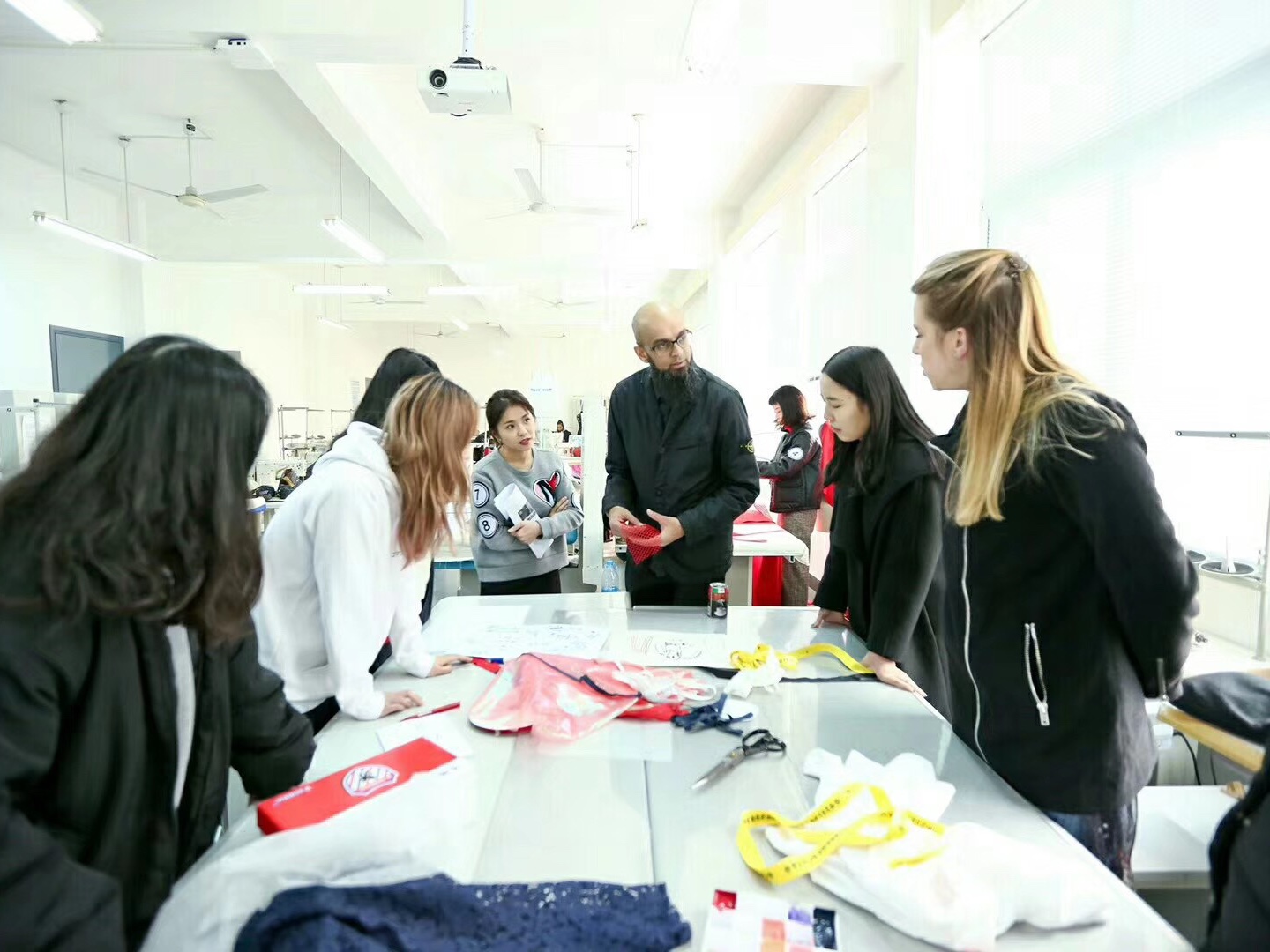
For a colour-led activewear project, a fabric and trim review should connect the intended orange to the body material, lining, elastic, binding, logo method, label area, and packing presentation. A swatch narrows a direction; a garment sample shows how those decisions work together in use.
How should brands choose between orange activewear wholesale and factory custom development?
The route should follow the requested change, not the colour word in the title. “Orange activewear wholesale” can be a useful search phrase for a buyer looking for an efficient catalogue-based starting point, but it should not imply that every orange garment, finish, or size run is ready for immediate purchase. The actual route depends on the selected product, required colour, branding, labels, packaging, quantity context, and development questions.
| Project situation | Appropriate first discussion | What the buyer should send | What must be confirmed |
|---|---|---|---|
| Existing silhouette is suitable and the main need is brand presentation | Wholesale or private-label review | Product reference, target orange, logo artwork, label and hangtag requirements, packing needs, and quantity direction | Available product route, material, colour path, application method, order conditions, and final packing |
| Existing product needs a changed colour relationship or coordinated set | Review of the catalogue reference plus a controlled colour and sample discussion | Style-colour map, target use ratio, supporting colours, size direction, and sample question | How the selected colour reads on the intended material, components, fit, and branding |
| Brief needs a new material, panel, print, fit, construction, or feature | Factory custom development | Reference images with annotations, product role, desired changes, fabric direction, colour plan, size range, and sample objective | Pattern, material options, sample route, timing, cost, MOQ, and production scope |
The private-label activewear service is the right starting point when the brand can work from an existing product direction and wants to organise logo, labels, hangtags, packaging, and product-specific presentation. The custom activewear development route is more relevant when orange is tied to a changed garment rather than a controlled brand treatment. Both discussions are clearer when the buyer says what must remain the same and what needs to change.
For example, a buyer may use the Waist-Bag Sport Short as a reference for product role and ask whether an orange waistband, logo placement, or coordinated top can be reviewed. That reference is useful because it identifies a short silhouette and visible detail context. It is not a claim that the shown item is available in a particular orange, has an approved logo route, or establishes a fixed production plan.
What should an orange gym-wear sample prove before production?
The first sample should answer a named question. A colour-led sample may be intended to confirm how orange reads on a stretch fabric, whether black panels create the intended proportion, whether a logo stays legible, how a bra lining affects the surface, or whether an orange-and-grey set feels balanced across a size range. It does not need to prove every future colourway, component, and packing detail at once.
inPACE can support a complete sampling workflow that may include colour development, printing, embroidery, wash effects where relevant, fabric and trim review, construction, fit review, branding, and packing preparation. The exact work follows the product brief. In the usual planning range, sampling is often 5–10 days and production is often 25–50 days after the applicable scope, approvals, and conditions are confirmed. These are not fixed promises: style complexity, fabric availability, colourways, logo and decoration method, labels, packaging, quantity, revision requests, and production scheduling can change the plan.
Sample pricing also needs a transparent discussion. The general inPACE sample guideline is 1.5–3 times the corresponding bulk unit quotation, depending on the development and product scope. For one style, the stated sample-fee refund schedule is 10% at 100 units, 30% at 300 units, 50% at 500 units, and 100% at 1,000 units. The buyer should confirm the applicable quotation, style count, sample work, and order conditions in writing before treating these guidelines as a final commercial commitment.
The activewear sample plan guide helps distinguish a colour check from a fit, material, construction, branding, or pre-production approval sample. This prevents a common misunderstanding: a team likes an orange shade on one garment, then assumes it is approved across all materials, trims, sizes, and later styles. Record exactly what the sample proves and what remains open.
Orange gym wear buyer checklist
Before asking a custom gym gear supplier or gym apparel manufacturer to review an orange direction, prepare a short decision sheet:
- State the target customer, activity, channel, and reason orange belongs in the range.
- Mark orange as an accent, supporting colour, or full-set hero; do not use all three terms for the same item.
- Identify the product references and which visual details are only inspiration rather than requirements.
- Show the intended relationship with black, blue, grey, white, or other supporting colours.
- Name where orange appears: body, panel, binding, elastic, zipper, logo, print, label, packaging, or campaign image.
- Attach a colour reference when one exists; label an unapproved image or screen colour as direction only.
- Note the fabric surface, lining, mesh, rib, print, or trim questions that could change the perceived colour.
- State the intended logo method and whether the mark should blend in or contrast.
- Share preliminary size, colour, and quantity information so the factory can see the programme rather than one isolated image.
- Separate catalogue-based branding requests from changes that need a new material, fit, panel, construction, or sample.
- Define the first sample question and the reviewer who will approve or comment on it.
- Include labels, hangtags, barcode, folding, bags, and carton needs if private-label presentation is part of the launch.
This checklist keeps orange gym wear connected to product planning instead of treating colour as a final decoration. It also gives the supplier a fair basis for explaining what can be reviewed from an existing reference and what needs colour development or physical sampling.
Turn an orange direction into a clear product brief
Orange can help a gym-wear range look focused and energetic, but the commercial value comes from controlled choices: which product carries it, how much of it the customer sees, what it sits beside, how it changes on the intended fabric, and which sample needs to prove the decision. Start small enough that the brand can learn from the result, then expand only when the product, colour, branding, and approval evidence support it.
To discuss an orange gym wear programme with inPACE Sports, share the reference style, target orange, intended colour proportion, supporting colours, product use, fabric direction, logo and label requirements, packing needs, quantity context, and the exact question the first sample should answer. Send an activewear product brief to determine whether the next step is a catalogue-informed private-label route or factory custom development.
What to review
Questions designers, buyers, and brands should answer
Activewear brands, wholesale buyers, and product teams deciding how orange should work across gym apparel, branding, samples, and a practical colour-development route.
Assign orange a clear role as an accent, supporting colour, or focused full-set direction before selecting products or fabrics.
Review orange with its black, blue, grey, or neutral partners on the proposed material, trims, logo method, and product construction.
Separate a catalogue-informed private-label request from changes that need a new material, fit, panel layout, construction, or controlled sample plan.
Practical next step
Turn the research into a clearer product brief
Send one reference style, the target orange and usage ratio, supporting colours, fabric and logo direction, packing needs, quantity context, and the first sample question.
View the order processProduct directions
Explore relevant activewear products
Use these product pages as practical references for your brief, then confirm materials, fit, customization, and production details through sampling.
Activewear Performance Collection
Use established training silhouettes to decide whether orange belongs on a core garment, a coordinated layer, a contrast panel, or a controlled branded detail.
View product directionHooded Thumbhole Training Set
Use this coordinated-set reference to discuss colour proportion, layering, logo placement, labels, and packing without treating any shown colour or material as pre-approved.
View product directionWaist-Bag Sport Short
Use this short reference to name the silhouette, visible detail, orange accent or body-colour question, logo position, and sample evidence needed for the programme.
View product directionFAQ
Buyer questions
Should orange gym wear be used as an accent or a full set?
Choose the role before choosing the shade. An accent can suit a logo, binding, panel, or limited product, while a full set needs a clearer review of material surface, coverage, lining, logo contrast, components, and the intended customer. A focused capsule can test a full orange direction without applying it to every style.
What colours work with orange gym wear?
Black, blue, grey, and selected light neutrals can create different colour relationships. The useful decision is which colour is the core, which is secondary, and where orange is used. Review the actual fabric, trim, logo, and garment construction because a colour reference can read differently across surfaces.
Can a buyer request orange activewear wholesale with custom branding?
A catalogue-informed or private-label discussion can be appropriate when the selected garment is close to the required silhouette and the main needs are branding, labels, hangtags, packing, and a confirmed colour route. Product, material, colour availability, logo method, quantity, and commercial conditions still need project-specific confirmation.
When does an orange gym-wear idea need factory custom development?
Use a factory-custom discussion when the brief needs a new fit, panel layout, material, print, colour relationship, construction, feature, or controlled sample plan. The buyer should provide the product role, annotated references, target colour proportion, fabric direction, size plan, branding requirements, and the question the sample must answer.
How long do orange gym-wear samples and production usually take?
As a general planning guide, inPACE commonly allows 5–10 days for sampling and 25–50 days for production after the relevant scope and approvals are confirmed. Exact timing depends on style complexity, material availability, colourways, decoration, labels, packing, quantity, revisions, and production scheduling, so it must be confirmed for the project.
How are inPACE sample fees handled for one style?
The general guideline is a sample charge of 1.5–3 times the corresponding bulk unit quotation, depending on the product and development scope. For one style, the stated refund schedule is 10% at 100 units, 30% at 300 units, 50% at 500 units, and 100% at 1,000 units. Confirm the quotation and applicable order conditions in writing before approval.