
Route boundary
What does “small-batch custom” mean for an activewear buyer?
Small-batch custom is a project-specific manufacturing route for a brand that needs more than a generic retail product but wants the first production decision to remain focused. The project may begin from an existing product reference and change selected details, or it may require a new pattern, fabric, construction, colour, feature, or complete sample. The word “small” describes the buyer's testing intention; it does not decide what the material and production system can support.
That distinction matters because buyers often approach a small-batch custom activewear manufacturer with a number before describing the garment. A factory cannot evaluate the number in isolation. A simple top made from an available material and a focused colour plan presents a different production question from a multi-panel legging that needs a new pattern, special fabric, separate colours, pockets, trims, multiple logo applications, custom labels, and individual packing.
The correct boundary is therefore practical: use this route when the brand has a defined product and a real reason to validate it through samples and a controlled first production plan. If the buyer only wants an existing product direction with logo, labels, and packing, a wholesale or light-customisation route may be more proportionate. If the product depends on a new fit, fabric, or construction, treat it as factory custom development even when the intended first quantity is limited.
Test design
Which business question should the first collection answer?
A useful test starts with a decision the brand will make after launch. It might ask whether a specific customer accepts a close-fit zip-neck set, whether one colour story performs better than another, whether customers need a pocket or support detail, whether a coordinated set creates a stronger basket, or whether a proposed price position matches the product experience. Each question leads to a different product and evidence plan.
Avoid asking the first batch to prove everything. Sales cannot reliably explain an unresolved fit, material, or construction problem that should have been found in sampling. In the same way, a factory sample cannot prove customer demand, channel response, photography effectiveness, or replenishment behaviour. Assign technical questions to development and commercial questions to the market, then connect the records.
Write the hypothesis in plain language: “We believe studio customers will choose this coordinated set because the zip-neck layer provides coverage before and after training without becoming a separate outerwear product.” Then state what would count as evidence. The point is not to create a scientific claim; it is to stop the range from becoming a collection of attractive but unconnected decisions.
Decision framework
How can a brand turn a test idea into a workable product plan?
The table below separates a controlled test from an incomplete brief. It does not prescribe a fixed production formula. It shows the evidence a buyer should prepare so the factory can review product scope, sampling, materials, quantity, branding, and packing as one connected project.
| Decision | Useful test plan | Weak test plan | Evidence to prepare |
|---|---|---|---|
| Learning objective | Name one or two commercial questions, such as whether customers accept the fit, colour direction, product role, price position, or brand presentation. | Treat a small order as a way to postpone every product, customer, and channel decision. | A written hypothesis and the customer behaviour that would support, challenge, or refine it. |
| Product scope | Choose a focused garment or coordinated set with a clear role in the proposed collection. | Split attention across many unrelated silhouettes, fabrics, colours, and construction routes. | A short SKU map showing the hero product, supporting product, colourways, sizes, and intended bundles. |
| Customisation depth | Define the fit, fabric, construction, feature, colour, or branding decisions that must be developed and tested. | Call every requested change minor even when it creates new pattern, material, trim, or sewing work. | A change list that separates non-negotiable outcomes, flexible preferences, and items that can remain standard. |
| Sample objective | State what the sample must prove about fit, movement, support, opacity, recovery, construction, appearance, and branding. | Approve a sample because it looks generally correct while unresolved fit or production details remain undocumented. | Consolidated sample comments, measurements, photos, artwork references, and an approved version record. |
| Material and colour | Focus on material behaviours that matter to the garment and review colour availability with the proposed production route. | Request several special fabrics and colours without checking how each choice fragments the project. | Approved fabric or material reference, colour direction, trim match, and notes on any conditional availability. |
| Quantity and size split | Provide a proposed total and a realistic allocation by style, colour, and size so feasibility can be reviewed. | Ask only for the lowest possible minimum while leaving the product mix and size breakdown undefined. | A version-controlled order matrix that reconciles to the total quantity and matches product labels and packing. |
| Brand and packing | Select the logo, labels, hangtags, bags, stickers, barcodes, carton information, and folding rules the test actually needs. | Introduce a different branded component for every SKU before the operating need is understood. | Approved artwork, placement references, label text, packing instructions, and destination information. |
| Post-launch decision | Decide in advance which sales, return, fit, size, colour, and customer comments will shape a reorder or redesign. | Judge the project only by whether all units sell, without recording why, to whom, or with which product feedback. | A simple review record connecting launch data to keep, change, stop, or scale decisions. |
Product scope
How narrow should a small activewear collection be?
Keep the range narrow enough that every product receives a clear brief, sample objective, approval record, quantity allocation, and launch role. That does not mean every collection must contain one style. A coordinated set, for example, can answer useful questions about individual products and bundling. The problem begins when added products require unrelated patterns, fabrics, colours, trims, branding routes, customer stories, and receiving instructions.
Give each SKU a job. The hero product should communicate the main customer promise. A supporting product might improve wearability, complete a set, provide a simpler entry purchase, or create a replenishment option. If two products play the same role without testing a meaningful difference, one may be consuming sample, material, size, photography, inventory, and marketing attention without adding learning.
Brands that are still deciding between catalogue-informed and fully custom work can review the adjacent guide to choosing an activewear route for a startup collection. Use that route choice style by style. A focused collection can combine a reviewed product starting point with one deeper custom development project, provided the quotation, sample, and approval scope stays separate and visible.
Product starting points
Which product references can support a focused test?
A product reference is valuable when the buyer explains what it should communicate. It can identify a silhouette, garment system, fit direction, feature, construction idea, or merchandising role. It is not permission to assume the pictured material, measurements, colours, or availability. Use the cards below to begin a product discussion, then document what must remain, change, or be developed.
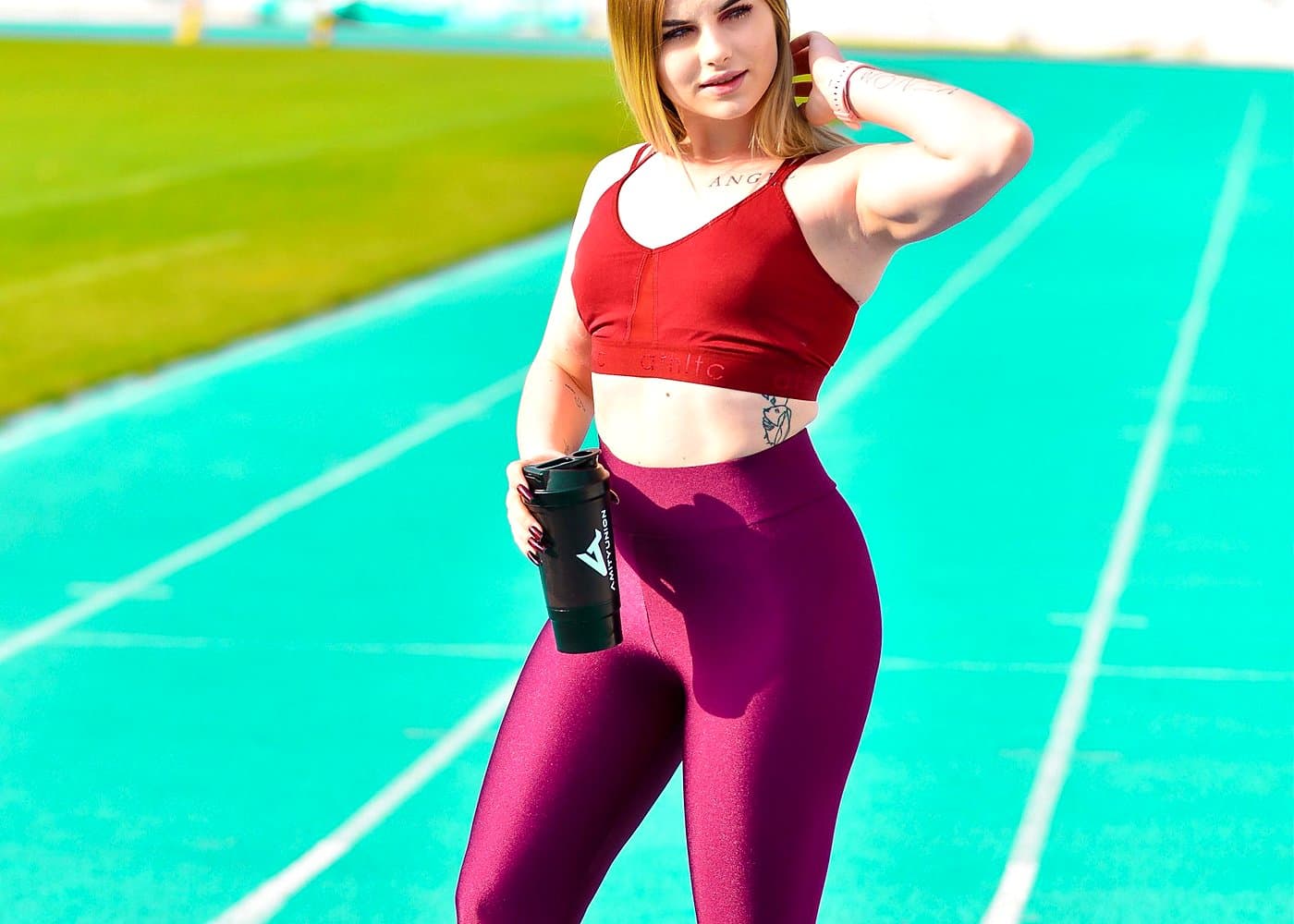
Collection starting point
Activewear Performance Collection
Compare real silhouettes and coordinated-set directions before deciding which product role deserves a controlled small-batch test.
Review this routeReference product
Zip-Neck Sculpt Set
Use one concrete top-and-legging direction to discuss fit, fabric behaviour, colour, size allocation, branding, and sample evidence.
Review this route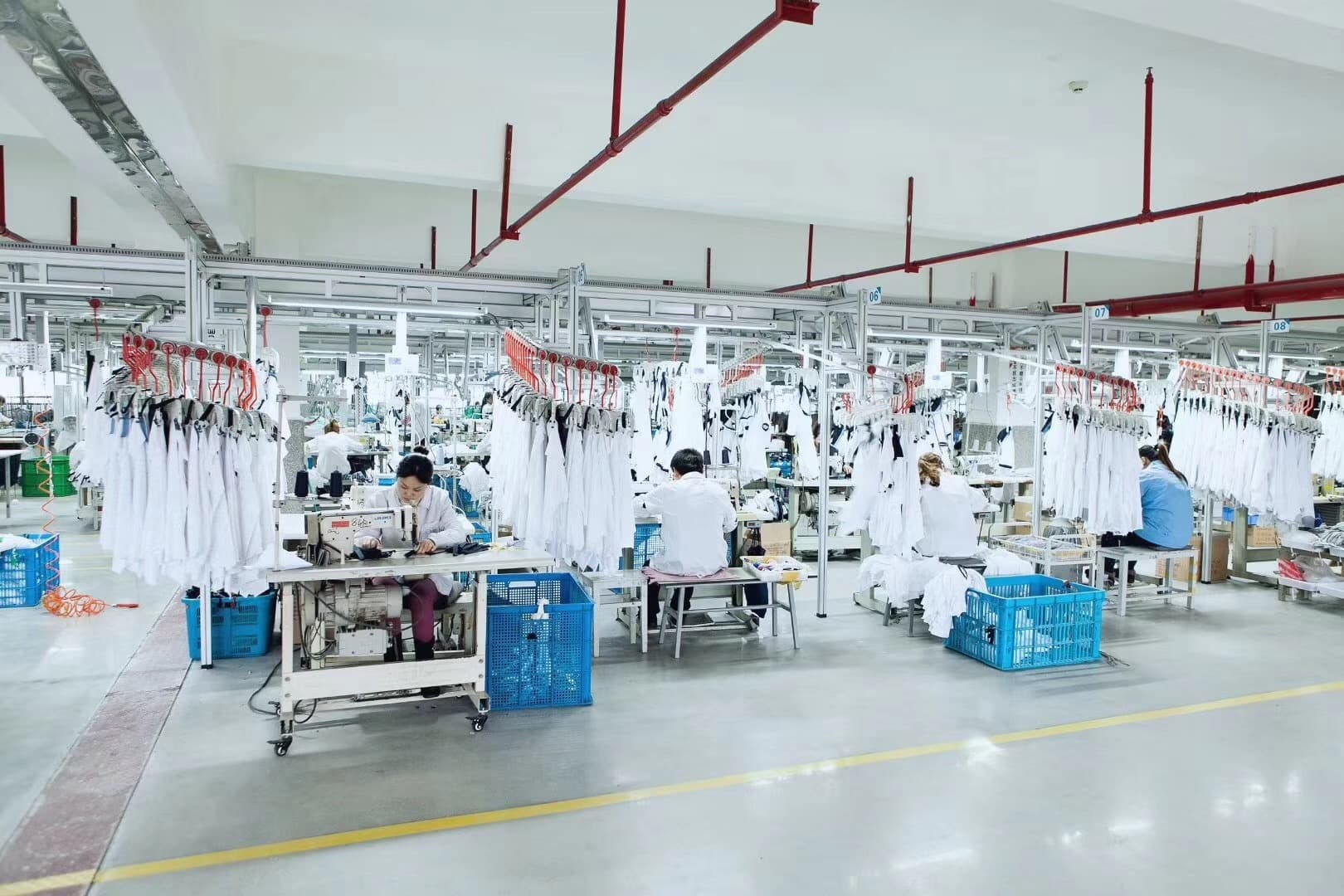
Small-batch custom service
Custom Activewear Development
Use the factory custom route when the test depends on a new fit, fabric, pattern, construction, feature, colour, or sample-development plan.
Review this routeSample evidence
What must sampling resolve before a small production run?
The sample must resolve decisions that would otherwise become production risk. Start with fit and measurements: who should wear the garment, how close or relaxed it should feel, where it should sit, how it moves, and which measurement points control the result. A visual review on one person is not a substitute for written measurements and fit comments, but measurements alone do not explain comfort, support, coverage, or movement.
Next review material behaviour on the actual construction. Stretch direction, recovery, opacity, surface, handfeel, weight, drape, support, and colour appearance can change when material becomes a waistband, close-fitting panel, lined bra, pocket, binding, or zip-neck top. If the test depends on one behaviour, name it in the brief and comment on it directly rather than approving the fabric only by swatch appearance.
Construction, artwork, labels, and packing also need evidence. Check seam routes, edges, stress points, pockets, straps, closures, logo scale and position, label text, hangtag attachment, folding, bags, stickers, and carton information as applicable. The activewear sampling and production workflow helps a buyer understand why comments should be consolidated and approved before bulk preparation.
Material control
Why do fabrics and colours shape small-batch feasibility?
Materials are not divisible into every possible quantity without conditions. Availability, preparation, colour, finish, trim matching, garment consumption, and supplier arrangements can influence the production route. A buyer should therefore describe the required behaviour and remain open about which material identity is flexible. This gives the factory a useful basis for reviewing available and custom options.
Colour adds another layer. A tight palette can concentrate the test and make product, photography, merchandising, size allocation, and repeat-order evidence easier to read. Several special colours may divide one apparently small project into separate material groups. The correct choice depends on what the test is meant to learn, not on a universal rule that small collections should be neutral or colourful.
Before finalising the range, review the fabric and trim discussion points for stretch, recovery, opacity, handfeel, surface, support, colour, logo compatibility, elastic, zippers, labels, and other components. Record any provisional material assumption in the quotation and replace it with an approved reference when the sample route confirms the product.
Quantity planning
How should a buyer discuss MOQ without relying on a fixed number?
Ask for a feasibility review of the order matrix, not a universal minimum. Show the proposed quantity by style, colour, and size, together with the product specification, material direction, logo method, labels, packing, and destination. The factory can then identify which items share a production group, which create separate preparation, and which requirements may need adjustment or another route.
Focus is more useful than simply reducing quantity. A single garment with a controlled material and colour plan can be easier to evaluate than the same total divided across several styles, colours, fabrics, logos, and packaging versions. However, a simple-looking product may still have conditions that affect the plan. The factory must review the actual work rather than infer feasibility from the product name.
Keep commercial language precise. “Small batch” should not become “no MOQ,” and “flexible discussion” should not become a guarantee that every custom material or construction is workable at any allocation. A useful response records what the proposed route assumes, what remains open, and which change would alter the quantity, sample, cost, or schedule discussion.
Brand and packing scope
Which private-label details belong in a test collection?
Include the details that the customer, selling channel, warehouse, or receiving process genuinely needs. That may include a garment logo, size and care labels, composition information supplied and approved by the buyer, a hangtag, bag, size sticker, barcode reference, packing ratio, and carton mark. Connect every element to the correct style, colour, size, and destination.
A test collection does not need to demonstrate every possible branding technique. Multiple logo methods, custom trims, special labels, separate bags, and different hangtags can make approval and production records harder to control. Choose the smallest complete brand system that gives customers the intended experience and gives the buyer reliable receiving and fulfilment information.
Approve artwork on the actual fabric and location when stretch, surface, construction, colour, or scale may affect appearance and handfeel. Keep a final file name, dimensions, colour reference, placement measurement, label text, and packing version. This record makes a later reorder more dependable than a folder of images and chat messages that do not identify the approved version.
Factory execution
How does an approved test move into controlled production?
Production preparation connects the approved sample to material, cutting, sewing, branding, inspection, finishing, packing, and shipment information. The team needs the correct specification, measurement record, colour, size allocation, components, artwork, labels, packing instructions, and order matrix. Every item should point to the same approved product version.
A small run does not remove the need for control. In some ways, it makes clear records more important because the buyer intends to learn from the result and may repeat or change it. Review the activewear manufacturing, QC, and packing workflow before assuming that an approved appearance is enough for production.
Control changes after approval. If the brand changes fabric, colour, artwork, labels, size allocation, or packing, identify the affected records and ask whether another sample, confirmation, quotation update, or schedule review is needed. An informal late request should not silently replace the reference used by production and inspection.
Receiving evidence
What should quality checks record before the test reaches customers?
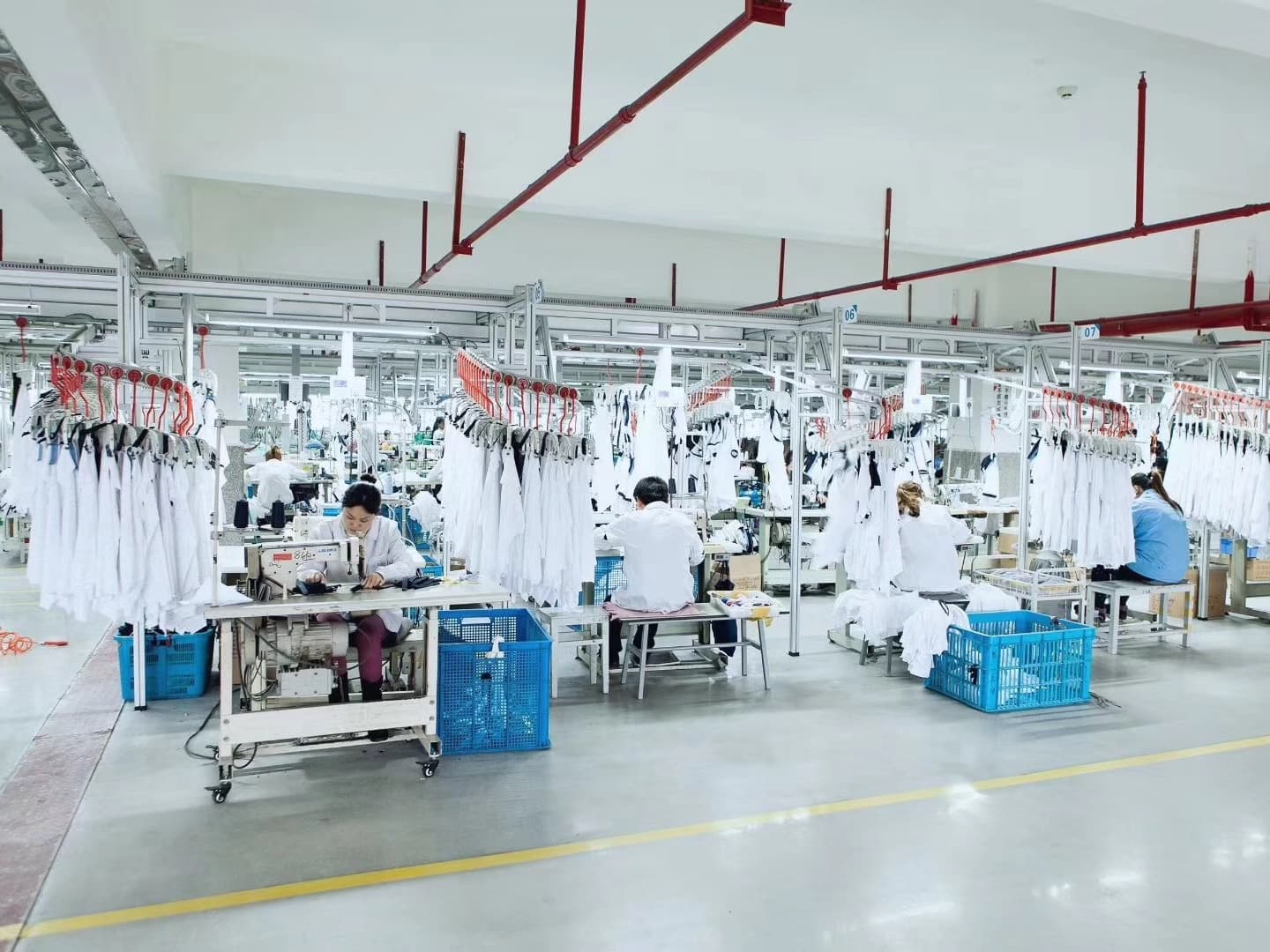
Quality checks should compare the production output with the approved product and order information. The relevant points can include garment identity, measurements, workmanship, seam and edge condition, fabric and trim appearance, logo placement, labels, colour, size marking, quantity, folding, bags, stickers, assortment, and carton information. The exact checklist should follow the product and destination rather than a generic claim of “quality.”
The buyer also needs a receiving check. Confirm that cartons, quantities, styles, colours, sizes, labels, barcodes or stickers, and packing groups match the information required by the warehouse or channel. Record issues separately from customer preference. A wrong size sticker is an execution problem; a customer requesting another colour is market feedback. Both matter, but they lead to different actions.
Preserve the approved sample and digital records after shipment. If the test leads to a repeat order, these references give the buyer and factory a starting point for confirming whether the product is unchanged, which materials and colours need revalidation, and whether artwork, labels, packing, quantities, or destination requirements have been revised.
Common planning errors
Which shortcuts weaken a small-batch activewear test?
Confusing small-batch with ready stock
A small-batch custom project still needs a product scope, materials, samples, approvals, production planning, inspection, and packing. It is not evidence of live inventory, retail units, or dropshipping.
Testing too many variables at once
If fit, fabric, construction, colours, logos, labels, packaging, prices, channels, and customers all change together, the buyer cannot tell which choice produced the result.
Treating the first sample as a sales sample only
Photography matters, but a development sample must also create evidence for measurements, movement, material behaviour, workmanship, branding, and repeatable production instructions.
Fragmenting materials and colours
Every separate fabric, special colour, trim, or logo route can create another sourcing and production group. A small total does not automatically make a highly fragmented range workable.
Leaving the size split until the end
The size plan affects the order matrix, labels, stickers, packing, receiving, and later demand analysis. A total quantity without a reasoned split is not a complete test plan.
Scaling before the product record is stable
A successful launch should lead to a controlled reorder from approved references. If the fabric, fit, artwork, labels, or packing record is unclear, more quantity can magnify inconsistency.
Buyer preparation
What should a brand prepare before contacting a small-batch custom activewear manufacturer?
The brief should make the product and the learning plan visible. It can contain open questions, but it should label them as open instead of letting the factory guess. Use this checklist to create a version both sides can review.
- Describe the target customer, activity, wearing occasion, sales channel, destination market, and reason this product belongs in the collection.
- Write the one or two questions the test should answer and name the customer evidence that would make the answer useful.
- Choose the hero product and explain the commercial role of every supporting style rather than adding SKUs for visual variety.
- Identify whether the starting point is a catalogue reference, physical sample, sketch, measurement set, or tech pack.
- List the fit, fabric, construction, feature, colour, and branding details that are essential to the product proposition.
- Separate required outcomes from preferences that can remain flexible during material and factory review.
- Provide the intended size range and a proposed allocation by style, colour, and size, not only one total quantity.
- Define the material behaviours that matter: stretch direction, recovery, opacity, support, handfeel, weight, surface, or drape.
- State the planned colourways and ask which material and colour combinations need separate review or preparation.
- Supply final logo artwork and identify placement, dimensions, colour, application preference, and approval method.
- Prepare garment label text, care and composition information, hangtags, bags, stickers, barcodes, carton marks, and folding requirements.
- Write what each sample must prove and name the person responsible for consolidating comments and issuing approval.
- Ask the factory to identify quotation assumptions, exclusions, open decisions, and any change that would move the project to another route.
- Treat the preferred launch date as a planning input until samples, materials, order details, production conditions, and transport are confirmed.
- Plan how incoming stock will be checked against the approved sample, measurements, artwork, labels, packing, and order matrix.
- Create a post-launch record for sales, returns, fit comments, size demand, colour demand, product use, and reorder decisions.
Post-launch review
How should launch evidence guide a reorder or redesign?
Review evidence at the same level as the original question. Record sales by product, colour, and size; returns and reasons; fit or comfort comments; product use; customer questions; channel performance; bundles; and receiving or fulfilment problems. A total sales figure can hide a strong product with a weak size split, a popular colour with the wrong allocation, or a good concept affected by unclear presentation.
Separate product changes from operating changes. A fit problem may require measurements, pattern, material, or construction to return to sampling. A frequent request for another colour may belong in assortment planning. A label or barcode issue belongs in the approval and packing record. Slow sales may reflect the customer proposition, price position, content, channel, season, or product itself; do not assume manufacturing is the only variable.
Reorder when the product evidence and approved production record are stable enough to repeat. Redesign when the evidence identifies a specific customer-critical problem or opportunity. Stop when the proposed product no longer serves the target customer or would require unjustified complexity to continue. A small-batch test creates value when it leads to one of these decisions, not merely when it creates stock.
Working with inPACE Sports
How can inPACE Sports review a small-batch activewear brief?
inPACE Sports can discuss small-batch custom projects as a B2B activewear factory supplier. The first review should identify the target customer, product role, reference, required fit and material outcomes, construction, colours, sizes, branding, packing, proposed quantity, market, and the evidence the sample must create. The result may be a catalogue-informed starting point or a factory custom route.
Ningbo Yinshan Garments Factory provides the manufacturing context for sample development, production preparation, QC, and packing. Feasibility, quantity, quotation, material route, and timing remain conditional on the actual project. A buyer should not infer a fixed minimum, price, schedule, fabric availability, or capacity from this article or from a reference product.
Send the confirmed information and mark flexible or open items. The team can then discuss which variables should be simplified, which must be sampled, how the proposed order is grouped, and what needs approval before production. That conversation is more useful than asking whether “small batch” is available without explaining what the brand intends to make and learn.
Prepare a controlled test brief
Discuss a small-batch custom activewear project around one clear product and one useful launch decision.
Send the target customer and channel, product references, required fit and material outcomes, construction, colours, size plan, logo artwork, labels, packaging, proposed quantity, destination, launch context, and sample questions. Mark confirmed requirements, flexible preferences, and open decisions so the factory can review a proportionate route.
Discuss your small-batch custom projectFAQ
Frequently asked questions about small-batch custom activewear
What is a small-batch custom activewear project?
It is a B2B product-development and production route used to test a focused activewear direction with controlled quantity and variation. The garment may require a reviewed catalogue starting point or custom fit, fabric, construction, colour, feature, branding, and sample work. The exact route depends on project feasibility; it is not a universal low-MOQ promise or ready-stock program.
Can a small-batch custom activewear manufacturer offer one fixed MOQ?
A responsible manufacturer should review the actual product before discussing a workable quantity. Style complexity, pattern work, fabric availability, colour preparation, trims, logo method, labels, packaging, size allocation, sample needs, and production grouping can all affect the plan. A focused brief gives the factory a better basis for discussing options than a request for the lowest number alone.
Should a brand use catalogue products or fully custom development for a test?
Use a catalogue-informed starting point when a suitable product direction can test customer demand, colour, merchandising, and brand presentation without changing the garment fundamentally. Use fully custom development when the test depends on a new fit, fabric behaviour, pattern, construction, or functional feature. A staged range can combine both routes if each style is clearly assigned.
How many styles and colours should a test collection contain?
There is no universal number. The workable range depends on the customer question, product roles, material groups, colour availability, size allocation, branding, packaging, sample workload, production route, and budget. Keep enough variation to test a meaningful choice, but not so much that the quantity is divided into groups too small to review or that the result becomes impossible to interpret.
What should the sample prove before small-batch production?
The sample should prove the decisions that production must reproduce and the buyer needs to evaluate: measurements, fit, movement, coverage, support, fabric stretch and recovery, opacity where relevant, construction, seam comfort, feature function, colour appearance, logo application, labels, and packing direction. Comments should be consolidated, versioned, and connected to an approved reference.
What should a brand send when requesting a small-batch quote?
Send the target customer and use, product list, references or tech pack, required fit and material outcomes, construction details, colourways, size range and split, logo artwork, labels, packaging, proposed quantity, destination market, launch context, and sample questions. Mark what is confirmed, flexible, or still open, and ask the factory to record the assumptions behind its response.
How should a brand decide whether to reorder or redesign after launch?
Compare the original hypothesis with evidence from sales by style, colour, and size; returns and fit comments; customer use; channel response; product quality; and receiving or fulfilment issues. Reorder when the product and approved record are stable. Redesign when the evidence identifies a specific fit, material, construction, feature, branding, or assortment problem that should be resolved before more production.