
How should a brand plan a coral red activewear colorway?
Coral red activewear is most useful when a brand treats coral as a controlled colour role, not a generic bright-red request. Define the target customer, product roles, physical reference, companion colours, material surface, logo, trims, labels, and packing first. Then use a catalogue-informed private-label route for selected products or factory-custom development when the garment, fabric, fit, construction, or colour relationship itself needs to change.
Coral can make a gym, training, yoga, or studio capsule feel energetic without requiring every garment to carry the same bright body colour. It may work on a sports bra, training tee, short, panel, zipper pull, logo, label, hangtag, or a limited presentation element. The useful decision is not whether coral is “on trend.” It is where it belongs, how much of the range it should cover, and what the first sample must prove on the actual fabric and components.
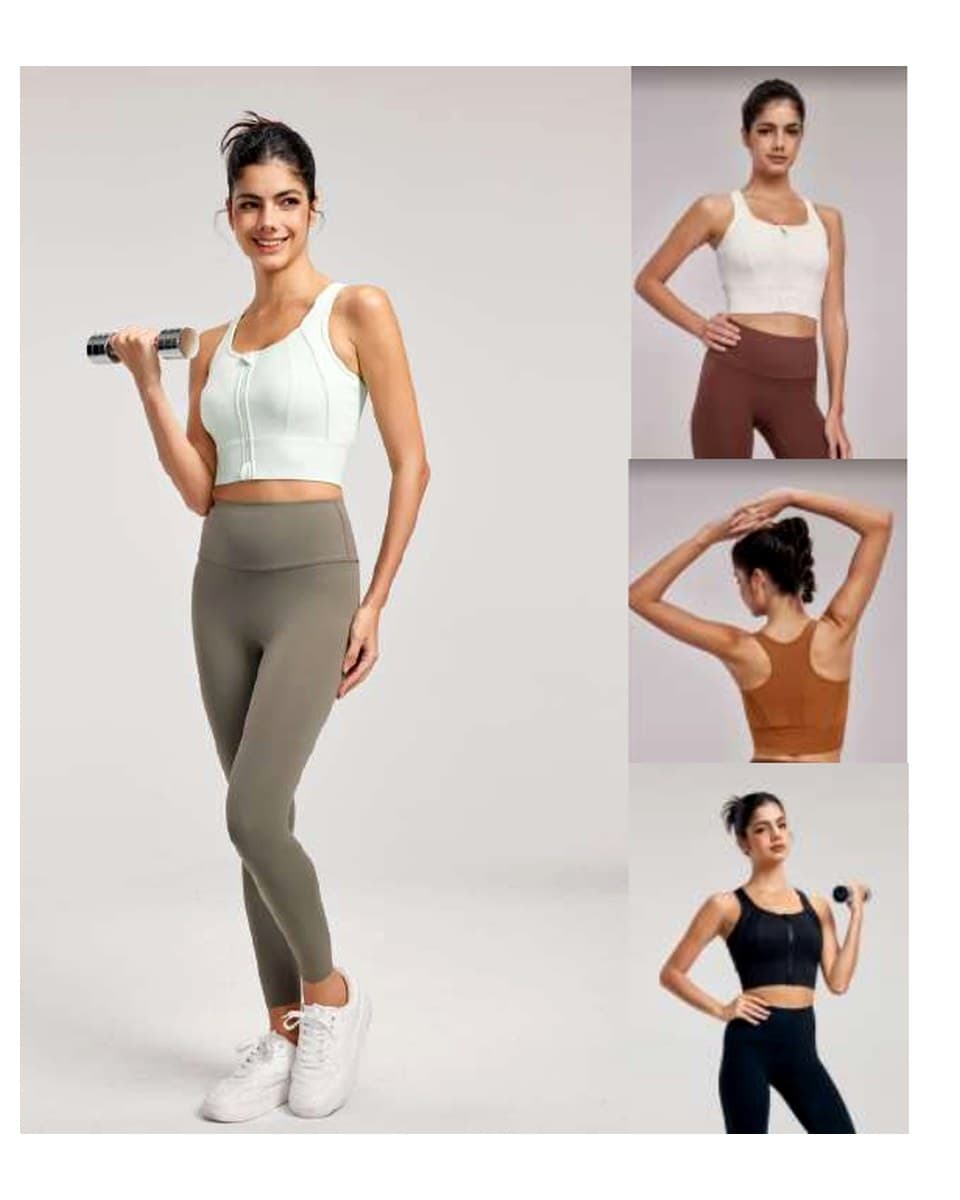
A product photograph can help a buyer identify a silhouette, but it does not confirm an available coral shade, material, logo method, or production condition. Coral can lean orange, pink, red, or warm salmon depending on the reference, fibre, knit, surface texture, lighting, stretch, lining, and nearby black, grey, blue, or neutral components. A clear brief gives the supplier a reviewable question instead of a screen-based assumption.
The brief should also describe the customer-facing reason for using coral. It may signal energy in a gym launch, make one studio item easier to recognise, bring warmth to a training-layer assortment, or separate a limited seasonal capsule from a dark core. That context is useful because it helps the buyer choose the right amount of colour. A coral full set, one coral bra, and a black set with coral binding can all be credible directions, but they require different product, component, and packing decisions. Stating the intended role early keeps later comments focused on the evidence that matters.
A useful working brief can be short. Name the target customer and activity, the core and coral product roles, the physical reference, supporting colours, material direction, logo treatment, labels, packing needs, preliminary size and quantity context, and the question the first sample must answer. Mark unknown items as open rather than filling them with assumptions. This gives a supplier enough context to explain the appropriate route and next approval step without presenting an early colour idea as a completed production specification.
The activewear design trends guide explains how a broad visual direction becomes product roles, material decisions, samples, and a suitable B2B route. This coral red activewear guide focuses on a narrower sourcing question: how can a brand use a high-energy colour with enough control that the range still feels intentional when it reaches product, branding, packing, and repeat-order review?
Why should coral red be defined as a reference rather than a colour name?
“Coral red” can describe several adjacent colour families. One buyer may picture a warm orange-red, another a pink-coral, and another a softer red that sits close to a neutral. The name can align the creative conversation, but it does not establish a production standard. A physical swatch, colour standard, labelled working cut, or prior approved sample is a more useful starting point. It should identify which part of the garment it applies to and what nearby directions are not acceptable.
The reference should name the surface. Coral on a smooth knit can look different from coral on a brushed fabric, rib, mesh, light woven layer, elastic, binding, zipper tape, transfer print, embroidery, or woven label. Stretch and coverage can change what a buyer sees, especially on a close-fit bra, short, or tee. A supplier can review the colour relationship, but only the sample can show the selected reference on the intended garment and components.
This approach also prevents an energetic colour from becoming a vague promise. A buyer may want a coral body with a black logo, a coral bra paired with a charcoal bottom, a small coral binding on a neutral top, or coral carried only through a hangtag and carton mark. Each can be a valid range direction. The brief should state the visual hierarchy and the approval boundary rather than asking a factory to infer it from a mood board.
Which coral role suits a gym or workout collection?
Assigning coral a role helps a collection remain coherent. A compact launch may need one hero garment and a controlled accent. A broader programme may use a core dark or neutral base, a supporting coral product, and one deeper detail colour. The product role then gives the team a practical sample order: test the style and surface where coral is most visible before assuming it will behave the same everywhere.
| Coral role | Useful product application | What the buyer should define | Sample question |
|---|---|---|---|
| Hero body colour | Bra, tee, short, close-fit top, or a coordinated set | Exact reference, material surface, logo contrast, companion styles, and intended selling role | Does coral show the intended depth and energy on the selected garment and components? |
| Supporting colour | One selected top, short, layer, lining, or limited capsule item | Relationship to the core colour, product role, and whether it is seasonal or repeat-oriented | Does it support the core range without competing with the main visual anchor? |
| Accent detail | Binding, panel, zipper area, small logo, underband, label, hangtag, or packing mark | Placement, scale, contrast, component material, and whether the accent must match the body reference | Is the coral detail readable and controlled at the actual scale and surface? |
| Presentation colour | Hangtag, barcode label, bag insert, carton mark, or digital product direction | Which brand item carries coral and how it relates to garment colours | Does presentation reinforce the range without being mistaken for garment-colour approval? |
The Yoga Activewear Catalog can help a buyer select product families before defining the final colour system. The Zip-Front Functional Sports Bra is a useful reference when a coral programme needs to discuss a close-fit bra, zip relationship, logo zone, component contrast, labels, and sample evidence. The Seamless Training Tee can help name a tee silhouette, texture, sleeve and panel questions, and whether coral should be a full body or a more restrained detail. These are product references, not proof that a pictured colour or material is pre-approved.
How should coral work with black, grey, blue, and neutrals?
Companion colours give coral a job. Black can create a sharp training contrast. Grey can reduce the visual intensity and help a bright top sit inside a broader gym range. A deep blue can make a sporty set feel more directional. Beige, cream, or warm grey can create a softer studio-to-street relationship. None of these combinations is automatic. The appropriate choice depends on the target customer, product use, colour proportion, surface, logo treatment, and the brand system already in place.
Start by deciding which colour is core, which is secondary, and which is an accent. A coral bra with a charcoal short may use coral as the hero and charcoal as the stable repeat base. A black set with coral binding may use black as the core and coral as a controlled recognition detail. A neutral travel layer may carry coral only through its label or packing. This hierarchy makes it easier to decide which items need the same physical reference and which may intentionally differ.
Do not ask a material or component to carry a role it cannot support. A small coral logo may disappear on a textured surface. A coral mesh panel may read lighter than a smooth coral body. A binding may look more saturated than a nearby knit. These are not necessarily failures. The buyer and supplier need to decide whether the result is intentional and record it as part of the sample approval.
The activewear colour approval guide is the adjacent resource for turning a colour direction into a traceable reference on the actual garment. Use it with a coral brief when the team needs to record fabric, trim, logo, and sample decisions rather than approving a broad digital palette.
How do fabric, trim, and surface affect coral activewear?
The same coral reference can appear warmer, cooler, brighter, softer, or deeper when the surface changes. Smooth active knit, rib, mesh, brushed fabric, light woven shell, lining, elastic, binding, zipper tape, and a printed or embroidered mark each interact with light differently. A close-fit garment can also show a colour differently under stretch than a relaxed layer. That is why a colour decision should sit beside the intended material and construction, not in a separate mood board only.
| Item to compare | Why it matters in a coral range | What to show in the first review |
|---|---|---|
| Body fabric | Surface, stretch, coverage, and light can change the visible coral result | Reference, intended use, handfeel direction, and product role |
| Rib, mesh, lining, or panel | A different construction can change depth, density, or contrast | Relationship with the main body and the intended placement |
| Elastic, binding, zipper tape, or thread | Small components can make an adjacent colour look more or less matched | Whether the component must match closely or create a controlled contrast |
| Logo and label | Scale, method, placement, and surface affect readability | Artwork version, intended contrast, method to review, and approval owner |
| Hangtag and packing | Presentation can carry coral without approving garment fabric | Which printed elements belong to the brand system and which need a separate proof |
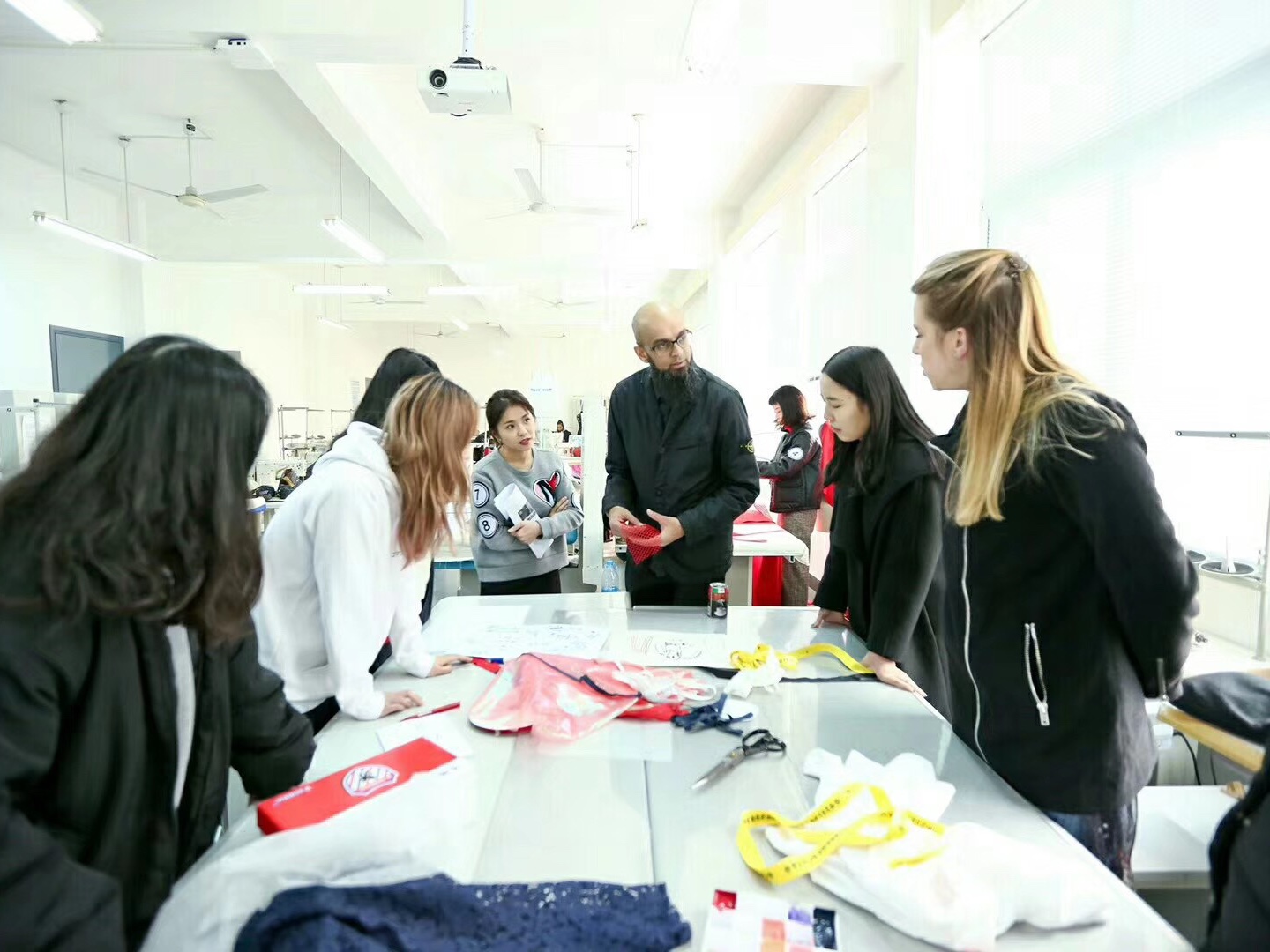
This kind of review helps a buyer bring body fabric, trim, logo, label, and packing questions into one discussion. It does not make a reference image a universal approval. The team still needs to confirm the selected material, product, component relationship, and the decision the first sample should support.
The fabrics and trims resource can help a buyer prepare material vocabulary before a sample conversation. It should not be used to assume that one fabric name fixes the colour result. The material route, product use, colour reference, components, and actual sample all remain part of project confirmation.
How should a brand prepare coral for a repeat or replenishment conversation?
A coral product can be a seasonal launch point, a recurring identifying colour, or a limited accent beside a stable core. These roles create different review questions. A seasonal hero may only need to prove the intended colour, product role, and presentation for one collection. A repeat-oriented coral item needs a more explicit record of what the buyer expects to remain stable and which details should be reviewed again when the next order is discussed.
Keep the product reference, working coral standard, material and surface direction, companion-colour hierarchy, artwork version, label copy, hangtag, packing instructions, and approved-sample version together. This record does not guarantee that a later order will use identical materials, components, timing, or commercial terms. It gives the buyer and supplier a clear starting point to compare what is unchanged, what has been updated, and which difference needs another sample or component review.
The same discipline matters when a range uses coral across multiple products. A coral sports bra, tee, short, and light layer may look related in a design deck but still need separate consideration because their materials and components differ. A buyer can state which pairings matter most: bra body and short binding, tee body and logo, layer shell and zipper tape, or garment colour and hangtag. That is more useful than asking every adjacent product to look “the same coral” without a product-specific reference.
For a wholesale programme, the commercial record can also distinguish a selected catalogue silhouette from a new colour-development question. Include preliminary size and colour allocation, intended channel, packing and receiving needs, and any repeat-order question without assuming fixed stock, price, MOQ, or lead time. The activewear size, colour, and quantity planning guide can help a team keep the colour story connected to the product and order context rather than treating the palette as a separate creative exercise.
When should coral use private label and when should it use factory custom development?
The colour does not decide the purchasing path. Scope does. A catalogue-informed private-label route can suit a buyer who has selected an existing product direction and primarily needs coral presentation, logo, labels, hangtags, packing, and quantity context. This route still requires confirmation of the selected product, material, colour, branding method, components, packing, and commercial conditions.
Factory-custom development is more appropriate when the project needs a new fit, material, panel, construction, lining, component relationship, feature, special colour development, or controlled sample plan. For example, a buyer who wants a new coral mesh placement, changed zip construction, custom rib, new support structure, or a coordinated product system is asking for more than branded presentation of an existing reference.
The private-label activewear service can support a selected silhouette with brand presentation. The custom activewear development route is the right starting discussion when the garment itself has to change. Stating the boundary early protects both the creative intent and the quotation discussion because the supplier can see whether the first task is selection, branding review, colour proof, or deeper product development.
How can logo, labels, and packing support a coral colorway?
Coral can appear on the garment, but it can also make a brand system easier to recognise through logo, labels, hangtags, bags, and carton marks. The buyer should decide which location carries the most visible coral and which details stay neutral or dark. A small coral mark may work on a black or charcoal garment, while a coral body may need a deeper logo or label colour for readability. Those choices depend on the surface, stretch, placement, artwork, method, and product role.
Keep garment colour, logo colour, label design, printed materials, and packing instructions connected but distinct. A coral hangtag does not approve a coral bra fabric. A black woven label may create useful hierarchy, but it does not prove the black component will match every nearby trim. The sample and printed proofs should answer the correct question in the correct place.
For a private-label brief, include the product URL, coral reference, companion colours, artwork version, placement, label copy, care content, hangtag layout, barcode data, folding, bags, carton marks, preliminary size plan, and quantity context. The private label product route can help a buyer organise these presentation requirements before asking the supplier to review the project.
What should a coral red sample prove before a range expands?
An early sample should answer a focused question rather than approve every bright colour across every style. It might establish the proposed coral on one bra fabric, compare a coral tee body with a darker companion short, test the relationship between coral binding and black body fabric, review logo contrast, or show how labels and hangtags support the collection. The buyer should name the decision owner and what would require another review before development begins.
inPACE can coordinate a sampling workflow that may include fabric and trim review, printing, embroidery, wash effects where relevant, construction, fit review, branding, and packing preparation. As a usual planning guide, samples often take 5–10 days and production often takes 25–50 days after the applicable scope and approvals are confirmed. These are not fixed commitments. Style complexity, material availability, colourways, logo and decoration methods, labels, packing, quantities, revisions, and production scheduling can change the applicable plan.
The general sample-charge guideline is 1.5–3 times the corresponding bulk unit quotation, depending on development and product scope. For one style, the stated refund schedule is 10% at 100 units, 30% at 300 units, 50% at 500 units, and 100% at 1,000 units. Confirm quotation, style count, sample work, order conditions, and the applicable refund arrangement in writing. The activewear sample plan guide can help a buyer separate a colour idea from the evidence a sample must provide.
Coral red activewear buyer checklist
- Identify the target customer, activity context, channel, and the role coral plays in the collection.
- State whether coral is a hero body colour, supporting colour, controlled accent, or presentation detail.
- Choose named product roles such as bra, tee, short, legging, layer, set, or another silhouette.
- Attach a physical reference, colour standard, labelled working swatch, or prior approved sample and distinguish it from a screen image.
- State the intended companion colours and which is core, secondary, or accent.
- Record where coral appears: body fabric, rib, mesh, lining, elastic, binding, zipper tape, panel, logo, label, hangtag, bag, or carton.
- Describe the material surface and handfeel direction without assuming that a product image fixes it.
- State the logo treatment, placement, size, and required contrast.
- Include label copy, care information, hangtags, barcode data, folding, bags, carton marks, and receiving requirements when private-label presentation is in scope.
- Share preliminary sizes, colour allocation, and quantity context.
- Separate a selected catalogue silhouette from any new fit, fabric, panel, construction, feature, or colour-development request.
- Define the first sample question, approval owner, and boundary for expanding the colourway.
This checklist gives a coral red activewear supplier enough context to recommend a suitable route without inventing fixed inventory, price, MOQ, timing, capacity, certification, or performance claims. It also keeps a bright colour decision tied to real product evidence rather than broad creative language.
Turn a coral direction into a usable product brief
Coral red activewear can create a confident gym or studio signal when a brand gives the colour a defined role, names the product system, and checks it on the intended material and branded details. Start with the customer and core products. Define the colour hierarchy, component relationships, logo and packing approach, and the evidence the first sample must give. Then choose a catalogue-informed private-label route or factory-custom development based on the changes the garment actually needs.
To discuss a coral red activewear programme with inPACE Sports, send the product roles, coral and companion references, material and surface direction, logo and trim needs, labels and packing requirements, size and quantity context, and the exact decision the first sample should support. Send a coral activewear product brief to confirm the appropriate next step.
Product directions
Explore relevant activewear products
Use these product pages as practical references for your brief, then confirm materials, fit, customization, and production details through sampling.
Yoga Activewear Catalog
Use the catalog to assign coral red to a bra, tee, short, layer, or coordinated capsule before confirming the material, logo, and sample question.
View product directionZip-Front Functional Sports Bra
Use this bra reference to discuss a coral body, zipper relationship, support context, logo zone, labels, and the evidence needed from a first sample.
View product directionSeamless Training Tee
Use this tee reference to define whether coral belongs on a full body, panel, trim, or controlled accent and how it should relate to a black, grey, or neutral companion style.
View product directionFAQ
Buyer questions
What does coral red activewear mean for a B2B brand?
For a B2B brand, coral red activewear is a colour-direction decision that needs defined product roles, a physical reference, companion colours, material and component review, branding, packing, and quantity context. A colour name or product image does not by itself approve fabric, trims, construction, or commercial conditions.
Can coral red activewear work as an accent instead of a full set?
Yes. Coral can be assigned to a small logo, binding, panel, zipper area, underband, label, hangtag, or packing mark. The buyer should state its intended scale, component material, contrast, and relationship with core colours, then review that result on the actual garment and sample.
Can a brand use a catalogue style for coral private label activewear?
A catalogue-informed private-label discussion can suit a selected silhouette that mainly needs coral direction, logo, labels, hangtags, packing, and quantity review. Actual product, material, colour, branding method, packing, and commercial conditions require project-specific confirmation.
When does a coral activewear programme need factory custom development?
Use factory-custom development when the project needs a new fit, fabric, panel, construction, lining, feature, colour relationship, or controlled sample plan. Provide product roles, annotated references, material direction, colour hierarchy, branding needs, sizes, and the first sample question.
How long do coral activewear samples and production take?
As a usual planning guide, samples often take 5–10 days and production often takes 25–50 days after scope and approvals are confirmed. Timing depends on style complexity, material availability, colourways, decoration, labels, packing, quantities, revisions, and production scheduling, so it must be confirmed for the project.
How does inPACE handle sample fees for one coral activewear style?
The general guideline is a sample charge of 1.5–3 times the corresponding bulk unit quotation, depending on product and development scope. For one style, the stated refund schedule is 10% at 100 units, 30% at 300 units, 50% at 500 units, and 100% at 1,000 units. Confirm the quotation and applicable order conditions in writing.