
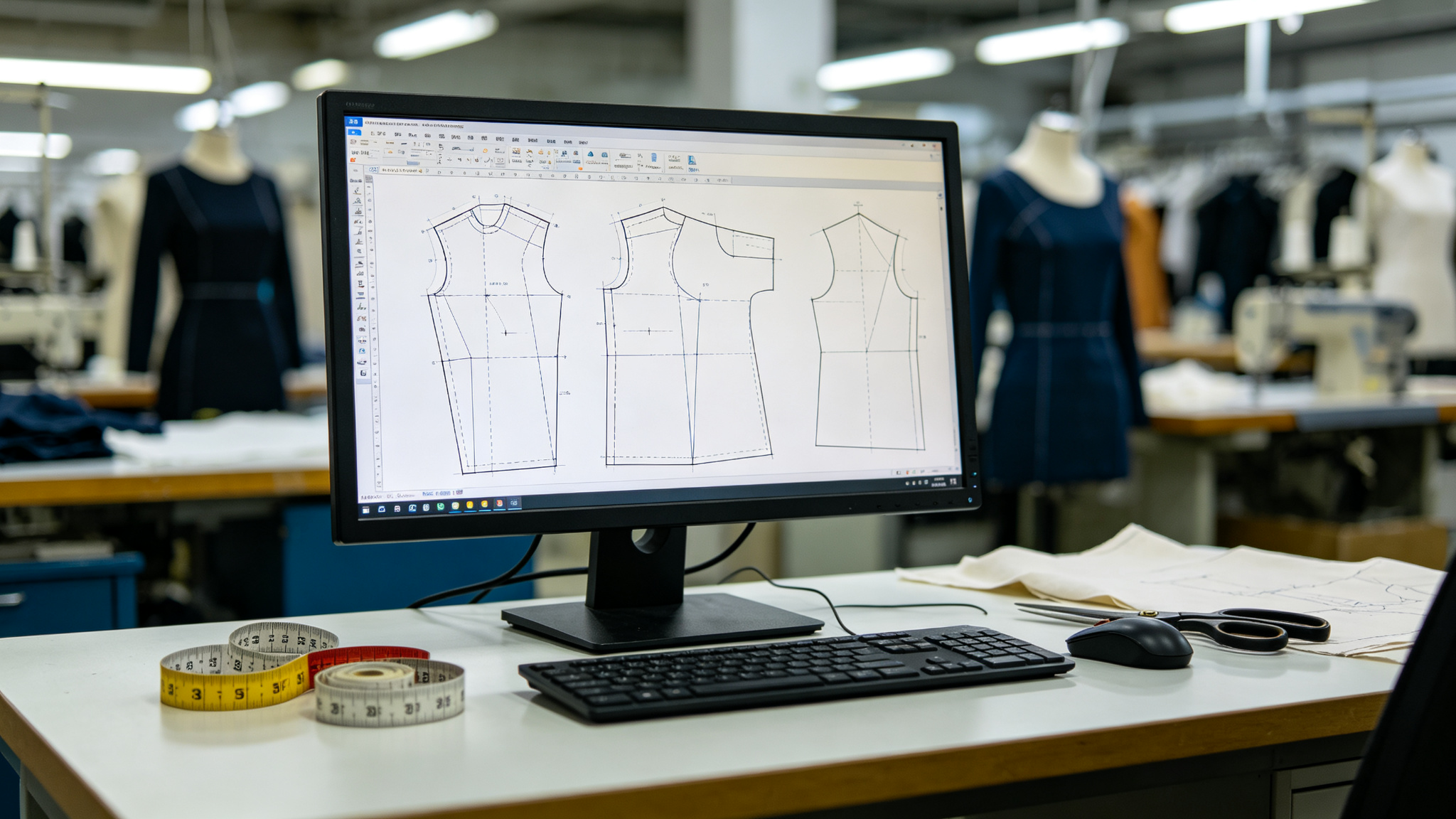
A cutout activewear set manufacturer should turn the opening shape, coverage boundary, binding, nearby seams, stretch direction and movement question into a sample brief before production is discussed. A catalogue style can guide a light-branding project, but a changed opening, panel, fit or fabric needs factory-custom development and physical approval evidence.
Cutouts can make a coordinated workout set recognisable without adding a large print or complicated colour story. They can also create the exact kind of development question that is easy to underestimate. An opening changes the garment’s coverage, edge finish, seam route, stretch behaviour and the relationship between a top and its matching bottom. A buyer who writes only “add a cutout” leaves the pattern, sample and production team to guess which of those choices matter.
This guide gives brands a practical way to brief a cutout activewear set for gym wear, yoga, workout or studio use. It separates a catalogue-informed branding route from custom activewear manufacturing, then shows what the buyer should define, what the manufacturer should review, and what a sample must prove before bulk planning.
When should a brand use a cutout activewear set manufacturer rather than a catalogue route?
Begin with the decision that changes the garment. A light-customisation route can work when an existing product direction already has the right silhouette, neckline, back, legging shape and coverage level, and the buyer mainly needs a selected colour, logo, labels, hangtags or packing. In that route, the product reference is still a discussion starter. The available material, size range, branding method and commercial scope need confirmation before the range is treated as a programme.
Factory-custom development is the better route when the buyer wants a new front, back, side, underbust, waist or leg opening; a different panel map; a new binding; a revised strap or neckline; a different fabric; changed support; a new paired bottom; or a fit and movement question that an existing style cannot answer. Those are not decorative changes only. The opening can alter where a seam finishes, how the fabric returns after stretch, where a logo can sit and whether the top still works with the proposed legging or short.
The Custom Activewear Manufacturer solution is the right commercial entry for a factory-custom brief. For a catalogue-informed starting point, the Activewear Performance Collection can help a buyer identify a top-and-bottom role. Neither route turns a reference image into a production-ready specification. The factory still needs the information that makes the required change visible.
What product role should the cutout serve in a coordinated activewear set?
An opening should have a stated job. A front keyhole can create a recognisable studio look. A back opening can change ventilation, reveal a strap system or provide a visual point of difference in product photography. A side or waist cutout can change the silhouette of a gym set. An underbust opening can affect how the top relates to support, lining, elastic and movement. These are different product decisions, not interchangeable visual treatments.
Before a factory starts a pattern, define the wearer, activity, channel and set role. Is the brand building a yoga or Pilates set with a controlled back detail? A gym training set where the top needs to remain stable through reaches and pulls? A seasonal activewear capsule where the opening is the visual focal point? Or a catalogue-based private-label range where the main decision is which existing cutout direction is most suitable for branding?
| Product role | Cutout decision the buyer should name | Related garment decision | Evidence the sample should provide |
|---|---|---|---|
| Studio set | Placement, coverage and visual balance for low-impact movement. | Neckline, straps, support route and legging rise. | Front, side and back fit observations in the named studio movements. |
| Gym training set | Stability through reach, pull, squat and rotational movement. | Fabric recovery, panel seams, bra construction and waistband relationship. | Movement observations, edge-return notes and any change request by location. |
| Lifestyle or travel set | Visual detail, layering and logo visibility. | Ease, fabric hand, adjacent layer and packing presentation. | Worn-view review with the intended outer layer and branded components. |
| Product reference for a custom range | Which existing visual cue should remain and which must change. | New fabric, fit, opening geometry, colour or construction. | A marked reference plus a controlled development-sample brief. |
The table does not require the buyer to engineer the pattern. It helps the buyer give the manufacturer a product purpose. “A low back” is not enough when the set must also work with a particular neckline, strap layout, lower-body rise and sample movement. The clearer the product role, the easier it is to decide which detail is an approved direction and which question needs the next sample.
How should cutout geometry be described before pattern development starts?
Start with location, boundary and relationship rather than with a trend label. Mark the opening on a front, side and back reference. State whether its intended line is curved, angled, oval, keyhole, layered, wrapped, asymmetric or another clear shape. Record the start and end points in relation to a seam, neckline, strap, waistband, underbust or side panel. If the opening is meant to expose a specific area, describe the intended coverage boundary and the conditions under which it must be reviewed.
The factory can then decide whether the visual line is created by a cut-and-sew panel, a shaped opening, a layered construction, a seam, a strap, an overlap or another method. A sketch should not dictate an untested construction route. It should identify the geometry the next pattern and sample need to interpret.
A useful brief also records the size used for review. A cutout that looks balanced in one base size may sit differently after grading, particularly when it approaches the bust, side body, armhole, waist or crotch area. The buyer does not need to supply the final grade rules on day one. They should identify the base size, target size range and the proportion or coverage question that needs review on the size set.
Which binding, seam and stress-point questions belong in the first sample brief?
An opening has an edge, and the edge needs a construction decision. Self-fabric binding, folded binding, elastic, a clean-turn edge, a layered finish or another proposed route can each change the hand, visible width, recovery, seam bulk and how the opening behaves in movement. The correct choice is not universal. It depends on the selected fabric, opening geometry, nearby panels, desired look and sample evidence.
The buyer should identify where the cutout meets a seam, strap, neckline, underband, waistband, gusset or another opening. These intersections are the places where the factory needs to consider construction sequence and where the sample needs careful review. A broad request for “strong stitching” is not useful enough. A better request is: “Review whether the lower point of the back opening remains smooth after repeated overhead reach, and record whether the binding, seam position or opening depth needs revision.”
| Area to review | Buyer input | Manufacturer review | Physical sample evidence |
|---|---|---|---|
| Cutout edge | Desired visible width, finish direction and handfeel. | Binding route, seam bulk, stretch and edge recovery. | Close-up review before and after the named movement or wear observation. |
| Opening endpoint | Location relative to a seam, strap, waistband or underband. | Reinforcement need, seam sequence and shape retention. | Observation at the endpoint, including any rolling, pulling or distortion. |
| Nearby panel | Proposed panel line, contrast material or colour relationship. | Grain/stretch direction, seam location and visual balance. | Front, side and back photos or notes on the stated base size. |
| Strap or neckline | Width, position, support question and desired coverage. | Load path, construction compatibility and fit relationship. | Reach, bend and recovery observations with the intended bra/top configuration. |
| Logo zone | Artwork location and decoration direction. | Stretch, surface, seam clearance and placement tolerance. | Position check on the actual selected material and panel. |
The activewear seam construction guide can help a buyer name seam locations and component intersections. It does not approve a construction simply because a similar photo exists. Construction evidence belongs to the actual material, pattern version and sample being reviewed.
How should the top and bottom work together as one set?
A coordinated activewear set is not just two garments in the same colour. The top and bottom need a relationship in height, line, fabric, surface, branding and movement. A side cutout may need to meet the top edge of a high-rise legging without creating an accidental gap during a reach. A back-opening top may need to stay visually balanced with a legging seam or waistband detail. A crop length can change how much of a waist cutout is visible when the wearer bends or sits.
Define whether the set must be worn together, sold separately or both. If both garments are meant to work together, explain which visual alignment is important and which difference is acceptable. The buyer may want matching rib direction, a consistent matte or sheen level, related piping, a shared logo zone or a controlled contrast between top and bottom. Each choice affects material availability, pattern review and merchandising decisions.
The Open-Back Long Sleeve Set is a useful reference for discussing an existing open-back product role. The Zip-Neck Sculpt Set can help a buyer describe a coordinated technical top-and-legging relationship. They are reference points rather than promises of a future fabric, support level, measurement, colour, availability or construction.
What material and fit questions should be tested instead of assumed?
Cutout activewear is sensitive to how fabric and pattern behave together. A material direction may be described by handfeel, surface, stretch, recovery, opacity, compression direction or relationship to a lining. Those terms are useful starting points, but none is a complete specification. The actual material and sample need to show whether the opening retains its intended boundary, whether the edge is comfortable, and whether a nearby seam changes the garment’s fit.
Ask the manufacturer to review the selected fabric against the product role. A close-fit gym set may need a different sample question from a lighter studio piece. A contrast mesh panel may create a different coverage and seam discussion from a self-fabric cutout. If the top includes a support or lining question, name the intended use and what the sample must demonstrate rather than assuming a generic level of support.
The fabrics and trims overview is a useful place to structure material, binding, elastic, logo and seam questions. Final composition, stretch, recovery, coverage, handfeel, colour and care direction should be confirmed on the selected material and approved sample. Avoid making medical, athletic-performance or universal comfort claims from a fabric description alone.
How do logo, labels and packing fit around a cutout design?
Branding should be planned after the opening and panel map are visible. A chest logo may be too close to a neckline or keyhole. A side logo may cross a seam or stretch zone. A back-neck print can interact with an open-back line, strap or label. A buyer should send the artwork file, intended location, approximate scale, colour and finish direction, then mark any opening, seam or panel that it must avoid.
For a catalogue-informed programme, the Private Label Activewear service can structure questions about logo, labels, hangtags, product bags, stickers and carton presentation. When the branding change also alters a panel, material, opening or construction, it belongs in the custom development brief rather than as an afterthought to a stock-style request.
Packing should also preserve the decision record. For a set, record whether the top and bottom are packed together or allocated as separate SKUs; what label, size mark, barcode or sticker applies; and whether the visible opening needs a folding or protection instruction. These are operational questions to confirm once the product and packaging scope are defined, not fixed promises attached to an early concept image.
What should the fit and movement sample test?
Give the sample a narrow purpose. A development sample may test whether the factory has understood the opening geometry, panel map and set relationship. A fit sample may focus on the base size, opening location, coverage, strap position, crop length, waistband relationship and movement. A material or trim sample may focus on the selected fabric, binding, lining, seams and logo method. A later approval sample can confirm the information that is ready to transfer into production instructions.
The movement plan should match the product role. For a workout set, that might include overhead reach, arm rotation, controlled bend, squat, lunge and the transition between standing and seated positions. For a studio set, the list may use the positions the intended wearer actually performs. The purpose is not to make an unverified performance claim. It is to give reviewers a repeatable way to observe whether the opening, edge, seams and adjacent garment continue to meet the stated brief.
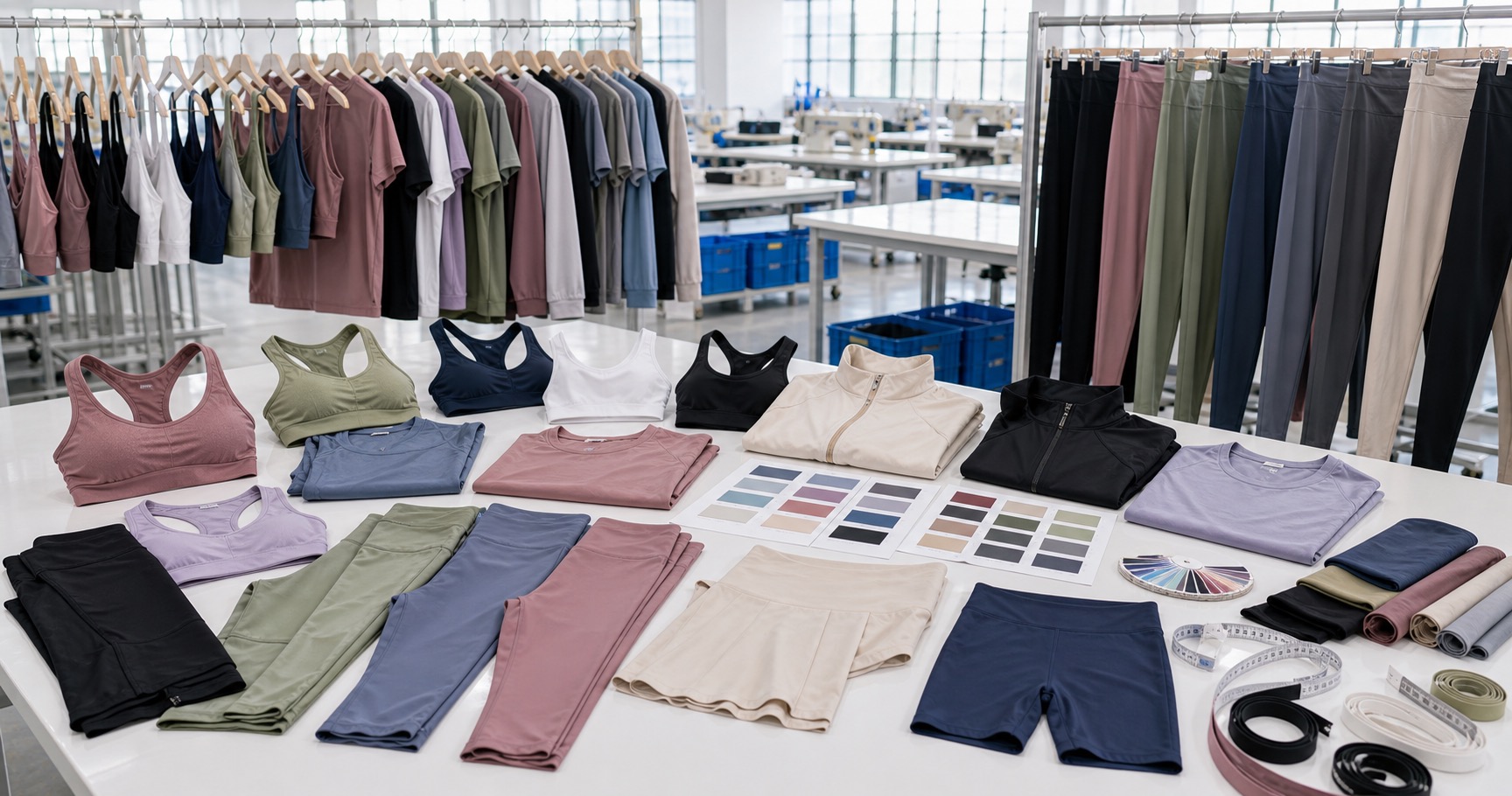
This display is product-direction context only. It does not confirm a specific material, colour, cutout shape, logo method or production condition.
Use the activewear sample feedback guide after the physical review to record the version, size, material and component references, observation, requested change, owner and next action. A clear record prevents a local change to the opening from silently changing the neckline, strap, binding or matching bottom in the next version.
How do supplier, manufacturer and factory roles work together?
The supplier discussion asks whether the product direction, source information, sample path, commercial assumptions, packing questions and decision owners are clear enough to compare. The manufacturer discussion turns the cutout brief into a development plan: geometry, pattern, edge finish, fabric, fit, panels, branding and the sample evidence needed. The factory discussion implements approved specifications through material handling, cutting, sewing, decoration, QC, packing and production coordination.
inPACE Sports can begin with a reference image, existing garment, sample, sketch or tech pack and help organise the product questions that affect a cutout activewear set. Where a project needs a new cutout, panel, fit, fabric, construction or sample plan, the work follows a factory-custom route. Through Yinshan Garments’ long garment-production experience, inPACE can coordinate the appropriate development and production path with partner factories once the project scope is confirmed. This is not a guarantee of capacity, price, delivery, certification or a technical result; the route depends on the approved product, material, construction, decoration, quantity direction and scope.
Once the sample and product record are ready, the activewear manufacturing workflow is the relevant next discussion for QC, packing and export preparation. An approved sample is evidence for its named version and scope. It should not be treated as blanket approval for every future colour, material, cutout or set variation.
What should a buyer send before requesting a cutout activewear set sample?
- The intended wearer, activity, channel and role of the set in the collection.
- A reference image, existing garment, sketch or tech pack, with notes on what must remain, change or be reviewed.
- The cutout location, shape, coverage boundary, intended visible line and relationship to seams, straps, neckline, waistband or underband.
- Top-and-bottom relationship: crop or body length, rise, product pairing, shared fabric or colour direction, and whether the pieces sell together or separately.
- Material, surface, stretch, recovery, lining, binding, panel and contrast direction, plus any physical swatch or reference available.
- Base size, target size range, named fit points and the movements reviewers should use.
- Artwork, logo placement, labels, hangtags, product bag, carton and delivery-market requirements that are ready to review.
- Sample purpose, evidence required, decision owner, timing context, quantity direction and the remaining open questions.
This information lets a cutout activewear set manufacturer recommend a controlled next step. It also makes supplier responses more comparable because each response is addressing the same product, fit, material, branding and sample assumptions rather than an undefined visual concept.
Use three product routes to narrow the brief
The right reference product makes the first sample conversation more efficient. It does not turn a catalogue image into a final specification. Ask the team to identify what is being borrowed from each reference: perhaps the body-hugging proportion, the placement of a zipper or the relationship between a top and bottom. Then list the decisions that still require new development, such as the cutout geometry, binding, neckline, coverage, fabric hand, size range or artwork. This separates an existing product direction from the variables that must be approved in the project sample.
| Reference route | What the buyer can review | What still needs a project decision |
|---|---|---|
| Activewear Performance Collection | Coordinated workout silhouettes, training fabric direction and logo-ready product families. | Which set provides the starting silhouette, which components stay, and whether the new cutout changes construction or coverage. |
| Zip-Neck Sculpt Set | A close-fit performance-set reference for panel balance, neckline placement and paired top-and-bottom proportion. | The new opening shape, binding width, seam relationship, stretch direction and movement approval criteria. |
| Custom Activewear Development | A factory-custom route for a changed fit, construction, material, colour or component plan. | The final tech-pack inputs, sample sequence, ownership of comments and the scope that can move toward bulk planning. |
Treat these product routes as briefing tools, not as a promise that a visual detail can be copied unchanged. A small change at the chest, side body, back or waistband can change the load path around an opening. A buyer who marks the reference, target size, coverage boundary and movement test gives the factory a useful basis for confirming feasibility. It also makes it easier to explain why a light-customization route is sufficient for one request while another needs a new pattern or fabric-development discussion.
Make the set approval trail clear before bulk planning
For a cutout activewear set, approval evidence should show the garment under the movements that matter, not only on a mannequin or hanger. Ask for front, side and back views in the agreed base size. Include the movement positions used to assess coverage, opening stability, binding recovery, waistband position and the top-and-bottom relationship. If the fabric, lining, binding, trim or colour changes after approval, record whether the original result still applies or a revised sample needs review.
The comment sheet should also identify the person who can approve a deviation. For example, a buyer may accept a small change to a non-visible seam allowance but require a new review if the visible cutout line moves, coverage changes, the binding looks different after stretch, or a logo falls nearer to a stress point. Naming those boundaries protects both the brand and factory team from treating an early visual reference as blanket approval for every future colourway or size.
When the set will be sold as a pair, include the pairing rule in the production record: whether the pieces share fabric and colour, which sizes are packaged together, how the hangtag or polybag identifies the set, and whether each component can also be sold separately. Those commercial decisions affect sample review, packing instructions and the way a supplier prepares the final product record. They are easier to resolve before bulk planning than during packing approval.
Turn a cutout concept into a factory-ready brief
Share your reference, opening geometry, product role, top-and-bottom relationship, material direction, fit questions, branding files, sample purpose and packing requirements with inPACE Sports. We can help you decide whether an existing product direction is sufficient or whether the project needs a custom activewear sample and factory-development route.
FAQ
Buyer questions
Can a cutout activewear set start from an existing catalogue style?
Yes, when an existing silhouette already suits the product role and the main work is selected colour, logo, labels, hangtags or packing. If the project changes the opening, panel map, fit, fabric, strap, neckline, construction or sample requirement, it should move into custom development and physical approval.
What should be marked on a cutout reference image?
Mark the opening location, its intended boundary, the shape direction, nearby seams or straps, the coverage question, the base size for review and what should stay open for sample testing. The reference is direction, not a final production specification.
Does a cutout require a special fabric?
Not automatically. The appropriate material depends on the garment role, opening geometry, edge finish, fit, stretch, recovery, coverage, lining and sample evidence. Review the actual selected material and the sewn sample before approving the route.
How should a brand test the stress points around an opening?
Name the endpoint, nearby seam or strap and the movement that needs observation. Review whether the shape, binding and seam stay smooth and controlled on the stated base size. Record the observation and any requested revision by location rather than using a general “stronger” instruction.
Can a logo sit next to a cutout or seam?
It may be possible, but placement, surface, stretch, seam clearance and decoration method need review on the selected fabric and panel. Supply the artwork and intended location early so the logo is assessed with the opening rather than added after the sample is finalised.
Should the top and bottom be approved as one sample?
When the two pieces need to align in coverage, crop/rise relationship, colour, material or visual line, review them together at least once. A separate component review may still be useful, but it does not show how the set works during actual movement.
What should be included in the production handoff after a cutout sample is approved?
Record the approved sample version, style and size, pattern and measurement references, selected material and components, opening and binding details, logo and label files, colour and packing instructions, QC focus points and any approved exceptions. Confirm which decisions are still open before bulk planning.