
ابدأ بالبيئة
لماذا يحتاج OCR الملابس إلى قصة تطوير B2B الخاصة بها؟
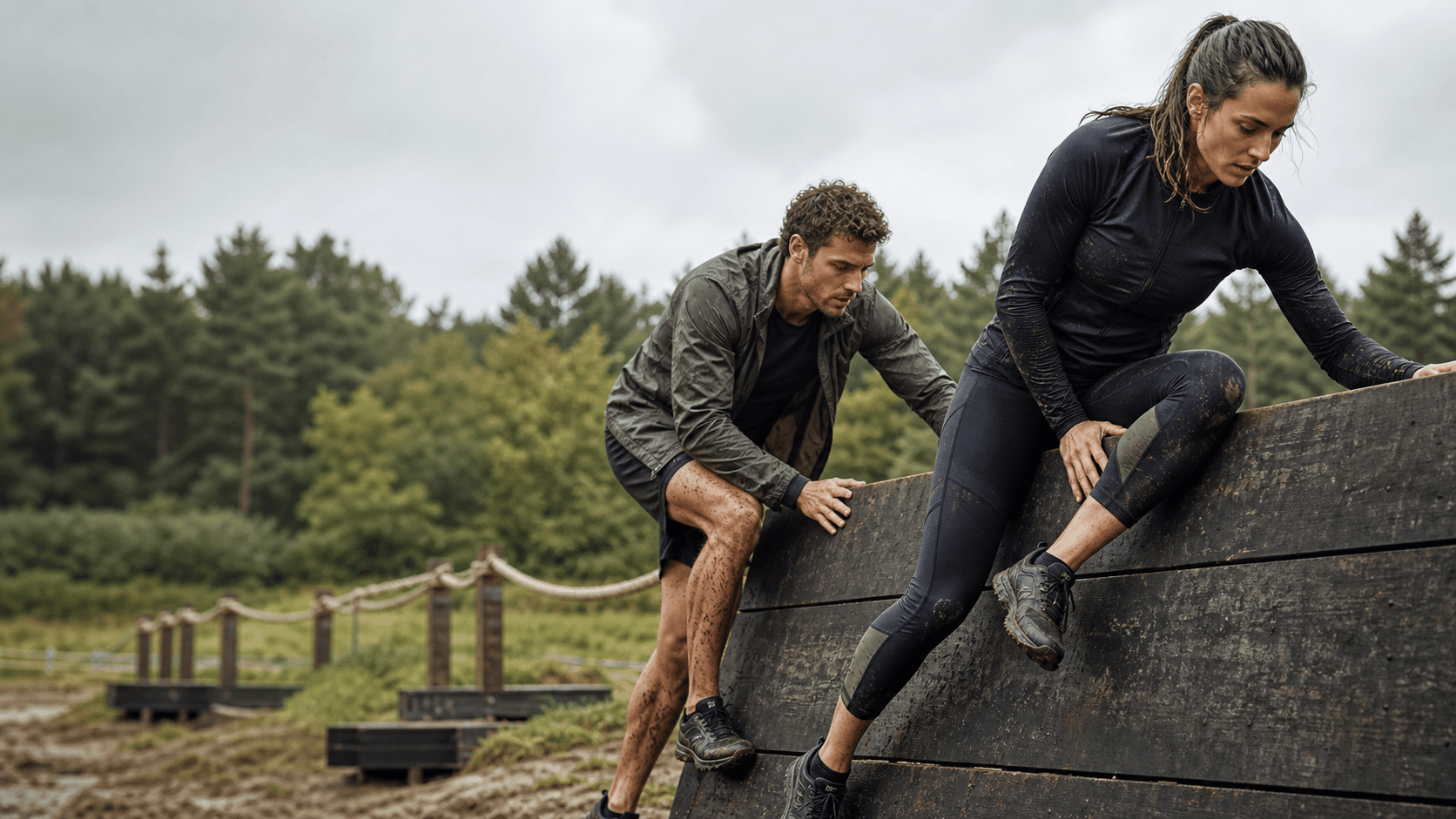
OCR، أو سباق العقبات، يغطي مع الجري واللياقة البدنية الوظيفية، ولكن ليس ببساطة اسم آخر للتدريب الهجري الداخلي. يمكن للسباق في الهواء الطلق إضافة الرغوة، والطابق الرطب، وتغيرات درجة الحرارة، والقفازات، والجدران، والخنازير، والمناشف، والتواصل المتكرر مع الأسطح. هذه الظروف تغير ما يجب على المشتري أن يسأل عن قصيرة، وضع، أعلى، البرا، طبقة التدفئة، أو مجموعة الفريق.
يمكن للعلامات التجارية التي تخدم كلا القطاعين بناء مجموعات مجاورة، ولكن يجب ألا تعامل كل متطلبات على أنها متطابقة. هيركس تدريب الملابس دليل المشتري يركز على مزيج من التدريب الجاري والوظيفي. تطوير OCR يضيف التعرض الخارجي ومخاطر الاتصال بالعقبات، وهذا هو السبب في أن المشتري ينبغي أن يفصل بين اثنين من حالات الاستخدام في قصة المنتج. حل تطوير ملابس السباق الهجينة.
إذا كان فريق الشراء يقرر ما إذا كانت المنتجات يمكن أن تشارك مسار جمع، استخدم ملابس HYROX التدريبية مقابل مقارنة ملابس OCR لمراجعة المواد والبناء والاختبارات العينات تختلف جانبا من جانبه.
نطاق المنتج
ماذا ينبغي على المشترين أن يطلبوا من OCR صانع الملابس للقيام به؟
أول مجموعة من OCR لا تحتاج إلى كل فئة الملابس. فإنه يحتاج إلى نظام صغير ومتسق يتناسب مع الرياضي المشتري، المناخ، قناة التجزئة، واتجاه الأسعار. الشاي التقني أو الستائر الطويلة يمكن أن تولي الأولوية الحركة والتغطية. القصص القصيرة أو الستائر يمكن أن تتعامل مع الركض، والركض، والاستقرار. الستائر الرياضية تحتاج إلى الدعم الصحيح والراحة السباحة. طبقة خفيفة يمكن أن تحل بدء بارد أو تغير الطقس، ولكن فقط إذا كان لديها دور محدد بدلا من أن تصبح SKU إضافية دون حالة استخدام.
المنتجات التدريبية الحالية يمكن أن تعطي العلامة التجارية نقطة انطلاق حساسة. مراجعة أنماط الأداء Activewear بالنسبة لمجموعات التدريب والرصاص والتوجيهات المخصصة للشعار ، ثم تقرر ما هي التغييرات المطلوبة لبيئة العقبات في الهواء الطلق. صفحة تصنيع ملابس اللياقة البدنية مقارنة فئات التدريب اليومي مع مقارنة OCR الأكثر تخصصا.
الأرض والاتصال
خريطة التزلج، الصعود، الحمل، الاتصال الجدار، الركبتين على الأرض، وأي نقطة حيث يمكن أن يمسك الأقمشة أو القماش، أو يمسك، أو يرتدي في وقت مبكر.
المياه والأرض
يقرر كيف ينبغي أن يشعر المنتج بعد المطر أو البراغيث أو الحكة أو التعرض للرغوة.الجفاف السريع مفيد فقط عندما يكون متوازنًا مع الوزن المقصود والغطاء.
الطقس نطاق
توضيح ما إذا كانت المجموعة مناسبة للظروف الدافئة، والبدء البارد، والطقس المتغير، أو نافذة حدث ضيقة قبل اختيار شجيرة، طبقة، أو وزن الأقمشة.
الاستخدام المتكرر
وصف التردد المتوقع للتدريب، روتين الغسيل، استخدام الشعار، وموقف التجزئة بحيث يمكن تعليقات العينات التركيز على المخاطر التي تهم البرنامج.
المصنع والبناء
ما هي المواد والبناءات التي يجب تحديدها؟
أسماء المواد وحدها لا تصف منتج OCR. يجب على المشتري أن يشرح السلوك المتوقع من كل ملابس: الجفاف السريع بعد التعرق أو الانزلاق، شريط الرافعة المستقرة بعد التشغيل، تغطية أثناء التجاعيد والانزلاق، انخفاض التجاعيد في نقاط الاتصال العالية، أو طبقة خفيفة الوزن التي يمكن إزالتها بسهولة. يمكن للمصنع بعد ذلك مناقشة الطرق العملية حول وزن الأنسجة، وتمديد وإعادة التأهيل، والنسيج السطحي، واستخدام القماش، والطلاء، ونوع البطيخ، وطريقة الشعار، وتوافر الألوان، وعرض العينات.
تفاصيل البناء مهمة تماما. يمكن أن يكون الرماد الذي يعمل على لوحة استوديو نظيفة ضعيفة للركبتين على الأرض. يمكن أن يكون الرماد المعرض تحسين التهوية ولكن قد لا تكون مناسبة لكل منطقة التآكل. يجب أن يتم الحكم على جيب، ورقة، زيبير، شعار السيليكون، أو تفاصيل الأجهزة من خلال كيفية سلوكه أثناء تشغيل، صعود، حمل، وغسل. تصنيع وتجارة نظرة عامة لبدء محادثة مادية، ثم تسجيل متطلبات ملابس محددة في اختصار العينة بدلا من الاعتقاد أن واحدة من الأقمشة يمكن أن تخدم كل SKU.
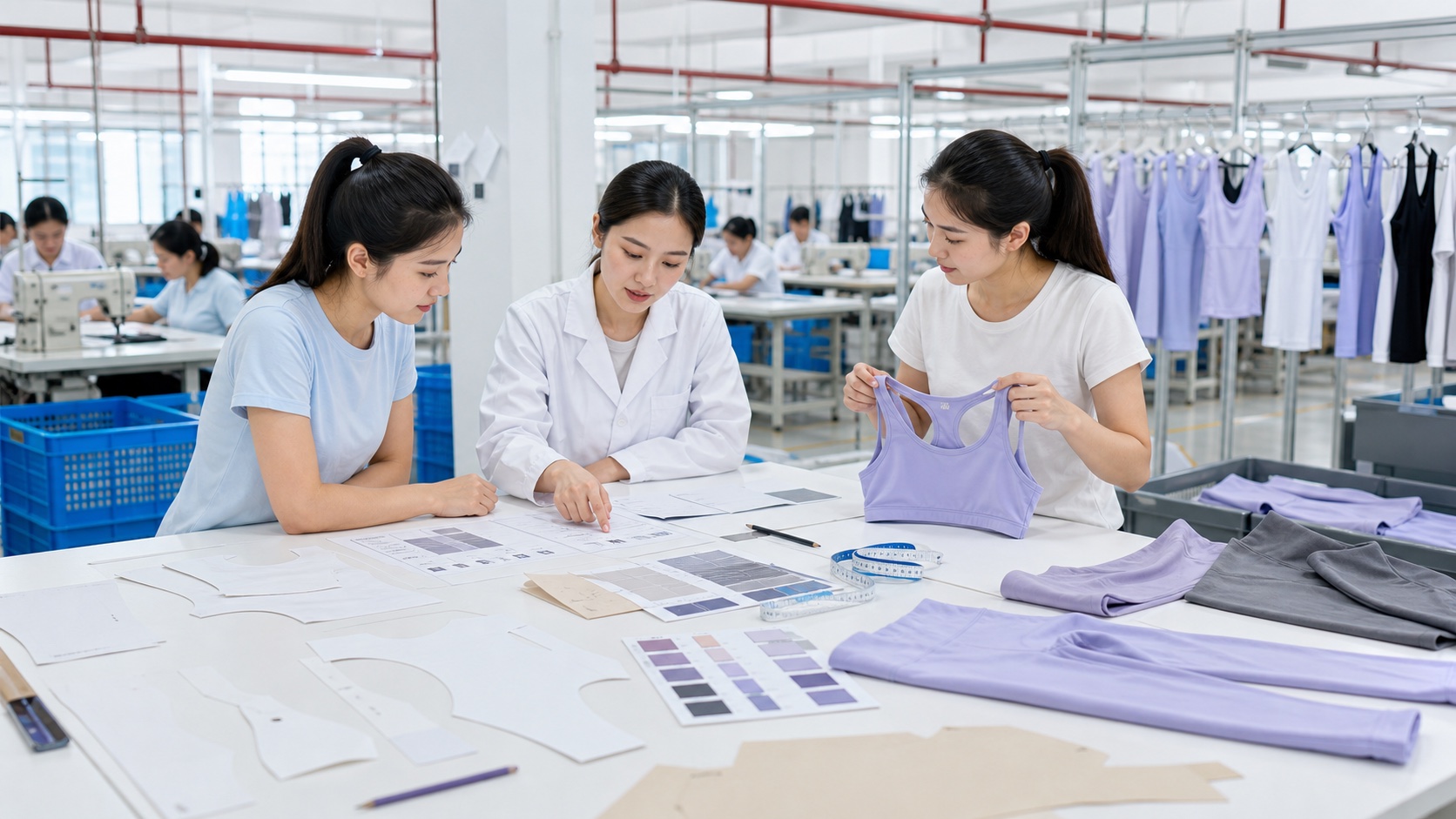
التعليقات على عينات OCR هي الأكثر فائدة عند تحديد البيئة، ونقاط الاتصال، وسلوك الملابس التي سيتم مراجعتها.
جدول المشتري / جدول المواصفات
استخدم ملابس OCR قصيرة لربط العقبة وتفاصيل المنتج واختبار العينات
هذا الجدول يساعد العلامة التجارية على تحويل طلب واسع لمسار السباق العقبات المخصصة إلى أسئلة محددة يمكن لفريق التطوير مراجعة.
| استخدام حالة أو التعرض | التفاصيل لتحديد | ما الذي يجب اختباره في العينة |
|---|---|---|
| الركض بالإضافة إلى العقبات | الطول العلوي، استقرار الشريط، القصير، أمن جيب، وضع سلاسل | الركض، والصعود، وتحمل، والانتقال من الوقوف إلى الأرض دون الانتقال المفرط أو الوقوف. |
| صبغ، صبغ الأرض، و سلاش | وزن الأقمشة، والنسيج السطحي، والرطوبة، والشعور الجاف، والسلوك اللون | يمكن أن تكون الأقمشة مريحة في الداخل ولكنها تشعر بالثقيلة أو الضيقة أو الشفافة عندما تكون رطبة أو قذرة. |
| الارتباط بالجدار والاتصال بالجدار | منطقة الركبة والجلوس ، وضع البحيرة ، الماس المعرض ، موقع الحلاقة | هذه المناطق تتلقى الخطر من التخريب والخطر الذي قد لا يلتقط مقطع استوديو قياسي. |
| الصعود، الصعود، الصعود | غطاء السرير والساق، شكل جيب، الأجهزة، وضع الشعار | يمكن أن تتداخل التفاصيل الضيقة والخدع الصلبة مع الحركة أو تصبح ملحوظة أثناء الاتصال. |
| البداية والانتهاء في الخارج | طبقة التدفئة، التهوية، التفاصيل المرئية، التعبئة والتغليف | يمكن للمشتري أن يقرر ما إذا كان طبقة منفصلة SKU، خيار الطقس، أو لا تحتاج على الإطلاق. |
| برنامج العلامات الخاصة | طريقة الشعار، والعلامات، والطرق الملونة، ونطاق الحجم، والتغليف، والنوايا التكامل | يحتاج المصنع إلى هذه التفاصيل التجارية لمناقشة مسار قابل للتكرار بدلاً من مجرد عينة واحدة. |
اختبار العينات
كيف ينبغي اختبار عينة ملابس OCR قبل الإنتاج الجماعي؟
التصديق البصري لا يكفي لبرنامج OCR. يجب على المستخدم استخدام العينة في ظروف قريبة من وعد المنتج المقصود: تشغيل، صعود، سحب، حمل، سحب، ركبتين، والانتقال في حين الساخن أو البخار عند الضرورة. تسجيل ما يحدث لتناسب، الستائر، الستائر، الأكياس، السيوف، التغطية، الشعور الشعار، واللوحات المعروضة. الهدف هو عدم إنشاء اختبار المختبر لكل نمط.
تأكيد بيئة التدريب وما هي الاتصالات أو العقبات التي من المتوقع أن تتعامل مع الملابس.تمييز حركة وتعليقات الراحة من الألوان والشعار والعلامات والتعليقات التعبئة والتغليف.استخدم الصور والملاحظات المختصرة لإظهار المكان الذي يحتاج فيه البخاخ أو البخاخ أو جيب أو الحلاقة إلى مراجعة.تحقق من المنتج بعد ارتداء الغسيل عند تكرار الاستخدام السلوك يهم البرنامج.تأكيد ما هي ردود الفعل الأساسية للنموذج التالي وما هي الخيارات التي تبقى مفتوحة.الموافقة على الخصم النهائي، والعلامة التجارية، والعلامة التجارية، والتغليف، ونسبة الحجم، والمرجع الإنتاج قبل التخطيط الكلي.
من المفهوم إلى الاقتباس
ماذا ينبغي أن يرسل العلامة التجارية لمناقشة استئناف ملابس OCR؟
إرسال نوع المنتج، والتدريب المقصود أو بيئة الحدث، والصور المرجعية أو العينات، وأولوية الأقمشة، ومساحة الحجم المستهدف، والطرق الملونة، والوحدات المتقدمة، وألواح الشعار، والعلامات، ومتطلبات التعبئة والتغليف، وسوق التسليم، وتوقيت الإطلاق المستهدف. إذا كان المواد الدقيقة، والكمية، أو البناء لا يزال مفتوحا، قل ذلك.
يمكن لـ inPACE Sports مراجعة قصيرة موجهة نحو OCR جنبا إلى جنب مع مسار تطوير الملابس الرياضية المخصص أوسع. استكشاف خيارات الملابس الرياضية المخصصة للمنتج والعلامة الخاصة، ثم استخدام عملية الطلب إعداد المعلومات اللازمة للحصول على عينة أو محادثة الاقتباس. توافر الأقمشة، والطرق الملونة، والشعار والمتطلبات التعبئة والتغليف، وتعقيد النمط، والكمية كلها تؤثر على ما يمكن تأكيدها في وقت لاحق.
يمكن للمشترين التخطيط للكبسولة ذات العلامة التجارية أيضا استخدام دليل تجميع الملابس OCR لربط أدوار المنتج مع العلامات والتغليف واختبار العينات ومناقشة التكامل في المستقبل.
علامة تجارية واضحة
يتم الإشارة إلى HYROX في هذه المقالة فقط على أنها سياق التدريب الهجري المرتبط.HYROX هي علامة تجارية مسجلة لمالكها المقابل. inPACE ليست مرتبطة أو مدعومة من قبل HYROX.
الخطوة التالية
بناء منتج OCR قصيرة حول الظروف التي يواجهها عميلك فعلا
قوية OCR الملابس ليست محددة من قبل رسومات موضوع العقبات. يتم تحديدها من قبل وعد منتج محدد الذي يربط الرياضي، والبيئة، ودور الملابس، والسلوك المادي، وتفاصيل البناء، ومراجعة العينات. تبدأ مع مجموعة صغيرة من الأنماط ذات الصلة وجعل الافتراضات في الهواء الطلق مرئية. وهذا يعطي المصنع أساس عملي لمناقشة خيارات التنمية ويعطي العلامة التجارية مسار أكثر وضوحا إلى مجموعة متكررة.
إطار شراء طويل الشكل
كيف يمكن للمشتري تحويل هذا البحث إلى قرار جاهز للإنتاج؟
المهمة المركزية في تحديد ملابس OCR للتدريب على العقبات في الهواء الطلق يقرر كيف يرد ملابس الأدوار والمواد والملابس والبناء والحقائب والعلامة التجارية والاختبارات العينات على التعرض الخارجي والاتصال الأرضي والصعود والرطوبة المتكررةلا يمكن اتخاذ هذا القرار من سعر العنوان، صورة المنتج، أو بيان عام حول التخصيص. يحتاج إلى سجل يربط الهدف التجاري مع الملابس، والمواد، والملابس، والبناء، والعلامة التجارية، والكمية، والتحقق من الجودة، والتعبئة والتغليف، والهدف. عندما تكون هذه العناصر مرئية معا، يمكن للمشتري أن يطرح أسئلة أكثر دقة ويمكن للمصنع أن يشرح الطريق دون أن يفترض أن التفاصيل المفتوحة قد تم تأكيدها بالفعل.
الهدف من الإطار أدناه هو عدم تحويل مؤسس العلامة التجارية أو المشتري إلى فني ملابس. هو جعل المسؤولية والأدلة واضحة. يحدد المشتري الحاجة للعميل والشركة، ويشارك ما هو معروف، ويحدد القرارات التي تهم. تقييم المخاطر المحددة للمنتج دون أن تشير إلى التخدير العام أو الطقس أو المطالبات الأداء التي لم يتم اختبارهاثم تسجل كلا الطرفين ما تم مراجعته ، وما الذي يبقى مشروطًا ، وما الذي يجب الموافقة عليه جسديًا ، وما هي المعلومات التي ستقود الإنتاج أو أمر تكرار لاحقًا.
1
خريطة البيئة الحقيقية OCR
المسافة، والطقس، ودرجة الحرارة، والرغوة، والمياه، والنباتات، والاتصال الأرضي، والقفازات، والجدران، والمحطات، وتردد التدريب تغيير المنتج قصيرة.
في هذا القرار، يجب على المشتري الإشارة إلى النتيجة المقصودة، وتقديم أقرب الأدلة المتاحة، وتحديد ما هو مرن. يمكن للمورد بعد ذلك شرح آثار المنتج أو العملية والعلامة أي الاعتماد على توافر الأقمشة، والألوان، والبناء، وطريقة الشعار، والمكونات، والكمية، أو التعبئة والتغليف.
تسجيل النتيجة داخل منتج OCR مختصر ومجلد اختبار يربط كل ملابس بالبيئة، والاتصال بالعقبات، والمواد، والبناء، والملابس، والعلامة التجارية، وملاحظات الأضرار، وحالة الموافقةإدراج التاريخ أو الملف أو العينة ذات الصلة، والشخص المسؤول عن الإجراء التالي، وحالة القرار.إذا كان التغيير في وقت لاحق يؤثر على الخصائص، والمواد، والعملية، والعلامة التجارية، والتصنيف، أو إعداد التسليم، والعودة إلى هذا السجل وتحديد أي الموافقة ذات الصلة تحتاج إلى التحقق مرة أخرى.
2
أولوية الاتصال والسلوك السطحي
وينبغي مناقشة وجه الأقمشة، ومخاطر التجاعيد، وتعرض التجاعيد، واحتفاظ المياه، واتجاه التجفيف، والظلام، والتعافي لكل ملابس والبيئة.
في هذا القرار، يجب على المشتري الإشارة إلى النتيجة المقصودة، وتقديم أقرب الأدلة المتاحة، وتحديد ما هو مرن. يمكن للمورد بعد ذلك شرح آثار المنتج أو العملية والعلامة أي الاعتماد على توافر الأقمشة، والألوان، والبناء، وطريقة الشعار، والمكونات، والكمية، أو التعبئة والتغليف.
تسجيل النتيجة داخل منتج OCR مختصر ومجلد اختبار يربط كل ملابس بالبيئة، والاتصال بالعقبات، والمواد، والبناء، والملابس، والعلامة التجارية، وملاحظات الأضرار، وحالة الموافقةإدراج التاريخ أو الملف أو العينة ذات الصلة، والشخص المسؤول عن الإجراء التالي، وحالة القرار.إذا كان التغيير في وقت لاحق يؤثر على الخصائص، والمواد، والعملية، والعلامة التجارية، والتصنيف، أو إعداد التسليم، والعودة إلى هذا السجل وتحديد أي الموافقة ذات الصلة تحتاج إلى التحقق مرة أخرى.
3
التحكم بالملابس عند رطوبة الملابس
يمكن أن يتصرف استقرار الشريط، وتحرك الحبل الشوكي، وأمن الشريط، والرقبة، وموقف جيب، والمنسوجات الزائدة بشكل مختلف بعد الرطوبة والتكرار في الاتصال بالعقبات.
في هذا القرار، يجب على المشتري الإشارة إلى النتيجة المقصودة، وتقديم أقرب الأدلة المتاحة، وتحديد ما هو مرن. يمكن للمورد بعد ذلك شرح آثار المنتج أو العملية والعلامة أي الاعتماد على توافر الأقمشة، والألوان، والبناء، وطريقة الشعار، والمكونات، والكمية، أو التعبئة والتغليف.
تسجيل النتيجة داخل منتج OCR مختصر ومجلد اختبار يربط كل ملابس بالبيئة، والاتصال بالعقبات، والمواد، والبناء، والملابس، والعلامة التجارية، وملاحظات الأضرار، وحالة الموافقةإدراج التاريخ أو الملف أو العينة ذات الصلة، والشخص المسؤول عن الإجراء التالي، وحالة القرار.إذا كان التغيير في وقت لاحق يؤثر على الخصائص، والمواد، والعملية، والعلامة التجارية، والتصنيف، أو إعداد التسليم، والعودة إلى هذا السجل وتحديد أي الموافقة ذات الصلة تحتاج إلى التحقق مرة أخرى.
4
وضع البراعم بعيدا عن التقلب المتوقع
الحركة الأرضية، والرصاص أو الاتصال الستار، والقفازات، والجدران، والانزلاق المتكرر يمكن أن تجعل غير ذلك مقبولة المراكز الصخور والطحن غير مريحة.
في هذا القرار، يجب على المشتري الإشارة إلى النتيجة المقصودة، وتقديم أقرب الأدلة المتاحة، وتحديد ما هو مرن. يمكن للمورد بعد ذلك شرح آثار المنتج أو العملية والعلامة أي الاعتماد على توافر الأقمشة، والألوان، والبناء، وطريقة الشعار، والمكونات، والكمية، أو التعبئة والتغليف.
تسجيل النتيجة داخل منتج OCR مختصر ومجلد اختبار يربط كل ملابس بالبيئة، والاتصال بالعقبات، والمواد، والبناء، والملابس، والعلامة التجارية، وملاحظات الأضرار، وحالة الموافقةإدراج التاريخ أو الملف أو العينة ذات الصلة، والشخص المسؤول عن الإجراء التالي، وحالة القرار.إذا كان التغيير في وقت لاحق يؤثر على الخصائص، والمواد، والعملية، والعلامة التجارية، والتصنيف، أو إعداد التسليم، والعودة إلى هذا السجل وتحديد أي الموافقة ذات الصلة تحتاج إلى التحقق مرة أخرى.
5
التعامل مع الأكياس والطائرات كمركز مخاطر
وفتح الحقيبة، والزيت، والرصاص، والرصاص، والعلامة المركزة، وتفاصيل السيليكون، ووضع العلامة تحتاج إلى مراجعة للأمن، والرصاص، والراحة، والتجفيف.
في هذا القرار، يجب على المشتري الإشارة إلى النتيجة المقصودة، وتقديم أقرب الأدلة المتاحة، وتحديد ما هو مرن. يمكن للمورد بعد ذلك شرح آثار المنتج أو العملية والعلامة أي الاعتماد على توافر الأقمشة، والألوان، والبناء، وطريقة الشعار، والمكونات، والكمية، أو التعبئة والتغليف.
تسجيل النتيجة داخل منتج OCR مختصر ومجلد اختبار يربط كل ملابس بالبيئة، والاتصال بالعقبات، والمواد، والبناء، والملابس، والعلامة التجارية، وملاحظات الأضرار، وحالة الموافقةإدراج التاريخ أو الملف أو العينة ذات الصلة، والشخص المسؤول عن الإجراء التالي، وحالة القرار.إذا كان التغيير في وقت لاحق يؤثر على الخصائص، والمواد، والعملية، والعلامة التجارية، والتصنيف، أو إعداد التسليم، والعودة إلى هذا السجل وتحديد أي الموافقة ذات الصلة تحتاج إلى التحقق مرة أخرى.
6
استخدام أساليب العلامة التجارية التي تناسب السطح
تفاصيل الفن، وتمديد، والنسيج، والتعرض للرغوة، والتركيب، والشعور باليد، والغسيل التوقعات ينبغي أن توجيه المحادثة العينة.
في هذا القرار، يجب على المشتري الإشارة إلى النتيجة المقصودة، وتقديم أقرب الأدلة المتاحة، وتحديد ما هو مرن. يمكن للمورد بعد ذلك شرح آثار المنتج أو العملية والعلامة أي الاعتماد على توافر الأقمشة، والألوان، والبناء، وطريقة الشعار، والمكونات، والكمية، أو التعبئة والتغليف.
تسجيل النتيجة داخل منتج OCR مختصر ومجلد اختبار يربط كل ملابس بالبيئة، والاتصال بالعقبات، والمواد، والبناء، والملابس، والعلامة التجارية، وملاحظات الأضرار، وحالة الموافقةإدراج التاريخ أو الملف أو العينة ذات الصلة، والشخص المسؤول عن الإجراء التالي، وحالة القرار.إذا كان التغيير في وقت لاحق يؤثر على الخصائص، والمواد، والعملية، والعلامة التجارية، والتصنيف، أو إعداد التسليم، والعودة إلى هذا السجل وتحديد أي الموافقة ذات الصلة تحتاج إلى التحقق مرة أخرى.
7
اختبارات العينات الواقعية
يجب على المشتري توثيق النشاط، والمدة، والظروف، وحجم الملابس، والملاحظات، والأضرار، والراحة، والتغيرات المطلوبة دون تقديم الاختبارات غير الرسمية للارتداء كشهادة.
في هذا القرار، يجب على المشتري الإشارة إلى النتيجة المقصودة، وتقديم أقرب الأدلة المتاحة، وتحديد ما هو مرن. يمكن للمورد بعد ذلك شرح آثار المنتج أو العملية والعلامة أي الاعتماد على توافر الأقمشة، والألوان، والبناء، وطريقة الشعار، والمكونات، والكمية، أو التعبئة والتغليف.
تسجيل النتيجة داخل منتج OCR مختصر ومجلد اختبار يربط كل ملابس بالبيئة، والاتصال بالعقبات، والمواد، والبناء، والملابس، والعلامة التجارية، وملاحظات الأضرار، وحالة الموافقةإدراج التاريخ أو الملف أو العينة ذات الصلة، والشخص المسؤول عن الإجراء التالي، وحالة القرار.إذا كان التغيير في وقت لاحق يؤثر على الخصائص، والمواد، والعملية، والعلامة التجارية، والتصنيف، أو إعداد التسليم، والعودة إلى هذا السجل وتحديد أي الموافقة ذات الصلة تحتاج إلى التحقق مرة أخرى.
سيناريوهات المشترين
كيف يتغير القرار في مواقف المصدر المشتركة؟
المشاريع الحقيقية نادرا ما تأتي مع كل تفاصيل كاملة.السؤال المفيد ليس ما إذا كان القصير مثالي؛ فهل المعلومات المفقودة مرئية وما إذا كان الخطوة التالية سوف تنتج الأدلة.هذه السيناريوهات تظهر كيف يمكن للمشتري الحفاظ على تحديد ملابس OCR للتدريب على العقبات في الهواء الطلق لا يمكن تحويل الافتراضات المبكرة إلى الوعود.
المشتري لديه اتجاه ولكن ملفات تقنية غير كاملة
ابدأ مع دور المنتج، والعميل المستهدف، والاستخدام المقصود، والمواد المرجعية، والقرارات التي تم اتخاذها بالفعل. علامة المفقودة القياسات، والمنسوجات، والعمل الفني، أو تفاصيل التعبئة والتغليف مثل الأسئلة المفتوحة. يجب أن تظهر استجابة المورد ما يمكن مراجعته على الفور، ما الذي يحتاج إلى عينة، وما هي المعلومات المطلوبة قبل أن يصبح المسار أكثر تحديدا.
تطبيق السيناريو على كيف يرد ملابس الأدوار والمواد والملابس والبناء والحقائب والعلامة التجارية والاختبارات العينات على التعرض الخارجي والاتصال الأرضي والصعود والرطوبة المتكررةملاحظة ما يمكن اعتماده كتوجيه، ما يتطلب مراجعة المصنع، وما يجب أن تصبح جزءا من منتج OCR مختصر ومجلد اختبار يربط كل ملابس بالبيئة، والاتصال بالعقبات، والمواد، والبناء، والملابس، والعلامة التجارية، وملاحظات الأضرار، وحالة الموافقة قبل أن يقارن المشتري الموردين أو يوافق على المرحلة التالية.
إشارة الكتالوج قريبة ولكنها ليست دقيقة
قائمة الميزات التي تعمل بالفعل وتفريق عرض العلامة التجارية من تغييرات الملابس. يمكن أن يبقى الشعار أو العلامة التجارية أو العلامة التجارية أو الحقيبة داخل مسار مدرجة في الكتالوج، في حين أن ميزة جديدة تناسب المواد أو النمط أو البناء أو الأداء قد تتطلب تطويرًا مخصصًا.
تطبيق السيناريو على كيف يرد ملابس الأدوار والمواد والملابس والبناء والحقائب والعلامة التجارية والاختبارات العينات على التعرض الخارجي والاتصال الأرضي والصعود والرطوبة المتكررةملاحظة ما يمكن اعتماده كتوجيه، ما يتطلب مراجعة المصنع، وما يجب أن تصبح جزءا من منتج OCR مختصر ومجلد اختبار يربط كل ملابس بالبيئة، والاتصال بالعقبات، والمواد، والبناء، والملابس، والعلامة التجارية، وملاحظات الأضرار، وحالة الموافقة قبل أن يقارن المشتري الموردين أو يوافق على المرحلة التالية.
يحتوي الطلب على عدة ألوان وأحجام ومكونات العلامة التجارية
إنشاء سجل مجموعة واحدة حسب النمط والألوان والحجم، ثم ربط كل شعار، والعلامة، والرمز الشريط، والحقائب، والبطاقة التعليمات إلى SKU الصحيح. اسأل ما هي الخيارات التي تؤثر على تخطيط المواد، وطرق التطبيق، وتعديلات التعبئة والتغليف، أو افتراضات الإقتباس.
تطبيق السيناريو على كيف يرد ملابس الأدوار والمواد والملابس والبناء والحقائب والعلامة التجارية والاختبارات العينات على التعرض الخارجي والاتصال الأرضي والصعود والرطوبة المتكررةملاحظة ما يمكن اعتماده كتوجيه، ما يتطلب مراجعة المصنع، وما يجب أن تصبح جزءا من منتج OCR مختصر ومجلد اختبار يربط كل ملابس بالبيئة، والاتصال بالعقبات، والمواد، والبناء، والملابس، والعلامة التجارية، وملاحظات الأضرار، وحالة الموافقة قبل أن يقارن المشتري الموردين أو يوافق على المرحلة التالية.
ومن المتوقع أن يكرر البرنامج
قرر ما هي السجلات المعتمدة التي سيتم الاحتفاظ بها بعد الشحن وما هي التغييرات التي ينبغي أن تؤدي إلى عينة جديدة.مواصفات المنتج والمواد والألوان المرجعية، والأعمال الفنية، ووضع، والعلامات، والتغليف، وملاحظات QC، وتفاصيل الطلب المسبقة تجعل التكرار في وقت لاحق أكثر السيطرة.لا ينبغي أن يعتمد التكرار على الذاكرة أو شريط الرسالة القديم.
تطبيق السيناريو على كيف يرد ملابس الأدوار والمواد والملابس والبناء والحقائب والعلامة التجارية والاختبارات العينات على التعرض الخارجي والاتصال الأرضي والصعود والرطوبة المتكررةملاحظة ما يمكن اعتماده كتوجيه، ما يتطلب مراجعة المصنع، وما يجب أن تصبح جزءا من منتج OCR مختصر ومجلد اختبار يربط كل ملابس بالبيئة، والاتصال بالعقبات، والمواد، والبناء، والملابس، والعلامة التجارية، وملاحظات الأضرار، وحالة الموافقة قبل أن يقارن المشتري الموردين أو يوافق على المرحلة التالية.
اتجاهات المنتج ذات الصلة
ما هي المنتجات التي يمكن أن تجعل القصة القصيرة القادمة أكثر تحديدا؟
استخدم هذه الصفحات المنتجة لتحديد شكل أو اتجاه التجميع، ثم تحديد ما ينبغي أن تبقى، وتغيير، أو مراجعة. صور المنتج هي مرجعية مفيدة، ولكن الأقمشة، تناسب، البناء، اللون، العلامة التجارية، الكمية، والتغليف لا تزال تتطلب تأكيد مشروع محدد.
مجموعة الأداء Activewear
مقارنة مجموعات التدريب الموجودة، والمدافع الرياضية، والأداء الرموز قبل تحديد المعايير الأقمشة، والعلامة التجارية، والطلب.
مجموعة تدريب Thumbhole
استخدم مجموعة تدريبية منسقة لمناقشة تناسب، اتجاه الألوان، وضع الشعار، العلامات، التعبئة والتغليف، وتكرار أوامر السجلات.
كتالوج الملابس الرياضية المطبوعة والطباعة
مراجعة طبقات التدريب، والتوجيهات المطبوعة، وخيارات التغطية، والمواقع الرسومية كمرجع لمنتج OCR قصيرة.
سجلات القرار
ما هي الأدلة التي ينبغي أن يطلبها المشتري ويحتفظ بها؟
يتحول الجدول إلى أسئلة رئيسية للمقال إلى تنسيق مراجعة عمل، وهو أوسع عمداً من مقارنة أسعار وحدة لأن برنامج ملابس رياضية كامل يتضمن المنتجات والمواد والعينات والعلامات التجارية والتغليف والتسليم.
| منطقة القرار | دليل المشتري | مراجعة المصنع | تسجيل قبل الموافقة |
|---|---|---|---|
| خريطة البيئة الحقيقية OCR | الإشارة، والمتطلب، والنتيجة المقصودة، وأي قيود غير قابلة للتفاوض. | إمكانية الوصول، والاعتماد، والافتراضات، والحاجة إلى عينات، والتأثير على القرارات المرتبطة. | مرجعية معتمدة، ورقة مفتوحة، ومالك، وتاريخ، والنقطة التالية. |
| أولوية الاتصال والسلوك السطحي | الإشارة، والمتطلب، والنتيجة المقصودة، وأي قيود غير قابلة للتفاوض. | إمكانية الوصول، والاعتماد، والافتراضات، والحاجة إلى عينات، والتأثير على القرارات المرتبطة. | مرجعية معتمدة، ورقة مفتوحة، ومالك، وتاريخ، والنقطة التالية. |
| التحكم بالملابس عند رطوبة الملابس | الإشارة، والمتطلب، والنتيجة المقصودة، وأي قيود غير قابلة للتفاوض. | إمكانية الوصول، والاعتماد، والافتراضات، والحاجة إلى عينات، والتأثير على القرارات المرتبطة. | مرجعية معتمدة، ورقة مفتوحة، ومالك، وتاريخ، والنقطة التالية. |
| وضع البراعم بعيدا عن التقلب المتوقع | الإشارة، والمتطلب، والنتيجة المقصودة، وأي قيود غير قابلة للتفاوض. | إمكانية الوصول، والاعتماد، والافتراضات، والحاجة إلى عينات، والتأثير على القرارات المرتبطة. | مرجعية معتمدة، ورقة مفتوحة، ومالك، وتاريخ، والنقطة التالية. |
| التعامل مع الأكياس والطائرات كمركز مخاطر | الإشارة، والمتطلب، والنتيجة المقصودة، وأي قيود غير قابلة للتفاوض. | إمكانية الوصول، والاعتماد، والافتراضات، والحاجة إلى عينات، والتأثير على القرارات المرتبطة. | مرجعية معتمدة، ورقة مفتوحة، ومالك، وتاريخ، والنقطة التالية. |
| استخدام أساليب العلامة التجارية التي تناسب السطح | الإشارة، والمتطلب، والنتيجة المقصودة، وأي قيود غير قابلة للتفاوض. | إمكانية الوصول، والاعتماد، والافتراضات، والحاجة إلى عينات، والتأثير على القرارات المرتبطة. | مرجعية معتمدة، ورقة مفتوحة، ومالك، وتاريخ، والنقطة التالية. |
| اختبارات العينات الواقعية | الإشارة، والمتطلب، والنتيجة المقصودة، وأي قيود غير قابلة للتفاوض. | إمكانية الوصول، والاعتماد، والافتراضات، والحاجة إلى عينات، والتأثير على القرارات المرتبطة. | مرجعية معتمدة، ورقة مفتوحة، ومالك، وتاريخ، والنقطة التالية. |
قائمة الشراء
ما الذي يجب أن يكون جاهزا قبل محادثة المصنع القادمة؟
اكتب قرار المشتري في جملة واحدة: كيف يرد ملابس الأدوار والمواد والملابس والبناء والأكياس والعلامة التجارية والاختبارات العينات على التعرض الخارجي والاتصال الأرضي والصعود والرطوبة المتكررة.اسم المنتج، والنشاط المقصود، والعميل، وقناة البيع، والغرض من إطلاق.ارفع الإشارات وتوضيح ما ينبغي الاحتفاظ به، وتغييره، واختباره، أو تجاهله.وصف السلوك المادي، وتناسب، والبناء، والألوان، وأولوية العلامة التجارية حيث هو معروف.أسلوب القائمة، والطرق الملونة، ومساحة الحجم، والكمية المتوقعة، والهدف، والطريق الاستقبال.تحديد الشعار، والعلامات، والعلامات، والرمز الشريط، والأكياس، والملصقات، والبطاقات التفاصيل في نطاق.تحديد ما يجب أن يثبته العينة الأولى أو الفحص البدني قبل الموافقة التالية.اطلب من المورد أن يفرق الحقائق المؤكدة والتوصيات والافتراضات والأسئلة غير المطروحة.الحفاظ على منتج OCR قصيرة وتجربة السجلات ربط كل ملابس مع البيئة، والاتصال العقبات، والمواد، والبناء، والملابس، والعلامة التجارية، وملاحظات الأضرار، وحالة الموافقة.الحفاظ على المنتج النهائي، والمكون، QC، التعبئة والتغليف، وتغيير السجلات لتكرار التخطيط الطلب.
يمكن للمشتري أن يبدأ حتى عندما تبقى بعض الصناديق مفتوحة. وضع علامة عليها بوضوح وطلب ما هي الأدلة التي من شأنها إغلاقها. هذا النهج هو أكثر فائدة من إخفاء عدم اليقين أو الانتظار لمستوى مستحيل من الكمال. كما أنه يجعل التفكير المورد أسهل في تقييم: يجب أن يحدد الاستجابة القرارات المرتبطة وشرح لماذا عينة، موافقة المكونات، مراجعة قصيرة، أو سجل التعبئة والتغليف مطلوب.
مواصلة رحلة المشتري
الحفاظ على الخطوة التالية مرتبطة بقرار المنتج
مواصلة مع مقارنة HYROX التدريب و OCR الملابس إذا كان المشروع جاهزًا لمراجعة المصنع ، فأرسل نوع المنتج ، والمرجع ، والمواد ، والأولوية المناسبة ، ومساحة العلامة التجارية ، والكمية المتوقعة ، واحتياجات التعبئة والتغليف ، وسوق الوجهة. inPACE Sports يمكن بعد ذلك مناقشة ما إذا كان الخطوة التالية هي اختيار المنتج ، ومراجعة العلامة التجارية الخاصة ، والتطوير المخصص ، وعينات ، أو قصة اقتباس أكثر اكتمالًا.
مراجعة تدفق عمل الطلبإرسال منتج قصير
الحالة التي يتم تأكيدها، مرنة، وما زالت مفتوحة للمبادئ التوجيهية المصنع.
اسأل كيف تتحرك القرارات في عينات، والإنتاج، وQC، والتغليف.
الحفاظ على الموافقة والحصول على السجلات اللازمة للشحن والطلبات.
أسئلة المشتري
FAQ لشراء ملابس OCR
استخدم هذه الأسئلة لتوضيح مفهوم ملابس العقبات في الهواء الطلق قبل البدء في نقاش عينة أو اقتباس.
ما هو ملابس OCR؟
OCR الملابس هي ملابس الأداء التي تم تطويرها لتدريب سباق الحواجز والتدريب على الحواجز في الهواء الطلق المرتبطة.وفقًا للبرنامج ، قد تشمل الأقواس التقنية ، والأقواس القصيرة ، والأقواس الرياضية ، والأطباق ، والاكسسوارات التي تحتاج إلى إدارة الركض ، والتسلق ، والتجول ، والنقل ، وتغيرات الطقس ، والرطوبة ، والاتصال بالأنسجة مع العقبات.
كيف يختلف ملابس OCR عن ملابس اللياقة البدنية القياسية؟
يمكن أن يكون ملابس صالة الألعاب الرياضية القياسية نقطة انطلاق مفيدة، ولكن تطوير OCR يتطلب اهتمامًا إضافيًا بالظروف في الهواء الطلق، والأسطح الرطبة أو الرطبة، ومناطق الانحناء، ومخاطر التجاعيد، والتغطية، والاتصال بالعقبات.
ما هي الأقمشة الأفضل لملابس سباق العقبات؟
لا توجد أفضل الأقمشة واحدة لكل ملابس OCR. يجب على المشتري أولاً تحديد حالة الاستخدام، والشعور الجاف المطلوب، والمتمدد، والغطاء، والتعرض للانحراف، والمناخ، وطريقة الشعار، والتوجيه السعر المستهدف.
هل يمكن للعلامة التجارية تكييف نمط الملابس الرياضية الحالي لـ OCR؟
في كثير من الأحيان، نعم، يمكن أن يوفر كتالوج أو أسلوب موجود صورة بدء، ولكن ينبغي مراجعتها لتصنيف البحيرة، وسلوك الأقمشة، وتفاصيل جيب أو طحن، وتغطية، واختبار العينات تحت الاستخدام المقصود OCR.
ماذا يجب أن أرسل إلى OCR صانع الملابس للحصول على اقتراح؟
إرسال نوع المنتج، والتدريب المقصود أو بيئة الحدث، وأساليب المرجعية، وأولوية الأقمشة، والألوان، ومجموعة الحجم، والكمية المتوقعة، وألواح الشعار، والعلامات، واحتياجات التعبئة والتغليف، وسوق الهدف، وتوقيت الإطلاق المستهدف.