
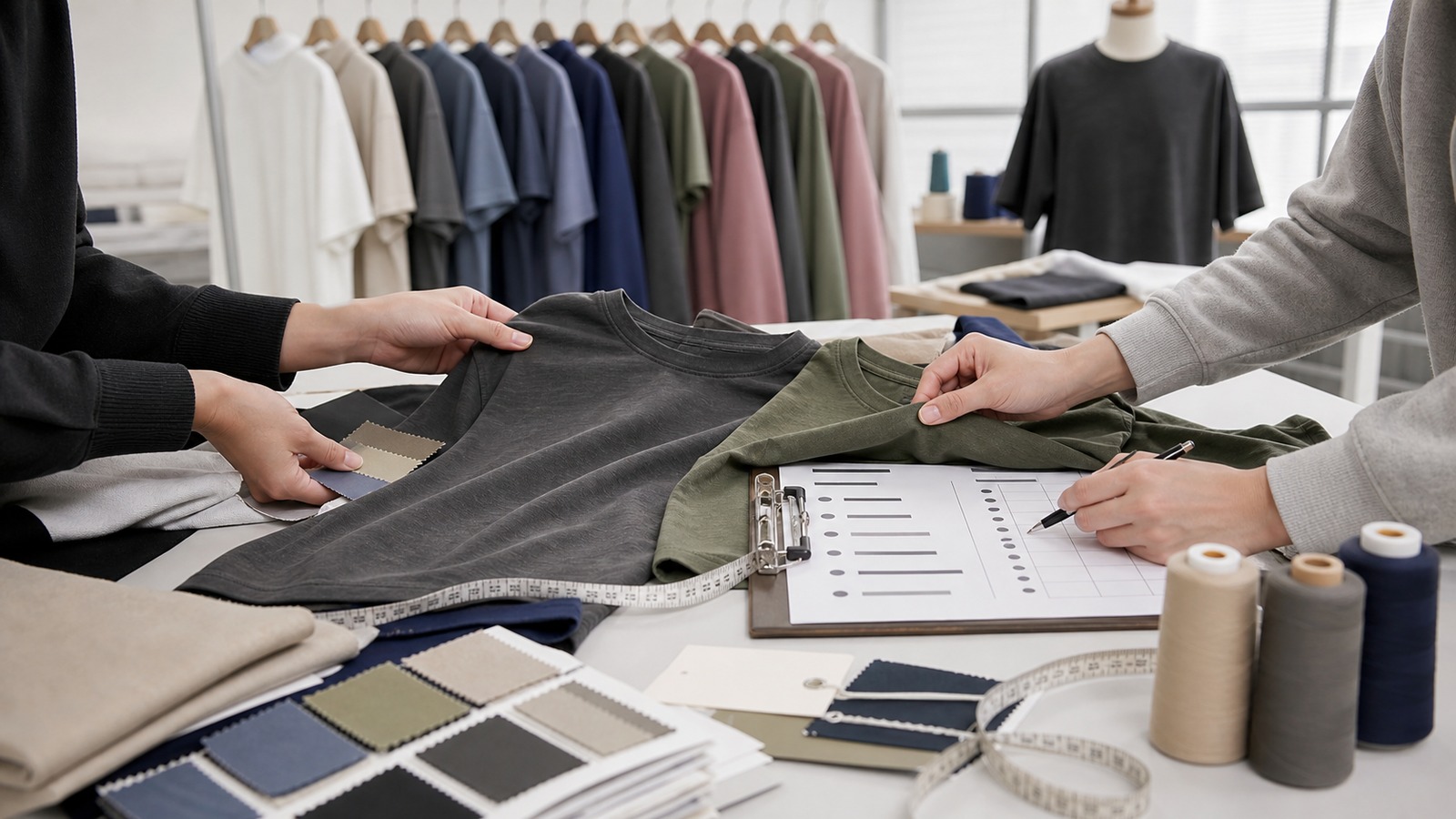
La decisione di sourcing
Cosa fa un produttore di abbigliamento sportivo personalizzato?
Per un acquirente B2B, il produttore fa parte del percorso di sviluppo da un'idea iniziale a uno standard di produzione ripetibile. Questo può iniziare con un pacchetto tecnico, un campione fisico, uno schizzo, un'immagine di riferimento o uno stile catalogo esistente. La fabbrica poi aiuta a valutare se il prodotto richiesto, il tessuto, la costruzione, il marchio e la quantità possono lavorare insieme nella produzione.
In abbigliamento sportivo, i dettagli sono insolitamente collegati. Tessuto stretch influisce sulla vestibilità; vestibilità influisce sul supporto e il comfort; posizionamento della cucitura influisce sul movimento; e un logo o metodo di etichetta può influenzare la mano, la durata, il costo e la tempistica di produzione. Una conversazione di produzione utile copre quindi il piano completo del prodotto, non solo l'aspetto visivo del capo. Il lavoro può includere direzione del materiale, modelli e campioni, applicazione del logo, etichette e hangtags, imballaggio, imballaggio, imballaggio, ispezione e ispezione e preparazione dell'acquirente.
Preparati prima della sorgente
Iniziare con il brief del prodotto, non la lista di fabbrica
I compratori spesso cominciano raccogliendo nomi di fabbrica e richiedendo un prezzo immediatamente. Ciò può produrre risposte veloci, ma non sempre comparabili o azionabili. Una fabbrica può solo citare responsabilmente quando capisce che cosa è stato fatto e quali dettagli sono importanti per il marchio. Un breve chiaro rende la prima conversazione più realistica e aiuta a prevenire una citazione iniziale bassa di cambiare una volta che i dettagli mancanti appaiono.
- Categoria di prodotto e attività o caso di utilizzo previsto.
- Immagine di riferimento, campione fisico, schizzo o pacchetto tecnico.
- Direzione del tessuto: stretch, handfeel, compressione, peso, opacità e finitura.
- Varie, dimensioni e aspettative di dimensionamento o di grading.
- Metodo di logo, opera d'arte, collocamento, etichette e finiture.
- Hangtags, borse, adesivi per codici a barre, segni di cartone e istruzioni per l'imballaggio.
- Quantità di destinazione, mercato di consegna, data di lancio di destinazione e direzione dei costi.
- Qualsiasi prestazione non negoziabile o requisiti di presentazione.
Le informazioni mancanti non significano che un progetto non possa iniziare. Significa che l'acquirente e la fabbrica dovrebbero essere esplicite su ipotesi. La disponibilità del tessuto, la tintura, il conteggio dei colori, la tecnica del logo e l'imballaggio possono tutti cambiare il percorso del prodotto.
Conoscenza del prodotto e del materiale
Valutare la vestibilità, la costruzione e l'esperienza del tessuto
Per leggings, che può significare stabilità della cintura, forma della coscia, posizionamento della cucitura, recupero e opacità in movimento. Per i reggiseni sportivi, la discussione può includere livello di supporto, fodera, elastico, cinghie, opzioni della tazza, e il rapporto tra tessuto e costruzione.
La selezione del tessuto dovrebbe essere trattata come una decisione del prodotto piuttosto che una casella di controllo del catalogo. Gli acquirenti possono chiedere come un tessuto recupera dopo tratto, se è appropriato per l'uso previsto, come si comporta in una colorazione più leggera, e se è disponibile per il percorso di produzione proposto. Il tessuto giusto non è necessariamente il più morbido o il più tecnico-sounding uno.
Yoga e studio
Morbida mano e flessibile stretch possono essere priorità, accanto alla fiducia nel movimento e la presentazione del colore.
Palestra e formazione
La compressione durevole, il recupero, la costruzione e l'usura ripetuta possono diventare più importanti per l'attività prevista.
ordini di squadra e programma
La consistenza del colore, il posizionamento del logo, la pianificazione delle dimensioni e i record di ordine ripetitivo possono essere particolarmente rilevanti.
Scegli il percorso di sviluppo giusto
Decidi tra stili basati su catalogo e sviluppo completamente personalizzato
Gli acquirenti non hanno sempre bisogno di iniziare con un prodotto completamente nuovo. Uno stile basato su catalogo può essere un percorso pratico quando la silhouette e la costruzione sono già vicini alla direzione del marchio. Può aiutare un acquirente a focalizzare la prima discussione sulla disponibilità del tessuto, colori, trattamento del logo, etichette, imballaggio e la pianificazione delle dimensioni.
Lo sviluppo completamente personalizzato è più adatto quando il prodotto ha bisogno di una vestibilità distinta, costruzione, progettazione del pannello, posizionamento tascabile, livello di supporto, sviluppo del tessuto o funzionalità che uno stile esistente non può ragionevolmente fornire.
Per un punto di partenza in formato catalogo, gli acquirenti possono confrontare il Zip-Neck Set Sculpt, Programma Bra di supporto leggero, o Set di allenamento con foro di frumento con cappuccio. Questi riferimenti aiutano a definire la silhouette e il ruolo del prodotto previsto prima che la fabbrica recensioni tessuto, vestibilità, colori, branding e modifiche di costruzione.
La domanda utile è se il percorso supporti l'obiettivo commerciale della collezione. Un lancio incentrato su catalogo può stabilire stili di base e record di ordine ripetitivo. Un programma personalizzato può creare una differenziazione più forte del prodotto quando l'acquirente è pronto a gestire le decisioni di sviluppo aggiuntive. In entrambi i casi, un produttore dovrebbe spiegare le implicazioni di produzione in modo chiaro piuttosto che promettere che ogni idea può essere eseguita con lo stesso MOQ, il costo, o il tempo di piombo.
Punto di partenza a catalogo
Utile quando un acquirente vuole una direzione di stile esistente e ha bisogno di chiarire il tessuto, i colori, i dettagli del marchio privato, la quantità di ordine e l'idoneità di produzione.
Sviluppo completamente personalizzato
Utile quando il marchio ha bisogno di nuove caratteristiche di vestibilità, costruzione, materiali, supporto o prodotto che richiedono uno sviluppo e un percorso di campionamento dedicato.
Sampling protegge il progetto
Verificare il processo di campionamento prima di effettuare un ordine di massa
Sampling offre all'acquirente un modo fisico per valutare le decisioni che non possono essere risolte da una fotografia o da un mockup digitale. È dove il tessuto, la vestibilità, il supporto, la costruzione, il posizionamento del logo, le etichette e la presentazione diventano un prodotto reale. Un processo di campionamento disciplinato dà anche alla fabbrica un riferimento di produzione chiaro una volta che i commenti sono stati risolti.
- ### 1. Recensione di fattibilità
Rivedere la breve, categoria di prodotto, direzione del materiale, campo di personalizzazione, quantità e mercato di destinazione.
- ### 2. Campione di sviluppo o di vestibilità
Fai il primo campione fisico intorno alla direzione concordata, notando eventuali assunzioni materiali o di costruzione.
- ### 3. feedback dell'acquirente
Misurazioni di recensione, vestibilità, supporto, lavorazione, posizionamento logo, etichette e eventuali modifiche necessarie.
- ### 4. Standard approvato
Confermare la versione che rappresenta il risultato di produzione previsto prima che i materiali di rinfusa e la produzione siano programmati.
Il costo e la tempistica del campione dipendono dalla complessità dello stile, dalla disponibilità dei materiali, dalle finiture, dalla tecnica del logo e dalla via della revisione. La questione pratica non è semplicemente quanto velocemente si può fare un campione.
Riferimenti del prodotto
Esplora le indicazioni del prodotto prima di scegliere un percorso di sviluppo
Utilizzare queste pagine di prodotto per stabilire la silhouette e la direzione commerciale del tuo breve prima di confermare tessuto personalizzato, vestibilità, colori, branding, etichette e dettagli di produzione.
Set di allenamento con foro di frumento con cappuccio
Un riferimento coordinato per i programmi a colori, la personalizzazione del logo, le etichette e la pianificazione dell'ordine di ripetizione.
Visualizza la direzione del prodotto
Zip-Neck Set Sculpt
Un set di prestazioni per la massima vestibilità, stretch rapido, zip e discussioni di dettaglio di marca.
Visualizza la direzione del prodotto
Yoga abbigliamento sportivo Catalogo
Sfoglia i riferimenti di abbigliamento sportivo orientati allo studio prima di preparare un brief di sviluppo personalizzato.
Visualizza la direzione del prodotto
Pianificazione commerciale
Comprendere le variabili MOQ, costo e lead-time
Non c'è una risposta responsabile di tutti i MOQ o lead-time per abbigliamento sportivo personalizzato. Un percorso citato cambia con il piano del prodotto. Il tessuto stock e uno stile basato su catalogo esistente possono offrire un punto di ingresso diverso da un nuovo stile con un colore personalizzato, finitura speciale, trim unico e completo pacchetto privato-label. Lo stesso è vero del costo: un prezzo unitario inferiore può escludere un elemento che un altro preventivo già include.
Le variabili rilevanti includono la disponibilità del tessuto, il numero di colorazioni, i requisiti di tintura, il consumo di tessuto, la complessità della costruzione, il metodo del logo, i componenti di marca, l'imballaggio, la quantità di ordine e il programma della fabbrica.
Per i marchi del primo stadio, un approccio ragionevole può essere quello di discutere quali elementi sono flessibili e che sono essenziali. Un acquirente può decidere di iniziare con un tessuto disponibile, una gamma di colori più concentrata, o una silhouette informata del catalogo, mantenendo i dettagli chiave del marchio che rendono la collezione distintivo.
Prontezza privata
Controllare i dettagli di marca e imballaggio presto
Gli acquirenti possono avere bisogno di discutere logo stampati o termotrasferimento, ricami, etichette intrecciate, etichette di cura, etichette di dimensioni, hangtags, adesivi di codici a barre, borse, istruzioni pieghevoli, marchi di cartone e requisiti di magazzino. Questi dettagli dovrebbero essere inclusi nella conversazione di produzione in anticipo, perché possono influenzare materiale sourcing, posizionamento, approvazione del campione, imballaggio e
La migliore tecnica del logo dipende dal tessuto, dall'opera d'arte, dal posizionamento, dalle aspettative di lavaggio, dalla sensazione desiderata e dal piano d'ordine. La fabbrica dovrebbe essere in grado di spiegare i trade-off pratici, ma l'acquirente dovrebbe approvare una rappresentazione fisica dell'approccio finale.
Esplora i dettagli del abbigliamento sportivo private-label
Qualità e comunicazione
Valutare il controllo della qualità e la comunicazione come processo
Un processo più forte inizia con un campione approvato e informazioni chiare del prodotto, quindi continua attraverso la revisione del materiale, il taglio e i controlli di cucitura, la verifica del logo e dell'etichetta, la revisione dell'imballaggio e l'ispezione finale. Questo è particolarmente importante per l'abbigliamento sportivo perché la vestibilità, le misure, l'allungamento, la lavorazione e la presentazione possono tutti influenzare l'esperienza del cliente finale dell'acquirente.
La comunicazione è inseparabile dalla qualità. Gli acquirenti devono capire chi possiede il progetto, come si conferma il feedback dei campioni, dove vengono registrati i cambiamenti dei prodotti e come le potenziali problematiche vengono sollevate prima della spedizione. I messaggi veloci sono utili, ma la chiarezza scritta conta di più quando un prodotto ha più colori, dimensioni, etichette, posizionamenti del logo e istruzioni di imballaggio.
Rivedere il flusso di lavoro di produzione
Confronto dei prezzi
Confronta i produttori con una scheda di punteggio dell'acquirente
Un confronto dei fornitori dovrebbe facilitare la decisione, non creare una lista più lunga di impressioni vaghe. Utilizzare un breve quando si parla di diversi produttori e confrontare le loro risposte rispetto agli stessi criteri. Ciò rende le differenze di portata visibile e aiuta l'acquirente vedere dove una fabbrica sta rispondendo con i presupposti piuttosto che i dettagli confermati.
| Criteri | Che cosa un acquirente dovrebbe cercare |
|---|---|
| Obiettivo del prodotto | Prove di rilevanti categorie abbigliamento sportivo e conoscenze di costruzione. |
| Processo di campionamento | Pagine chiare, gestione dei feedback e standard di approvazione definiti. |
| Guida del tessuto | Una discussione pratica sulle prestazioni, sulla disponibilità e sui trade-off. |
| Personalizzazione | Possibilità di discutere logo, etichette, imballaggi e colorazioni in contesto. |
| MOQ e quotazione | Assunzioni trasparenti basate sulla scheda prodotto reale. |
| Processo di qualità | Controlli definiti dall'approvazione del campione attraverso l'imballaggio. |
| Comunicazione | Libera proprietà, conferme scritte e aggiornamenti realistici. |
| Prontezza dell'esportazione | Imballaggio e pianificazione della documentazione che si adatta alla rotta di spedizione. |
Una visita di fabbrica o una videochiamata focalizzata può essere utile quando un acquirente ha bisogno di esaminare le aree coinvolte nello sviluppo del campione, cucitura, controlli di qualità, imballaggio, o preparazione di ordine ripetitivo.
Un pratico partner B2B
Lavorare con inPACE Sports per abbigliamento sportivo personalizzato
inPACE Sports supporta i programmi di abbigliamento sportivo personalizzati B2B per marchi, negozi online, grossisti, studi, club, team e progettisti di startup. L'azienda lavora con Ningbo Yinshan Garments Factory a Ningbo, Zhejiang, Cina, e la sua discussione sui prodotti può coprire lo Yoga Wear, l'Abbigliamento da palestra, leggings, i dettagli del teamwear, il campionamento, la pianificazione del controllo di qualità, l'imballaggio e la preparazione all'esportazione.
Esplorare le famiglie di prodotti rilevanti prima di contattare: Yoga abbigliamento sportivo Catalogo, Collezione di prestazioni abbigliamento sportivo, Catalogo Attivitā per jogging e stampa, e Itinerario abbigliamento sportivo personalizzato. Ciascuno è un riferimento di prodotto-direzione che può essere adattato intorno a tessuto, branding, gamma di dimensioni, e il piano di produzione.
Un acquirente può iniziare con un pacchetto completo di tecnologia o con un ingresso di fase precedente come un'immagine di riferimento, un campione, uno schizzo o uno stile di catalogo. Da lì, il passo successivo utile è quello di chiarire l'obiettivo del prodotto, la direzione del tessuto, la personalizzazione del campo, la gamma di dimensioni, le colorazioni e la quantità. MOQ, il costo, il campionamento e la tempistica di produzione sono revisionati progetto per progetto per progetto perché dipendono dalla disponibilità di materiale, requisiti di colore, il metodo, metodo, metodo, metodo, metodo, metodo, metodo, il metodo, il metodo, il metodo, il metodo di imballaggio, il metodo di imballaggio, imballaggio, imballaggio, imballaggio, imballaggio, imballaggio, imballaggio, la complessità dello stile e il piano d'ordine.
Per gli acquirenti che confrontano i potenziali partner, il punto di partenza giusto è una chiara e chiara discussione di fattibilità, che consente di identificare un percorso campione ragionevole, decidere quali dettagli hanno bisogno di approvazione fisica, e pianificare un ordine di massa intorno alle aspettative documentate piuttosto che le assunzioni.
Domande di acquisto
FAQ: Produzione di abbigliamento sportivo personalizzato
Cos'è un produttore di abbigliamento sportivo personalizzato?
Un produttore di abbigliamento sportivo personalizzato è un partner di produzione B2B che sviluppa o adatta abbigliamento sportivo intorno a una cartella di prodotto dell'acquirente. Il lavoro può includere selezione di tessuto, modelli, campioni, loghi, etichette, imballaggio, produzione di massa, controllo di qualità e preparazione di spedizione.
Posso sviluppare abbigliamento sportivo da un'immagine di riferimento o un campione?
Un'immagine di riferimento, un campione fisico, uno schizzo o un pacchetto tecnico possono iniziare una discussione di sviluppo. Il produttore deve ancora rivedere il tessuto, la costruzione, le misure, la gamma di dimensioni, il branding e la quantità di destinazione.
Cosa dovrei includere in un abbigliamento sportivo personalizzato RFQ?
Includere la categoria di prodotto, la cassa di uso, il materiale di riferimento, la quantità di destinazione, le coloravi, la gamma di dimensioni, la direzione di tessuto, il logo e le esigenze di etichetta, i requisiti di imballaggio, il mercato di destinazione, la data di lancio di destinazione e la direzione di prezzo di destinazione.
Che cosa colpisce MOQ per abbigliamento sportivo personalizzato?
MOQ dipende dal prodotto, dalla disponibilità del tessuto, dalle colorazioni, dalla tecnica del logo, dalle etichette, dall'imballaggio e dal piano d'ordine. Gli stili basati su catalogo utilizzando materiali disponibili possono offrire un percorso di partenza diverso da un prodotto completamente personalizzato con tessuti speciali, colori personalizzati o dettagli di marca.
Quanto tempo ci vuole il campionamento sportivo?
I tempi di campionamento variano per complessità di stile, materiali disponibili, finiture, metodo di logo, e il numero di adatta o revisioni di progettazione.Gli acquirenti dovrebbero chiedere che cosa è incluso nella fase di campionamento, quali materiali vengono utilizzati, come il feedback sarà registrato, e che cosa deve essere approvato prima della produzione di massa è prevista.
Può un produttore aggiungere loghi, etichette e imballaggi in label privato?
Molti produttori di abbigliamento sportivo possono discutere l'applicazione del logo, etichette intrecciate, etichette di cura, hangtags, adesivi di codici a barre, sacchetti poli e marchi di cartone. Il metodo giusto dipende dal tessuto, opera d'arte, posizionamento, requisiti di lavaggio, handfeel desiderato e percorso di imballaggio.
Come posso confrontare i produttori di abbigliamento sportivo in Cina?
Confronta i fornitori su un breve simile. Guarda le conoscenze relative del prodotto, la qualità del campione, la consulenza del tessuto, la chiarezza di personalizzazione, la disciplina di controllo della qualità, la comunicazione, i presupposti di quotazione e la pianificazione dell'esportazione. Un prezzo unitario inferiore non è un confronto utile se il tessuto, il logo, l'imballaggio, la portata di ispezione, o le ipotesi di consegna differiscono.
Che cosa dovrei approvare prima che inizi la produzione di massa?
Prima della produzione di massa, gli acquirenti dovrebbero approvare il campione o il riferimento di pre-produzione, le misure chiave, i dettagli di costruzione, il tessuto e la direzione del colore, il posizionamento del logo, le etichette, l'imballaggio e le istruzioni di imballaggio speciali.
Preparazione della consegna
Pianificare le informazioni di imballaggio e spedizione prima dell'ispezione finale
La pianificazione dell'esportazione è più semplice quando i requisiti di imballaggio dell'acquirente sono visibili prima che l'ordine raggiunga la fine della produzione. A seconda del percorso, la fabbrica può avere bisogno di istruzioni ripiegabili confermate, requisiti di poli-bag, adesivi di dimensioni, etichette di codici a barre, rapporti di assortimento, marchi di cartone, limitazioni di cartone, marchi di spedizione e dettagli di contatto di consegna.
Ciò non significa che ogni acquirente deve gestire la logistica da solo. Significa che i requisiti dovrebbero essere abbastanza chiari per i team di produzione e imballaggio per preparare la merce correttamente. Prima della spedizione, gli acquirenti devono anche confermare quali record di ispezione finale, informazioni di imballaggio e documenti di spedizione sono richiesti dalla loro rotta di trasporto scelta.
Prossimo passo
Costruisci un rapporto di fornitore più affidabile
Il successo dell'allerta abbigliamento sportivo è raramente il risultato di trovare una fabbrica da un'unica immagine di prodotto. Viene da una completa scelta di materiali brevi e realistici, campionamento mirato, dettagli di prodotto approvati, controllo di qualità disciplinato, e comunicazione che rimane chiara dallo sviluppo attraverso la consegna. Quando tali fondazioni sono in atto, un acquirente è meglio posizionato per confrontare i fornitori e costruire un programma che può essere ripetuto con fiducia.
Quadro a lungo termine dell'acquirente
Come può un acquirente trasformare questa ricerca in una decisione di produzione pronta?
Il compito centrale in selezionando un produttore di abbigliamento sportivo personalizzato per un marchio è decidere che fabbrica può comprendere il breve, sviluppare il prodotto previsto, approvazioni di documento, e gestire la produzione, QC, imballaggio e ripetere gli ordiniQuesta decisione non può essere presa da un prezzo di titolo, una foto del prodotto, o una dichiarazione generale sulla personalizzazione. Ha bisogno di un record che collega l'obiettivo commerciale al capo, materiale, vestibilità, costruzione, branding, quantità, controlli di qualità, imballaggio e destinazione. Quando questi elementi sono visibili insieme, un acquirente può fare domande più precise e una fabbrica può spiegare il percorso senza fingere che i dettagli aperti sono già confermati.
Lo scopo del quadro sottostante non è quello di trasformare un brand fondatore o acquirente in un tecnico di abbigliamento, ma di rendere chiara la responsabilità e la prova. L'acquirente definisce il bisogno del cliente e del business, condivide ciò che è noto e identifica le decisioni che importano. dimostrare la conoscenza della categoria dei prodotti e una consegna controllata da decisioni materiali e campione alla produzione in massa. Entrambe le parti poi registrare ciò che è stato rivisto, ciò che rimane condizionale, ciò che deve essere approvato fisicamente, e quali informazioni guiderà la produzione o un ordine successivo ripetizione.
1
Abbina la fabbrica alla categoria di prodotto
Yoga Wear, Abbigliamento da palestra, i reggiseni sportivi, leggings, l'abbigliamento team e uniformi e gli strati esterni pongono diverse richieste su tessuto, vestibilità, supporto, costruzione e branding.
Per questa decisione, l'acquirente dovrebbe indicare il risultato previsto, fornire le prove più vicine disponibili e identificare ciò che è flessibile. Il fornitore può quindi spiegare le implicazioni del prodotto o del processo e contrassegnare qualsiasi dipendenza dalla disponibilità del tessuto, dal colore, dalla costruzione, dal metodo del logo, dai componenti, dalla quantità o dall'imballaggio.
Registrare il risultato all'interno un confronto del produttore contenente il brief condiviso, domande del fornitore, prove del campione, presupposti di quotazione, note di comunicazione e percorso di approvazioneIncludi la data, il file o il campione pertinenti, la persona responsabile della prossima azione, e lo stato della decisione. Se un cambiamento successivo influisce sulla vestibilità, il materiale, la lavorazione, il branding, l'assortimento, o la preparazione della consegna, il ritorno a questo record e l'identificazione di quali autorizzazioni correlate devono essere controllati di nuovo.
2
Utilizzare il breve per testare la comunicazione
Un fornitore forte identifica contraddizioni e decisioni aperte invece di ripetere la richiesta dell'acquirente o offrire certezza senza sufficienti informazioni.
Per questa decisione, l'acquirente dovrebbe indicare il risultato previsto, fornire le prove più vicine disponibili e identificare ciò che è flessibile. Il fornitore può quindi spiegare le implicazioni del prodotto o del processo e contrassegnare qualsiasi dipendenza dalla disponibilità del tessuto, dal colore, dalla costruzione, dal metodo del logo, dai componenti, dalla quantità o dall'imballaggio.
Registrare il risultato all'interno un confronto del produttore contenente il brief condiviso, domande del fornitore, prove del campione, presupposti di quotazione, note di comunicazione e percorso di approvazioneIncludi la data, il file o il campione pertinenti, la persona responsabile della prossima azione, e lo stato della decisione. Se un cambiamento successivo influisce sulla vestibilità, il materiale, la lavorazione, il branding, l'assortimento, o la preparazione della consegna, il ritorno a questo record e l'identificazione di quali autorizzazioni relative devono essere controllati di nuovo.
3
Rivedere il percorso del campione in dettaglio
Chiedere che cosa il primo campione dovrebbe confermare, come i commenti sono registrati, che cambia i materiali o modelli, e che cosa diventa il riferimento approvato.
Per questa decisione, l'acquirente dovrebbe indicare il risultato previsto, fornire le prove più vicine disponibili e identificare ciò che è flessibile. Il fornitore può quindi spiegare le implicazioni del prodotto o del processo e contrassegnare qualsiasi dipendenza dalla disponibilità del tessuto, dal colore, dalla costruzione, dal metodo del logo, dai componenti, dalla quantità o dall'imballaggio.
Registrare il risultato all'interno un confronto del produttore contenente il brief condiviso, domande del fornitore, prove del campione, presupposti di quotazione, note di comunicazione e percorso di approvazioneIncludi la data, il file o il campione pertinenti, la persona responsabile della prossima azione, e lo stato della decisione. Se un cambiamento successivo influisce sulla vestibilità, il materiale, la lavorazione, il branding, l'assortimento, o la preparazione della consegna, il ritorno a questo record e l'identificazione di quali autorizzazioni relative devono essere controllati di nuovo.
4
Valutare il tessuto e il giudizio trim
La fabbrica dovrebbe collegare i suggerimenti materiali al capo, attività, vestibilità, colore, costruzione, logo, disponibilità e piano d'ordine.
Per questa decisione, l'acquirente dovrebbe indicare il risultato previsto, fornire le prove più vicine disponibili e identificare ciò che è flessibile. Il fornitore può quindi spiegare le implicazioni del prodotto o del processo e contrassegnare qualsiasi dipendenza dalla disponibilità del tessuto, dal colore, dalla costruzione, dal metodo del logo, dai componenti, dalla quantità o dall'imballaggio.
Registrare il risultato all'interno un confronto del produttore contenente il brief condiviso, domande del fornitore, prove del campione, presupposti di quotazione, note di comunicazione e percorso di approvazioneIncludi la data, il file o il campione pertinenti, la persona responsabile della prossima azione, e lo stato della decisione. Se un cambiamento successivo influisce sulla vestibilità, il materiale, la lavorazione, il branding, l'assortimento, o la preparazione della consegna, il ritorno a questo record e l'identificazione di quali autorizzazioni relative devono essere controllati di nuovo.
5
Chiedi come la produzione riceve le approvazioni
Misure, materiali, colori, opere d'arte, etichette, lavorazione, imballaggio e commenti dei campioni hanno bisogno di una consegna controllata piuttosto che di una memoria informale.
Per questa decisione, l'acquirente dovrebbe indicare il risultato previsto, fornire le prove più vicine disponibili e identificare ciò che è flessibile. Il fornitore può quindi spiegare le implicazioni del prodotto o del processo e contrassegnare qualsiasi dipendenza dalla disponibilità del tessuto, dal colore, dalla costruzione, dal metodo del logo, dai componenti, dalla quantità o dall'imballaggio.
Registrare il risultato all'interno un confronto del produttore contenente il brief condiviso, domande del fornitore, prove del campione, presupposti di quotazione, note di comunicazione e percorso di approvazioneIncludi la data, il file o il campione pertinenti, la persona responsabile della prossima azione, e lo stato della decisione. Se un cambiamento successivo influisce sulla vestibilità, il materiale, la lavorazione, il branding, l'assortimento, o la preparazione della consegna, il ritorno a questo record e l'identificazione di quali autorizzazioni relative devono essere controllati di nuovo.
6
Ispezione di QC e prontezza dell'imballaggio
Gli acquirenti devono sapere quali controlli si verificano durante la produzione e prima della spedizione, tra cui indumento, branding, assortimento, borsa e dettagli del cartone.
Per questa decisione, l'acquirente dovrebbe indicare il risultato previsto, fornire le prove più vicine disponibili e identificare ciò che è flessibile. Il fornitore può quindi spiegare le implicazioni del prodotto o del processo e contrassegnare qualsiasi dipendenza dalla disponibilità del tessuto, dal colore, dalla costruzione, dal metodo del logo, dai componenti, dalla quantità o dall'imballaggio.
Registrare il risultato all'interno un confronto del produttore contenente il brief condiviso, domande del fornitore, prove del campione, presupposti di quotazione, note di comunicazione e percorso di approvazioneIncludi la data, il file o il campione pertinenti, la persona responsabile della prossima azione, e lo stato della decisione. Se un cambiamento successivo influisce sulla vestibilità, il materiale, la lavorazione, il branding, l'assortimento, o la preparazione della consegna, il ritorno a questo record e l'identificazione di quali autorizzazioni relative devono essere controllati di nuovo.
7
Controllare il record di ordine ripetitivo mantenendo
Specifiche approvate, file, componenti, riferimenti all'ombra, regole di imballaggio e modifiche devono rimanere identificabili quando il marchio ritorna per il rifornimento.
Per questa decisione, l'acquirente dovrebbe indicare il risultato previsto, fornire le prove più vicine disponibili e identificare ciò che è flessibile. Il fornitore può quindi spiegare le implicazioni del prodotto o del processo e contrassegnare qualsiasi dipendenza dalla disponibilità del tessuto, dal colore, dalla costruzione, dal metodo del logo, dai componenti, dalla quantità o dall'imballaggio.
Registrare il risultato all'interno un confronto del produttore contenente il brief condiviso, domande del fornitore, prove del campione, presupposti di quotazione, note di comunicazione e percorso di approvazioneIncludi la data, il file o il campione pertinenti, la persona responsabile della prossima azione, e lo stato della decisione. Se un cambiamento successivo influisce sulla vestibilità, il materiale, la lavorazione, il branding, l'assortimento, o la preparazione della consegna, il ritorno a questo record e l'identificazione di quali autorizzazioni relative devono essere controllati di nuovo.
Scenari dell'acquirente
Come cambia la decisione in situazioni di sourcing comuni?
I progetti reali raramente arrivano con ogni dettaglio completo. La domanda utile non è se il brief è perfetto; è se le informazioni mancanti sono visibili e se il passo successivo produrrà prove. Questi scenari mostrano come un acquirente può mantenere selezionando un produttore di abbigliamento sportivo personalizzato per un marchio pratico senza convertire presupposti in promesse.
L'acquirente ha una direzione ma file tecnici incompleti
Inizia con il ruolo del prodotto, il cliente di destinazione, l'uso previsto, il materiale di riferimento e le decisioni già prese. Segna le misure mancanti, il tessuto, l'opera d'arte, o i dettagli di imballaggio come domande aperte. La risposta del fornitore dovrebbe mostrare ciò che può essere esaminato immediatamente, ciò che ha bisogno di un campione, e quali informazioni è richiesto prima che il percorso diventa più specifico.
Applicare lo scenario a che fabbrica può comprendere il breve, sviluppare il prodotto previsto, approvazioni di documento, e gestire la produzione, QC, imballaggio e ripetere gli ordini. Nota cosa può essere accettato come direzione, ciò che richiede la revisione di fabbrica, e ciò che deve diventare parte di un confronto del produttore contenente il brief condiviso, domande del fornitore, prove del campione, presupposti di quotazione, note di comunicazione e percorso di approvazione prima che l'acquirente confronti i fornitori o approvi la fase successiva.
Un riferimento di catalogo è chiuso ma non esatto
Il logo, l'etichetta, il hangtag o la borsa possono rimanere all'interno di un percorso in formato catalogo, mentre una nuova funzione di vestibilità, materiale, modello, costruzione o performance può richiedere uno sviluppo personalizzato. La decisione dovrebbe essere basata sulla modifica richiesta, non su un'etichetta di categoria.
Applicare lo scenario a che fabbrica può comprendere il breve, sviluppare il prodotto previsto, approvazioni di documento, e gestire la produzione, QC, imballaggio e ripetere gli ordini. Nota cosa può essere accettato come direzione, ciò che richiede la revisione di fabbrica, e ciò che deve diventare parte di un confronto del produttore contenente il brief condiviso, domande del fornitore, prove del campione, presupposti di quotazione, note di comunicazione e percorso di approvazione prima che l'acquirente confronti i fornitori o approvi la fase successiva.
L'ordine contiene diversi colori, dimensioni e componenti del marchio
Creare un record di assortimento per stile, colore e dimensione, quindi collegare ogni logo, etichetta, codice a barre, borsa e istruzioni in cartone al SKU corretto.
Applicare lo scenario a che fabbrica può comprendere il breve, sviluppare il prodotto previsto, approvazioni di documento, e gestire la produzione, QC, imballaggio e ripetere gli ordini. Nota cosa può essere accettato come direzione, ciò che richiede la revisione di fabbrica, e ciò che deve diventare parte di un confronto del produttore contenente il brief condiviso, domande del fornitore, prove del campione, presupposti di quotazione, note di comunicazione e percorso di approvazione prima che l'acquirente confronti i fornitori o approvi la fase successiva.
Si prevede che il programma si ripeta
Le specifiche del prodotto, i riferimenti del materiale e del colore, l'opera d'arte, il posizionamento, le etichette, l'imballaggio, le note di QC e i dati di ordine precedente rendono più tardi il rifornimento più controllato.
Applicare lo scenario a che fabbrica può comprendere il breve, sviluppare il prodotto previsto, approvazioni di documento, e gestire la produzione, QC, imballaggio e ripetere gli ordini. Nota cosa può essere accettato come direzione, ciò che richiede la revisione di fabbrica, e ciò che deve diventare parte di un confronto del produttore contenente il brief condiviso, domande del fornitore, prove del campione, presupposti di quotazione, note di comunicazione e percorso di approvazione prima che l'acquirente confronti i fornitori o approvi la fase successiva.
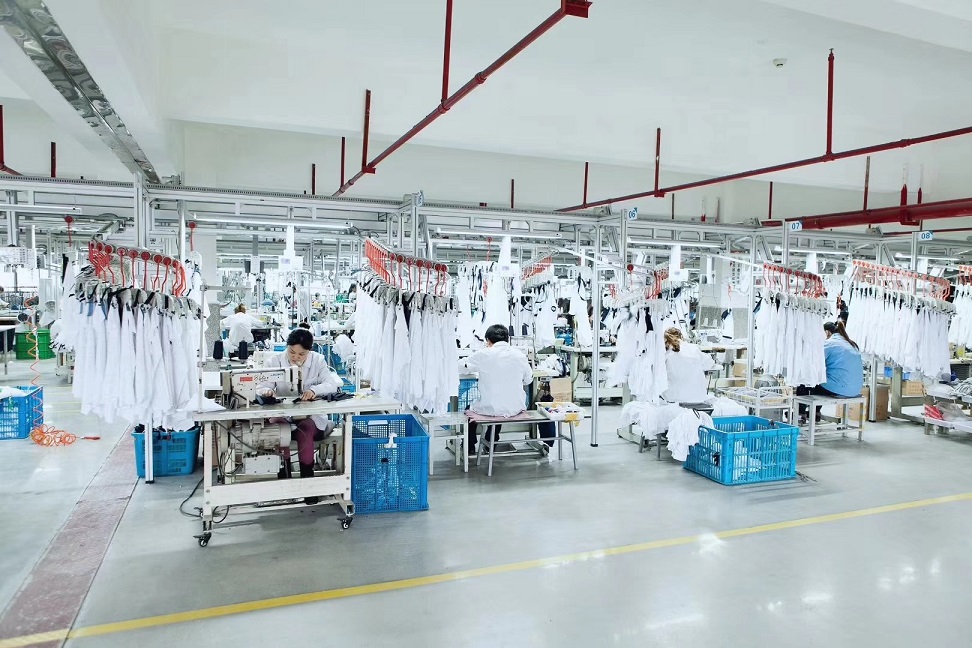
La valutazione del produttore dovrebbe collegare il brief del prodotto a campioni fisici, approvazioni documentate, istruzioni di produzione e prove di QC.
Regime di decisione
Quali prove dovrebbe richiedere l'acquirente e conservare?
La tabella trasforma le domande chiave dell'articolo in un formato di recensione di lavoro. E 'intenzionalmente più ampio di un confronto a prezzo unitario perché un programma completo abbigliamento sportivo comprende prodotti, materiale, campione, branding, imballaggio e presupposti di consegna.
| Zona di decisione | Prove dell'acquirente | Recensione di fabbrica | Registrare prima dell'approvazione |
|---|---|---|---|
| Abbina la fabbrica alla categoria di prodotto | Riferimento, requisito, risultato previsto, e qualsiasi vincolo non negoziabile. | Fattibilità, dipendenze, assunzioni, necessità del campione, e l'effetto sulle decisioni connesse. | Riferimento approvato, numero aperto, proprietario, data e il prossimo checkpoint. |
| Utilizzare il breve per testare la comunicazione | Riferimento, requisito, risultato previsto, e qualsiasi vincolo non negoziabile. | Fattibilità, dipendenze, assunzioni, necessità del campione, e l'effetto sulle decisioni connesse. | Riferimento approvato, numero aperto, proprietario, data e il prossimo checkpoint. |
| Rivedere il percorso del campione in dettaglio | Riferimento, requisito, risultato previsto, e qualsiasi vincolo non negoziabile. | Fattibilità, dipendenze, assunzioni, necessità del campione, e l'effetto sulle decisioni connesse. | Riferimento approvato, numero aperto, proprietario, data e il prossimo checkpoint. |
| Valutare il tessuto e il giudizio trim | Riferimento, requisito, risultato previsto, e qualsiasi vincolo non negoziabile. | Fattibilità, dipendenze, assunzioni, necessità del campione, e l'effetto sulle decisioni connesse. | Riferimento approvato, numero aperto, proprietario, data e il prossimo checkpoint. |
| Chiedi come la produzione riceve le approvazioni | Riferimento, requisito, risultato previsto, e qualsiasi vincolo non negoziabile. | Fattibilità, dipendenze, assunzioni, necessità del campione, e l'effetto sulle decisioni connesse. | Riferimento approvato, numero aperto, proprietario, data e il prossimo checkpoint. |
| Ispezione di QC e prontezza dell'imballaggio | Riferimento, requisito, risultato previsto, e qualsiasi vincolo non negoziabile. | Fattibilità, dipendenze, assunzioni, necessità del campione, e l'effetto sulle decisioni connesse. | Riferimento approvato, numero aperto, proprietario, data e il prossimo checkpoint. |
| Controllare il record di ordine ripetitivo mantenendo | Riferimento, requisito, risultato previsto, e qualsiasi vincolo non negoziabile. | Fattibilità, dipendenze, assunzioni, necessità del campione, e l'effetto sulle decisioni connesse. | Riferimento approvato, numero aperto, proprietario, data e il prossimo checkpoint. |
Elenco di controllo dell'acquirente
Cosa dovrebbe essere pronto prima della prossima conversazione di fabbrica?
Scrivere la decisione del compratore in una frase: quale fabbrica può capire il breve, sviluppare il prodotto previsto, approvazioni del documento, e gestire la produzione, QC, imballaggio e ripetere gli ordini.Nome del prodotto, attività prevista, cliente, canale di vendita e scopo di lancio.Attaccare i riferimenti e spiegare cosa deve essere mantenuto, cambiato, testato, o ignorato.Descrivi il comportamento del materiale, la vestibilità, la costruzione, il colore e le priorità di marca dove noto.Elenca stili, colori, gamma di dimensioni, quantità stimata, destinazione e percorso di ricezione.Identificare il logo, le etichette, i hangtag, il codice a barre, le borse, la piegatura e i dettagli del cartone nell'ambito.Definire che cosa il primo campione o la revisione fisica deve dimostrare prima di ulteriore approvazione.Fai in modo che il fornitore separi fatti, raccomandazioni, assunzioni e domande irrisolte.Mantenere un confronto del produttore contenente il brief condiviso, domande dei fornitori, prove del campione, presupposti di quotazione, note di comunicazione e percorso di approvazione.Mantenere il prodotto finale, il componente, QC, l'imballaggio e cambiare i record per la pianificazione di ordine ripetitivo.
Questo approccio è più utile che nascondere l'incertezza o aspettare un livello impossibile di perfezione. Rende anche il ragionamento di un fornitore più facile da valutare: la risposta dovrebbe identificare le decisioni connesse e spiegare perché un campione, l'approvazione dei componenti, il breve rivisto, o il record di imballaggio è necessario.
Continua il viaggio dell'acquirente
Tenere il passo successivo legato alla decisione del prodotto
Continuare con preparare un abbigliamento sportivo personalizzato RFQ Se il progetto è pronto per la revisione di fabbrica, inviare il tipo di prodotto, riferimento, materiale e priorità di vestibilità, portata di marca, quantità stimata, esigenze di imballaggio e mercato di destinazione. inPACE Sports può quindi discutere se il passo successivo è la selezione di prodotti, recensione di marchio privato, sviluppo personalizzato, campionamento, o una breve di quotazione più completa.
Rivedere il flusso di lavoro dell'ordineInviare un breve prodotto
Dichiara ciò che è confermato, flessibile e ancora aperto per la guida di fabbrica.
Chiedete come le decisioni si muovono nel campionamento, nella produzione, nel QC e nell'imballaggio.
Mantenere i record di approvazione e ricezione necessari per la spedizione e riordini.