
Archivio risorse
Tutte le guide per acquirenti di activewear
Consulta la libreria completa di risorse su sourcing, abbigliamento da palestra, abbigliamento da allenamento, yoga wear, sviluppo prodotto, wholesale, fabbrica, fornitori e produzione.
Pianificazione della collezione
Tessuti, prodotti e direzione di mercato
30 articoli

Performance Fabrics & B2B Development
Moisture-Wicking, Quick-Dry, Cooling or Sweat-Masking? A Fabric Guide for Activewear Brands
Moisture management fabrics for activewear should be compared by the job they perform: liquid movement, drying, cooling sensation and visible sweat masking. Identify the garment, wear context and target concern, then compare a named candidate with evidence suited to that property. Review it in the intended colour and construction; a fibre label or photograph alone cannot prove finished-garment performance.
Read the article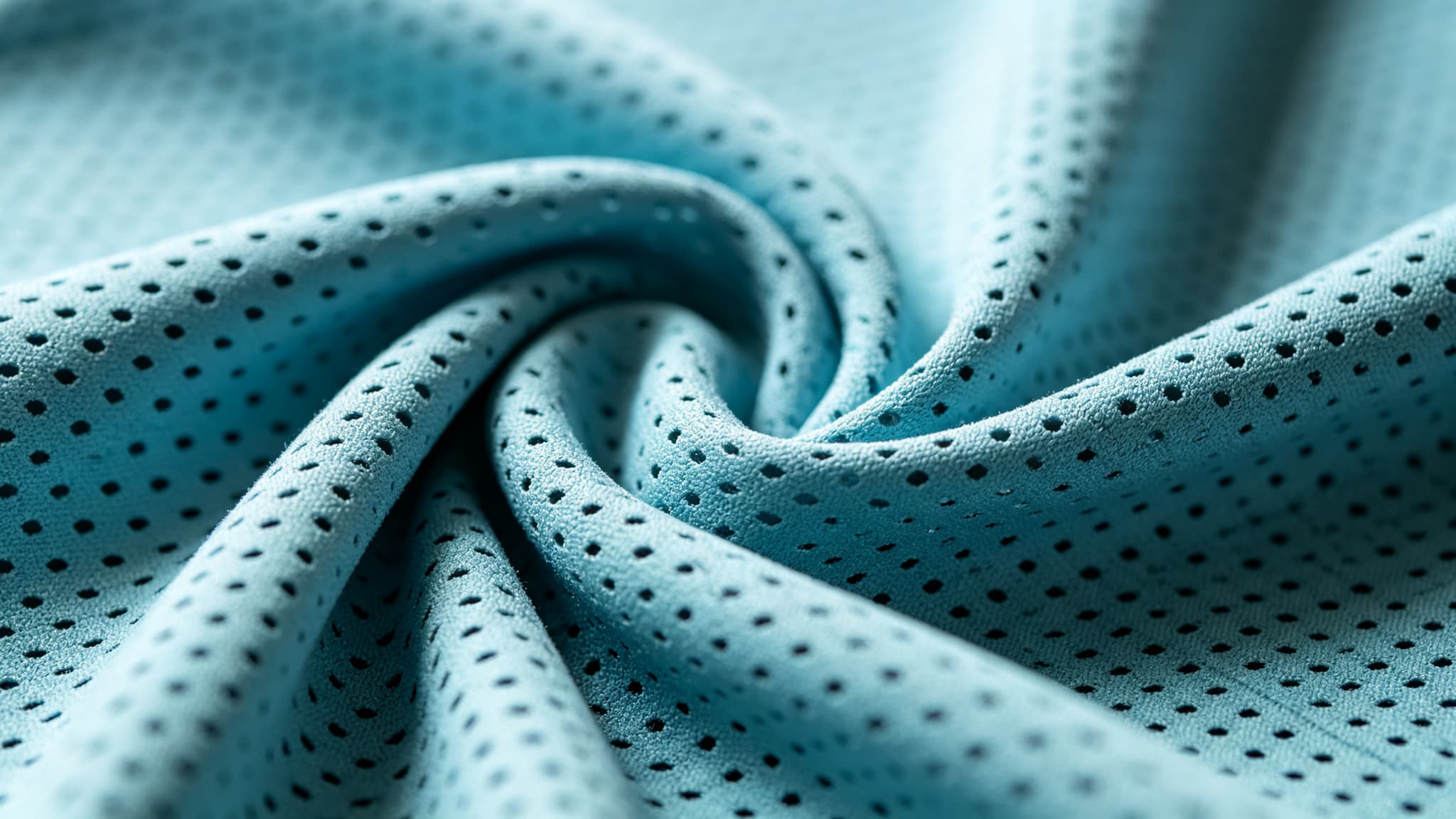
Performance Fabrics & B2B Development
Mesh Panels in Activewear: Balancing Ventilation, Coverage and Seam Quality
Mesh panels in activewear can change airflow, coverage, appearance and seam behaviour at the same time. Brands should map each proposed panel to a wearer need, compare the mesh with the adjoining fabric, and review the assembled garment for opacity, stretch, logo placement, seam stability and care. A product image or fabric label alone cannot establish a finished-garment ventilation result.
Read the article
Performance Fabrics & B2B Development
Activewear Fabric Trends for 2027: What ISPO and Tokyo Signals Mean for Brands
Activewear fabric trends for 2027 are best treated as product-development questions, not sales forecasts. ISPO Textrends and FaW TOKYO offer dated sourcing and material signals, but neither proves that a concept is widely adopted or available from a particular factory. Brands can translate those signals into a short test list, then verify composition, construction, wear context, care and claim evidence before sampling.
Read the article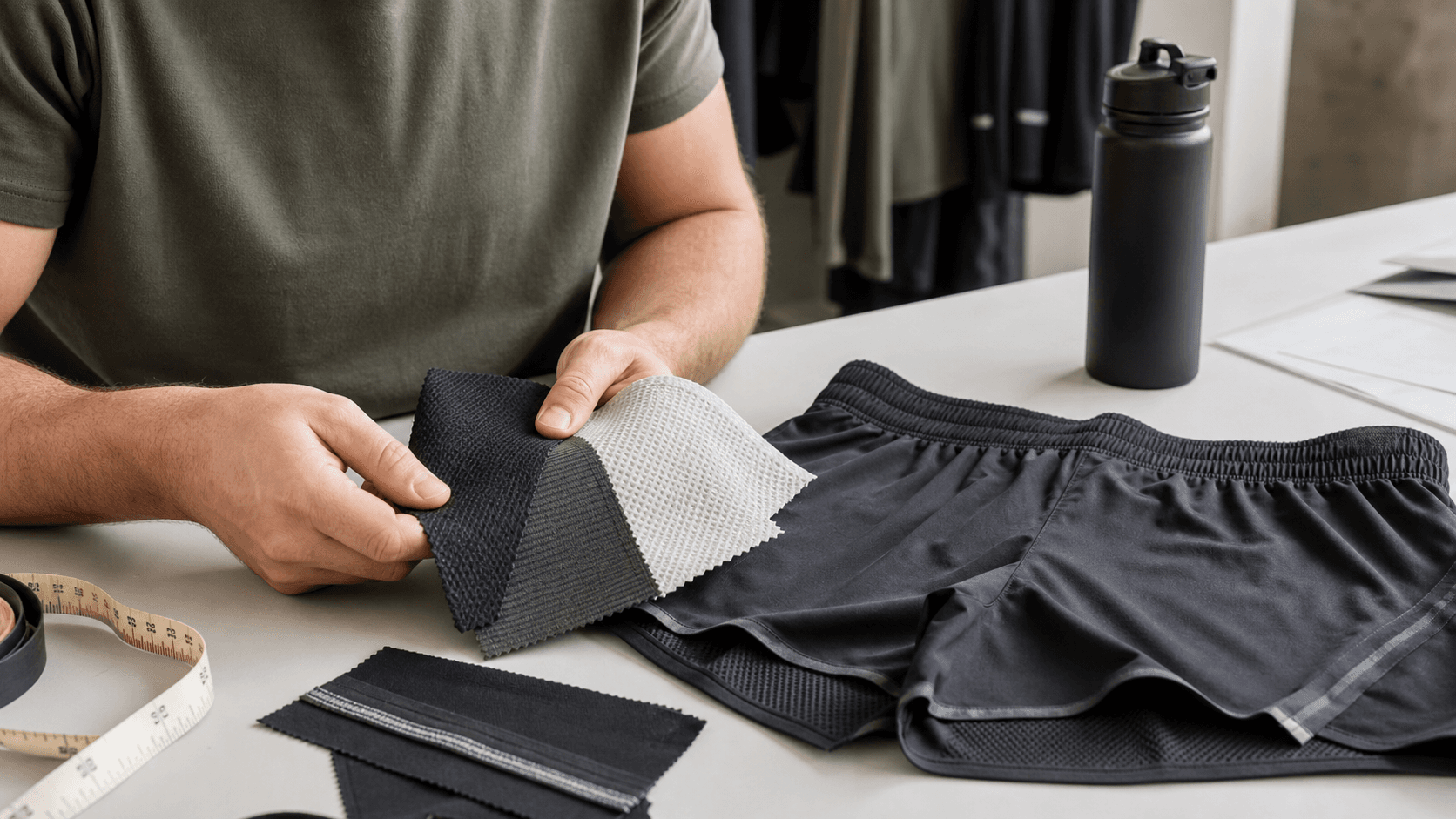
Performance Fabrics & B2B Development
Elastane-Free Stretch Fabrics for Activewear: Where They Work—and Where They Don’t
Elastane-free stretch fabric can be a useful material direction for selected activewear components, but it is not a universal replacement for elastane. Buyers should distinguish stretch created by knit structure from elastic yarn or polymer behaviour, then compare extension, recovery, bagging, fit and wash response in the intended garment. A supplier example is a research lead, not proof of inPACE sourcing or finished-product performance.
Read the article
Performance Fabrics & B2B Development
Bio-Based Activewear Fabrics: What Brands Should Verify Before Sampling
Bio-based activewear fabric claims need to identify the exact fiber or material, the percentage basis, the garment component and the evidence connecting them. A renewable-content statement for a named fiber does not automatically describe the fabric or finished garment, and it does not prove recyclability, biodegradability or lower impact. Buyers should verify source documents, map the BOM and test the actual sample before approving product language.
Read the article
Performance Fabrics
How Fabric Affects Activewear Color
Fabric changes activewear color because surface texture, structure, opacity, stretch, lining, and light alter how body fabric and components are seen. Buyers should identify the target colour and material roles, compare body and mesh under documented conditions, and keep visual observations separate from wet/dry, wash, or performance-test results.
Read the article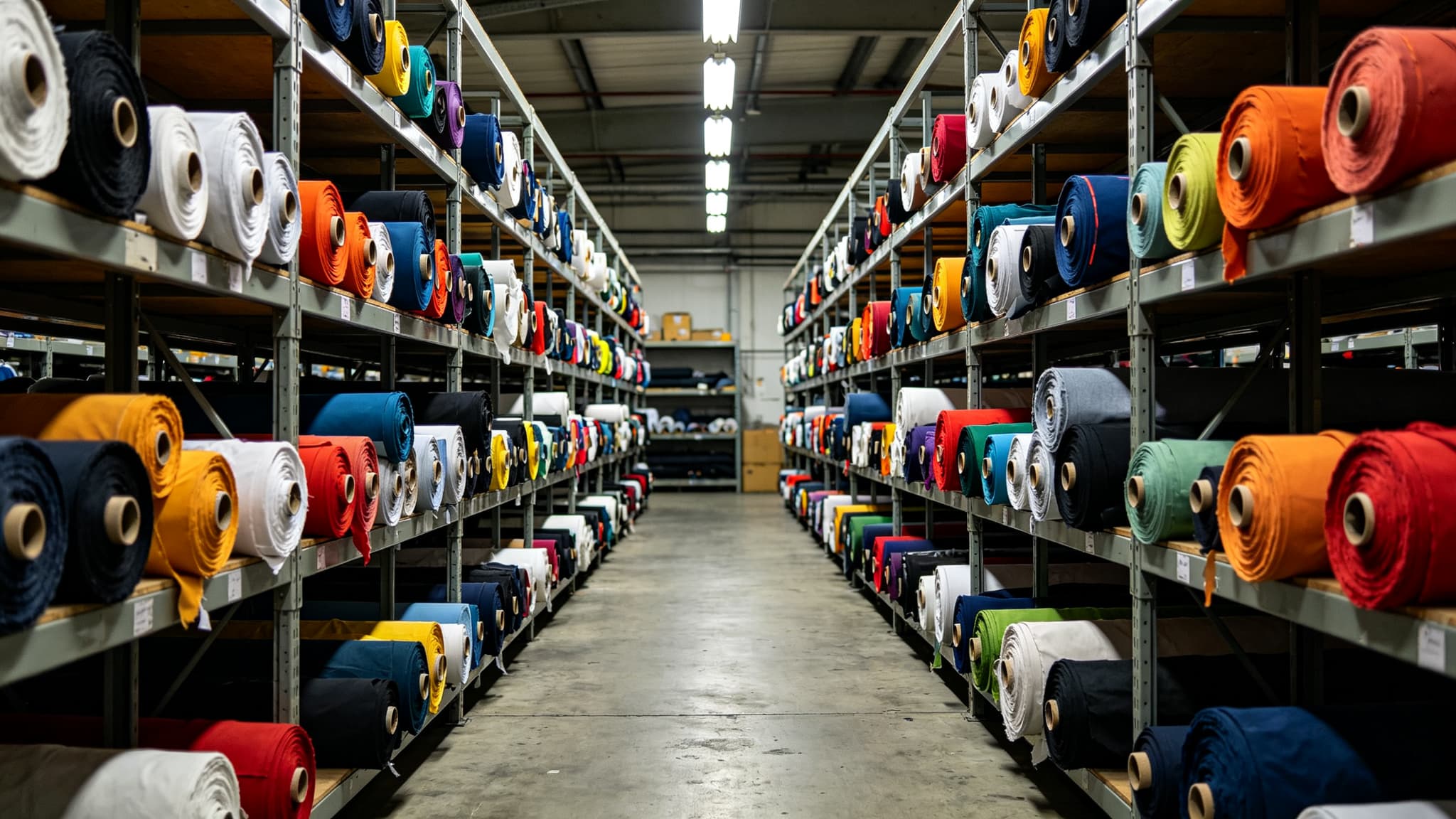
Materiali e approvvigionamento
Cotone biologico per activewear: tipologie, vantaggi e confronti tra tessuti
Confronta cotone biologico, cotone convenzionale, cotone riciclato e miscele performanti per activewear. Una guida B2B alle dichiarazioni sulle fibre, specifiche dei tessuti, campionatura e approvazione.
Read the article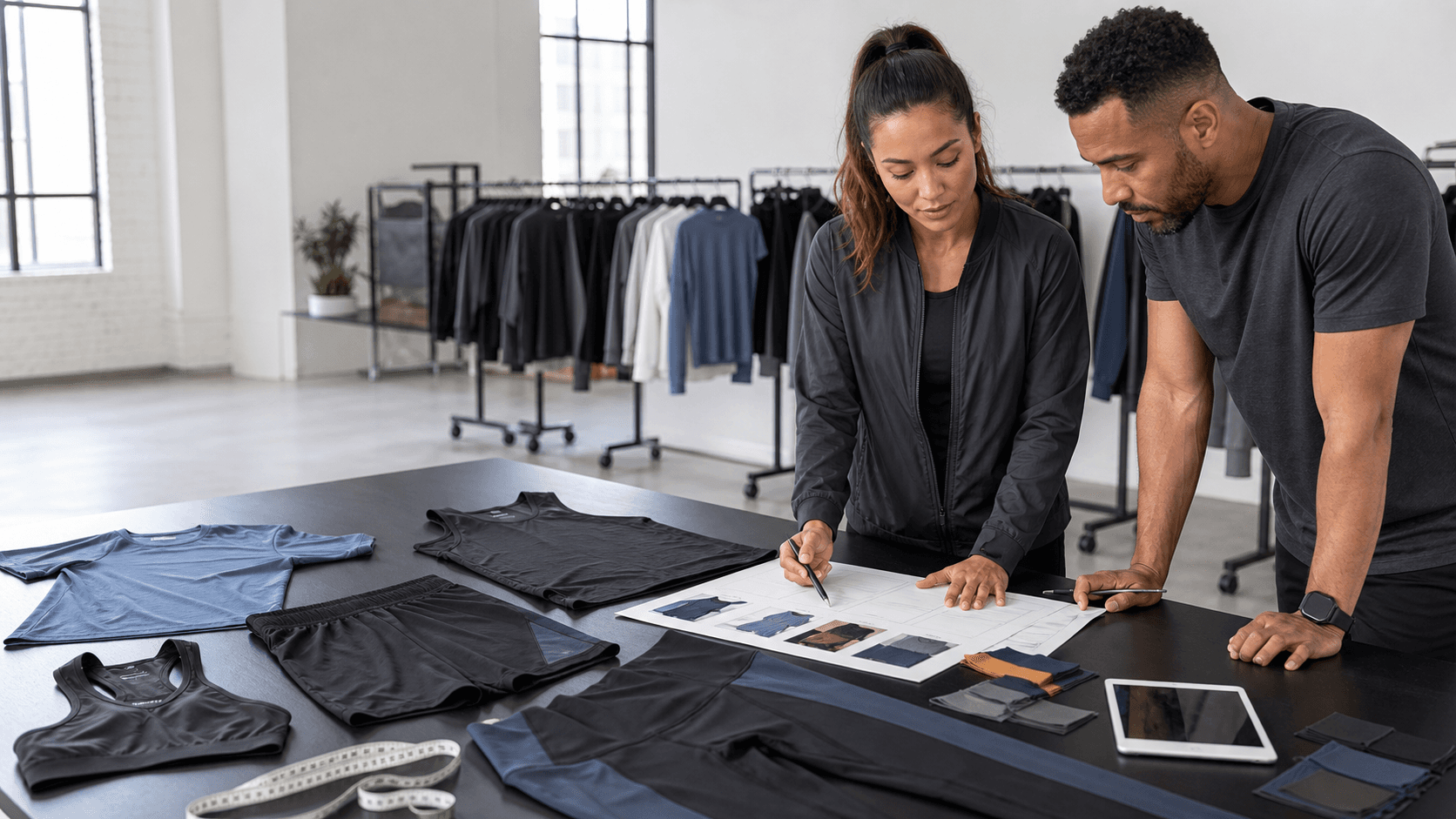
Corsa ibrida e fitness funzionale
Sviluppare abbigliamento HYROX: cosa devono considerare i brand fitness
Una guida B2B per i marchi di fitness che sviluppano l'abbigliamento da allenamento HYROX, che copre i clienti target, la pianificazione di SKU, la direzione del prezzo, i campioni, i dettagli del marchio private-label e il rifornimento.
Read the article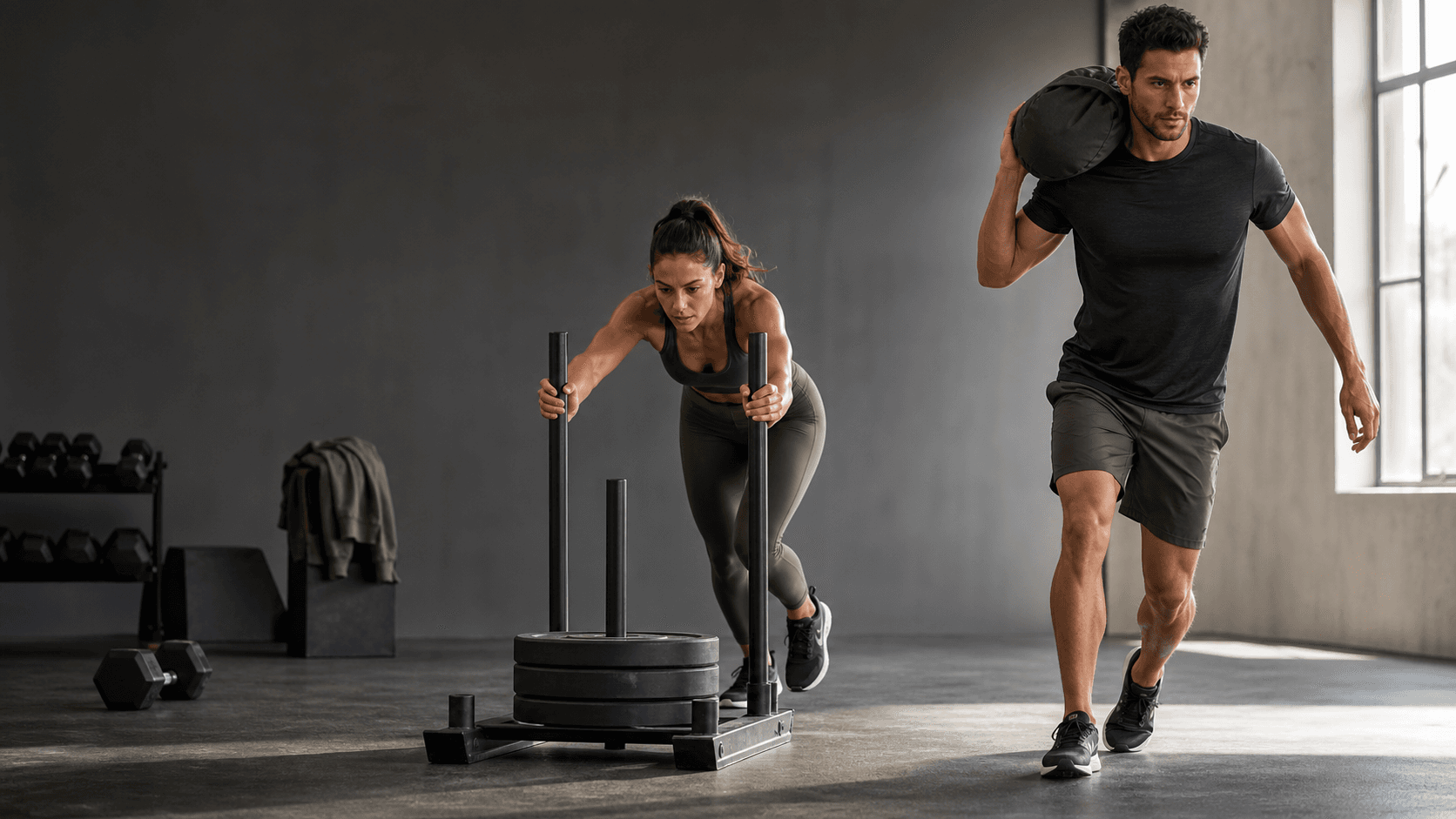
Corsa ibrida e fitness funzionale
Come sviluppare abbigliamento per HYROX e gare ibride
Una guida B2B per lo sviluppo di abbigliamento ibrido da corsa, coprendo sistemi di indumento, tessuti, vestibilità, costruzione, test di campione, branding, imballaggio e pianificazione di produzione.
Read the article