
Ressourcenarchiv
Alle Activewear-Einkäuferleitfäden
Durchsuchen Sie die komplette Bibliothek zu Sourcing, Gymwear, Trainingsbekleidung, Yogawear, Produktentwicklung, Großhandel, Fabrik, Lieferant und Fertigungsressourcen.
Kollektionsplanung
Stoffe, Produkte & Marktausrichtung
30 Artikel

Performance Fabrics & B2B Development
Moisture-Wicking, Quick-Dry, Cooling or Sweat-Masking? A Fabric Guide for Activewear Brands
Moisture management fabrics for activewear should be compared by the job they perform: liquid movement, drying, cooling sensation and visible sweat masking. Identify the garment, wear context and target concern, then compare a named candidate with evidence suited to that property. Review it in the intended colour and construction; a fibre label or photograph alone cannot prove finished-garment performance.
Read the article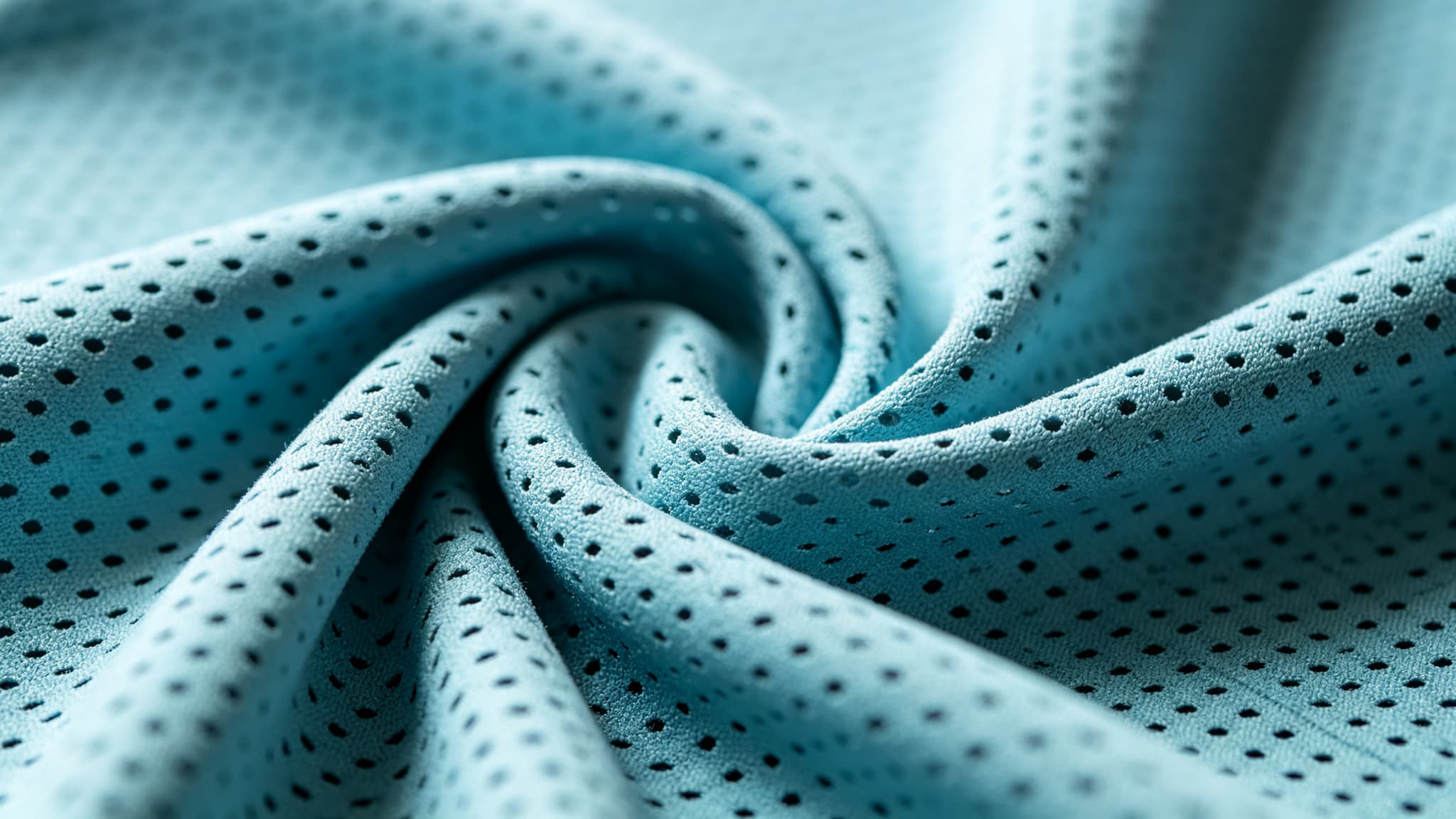
Performance Fabrics & B2B Development
Mesh Panels in Activewear: Balancing Ventilation, Coverage and Seam Quality
Mesh panels in activewear can change airflow, coverage, appearance and seam behaviour at the same time. Brands should map each proposed panel to a wearer need, compare the mesh with the adjoining fabric, and review the assembled garment for opacity, stretch, logo placement, seam stability and care. A product image or fabric label alone cannot establish a finished-garment ventilation result.
Read the article
Performance Fabrics & B2B Development
Activewear Fabric Trends for 2027: What ISPO and Tokyo Signals Mean for Brands
Activewear fabric trends for 2027 are best treated as product-development questions, not sales forecasts. ISPO Textrends and FaW TOKYO offer dated sourcing and material signals, but neither proves that a concept is widely adopted or available from a particular factory. Brands can translate those signals into a short test list, then verify composition, construction, wear context, care and claim evidence before sampling.
Read the article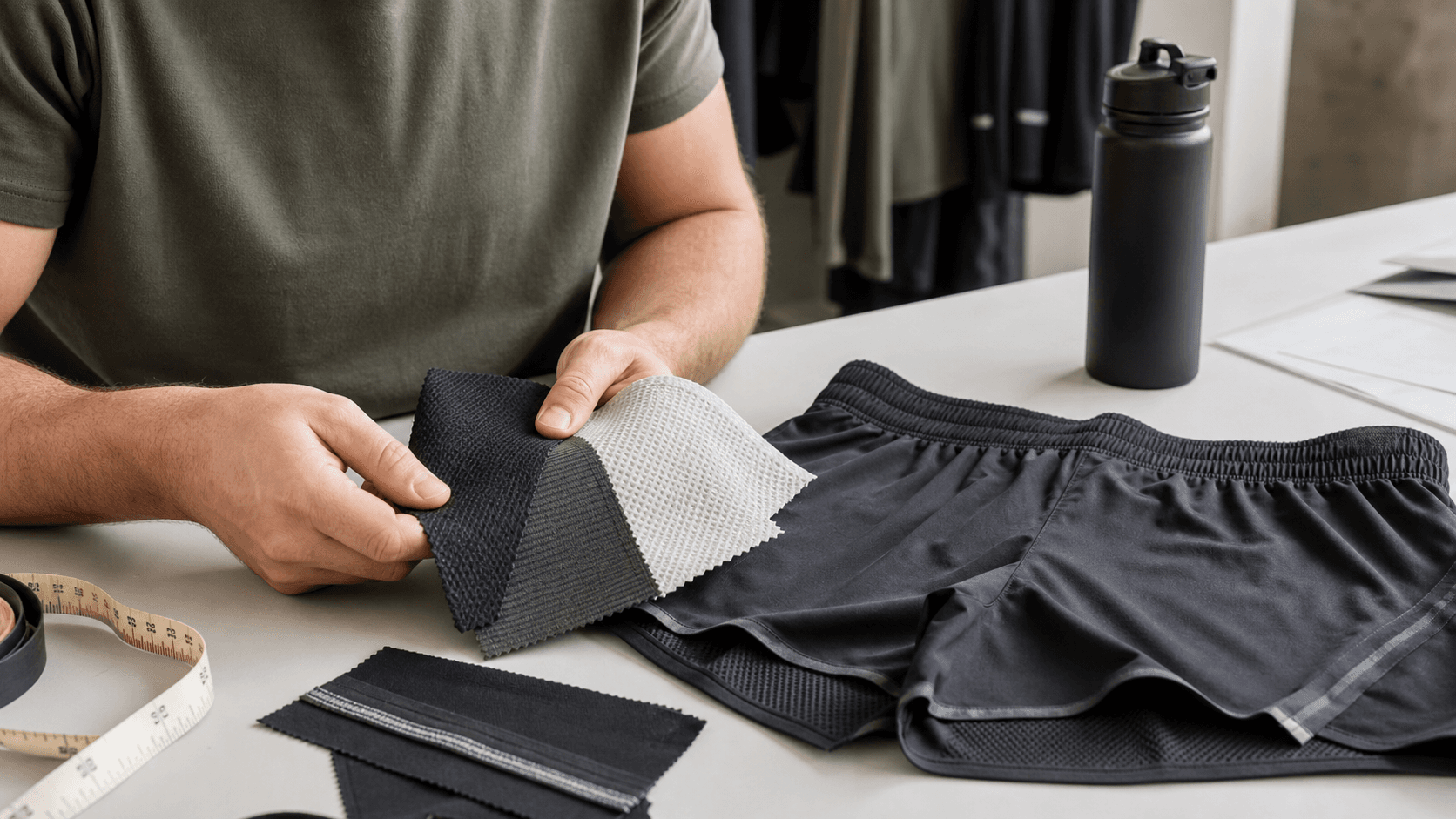
Performance Fabrics & B2B Development
Elastane-Free Stretch Fabrics for Activewear: Where They Work—and Where They Don’t
Elastane-free stretch fabric can be a useful material direction for selected activewear components, but it is not a universal replacement for elastane. Buyers should distinguish stretch created by knit structure from elastic yarn or polymer behaviour, then compare extension, recovery, bagging, fit and wash response in the intended garment. A supplier example is a research lead, not proof of inPACE sourcing or finished-product performance.
Read the article
Performance Fabrics & B2B Development
Bio-Based Activewear Fabrics: What Brands Should Verify Before Sampling
Bio-based activewear fabric claims need to identify the exact fiber or material, the percentage basis, the garment component and the evidence connecting them. A renewable-content statement for a named fiber does not automatically describe the fabric or finished garment, and it does not prove recyclability, biodegradability or lower impact. Buyers should verify source documents, map the BOM and test the actual sample before approving product language.
Read the article
Performance Fabrics
How Fabric Affects Activewear Color
Fabric changes activewear color because surface texture, structure, opacity, stretch, lining, and light alter how body fabric and components are seen. Buyers should identify the target colour and material roles, compare body and mesh under documented conditions, and keep visual observations separate from wet/dry, wash, or performance-test results.
Read the article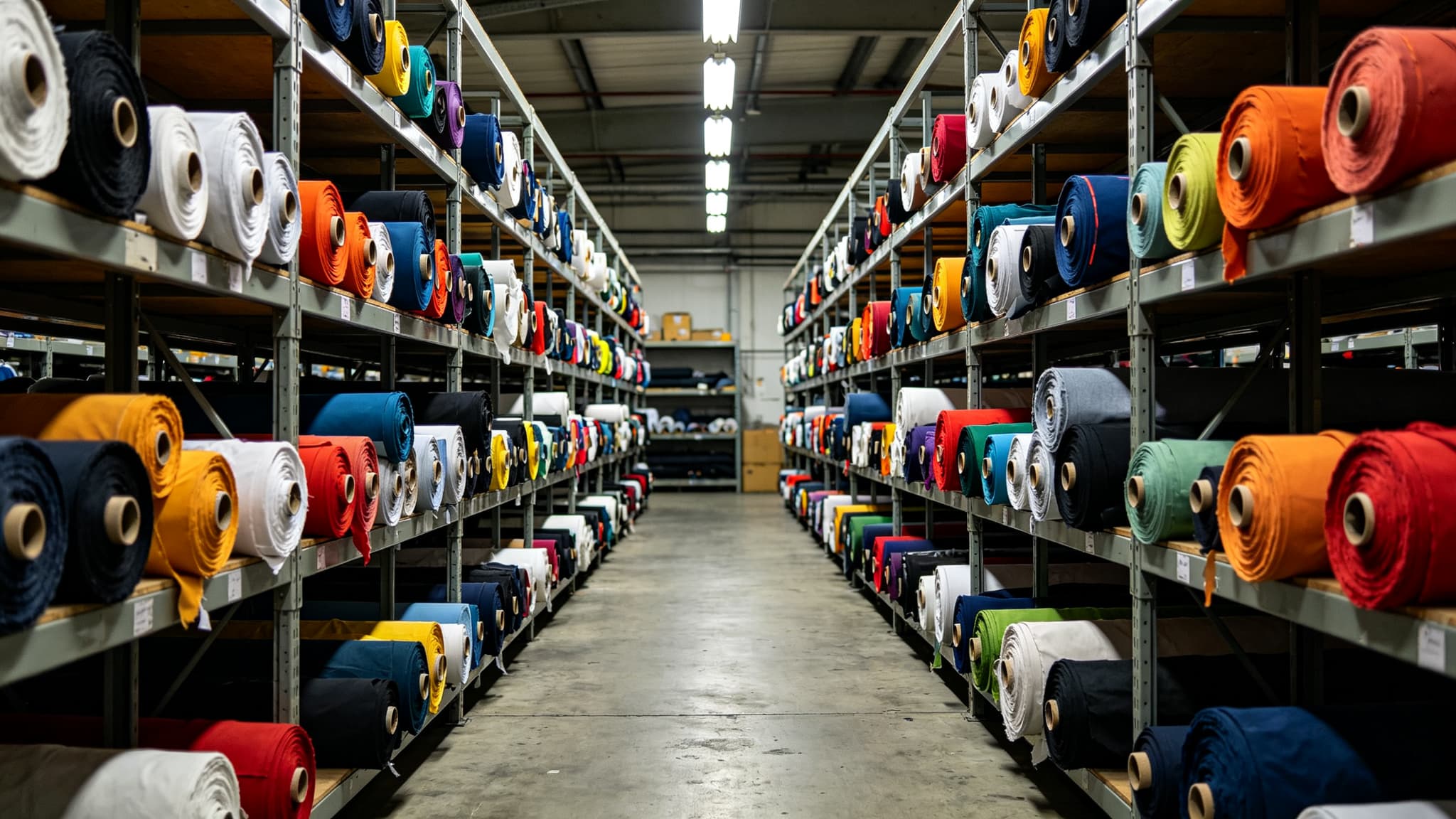
Materialien & Beschaffung
Bio-Baumwolle für Sportbekleidung: Arten, Vorteile und Stoffvergleiche
Vergleichen Sie Bio-Baumwolle, konventionelle Baumwolle, recycelte Baumwolle und Performance-Mischungen für Sportbekleidung. Ein B2B-Leitfaden zu Faseraussagen, Stoffspezifikationen, Musterung und Freigabe.
Read the article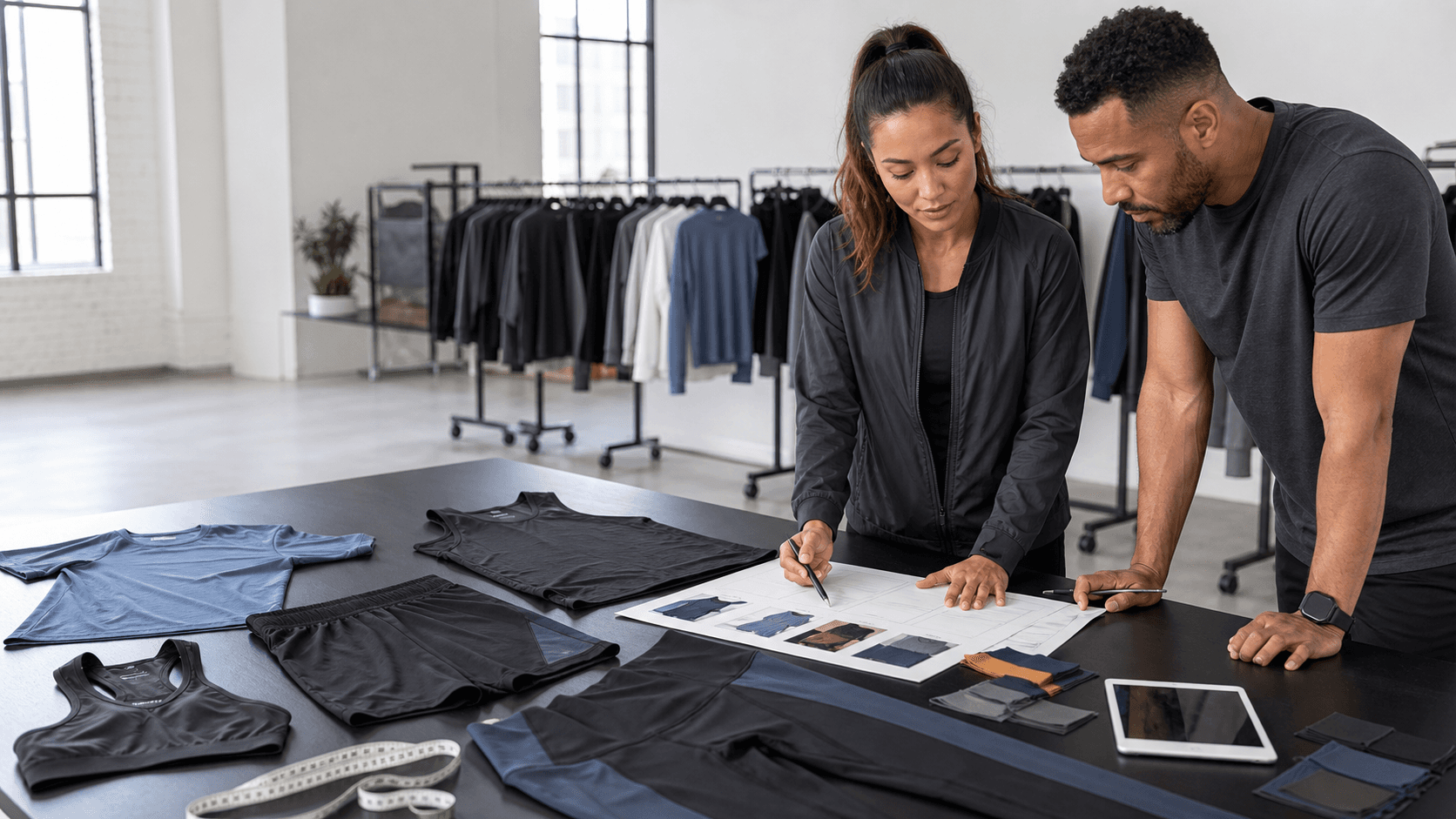
Hybrid Racing & Funktionale Fitness
HYROX-Trainingsbekleidung entwickeln: Was Fitnessmarken beachten sollten
Ein B2B-Leitfaden für Fitnessmarken, die HYROX-Trainingsbekleidung entwickeln und Zielkunden, SKU-Planung, Preisrichtung, Proben, Private-Label-Details und Nachschub abdecken.
Read the article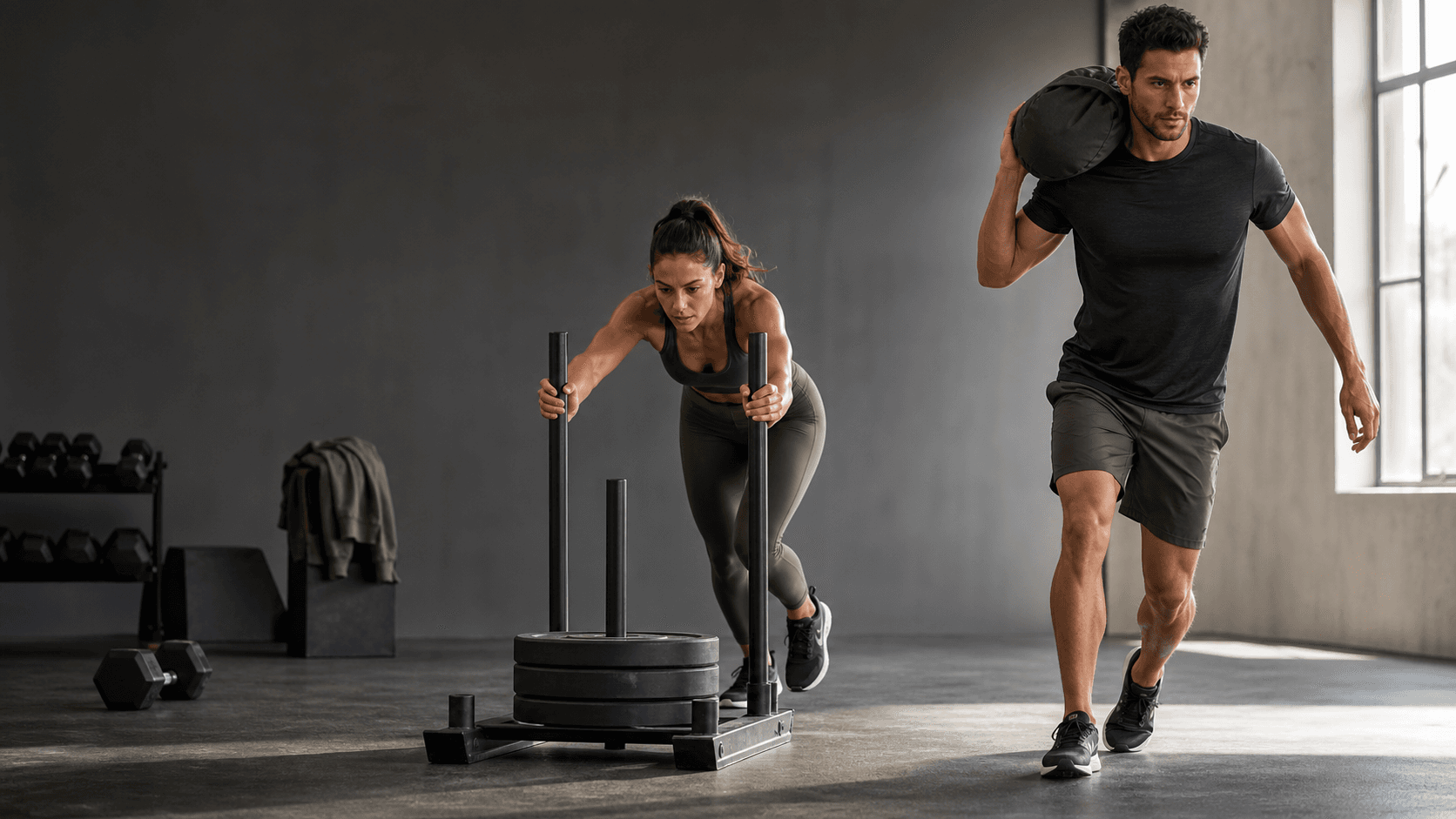
Hybrid Racing & Funktionale Fitness
So entwickeln Sie Bekleidung für HYROX-Training und Hybrid Racing
Ein B2B-Leitfaden zur Entwicklung von Hybrid-Rennbekleidung, der Bekleidungssysteme, Stoffe, Passform, Konstruktion, Musterprüfung, Branding, Verpackung und Produktionsplanung abdeckt.
Read the article