
Genehmigung vor der Waage
Warum benötigen Sport-BHs und Leggings eine produktspezifische Massenzulassung?
Sport-BHs und Leggings reisen oft zusammen in einer Activewear-Reihe, aber jedes Kleidungsstück birgt unterschiedliche Produktrisiken. Ein Sport-BH kombiniert Stützrichtung, Riemen, Unterband, Ausschnitt, Abdeckung, Futter- oder Cup-Entscheidungen, wo relevant, Stoff und Nahtkomfort. Eine Legging bringt ihre eigenen Fragen zu Taillenstabilität, Aufstieg, Zwickel, Naht, Paneele, Abdeckung in Bewegung, Erholung und Konstruktion. Ein Genehmigungsprozess muss diese kleidungsstückspezifischen Entscheidungen sichtbar machen, bevor das Projekt von einer Probe in die Großplanung übergeht.
Das Ziel ist nicht, eine universelle Spezifikation aufzuerlegen. Die richtige Wahl hängt vom Träger, der Aktivität, dem Kanal, der Produktposition, der Stoffrichtung, der Farbroute, dem Größenbereich, dem Branding, der Menge, dem Zielmarkt und dem Genehmigungsplan des Käufers ab. Ein Studio-fokussiertes Set kann weiches Handgefühl und flexible Bewegung priorisieren; ein Trainingsstück muss möglicherweise eine andere Balance zwischen Unterstützung, Wiederherstellung, Abdeckung und Haltbarkeit benötigen. Die Fabrik kann diese Prioritäten überprüfen, aber der Käufer muss angeben, welche Kompromisse für das beabsichtigte Produkt von Bedeutung sind.
Für ein neues Produkt, beginnen Sie mit dem Sport-BH und Leggings Herstellung Route Ein ausgewählter Katalogstil, ein Referenzkleidungsstück, eine Skizze oder ein Tech-Paket können alle mit dem Auftrag beginnen, wenn der Käufer identifiziert, was bleiben soll, was sich ändern muss und was einer Fabriküberprüfung bedarf.
Genehmigungstabelle
Welche Punkte sollte ein Käufer vor der Massenproduktion genehmigen?
Verwenden Sie diese Tabelle als Entscheidungsprotokoll vor der Produktion. Sie unterscheidet die Informationen, die der Käufer angeben kann, von den Punkten, die ein Hersteller überprüfen oder bestätigen muss. Sie sollte neben dem tatsächlichen Muster, den Materialien, den Kunstwerken, den Etiketten und den Verpackungsanforderungen ausgefüllt werden, anstatt nach der Fertigstellung des Produkts als allgemeine Checkliste behandelt zu werden.
| Genehmigungsstelle | Warum ist es wichtig, bevor Masse | Käufer liefert oder bestätigt |
|---|---|---|
| Rolle des Produkts und beabsichtigte Bewegung | Definiert, ob das Kleidungsstück Studiobewegung, Fitnesstraining, Laufen, allgemeine Fitness oder einen anderen Anwendungsfall priorisieren muss. | Geben Sie den Zielträger, die Aktivität, die Unterstützungs- oder Abdeckungserwartung, den Verkaufskanal und das Referenzprodukt oder die Produktfamilie an. |
| Passform, Messungen und Größenbereich | Macht die Stichprobenüberprüfung wiederholbar, anstatt sich auf einen visuellen Eindruck allein zu verlassen. | Geben Sie ein Größendiagramm, Messziele, Referenzstichprobe, bekannte passende Kommentare, Größenbereich und Bewertungsfragen an, die überprüft werden müssen. |
| Stoff- und Materialverhalten | Beeinflusst Dehnung, Erholung, Handgefühl, Unterstützung, Opazität, Gewicht, Futterauswahl, Logo-Kompatibilität und den Produktionsweg. | Beschreiben Sie das gewünschte Verhalten und die Verwendung; stellen Sie eine Muster oder ein vergleichbares Kleidungsstück zur Verfügung, sofern verfügbar, und identifizieren Sie einen unentschlossenen Materialpunkt. |
| Sport-BH-Struktur | Straps, Unterband, Ausschnitt, Futter, Cup-Richtung, Abdeckung und Nahtplatzierung arbeiten zusammen, um die beabsichtigte Unterstützung und den Komfort zu schaffen. | Geben Sie die Stützrichtung, die Gurt- und Rückenform, die Abdeckung, die Futter- oder Schalenerwartungen und die Bewegungen an, die bei der Stichprobenprüfung berücksichtigt werden sollten. |
| Verkleidungsbau | Waistband, Zwickel, Anstieg, Naht, Paneele, Nähte, Taschen und Randoberflächen können Komfort, Abdeckung, Bewegung und Aussehen verändern. | Markieren Sie die Passpunkte, die mit einer Referenz übereinstimmen müssen, und die Konstruktionsmerkmale, die sich ändern oder getestet werden sollen. |
| Branding und Präsentation | Logos, Etiketten, Hangtags, Poly-Taschen, Barcodes, Faltungen, Kartonmarkierungen und Empfangsdetails müssen mit dem Kleidungsstück und dem Verkaufskanal zusammenarbeiten. | Fügen Sie Artwork- und Etikettenkopie an, notieren Sie dann Platzierung, Verpackung, Karton und Zielmarktanforderungen. |
| Probe, QC und Massenübergabe | Registriert die genehmigte Referenz und die Punkte, die die Produktion vor dem Verpacken und der Vorbereitung des Versands überprüfen sollte. | Listen Sie auf, was bei der Probenahme genehmigt werden muss und welche Messungen, Verarbeitung, Markenzeichen, Etiketten, Verpackung und Kartondetails überprüft werden müssen. |
Ein Zulassungsprotokoll ist wertvoll, weil es offene Entscheidungen sichtbar macht. Wenn der endgültige Stoff überprüft wird, der Größenbereich eine Bewertungsdiskussion erfordert, oder eine Logo-Methode vom Material abhängt, geben Sie das klar an. MOQ, Kosten, Probenroute und Timing sind ebenfalls projektspezifisch: Sie hängen vom Stil, Material, Farbe, Konstruktion, Branding, Verpackung, Menge und Lieferanforderungen ab. Sie sollten nicht allein aus einem Produktnamen oder einem Musterbild abgeleitet werden.
Sport-BH Entscheidungen
Was sollte ein Sport-BH-Hersteller in der Probe überprüfen?
Beginnen Sie mit der beabsichtigten Rolle des Kleidungsstücks. „Sport-BH kann eine Reihe von Produkten mit unterschiedlichen Erwartungen an Bewegung, Abdeckung, Unterstützung, Schichtung und visuelle Präsentation beschreiben. Ein Käufer sollte die Aktivität, den Zielträger, die Passrichtung, die Abdeckungserwartung und die Bewegungen oder Situationen angeben, die bei der Überprüfung am wichtigsten sind. Dies gibt dem Hersteller eine klarere Grundlage für die Diskussion von Bandplatzierung, Unterband, Ausschnitt, Rückenform, Futter, Tassenrichtung, wo relevant, Stoff und Nahtposition.
Die Probe sollte eine Reihe von Fragen beantworten. Sitzt das Bandlayout wo vorgesehen? Bleibt das Unterband in der geplanten Position für das beabsichtigte Uhrwerk? Sind der Ausschnitt und die Armöffnung mit dem Abdeckungsziel ausgerichtet? Fühlen sich Material und Konstruktion mit der Stützrichtung des Produkts im Einklang? Sitzen Futter, Nähte, Etiketten und Logos wie angegeben? Eine Probe kann Fragen aufdecken, die überarbeitet werden müssen; es ist kein Grund, unfertige Annahmen wie bereits genehmigt vorzulegen.
Geben Sie die Beispielkommentare in Produktbegriffen auf. Anstatt "Make it better" zu schreiben, geben Sie an, ob die Änderung Länge, Abdeckung, Bandposition, Unterband, Futter, elastisch, Nahtkomfort, Stoffgefühl, Logoplatzierung oder Größe betrifft. Dies macht eine visuelle Überprüfung zu einer Produktreferenz, die in der nächsten Diskussion verwendet werden kann. Wenn ein Produkt eine neue Silhouette, ein neues Material, eine neue Stützrichtung oder eine neue Konstruktion benötigt, gehen Sie zu der benutzerdefinierte Activewear Entwicklungsroute anstatt die Änderung als Standard-Logo- oder Etikettenanforderung zu behandeln.
Einbringungsbeschlüsse
Was sollte ein Leggings-Hersteller vor der Masse überprüfen?
Bei Leggings sollten Käufer die Prioritäten für Passform und Bewegung identifizieren, bevor sie eine Probe bewerten. Der Bund, der Aufstieg, der Zwickel, die Beinform, die Naht, Nähte, Paneele, Taschen und Saum tragen alle zum verwendeten Kleidungsstück bei. Eine Referenz kann einen Blick vermitteln, aber sie zeigt möglicherweise nicht, wie der Bund sitzen soll, den Grad der Kompression oder Leichtigkeit, die gewünschte Abdeckung in einer ausgewählten Farbe oder welche Nahtpositionen für den Träger wichtig sind.
In einer nützlichen Legging-Beispielprüfung wird das Kleidungsstück mit der angegebenen Produktrolle und -messrichtung verglichen. Käufer können überprüfen, ob der Bund und der Anstieg mit dem Passziel übereinstimmen, ob das Zwickel- und Nahtlayout den beabsichtigten Bewegungs- und Komfortprioritäten entspricht und ob die Materialrichtung für das gewünschte Handgefühl, die Erholung, die Abdeckung und das Finish geeignet ist. Dies sind Projektfragen, keine universellen Produktgarantien. Aufzeichnen, was genehmigt wurde und was überdacht werden sollte, bevor das Kleidungsstück in die Produktionsvorbereitung eintritt.
Bei einem BH-and-Legging-Set nicht davon ausgehen, dass eine Material- oder Farbentscheidung automatisch zu beiden Teilen passt. Eine Reihe kann sich eine Stoffrichtung teilen oder unterschiedliche Konstruktions-, Futter- oder Endentscheidungen nach Stil erfordern. Der Käufer und Hersteller sollten die produktspezifische Route bestätigen, bevor die Genehmigung eines Kleidungsstücks in einen anderen Stil übertragen wird.
Material und Branding
Wie beeinflussen Stoff-, Farb- und Logo-Entscheidungen die Zulassung?
Stoff ist eine Produktentscheidung, nicht eine Linie Element nach Fit-Genehmigung hinzuzufügen. Es kann Dehnung beeinflussen, Erholung, Handgefühl, Stützrichtung, Abdeckung, Gewicht, Nahtverhalten, Futter Wahl, Logo-Kompatibilität und die verfügbare Produktionsroute. Ein Käufer kann eine Muster oder ein vergleichbares Kleidungsstück haben, aber endgültige Material Eignung sollte mit dem tatsächlichen Stil diskutiert werden, Farbe, Konstruktion und beabsichtigte Verwendung im Auge. Stoff- und Verkleidungsaspekte wenn die materielle Entscheidung noch einer strukturierten Diskussion bedarf.
Farbe und Markenzeichen sollten auf dem tatsächlichen Kleidungsstück überprüft werden. Die Platzierung von Kunstwerken kann auf einer gebogenen BH-Platte, einem Stretch-Stoff, einem Bund oder einer Beinplatte unterschiedlich aussehen. Etiketten, Aufhängeschilder, Polybeutel, Barcodes, Falten und Kartonmarkierungen sollten auch vor der Massenvorbereitung dokumentiert werden, insbesondere wenn das Produkt durch den Einzelhandel, das Studio, den Großhandel oder das Lager transportiert wird. Diese Details sind Teil des gleichen Genehmigungsprotokolls wie die Probe - keine separate Präsentationsaufgabe nach der Herstellungsdiskussion.
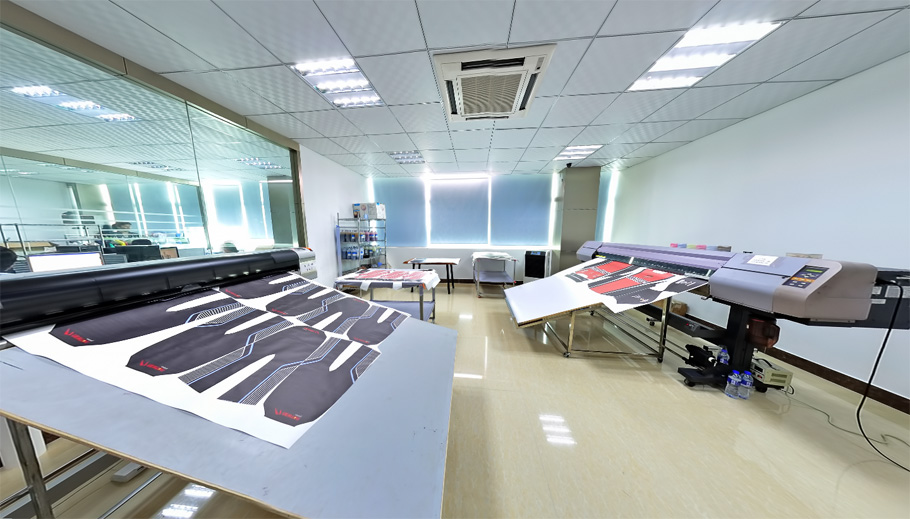
Logo- und Druckentscheidungen sollten mit den tatsächlichen Kleidungsstücktafeln, dem Material, der Platzierung und dem Genehmigungsprotokoll überprüft werden.
Produktreferenzen
Verwenden Sie eine spezielle BH-and-Legging-Referenz im Herstellungsbrief
Diese Referenzen helfen einem Käufer, das erste Gespräch spezifisch zu gestalten. Sie sind kein Ersatz für die Bestätigung des endgültigen Stoffes, der Messungen, der Konstruktion, des Brandings, des Größenbereichs, der Musterkommentare, der Verpackung, der Menge oder der Anforderungen des Zielmarktes.
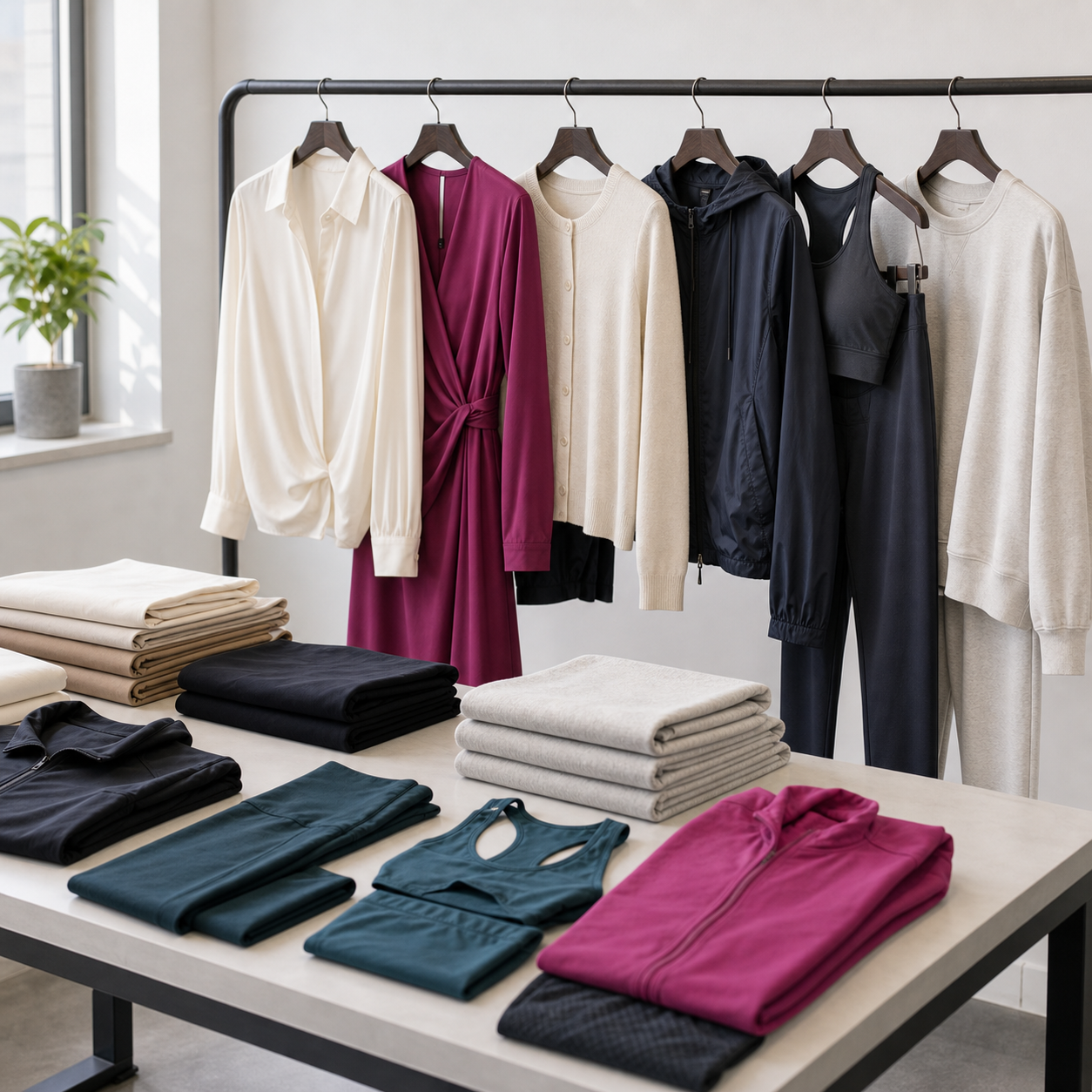
Activewear Performance Collection
Verwenden Sie koordinierte Sets, Sport-BHs und Trainingsschichten, um eine Produktrichtung zu definieren, bevor Sie den Massenzulassungspfad überprüfen.
Referenznummer des Prüfprodukts
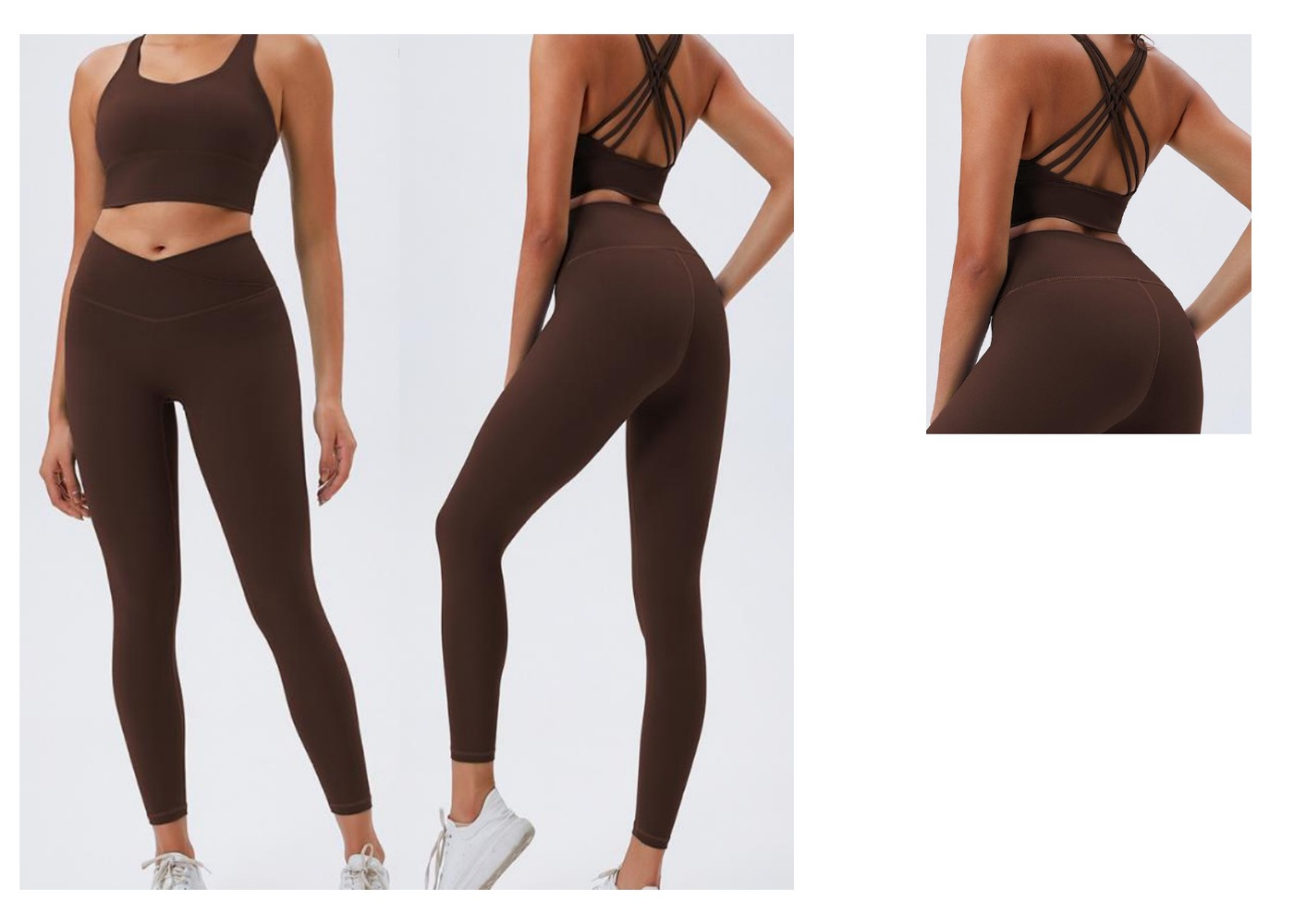
Cross-Back Sports Bra Set
Ein BH-and-Legging-Referenz für die Diskussion Band Layout, Rückendetail, Bund, Farbrichtung, Logo-Platzierung und Beispiel Kommentare.
Referenznummer des Prüfprodukts
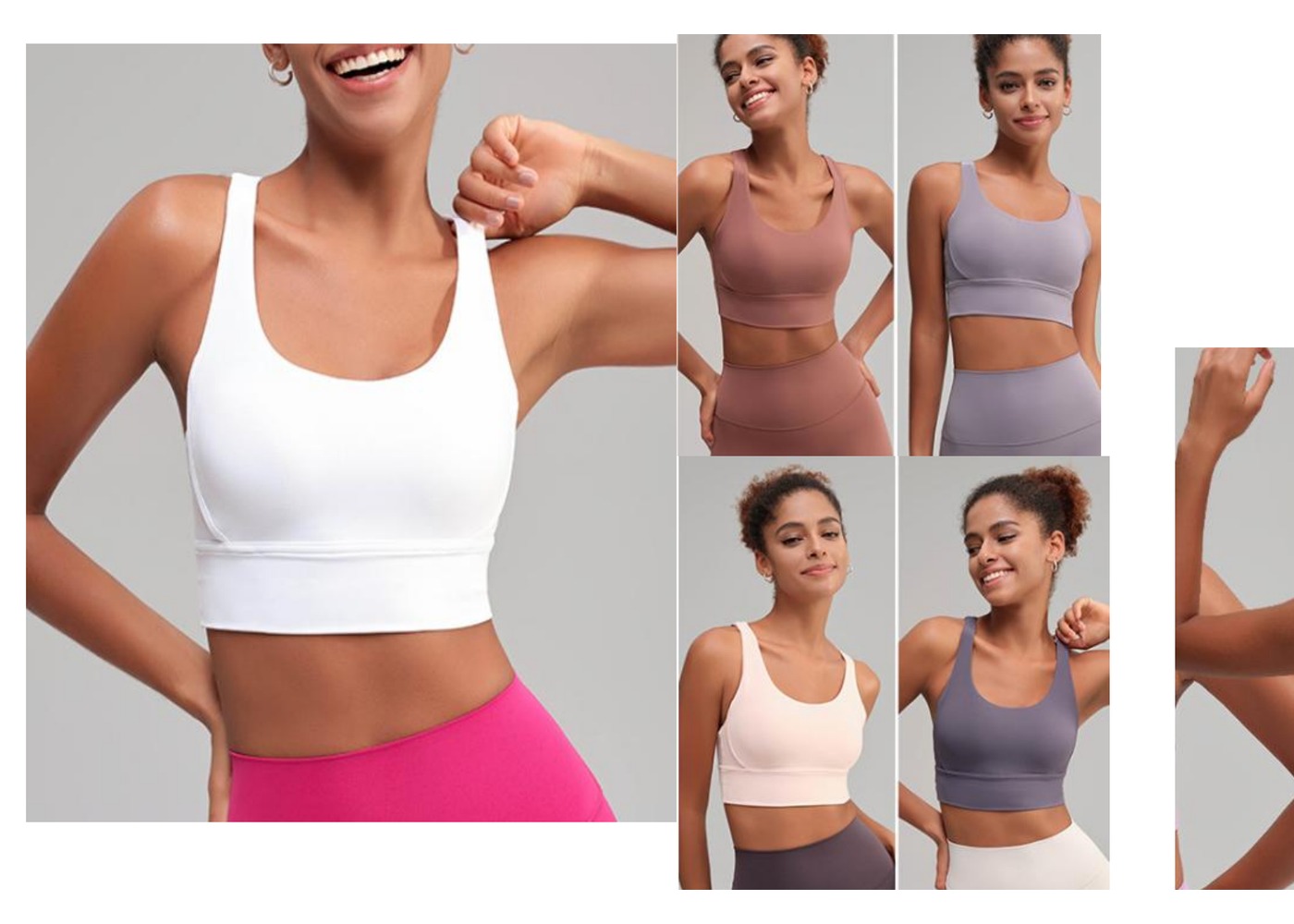
Light Support Bra Programm
Eine Kern-Sport-BH-Referenz für Unterstützungsrichtung, Farbpakete, Etiketten, Logo-Platzierung und wiederholbare Präsentationsentscheidungen.
Referenznummer des Prüfprodukts
Von der Probe zur Produktion
Wie sollten genehmigte Stichprobenkommentare in die Massenproduktion übergehen?
Nachdem die Produktentscheidungen überprüft wurden, erstellen Sie einen nutzbaren Datensatz für die Fabrik und die Käuferteams. Er sollte die Musterversion, Material- und Farbrichtung, Maße, Konstruktionsdetails, Logo- und Etikettenplatzierungen, Verpackung, Kartoninformationen und die spezifischen Punkte identifizieren, die genehmigt, ausstehend oder noch überprüft werden. Dies hilft zu verhindern, dass eine genehmigte visuelle Richtung von den Details getrennt wird, die das Nähen, Branding, QC und Verpackung betreffen.
Die Aufzeichnung ist auch die Grundlage für Käuferfragen während der Produktion. Anstatt nur zu fragen, ob die Ware "planmäßig" ist, kann der Käufer fragen, welche zugelassene Referenz für Messungen, Gewebe und Zierleisten, Logo-Position, Etiketten, Faltungen und Kartonmarkierungen verwendet wird. Wenn ein Problem auftritt, können Käufer und Fabrik zu den vereinbarten Spezifikationen und Musterkommentaren zurückkehren. Activewear-Probenahme und Produktionsworkflow beschreibt, wie diese Entscheidungen von einem Produktbrief in eine Stichprobenprüfung und Produktionsvorbereitung übergehen können.
Bevor Waren für den Versand vorbereitet werden, sollte die Überprüfung den zugelassenen Produktdatensatz mit Verarbeitung, Messungen, Markenzeichen, Etiketten, Verpackung und Kartonanforderungen verbinden. Fertigung und QC-Überblick Er ersetzt nicht die projektspezifische Genehmigung, sondern hilft dem Käufer zu erkennen, warum die Produktionsreferenz vollständig sein muss, bevor die Endprüfungen beginnen.
Checkliste des Käufers
Verwenden Sie diese Checkliste, bevor Sie eine Massenzulassung beantragen
Geben Sie die beabsichtigte Bewegung, den Träger, die Produktrolle und den Verkaufskanal für jeden BH und jeden Legging-Stil an.Geben Sie ein Referenzbeispiel, eine Skizze, ein Bild, einen Katalogstil oder ein Tech-Paket an und markieren Sie, was bleiben oder sich ändern soll.Bestätigen oder identifizieren Sie die offene Passform, Messung, Größenbereich, Stoff, Farbe und Konstruktionsentscheidungen.Für Sport-BHs, Rekord-Stützrichtung, Abdeckung, Gurte, Unterband, Futter oder Tasse Erwartungen und Naht Prioritäten.Für Leggings, Rekordbund, Aufstieg, Zwickel, Naht, Paneele oder Taschen, Abdeckung, Erholung und Nahtprioritäten.Fügen Sie Logo oder Markenzeichen, Etiketten, Hangtags, Verpackung, Karton und Empfangsanforderungen an.Listen Sie die geschätzte Menge, den Zielmarkt, den Probenbedarf und das Zielankunftsfenster auf; behandeln Sie MOQ, Kosten und Timing als projektspezifische Diskussionen.Verwenden Sie eine schriftliche Genehmigungsaufzeichnung für die Probe, Produktionsvorbereitung, QC, Verpackung und letzte Fragen.
Nächster Schritt
Teilen Sie einen Sport-BH und Leggings Produkt-Brief vor der Massenplanung
Senden Sie das Kleidungsstück Referenz- oder Tech-Paket, beabsichtigte Aktivität, Pass- und Größeninformationen, Stoff- und Farbrichtung, Sport-BH-Unterstützung oder Legging-Bauprioritäten, Logo- und Etiketten-Kunstwerk, Verpackungs- und Kartonanforderungen, geschätzte Menge, Zielmarkt, Musteranforderungen und Zielankunftsfenster. Markieren Sie die offenen Entscheidungen, damit inPACE die entsprechende Entwicklungs- und Produktionsroute mit Ihnen überprüfen kann.
Teilen eines Product Briefings Überprüfung der Custom Development
Fragen des Käufers
FAQ: Sport-BH und Leggings Massenzulassung
Diese direkten Antworten helfen einem Käufer, ein produktspezifisches Gespräch mit einem Sport-BH-Hersteller oder einem Legging-Hersteller vorzubereiten, bevor eine Massenproduktion geplant wird.
Was sollte ein Sport-BH-Hersteller vor der Massenproduktion bestätigen?
Vor der Massenplanung sollte der Hersteller von Sport-BHs den Verwendungszweck, die Stützrichtung, die Passform, die Maße, gegebenenfalls die Stoff-, Futter- oder Tassenrichtung, die Gurte, Unterbänder, Nähte, Abdeckung, Logo-Platzierung, Etiketten, Verpackung, Größenbereich, Menge und Bestimmungsmarkt überprüfen.
Was sollte ein Leggings-Hersteller vor der Massenproduktion bestätigen?
Der Hersteller von Leggings sollte den Verwendungszweck, die Passung, den Anstieg, den Bund, den Zwickel, die Naht, gegebenenfalls die Gewebeverhalten, die Trübungs- und Wiederfindungserwartungen, die Maße, den Größenbereich, die Platzierung des Logos und des Etiketts, die Verpackung, die Menge, den Bestimmungsmarkt und die QC-Kontrollpunkte bestätigen.
Kann ein Sport-BH und Legging-Set von einem Referenzbild genehmigt werden?
Ein Referenzbild kann ein Entwicklungsgespräch beginnen, zeigt aber nicht alle Produktionsanforderungen an. Erklären Sie, welche visuellen Details bleiben sollen und was sich ändern muss, und stellen Sie dann die Maße, die Richtung des Stoffes, die Unterstützungs- oder Abdeckungserwartungen, die Konstruktionshinweise, das Branding, die Etiketten, die Verpackung und die Mustergenehmigungspunkte bereit, die für das eigentliche Produkt benötigt werden.
Wie beeinflussen Stoffentscheidungen Sport-BHs und Leggings?
Stoff kann das Handgefühl, die Dehnung, die Erholung, die Unterstützung, die Abdeckung, das Gewicht, den Futteransatz, das Nahtverhalten, die Logo-Kompatibilität und den verfügbaren Produktionsweg verändern. Das entsprechende Material sollte gegen das beabsichtigte Kleidungsstück und die Bewegung überprüft werden. Ein Muster oder ein vergleichbares Produkt kann die Diskussion leiten, aber die endgültige Materialgenehmigung sollte dem Muster und dem Produktionsplan des Projekts folgen.
Was ist eine Vorserienzulassung für Activewear?
Eine Vorproduktionsgenehmigung ist der gemeinsame Datensatz, der zur Vorbereitung der Massenproduktion verwendet wird; er sollte die zugelassenen Produkt- und Musterkommentare, Material- und Farbrichtung, Maße, Konstruktion, Markenzeichen, Etiketten, Verpackung, Kartoninformationen und die zu prüfenden Qualitätspunkte identifizieren; er beseitigt nicht die Notwendigkeit, projektspezifische Fragen vor dem Nähen und Verpacken zu lösen.
Welche Informationen sollte ich an einen Sport-BH und Leggings Hersteller senden?
Senden Sie das Kleidungsstück Kategorie, beabsichtigte Aktivität, Referenzprobe, Bild, Skizze oder Tech-Paket; Pass- und Größeninformationen; Stoff- und Farbrichtung; Unterstützungs- oder Abdeckungserwartungen; Konstruktionshinweise; Logo- und Etikettenkunstwerk; Verpackungs- und Kartonanforderungen; geschätzte Menge; Zielmarkt; Musteranforderungen; und Zielankunftsfenster. Markieren Sie eindeutig jeden Artikel, der noch einer Werksüberprüfung bedarf.