
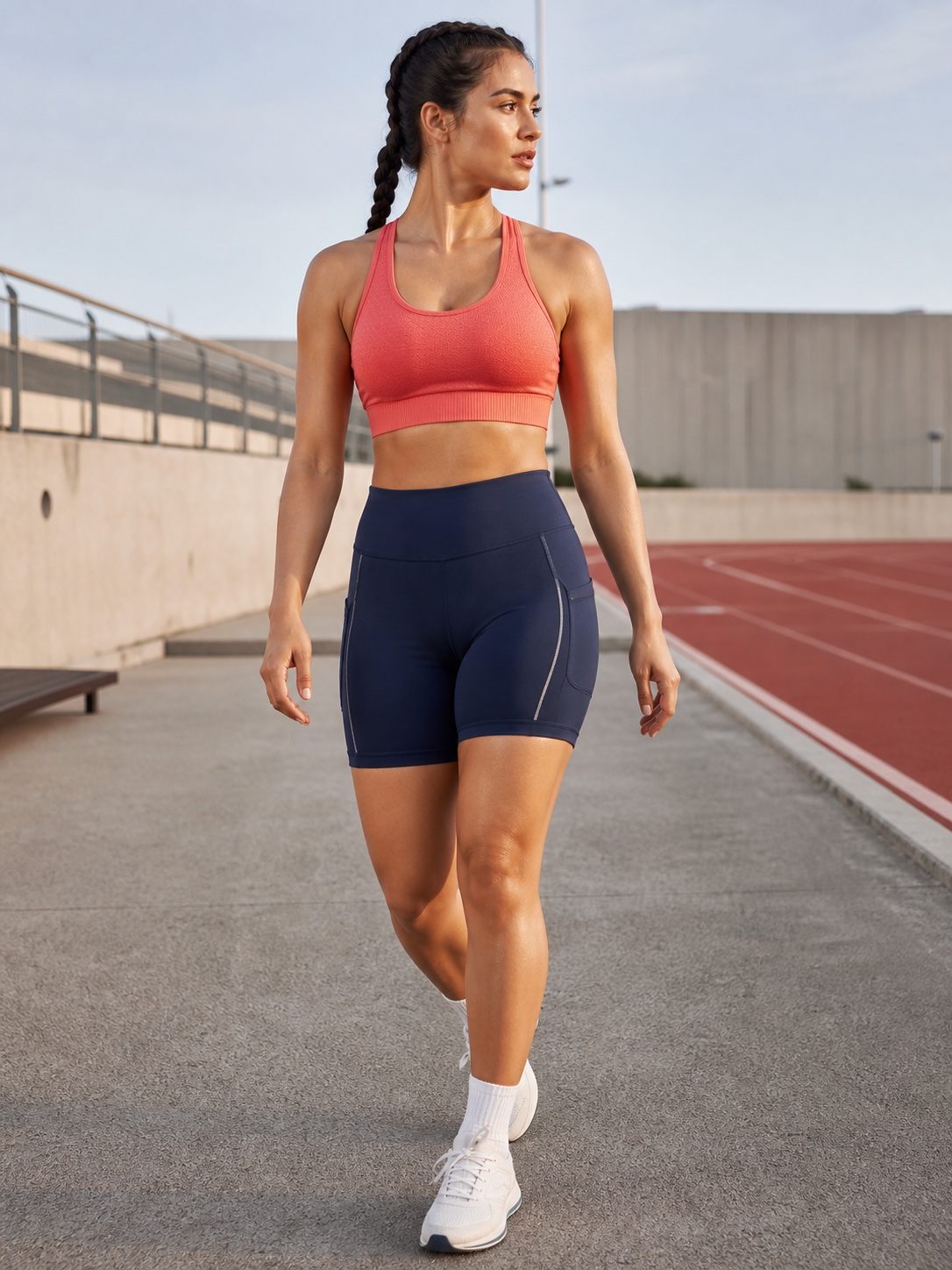
يحتاج مُصنِّع ملابس الجري المخصّصة إلى موجز يربط بين العدّاء، ودور الثوب، والملاءمة، والبطانة، والجيوب، وحزام الخصر، والقماش، والعلامة التجارية، وأسئلة العيّنات. يمكن أن يبدأ الحديث بمرجع من الكتالوج، لكن أي ميزة أداء جديدة أو تفصيل إنشائي أو متطلب ملاءمة جديد ينبغي أن ينتقل إلى التطوير المخصّص في المصنع ومراجعة العيّنات القائمة على الأدلة.
متى تحتاج فكرة ملابس الجري إلى تطوير مخصص من المصنع؟
يمكن لمجموعة ملابس الجري أن تبدأ من اتجاه منتج موجود عندما يكون الشكل الأساسي، ودور المادة، والبنية، والغرض الوظيفي قريبة بالفعل مما تحتاجه العلامة التجارية. يساعد المرجع من الكتالوج المشتري على أن يقول، على سبيل المثال، إن المشروع يبدأ من طقم شورت وحمالة، أو طبقة جري ضيقة الملاءمة، أو قطعة سفلية بجيوب. إنها نقطة انطلاق للنقاش، وليست وعدًا بمخزون تجزئة ولا تعليمات لنسخ كل تفصيلة ظاهرة.
يتحول المشروع إلى تصنيع مخصص من المصنع عندما يغيّر المتطلب الأساسي للمشتري طريقة تطوير الثوب. تشمل الأمثلة طول شورت مختلفًا، أو شورت داخلي منفصل، أو موضع جيب معينًا، أو علاقة جديدة بحزام الخصر، أو فتحة ساق معدّلة، أو ترتيب ألواح منقّح، أو مزيج مواد، أو تفصيلة عاكسة، أو مسألة ملاءمة لا يجيب عنها مرجع موجود. يمكن أن تؤثر هذه الخيارات في عمل الباترون، والمكوّنات، والبنية، ومراجعة العينات، والتواصل الإنتاجي، ومراقبة الجودة، والتعبئة.
هذا الحد مهم لأن ثوب الجري عادةً ما يؤدي أكثر من وظيفة واحدة. يجب أن يستقر بشكل صحيح أثناء حركة مرتديه؛ وقد يحتاج إلى حمل غرض، أو أن يُلبس فوق قطعة أخرى أو تحتها، أو أن يحقق توقّع تغطية معينًا، وأن يعرض هوية علامة تجارية يمكن تمييزها. قد يكشف المرجع البصري اتجاهًا عامًا، لكنه نادرًا ما يؤكد البنية الداخلية، أو منطق القياسات، أو سلوك القماش، أو خيارات المكوّنات، أو طريقة التثبيت، أو أدلة الموافقة اللازمة قبل الإنتاج.
بالنسبة إلى العلامة التجارية، السؤال المفيد ليس ما إذا كان المورّد قادرًا على صنع "ملابس الجري" بصورة مجردة. السؤال هو ما الذي يجب أن يكون العدّاء قادرًا على فعله في الثوب المقصود، وأي قرارات المنتج يجب مراجعتها ماديًا قبل إصدار حزمة الإنتاج. يمكن أن يساعد كتالوج ملابس الجري والملابس النشطة المطبوعة في تحديد اتجاه المنتج؛ وينبغي أن يُظهر موجز المصنع المتطلبات المخصصة إلى جانبه.
ما الذي تحتاجه شركة تصنيع ملابس الجري المخصصة قبل أخذ العينات؟
ابدأ بالسياق التجاري وسياق الاستخدام. حدد ما إذا كان الثوب مخصصًا للجري على الطرق، أو التدريب على مسارات الجري، أو أطقم الأندية، أو مزيج بين الجري والجيم، أو طبقات الإحماء، أو أي استخدام محدد آخر. اذكر الشخص المستهدف بارتدائه، والمناخ أو سياق الطبقات عند الحاجة، والقناة، والسوق المستهدف، ودور المنتج في المجموعة. هذه المدخلات لا تحدد البناء بمفردها، لكنها تخبر المصنع بالأسئلة التي يجب طرحها بدلاً من التخمين.
ثم صف الثوب كمجموعة من القرارات. لا يُعرَّف شورت الجري بالكامل من خلال تسمية طول الحافة الداخلية أو صورة أمامية. يجب أن يوضح الموجز ما إذا كان يحتوي على طبقة خارجية وطبقة داخلية، وما علاقة التغطية والحركة التي يتوقعها المشتري، وأين تقع الجيوب، وأي حافة تلامس الجسم، وكيف يُفترض أن يكون إحساس حزام الخصر، وأين يجب مراعاة الرسومات أو الملصقات أو أي علامات تجارية أخرى. ويحتاج الجزء العلوي المخصص للجري إلى قراراته الخاصة: طول الجسم، ومعالجة الأكمام أو فتحات الذراعين، وفتحة الرقبة، وتقسيم الألواح، وفكرة التهوية، ومناطق الشعارات المرئية، وعلاقة المادة أو الطبقة.
حدد حالة كل عنصر. استخدم تصنيفات مثل مقترح، أو مطلوب مراجعة المصنع، أو مطلوب دليل من العينة، أو معتمد للعينة التالية، أو معتمد للإنتاج. هذا أكثر فائدة من إرسال لوحة مزاجية مصقولة تخفي التفاصيل التي لا تزال مفتوحة. كما يحمي العلامة التجارية عندما يؤثر تغيير واحد على عدة أجزاء من المنتج: قد يغيّر الجيب المعدّل اللوحة، ومسار الخياطة، والبطاقة، وحزام الخصر، ومنطقة الرسومات، وخطة مراجعة العينة معًا.
أي قرارات موجز الجري تُغيّر مراجعة المصنع؟
استخدم مصفوفة قرار واحدة لكل طراز. فهي تساعد المشتري ومطوّر المنتج والمصنع على مناقشة النسخة ذاتها من الثوب بدلاً من مقارنة صور ورسائل بريد إلكتروني وملفات منفصلة.
لا تتعامل مع هذه المصفوفة على أنها طلب لأرقام ثابتة. فالتكلفة وتخطيط الكميات ومسار العينات والتوقيت تعتمد على المنتج الفعلي والمواد والألوان والمكوّنات والعلامة التجارية والتغليف وشروط الطلب. والمخرَج المفيد هو مجموعة مشتركة من الافتراضات التي يمكن مراجعتها وتغييرها بشفافية.
كيف ينبغي للمشتري استخدام نمط كتالوج جاهز دون نسخه بشكل أعمى؟
استخدم نمط الكتالوج كأداة لغوية. فهو يمنح المصنع نقطة مرجعية ملموسة للصورة الظلية، وفئة المنتج، والتوازن البصري، وأسئلة البناء. على سبيل المثال، يمكن أن تساعد طقم شورت التدريب للجري المشتري في تحديد اتجاه محتمل للشورت الخارجي والطبقة الداخلية. يجب أن يوضح الموجز بعد ذلك بالضبط أي الميزات تعتبر مرجعًا أوليًا، وأيها يحتاج إلى تغيير، وأي الأجزاء هي مجرد إلهام بصري.
اكتب الاختلافات بلغة واضحة. بدلاً من قول "اجعل هذا أفضل"، قل إن المشروع يحتاج إلى طول مختلف للشورت الخارجي، أو حزام خصر يمكن مراجعته مع طبقة داخلية معينة، أو جيب لعنصر محدد، أو معالجة مختلفة لحاشية الثوب، أو لوحة جديدة، أو ملمس مادة بديل، أو شعار بموضع مختلف. كلما كان القرار أكثر تحديدًا، أصبح من الأسهل اختيار عينة الأدلة المناسبة وتجنب عرض سعر مبني على نسخة غير مقصودة من المنتج.
ينطبق النهج نفسه على طبقة الجري. قد تحدد طبقة التدريب الرغلان عائلة المنتج، لكنها لا تستطيع إثبات طول الكم المطلوب، أو فتحة الرقبة، أو طول الجسم، أو سلوك القماش، أو بناء تحت الإبط، أو منطقة العلامة التجارية، أو معالجة التهوية لموجز آخر. ضع علامة على كل ميزة مرئية كـ: احتفظ، أو غيّر، أو ابحث، أو غير منطبق. الصورة المرجعية قيّمة عندما تضيق نطاق سؤال؛ وتصبح محفوفة بالمخاطر عندما تعامل كمواصفات كاملة.
إذا كان المنتج يمكن أن يبقى قريبًا من نمط موجود ويحتاج فقط إلى شعار أو ملصقات أو بطاقات تعليق أو تغليف، فقد يناسب نقاش البيع بالجملة/التخصيص الخفيف. أما إذا كان الموجز يحتاج إلى قَصّة جديدة، أو قماش، أو بناء، أو علاقة ألوان، أو ميزة وظيفية، أو مسار عينات، فاستخدم مسار تطوير activewear المخصص منذ البداية. تسمية هذا الحد مبكرًا أكثر دقة من تسمية كل عنصر جري يحمل علامة تجارية خاصة.
ما الذي يجب أن يكون واضحًا بشأن البطانة والسراويل الداخلية ومناطق ملامسة الجلد؟
السروال الداخلي القصير، أو السروال، أو البطانة ليس تفصيلًا خفيًا. إنه يغيّر نظام الملابس. يجب على المشتري أن يوضح ما إذا كان المقصود منه التغطية، أو الفصل، أو الدعم، أو الحمل، أو الحشمة، أو غرض منتج آخر؛ وأين يتصل؛ وما المناطق التي تلامس الجسم؛ وكيف يتعلق بالطبقة الخارجية؛ وما أسئلة الحركة أو الراحة التي يجب أن تجيب عنها العينة. تجنب الوعد بأن البطانة تمنع أي مشكلة عالمية. يعتمد البناء المناسب على المقاس، والمواد، والحجم، والحركة، والدرزات، والفتحات، وسياق الارتداء.
صف المنتج من الداخل وكذلك من الخارج. أظهر نقاط الاتصال، والحواف الداخلية، وعلاقة الجيبة أو الفتحة إن وجدت، وموضع الملصق، والوصول إلى الجيب، والمواقع التي يُحتمل أن تتعرض لحركة متكررة أو ملامسة الجلد. اطلب مراجعة عينة الملابس الكاملة من الداخل إلى الخارج، وهي مرتخية وفي حركة ذات صلة. لا يمكن لرسم مسطح للسروال الخارجي وحده أن يُظهر ما إذا كانت الطبقة الداخلية تغيّر التجربة المقصودة.
اجعل تعليقات الراحة محددة. "احتكاك أقل" مصدر قلق مفيد ولكنه ليس تعليمة مصنع قابلة للاستخدام بحد ذاته. حدد الموقع، والنشاط، وحجم الملابس، وإصدار العينة، ومزيج الأقمشة، والملاحظة. ثم اسأل ما الدليل التالي المطلوب: تعديل في البناء، أو مراجعة أخرى للمواد أو المكونات، أو عينة منقحة، أو سجل بأن التفصيل الحالي قد تم قبوله للمرحلة التالية.
كيف يجب إعداد موجز عن الجيوب وأحزمة الخصر ونقاط الوصول؟
ابدأ بالعنصر المحمول والوصول المقصود. الجيب المخصص لمفتاح صغير، أو عنصر بحجم الهاتف، أو جل، أو لا شيء على الإطلاق يطرح أسئلة مختلفة. حدد فئة العنصر دون افتراض أن مقاس جيب واحد أو تركيب واحد سيناسب كل قطعة ملابس. حدد ما إذا كان الجيب في الخياطة الجانبية، أو الشورت الخارجي، أو الطبقة الداخلية، أو حزام الخصر، أو المنطقة الخلفية، أو موقع آخر؛ وما إذا كان يجب أن يكون مفتوحاً أو مزوداً بإغلاق؛ وما إذا كان المشتري بحاجة إلى الوصول إلى العنصر أثناء الحركة، أو قبل الجري، أو للتخزين فقط.
ثم يحتاج المصنع إلى مراجعة الجيب كجزء من قطعة الملابس، وليس كمستطيل معزول. قد يغيّر موقعه مسار اللوحة، وتقاطعات الخياطة، وطبقات المواد، وحزام الخصر، واتجاه التمدد، وتشطيب الفتحة، وترتيب التركيب، والحجم المرئي. يجب تقييم العينة مع العنصر المقصود وسياق الحركة المحدد. الجيب الذي يبدو مرتباً عندما يكون فارغاً قد يتصرف بشكل مختلف بمجرد إشراك عنصر، أو بطانة، أو تغيير في القماش، أو مقاس جديد.
بالنسبة لحزام الخصر، اذكر الأسئلة البصرية والوظيفية بدلاً من وصف نتيجة غير مؤكدة. صف الارتفاع المطلوب، وما إذا كان يتم النظر في عنصر تعديل، وأين يمكن وضع العلامة التجارية، وأي حافة تلامس الجسم، والعلاقة بالطبقات الخارجية والداخلية، وما تريد العلامة التجارية فحصه أثناء مراجعة العينة. يجب تقييم الرباط، أو المطاط، أو الشريط، أو الخياطة، أو فتحة الجيب مع القماش والمقاس المقصودين. يُعد نظرة عامة على الأقمشة والتجهيزات مفيداً لتنظيم أسئلة المواد والمكونات قبل الموافقة على تركيبة العينة النهائية.
كيف ينبغي ربط المواد والقطع والعلامة التجارية في موجز واحد؟
اذكر المواد حسب دورها في الثوب: الشورت الخارجي، الطبقة الداخلية، القطعة الأمامية، القطعة المتباينة، حزام الخصر، كيس الجيب، منطقة الشبك أو التهوية، الحواشي، المطاط، البطانة، الملصق، ومنطقة الشعار. أرفق المرجع الحالي لكل عنصر وحدد ما إذا كان معتمدًا أو مقترحًا أو يتطلب مراجعة المصنع. هذا يمنع التعامل مع عبارة عامة مثل "قماش سريع الجفاف" على أنها مواصفة مادة كاملة.
ينبغي النظر في قرارات المواد جنبًا إلى جنب مع قرارات النمط والتركيب. قد تبدو المادة مختلفة عند حافة الجيب عنها على الجسم؛ وقد تغيّر القطعة العلاقة بين اتجاه التمدد والملاءمة؛ وقد تؤثر منطقة الشبك على التركيب والظهور وموضع الشعار؛ وقد تضيف البطانة سؤال موافقة بخصوص الجزء الداخلي من الثوب. لا يحتاج المشتري إلى ادعاء نتائج الاختبارات لكتابة موجز مفيد. يكفي تسمية الاستخدام المقصود، والصفات المطلوب مراجعتها، والأدلة المطلوبة من العينة المقترحة.
تتطلب العلامة التجارية نفس الانضباط. قدّم ملف التصميم الحالي، واسم الإصدار، والموضع المقترح، والأبعاد أو النسبة التقريبية، واتجاه اللون، والمناطق الواجب تجنبها. حدد ما إذا كان الشعار مجرد طلب موضع بسيط أو جزءًا من لوحة مطبوعة أكبر أو نظام علامة تجارية. لا يمكن للنموذج التجريبي إظهار النتيجة النهائية على المادة المختارة، أو منطقة التمدد، أو الحافة، أو الجيب. سجّل الدليل المادي أو دليل العينة المطلوب قبل اعتباره معتمدًا.

فريق المصنع يراجع عينات الأتلتيك وير لاير ومراجع الأقمشة ومستندات التطوير الحالية
توضح الصورة أعلاه المحادثة العملية التي ينبغي أن يدعمها الموجز الواضح: يتم النظر في مراجع المنتج والمواد والملابس والمستندات معًا. وهي لا تثبت أن أي تفصيل بصري معتمد لطلب محدد. تعتمد الموافقة على موجز المشتري الفعلي، والعينة المقترحة، والقرار المسجل.
كيف يمكن لموجز الجري أن يتحول إلى خطة عيّنات مفيدة؟
ينبغي لخطة العيّنات أن تجيب عن عدد قليل من الأسئلة المحددة بدلاً من محاولة حسم كل قرار دفعة واحدة. ابدأ بتحديد أول دليل يحتاجه العلامة التجارية: النسبة والملاءمة، أو طبقة داخلية جديدة، أو موضع جيب، أو بنية حزام الخصر، أو تفاعل المواد، أو موضع رسمة فنية، أو العلاقة بين عدة متغيرات من هذه. اربط هذا السؤال بالمرجع الحالي ونسخة العيّنة بحيث يمكن تقييم التعليقات الناتجة دون غموض.
لكل مراجعة، اكتب اسم الثوب، والمقاس الأساسي، والنسخة الحالية للنموذج أو المرجع، والمواد والمكونات المستخدمة، والشخص أو الفريق الذي يراجعها، وسياق النشاط، والنتيجة الملاحظة، والإجراء المطلوب، والمسؤول، والقرار التالي. ينبغي لتعليق مثل "الجيب يبدو خاطئًا" أن يتحول إلى تعليمة قابلة للتتبع: أي جيب، وعلى أي مقاس وعيّنة، ومع أي عنصر، وأثناء أي حركة، وما الذي يحتاج إلى تغيير أو تحقيق. يحافظ هذا على الدليل عندما تختلف العيّنة التالية عن الأولى.
من المفيد أيضًا فصل الموافقة على العيّنة عن الإفراج للإنتاج. قد تؤكد العيّنة اتجاه التصميم بينما لا يزال توفر المواد، أو الرسمة الفنية، أو الملصقات، أو التغليف، أو توزيع المقاسات والألوان، أو مكوّن آخر بحاجة إلى مراجعة. احتفظ بسجل موافقات بحالات منفصلة بدلاً من تحويل عيّنة مبكرة إلى موافقة شاملة. تشرح قائمة التحقق لملف المواصفات الفنية للملابس الرياضية كيفية إبقاء مراجع المنتج والقياسات والمواد والإنشاء والعلامة التجارية والتغليف والتحكم في الإصدارات مترابطة مع تطور الموجز.
ينبغي أن يبقى مسار الإنتاج مشروطًا. يمكن أن يساعد سير عمل تصنيع الملابس الرياضية المشترين على رؤية أين تندرج الموافقة على العيّنة، والتواصل الإنتاجي، ومراقبة الجودة، والتغليف، والتحضير للتصدير ضمن المشروع الأوسع. وهو لا يحل محل تأكيد المنتج المختار، أو المادة، أو المكوّن، أو شروط الطلب، أو متطلبات الوجهة.
ما هي الفحوصات التي يجب إتمامها قبل طلب مراجعة المصنع؟
قبل طلب مراجعة مصنع الملابس الرياضية، جهّز قائمة تحقق المشتري التالية. لا يتطلب الأمر أن تكون كل إجابة نهائية؛ بل يتطلب من المشتري تحديد ما هو معروف وما يجب تأكيده.
- حدد الستايل، ودور المنتج، والعدّاء المستهدف، وسياق الاستخدام، وقناة البيع، والسوق المستهدف.
- قدّم أقرب رابط منتج، وصور مرجعية، ورسمًا تخطيطيًا، وعينة موجودة، أو حزمة فنية، وحدد الأجزاء التي يجب الاحتفاظ بها أو تغييرها أو التحقيق فيها.
- اذكر المقاس الأساسي، ونطاق المقاسات المقصود، وأولويات القَصّة والتغطية والطول والحركة التي تحتاج إلى مراجعة.
- وضّح ما إذا كان الثوب يحتوي على طبقة خارجية، أو شورت داخلي، أو سروال قصير، أو بطانة، أو بدون طبقة داخلية، وصف أسئلة التثبيت والتلامس مع الجلد.
- حدد كل جيب، وفئة العنصر المحمول المقصود، والموقع، واتجاه الوصول، وفكرة الإغلاق، وسؤال الحركة.
- صف حزام الخصر، وفتحة الساق، وفكرة الرباط أو التعديل، ومعالجة الحواف، ومناطق التلامس التي يجب مراجعتها على العينة.
- اذكر مواد الجسم، والتباين، والبطانة، والشبك، والحواشي، والمطاط، والجيوب حسب دورها في المنتج، مع المراجع الحالية حيث تتوفر.
- حدد خطوط الألواح، وتقاطعات الحواشي، وأفكار التهوية، وتفاصيل البناء التي تؤثر على الوظيفة أو المظهر.
- قدّم artwork الشعار الحالي، وعلامة التموضع، واتجاه الألوان، وإرشادات الحجم أو النسبة، وأي مناطق يجب أن تبقى خالية.
- ضمّن الملصقات، والعلامات المعلقة، وحقول الباركود، والتغليف الفردي، والطي، وعلامة الكرتون، ومعلومات الاستلام المعروفة بالفعل.
- قدّم مصفوفة أولية للكميات حسب الستايل واللون والمقاس، وحدد الافتراضات بوضوح بدلاً من التعامل مع التقديرات كالتزامات نهائية.
- حدد السوق المستهدف وأي متطلبات للملصقات أو التغليف أو الاستلام يقدمها المشتري ويجب مراعاتها.
- اذكر ما يجب أن تثبته العينة الأولى وما هي القرارات المفتوحة التي يمكن أن تنتظر مراجعة لاحقة.
- سجّل لكل عينة الإصدار، والتاريخ، والمقاس الأساسي، ومزيج المواد، والمراجع، والملاحظات، والإجراءات المطلوبة، وبوابة الموافقة التالية.
- أبعد artwork والصور المرجعية والتعليمات الملغاة عن ملف الإنتاج النشط مع الاحتفاظ بسجل المراجعات.
- اطلب من المصنع تحديد المدخلات المفقودة وإظهار الافتراضات المستخدمة لأي عرض سعر أو مناقشة عينات.
كيف يمكن لـ inPACE Sports دعم موجز ملابس الجري؟
يمكن لـ inPACE Sports استخدام مرجع الجري الخاص بالمشتري والموجز المخصص لمناقشة مسار تطوير مناسب مخصص للمصنع. بالنسبة لمصنع نينغبو ينشان للملابس، فإن المراجعة المنتجة تربط المنتج المقصود، والمقاس، والمواد، والبناء، والعلامة التجارية، وأسئلة العينة، وأولويات مراقبة الجودة، ومعلومات التعبئة، وسياق الوجهة بدلاً من التعامل مع أي صورة واحدة كمواصفات نهائية.
قد تكون الخطوة التالية العملية هي تأكيد مرجع الكتالوج، أو مراجعة المواد والزخارف، أو إعداد حزمة فنية أكثر وضوحًا، أو التخطيط لما يجب أن توضحه العينة الأولى. يعتمد المسار النهائي على الملابس الفعلية وظروف المشروع. لا ينبغي أن يعني حدًا أدنى ثابتًا لكمية الطلب، أو السعر، أو الجدول الزمني، أو السعة، أو توافر المواد، أو نتيجة الاختبار، أو الشهادة التي لم يتم تأكيدها للموجز.
ماذا يجب أن ترسل العلامة التجارية بعد ذلك؟
أرسل موجزًا مقتضبًا لملابس الجري يتضمن النشاط والعدّاء المستهدف، ومراجع المنتج، وعلامات التحديد الأمامية/الخلفية/الداخلية، والمقاس والطول المطلوبين، والطبقة الداخلية والغطاء المقصود، ومتطلبات الجيوب وحزام الخصر، والمواد، وأسئلة الألواح والتصنيع، وملفات العلامة التجارية، والملصقات ومعلومات التغليف، وتوجيهات المقاس-اللون-الكمية، والسوق المستهدف، وأسئلة العينة التي لا تزال معلقة.
اجعل الطلب مركزًا على القرار. يمكن للمصنع أن يقدم ردًا أكثر فائدة عندما يرى ما يجب الحفاظ عليه، وما قد يتغير، وما يحتاج إلى دليل مادي، ومن سيوافق على النسخة التالية. عندما يكون الموجز جاهزًا، شارك موجزًا مخصصًا لمنتج ملابس الجري مع الملفات الحالية والسؤال أو السؤالين الأكثر أهمية للمراجعة الأولى.
اتجاهات المنتج
استكشف منتجات الملابس الرياضية ذات الصلة
استخدم صفحات المنتجات هذه كمراجع عملية لملخصك، ثم أكّد المواد والملاءمة والتخصيص وتفاصيل الإنتاج من خلال العينات.
الأسئلة الشائعة
أسئلة المشتري
ما الذي يجب أن يتضمنه موجز ملابس الجري المخصصة؟
يجب تضمين عدّاء الهدف وسياق الاستخدام، مرجع المنتج، أولويات المقاس والطول، المواد، العلاقة بين الطبقة الخارجية والداخلية، الجيوب، حزام الخصر، الألواح/البانلز، أسئلة التصنيع، تفاصيل الشعار والملصق، معلومات التغليف، اتجاه القياس-اللون-الكمية، السوق المستهدف، والأدلة الخاصة بالعينة التي لا تزال مطلوبة. يتم تحديد ما هو معتمد، ومقترح، ومفتوح حتى لا يتعامل المصنع مع أي افتراض على أنه تعليمات نهائية.
هل يمكن استخدام طراز من الكتالوج كملابس جري كنقطة انطلاق لمشروع مخصص؟
نعم. يمكن أن يساعد طراز الكتالوج في تحديد فئة الملابس، والصورة الظلية، والتوازن البصري، وأسئلة التصنيع الأولية. يجب أن يحدد المشتري أي الميزات تعتبر مرجعًا للبداية، وأي منها يجب تغييرها، وأي منها مجرد مصدر إلهام فقط. يجب التعامل مع أي مقاس جديد، أو قماش، أو بطانة داخلية، أو جيب، أو حزام خصر، أو لوح/بانل، أو تفصيل وظيفي، أو خطة عينة جديدة على أنها تطوير مخصص من المصنع بدلاً من افتراض تضمينها في مرجع الكتالوج.
كيف يجب أن توفر العلامة التجارية موجزًا للسروال الداخلي أو البطانة في ملابس الجري؟
يجب تحديد الغرض المقصود من الطبقة الداخلية، ومكان تثبيتها، وأولويات التغطية والتلامس مع الجلد، وعلاقتها بالملابس الخارجية، والوصول إلى الجيوب، واتجاه المواد، وأسئلة الحركة التي يجب أن تجيب عليها العينة. يجب مراجعة الملابس كاملة من الداخل للخارج وفي وضعيات الحركة ذات الصلة. يعتمد التصنيع المناسب على المنتج، والمقاس، والمواد، والمقاس، ومواقع الحواشي/الخياطة، والفتحات، وسياق الارتداء.
ما تفاصيل الجيوب المهمة في موجز مصنع ملابس الجري؟
يجب تحديد فئة العنصر المحمول، وموقع الجيب، والفتحة، وفكرة الإغلاق، واتجاه الوصول، وسياق الحركة. قد يؤثر الجيب على تخطيط الألواح/البانلز، وتقاطعات الحواشي/الخياطة، وطبقات المواد، وتصنيع حزام الخصر، واتجاه التمدد، والحجم/الانتفاخ، ومراجعة العينة. يجب طلب تقييم الجيب المقترح مع العنصر المقصود والنشاط المحدد بدلاً من الحكم على جيب فارغ فقط.
هل مشاريع ملابس الجري المخصصة لها حد أدنى ثابت للطلب، أو سعر، أو مدة تسليم؟
لا ينبغي افتراض أي رقم عالمي. تعتمد خطة الطلب المناسبة، وعرض السعر، ومسار العينة، والتوقيت على الطراز، والمواد، والألوان، والمكونات، والبطانة الداخلية، والجيوب، ومتطلبات الشعار والملصق، والتغليف، وتوزيع الكميات، وظروف المشروع. يجب مشاركة موجز محدث وطلب من المصنع تسجيل الافتراضات المستخدمة في المناقشة المحددة.
ما الذي يجب أن تثبته أول عينة ملابس جري؟
يجب أن تجيب العينة الأولى على أهم القرارات المفتوحة، مثل المقاس والتناسب، وطول السروال أو القطعة العلوية، وعلاقة الطبقة الداخلية، وموضع الجيب، وتصنيع حزام الخصر، وتفاعل المواد، وتخطيط الألواح/البانلز، أو موضع الشعار. يجب تسجيل نسخة العينة، والمقاس الأساسي، والمواد، والمراجع، وسياق الحركة، والملاحظات، والإجراءات المطلوبة، والقرار التالي حتى تكون المراجعة التالية قابلة للتتبع.
متى يجب أن ينتقل مشروع ملابس الجري من التخصيص البسيط إلى التطوير المخصص من المصنع؟
ينتقل إلى التطوير المخصص من المصنع عندما يغيّر المتطلب الأساسي المنتج نفسه: مقاس جديد، أو مادة، أو تصنيع، أو بطانة داخلية، أو ترتيب جيوب، أو حزام خصر، أو طول، أو لوح/بانل، أو علاقة ألوان، أو ميزة وظيفية، أو خطة عينة. إذا ظل اتجاه المنتج الحالي مناسبًا وكان العمل الرئيسي هو الشعار، أو الملصقات، أو بطاقات التعليق، أو التغليف، فقد تكون مناقشة التخصيص البسيط أكثر ملاءمة بعد مراجعة تفاصيل المشروع الفعلية.