inPACE Sports logo
Open navigation

Product Development & Sample Review

Activewear Sample Feedback: How Should Brands Turn Fit Comments Into a Clear Revision Brief?

Activewear sample feedback should turn a buyer's fit, material, construction, branding, and packing observations into a controlled revision brief before the next sample or bulk decision. Separate what was observed from what must change, identify the garment and approval reference, and confirm unresolved points rather than relying on informal comments or marked-up images without context.

2026年9月2日Activewear Sample FeedbackFit Sample ReviewProduct DevelopmentCustom Activewear
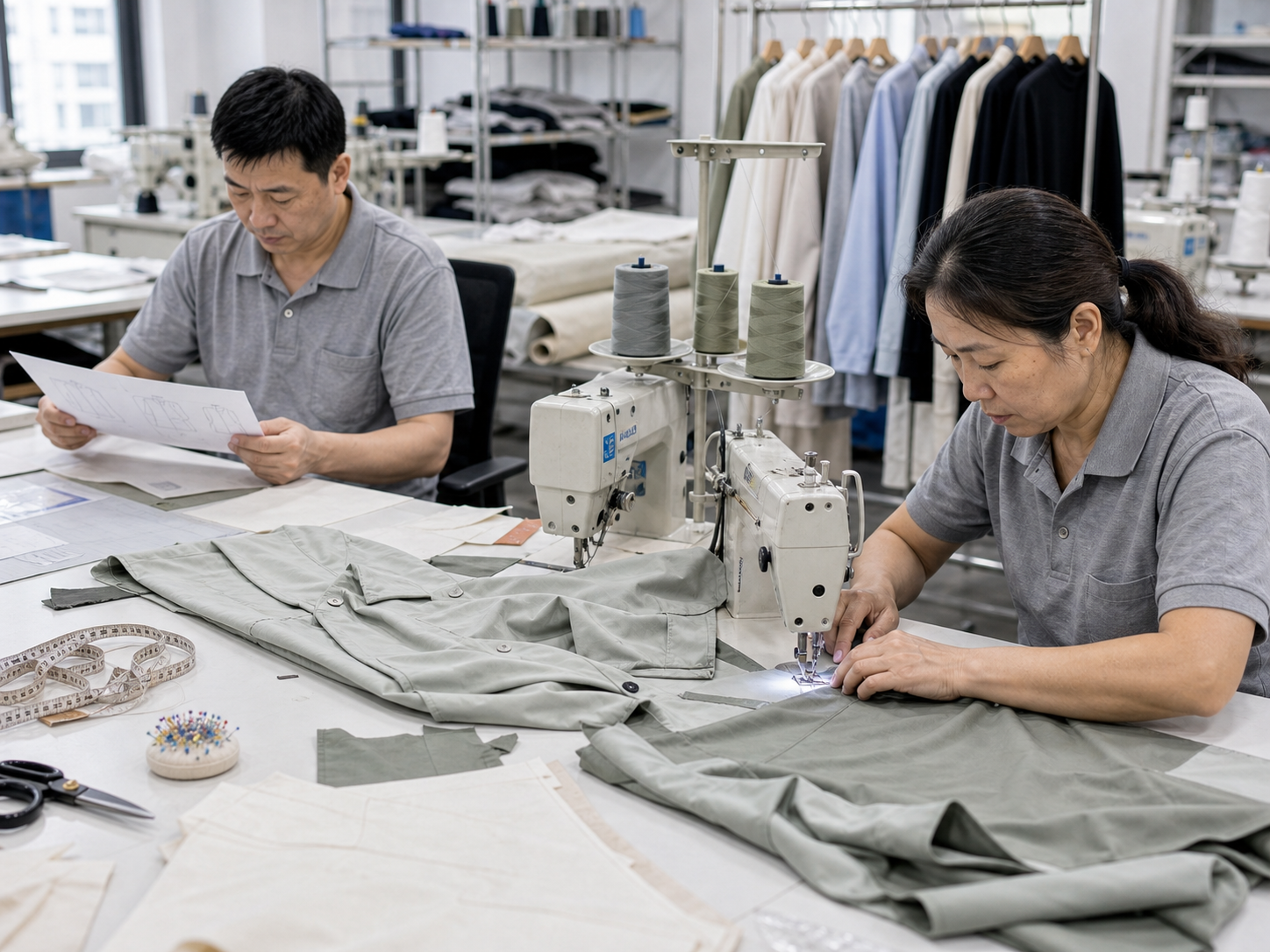
Factory sample maker reviewing an unbranded activewear garment during sample development

This language version is being prepared. The English source is shown temporarily and is excluded from search indexing.

What is activewear sample feedback supposed to achieve?

Activewear sample feedback is the buyer's controlled record of what the physical sample shows, what the approved reference requires, and what needs to happen next. It is not a list of preferences sent after a quick fitting. A useful record lets a brand, its product team, and the factory distinguish fit observations from design choices, material questions, construction corrections, branding details, packing points, and open decisions before another sample or bulk planning begins.

For a Factory custom manufacturing project, feedback often follows a development, fit, or pre-production sample. The buyer is deciding whether the sample supports the intended product use and whether the next action is approval, revision, a different material or component discussion, an additional sample, or a broader review. A catalogue-informed product can give the discussion a starting point, but feedback becomes factory-custom work when it changes the intended fit, fabric, construction, colour, feature, or sample route.

The practical outcome should be a revision brief that a colleague can understand without attending the fitting. It names the sample version, garment, colourway, size, relevant body or product use, observed issue, proposed change, evidence, owner, and decision status. That structure reduces the risk of a factory acting on a photo annotation while another stakeholder assumes the original measurement or construction is still approved.

Why are informal sample comments hard to use in production?

An informal message can be perfectly clear to the person who wrote it and still be ambiguous to everyone else. A comment such as “make the waistband better” does not say whether the issue is height, tension, width, seam position, elastic relationship, fabric behaviour, grading, wearer comfort, or visual proportion. It also does not identify the style, colour, sample version, size, or evidence that led to the comment. The factory is then asked to interpret an intention rather than review a defined product decision.

That ambiguity grows when one activewear program contains a bra, legging, training top, short, or coordinated set. One person may be discussing a fit issue in size M, another may be noting a logo placement concern on a black colourway, and a third may be asking whether a revised fabric handfeel changes the sample result. If those inputs live in a mixed chat thread, it is easy to correct the wrong item or to carry an old instruction into the next sample.

The earlier activewear tech pack checklist explains how to set the initial reference before sampling. Sample feedback serves a later decision: compare the physical result with that reference, record what the buyer saw, and decide which parts remain approved, which must be revised, and which require a new confirmation. It should not silently replace the approved file with an undocumented interpretation.

What should the buyer prepare before reviewing an activewear sample?

Begin with the current reference package, not with the sample alone. That package may include the product description, reference photos or existing style, measurement points, fit intent, material and trim direction, colour reference, artwork or logo file, label and packing requirements, and any prior approvals. The buyer does not need every decision to be final before a development sample exists, but the reviewer needs to know which document version represents the comparison point.

Name the sample precisely. Use the buyer's own product code, internal style name, or another stable identifier; record the sample stage and version; and identify the colour, size, and components actually reviewed. If the buyer is trying a garment on, record the wearer context only to the degree that helps interpret the observation, such as intended activity, expected layering, or the fit reference used. Do not turn one individual's response into a universal fit claim.

Prepare the review environment as well. A product team might need a measurement sheet, a clean place to inspect seams and labels, the intended logo artwork, a camera for factual photos, a comment sheet, and a named person who can consolidate decisions. The aim is not to make every review formal for its own sake. It is to ensure that a later reader can tell the difference between what was seen, what the buyer prefers, and what the next sample must demonstrate.

Which sample comments belong in the revision brief?

The table separates common comment types so that a buyer can explain the decision without turning every finding into a vague request for “better quality.” Each row should refer to an actual sample, evidence, and owner. The right action depends on the product, material, construction, approval history, channel, and project brief.

Comment areaWhat to compareA clear revision-brief entryDecision that still needs confirmation
Product identityStyle, sample stage, colour, size, and components against the active referenceRecord the exact sample ID and the version of the brief or measurement sheet usedWhether the team reviewed the intended sample and document version
Fit and proportionIntended ease, length, rise, opening, support, coverage, or layering relationshipDescribe the observed location, direction of change, reviewed size, and supporting photo or measurement referenceWhether the observation needs a pattern, grading, material, or wearer-context review
MeasurementsNamed points of measure against the approved or proposed specificationState the point, expected value or status, observed result, tolerance policy if one is approved, and requested actionWhich measurement document is current and who approves the revision
Material and trim behaviourStretch, recovery, handfeel, opacity, binding, elastic, zipper, or other relevant component behaviourDescribe the sample condition and use context without claiming a laboratory resultWhether a material, trim, construction, or sample route change is needed
Construction and workmanshipSeam placement, panel connection, attachment, finish, symmetry, or visible handling issueIdentify the physical location and whether the request is appearance, comfort, durability, or assembly relatedWhether the correction changes the construction method or only the sample execution
Branding and labelsArtwork version, placement, scale, orientation, label type, and visible relationship to the garmentName the approved file, placement reference, and the observed differenceWhether the artwork, placement, technique, or label instruction changes
Packing and handoffFold, poly bag, sticker, hangtag, set grouping, or carton-related sample requirementRecord the intended instruction and the sample result if packing is in scopeWhether this is a sample-presentation point or a production packing decision

The buyer does not need to use every row on every project. A close-fit training top may require a detailed panel, zipper, and measurement review; a catalogue-based branded set may focus on logo, label, colour, and packing confirmation. The point is to make each comment answerable and traceable rather than to create a generic checklist that obscures the important issue.

How should brands separate fit feedback from design and production feedback?

Fit feedback concerns how the sample relates to the intended body movement, coverage, length, support, opening, or proportion. It should identify the size reviewed and the exact location of the observation. “The sleeve feels restrictive at the upper arm when reaching forward” is more useful than “sleeves too tight,” because it points to an area, a condition, and a potential question for the next review. It still does not dictate a solution until the pattern, fabric stretch, seam construction, and intended fit have been considered.

Design feedback concerns the visual or product-direction decision: the position of a panel, neckline line, pocket visibility, colour-block relationship, or logo presence. These notes should identify the reference image, artwork, or product intent that the buyer wants preserved or changed. A design comment can affect fit, but it should not be merged with a measurement correction unless the buyer understands that both decisions are connected.

Production feedback concerns how an approved product direction is carried into repeatable execution: a seam sequence, label placement, component relationship, visible finish, packing treatment, or controlled document handoff. The activewear manufacturing workflow gives the broader context for how material, sewing, QC, packing, and export preparation connect. In a sample brief, the buyer's role is to make the product decision visible enough for the factory to review the relevant execution question, not to assume that a casual sample note is a full production instruction.

How can a buyer record measurements without overclaiming a fit result?

Measurements are valuable only when the team can see what point was measured, which size and sample version were used, and which specification or reference applies. Record the point name, the physical result, the comparison source, the method or condition when that matters, and the decision status. If the buyer has not yet approved a final measurement, label the result as an observation or proposed change rather than treating it as a released specification.

Avoid treating one fitting or one garment as proof of universal performance. People can experience support, length, comfort, and movement differently; fabric behaviour and construction can also affect how a measurement is perceived. A good revision brief makes the next question visible: does the buyer want a measurement change, a pattern adjustment, a material review, a construction change, another sample, or a decision from the product owner?

When material behaviour may affect the result, record that relationship instead of isolating the measurement. A waistband comment may be connected to elastic selection, fabric recovery, seam allowance, rise, and wearer context. Use the fabric and trim review route when the team needs to discuss those inputs before deciding how a sample should change. This keeps a useful fit observation from being converted into an unsupported material or performance claim.

What makes a photo annotation useful to the factory?

A photo can orient the discussion, but it should not become the only record. The image needs a sample identifier, garment side or area, colour or size when relevant, the comment number, and a concise description of what is being shown. An arrow may point to a seam, but written text should state whether the concern is placement, appearance, comfort, function, or a required comparison with an approved reference.

Use photos to document visible evidence, not to communicate a hidden conclusion. For example, a side view can show where a hem sits on the reviewed sample. The accompanying brief should identify the desired relationship and whether the buyer is asking for a measurement review, a pattern change, or a different visual treatment. The factory can then compare the image with the sample, pattern, or reference instead of guessing what “shorter” or “higher” means.

Keep annotations versioned. A marked image should carry the same comment ID as the written register. When a point is resolved, record whether it was approved as shown, revised in a later sample, deferred for another decision, or superseded by a newer document. Deleting an old image from a chat does not create a reliable approval history; a compact record of superseded and current comments does.

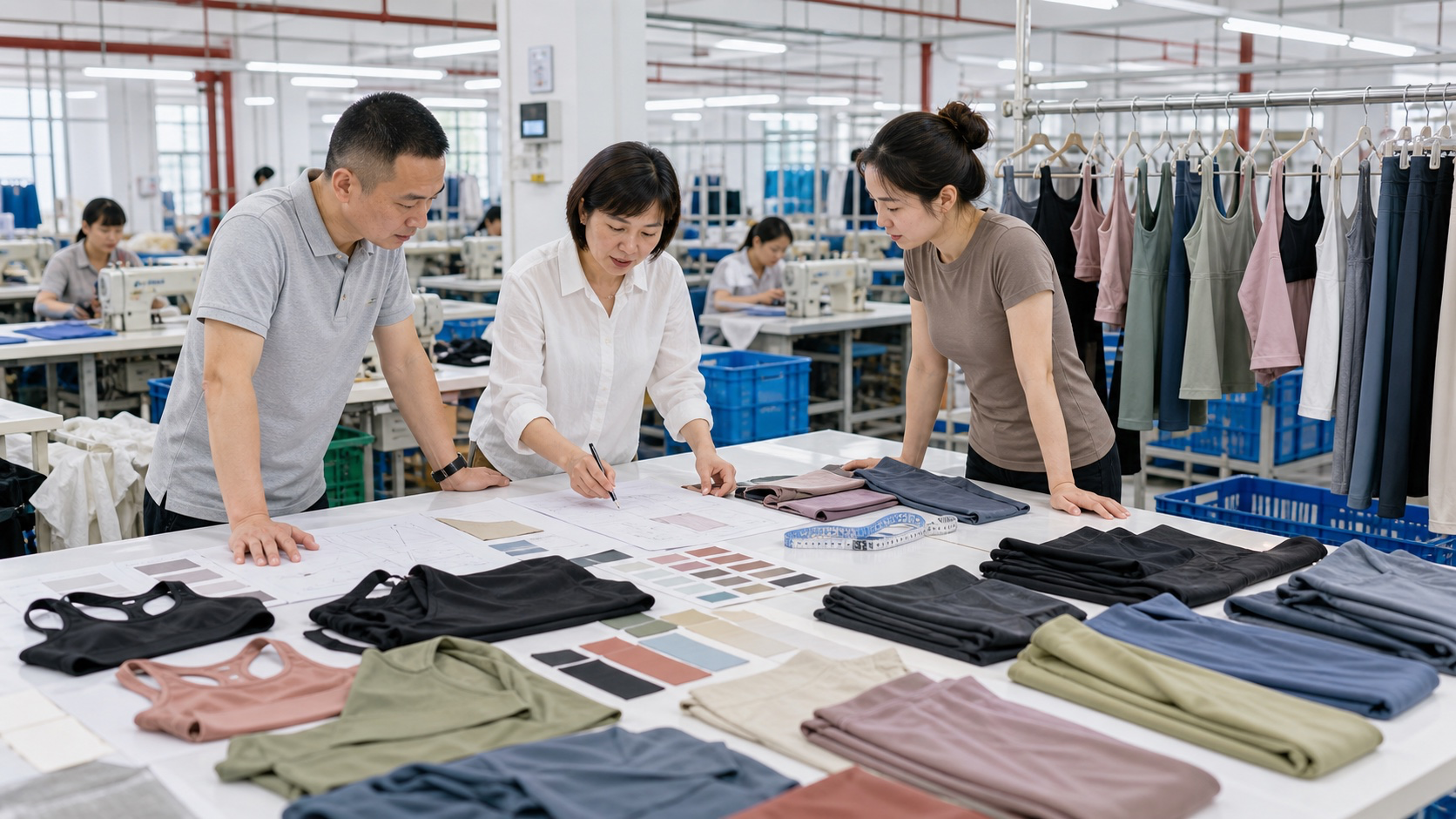
Sample maker checking garment construction beside development notes before the next sample review

The image illustrates the handoff that the revision brief should support. A sample and a note become more useful when the product, area, decision, and next reviewer are linked in one controlled reference rather than scattered across messages.

When does sample feedback require another sample instead of bulk approval?

Another sample may be appropriate when an unresolved change could alter the intended fit, construction, material relationship, functional detail, branding, or production decision. The need is not determined by a universal rule or a fixed number of sample rounds. It depends on what changed, how clearly the result can be confirmed, the buyer's product risk, the material and component availability, the order plan, and the level of evidence needed before production discussion.

Separate minor confirmation points from changes that affect the product definition. A corrected hangtag wording may require a different review path from a revised zipper position, altered rise, changed lining relationship, or new fabric direction. The buyer should state whether the next sample needs to prove a specific revision, whether an earlier approved area remains locked, and what evidence will allow the team to make a bulk decision.

The sample-to-bulk production guide explains the larger handoff from approved sample to production. This article focuses on the record before that handoff: a buyer should not call a sample “approved” while its key change requests, evidence, or ownership are still unclear. If the project needs a new fit, fabric, construction, colour, feature, or complete development path, make that factory-custom scope explicit in the revision brief.

What should a buyer checklist include before sending feedback?

Before sending an activewear sample feedback file, confirm that it includes:

  • The product name or style code, sample stage, version, colour, size, and components actually reviewed.
  • The active reference package: current brief, tech pack or measurement sheet, product image, artwork, and prior decisions.
  • A numbered comment register that separates observations, requested changes, questions, and approved points.
  • Fit observations that identify the area, reviewed size, intended use or movement context, and the question to resolve.
  • Measurement notes that name the point, comparison source, observed result, and approval status.
  • Material, trim, construction, and visible workmanship comments that state what the sample shows without inventing test results.
  • Design, logo, label, and packing notes tied to the current artwork or instruction version.
  • Photos or annotations with the same comment IDs as the written record, plus a clear indication of the garment area shown.
  • A named owner for each open point and a dated decision status: approve, revise, confirm, defer, or discuss.
  • A concise next-step request: confirm the interpretation, provide a revised sample, review a component or material direction, or prepare the evidence needed for the bulk decision.

This checklist is not a replacement for a brand's internal product-development process. It is a practical way to prevent a buyer's real observations from losing context between fitting, design, factory communication, and the next sample.

How can inPACE Sports support a clear sample-feedback handoff?

inPACE Sports can use a buyer's product reference, fit and construction comments, material direction, artwork, labels, packing requirements, and open questions to discuss an appropriate sample or development path. Ningbo Yinshan Garments Factory can support the connected sampling work around the real brief, including printing, embroidery, washing, material and trim review, sewing, QC, packing, and production discussion where those processes are part of the selected product. The exact feasibility of any style, fabric, construction, component, artwork, sample, quantity, or timing remains subject to the actual brief and project review.

As a general planning range, a sample discussion commonly takes about 5–10 days and production about 25–50 days after the relevant approvals and project conditions are confirmed. These are not fixed commitments: the product complexity, fabric availability, colourways, print, embroidery, washing, labels, packing, quantity, and change requests can affect the applicable route and timing. A revision brief is therefore useful not only because it clarifies the garment, but because it identifies the decisions that should be resolved before the next sample or production schedule is discussed.

For a brand starting from an existing performance direction, the sample-feedback record can clarify what remains catalogue-informed and what needs brand presentation. When requested revisions change the fit, fabric, construction, colour, feature, or sample plan, the discussion should move into Factory custom manufacturing rather than treating a substantive development request as a minor catalogue adjustment. That route boundary helps both sides focus feedback on the decisions that actually need confirmation.

What should a brand send with an activewear sample feedback request?

Send the sample identifier, current product or tech pack reference, reviewed colour and size, fit and measurement observations, material or trim questions, construction notes, artwork and label files, annotated images, comment register, approved points, open points, and the specific decision needed next. Explain whether the team is seeking interpretation, a revision sample, material or component discussion, or evidence for a later bulk decision.

Share an activewear sample-feedback brief when the team needs a B2B product-development discussion. A clear revision record helps distinguish an observed sample issue from an approved production instruction, without assuming fixed pricing, MOQ, schedule, availability, test results, or compliance outcomes.

Activewear Sample Feedback: Fit Comments and Revision Briefs | inPACE Sports